Who Is Responsible For Fallen Leaves From A Neighbor’s Tree In California?
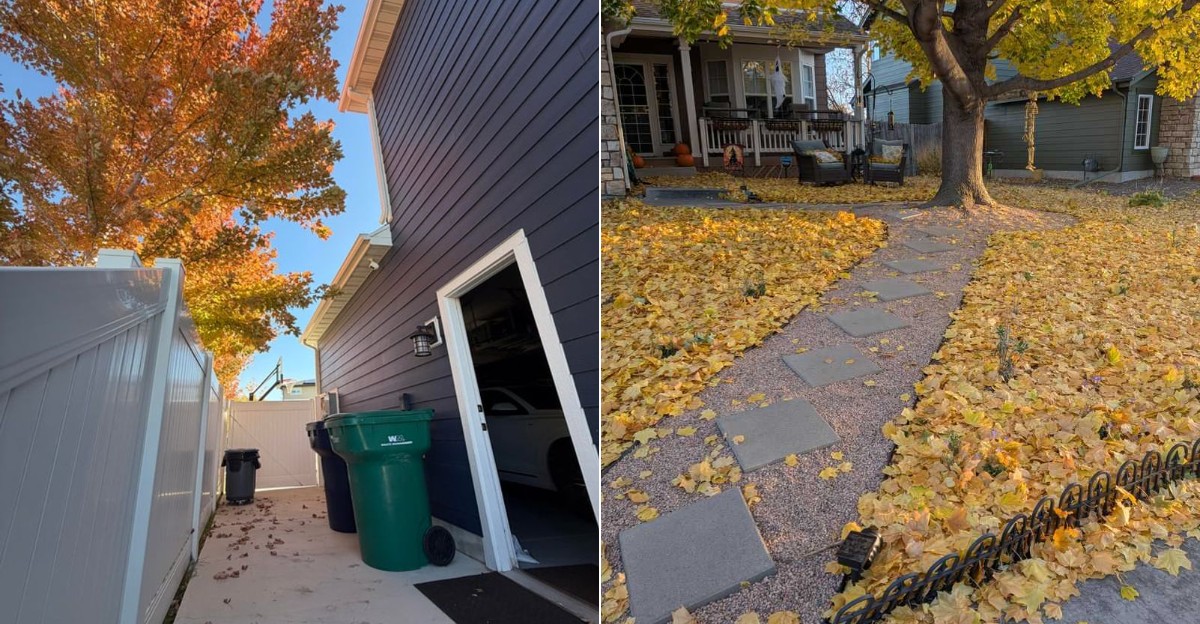
That pile of leaves covering your California yard may be coming from a tree you do not even own, but that does not automatically mean your neighbor has to clean it up.
Fall leaf drop can turn a peaceful backyard into a constant chore, especially when branches stretch over fences, driveways, and garden beds.
Tree-related disputes can get complicated quickly, so it helps to know where your responsibility ends and where your neighbor’s begins. Fallen leaves, overhanging branches, and tree maintenance are not always handled the same way under California rules.
Before you start a conversation next door or spend hours raking, understand what you can expect and what steps can help prevent bigger problems. A little preparation can save you time, frustration, and a lot of unnecessary yard work.
1. Leaf Cleanup Is Usually Your Responsibility
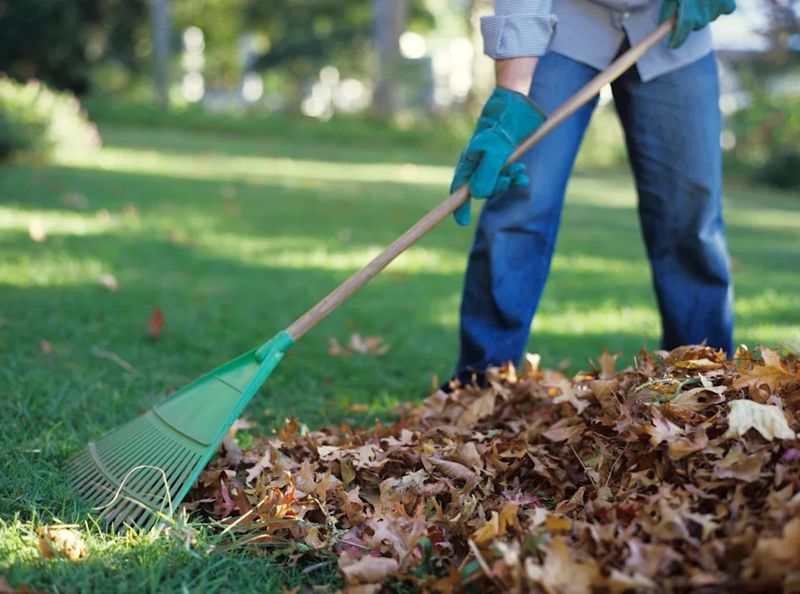
Here is the part that catches many people off guard. In California, once leaves fall onto your property, cleaning them up is generally your job.
It does not matter that the tree belongs to your neighbor.
The law treats fallen leaves like a natural event, similar to rain or wind. Nature moves things around, and courts usually do not force neighbors to pay for normal debris.
So the leaves in your yard become your problem to rake.
Think of it this way. If your neighbor’s flowers drop petals onto your walkway, you would sweep them up without a second thought.
Leaves work the same way in the eyes of the law.
Many homeowners feel this is unfair, and that reaction makes sense. Still, expecting a neighbor to cross into your yard and clean is not something the courts support in most cases.
That could even cause new problems. The good news is that you have options. You can rake, mulch, or hire help during heavy leaf seasons.
Some people even turn leaves into compost for their gardens.
Staying friendly with your neighbor often works better than demanding cleanup. A calm chat can lead to shared effort.
But legally, the raking usually falls to whoever owns the ground the leaves land on.
2. Tree Location Does Not Always Decide Liability
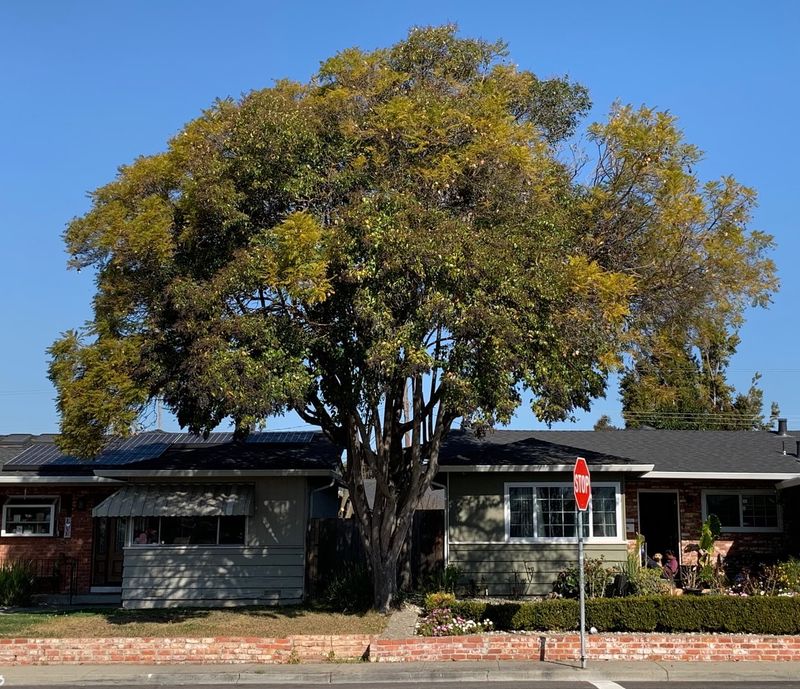
People often assume the tree owner is automatically on the hook for everything. Reality is a bit more layered than that.
Where the trunk sits matters, but it does not settle every question.
Under California rules, the person who owns the land where the trunk grows is considered the tree owner. That ownership brings some duties, but not endless ones.
Normal leaf drop is rarely counted as a real burden on the neighbor.
Where things shift is when a tree causes actual harm, not just mess. A trunk on one side does not shield the owner if branches or roots cause damage. Location sets ownership, but behavior sets liability.
Picture two homes with a shady oak near the fence. The trunk sits in one yard, yet the canopy spreads over both.
The owner is not forced to sweep the neighbor’s patio just because the tree leans that way.
Your California Garden Changes Every Week. Your Plan Should Too.
Gardening in California changes quickly throughout the season. Every Friday you’ll receive a simple weekly plan showing exactly what to plant, prune, fertilize, harvest, and protect so you never miss the right timing.
Courts focus on fault and reasonable care instead of simple geography. If the owner ignored a clear hazard, location will not save them.
If everything is healthy, the neighbor cannot demand payment for tidy-up.
Understanding this helps you avoid blaming the wrong thing. Ask whether real damage happened, not just whose side the tree stands on.
That question guides most legal outcomes far better than location alone.
3. Normal Leaf Drop Is Not Usually Damage
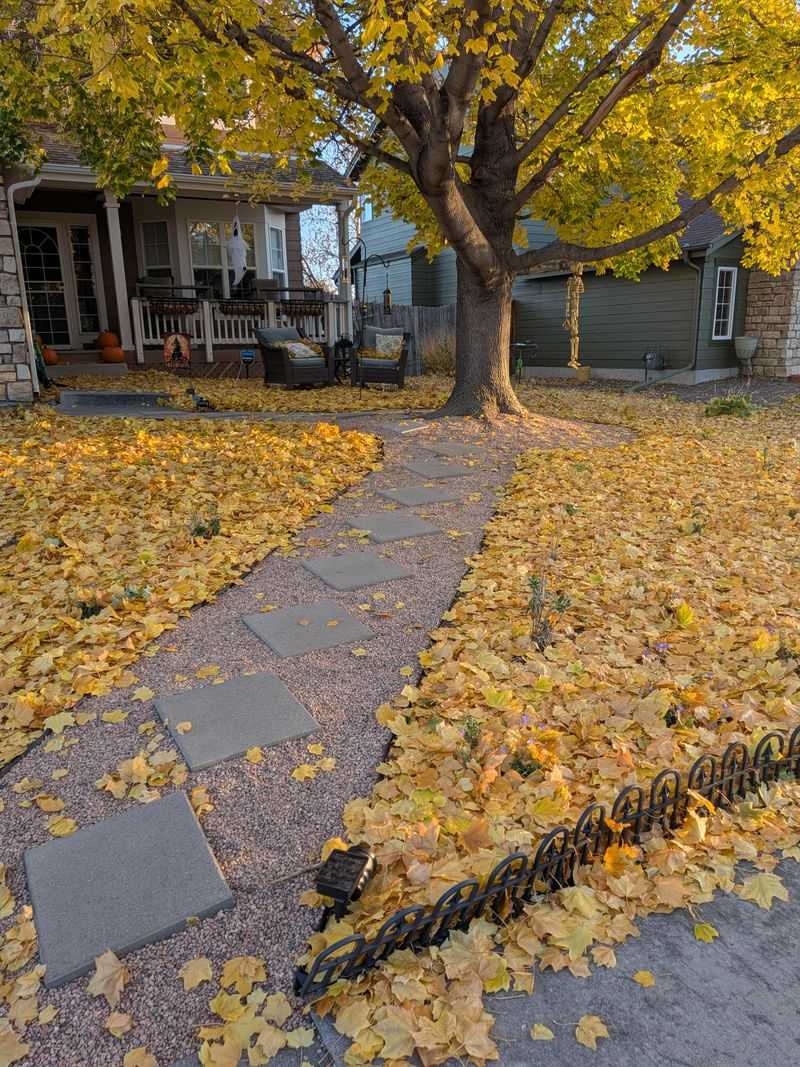
Leaves piling up feels annoying, but annoyance and damage are two different things in the law. Courts draw a firm line here.
Ordinary leaf drop almost never counts as legal harm.
California treats shedding leaves as a natural part of having trees around. Since nearly every tree loses leaves, forcing owners to pay would create endless lawsuits. Judges simply do not want to go there.
For something to count as damage, it usually has to hurt property in a lasting way. A clogged gutter you can clean is not the same as a cracked foundation.
Raking a lawn is a chore, not a legal injury.
Say your pool needs skimming every fall because of a neighbor’s tree. That extra work is frustrating, yet it rarely qualifies for compensation.
The law sees it as regular upkeep. This does not mean you have zero options. You can install gutter guards, add a pool cover, or trim overhanging branches yourself.
Small changes can cut down the mess a lot. Knowing that leaves are not damage helps you set realistic expectations. Skip the idea of suing over a messy yard.
Instead, focus your energy on smart cleanup tools and a good relationship with the folks next door.
4. Branch Trimming Has Its Own Rules
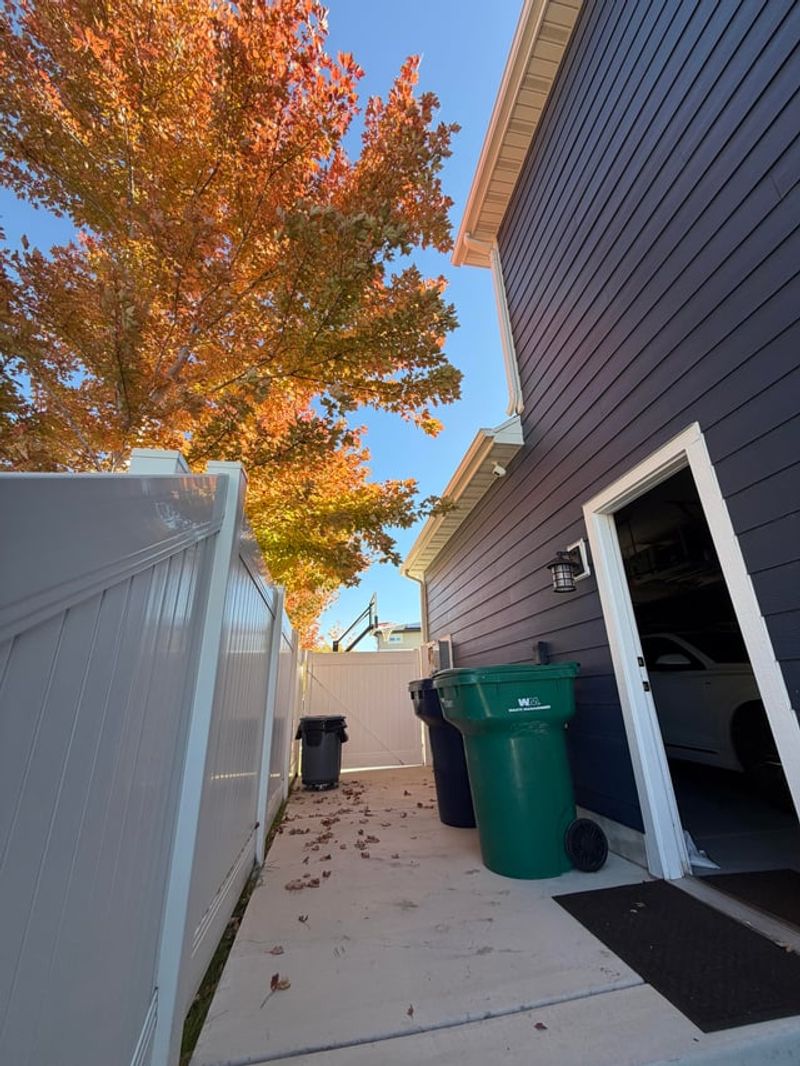
Here is a rule that gives homeowners real power. In California, you may trim branches and roots that cross onto your property.
You do not need your neighbor’s permission to do it.
The catch is that your cutting must stay on your side of the line. You can trim right up to the boundary, but not reach over into your neighbor’s air space.
Crossing that line can get you in trouble.
Another limit is that your trimming cannot harm the tree’s health. If you cut so much that the whole tree becomes weak or falls, you could be held responsible. Careful, reasonable trimming is the safe path.
Imagine branches from next door hanging over your garage. You are free to prune the part above your roof.
Just avoid hacking so deep that you damage the trunk or main limbs.
Hiring a licensed arborist is often the smartest move for bigger jobs. They know how to trim safely and legally.
That protects both the tree and your wallet from future claims.
A quick heads-up to your neighbor is polite, even if not required. Letting them know keeps the peace and avoids surprises.
Trimming rights are strong in California, but using them kindly makes everything smoother for both households.
5. Local Laws Can Change The Answer
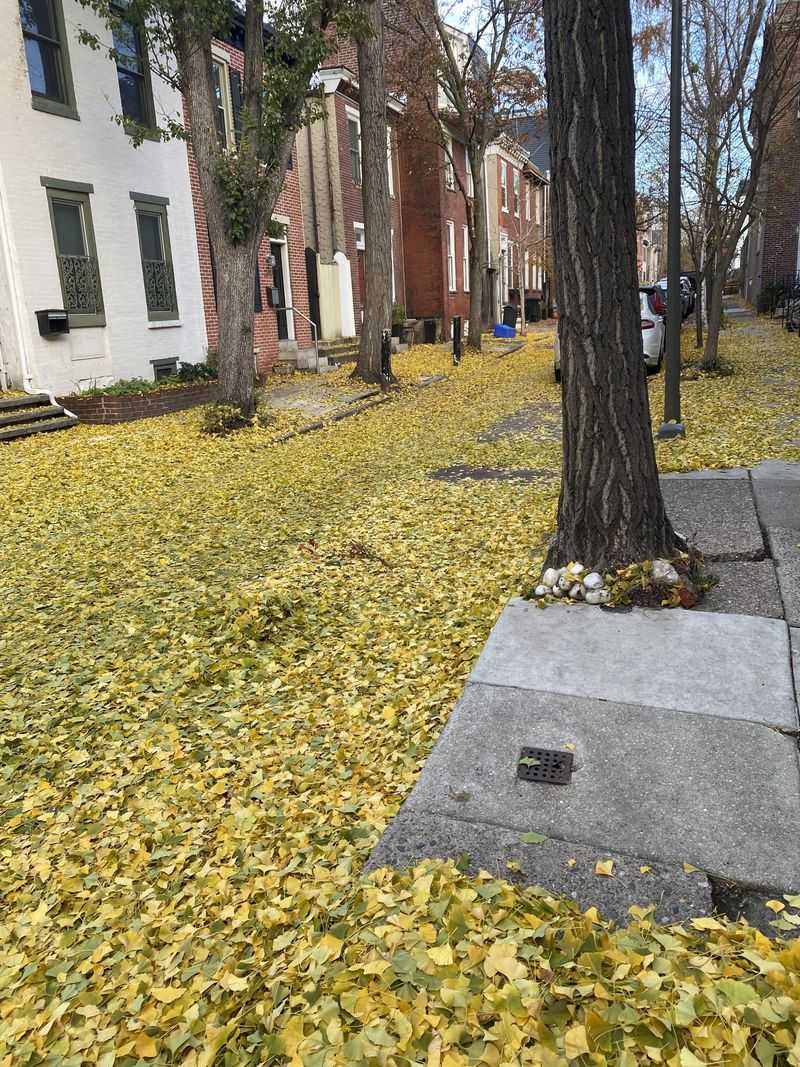
State rules are only part of the story. Cities and counties across California often add their own tree laws.
Those local rules can shift responsibility in ways that surprise homeowners.
Some towns protect certain species as heritage or landmark trees. You may need a permit before trimming or removing them, even on your own land.
Ignoring that can lead to fines.
Homeowners associations add another layer. Many HOAs have detailed rules about tree care, cleanup, and who handles overhanging branches.
Those private rules can be stricter than city law.
Picture a neighborhood with lots of old oaks that the city wants to keep. There, cutting branches might require approval first. What is legal in one town could be banned a few miles away.
Because of this patchwork, checking local codes is always worth the effort. A quick call to your city office can clear up confusion fast.
The website often lists tree rules too.
Do not assume the general state rule applies perfectly to your street. Local ordinances have real teeth and can override your first assumptions. They may protect you or add duties you did not expect.
Before you rake, trim, or argue, know your local rules. That knowledge keeps you on the right side of both the law and your neighbors.
6. Hazardous Trees Are A Different Issue
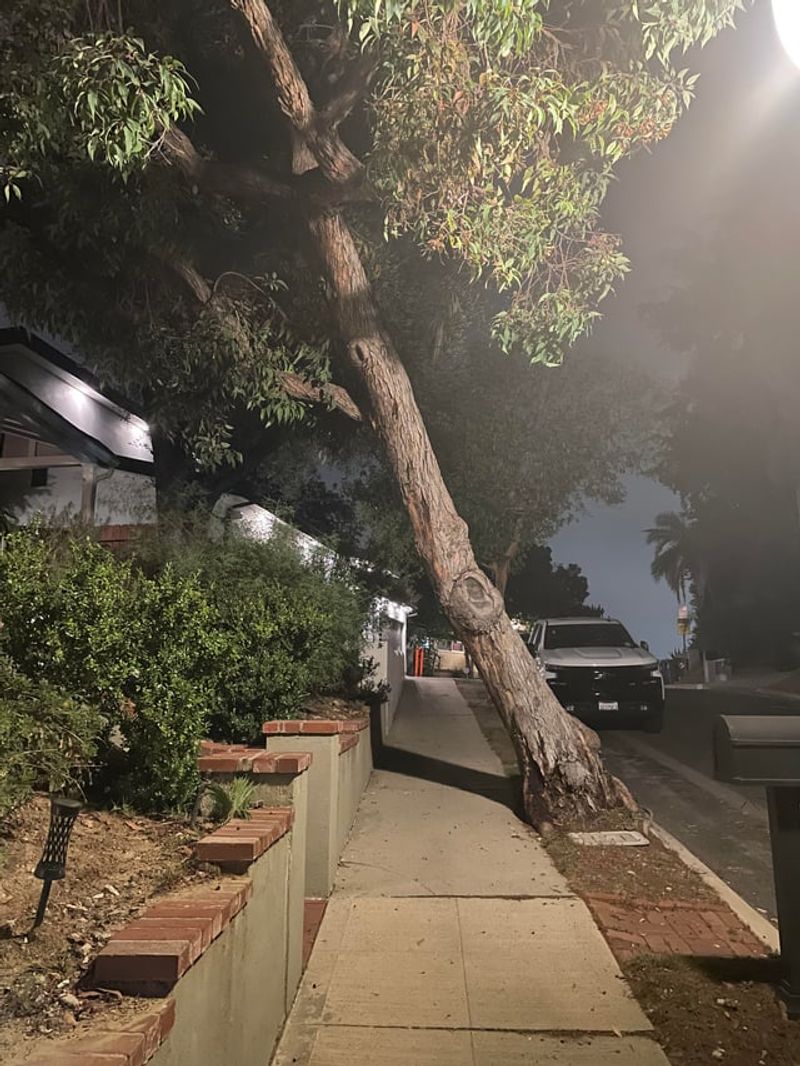
Everything changes when a tree becomes truly dangerous. A hazardous tree is not the same as a messy one. Here, the owner can face real legal responsibility.
If a tree is clearly rotting, leaning badly, or dropping heavy limbs, the owner must act. Courts expect owners to fix known dangers with reasonable care. Ignoring a warning sign is risky.
Say a neighbor’s tree has a huge cracked branch hanging over your bedroom. That is not normal leaf drop.
If it falls and causes harm, the owner could be liable for the costs.
The key word is knowledge. Owners are usually judged on what they knew or should have known.
A hidden weakness is treated differently than an obvious, ignored hazard.
Documenting the problem helps if you are the worried neighbor. Take photos and send a polite written notice.
That creates a record showing the owner was warned.
Local officials or a certified arborist can inspect a tree in question. Their reports carry weight if things ever reach a dispute.
Professional opinions beat guesses.
Safety comes first with these situations. If you fear immediate danger, contact your city about emergency options.
Hazardous trees deserve fast attention, because the stakes are far higher than a pile of leaves ever could be.
7. Leaves Are Usually A Maintenance Problem
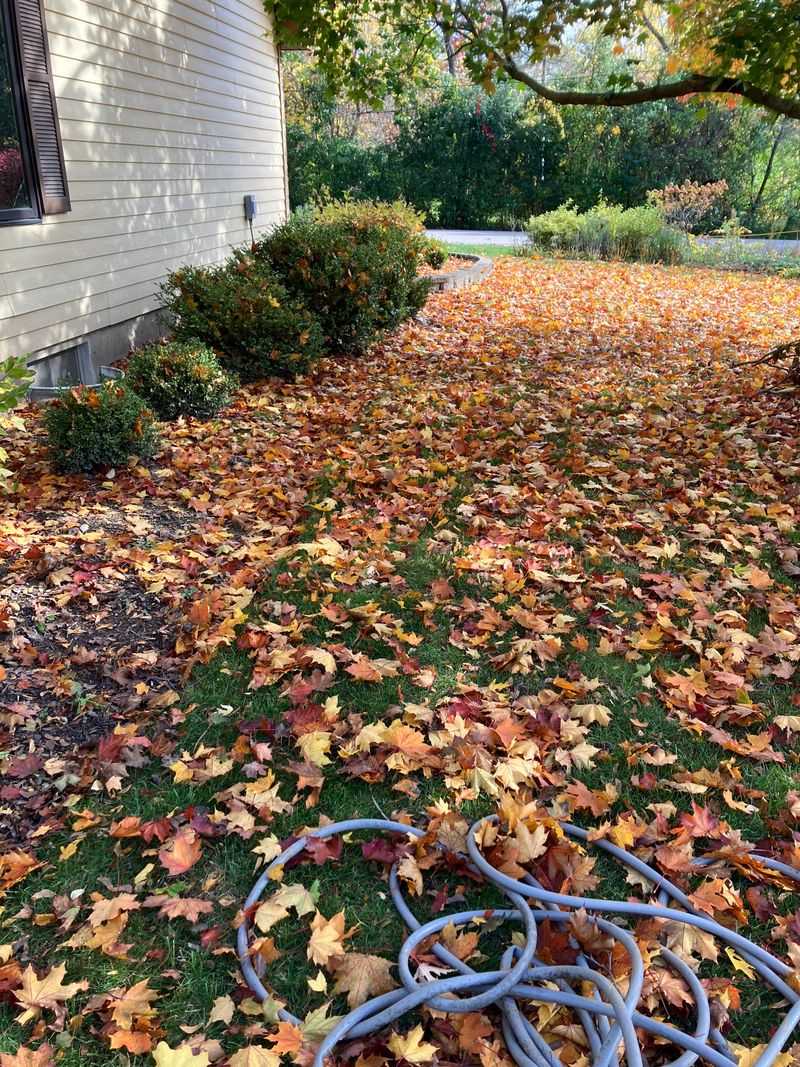
At its heart, the leaf question is really about upkeep. Most fallen leaves fall into the category of regular home maintenance.
That framing shapes how the law responds. Just like mowing grass or cleaning gutters, raking leaves is part of owning a home. Trees are common, and their seasonal shedding is expected.
Nobody gets a free pass from yard work. Seeing leaves as maintenance helps you plan ahead. Instead of stewing over your neighbor’s tree, you can build cleanup into your fall routine.
A little effort each week beats one giant pile. Tools make this far easier than it sounds. Leaf blowers, mulching mowers, and gutter guards all cut down the workload.
Some folks even collect leaves for compost or garden mulch. Consider hiring seasonal help if the job feels too big. Many landscaping crews offer affordable fall cleanups.
Splitting the cost with a neighbor is another friendly idea. The mindset shift matters most here. When you accept leaves as normal upkeep, the frustration fades.
You stop looking for someone to blame and start solving the problem.
That practical attitude also protects your relationships. Neighbors appreciate people who handle their own yards without pointing fingers.
Treating leaves as maintenance keeps both your property and your friendships in good shape.
8. Shared Trees Can Complicate Responsibility
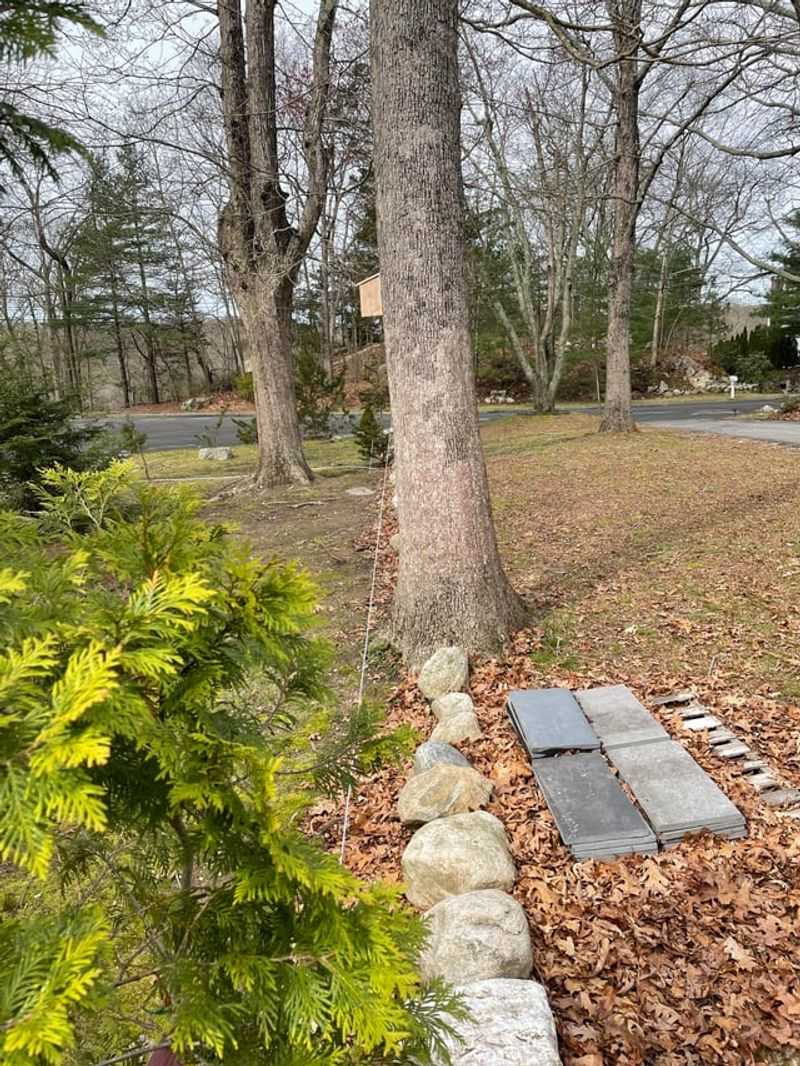
Now for the trickiest situation of all. Sometimes a tree grows right on the property line.
When the trunk straddles the boundary, both neighbors may share ownership.
California calls these boundary or line trees. Because both owners have a stake, neither can act alone without care.
Decisions about the tree often need agreement from both sides.
This shared status changes the leaf conversation too. If both people own the tree, both may share cleanup and care duties. It becomes a team effort rather than one person’s burden.
Picture a tall pine sitting exactly on the fence between two yards. One neighbor cannot chop it down without the other’s consent. Doing so could lead to a real legal claim.
Cutting or harming a shared tree without permission is serious business. Courts can order payment for the tree’s value.
That value can be surprisingly high for large, old trees.
The smartest approach is open communication. Talk early about trimming, cleanup, and any concerns. Writing down your agreement helps avoid confusion later.
If neighbors cannot agree, mediation is often better than court. A neutral helper can guide a fair plan for both households. Shared trees ask for shared solutions.
Handled well, a boundary tree can stay beautiful for everyone. Cooperation turns a possible headache into simple, friendly teamwork between two homes.