Never Dig In North Carolina Garden Beds While They Are Soaked Or You Will Ruin The Soil Structure
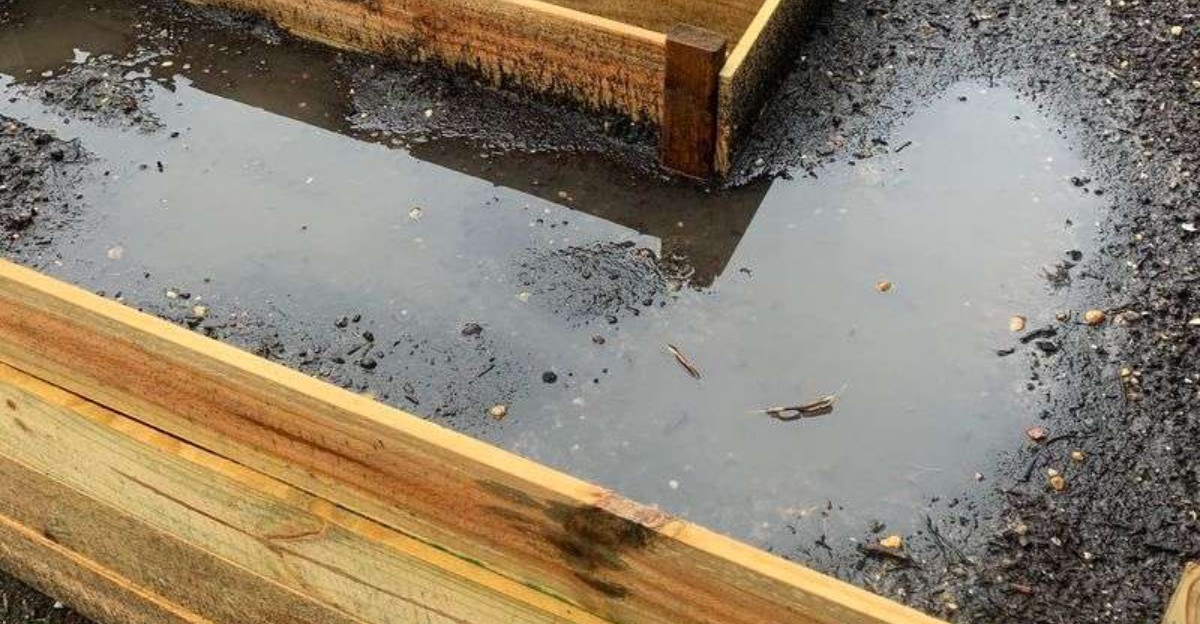
Working wet soil is one of the easiest ways to damage a North Carolina garden bed without realizing it right away.
Digging or tilling when the ground is saturated compresses soil particles together, squeezing out the air pockets that roots, water, and beneficial organisms all depend on.
Once that structure collapses, the soil can become dense and compacted, making it harder for water to drain properly and for roots to spread the way they should.
This kind of damage doesn’t always show up immediately, but it can affect plant growth for a full season or longer.
Waiting for soil to dry out to the right moisture level before digging protects the structure that took time to build. Here’s why working wet North Carolina garden beds does more harm than most gardeners expect.
1. Wet Soil Structure Can Collapse Under Pressure
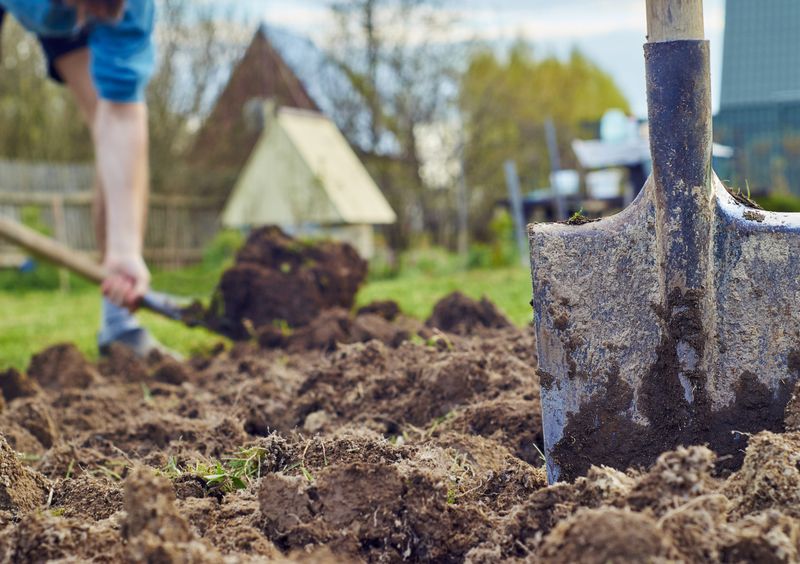
Picture a sponge full of water. When you press down on it, the little holes squeeze shut and the whole thing flattens. Soaked garden soil behaves in almost the same way.
Healthy soil is packed with tiny air pockets between the particles. Those pockets hold oxygen, let water drain, and give roots room to stretch out. They also create cozy homes for the helpful organisms that keep your garden thriving.
When you dig or step on wet ground, the weight of your body and your tools pushes all those particles together. The air spaces shrink or vanish completely, and the fluffy texture your plants love turns flat and lifeless.
Once that structure breaks down, it does not bounce back quickly. It can take many seasons for the soil to rebuild its natural spacing, and in the meantime your plants struggle to breathe and drink.
North Carolina gardens face this problem often because rain arrives in heavy bursts. A bed that looks fine on the surface may still be soggy just below.
The smart move is patience. Give the ground time to drain after a downpour before you touch it with a shovel or your feet.
If you must reach a plant, lay a board across the bed to spread out your weight. That simple trick keeps pressure from crushing the soil in one spot.
Protecting those air pockets now means stronger roots, better drainage, and a garden that rewards you later with healthy, happy growth.
2. North Carolina Clay Soil Becomes Hard Like Concrete
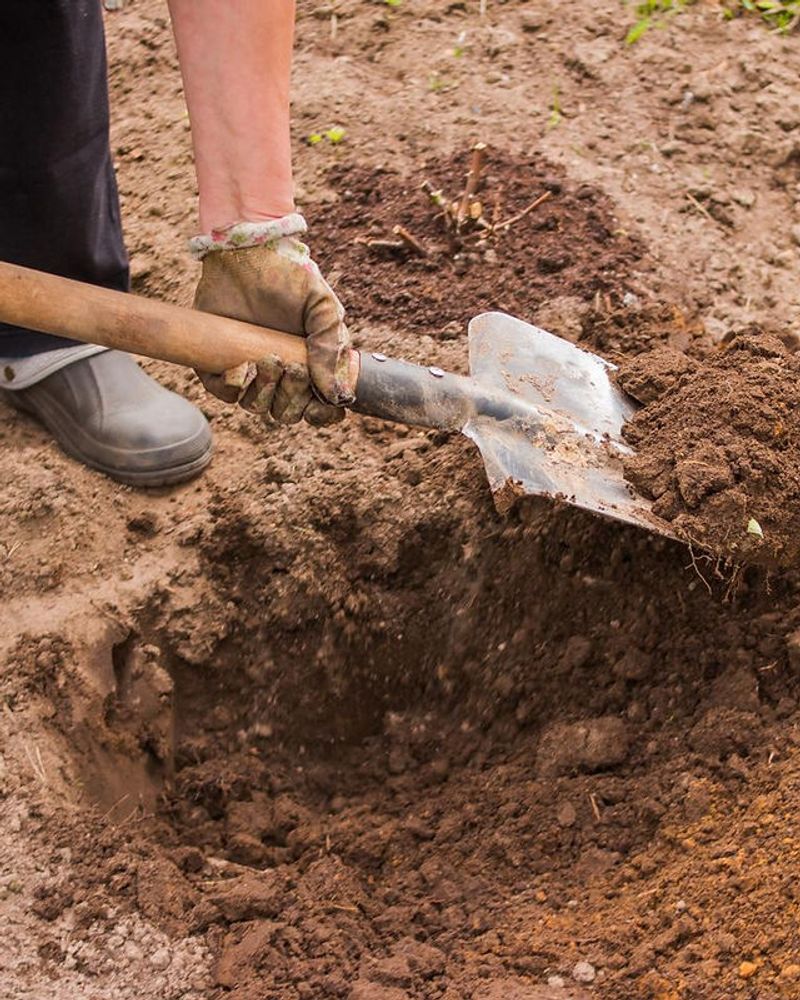
Anyone who has gardened in the Carolinas knows the famous red clay. It is sticky when wet and rock-hard when dry, which makes timing everything.
Clay is made of extremely tiny, flat particles that pack together tightly. When those particles get soaked and then disturbed, they smear and blend into one dense mass instead of staying loose and crumbly.
Dig into wet clay and you will notice it clings to your shovel in heavy, gummy chunks. As the sun dries those chunks, they harden into stubborn clods that feel almost like bricks.
Once clay bakes into that solid state, breaking it apart is exhausting. You end up fighting your own soil instead of planting in it.
Your North Carolina Garden Changes Every Week. Your Plan Should Too.
Gardening in North Carolina changes quickly throughout the season. Every Friday you’ll receive a simple weekly plan showing exactly what to plant, prune, fertilize, harvest, and protect so you never miss the right timing.
The good news is that clay can be wonderful when treated well. It holds nutrients better than sandy soil, so plants get a steady supply of food.
The trick is working it only when the moisture is just right, never when it is dripping wet or bone dry. That middle zone keeps the particles from smearing together.
Adding compost over the years also helps loosen heavy clay and improve its crumbly feel. The organic matter creates space and invites earthworms to do the mixing for you.
So when the rain stops, resist the urge to jump in. Let the clay firm up and lose its gooey texture first.
A little patience keeps your North Carolina soil workable and saves your back from hours of chopping hardened lumps.
3. Compacted Soil Stops Roots From Growing Properly
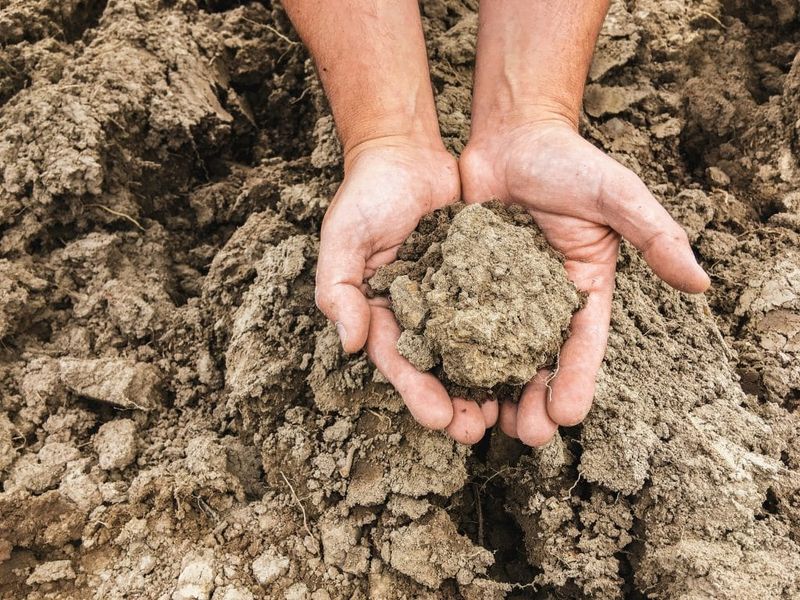
Roots are the hidden heroes of every garden. They pull up water, grab nutrients, and anchor plants firmly in place. But they can only do their job if the soil gives them room to move.
When you work a soaked bed, the particles pack down into a tight layer. That layer acts like a wall, and roots simply cannot push through it easily.
Instead of spreading wide and deep, roots grow shallow and cramped. A plant with a small root system struggles to find enough food and water, especially during hot North Carolina summers.
Compacted ground also holds far less oxygen. Roots need to breathe just like the rest of the plant, and without air they weaken and slow their growth.
Stressed plants become easy targets for pests and diseases. A tomato or pepper with limited roots wilts faster and produces less fruit than one grown in loose, healthy soil.
You might even see the effects above ground as yellowing leaves or stunted stems that never seem to take off.
Avoiding this problem is simple once you understand it. Stay off wet beds, and give the soil time to dry to a workable state.
Loose, crumbly soil lets roots stretch out freely and grab everything they need. That strong foundation shows up later in bigger harvests and healthier plants.
Think of your soil as the launchpad for everything you grow. Keep it soft and open, and your roots will thank you all season long.
4. Digging Wet Beds Creates Long-Lasting Clods
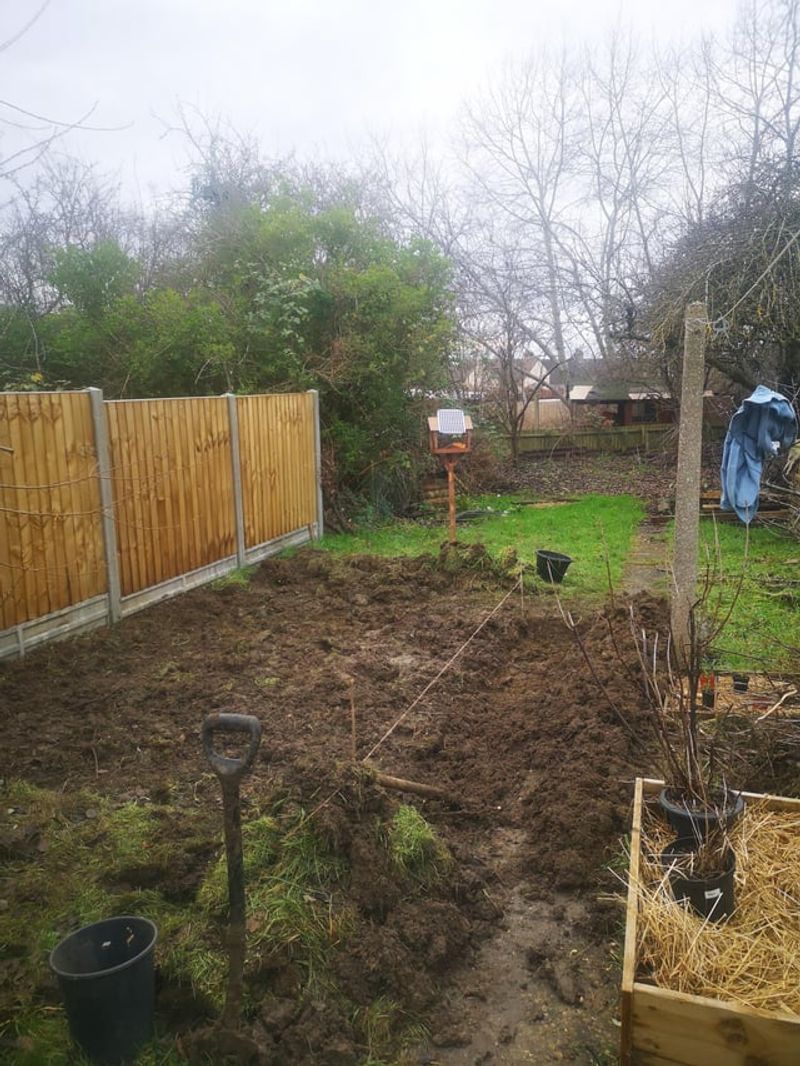
There is nothing more frustrating than turning over a bed and ending up with a field of hard lumps. Digging wet soil almost guarantees this messy result.
When saturated ground gets flipped by a shovel or tiller, it comes up in heavy, dense chunks. These are not the fluffy crumbles you want for planting.
As the sun and wind dry those chunks, they shrink and harden into stubborn clods. Some grow as solid as stones and refuse to break apart no matter how hard you swing your hoe.
A bed full of clods is a rough place for seeds and young roots. Tiny seedlings cannot push through gaps between giant lumps, and water pools in the awkward spaces.
Planting into such a bed leaves air pockets around roots, which dries them out and slows their growth. The whole area looks bumpy and uneven instead of smooth and inviting.
Fixing clods later means extra hours of chopping, raking, and sifting. It is tiring work that you can easily avoid with better timing.
Wait until the soil reaches that crumbly, cookie-dough feel before you dig. At that moisture level, the earth breaks apart naturally into loose, workable pieces.
A well-timed digging session leaves you with a soft, even bed ready for seeds and transplants. Everything settles in nicely, and water spreads evenly across the surface.
Good timing turns a backbreaking chore into an easy task. Your future self will be glad you waited for the right moment.
5. Poor Soil Structure Leads To Drainage Problems
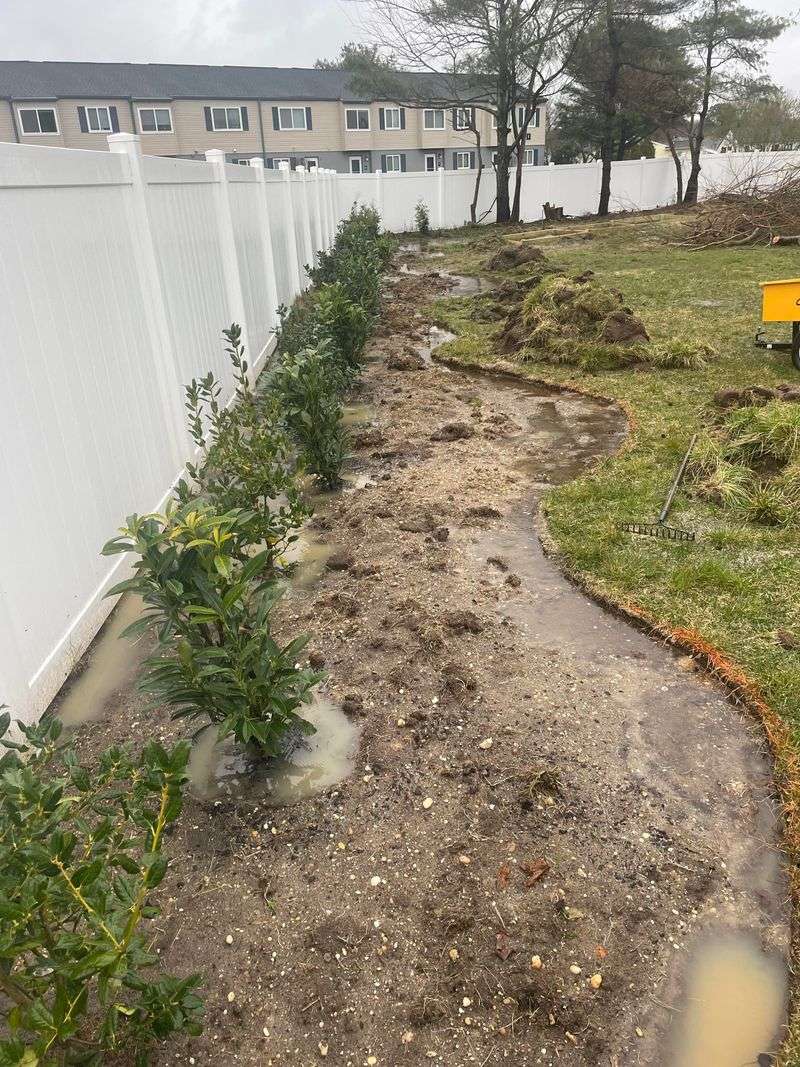
Water needs a clear path to travel through soil, and that path depends on the tiny channels between particles. Damage those channels, and drainage falls apart fast.
Healthy soil works like a sponge with many connected tunnels. Rain soaks in, moves downward, and reaches the roots that need it while excess water drains away.
When you dig wet beds and crush those tunnels, water loses its route. Instead of soaking in, it sits on the surface in shallow puddles that linger for hours.
Standing water is bad news for most garden plants. Roots left sitting in soggy conditions cannot get oxygen, and they slowly rot beneath the surface.
In North Carolina, where storms can dump inches of rain at once, good drainage matters more than ever. A bed with damaged structure floods again and again after every downpour.
Poor drainage also washes away nutrients and leaves a crusty, sealed surface that repels water rather than absorbing it.
You might notice plants looking droopy and sad even when they have plenty of water. That soggy, suffocating soil is often the real culprit.
Keeping the soil structure intact protects those all-important drainage channels. Water flows the way nature intended, giving roots a steady drink without drowning them.
Adding organic matter and avoiding work on wet days keeps everything moving smoothly. Your beds stay firm yet open, ready to handle whatever the weather brings.
Strong drainage means fewer soggy surprises and a garden that shrugs off heavy rain.
6. Soil Life Gets Disrupted
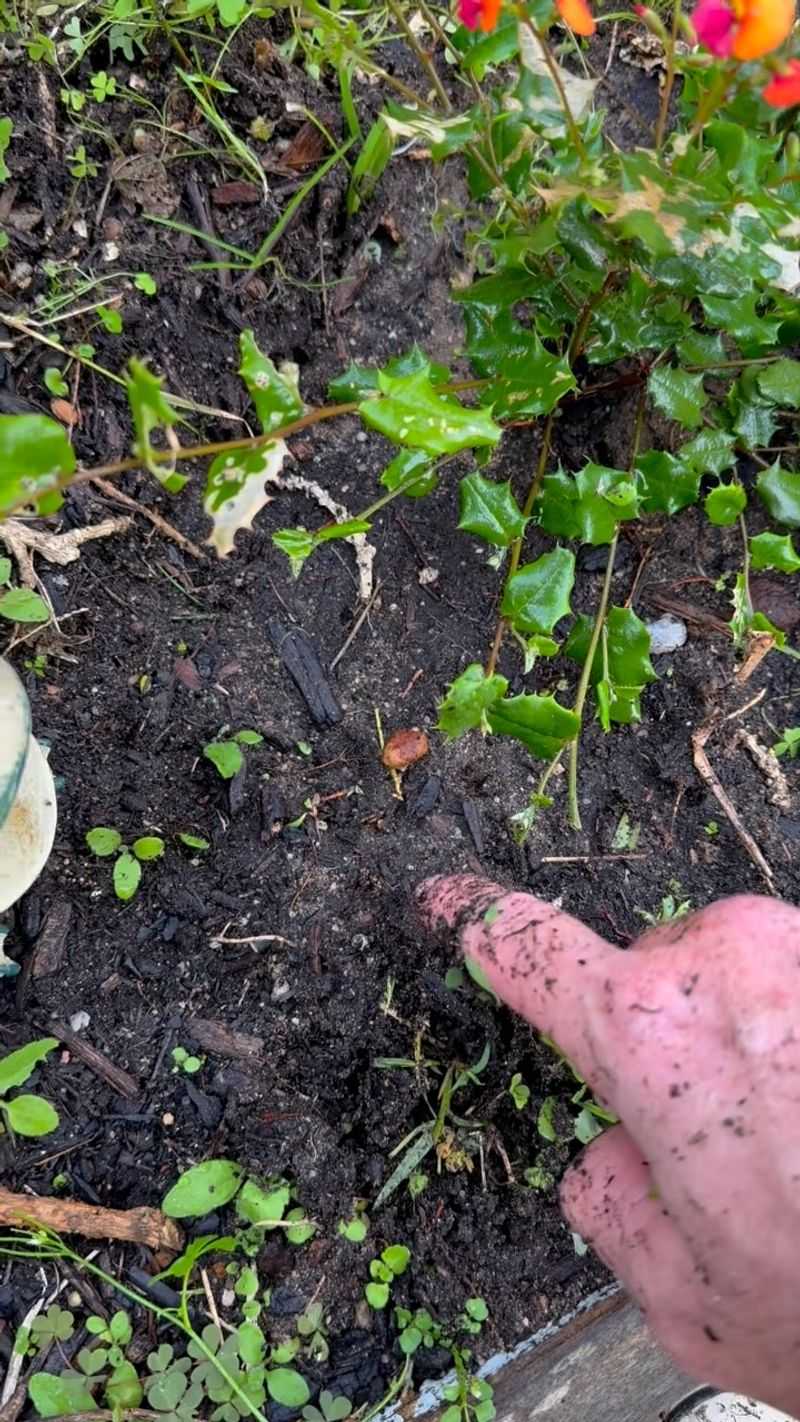
Beneath every good garden lives a busy, hidden world. Earthworms, fungi, bacteria, and countless tiny creatures work around the clock to keep your soil healthy.
These helpers break down leaves and old roots into rich food for your plants. They also carve out little tunnels that let air and water move freely through the ground.
Earthworms are the champions of this crew. As they wriggle along, they loosen the soil and leave behind nutrient-packed castings that plants love.
Fungi stretch out thread-like networks that connect to plant roots and pass along water and minerals. It is a quiet partnership that makes everything grow stronger.
When you dig soaked beds, you break apart these networks and crush the tunnels the creatures depend on. Their whole underground neighborhood gets flipped upside down.
Working wet soil also seals off the air pockets these organisms need to survive. Many of them cannot function in packed, airless ground.
Losing that soil life means losing free labor. Suddenly you have to do more of the mixing, feeding, and aerating yourself.
A garden with rich soil life practically takes care of itself. The creatures keep the ground loose, fertile, and full of energy.
Protecting them is easy once you know they are down there. Stay off wet beds, add compost, and let nature do its work in peace.
Treat your soil like the living community it truly is, and it will reward you with healthier, more productive plants every single season.
7. Wait Until Soil Passes The Moisture Test
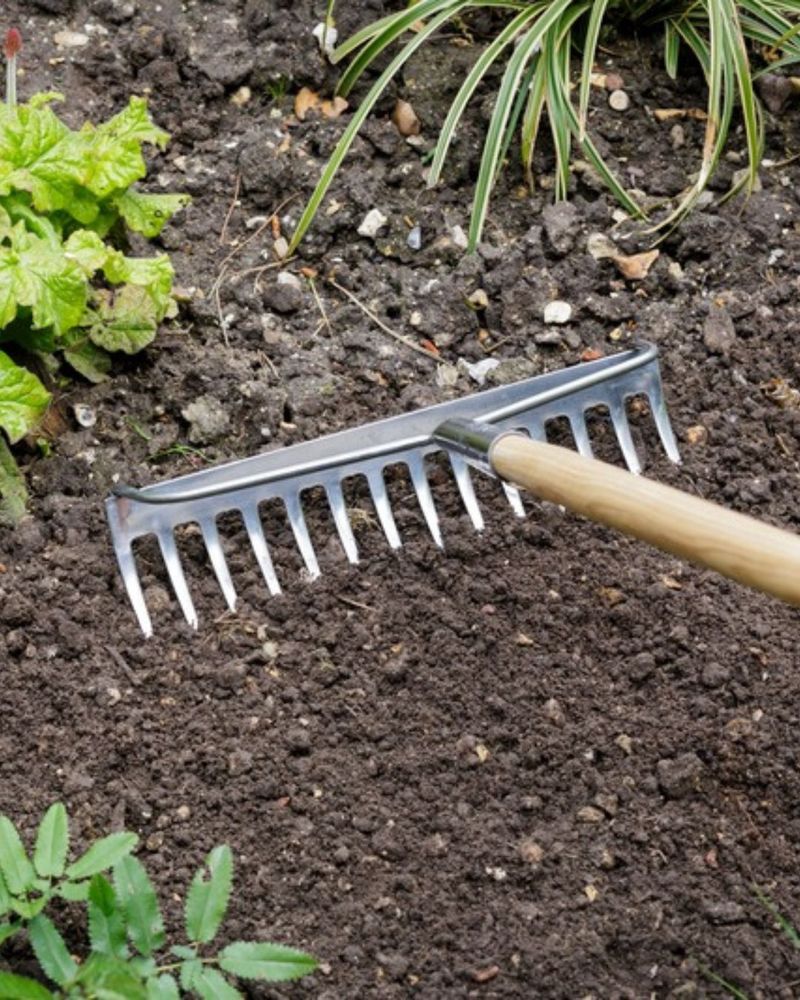
Wondering if your soil is ready to dig? There is a simple hand test that any gardener can use in seconds, and it works every time.
Scoop up a small handful of soil from a few inches below the surface. Squeeze it firmly into a ball inside your palm, then open your hand and take a look.
Poke the ball gently with your finger. If it crumbles apart easily, the moisture is just right and you are free to dig.
If the ball stays sticky and holds its shape like clay from an art class, the soil is still too wet. Give it another day or two to dry out.
This trick saves you from guessing based on the surface alone. The top can look dry while the layers below remain soaked, especially after North Carolina storms.
Checking moisture takes almost no time, yet it protects your soil from all the damage that comes with working it too soon.
Different beds may dry at different speeds depending on shade, slope, and how much clay they hold. Test each area separately for the best results.
Sandy spots drain fast and may be ready quickly, while low clay areas stay soggy much longer.
Once you get the hang of the squeeze test, it becomes second nature. You will glance at the sky, grab a handful, and know instantly whether to dig or wait. That small habit keeps your soil crumbly, healthy, and always ready for planting.
8. Protect Wet Beds Instead Of Working Them
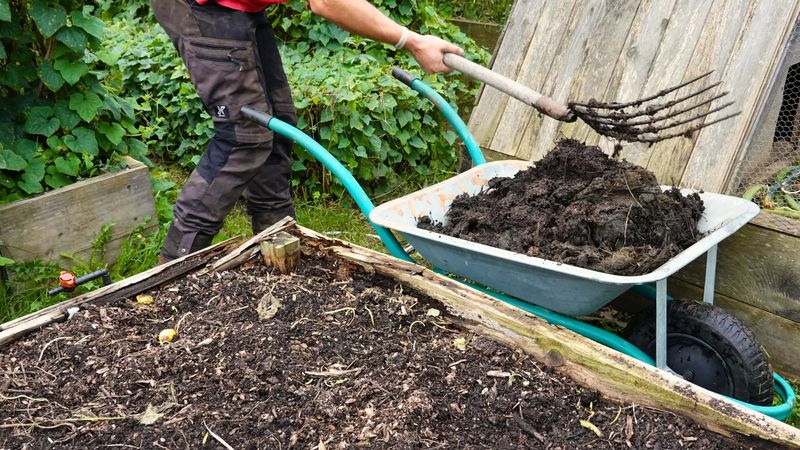
Rainy stretches do not have to mean idle hands. Instead of digging soggy beds, you can help your garden in ways that never harm the soil.
Spreading a layer of mulch on top of your beds is one of the best moves. Mulch shields the surface from pounding raindrops that can pack the soil down.
It also slows evaporation, blocks weeds, and slowly breaks down into food for the ground below. Wood chips, straw, and shredded leaves all work well.
Compost is another gift you can add without any digging. Simply lay it over the surface and let the earthworms pull it down for you.
This gentle method feeds the soil life and improves structure over time, no shovel required. Nature does the mixing while you stay off the wet ground.
During really heavy North Carolina downpours, a temporary cover like a tarp or row cover can protect a bed from getting oversaturated. Just remove it once the storm passes so air can flow again.
Planning is another quiet task for rainy days. Sketch out where your crops will go and make a list of seeds to plant once things dry.
These small efforts add up to healthier beds without a single crushed air pocket. You stay busy, and your soil stays safe.
When the sun returns and the squeeze test passes, you will have loose, living soil ready to welcome new plants. Working with the weather instead of against it keeps your garden thriving all year long.