September Is The Month To Divide Missouri Peonies
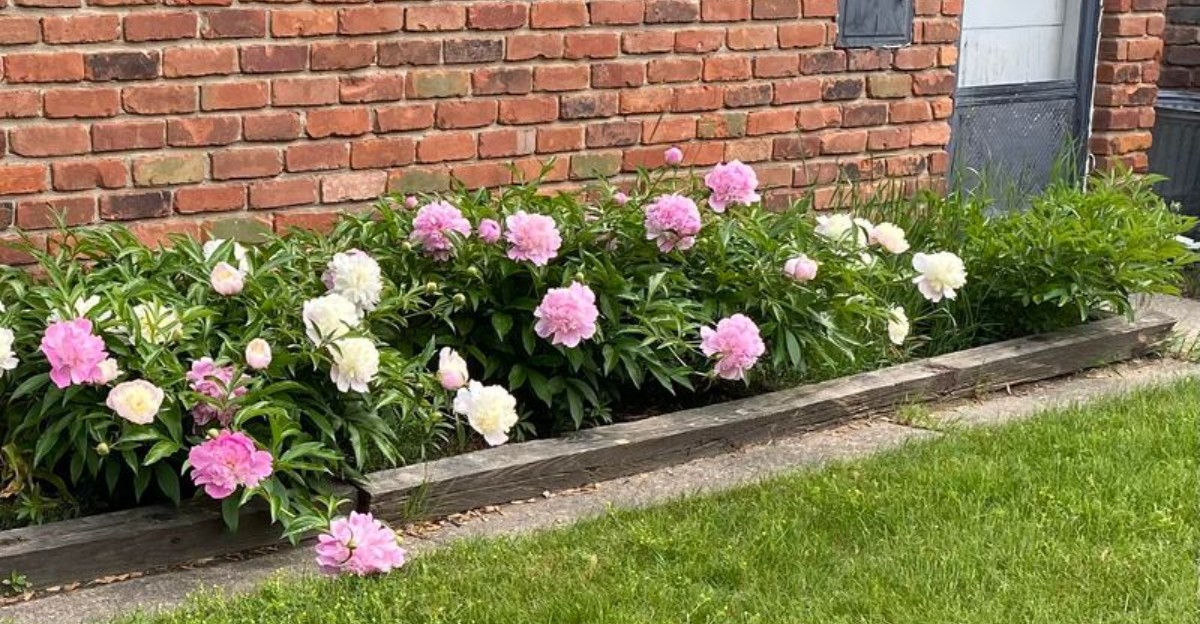
Missouri gardeners start eyeing their flower beds differently once September rolls around. The heat finally breaks, and something in the soil seems to wake back up.
A few stubborn clumps in the yard have clearly seen better springs. Fewer blooms, weaker stems, maybe a bare patch right in the middle where there used to be color.
Grandma’s old plant, the one nobody quite remembers planting, might be one of them. It’s been sitting in that same spot since before anyone in the house owned a smartphone.
Some plants just need a little room to breathe again. This one is about to get exactly that.
Early Fall Timing Gives Roots Their Best Start
Ask a longtime Ozarks gardener about moving a peony and the answer comes fast. September, once humidity breaks and the soil still holds summer warmth.
Roots wake up in autumn even while the leaves above look tired and floppy. That underground activity lets fresh divisions settle in before the ground stiffens.
Missouri sits in zones 5b through 8a, so the first hard freeze usually lands in mid-to-late October, later in the southeast.
Spring division sounds tempting, but the plant is busy pushing stems and buds then. Disturbing it during that rush sets back blooming for a couple of seasons.
Heat is the other reason to wait rather than work in August. Baked garden soil in Columbia or Springfield can dry exposed roots within an hour.
Watch the foliage for your cue rather than the date alone. When leaves fade to bronze and start flopping, the plant has stored what it needs in its tubers.
A cool, overcast morning makes the whole job easier on you and the roots. Pick a day after rain, when soil crumbles instead of clinging in clay bricks.
Get the timing right and the reward shows up as fuller clumps and sturdier stems. The plant handles the rest while you are busy raking leaves.
Clues That A Clump Has Outgrown Its Spot
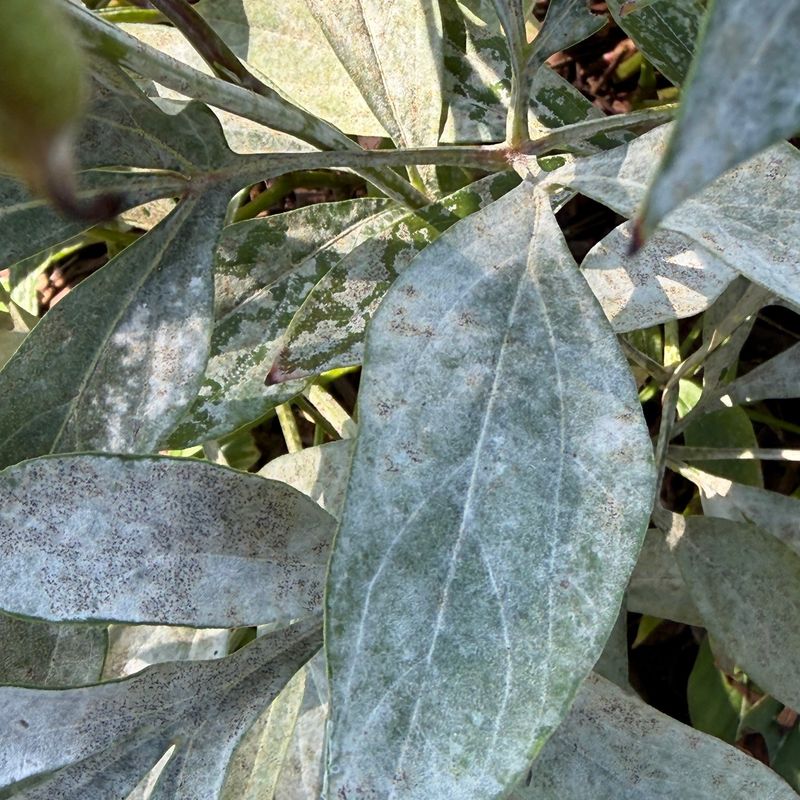
Peonies are famously content to sit in one spot for decades, sometimes outlasting the fence behind them. Still, a clump sends clear hints when it wants elbow room.
Fewer blooms each spring is the loudest signal, especially on a plant that once carried dozens of buds. Crowded eyes compete for the same pocket of soil and moisture.
Look for a donut shape, where the middle thins out and growth pushes toward the edges. That hollow center means the oldest roots in the core have slowed down.
Stems that flop after a spring storm can also point to overcrowding. Thin, weak shoots rarely hold up a heavy bloom, especially the big doubles.
Age matters here as well. Most Missouri peonies coast happily for eight to twelve years before a split helps them.
Sometimes the reason has nothing to do with the plant itself. A maple grew up nearby and now the bed gets four hours of sun instead of eight.
Shade is the quiet bloom thief in older Missouri yards. Moving a clump to a brighter spot often solves what fertilizer could not.
Your Missouri Garden Changes Every Week. Your Plan Should Too.
Gardening in Missouri changes quickly throughout the season. Every Friday you’ll receive a simple weekly plan showing exactly what to plant, prune, fertilize, harvest, and protect so you never miss the right timing.
Mildew-spotted foliage by August is worth noting too, since tight clumps trap humid air. Better spacing improves airflow and reduces that gray film next season.
Jot notes in a garden journal each May while the evidence sits in front of you. By September the blooms are a memory and the details get fuzzy.
Skip division if the plant flowered well and the leaves stayed clean. A generous, healthy peony has earned the right to be left alone.
Tools And Prep Work Worth Gathering First

A spading fork, a sharp knife, and a tarp will carry you through this job. Add a hose, some labels, and a bucket of water for rinsing.
Skip the shovel for lifting if you can, since a flat blade slices roots you meant to save. A digging fork slides between them and lifts with far less damage.
Clean blades matter more than fancy ones. Wipe your knife with a disinfecting solution between plants so problems do not hitch a ride.
Water the clump deeply a day or two before you dig. Damp clay releases roots more willingly than the concrete it becomes in a dry September.
Cut the foliage back to about two inches before you start. Working around three feet of floppy leaves turns a tidy job into a wrestling match.
Have the new planting holes ready before the roots ever leave the ground. Fifteen inches wide, a foot deep, loosened well and mixed with compost.
Missouri clay benefits from organic matter, though a raised bed helps more in soggy low spots. Aim for soil that drains within a few hours after rain.
Plant labels sound fussy until three unmarked divisions look identical in March. A pencil on a plastic tag outlasts marker in our weather.
Keep a shady corner or a damp burlap sack nearby for parked roots. Peony tubers sulk once they dry out in the sun.
A kneeling pad and gloves round out the kit for anyone with cranky knees. The clump will not hurry, and neither should you.
Lifting The Root Ball Without Breaking Every Eye
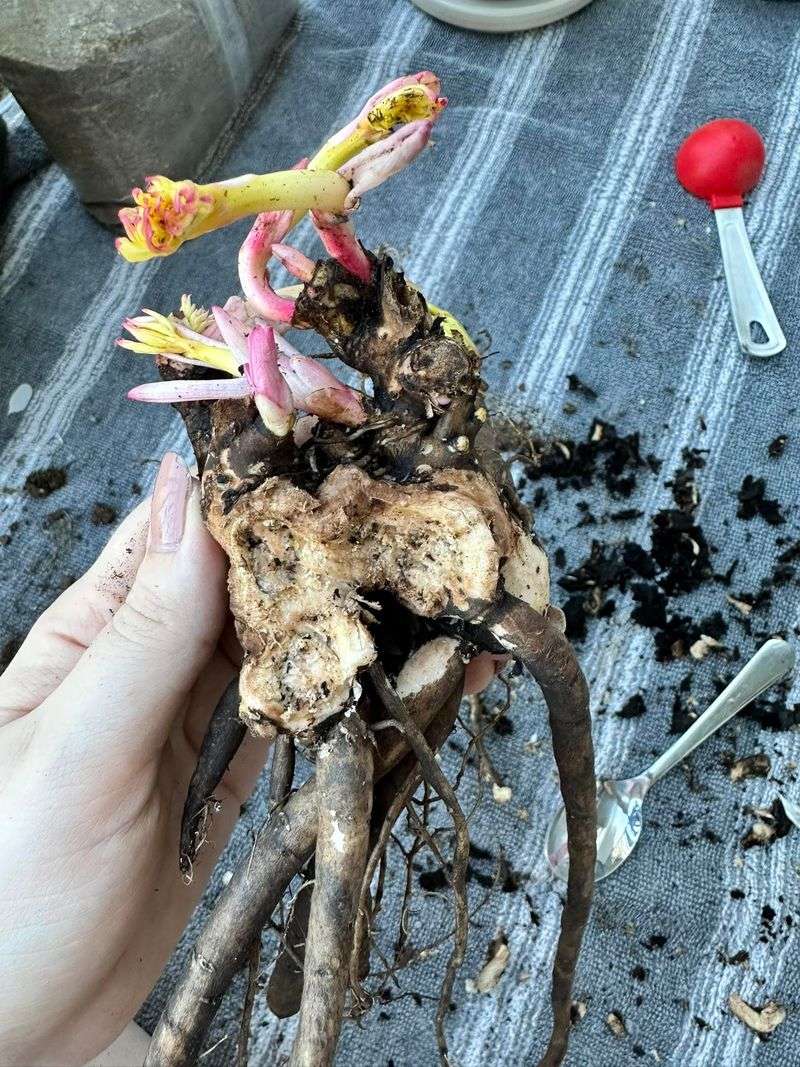
The first shovel of soil is where most folks lose divisions they never knew they had. Peony roots spread wider than the leafy crown suggests.
Start your circle about a foot out from the outer stems. Push the fork straight down, then work around the clump like you are loosening a stubborn jar lid.
Rock the fork gently at several points instead of prying hard in one spot. Even pressure lifts the mass with fewer snapped tubers.
Slide the fork under the root ball once the sides feel loose. Lift slowly and set the whole thing on your tarp rather than the lawn.
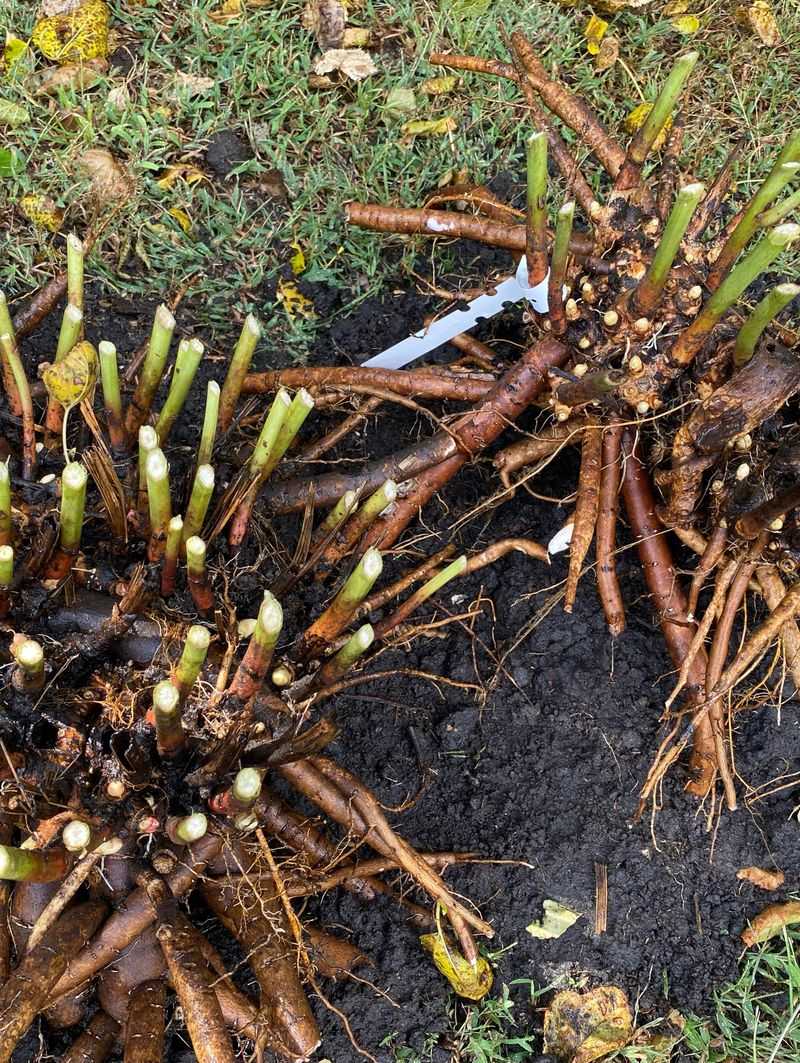
Missouri clay clings, so expect a heavy, muddy blob at first. A gentle spray from the hose reveals the pink buds tucked along the crown.
Those buds, called eyes, are next spring’s stems. Finding them before you cut anything prevents guesswork and wasted roots.
Let the rinsed clump rest in the shade for an hour or two. Slightly wilted roots turn flexible and snap far less under the knife.
Broken pieces are not a loss if they carry an eye. Tuck the strays into a nursery corner and check on them next year.
Trim mushy or damaged sections back to firm, cream-colored tissue. Good roots feel like a raw potato and smell earthy rather than sour.
Take a photo before you cut, especially with an heirloom passed down through family. Memory fades but a picture settles arguments later.
Cutting Divisions With Three To Five Eyes
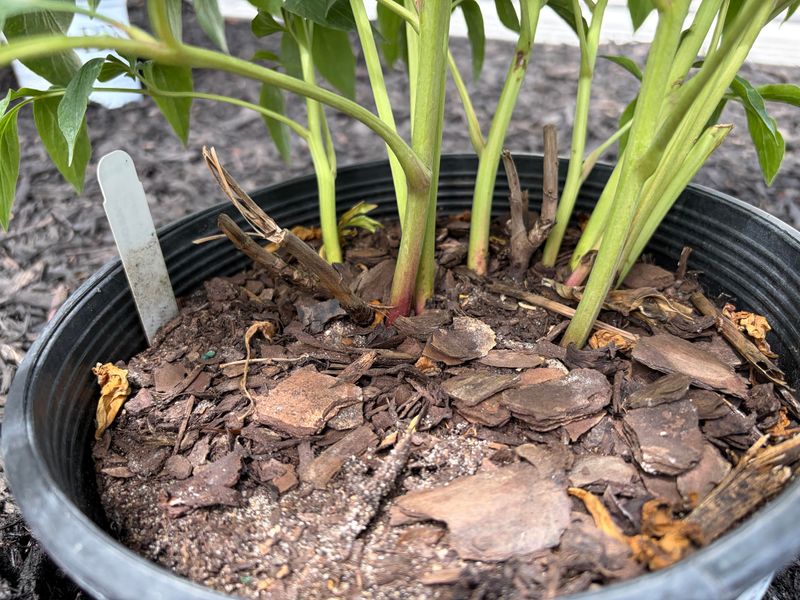
Three to five eyes per piece is the number old-timers repeat, and the math holds up. Smaller pieces get by, but they sit out blooming for several springs.
Each division needs a chunk of crown, several eyes, and a few storage roots about five inches long. Roots without eyes will not produce stems.
A clean, sturdy knife beats pruners for this work. Pruners crush tissue, while a blade leaves a smooth cut that seals quickly.
Follow the natural gaps in the crown instead of forcing a straight line. The clump usually shows you where it wants to come apart.
Resist the urge to make a dozen pieces from one grandmother plant. Six generous divisions outperform fifteen weak ones by a wide margin.
Trim long, dangly roots to roughly six inches so they fit the hole without curling. Curled roots leave air pockets that slow establishment.
Dust cut surfaces with a little sulfur if you like, though plenty of Missouri gardeners skip it. Letting the cuts air dry for an hour works about as well.
Set aside the woody, hollow center of an ancient clump. That portion has given what it had and rarely pushes strong shoots.
Share the extras with neighbors while they are fresh. A peony handed over the fence tends to be remembered for decades.
Wrap giveaways in damp newspaper inside a plastic bag for the ride. Roots keep well that way for a couple of days in a cool garage.
Planting Depth Missouri Gardeners Often Get Wrong
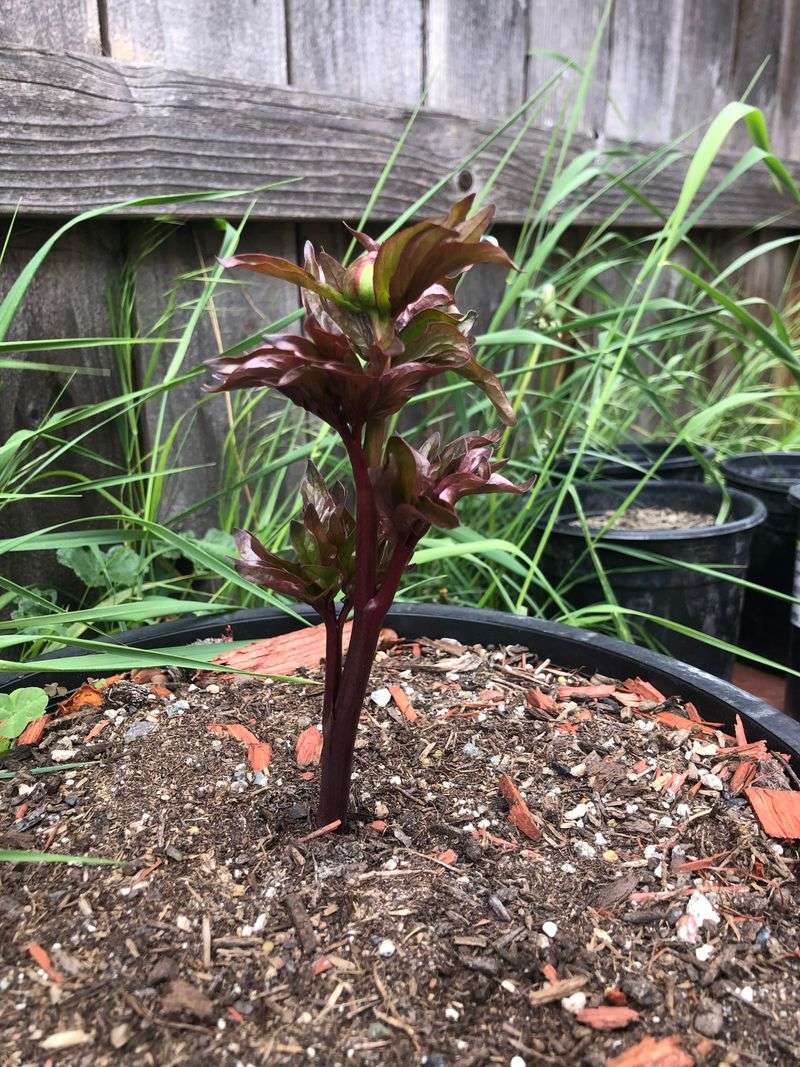
Here is the detail that decides whether your peony blooms or just makes leaves. Eyes belong one to two inches below the finished soil surface.
Bury them four inches down and the plant grows handsome foliage with hardly a bud. Set them too shallow and winter heaving shoves the crown around.
In our warmer southern counties, aim closer to one inch under the surface. Northern Missouri gardens can go the full two inches without trouble.
Build a small mound of soil in the bottom of the hole. Drape the roots over it with eyes pointing up, then backfill in stages.
Lay a stick or trowel handle across the hole as a depth gauge. Eyeballing it in loose soil leads to sinking once the ground settles.
Firm the soil with your hands rather than stomping it. Clay compacts easily and roots need pockets of air to spread.
Space divisions three to four feet apart, which feels absurd in September and sensible by year three. Crowded plants trade blooms for mildew.
Six hours of sun or more gives the best flower count. Morning sun with light afternoon shade helps in the hottest parts of the state.
Avoid low spots where water stands after a Missouri thunderstorm. Peony roots shrug off cold winters but resent soggy feet.
Mark the new spot with a stake before you walk away. Spring digging mishaps happen in beds that look empty in March.