If You See This Gray Bird In Missouri, Winter Is Probably Close
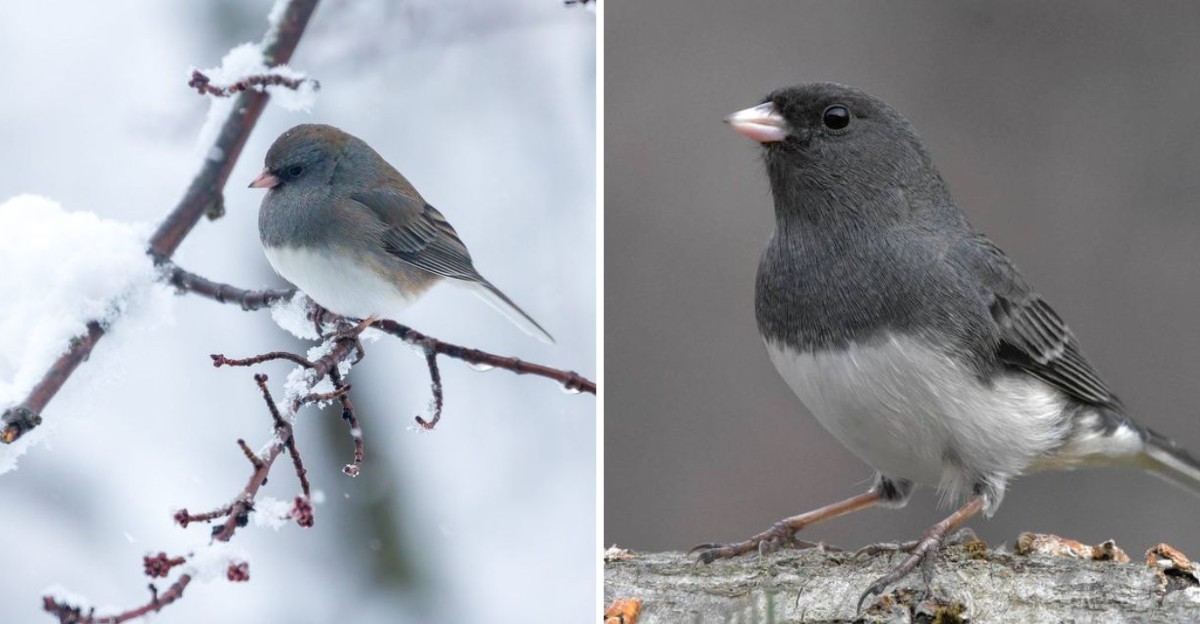
Old farm families in Missouri swear a tiny gray bird shows up right before the first real snow. Its folk nickname even points straight at winter, and you have probably heard it from a grandparent.
These birds spend their summers far north in Canadian forests and high mountain woods full of spruce. Each fall they travel hundreds of miles south, and many land right under our backyard feeders.
I love spotting the first one hopping around on the cold ground beneath my sunflower feeder. You need to look low in October, and you may catch them scratching through fallen seed and leaves.
Missouri gets a big wave of these gray guests every autumn, and they often stay until spring. So does their arrival really mean snow is on the way, or is the old saying just a fun story?
Your Little Gray Guest Has A Reputation For Arriving Ahead Of Snow
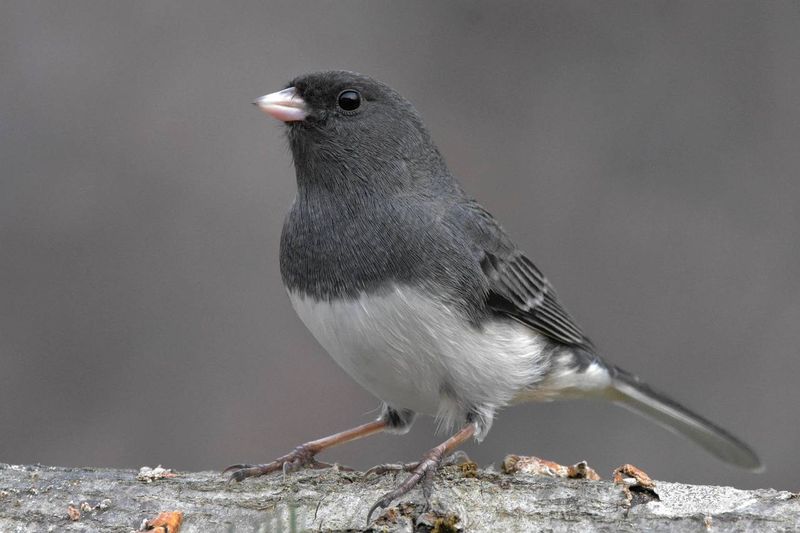
Ask any longtime bird watcher about these tiny gray visitors, and you will likely hear one word: snowbirds. The nickname belongs to the dark-eyed junco, a sparrow that shows up across the country each fall.
People gave them that name because juncos tend to appear around the same time as colder weather. In Missouri, the first flocks usually arrive in October, and the numbers grow steadily through November.
Honestly, the science does not show that juncos can sense an upcoming storm days ahead of time. Their timing mostly follows shorter days and cooling temperatures, which push many birds south every autumn.
Still, the nickname makes sense, since juncos often show up right as the first frosts settle on lawns. Their arrival works like a friendly reminder that winter is getting closer, even without a forecast.
Juncos also tend to crowd feeders during snowy days, which helps explain the strong link in people’s minds. Snow covers their usual seeds on the ground, so a bare patch under a feeder becomes extra valuable.
Some folks even claim the number of juncos at the feeder hints at how harsh the season will be. No research backs that up, but counting your visitors is a fun way to track the winter.
Grab a notebook this October and jot down the date your first snowbird appears beneath the feeder. Over a few years, you will build your own little record of when these winter visitors first arrive.
You Are Seeing Dark-Eyed Juncos Settle In From Northern Breeding Grounds
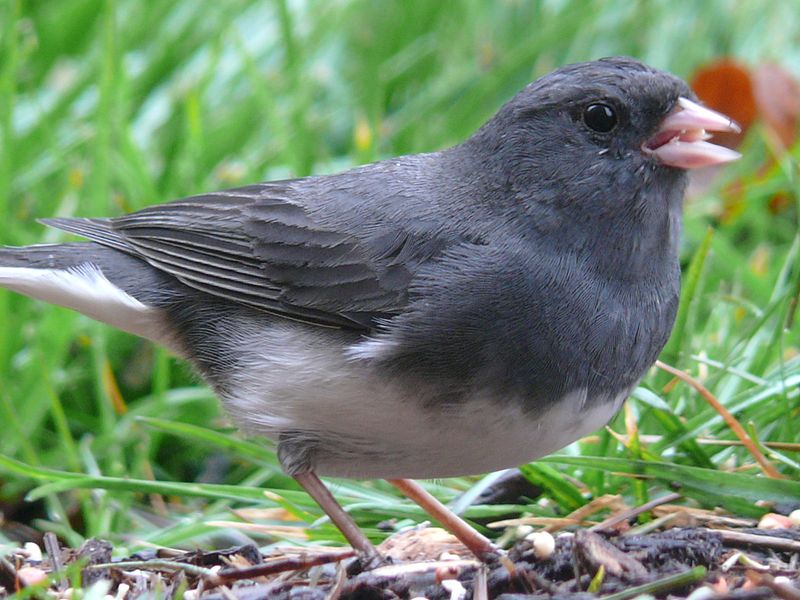
Every spring, these little birds pack up and head toward the cool forests of Canada and Alaska. Some populations also nest in high mountain areas, including the Appalachians and the Rocky Mountains out west.
Juncos build their nests right on the ground, often tucked under a fallen log or tree roots. Parents raise one or more broods during the short northern summer, feeding hungry chicks plenty of soft insects.
Once those chicks grow up, families start drifting south as the days shrink in early fall. By October, many of them reach Missouri, where they spend the cold months before heading back north.
Your Missouri Garden Changes Every Week. Your Plan Should Too.
Gardening in Missouri changes quickly throughout the season. Every Friday you’ll receive a simple weekly plan showing exactly what to plant, prune, fertilize, harvest, and protect so you never miss the right timing.
Bird banding studies show that juncos often return to the same wintering area year after year. That means the junco under your feeder this week might be the very same bird from last winter.
I find that idea pretty amazing, like an old friend dropping by for a long seasonal visit. It also gives you a good reason to keep your feeding area consistent from one year to the next.
Researchers have noticed that female juncos tend to winter farther south than males in many areas. Scientists think males stay closer to breeding grounds so they can claim good nesting spots early in spring.
Keep an eye on your yard over the next few weeks as more juncos trickle in from the north. Late fall is prime time in Missouri, and flocks often stay put until March or early April.
Look For Slate-Gray Feathers With A Flash Of White In Flight
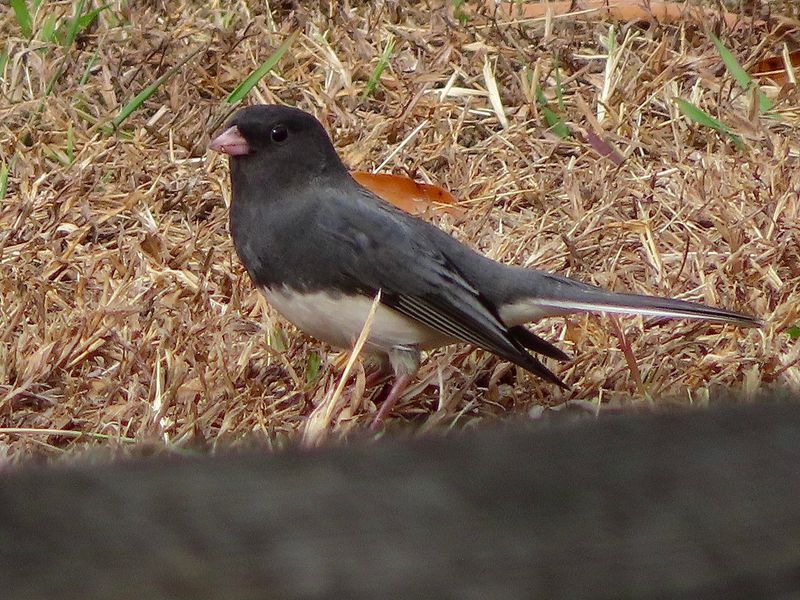
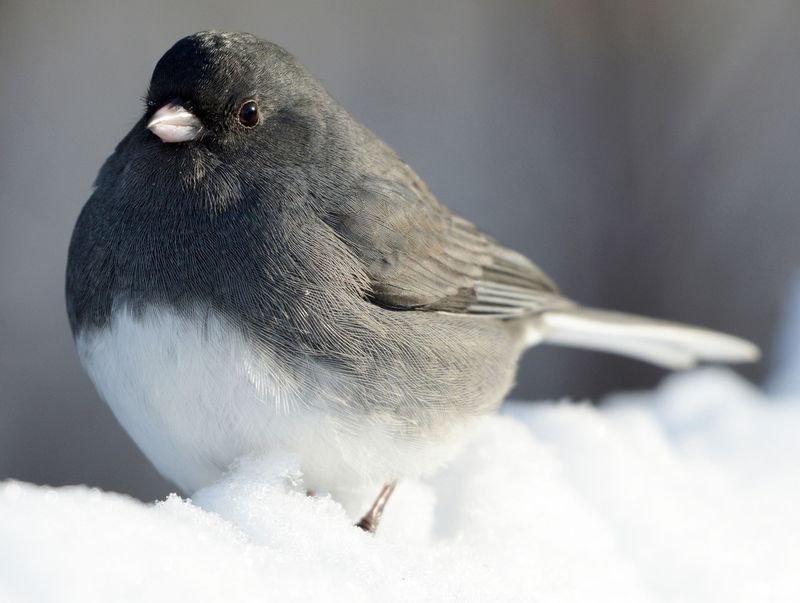
Watch a junco take off, and a quick white flicker on each side of its tail catches your eye. Those white outer tail feathers are one of the easiest ways to identify this bird at a glance.
A popular way to remember the look is gray skies above and snow below, and it fits nicely. The head, back, and chest are slate gray, while the belly is a clean bright white.
Look closer and you will notice a small pinkish bill that stands out against all that gray. That pale bill works like a tiny spotlight, especially on cloudy chilly fall mornings near the feeder.
Females and young birds often look a bit browner, with softer gray tones mixed into their feathers. Adult males usually wear the darkest, sharpest slate color, so you can sometimes tell them apart.
The form most common in Missouri is called the slate-colored junco, one of several regional color varieties. Out west, some juncos show pinkish sides or rusty backs, and an occasional stray turns up here.
Fun fact: scientists once counted many of these forms as separate species before lumping them together as one. Today most of these forms fall under one species name, Junco hyemalis, and hyemalis means “of winter” in Latin.
Keep a pair of binoculars near your favorite kitchen window so you can study the details up close. You will start spotting that white tail flash almost instantly, even from across a frosty yard.
Your Juncos Prefer Picking Up Seed Below The Feeder
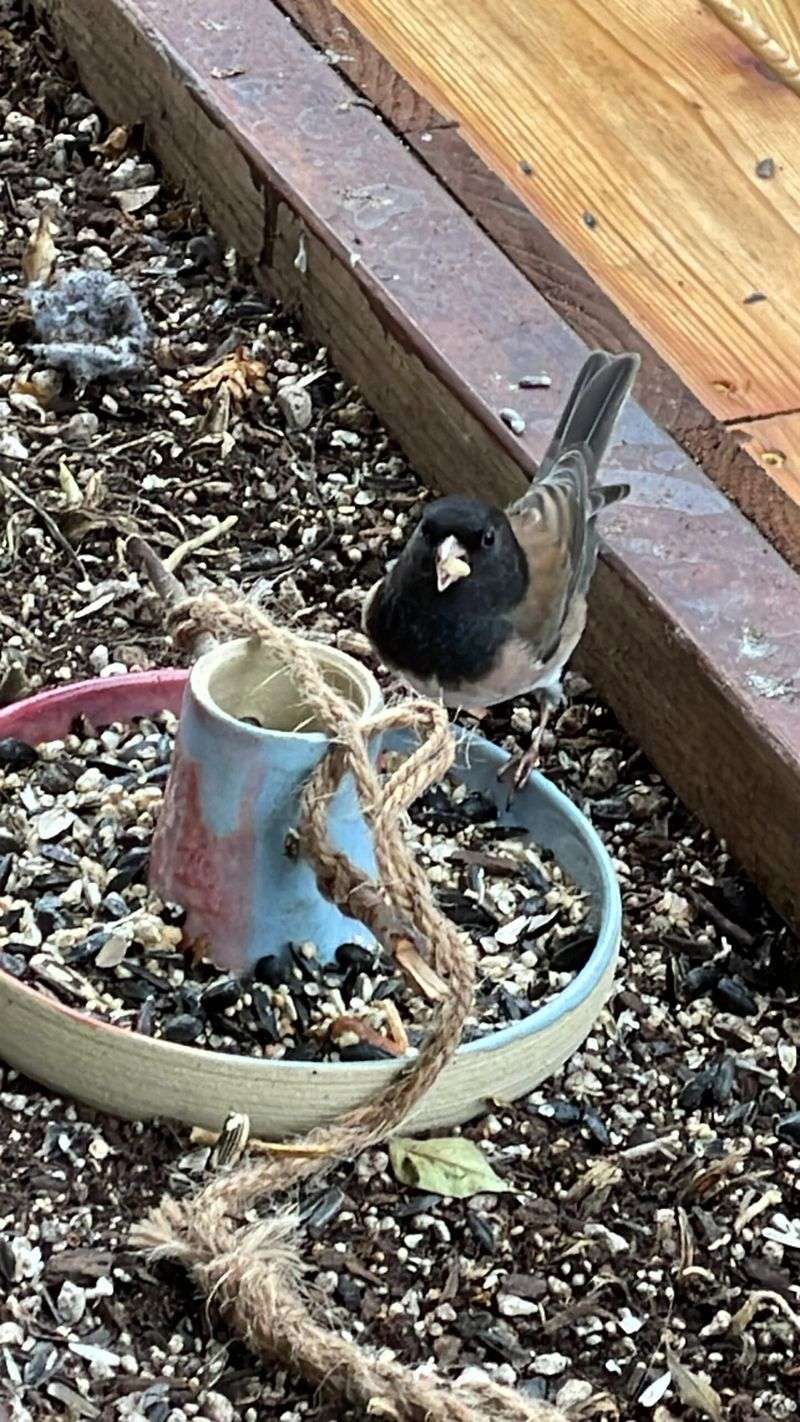
Juncos have a funny habit you will notice right away, since they would rather eat off the floor. While cardinals and chickadees cling to the feeder, these gray birds hop around on the ground below.
They feed mostly on small seeds from grasses and weeds, which they find scattered across fields and lawns. Seeds that spill from your feeder look like a free buffet to a hungry junco on a chilly morning.
Watch closely and you might see a little move called the double-scratch, a quick hop backward with both feet. That kick pushes aside leaves or light snow, uncovering hidden seeds tucked underneath the cold surface layer.
Personally, I think it is one of the most charming things to watch from a warm kitchen table. Kids usually love it too, and it makes a great excuse to talk about bird behavior together.
Because juncos spend so much time on the ground, they feel safest when the feeding area stays free of outdoor cats. Keeping cats indoors is one of the best things you can do to protect feeder birds in Missouri.
Clean up old, moldy seed under the feeder every week or two to keep the area healthy. Wet hulls and droppings can build up fast, and they may spread disease among ground-feeding birds.
A low platform feeder works nicely too, since it gives juncos a raised spot without asking them to perch. Place it just a few inches above the ground, and watch them settle right in within days.
You Will Notice Small Flocks Sticking Together Through Missouri Winters
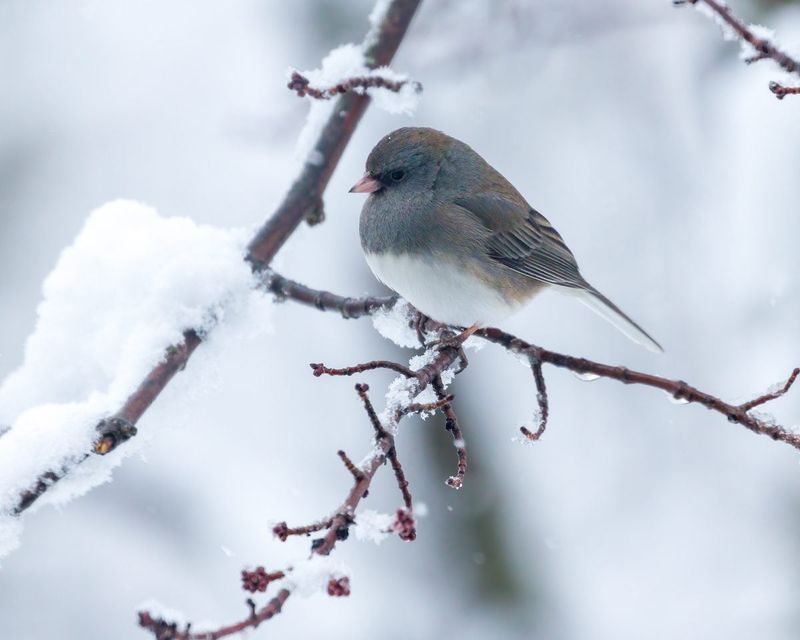
Juncos rarely travel alone in winter, and a single sighting often means more are hiding nearby in the shrubs. Most winter flocks hold somewhere between a handful and a few dozen birds moving as a loose group.
Inside each flock, a pecking order sorts out who gets first dibs on the best food scraps. Older males tend to sit near the top, while young females usually land somewhere near the bottom.
You can spot this ranking in action when one junco flashes its tail and chases another away. Those little squabbles look dramatic, but they mostly settle quickly without anyone getting hurt at all.
Staying in a group helps each bird stay safer, since more eyes can watch for hawks overhead. Listen for a sharp, clicking tick call, which juncos use to warn the rest of the flock about danger.
Missouri winter flocks often mix with other small birds like white-throated sparrows, tree sparrows, and chickadees. That mixed crowd gives you a lively puzzle to sort out each time you peek outside the window.
A flock usually sticks to a home range of several acres for the whole cold winter season. That steady routine means the same group may visit your yard at similar times each and every day.
Try counting your flock on a calm morning, and you may notice the number holds fairly steady. Sharing those counts with projects like Project FeederWatch helps scientists track junco populations across North America.
Scatter Millet Near Brushy Cover For Regular Visits
White proso millet tops the menu for juncos, and many backyard bird lovers often swear by it each fall. These tiny round seeds fit their small bills perfectly and cost less than many fancy seed blends.
Juncos also enjoy cracked corn, hulled sunflower chips, and nyjer seed that falls from finch feeders. Skip cheap mixes stuffed with red milo, since many feeder birds just toss it aside and waste it.
Spread a light layer of seed on the ground or a low tray near shrubs, brush piles, or evergreens. Juncos feel safer with quick cover close by, ideally within about ten feet of their feeding spot.
Fall is a great time to build a simple brush pile from branches you trim around the yard. Stack larger limbs on the bottom and smaller twigs on top to create cozy hiding pockets inside.
Native shrubs like American hazelnut, gray dogwood, and eastern red cedar also offer shelter across Missouri landscapes. The Missouri Department of Conservation suggests native plantings for food and cover that last well through the winter.
Leave some flower stalks standing this autumn instead of cutting everything back to the ground right away. Coneflowers, black-eyed Susans, and native grasses hold seeds that juncos happily pick through on frosty days.
Keep a shallow water source open too, since fresh water gets scarce once temperatures drop below freezing. Stick with this simple setup, and your snowbirds will likely return to your yard all winter long.