Orange Dust Under Your Florida Plumeria Leaves? September Is When This Problem Can Become Obvious
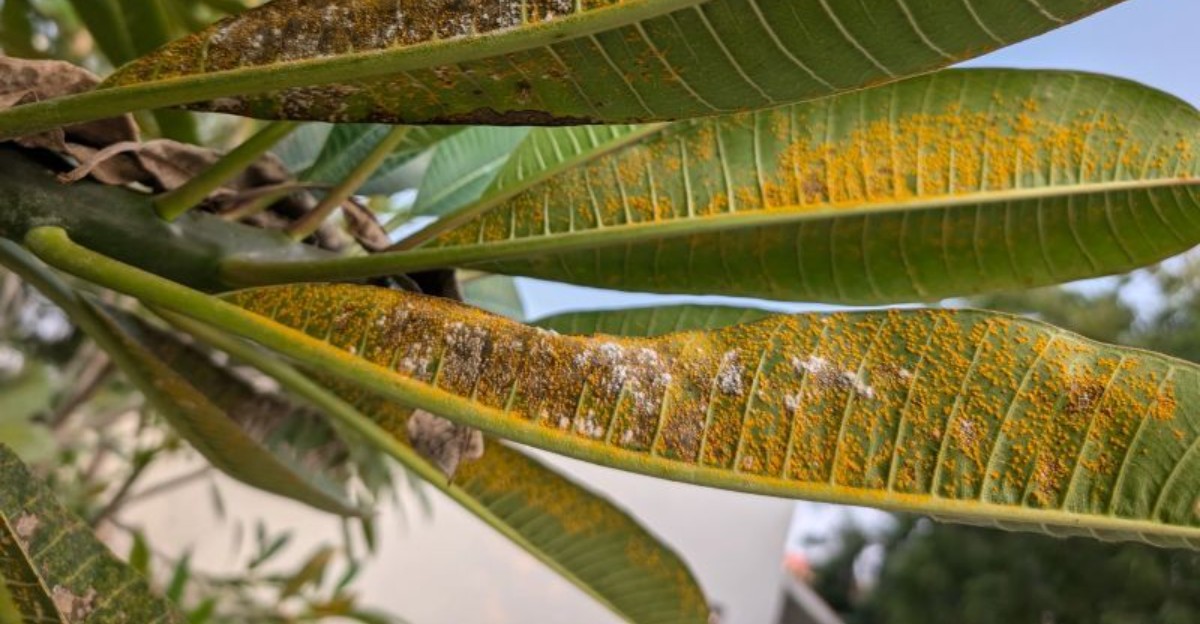
That fine orange powder collecting on the leaves, or dusting the ground underneath, isn’t dirt and it isn’t anything the plant is supposed to be doing. A few weeks ago those leaves probably looked clean.
Now there’s a dusty film clinging to the undersides, and it seems to spread a little further every time it rains. September tends to be when this shows up in full force.
Warm, humid conditions this time of year create exactly the environment this problem needs to take hold, and plumerias across Florida are especially prone to it. Left alone, it doesn’t stay contained to a leaf or two.
It spreads across the whole plant, and the damage underneath is often further along than the surface suggests. The orange dust itself is just the visible clue.
What’s actually driving it, and how fast it needs to be addressed, is a different story entirely.
1. Coleosporium Plumeriae Finally Shows Its Hand
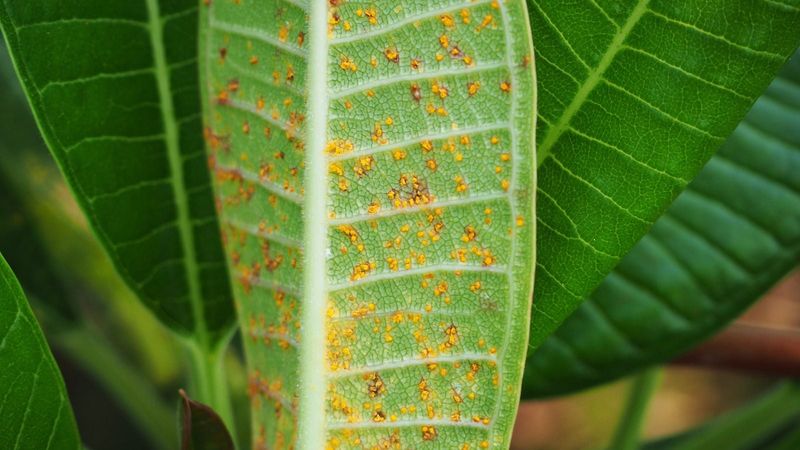
That orange powder has a name, and it is a mouthful: Coleosporium plumeriae, better known as plumeria rust. It is a fungus that primarily affects plumeria foliage and is rarely a concern for most other plants in the landscape.
The spores land on wet foliage, germinate, and begin infecting the leaf tissue before visible symptoms appear. Weeks can pass before anything visible happens on the surface.
By the time those raised pustules burst open on the leaf bottoms, the fungus has already been working for a while. September just happens to be when that hidden head start becomes a visual event.
Rub a pustule with your thumb and the powder smears like chalk. Those specks contain large numbers of spores that can spread through wind and rain.
Knowing the culprit matters because it rules out other worries. Orange dust is not sunburn, not fertilizer residue, and not spider mites.
Fun bit of history: this rust was first reported in Florida back in the 1990s and spread across the state surprisingly fast. Gardeners who had grown plumeria for decades suddenly had a brand new headache.
Identify it correctly, and the rest of your plan gets much simpler. Guessing wrong wastes both time and money on treatments that miss the target.
2. Summer Rain Leaves Foliage Wet For Hours
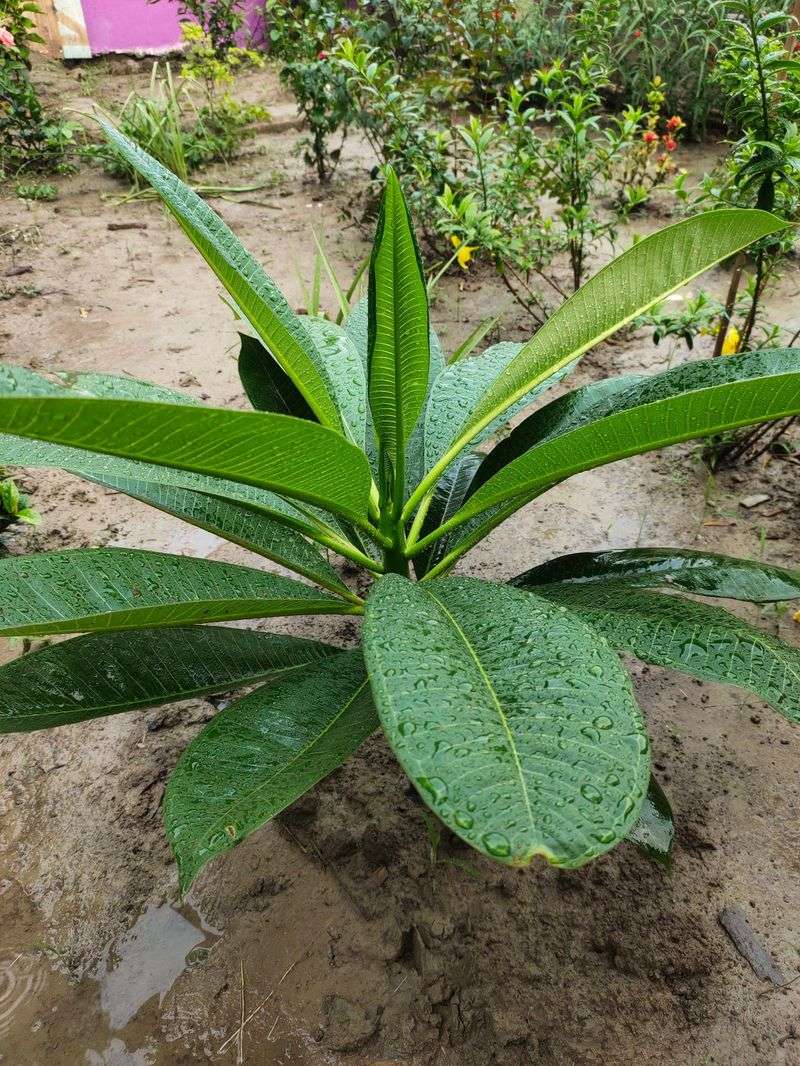
Rain is the fuel here. Spores need a film of moisture sitting on a leaf for several hours before they can germinate and push inside.
Florida obliges from June through September with those clockwork afternoon storms. Leaves get soaked at three, and the humidity keeps them damp well past sunset.
Do the math over a couple of months and you get dozens of perfect infection windows. Each one adds another wave of pustules to the underside of your canopy.
You cannot turn off the sky, but you can stop adding to the problem. Skip the overhead sprinkler near plumeria and water the soil directly with a hose or drip line instead.
Morning watering also helps, since leaves that do get splashed have all day to dry. Evening watering keeps them wet through the coolest, most humid hours.
Your Florida Garden Changes Every Week. Your Plan Should Too.
Gardening in Florida changes quickly throughout the season. Every Friday you’ll receive a simple weekly plan showing exactly what to plant, prune, fertilize, harvest, and protect so you never miss the right timing.
Plants tucked under eaves or a porch overhang often stay noticeably cleaner. Container growers sometimes shift pots to a covered spot during the wettest stretch of the season.
Mulch under the tree cuts down on rain splashing soil and fallen spores back up onto low leaves. A two-inch layer is plenty.
Small habit changes will not stop the rain, but they shorten the window the fungus depends on.
3. Warm Nights Keep The Fungus Wide Awake
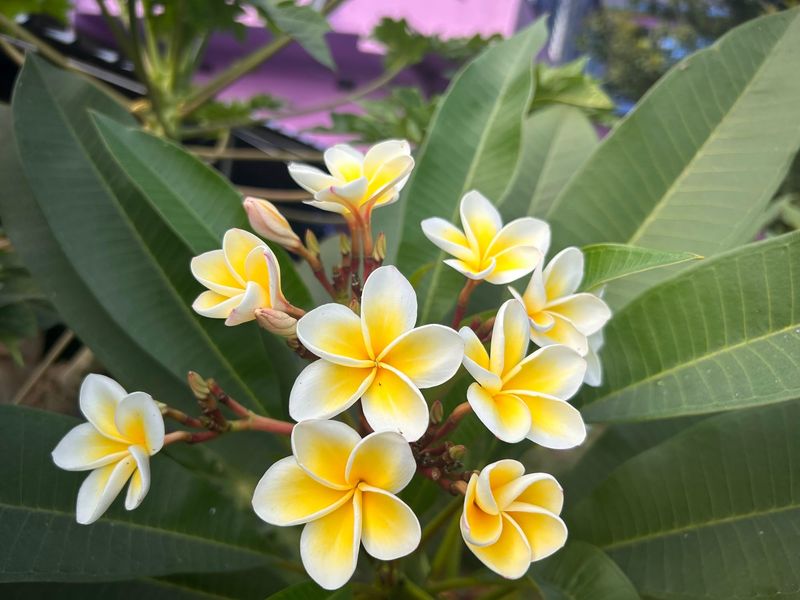
Temperature plays quiet referee in this whole story. Plumeria rust thrives when warm temperatures combine with high humidity and prolonged leaf moisture.
June and July nights in Florida often stay too hot and dry to be ideal. Late summer softens things just enough.
By September, overnight lows dip a few degrees while humidity stays cranked high. That combination is basically a comfort zone for spore germination.
Heavy dew forms on leaves before dawn, then lingers until the sun climbs. Even on a rain-free week, foliage still gets its moisture fix.
Understanding the seasonal rhythm helps you plan ahead instead of reacting late. Gardeners who start sanitation and airflow work in July usually see a milder September.
Waiting until the leaves are already speckled means you are playing catch-up against a colony that has been multiplying for weeks.
Keep a simple garden calendar note on your phone. A reminder in early summer to thin the canopy and inspect leaf bottoms takes five minutes and pays off.
Once real cool fronts arrive in late fall, the fungus slows dramatically. New leaves that push out afterward often emerge clean and stay that way through winter.
Weather sets the pace, and September is simply the sweet spot.
4. A Thick, Overgrown Canopy Traps Humidity
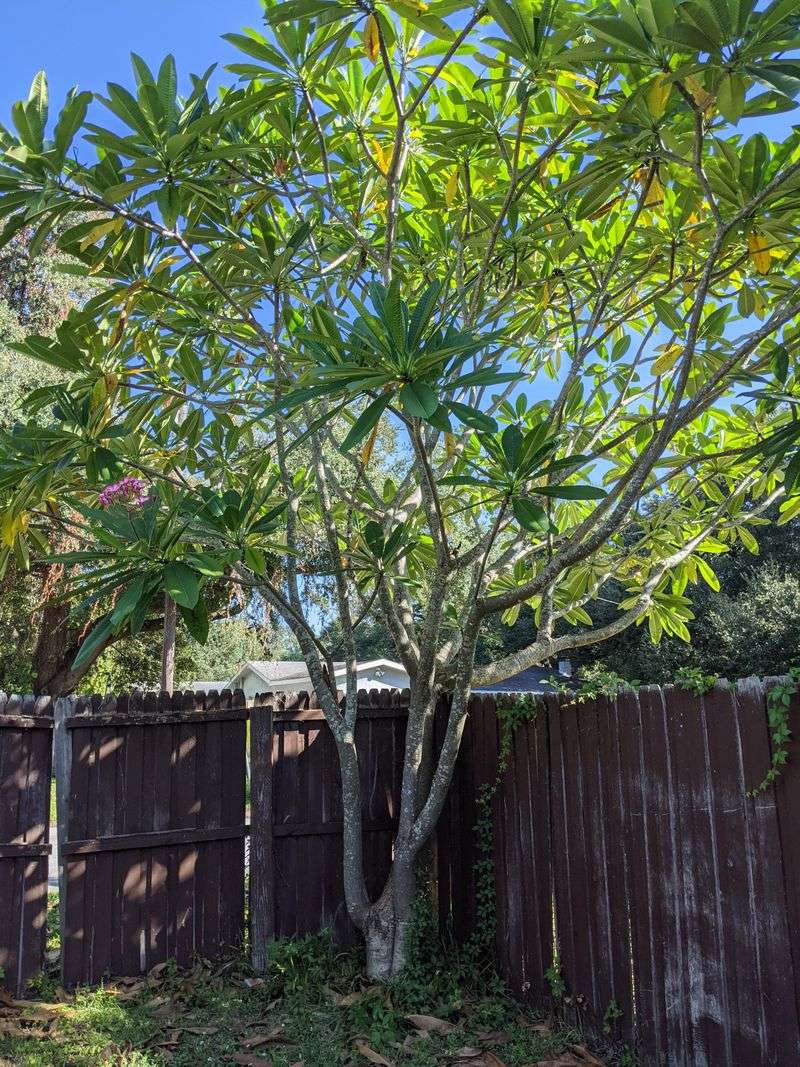
Picture a crowded elevator on a hot day. Air does not move, everything feels sticky, and nobody is comfortable.
That is what the inside of a mature plumeria canopy feels like by late summer. Months of growth have layered leaf over leaf until air barely stirs in the middle.
Those shaded interior leaves stay damp the longest, so they usually show the heaviest orange dust. Outer leaves in the breeze often look almost untouched.
Thinning helps more than most people expect. Removing a few crowded branches opens paths for wind to pass through and dry things out.
If pruning is needed, many growers prefer late winter or spring before active growth begins, though light maintenance pruning can be done when necessary. Even snipping a handful of inward-facing branches makes a difference.
Spacing matters too. Plumeria planted shoulder to shoulder with hibiscus, crotons, or a fence create a still-air pocket that holds moisture like a sponge.
Pull tall weeds and trim groundcover creeping up around the trunk. Anything blocking low airflow works against you.
Container growers get an easy advantage here, since pots can simply be nudged farther apart in July.
Better airflow will not erase the fungus, but it steadily lowers the humidity it depends on. Think of it as making your tree a less appealing address.
5. Spores Ride The Wind From Your Neighbor’s Yard
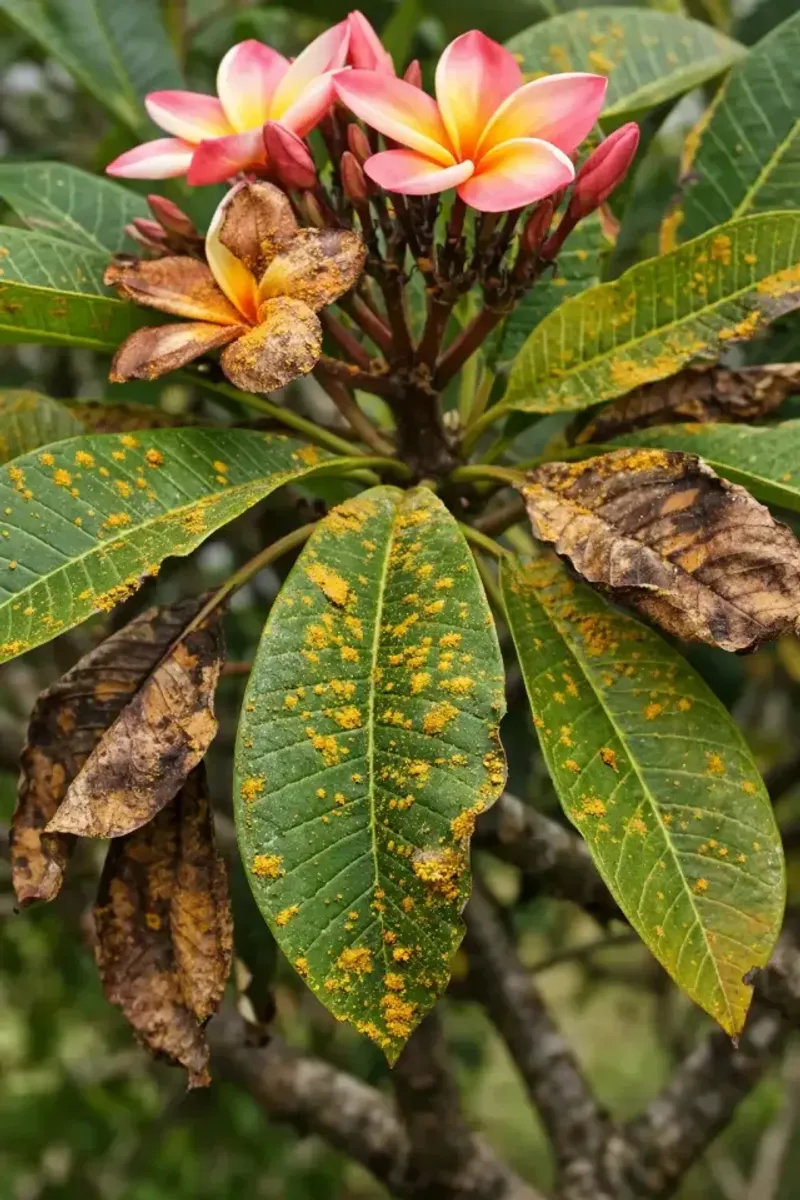
Here is the frustrating truth: you can do everything right and still get spotted leaves. Rust spores travel on air currents, and fences mean nothing to them.
One infected tree down the block can seed an entire neighborhood over a few breezy weeks. Tropical storm gusts spread them even farther.
Splashing rain does the short-distance work, bouncing spores from lower leaves up onto healthy ones. A single storm can move infection through a whole plant.
Since you cannot fence out spores, the goal shifts to reducing what lands and sticks. Prompt leaf removal on your own plant cuts down the local spore cloud considerably.
It also helps to chat with neighbors who grow plumeria. If a few households clean up at the same time, the whole street benefits.
Plumeria sold at plant swaps and sales can arrive already carrying the fungus, sometimes on leaves that look fine. Inspect leaf undersides before bringing anything home.
Keep new plants in a separate spot for two or three weeks and check them twice. A quarantine corner saves a lot of grief.
Rooted cuttings are usually a safer bet than leafy plants during the rainy months. Bare stems give spores nothing to cling to.
6. Yellow Freckles On Top Get Ignored Too Long
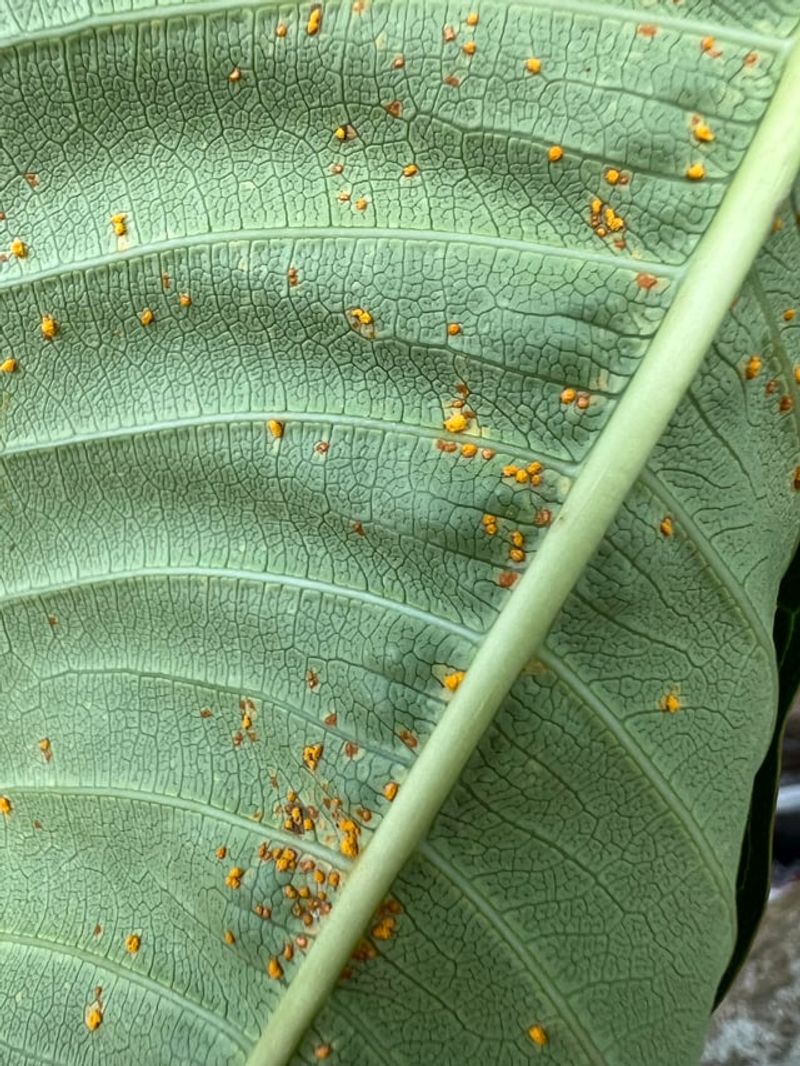
Most gardeners notice the wrong side of the leaf first, and by then the party is in full swing. The earliest clue is subtle: faint yellow pinpoint specks scattered across the upper leaf surface.
Each speck sits directly above a pustule underneath. Look from above only, and it reads as mild nutrient deficiency or plain old age.
Weeks slip by while the colony expands. Then September arrives, the pustules mature, and suddenly the undersides look dusted with orange chalk.
Building a habit of flipping leaves changes everything. Once a week during the rainy season, tip up three or four lower leaves and take a peek.
Use your phone camera and zoom in if your eyes need help. The raised bumps are unmistakable once you have seen them once.
Catching it at the freckle stage means you might remove a dozen leaves instead of a hundred. That is the difference between a quick chore and a weekend project.
Pay special attention to leaves in the shady middle and near the bottom of the plant. Trouble starts there and works outward.
Mark your calendar for weekly checks starting in June, when Florida’s rains begin. Early attention keeps the whole season calmer.
7. Fallen Leaves Left On The Ground Reload The Cycle
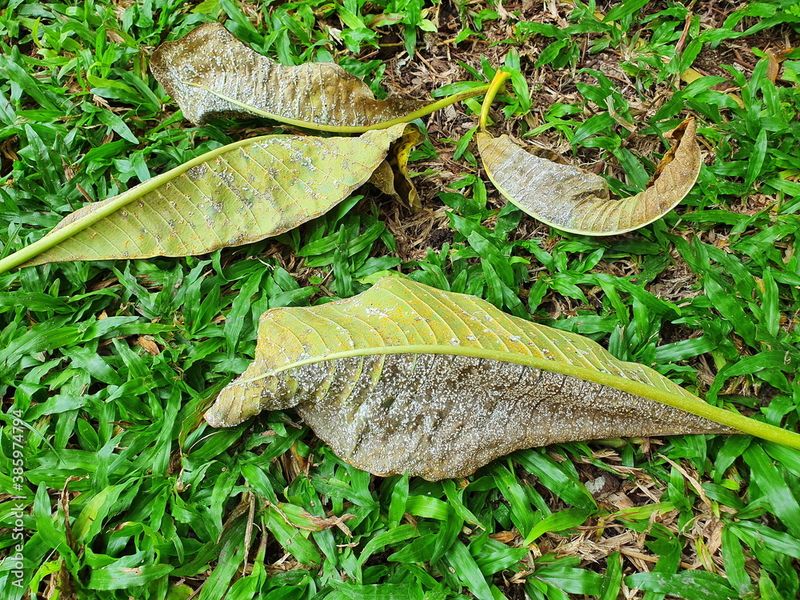
Raking is nobody’s favorite hobby, but this is where a lot of gardeners lose the battle. Infected leaves that drop keep releasing spores from the ground for weeks.
Every rain shower then splashes them back onto the lowest branches. The tree essentially reinfects itself on repeat.
Clean-up is one of the easiest ways to reduce the amount of infected material available to spread spores. Pick up fallen leaves regularly during the wet months and again after any big defoliation.
Bag them and put them in the trash. Unless your compost pile reaches proper hot-composting temperatures, it is safer to dispose of heavily infected leaves rather than adding them back to the garden.
Do not shred them with a mower near your plumeria either, since that flings powder in every direction. Gather gently instead.
While you are down there, pull weeds crowding the trunk and refresh the mulch layer. Fresh mulch buries stray spores and reduces splash-back.
Also strip badly speckled leaves still hanging on the plant, working from the bottom up. Drop them straight into a bag rather than tossing them on the ground.
Wash your hands and rinse pruners afterward so you are not carrying dust to a clean plant. Ten minutes of tidying beats a bottle of fungicide most weeks.
8. Fungicide Timing Slipped Past The Useful Window
Spraying after the orange dust appears feels satisfying, but it is late. Many fungicides work best as preventive protection, especially when applied before infection becomes widespread..
Once pustules have erupted, no spray will erase them. Those leaves stay marked until they drop.
The smarter schedule starts when the rains do, usually June in most of Florida. Regular applications through the wet season protect each new flush of leaves as it expands.
Several fungicide ingredients may be labeled for rust control on ornamentals, but always check the product label for approved uses and application instructions. Read the label, check that ornamentals are listed, and follow the mixing rates exactly.
Coverage is everything. Spores set up shop on leaf bottoms, so aim upward and get that surface soaked, not just the tops.
Rotate between two different chemical families across the season. Using one product over and over lets the fungus build resistance, which nobody wants.
Spray in early morning or late evening to avoid leaf burn in strong sun. Skip windy days and wear gloves plus eye protection.
For a single backyard tree, you may decide sprays are not worth the fuss. Sanitation and airflow handle mild cases surprisingly well on their own.
9. Some Plumeria Varieties Simply Shrug It Off
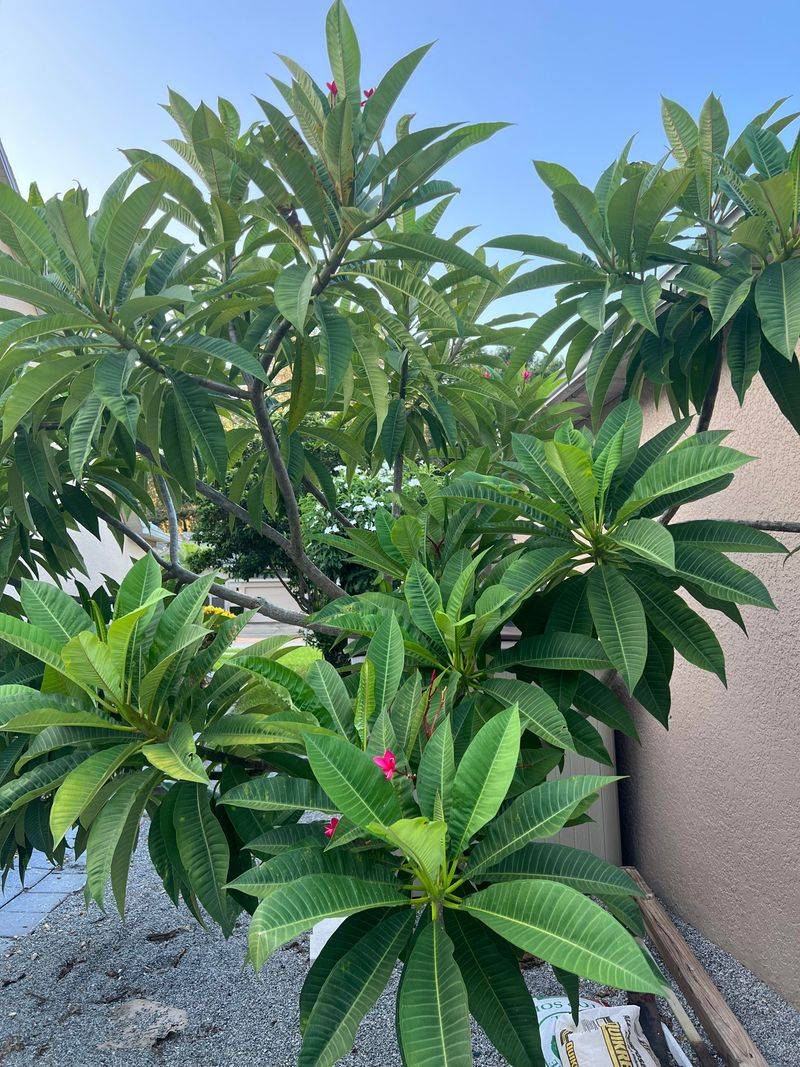
Not every frangipani suffers equally, and that is genuinely good news for anyone planning new plantings. Plumeria obtusa, often sold as Singapore or Singapore White, holds up noticeably better than most.
Its thick, glossy, evergreen leaves seem far less welcoming to spores. Plumeria stenopetala and Plumeria caracasana also show useful tolerance.
Meanwhile, many popular Plumeria rubra hybrids with thin, matte leaves get hit hardest. If your prized pink cultivar dusts up every autumn, genetics is part of the answer.
Tolerance does not mean immunity. A resistant variety in a soggy, crowded corner can still pick up some speckling.
Still, mixing a couple of tougher types into your collection spreads the risk. When the rubras look ragged in September, the obtusa keeps the display going.
Ask growers directly about rust performance before you buy, especially at Florida plant sales. Experienced sellers usually know which of their cultivars stay cleanest.
Keep your own notes each year on which plants stayed tidy and which struggled. That personal record beats any general list.
Remember that rust rarely threatens a healthy plant’s survival, though heavy infection can shorten bloom time and shrink flower clusters. Choose wisely, tidy often, and your tree will still put on a show.