Why Hummingbird Moths Hover Around California Flowers At Dusk
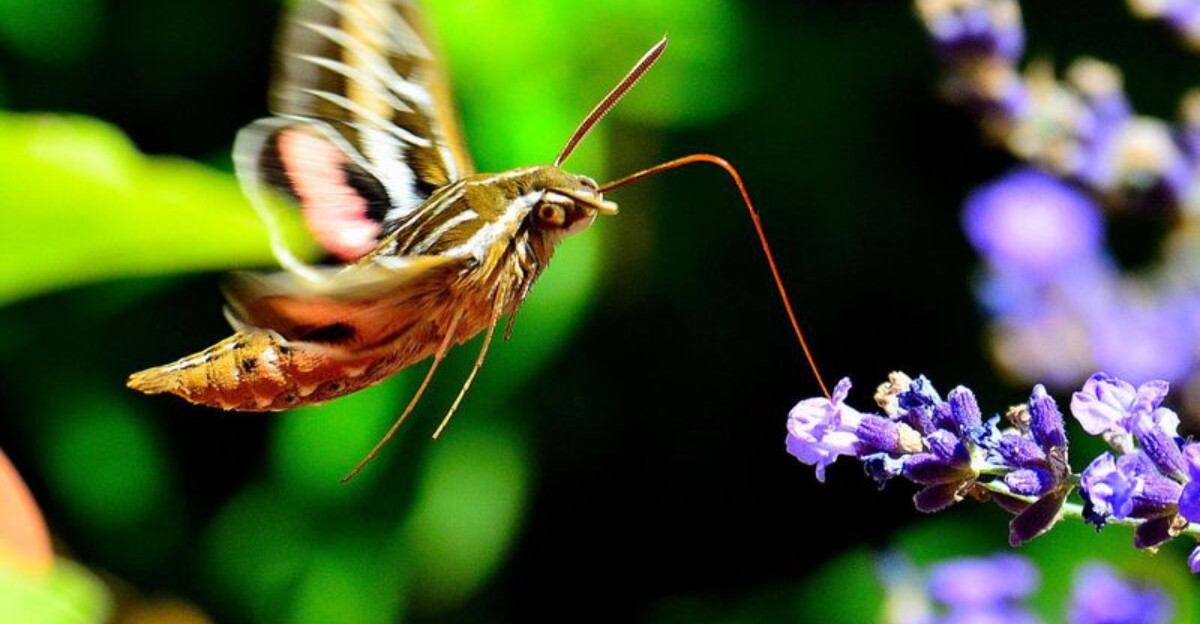
A quick movement near your California flowers at dusk might make you think a tiny hummingbird has stopped by for a snack.
Look closer, and you may discover a hummingbird moth hovering in place, sipping nectar with the same impressive precision as the bird it resembles.
These fascinating moths are easy to miss because they are most active during the evening hours, but your garden can offer exactly what they need.
Flowering plants provide a valuable food source, while the moths help pollinate many plants as they move between blooms. Seeing one in your yard is often a sign that your garden is supporting local wildlife.
Learning why they visit and which plants attract them can help you create an outdoor space that stays lively long after the sun starts to set.
1. Hummingbird Moths Feed As The Day Cools
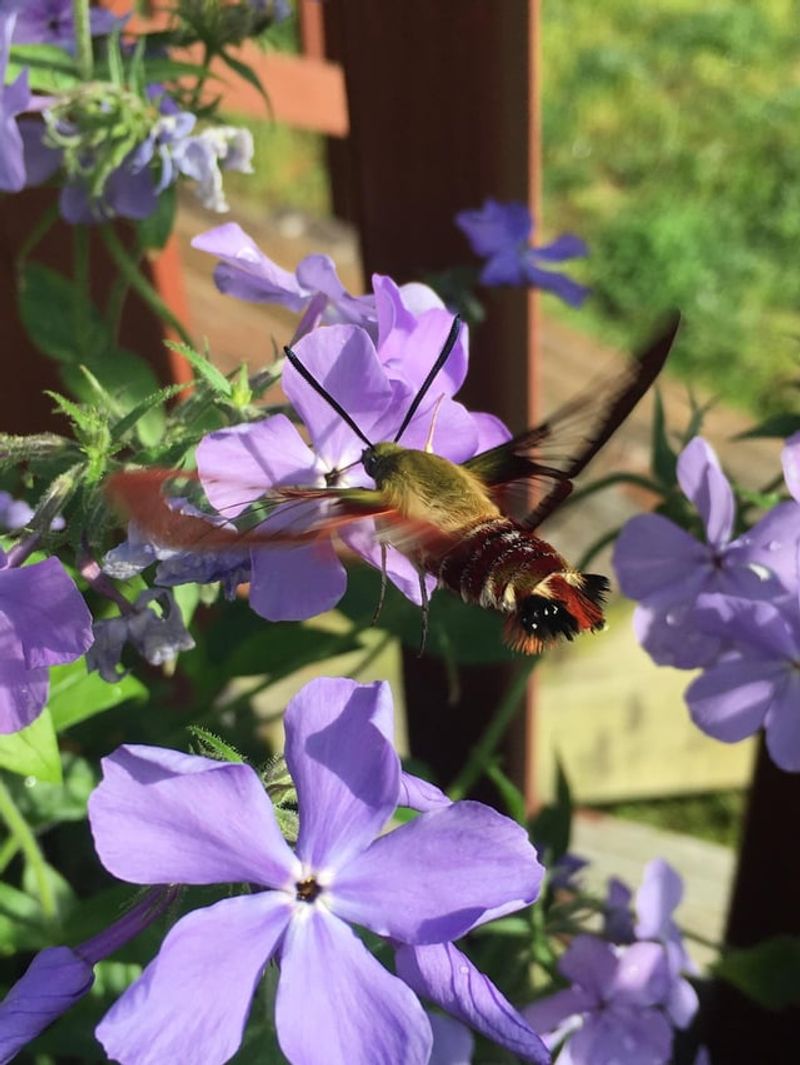
When afternoon heat starts fading, these moths come out to eat. Cooler air is easier on their bodies, so they wait for the temperature to drop before flying.
Bright midday sun can be too harsh for many of them. They prefer the softer light of early evening, when the ground releases warmth and the breeze feels gentle. That timing lets them fly comfortably without overheating their busy wing muscles.
Flowers also change during the cooler hours. Some blooms release more scent and nectar as the day winds down. That extra sweetness pulls the moths in for a meal.
You might notice them near your garden right as you finish dinner. That is because their feeding clock lines up with the cooling part of the day. They are hungry and ready to sip.
If you want to watch them, plan your garden visit for late afternoon. Sit quietly near flowering plants and keep still. Sudden movements can scare them away before they land.
Their feeding also helps flowers get pollinated during these hours. So while they fill up on nectar, plants get help making seeds. It is a helpful trade that happens right in your backyard.
Watching them feed as things cool down is a peaceful way to end a warm California day.
2. They Are Often Mistaken For Tiny Hummingbirds
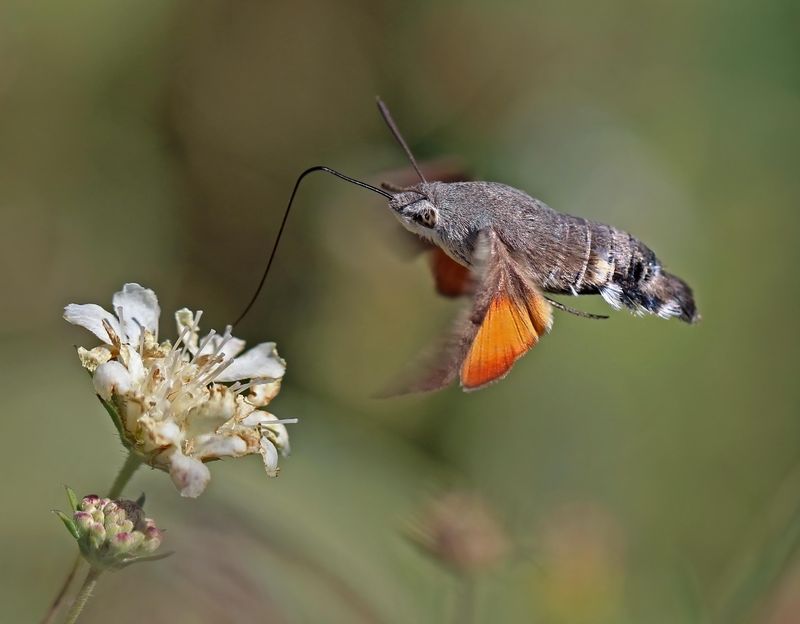
Plenty of people do a double take when they first spot one. The way it hovers and darts looks exactly like a small hummingbird visiting flowers.
Their wings beat so fast you can barely see them. That blur, plus their round fuzzy bodies, tricks the eye into thinking bird instead of bug.
Look a little closer and the differences show up. Moths have antennae, six legs, and a curled tongue that unrolls to reach nectar. Real hummingbirds have feathers and beaks.
Some species even have clear patches on their wings, earning them the nickname clearwing moths. They can zip sideways and backward, just like their bird lookalikes.
This mix-up is common all over California gardens at dusk. Folks often grab a camera thinking they caught a rare bird, only to zoom in and find a moth.
Knowing the difference makes garden watching more fun. Once you spot the antennae and the curled feeding tube, you will never confuse them again.
Your California Garden Changes Every Week. Your Plan Should Too.
Gardening in California changes quickly throughout the season. Every Friday you’ll receive a simple weekly plan showing exactly what to plant, prune, fertilize, harvest, and protect so you never miss the right timing.
Their bird-like style is not an accident. Hovering lets them feed without landing, which keeps them safe from spiders and other hunters waiting on petals.
So next time something hummingbird-shaped buzzes your flowers in the evening, take a second look. You might be watching one of nature’s clever little pretenders instead.
3. Long Flower Tubes Make Good Feeding Spots
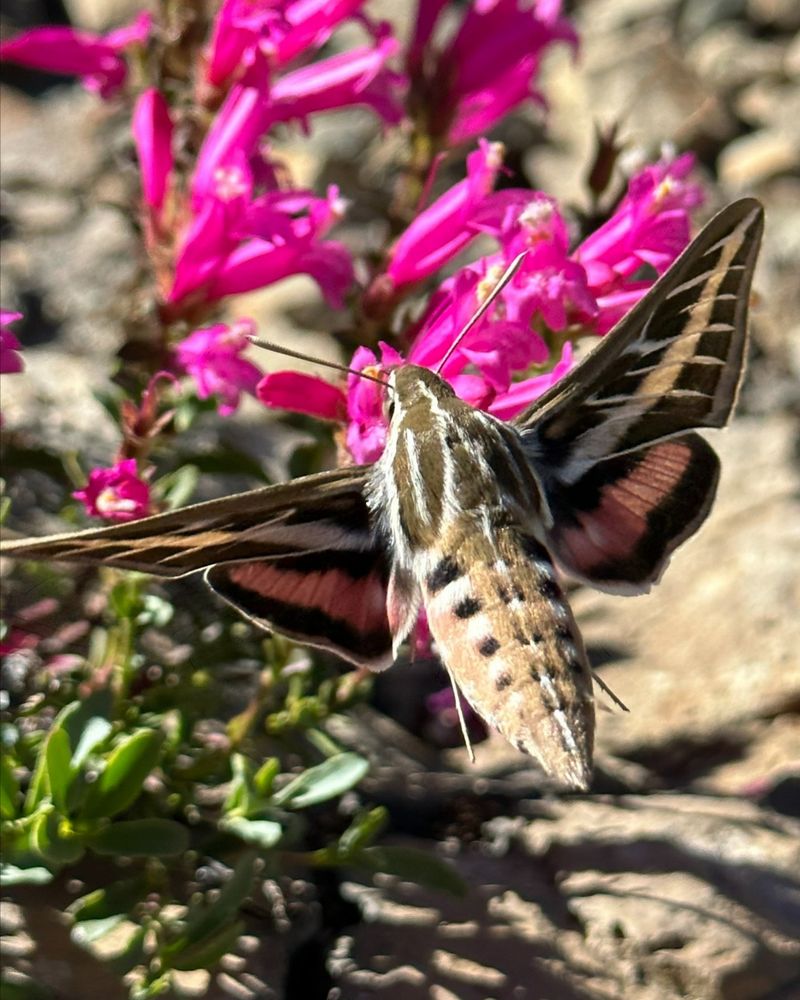
Deep, tube-shaped blooms are like a perfect straw for these moths. Their long feeding tubes fit right inside where the sweet nectar hides.
Flowers such as honeysuckle, penstemon, and evening primrose have those narrow shapes. Moths love them because shorter insects cannot reach the treasure at the bottom.
That gives the moths a special advantage. While bees give up, these fliers slip their tongue deep inside and drink freely. Less competition means more food for them.
The flower benefits too. As the moth leans in, pollen brushes onto its fuzzy body. Then it carries that pollen to the next bloom it visits.
Gardeners can use this to attract more moths. Planting tube-shaped flowers gives these visitors an easy, reliable meal each evening.
Notice how the moth stays in the air while feeding. It does not need to land on the petal, so the long tube works perfectly with its hovering style.
Different flower colors and shapes call to different feeders. Long tubes especially appeal to moths and hummingbirds with their built-in reaching tools.
If your garden has these blooms, expect regular guests at dusk. The moths remember good feeding spots and return night after night.
Pairing deep flowers with a hovering visitor is one of nature’s neatest matches, and you can watch it up close.
4. Dusk Is When They Become Most Active
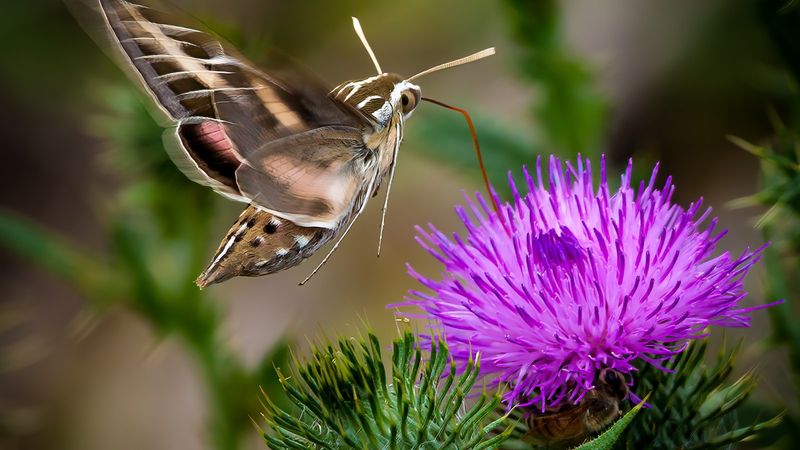
Right as the sky turns pink and orange, these moths kick into gear. Dusk is their favorite time to be out and about.
Their eyes work well in low light, so the dim glow of evening suits them. They can still spot flowers when other insects are heading to rest.
Cooler temperatures and calmer winds also make flying easier. The busy heat of the day settles down, and the moths take advantage of the softer conditions.
Many of the flowers they love open wider or smell stronger at dusk. That extra scent acts like a dinner bell, guiding the moths straight to the nectar.
Some species are called crepuscular, which just means they like the twilight hours. They are neither full daytime nor full nighttime fliers.
If you want the best chance to see them, watch during that golden half hour before dark. That is peak feeding time in most California yards.
Bring a chair, sit near your flowers, and stay patient. Within minutes you may hear the soft hum of wings zipping past.
Their timing keeps them safe from many daytime predators too. Fewer birds hunt in fading light, so the moths get a safer window to eat.
Catching them at dusk turns an ordinary evening into a small, buzzing nature show right outside your door.
5. They Use Their Long Mouthparts To Reach Nectar
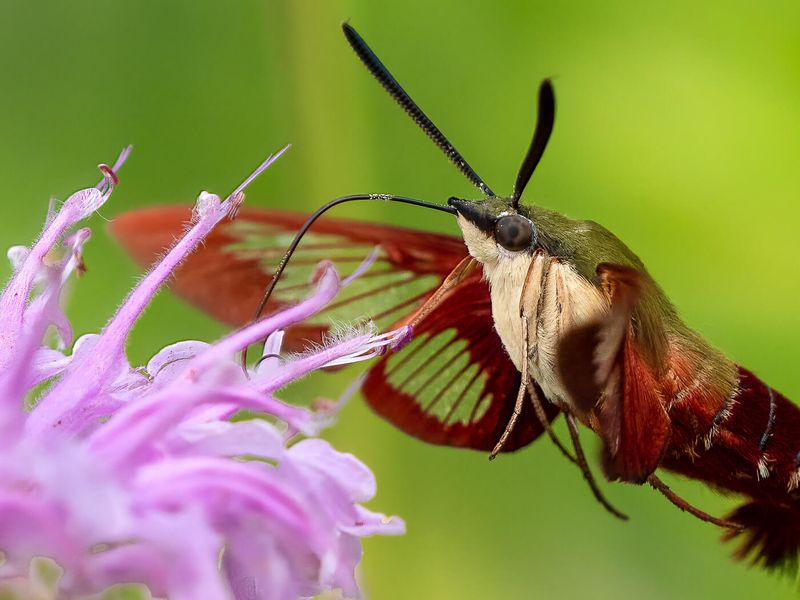
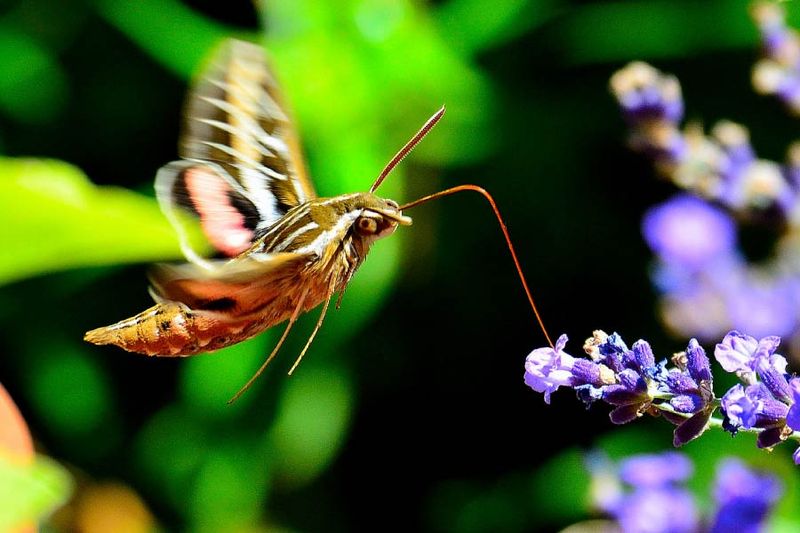
Tucked under the moth’s head is a coiled tube called a proboscis. When it is time to eat, that tube unrolls like a party favor.
Some of these tubes are longer than the moth’s whole body. That reach lets them slip into flowers that other bugs simply cannot access.
The proboscis works like a built-in straw. The moth dips it into the flower, sips the sweet nectar, and then curls it back up when finished.
Hovering in place, it can move from bloom to bloom without ever touching down. That steady mid-air feeding is both graceful and efficient.
Their fuzzy bodies pick up pollen while they drink. So each sip also helps spread pollen and keep flowers making seeds.
This clever tool is one reason they thrive in California gardens. Deep flowers that stump bees are an open buffet for these moths.
Watch closely and you can actually see the tube extend and retract. It is a tiny mechanical marvel packed into a soft insect body.
Planting nectar-rich flowers gives their long mouthparts plenty of work. The more good blooms you offer, the longer they will linger.
Their feeding tube is proof that nature builds specialized tools for specialized jobs. And it makes these moths perfectly suited for sipping from deep evening flowers.
6. Native Flowers Can Attract More Visits
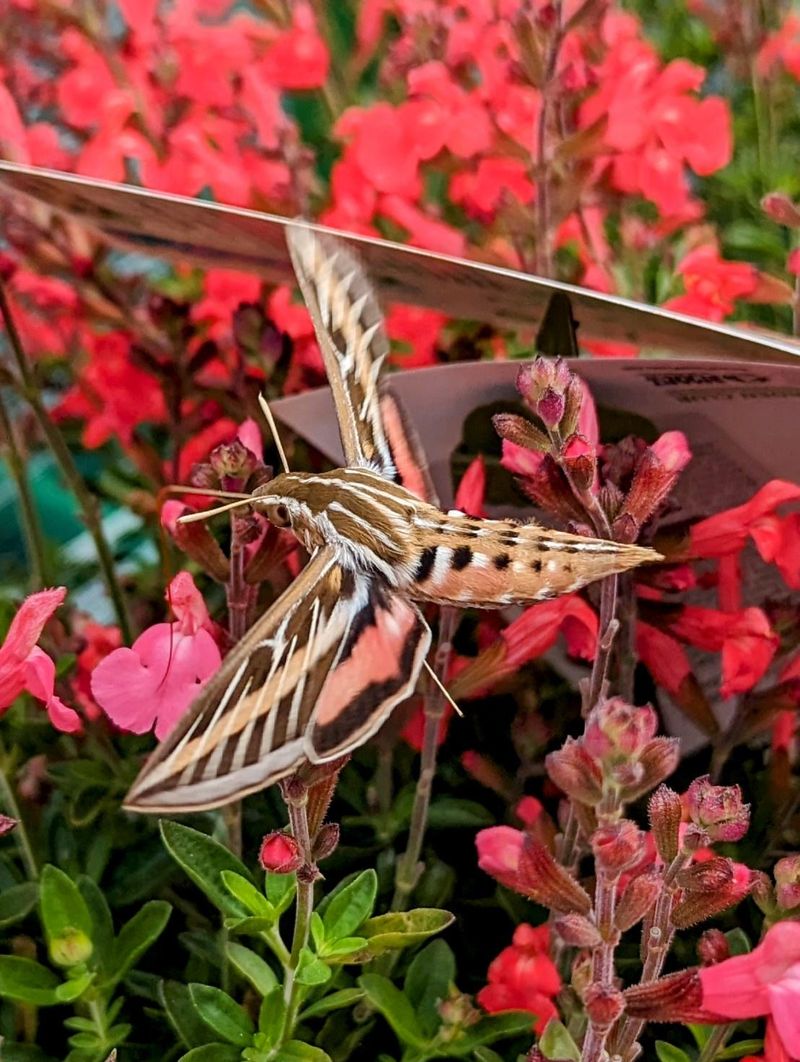
Local plants and local moths grew up together, so they fit like puzzle pieces. Native flowers often draw more moth visits than store-bought exotics.
California blooms like penstemon, salvia, and evening primrose are favorites. These plants offer the nectar shapes and scents the moths already know and love.
Because they evolved side by side, the timing lines up perfectly. When native flowers open at dusk, the moths are ready and waiting to feed.
Growing natives also helps the wider ecosystem. Bees, butterflies, and birds all benefit from the same friendly plantings you set up for moths.
Another bonus is that native plants usually need less water and care. They handle California’s dry spells better than many fussy garden flowers.
If you want more evening visitors, mix several native species together. A variety of blooms keeps nectar flowing across many weeks of the season.
Try grouping flowers in clusters instead of single scattered plants. Big patches of color are easier for moths to spot from a distance.
Skip heavy pesticide use, since chemicals can harm the very visitors you want. A natural, healthy garden invites more life.
Choosing native flowers is a simple way to help wildlife and enjoy more moth sightings. Your yard becomes a small refuge that buzzes with evening activity.
7. They Help Pollinate Many Garden Plants
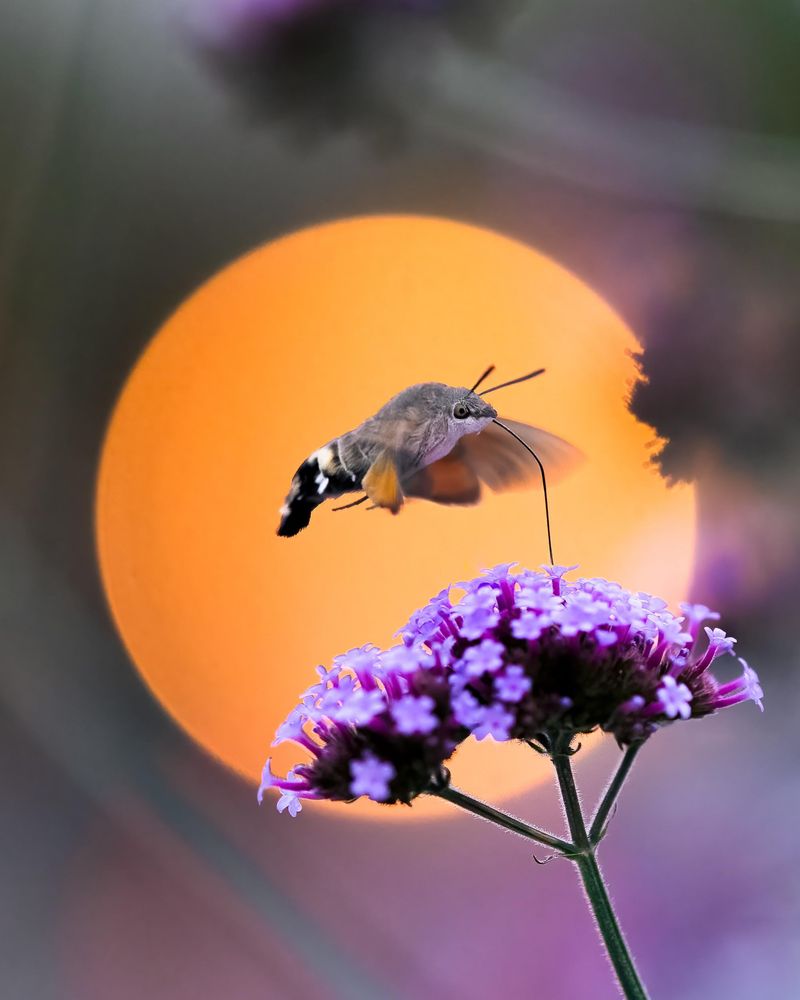
Every time one of these moths feeds, it does a quiet favor for your plants. Pollen sticks to its fuzzy body and travels to the next flower.
That pollen transfer helps flowers make seeds and fruit. Without pollinators like these, many garden plants would struggle to reproduce.
Because they visit so many blooms in one evening, they spread pollen far and wide. A single moth can service dozens of flowers in a short outing.
Their dusk schedule also fills an important gap. When daytime bees clock out, these moths keep the pollination going into the evening hours.
Some night-blooming plants depend heavily on moth visitors. Those flowers time their scent and nectar just for these twilight helpers.
Gardeners who welcome moths often see healthier, more productive plants. More pollination can mean more fruit, more seeds, and more blooms next season.
You can support this teamwork by planting a mix of flowers. Offering blooms that open at different times keeps pollinators busy all evening.
Avoiding harsh sprays protects these helpful insects. A moth-friendly yard rewards you with both beauty and a stronger garden.
Their role reminds us that pollinators come in many shapes. Not all heroes have wings full of feathers, and some work the twilight shift instead.
Little by little, these moths quietly keep California gardens blooming and growing.
8. Warm Evenings Bring More Moth Activity
On mild, warm nights, these moths really come alive. Their flight muscles work best when the air is comfortably warm, not chilly.
Cold evenings slow them down. Since they are insects, they rely on the surrounding temperature to keep their bodies moving quickly.
That is why summer is prime moth-watching season in California. Long, warm dusks give them plenty of flying time before the air cools.
Warm nights also keep flowers producing nectar. More food plus better flying weather equals a busier, buzzier garden after sunset.
You may notice more of them during a heat wave’s cooler evenings. They wait for the day’s peak to pass, then feed while it is still warm.
If you want to spot several at once, pick a calm, warm night. Still air makes their hovering easier and their visits longer.
Sometimes they warm up by shivering their wings before takeoff. That quick vibration heats their muscles like a tiny engine getting started.
Watching them on a summer evening is a treat for the whole family. Kids especially love guessing whether they are seeing a bird or a bug.
Keep flowering plants healthy through the warm months to enjoy steady visits. The warmer and calmer the night, the better your chances of a show.
Warm California evenings are simply their favorite time to shine.
9. They Usually Move Quickly From Flower To Flower
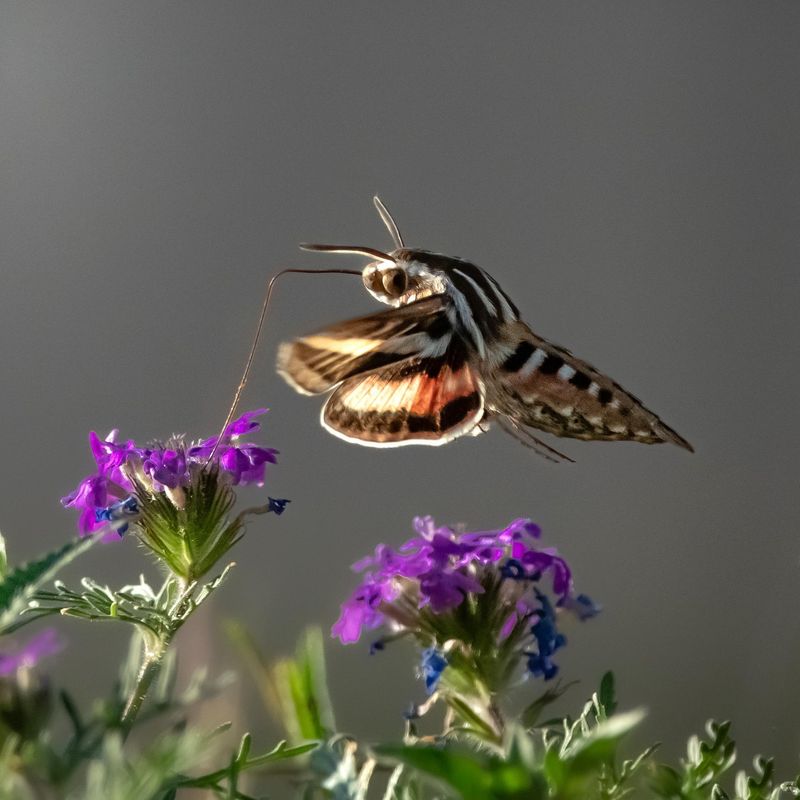
Blink and you might miss one. These moths zip from bloom to bloom with surprising speed and hardly ever sit still.
Their fast pace helps them visit many flowers in a short time. More stops means more nectar and more energy for their busy wings.
Hovering costs a lot of fuel. To keep flying, they need to refill often, so they rarely linger long at any single flower.
That quick style also keeps them safe. Predators have a hard time grabbing a target that never stops moving for more than a second.
Their darting flight can look playful, almost like a little dance across the garden. In truth, it is smart survival at work.
If you are trying to photograph one, patience pays off. Focus on a favorite flower cluster and wait for the moth to return.
You will notice they often follow a loose route, checking the same blooms again and again. They remember where the good nectar is.
This constant motion spreads pollen efficiently too. Fast visits to many flowers help pollinate a wide patch of your garden.
To keep them coming back, plant plenty of flowers close together. Short hops between blooms make feeding quick and easy for them.
Their speedy, restless energy is part of the fun. Watching one buzz through your yard at dusk never gets old.