Texas Patio Plants To Plant In Concrete Beds This September So They Are Established Before Next Summer’s Heat
Concrete patio beds in Texas are unforgiving growing environments in summer. The heat radiating off surrounding surfaces, the limited soil volume, and the full sun exposure that most patio beds receive combine to create conditions that test even the toughest plants when July and August arrive.
Most homeowners either accept this limitation or keep replacing plants that don’t make it through the season. But there’s a smarter window to work with. And it’s open right now.
Plants established in concrete patio beds this September have the entire fall and winter to develop root systems before they face their first serious Texas summer. That head start changes everything.
A plant that went into the ground in September arrives at next July’s heat already rooted in, already adapted to its specific microclimate, and equipped to handle conditions that would overwhelm a spring planting still trying to establish itself.
Here are the Texas patio plants worth getting into concrete beds this September and exactly why fall planting is the move that makes next summer manageable.
1. Texas Sage
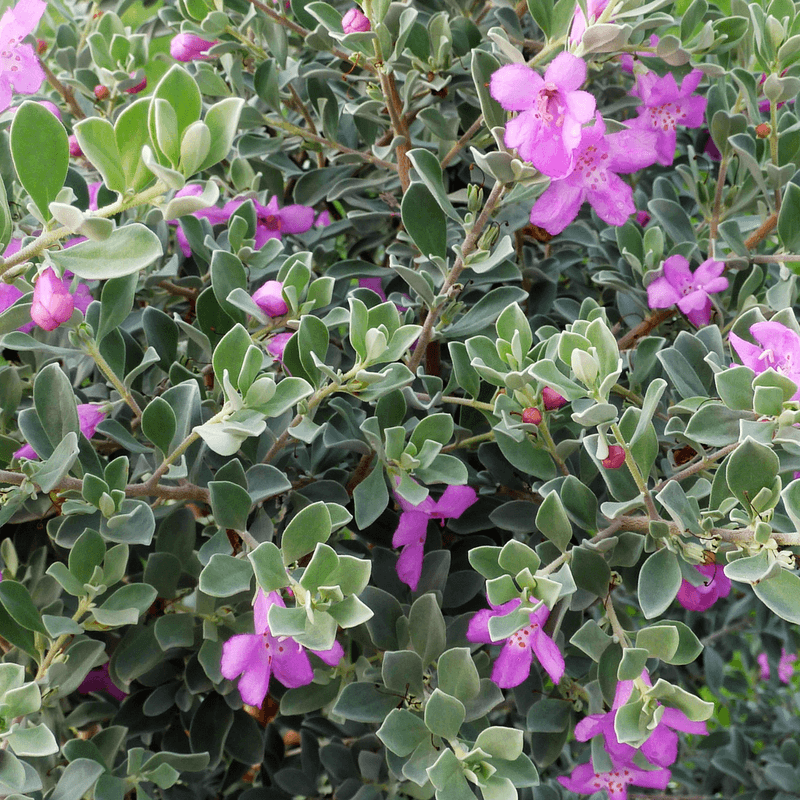
Gardeners across the Lone Star State swear by Texas Sage for one big reason. It practically thrives on neglect.
Also called cenizo, this shrub shows off silvery leaves that reflect harsh sunlight. After rain or humid days, it bursts into clouds of purple flowers.
Some folks even call it the barometer bush because blooms seem to predict storms. Concrete beds suit cenizo perfectly. The warmth and quick drainage match its desert roots. Soggy soil is its enemy, so a raised bed near your patio keeps water moving away fast.
Plant it in September and the roots dig deep before winter. By next summer, you will have a tough shrub that handles blazing afternoons without wilting. Water it once or twice a week while it settles, then back off completely.
Give each plant plenty of room since it can spread three to five feet wide. Full sun brings the most flowers, so pick the brightest corner of your patio. Skip the fertilizer because rich soil actually makes it leggy and weak.
Pollinators adore the blooms too. Bees and butterflies stop by whenever the purple show begins.
Pruning is simple. A light trim in late winter keeps the shape neat and encourages fresh growth.
Native to the rocky hills of West Texas and northern Mexico, cenizo feels right at home in tough spots. It laughs at drought and shrugs off heat that would flatten fussier plants.
For anyone wanting color without constant care, this silvery beauty earns its place. Plant it now and enjoy years of easy, dependable charm.
2. Lantana
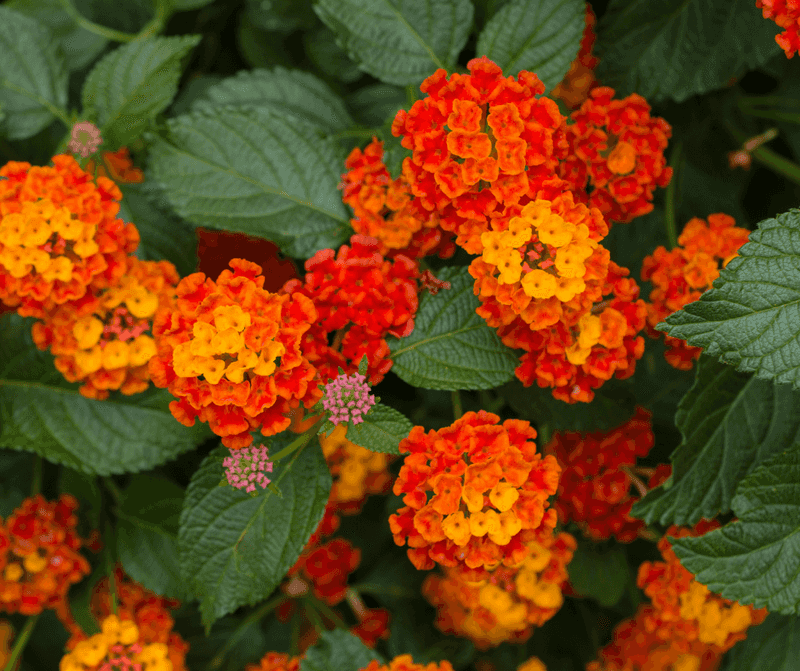
Few plants pack as much color into a small space as lantana. Its tiny flower clusters glow in shades of orange, yellow, pink, and red all at once.
Butterflies treat lantana like a favorite diner. On any warm afternoon, you might spot several fluttering from bloom to bloom.
Concrete beds and lantana get along great. The reflected heat only makes this sun lover flower harder.
Your Texas Garden Changes Every Week. Your Plan Should Too.
Gardening in Texas changes quickly throughout the season. Every Friday you’ll receive a simple weekly plan showing exactly what to plant, prune, fertilize, harvest, and protect so you never miss the right timing.
It actually slows down when things get cool and cloudy, so a hot patio is exactly where it wants to be.
Fall planting lets the roots grow strong before the real heat arrives. Water regularly during the first few weeks, then let the top inch of soil dry out between drinks. Overwatering is the main mistake beginners make.
Trailing types spill beautifully over the edge of raised beds. Upright varieties form tidy mounds up to three feet tall. Pick whichever fits your space.
Deadheading old flowers keeps new ones coming, though many modern kinds bloom nonstop without any fuss. A quick trim in early spring wakes it up after winter.
Heads up for pet owners. The berries and leaves can upset stomachs, so plant it where curious dogs cannot nibble.
Lantana handles poor soil, salty air, and long dry spells without complaint. That toughness makes it a Texas favorite from El Paso to Houston.
Come next July, while other flowers fade, your lantana will be showing off. Plant a few this September and watch your patio turn into a butterfly hangout that keeps its color going for months.
3. Rosemary
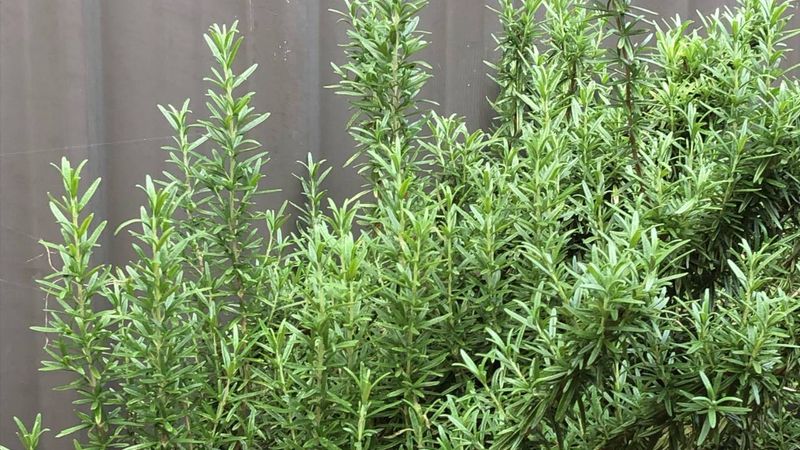
Brush against rosemary on a warm day and the whole patio smells amazing. That piney scent is just the beginning of what this herb offers.
Rosemary is a hardworking plant that looks good, smells great, and jumps straight into your cooking. Snip a sprig for roasted potatoes or grilled chicken whenever you like.
This Mediterranean herb feels right at home in hot, dry Texas beds. Concrete keeps the roots warm and drains water quickly, which is exactly how rosemary likes things. Wet feet are the one thing it truly cannot stand.
Getting it in the ground during September gives the roots time to anchor deep. Once established, it barely needs watering at all. A soak every week or two during dry spells keeps it happy.
Full sun brings out the best growth and the strongest fragrance. Give each plant room to spread since some varieties grow into shrubs three feet across.
Certain types trail downward, making them perfect for the edge of a raised bed. Upright kinds stand tall and can even form a small hedge.
Tiny blue flowers appear in cooler months, and bees love them. That means your herb pulls double duty as a pollinator snack. Pruning keeps it bushy. Just clip stems as you cook and the plant stays full and shapely.
Ancient folks believed rosemary boosted memory, and students in old Greece wore sprigs during exams. Whether or not that works, it definitely makes your patio smell wonderful. Plant it now for years of flavor and fragrance close at hand.
4. Blackfoot Daisy
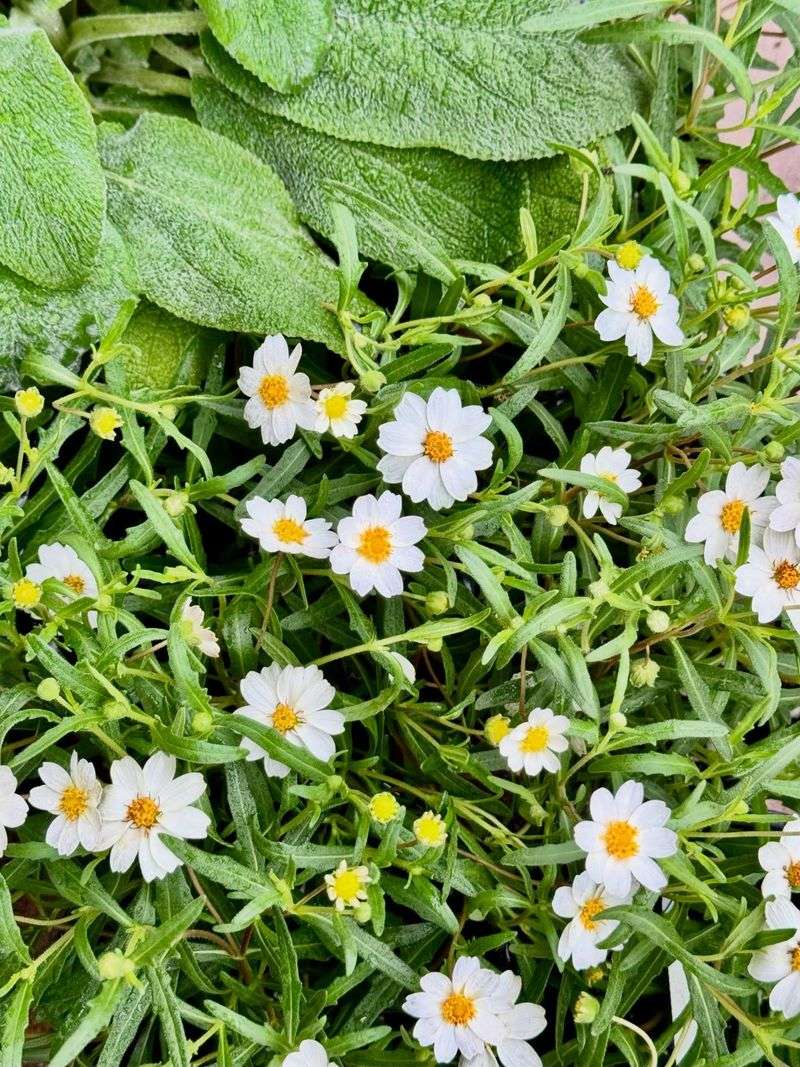
Sweet little white flowers with sunny yellow centers make blackfoot daisy an instant charmer. This low grower forms neat mounds that look tidy all season long.
Native to the rocky ground of central and western Texas, it feels perfectly suited to gritty, fast-draining spots. A concrete bed mimics its natural home almost exactly.
What really wins people over is the honey scent. Lean in close on a warm afternoon and you might catch a soft sweetness drifting up from the blooms.
September planting sets it up for success. The roots establish through fall and winter, so by summer this daisy can handle heat and drought like a champ. Water lightly at first, then only during long dry stretches.
Give it full sun and lean soil. Rich, fertilized dirt actually makes it flop and rot, so keep things simple and poor. That makes it one of the easiest plants on this whole list.
Each plant stays small, usually under a foot tall and about a foot and a half wide. That compact size makes it great for edging or filling gaps between bigger plants.
Blooms keep coming from spring through fall, sometimes nearly year-round in mild winters. Few plants flower for such a long stretch with so little help. Bees and small butterflies stop by often, adding gentle movement to your garden.
Trim it back lightly if it gets scraggly, and it bounces right back. For a fuss-free splash of white that loves Texas heat, tuck a few blackfoot daisies into your concrete bed this fall.
5. Autumn Sage
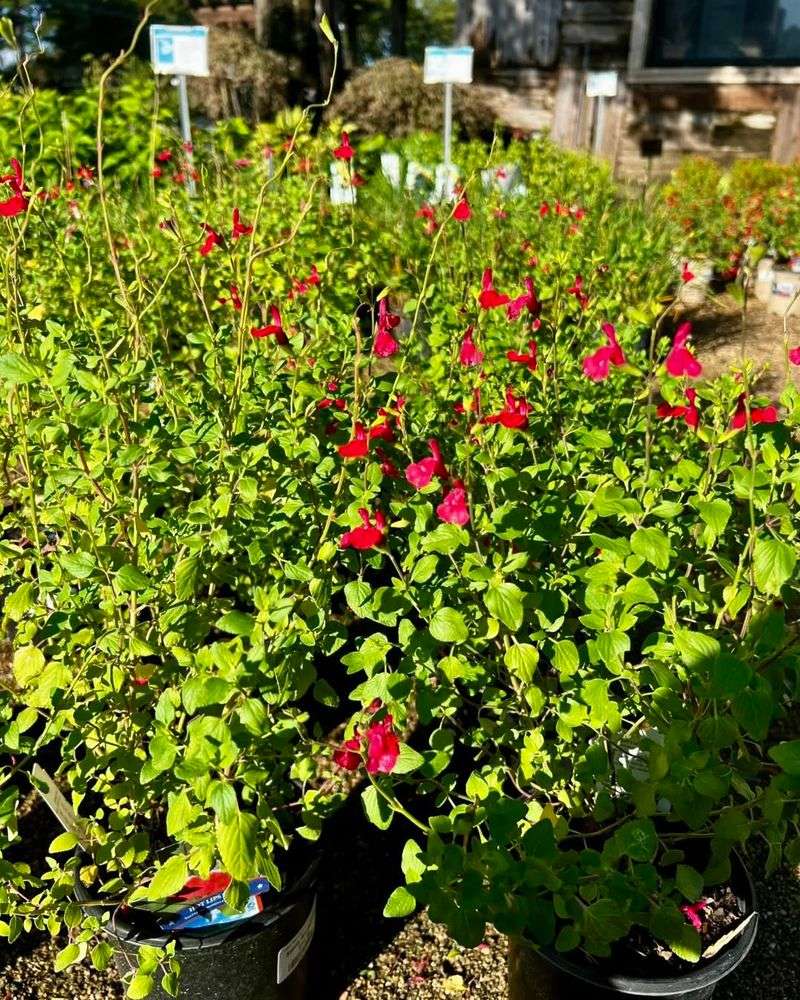
Hummingbirds cannot resist autumn sage, and once you plant it, you will understand why. Its slender tubular flowers seem designed just for their long beaks.
Despite the name, this salvia blooms from spring clear through fall. Colors range from fiery red to soft pink, coral, white, and purple, so there is a shade for every taste.
Texas gardeners love how tough it is. Autumn sage grew up in the rocky hills of the Southwest and northern Mexico, so heat and drought barely faze it.
Concrete beds provide the sharp drainage it craves. Plant it in September and the roots settle in before winter, ready to explode with color next year.
A little water each week helps it get going, then it needs very little. Pick a sunny or partly sunny spot. Too much shade means fewer flowers and a floppy shape.
These small shrubs reach about two to three feet tall and wide. They mix beautifully with other tough plants like lantana and Texas sage.
A midsummer trim keeps blooms coming and stops the plant from getting woody. Just shear off the top third and fresh flowers follow within weeks.
Butterflies and bees join the hummingbirds, turning your patio into a busy little wildlife stop. The soft, fragrant leaves add another bonus. Brush them and enjoy a light minty scent.
Cold winters do not bother it much, and it returns reliably year after year across most of Texas. For long-lasting color and a front-row seat to hummingbird visits, autumn sage belongs in your fall planting plans.
6. Mexican Feather Grass
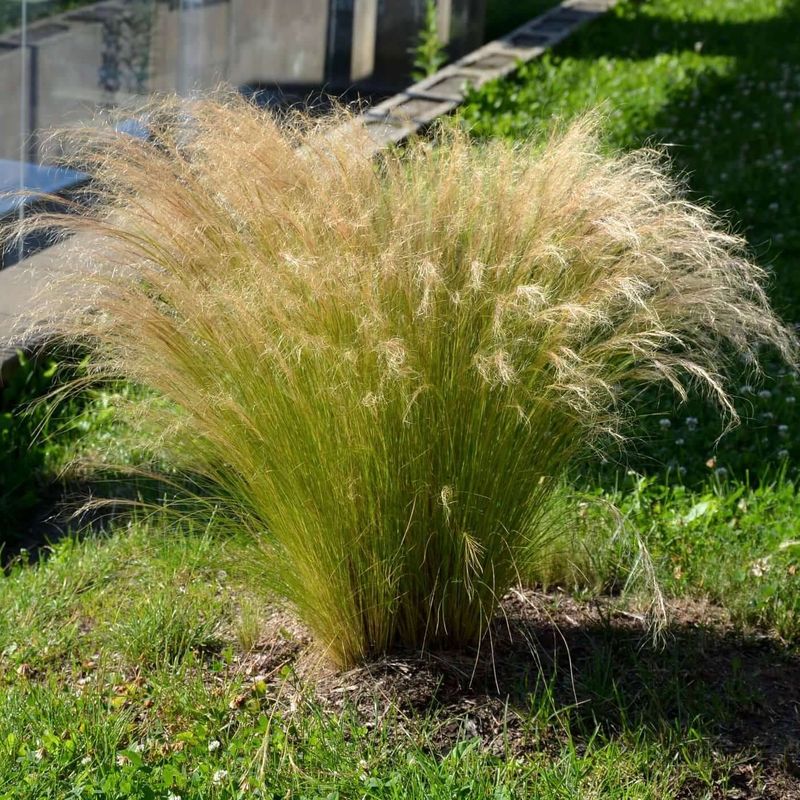
Picture soft green blades swaying with every little breeze. Mexican feather grass brings gentle movement and a dreamy texture that few other plants match.
By early summer, the thin leaves turn a golden wheat color and catch the light beautifully. Backlit by a Texas sunset, this grass practically glows.
Toughness is its secret superpower. It handles drought, heat, poor soil, and the reflected warmth of concrete without missing a beat.
Getting it planted in September lets the roots grip the soil before summer. Once settled, it survives on rainfall alone in most years. Skip heavy watering, since it far prefers dry conditions.
Full sun keeps it healthy and upright. Each clump grows about two feet tall and wide, making it a perfect filler between flowering plants.
The airy look softens the hard edges of concrete beds. Pair it with bold blooms like salvia or lantana for a lovely contrast of shapes.
Come late winter, give it a haircut down to a few inches. Fresh green blades push up quickly and the plant looks tidy all over again.
One thing to know is that it reseeds happily. In some spots it spreads more than you want, so snip off the seed heads if you like to keep it contained. Deer usually leave it alone, which is a big win in many Texas neighborhoods.
Its flowing form adds a calm, natural feel to any patio. For texture, movement, and almost zero upkeep, this graceful grass earns a spot in your fall garden. Plant a few clumps now and enjoy the sway all next summer.
7. Yucca
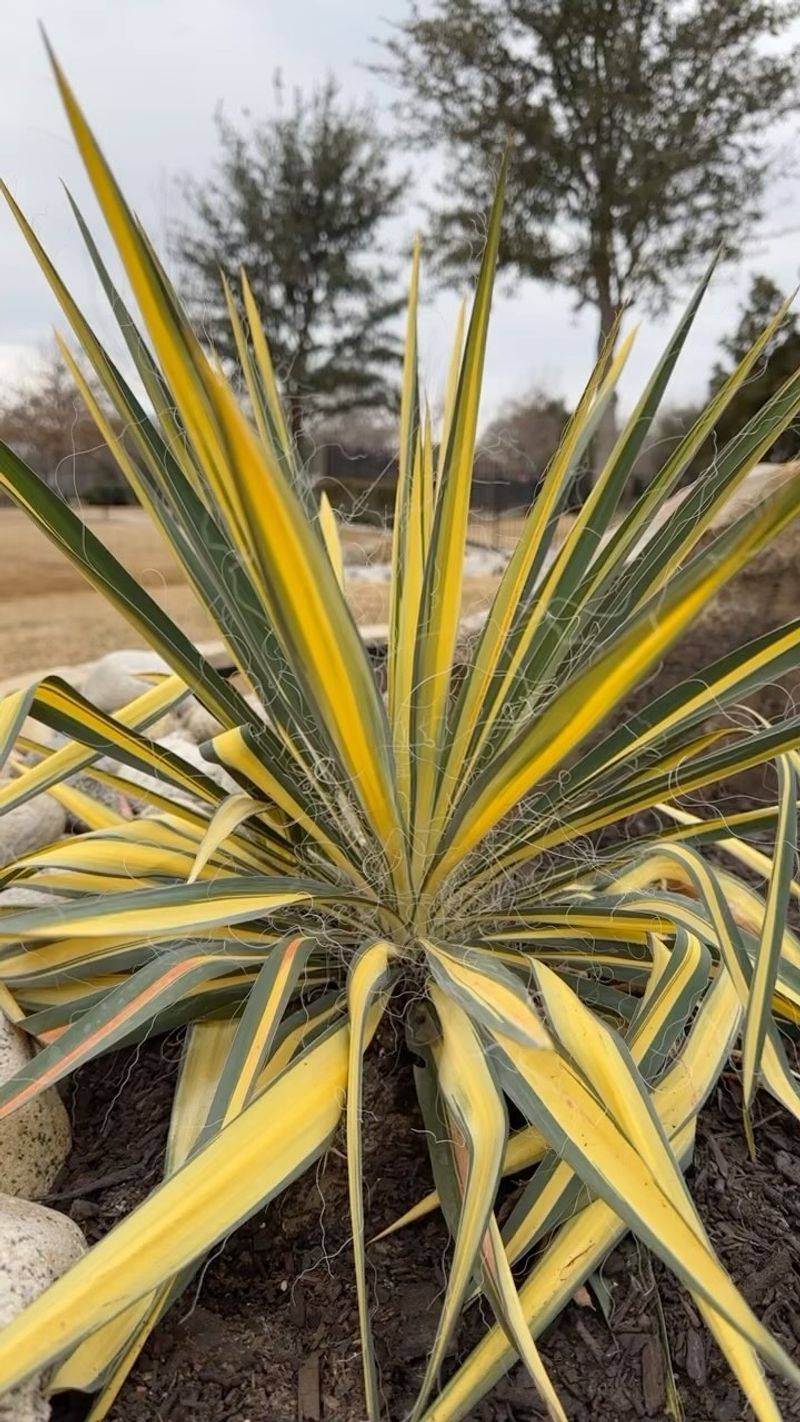
Bold, spiky, and totally unbothered by heat, yucca makes a dramatic statement in any garden. Its sword-shaped leaves fan out like a natural sculpture.
Some types send up towering spikes covered in creamy white bells. That flower show stops visitors in their tracks.
Yucca practically defines a tough Texas plant. It survives blazing sun, rocky ground, and long weeks without rain like it is no big deal.
Concrete beds are ideal because they drain fast. Soggy roots are the one thing yucca hates, so raised, warm soil keeps it thriving. Plant it this September and it will anchor deeply before summer.
Water is barely needed once it settles. A soak now and then during the hottest stretch is plenty, and often nature handles even that.
Give it a sunny spot with room to spread. Some varieties stay small and tidy, while others grow into big, striking clumps several feet across.
The leaf tips can be sharp on certain kinds, so plant it away from walkways and play areas. Softleaf yucca is a gentler choice near seating.
Very little pruning is required. Just remove old flower stalks and any brown leaves to keep it looking sharp.
Native peoples once used yucca fibers for rope and baskets, and the roots for soap. That handy history adds to its rugged charm.
Pollinators, especially a special moth, rely on its blooms, making yucca a quiet helper for local wildlife.
For architectural drama that laughs at drought and heat, nothing beats a yucca. Tuck one into your concrete bed now and enjoy its bold shape for many years to come.