What’s Causing Damage To Light Colored Flowers Across New Jersey
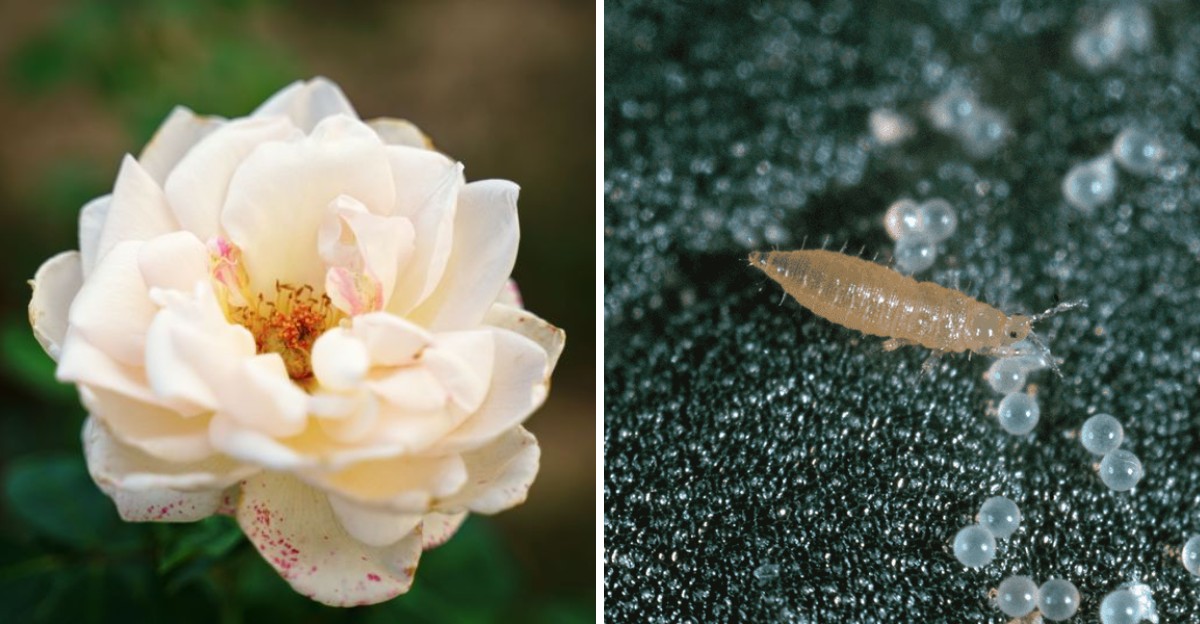
Your pale blooms across New Jersey are changing before your eyes. Silvery streaks now cross petals you trusted last week. Brown flecks spread across blooms you swore looked perfectly healthy yesterday.
Sunlight seemed like an obvious culprit, until you looked closer. Fertilizer earned the blame next, yet your plants tell a different story. Neither theory explains why your pale petals get singled out.
White roses, cream mums, and blush petunias share your frustration. Gardeners from Sussex County to the Shore report damage on your plants. New Jersey message boards are filling up with your same question.
People assume weather quickly, and they still turn out wrong. An insect smaller than a grain of rice hides your answer. It lives where you rarely think to check your plants.
You need clear answers before your very last buds open this fall. Stay with this now, because your flowers can’t afford any delay.
Silvery Streaks And Brown Flecks On Pale Petals
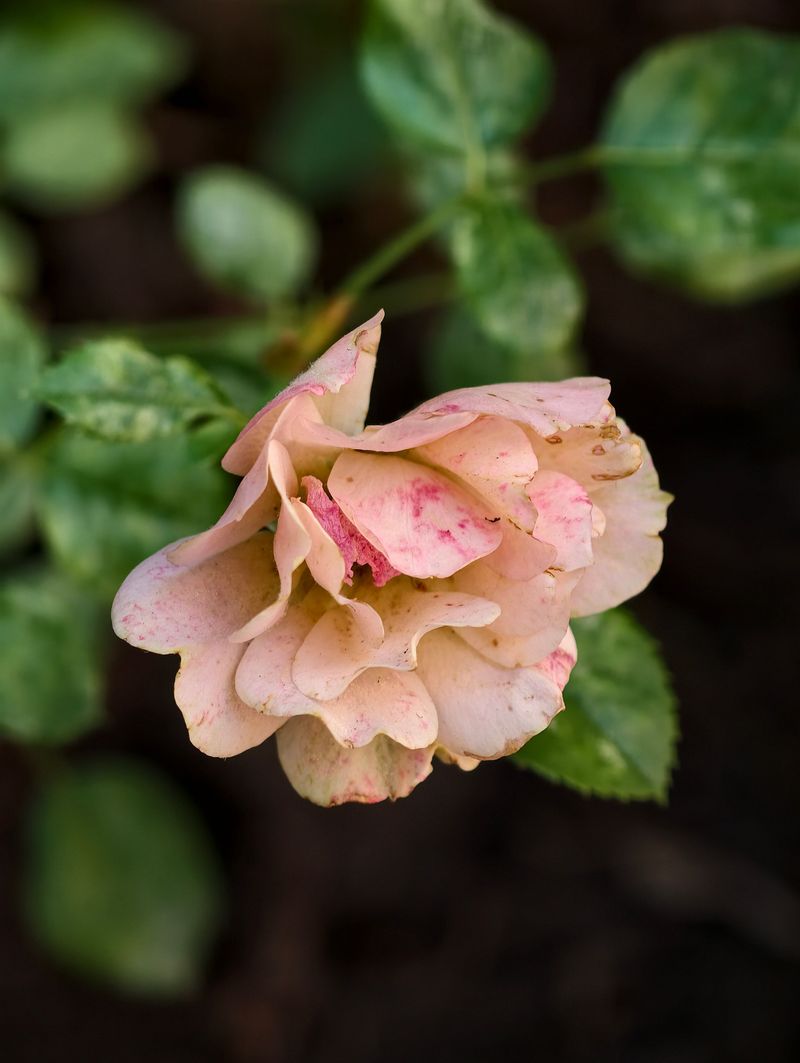
Peek at a white rose in early September and you might spot what looks like someone dragged a pencil eraser across the petals. Those pale, silvery smears are a classic calling card of thrips feeding.
Thrips do not chew holes the way beetles do. They scrape the surface of petal tissue with a single mouth stylet, then sip the fluid that leaks out.
Emptied cells fill with air, and that air reflects light, which creates the silvery or papery sheen gardeners notice first.
On light colored flowers, the damage shows up dramatically. White hydrangeas, cream daylilies, blush peonies, and pale gladiolus all display streaks, brown flecks, and small dark dots. Those dots are droppings, and they smudge if you rub them with a fingertip.
Buds can suffer before they open. Thrips slip between tight petals, feed in the dark, and the flower unfurls already scarred with brown edges or a lopsided shape.
Many New Jersey gardeners assume frost or fungus caused it, since the insects have moved on by then.
A quick test helps confirm your suspicion. Hold a sheet of white paper under a suspicious bloom and tap the flower sharply three or four times. Slender specks that wiggle across the paper are your answer.
Once you learn the pattern, you will start noticing it across window boxes and cutting gardens alike. Recognizing damage early gives you time to act before the next round of buds opens, and pale flowers keep their crisp color much longer.
The Speck-Sized Culprit Behind The Damage
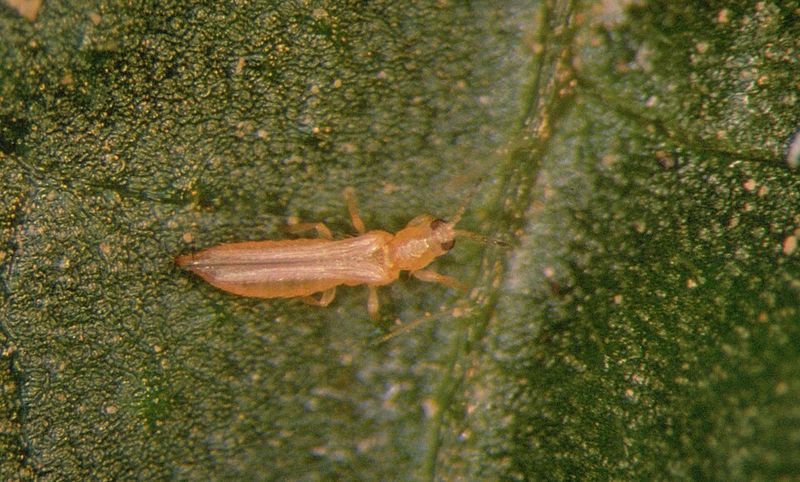
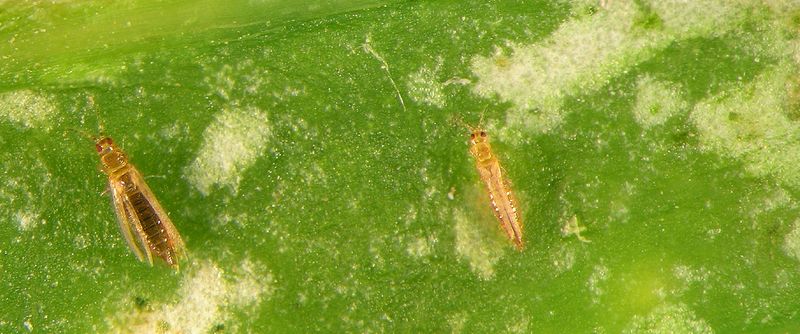
Picture an insect narrower than a sewing needle and shorter than a comma on this page. Western flower thrips measure about one twentieth of an inch, which explains why gardeners rarely notice them until petals show scars.
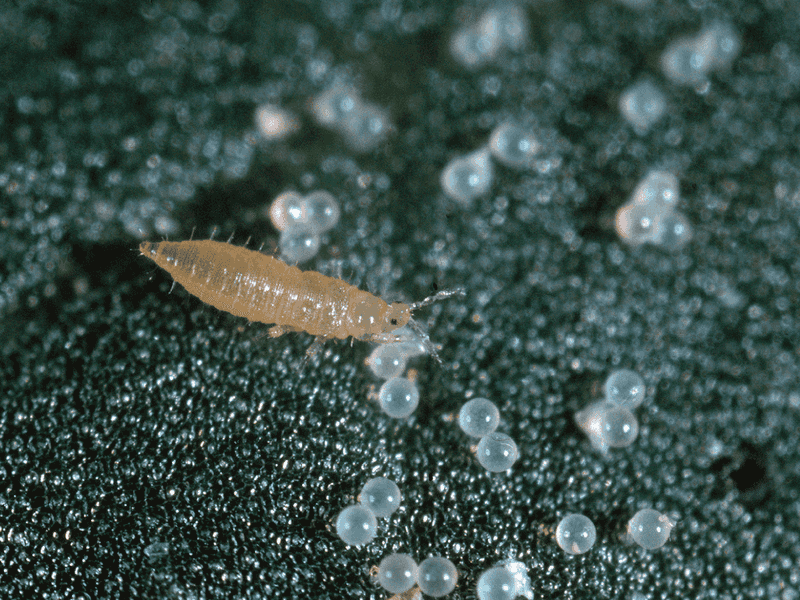
Adults look like slivers of straw with fringed wings, ranging from pale yellow to brown. Young ones, called larvae, are creamy white or faintly orange and cannot fly yet. Both stages feed, and both hide deep inside buds where sprays struggle to reach.
Your New Jersey Garden Changes Every Week. Your Plan Should Too.
Gardening in New Jersey changes quickly throughout the season. Every Friday you’ll receive a simple weekly plan showing exactly what to plant, prune, fertilize, harvest, and protect so you never miss the right timing.
Light colored blooms attract them for a reason. Research shows thrips are drawn to white, cream, yellow, and pale blue, and commercial growers use that quirk by hanging yellow and blue sticky cards to monitor populations. Your white petunias are especially visible targets.
Life moves fast for them. A female can lay dozens of eggs tucked into plant tissue, and in warm New Jersey weather a generation wraps up in roughly two to three weeks. Populations can climb quickly between one weekend and the next.
Part of the life cycle happens in soil. Larvae drop from flowers to pupate in the top inch of mulch or ground, which is why treating only the blossoms often gives partial results. Raking and refreshing mulch under hard hit plants can interrupt that step.
Grab a hand lens if you own one. Ten power magnification turns those moving specks into recognizable insects with fringed wings, and once you have seen them you will not confuse them with pollen or dust again. Kids love the reveal, too.
Warm September Weather Keeps Their Numbers Climbing
Ask any Jersey gardener about late summer and you will hear the same words: hot, sticky, and long. Those conditions happen to match what these insects favor.
Warm temperatures speed up their development. When days hover in the eighties, eggs hatch sooner and larvae mature faster, so several overlapping generations can share the same flower bed by September.
Dry stretches add to the trouble, since heavy rain knocks a portion of the population off petals.
Field crops play a role too. As soybean, alfalfa, and roadside weeds finish up and get cut or dry down in late August, the insects living there move on and drift into nearby yards. Gardens near mowed fields often see a noticeable jump right after mowing season.
Wind carries them farther than their small wings suggest. They ride air currents for miles, which means a tidy garden can receive visitors from properties down the road.
Humid nights matter as well. Moisture trapped inside bruised petals invites brown spotting that makes the original injury look worse than it really is.
Timing your watching pays off. Check pale blooms in the first two weeks of September, ideally in the morning when flowers are open and insects are active near the petal surface.
Stressed plants tend to suffer more visible injury. Keeping roots evenly moist through a dry spell, mulching to hold water, and skipping heavy nitrogen feedings in late summer helps blooms shrug off light feeding rather than showing each scrape.
Which Pale Blooms Take The Hardest Hits
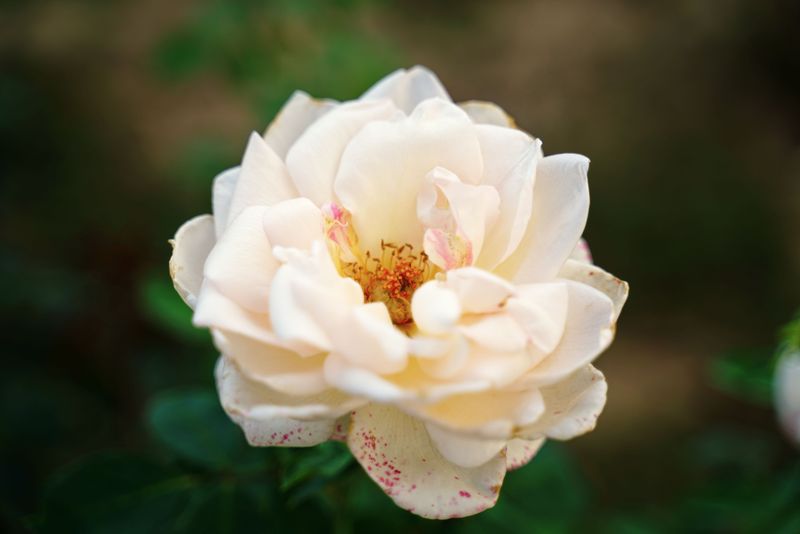
White roses seem to hold a special appeal, and rose growers in some New Jersey gardens report pale blooms turning brown at the edges within a day of opening.
Gladiolus rank high on the list as well, with silvery streaks running along petals and flower spikes that open unevenly. Impatiens, both the classic bedding type and New Guinea varieties, take visible hits on white and blush flowers.
Pale petunias, especially those in hanging baskets near sunny decks, show speckling by early September.
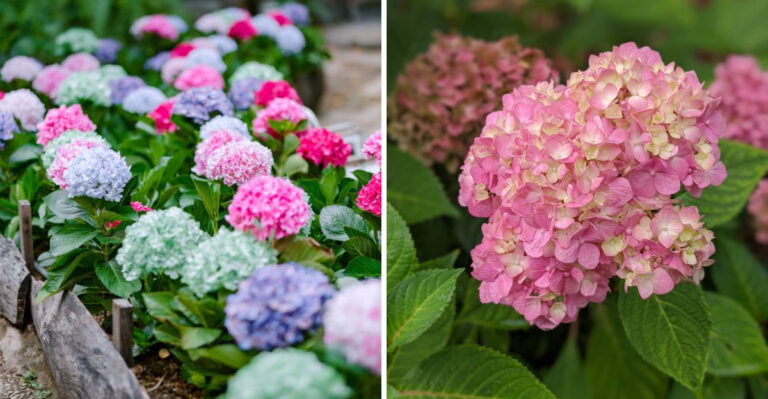
Hydrangea gardeners notice it on lacecaps and white panicle types such as Limelight, where the tiny sterile florets pick up brown flecks. Daylilies in cream and near white shades often refuse to open properly, a condition growers sometimes call bud burn.
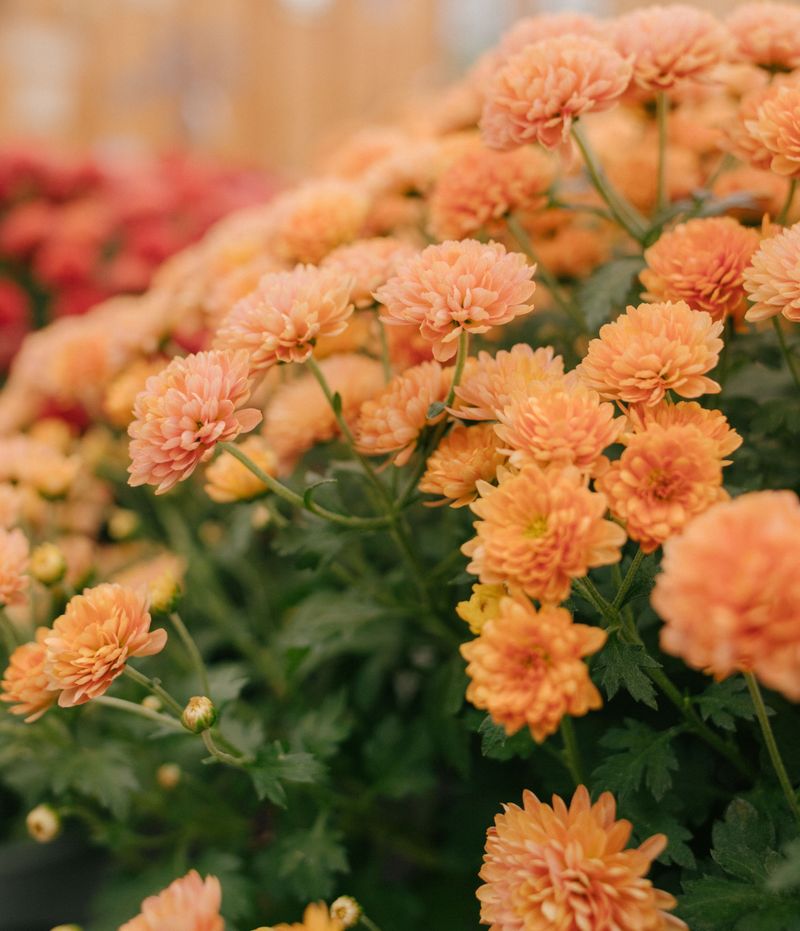
Cut flower favorites join the club. Dahlias, zinnias, and chrysanthemums in white, cream, and soft pink give the insects both shelter and food, which matters because September is prime bloom time for the mums lining garden centers across the state.
Darker flowers are not immune, but the injury simply blends into deep reds and purples. Contrast explains a lot of the confusion. Snip a scarred white bloom in half and you may find larvae tucked at the base, still feeding.
Practical takeaway: when planning next season, mix a few darker cultivars into beds that get hit hard, and place pale showpieces where you can inspect them easily.
Checking a handful of key plants twice a week tends to catch problems earlier than scanning the whole yard once a month.
Viruses Hitching A Ride With The Feeding
Feeding scars fade, but a virus sticks around. That is the bigger worry with these insects, since they spread tomato spotted wilt virus and impatiens necrotic spot virus while they eat.
Only the larvae can pick up the virus, and they carry it into adulthood, spreading it with each new plant they visit. A single infected insect can pass trouble along to several plants in an afternoon.
Symptoms vary and confuse people. Watch for ring shaped spots, brown or bronze blotches on leaves, stunted growth, and flowers with odd color breaks or patchy streaks.
Impatiens, begonias, geraniums, dahlias, and tomatoes are common hosts in New Jersey yards.
No spray cures an infected plant. Removing and bagging the affected plant protects its neighbors, and skipping the compost pile with those clippings is wise.
Wash your hands and sanitize pruners with rubbing alcohol afterward, since sap moves easily between plants.
Buying habits matter more than folks realize. Inspect new plants at the nursery, checking leaf undersides and open blooms, and set new purchases apart from your garden for a week if you have space.
Weeds serve as a reservoir. Chickweed, dandelion, oxalis, and jimsonweed can hold both the insects and the virus through the season, so keeping bed edges tidy reduces the source close to home.
Rutgers Cooperative Extension offices offer diagnostic services in many New Jersey counties and can help confirm what you are seeing. A quick diagnosis beats guessing, especially if the same symptom shows up on several plants at once.
Smart Ways To Protect Your Blooms This Fall
Pale flowers can often recover once feeding pressure eases, especially with a few consistent habits.
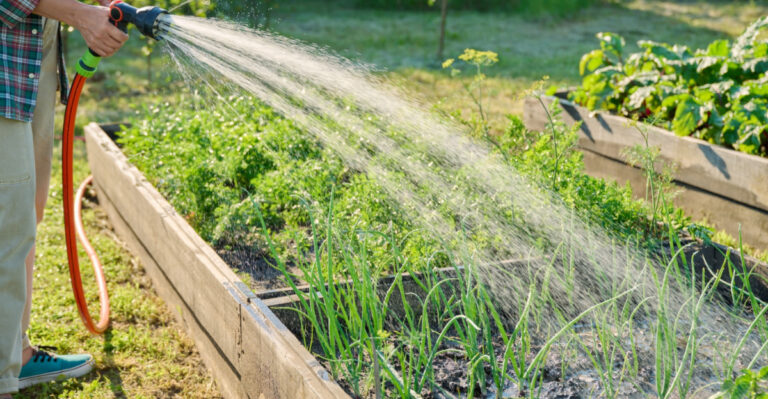
Start with a strong spray of water. A firm blast from the hose on flower heads and leaf undersides, repeated a few times each week, dislodges plenty of insects while sparing helpful bugs.
Blue sticky cards hung at bloom height tell you what is happening. Rising counts on the cards give you a heads up before petals show damage, and they work in containers and beds alike.
Pinching off scarred blooms removes larvae along with them. Bag those trimmings rather than tossing them into the bed.
Insecticidal soap and horticultural oil handle light infestations when applied in the early morning or evening, hitting buds and leaf undersides where the insects hide.
Spinosad works well too, though applying it after bees have finished foraging protects pollinators. Rotating products matters, since these insects develop resistance quickly.
Predators help more than people expect. Minute pirate bugs, lacewing larvae, and predatory mites feed on thrips, and planting alyssum, dill, or yarrow nearby keeps those helpers around.
Reflective mulch, such as silver plastic or aluminum faced sheeting, confuses incoming adults. Gardeners with small plots sometimes tuck it under container groupings, an old commercial trick that suits home cutting gardens.
Finish the season with a cleanup. Clearing spent annuals, raking mulch under hard hit plants, and pulling weedy edges in October reduces what overwinters, giving next year’s white blooms a calmer start.