Why Pennsylvania Gardeners Are Replacing Bradford Pear With Smarter Native Trees
Bradford pear had its moment in Pennsylvania. For decades it was one of the most planted ornamental trees in residential landscapes across the state, celebrated for its fast growth, tidy shape, and dramatic spring bloom.
Developers loved it, nurseries couldn’t keep it in stock, and homeowners planted it without hesitation. That moment is over. And the reasons are impossible to ignore.
Bradford pear is structurally weak, prone to catastrophic splitting as it matures, and notorious for a spring bloom fragrance that most people describe with considerably less enthusiasm than the flowers deserve.
More critically, it is invasive, escaping cultivated settings and spreading aggressively into Pennsylvania’s natural areas where it crowds out native plants and disrupts the ecosystems that local wildlife depends on.
Pennsylvania has officially added it to the noxious weed list, and removal programs are underway across the state.
The good news is that the native alternatives are genuinely better in every way that matters.
1. Eastern Redbud
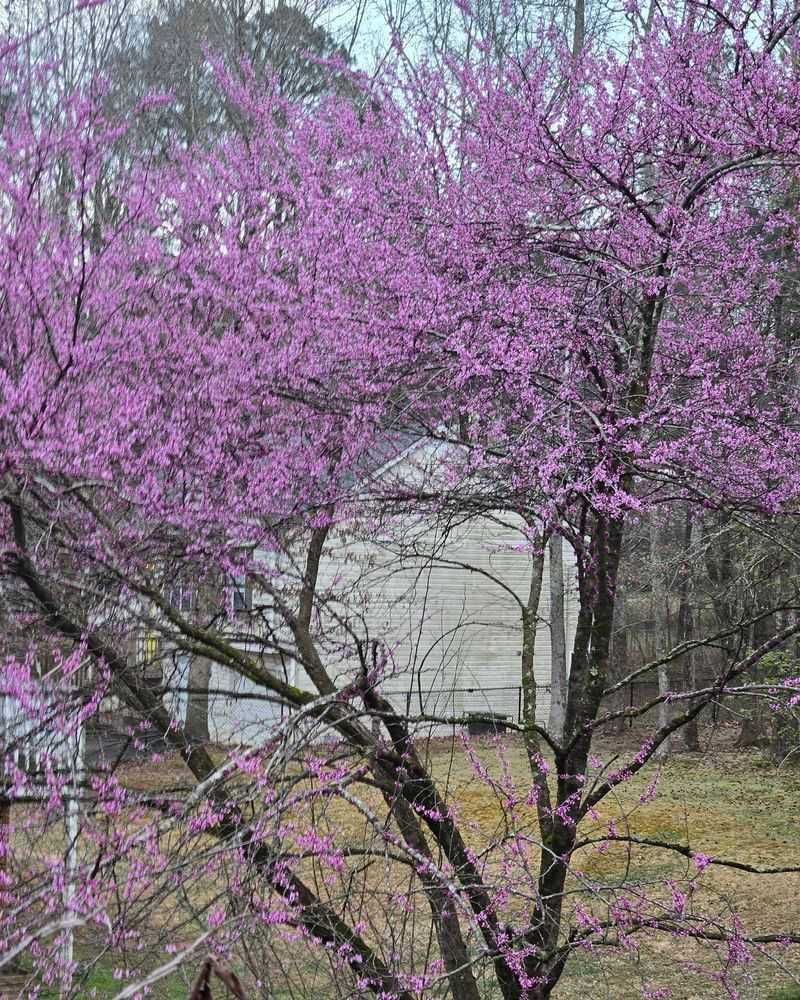
Picture a tree glowing with pink-purple flowers before its leaves even show up. That is the eastern redbud, and it turns heads every single spring.
The blooms grow right on the branches and even along the trunk. This creates a bright, magical look that no Bradford pear can match.
The color pops against bare gray woods and grabs your attention from across the street.
After the flowers fade, heart-shaped leaves unfold. They start reddish, turn deep green in summer, then glow yellow in fall.
The rounded shape makes the tree look friendly and full.
Redbud stays medium-sized, growing around twenty to thirty feet tall. It fits nicely in most yards without taking over.
You can plant it as a standout piece near your porch or driveway.
Bees love the early flowers because they open when little else is blooming. That makes redbud a real helper for pollinators waking up hungry in spring.
This tree grows all over Pennsylvania forests, so it handles our winters and clay soils just fine. Give it a spot with some sun and decent drainage and it will thrive for years.
Unlike the brittle Bradford pear, redbud holds up better against wind and ice. You spend less time cleaning up broken limbs after storms.
Some gardeners even eat the flowers in salads, adding a mild, tangy flavor and a splash of color to the plate.
If you want a tree that announces spring with joyful color and supports local bees, the eastern redbud is a cheerful pick that keeps giving season after season.
2. Serviceberry
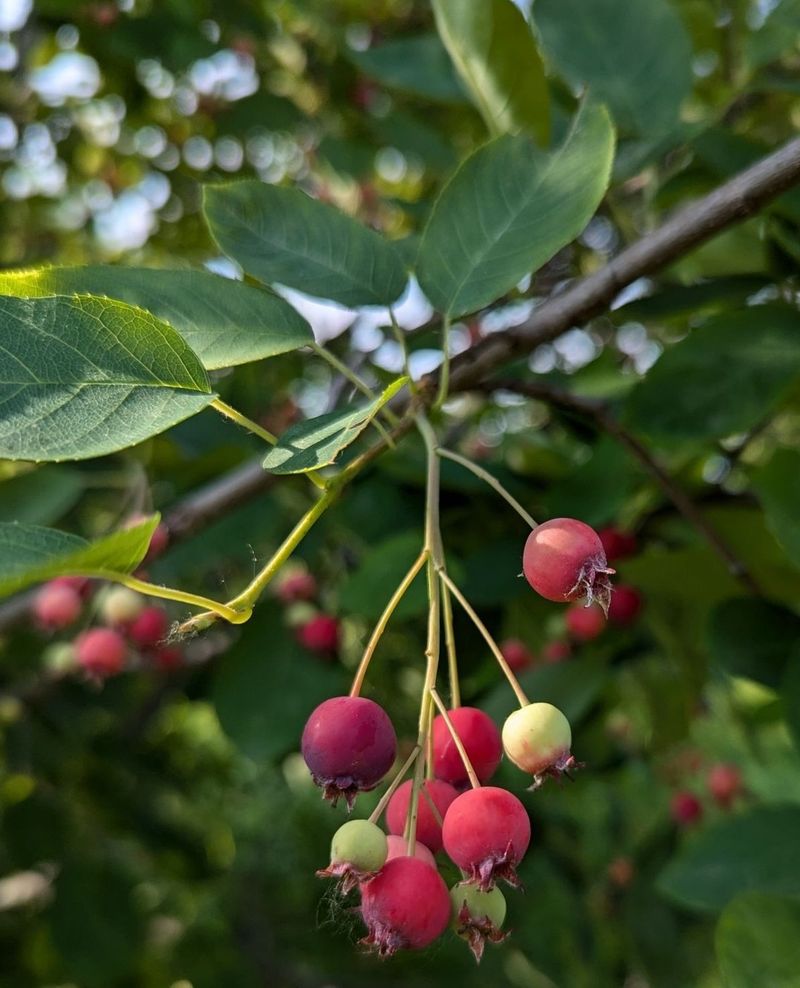
Gardeners who miss the early white blossoms of Bradford pear fall head over heels for serviceberry. It blooms in spring with soft, star-shaped flowers that cover the branches like a light snow.
Come June, the tree makes small purple berries that taste a bit like blueberries. Birds adore them, and you can eat them too.
Many people bake the fruit into pies or jams. The berries earned this tree the nickname Juneberry.
Serviceberry stays small, usually reaching fifteen to twenty-five feet tall. That size makes it perfect for tight yards or spots near your house.
Your Pennsylvania Garden Changes Every Week. Your Plan Should Too.
Gardening in Pennsylvania changes quickly throughout the season. Every Friday you’ll receive a simple weekly plan showing exactly what to plant, prune, fertilize, harvest, and protect so you never miss the right timing.
It fits under power lines without any trouble.
In fall, the leaves turn shades of orange, red, and gold. Few trees give you flowers, fruit, and bright autumn color all in one season.
That kind of triple show is hard to beat.
This tree also handles many soil types and does well in sun or part shade. It grows naturally in Pennsylvania woods, so it feels right at home in local gardens.
You will not have to baby it once it settles in.
Birds like robins, cardinals, and cedar waxwings flock to the berries. If you enjoy watching wildlife, planting one is like setting up a free bird feeder that also looks gorgeous.
Serviceberry rarely breaks in storms because its wood is much stronger than the weak Bradford pear. You get beauty without the mess and worry.
For anyone wanting an easy, four-season tree that feeds people and animals alike, this native gem checks every box a Pennsylvania yard could ask for.
3. Flowering Dogwood
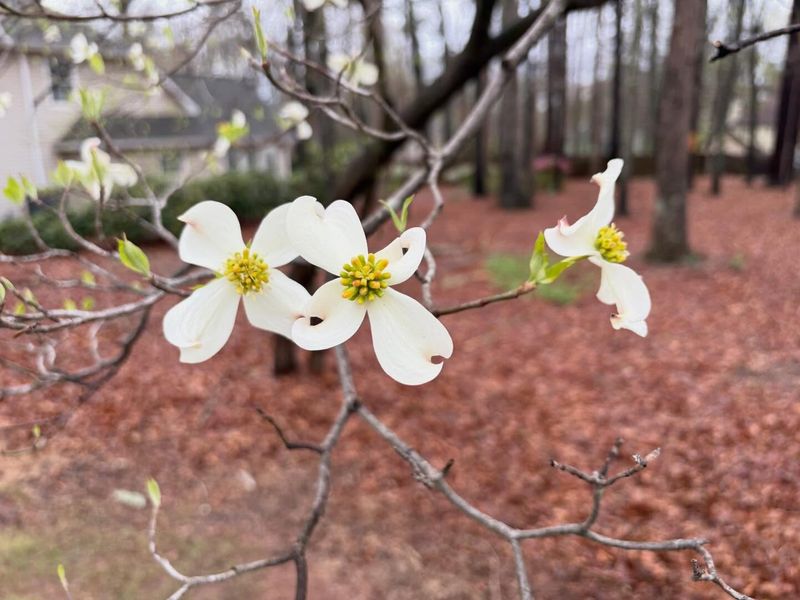
Few trees say spring in Pennsylvania quite like the flowering dogwood. Its layered branches hold big white blooms that seem to float in the air.
What looks like petals are actually special leaves called bracts. They come in white or soft pink and last for weeks, giving you a long show instead of a quick flash.
The horizontal branch pattern gives dogwood a graceful, tiered shape. It looks elegant even in winter when the branches stand bare.
This makes it a favorite for gardeners who care about structure.
In fall, bright red berries appear and the leaves turn deep reddish-purple. Songbirds gobble up those berries, so you get feathered visitors along with the color.
Dogwood grows about fifteen to thirty feet tall and enjoys part shade. Planting it at the edge of woods or under taller trees copies how it grows in the wild.
Give it moist, well-drained soil and a layer of mulch to keep roots cool. A happy dogwood rewards you with steady beauty and very little fuss.
This tree is a Pennsylvania native, so it belongs in local yards far more than the invasive Bradford pear ever did. It supports native insects that feed baby birds too.
Its wood is strong and does not split apart in storms the way pear branches love to do. You get lasting beauty without the constant cleanup.
For a tree that offers spring flowers, fall fruit, and wildlife value all wrapped in a classic shape, flowering dogwood remains one of the most beloved choices around.
4. American Hornbeam
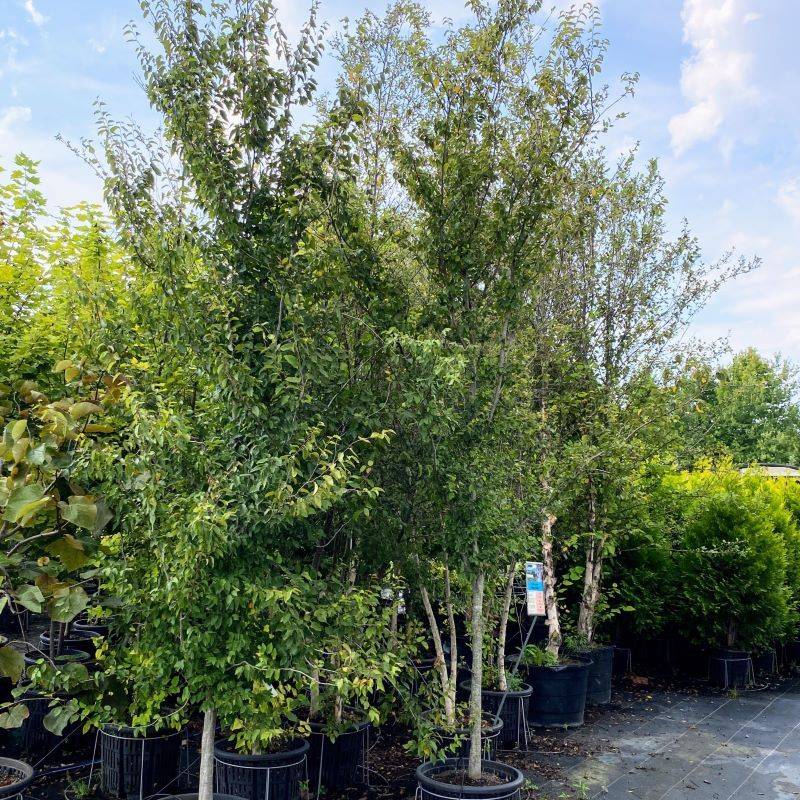
Run your hand along an American hornbeam trunk and you will feel why folks call it musclewood. The smooth gray bark ripples like flexing muscles.
That cool bark is only part of the charm. This tough little tree handles wet spots, shade, and clay soil that leaves other trees struggling.
It fits places where picky trees refuse to grow.
Hornbeam stays small, usually twenty to thirty feet tall, so it works well in modest yards. Its dense leaves make a nice screen if you want privacy from neighbors.
Fall brings a warm mix of orange, red, and yellow leaves. The color arrives later than many trees, stretching your autumn display a bit longer into the season.
Small nutlets hang in leafy clusters and feed birds and squirrels through the cooler months. Wildlife finds plenty to enjoy here.
One of the best things about hornbeam is its strength. The wood is famously hard and rarely breaks in storms, which is the exact opposite of the flimsy Bradford pear.
Because it grows slowly, it stays neat and easy to manage. You will not be chasing wild growth or hauling away giant fallen limbs every spring.
This native tree lives in Pennsylvania stream banks and shady woods, so it settles into local gardens with ease. It asks for very little once its roots take hold.
Gardeners who want a sturdy, low-key tree with striking bark and reliable fall color find a real treasure in American hornbeam. It quietly does its job and looks handsome doing it, year after year.
5. Sweetbay Magnolia
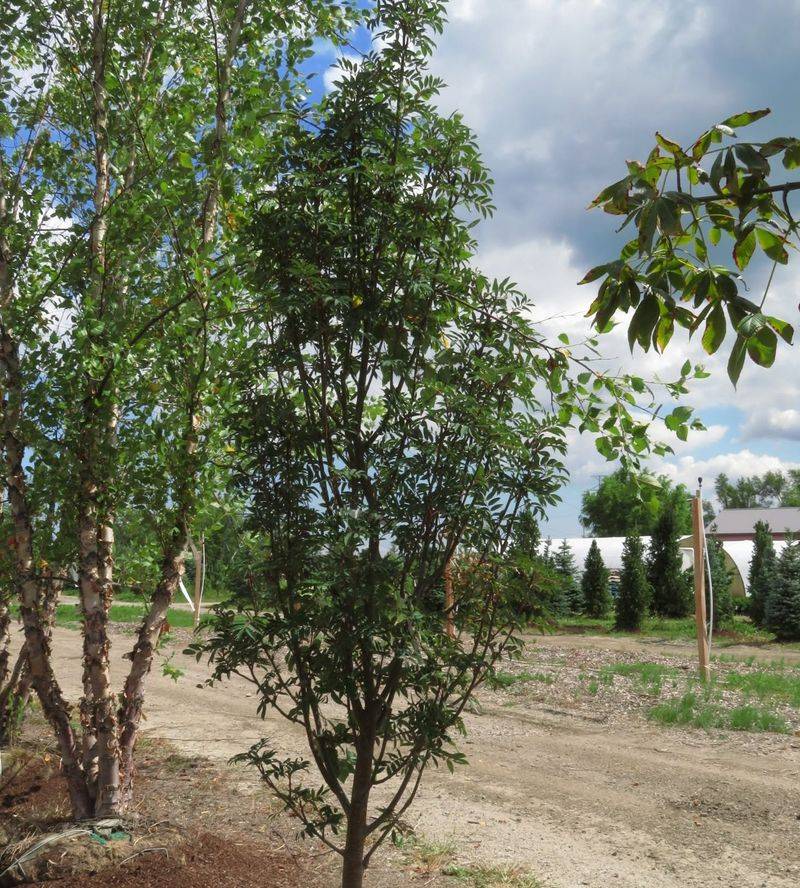
Imagine walking past a tree and catching a lemony sweet smell drifting through the air. That gift comes from the sweetbay magnolia.
Its creamy white flowers look like small cups and bloom off and on through summer. The scent is fresh and light, making it a lovely tree to plant near a patio or window.
The leaves are glossy green on top with a silvery underside. When the breeze flips them, the tree seems to shimmer.
That flicker adds movement and life to a quiet yard.
Sweetbay handles wet soil better than most trees. If you have a soggy corner where nothing grows, this magnolia might be your answer.
It naturally lives near swamps and stream edges.
Depending on the spot, it can stay shrubby or grow into a tree around twenty to thirty feet tall. That flexibility lets you shape it to fit your space.
After the flowers, bright red seeds appear and draw in songbirds looking for a snack. The tree becomes a busy little diner for local wildlife.
In milder parts of Pennsylvania, sweetbay may hold some leaves through winter, giving you green when most trees stand bare. That semi-evergreen habit is a nice bonus.
Its flexible branches bend in storms instead of snapping, so you skip the mess that Bradford pear always leaves behind.
For anyone who loves fragrance, wants to fill a damp spot, and hopes to welcome birds, sweetbay magnolia delivers on every wish. It brings gentle beauty and a wonderful smell to any Pennsylvania garden.
6. Red Maple
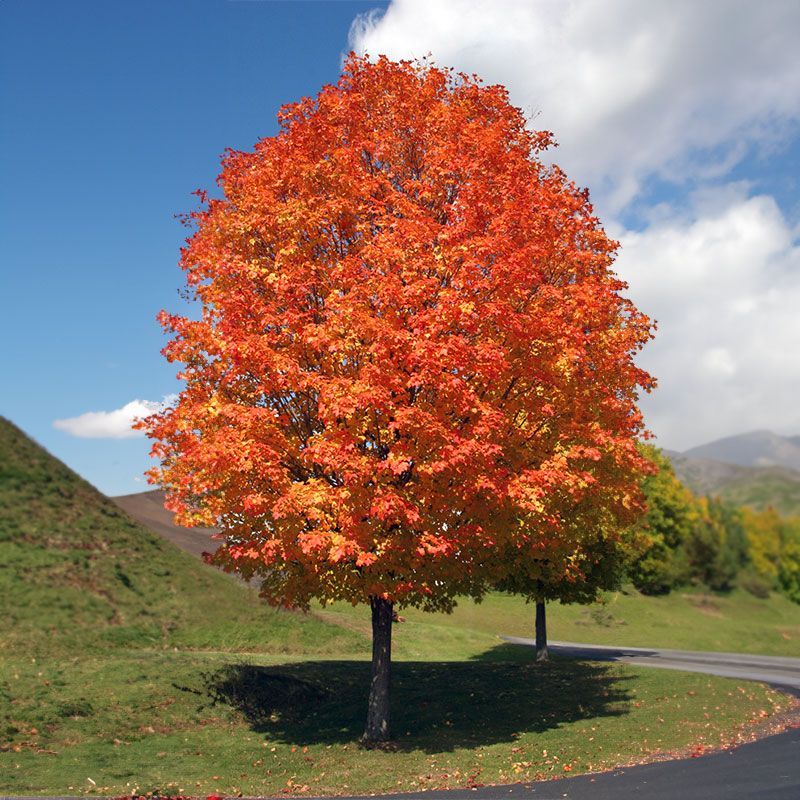
Ask anyone what fall in Pennsylvania looks like, and they will probably describe a red maple blazing scarlet against a blue sky.
This tree earns its name in more than one season. Spring brings tiny red flowers, summer shows red leaf stems, and autumn explodes in fiery red and orange.
Few trees give you red so many times a year.
Red maple grows faster than most native trees, which appeals to folks who want quick shade. It can reach forty to sixty feet tall, making it a strong choice for larger yards.
It adapts to all kinds of soil, from wet ground to dry hillsides. That toughness is why it grows almost everywhere across the state.
You can plant it and trust it to settle in.
The early flowers feed bees waking up in spring, and the seeds feed birds and squirrels later on. Wildlife counts on this tree throughout the year.
While red maple wood is not as brittle as Bradford pear, giving it good early pruning helps it build a strong shape. A little care when young pays off for decades.
Because it is native, red maple supports many caterpillars that baby birds need to grow. Planting one helps the whole food web around your home.
If you want fast shade, dependable growth, and that classic fall fireworks show, red maple is a stellar pick. It has been lighting up Pennsylvania woods for ages, and it will brighten your yard just the same.
7. American Fringe Tree
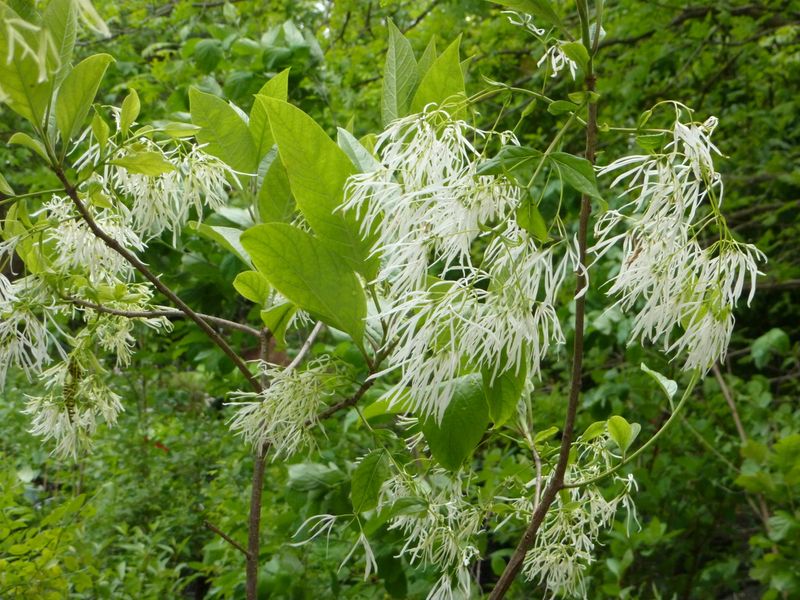
Meet the tree that looks like it is wearing a fluffy white beard in late spring. The American fringe tree drapes itself in feathery flower clusters that dance in the wind.
Those airy white blooms give off a sweet, mild scent. Because it flowers a little later than most, it stretches the spring show right when other trees are fading.
Fringe tree stays small, often twelve to twenty feet tall. That makes it a great fit for cozy yards, courtyards, or spots beside a walkway where people can enjoy it up close.
Female trees grow dark blue fruit in late summer. Birds show up quickly to feast, so the tree keeps working long after the flowers drop.
In fall, the leaves turn a soft, glowing yellow. It is a gentle change compared to flashier trees, but it adds a warm touch to the season.
This native beauty handles a range of soils and enjoys full sun or a bit of shade. Once established, it asks for very little attention from you.
Its sturdy branches shrug off wind and ice, so you avoid the constant limb cleanup that made Bradford pear such a headache.
Pollinators visit the blooms, and the fruit supports songbirds, making this tree a quiet helper for local wildlife.
Because it is less common in yards, planting one gives your garden a special, uncommon look that neighbors will notice and admire.
For a graceful small tree with unforgettable flowers and easygoing care, the American fringe tree is a delightful way to say goodbye to Bradford pear for good.