Hydrangea Tasks To Finish Before Fall In Pennsylvania
The window between late summer and the first hard frost is one of the most important stretches of the year for Pennsylvania hydrangeas, and most homeowners let it pass without taking advantage of it.
Fall cleanup instincts kick in, attention shifts to other parts of the garden, and hydrangeas get treated as plants that can wait until spring for anything meaningful. They cannot. Not if you want the best performance next season.
Several specific tasks done before fall arrives make a direct and measurable difference in how well Pennsylvania hydrangeas bloom, how cleanly they come through winter, and how quickly they emerge with vigor in spring.
Miss this window and you’re managing consequences next year that could have been avoided with an hour of attention right now.
None of these tasks are complicated. But all of them are time sensitive, and fall is closer than most gardeners realize.
1. Water Deeply Before The First Frost
Here is something folks forget: hydrangeas drink a lot, even as summer winds down. Dry roots heading into cold weather make for a stressed shrub come spring.
Pennsylvania autumns can trick you. One week feels rainy, and the next brings a dry stretch that quietly sips moisture from your soil. Keep an eye on the ground, not the calendar.
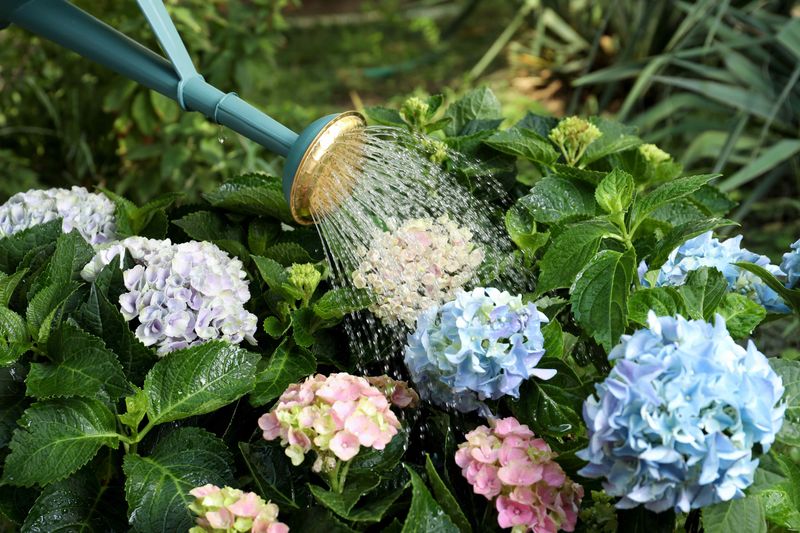
Aim to give your plants a slow, deep soak about once a week if rain stays away. A gentle trickle at the base works better than a quick spray on the leaves.
Deep watering encourages roots to grow downward, where they stay safer during a hard freeze. Shallow sprinkles only tease the surface and leave lower roots wanting more.
Stick your finger a couple inches into the soil to check. If it feels dry and crumbly down there, it is time to water again.
Morning is the ideal moment for this task. Leaves and stems have all day to dry, which helps you sidestep fungus troubles.
Once the ground freezes solid, you can ease off completely. The plant will be resting, and it no longer needs those big drinks.
Watch the weather reports for that first frost date, usually mid to late October across much of the state. Give one final generous soak a day or two before it arrives.
Well-hydrated roots handle the cold like a champ. You are basically tucking your hydrangeas in with a full canteen before their long winter nap, and they will thank you with bigger blooms.
2. Skip The Late-Season Feeding
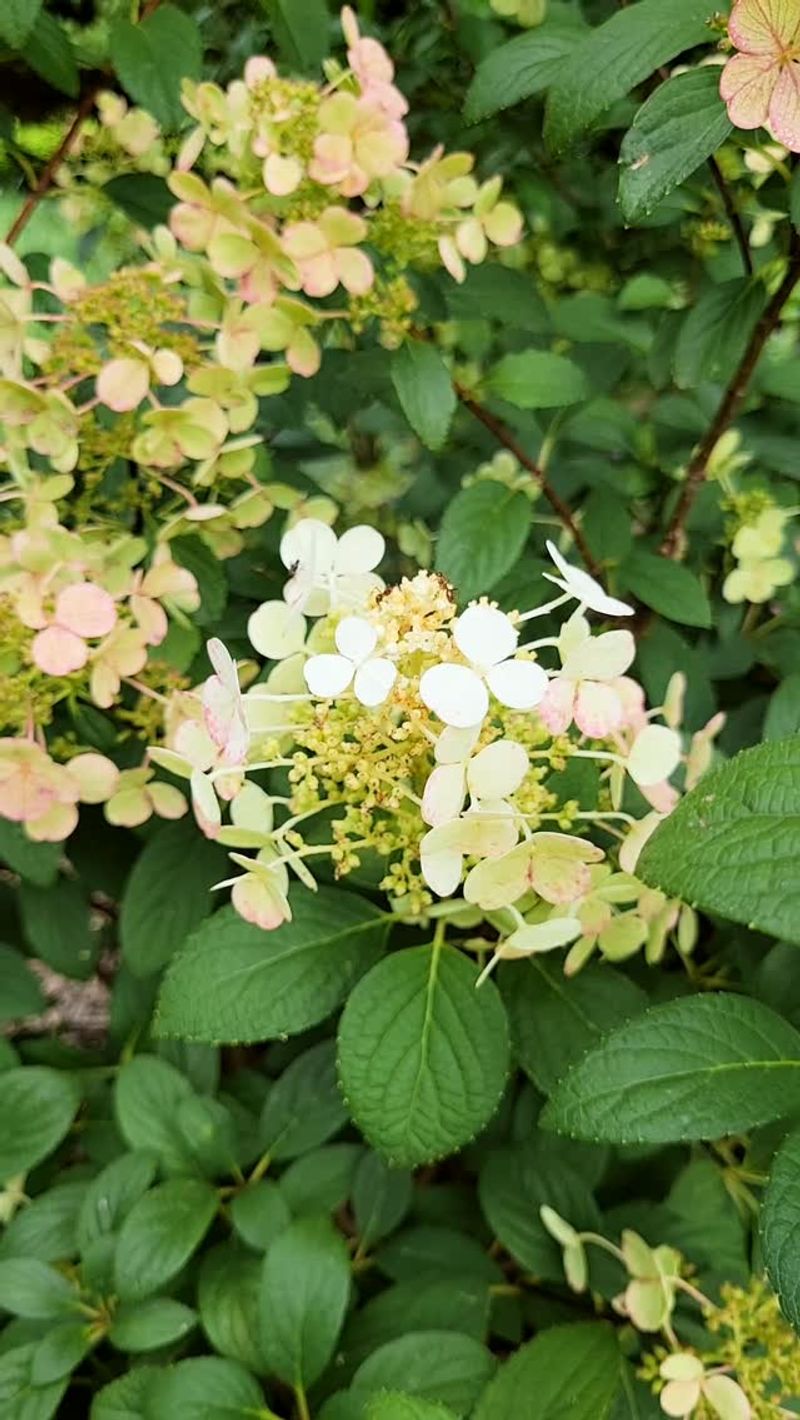
This one feels backwards, but trust the plants on it. Fall is the wrong time to hand your hydrangeas a big meal.
Fertilizer pushes new, tender growth. Fresh shoots showing up in September or October have zero time to toughen up before frost nips them.
Those soft new sprouts get damaged easily by cold, and that wastes the plant’s energy. You want your shrub storing power in its roots, not sprouting fragile leaves.
If you fed your hydrangeas earlier in the summer, they already got what they needed. Around mid-July is generally the last smart window in Pennsylvania.
Your Pennsylvania Garden Changes Every Week. Your Plan Should Too.
Gardening in Pennsylvania changes quickly throughout the season. Every Friday you’ll receive a simple weekly plan showing exactly what to plant, prune, fertilize, harvest, and protect so you never miss the right timing.
Instead of feeding, let the plant slow down naturally. Shorter days and cooler nights signal it to start winding down for the season.
Some gardeners get nervous when leaves start yellowing or dropping. That is a normal part of the plant preparing to rest, not a sign it needs a snack.
Save your fertilizer for spring, when growth actually helps. A balanced feed after the last frost gives your shrub a real head start.
Mark it on a calendar or set a phone reminder if you tend to forget. Feeding at the right time makes a noticeable difference in bloom size.
Think of it like this: you would not serve a heavy dinner right before bedtime. Your hydrangeas want to sleep, not digest a feast.
Holding back now is one of the easiest gifts you can give. Sometimes the best garden task is choosing to do nothing at all with the fertilizer bag.
3. Know Which Type You Have Before Pruning
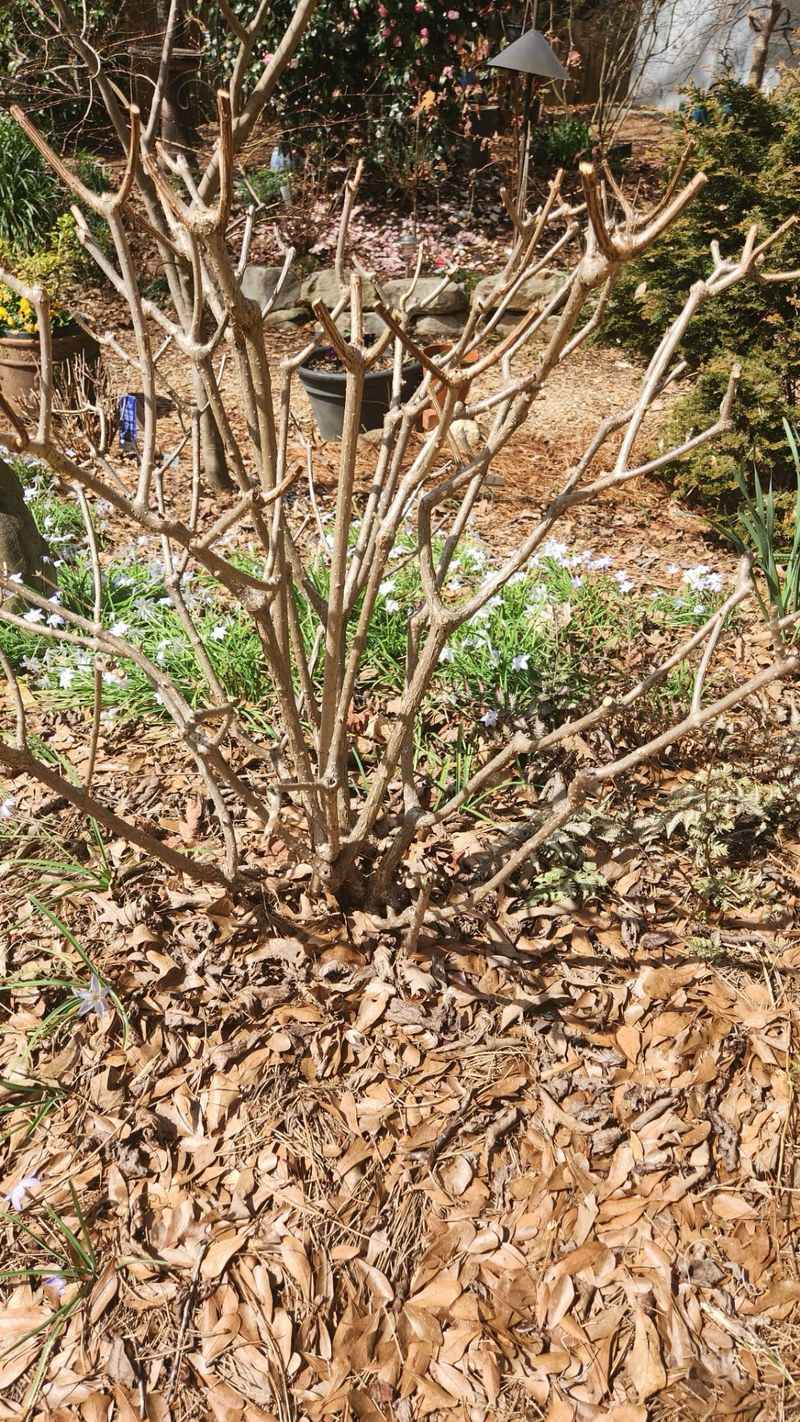
Grabbing the pruners without checking your hydrangea type is a rookie mistake. Cut the wrong one and you snip away next year’s flowers by accident.
Pennsylvania gardens hold a mix of varieties. The most common are bigleaf, panicle, smooth, and oakleaf, and each has its own rules.
Bigleaf and oakleaf types form their flower buds on last year’s stems, called old wood. If you trim these hard in fall, you remove the buds waiting to bloom.
Panicle and smooth hydrangeas work differently. They flower on new growth, so they can handle a trim without losing next summer’s show.
Not sure which one is yours? Look at the blooms. Cone-shaped clusters usually mean panicle, while big round mophead balls point to bigleaf.
Oakleaf types are easy to spot too, with leaves shaped like, well, oak leaves. They also show gorgeous reddish fall color that is worth keeping around.
Take a photo of your plant and jot down notes now while you remember. Future you will appreciate having a reference next spring.
When in doubt, hold off on cutting anything. A shrub that grows a little wild is far better than one with no flowers.
You can also snap a picture and ask at a local Pennsylvania nursery. The staff there see these plants every day and can identify yours in seconds.
Knowing your type turns pruning from a gamble into a confident, simple task. Once you learn it, you will never second-guess those clippers again.
4. Prune Only The Right Varieties
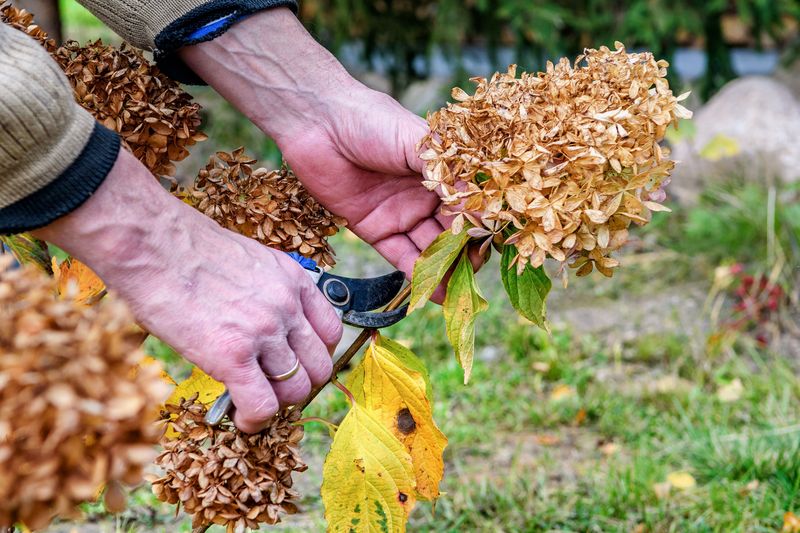
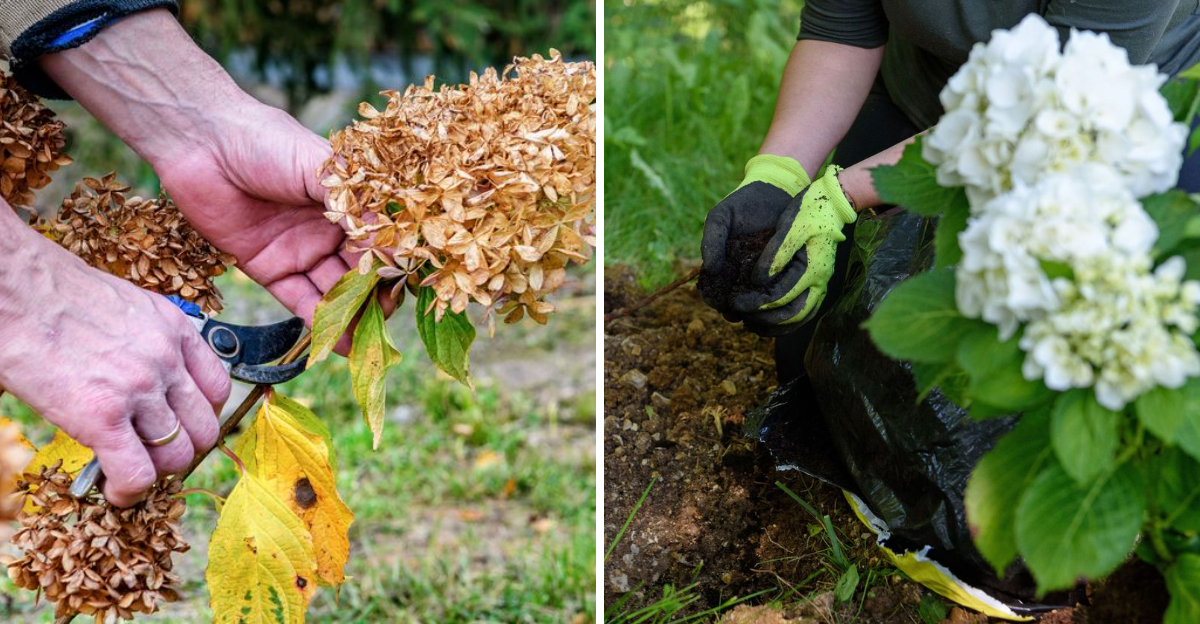
So you figured out your hydrangea type, and now the shears are itching to work. For panicle and smooth varieties, a light fall trim is totally fine.
Start by cutting off any faded flower heads if the shape bothers you. This tidies things up and keeps heavy snow from snapping weak stems later.
Remove branches that look damaged, cross awkwardly, or rub against each other. Clearing these opens up airflow and helps the whole plant stay healthier.
Use sharp, clean tools for every cut. Wiping the blades with rubbing alcohol between plants stops any disease from hitching a ride.
Make your cuts just above a healthy bud or a leaf node. A clean angled snip heals faster than a ragged tear.
Resist the urge to go overboard. Even with the right varieties, hacking away too much can weaken the shrub going into winter.
For bigleaf and oakleaf types, keep those pruners in the shed. The only exception is snipping off obviously broken or unhealthy stems.
Timing matters too. Doing light shaping in late fall, once the plant slows down, causes less stress than cutting during active growth.
Save any showy dried blooms if you enjoy them. Panicle flowers especially look lovely holding onto their faded color through the colder months.
Sweep up all the trimmings when you finish. Leaving cut material lying around invites pests and mold to settle in near your plants.
A thoughtful trim now sets the stage for a fuller, tidier shrub. Just remember that less is usually more with these beauties.
5. Spread A Cozy Layer Of Mulch
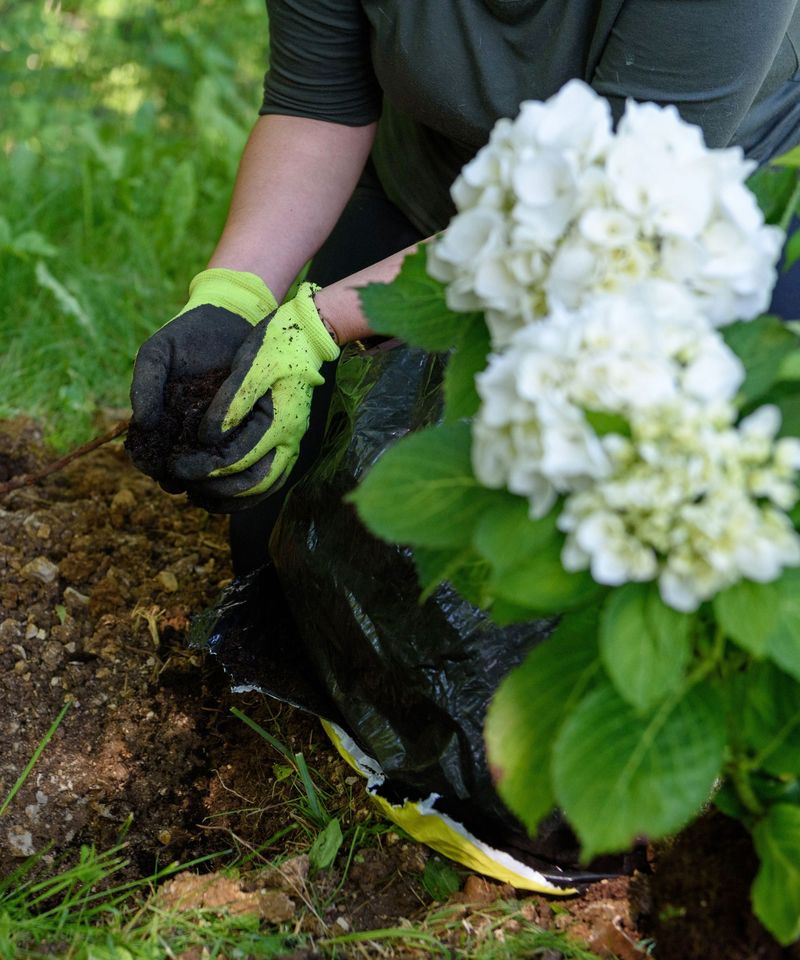
Picture wrapping a warm blanket around your plant’s feet. That is exactly what a good mulch layer does as Pennsylvania temperatures drop.
Mulch keeps the soil temperature steady, which protects roots from wild swings between freezing nights and warmer days. Those swings can heave roots right out of the ground.
Spread about two to three inches of material around the base of each shrub. Bark chips, shredded leaves, or pine straw all do the trick nicely.
Leave a small gap right around the main stems. Piling mulch against the trunk can trap moisture and invite rot you would rather avoid.
Wait until the ground gets cool before you apply it. Mulching too early can keep the soil warm and delay the plant’s natural rest.
Fallen autumn leaves are a free and easy option. Rake them up, chop them with your mower, and spread them like homemade insulation.
Beyond warmth, mulch locks in moisture during dry winter stretches. It also blocks weeds from crowding your hydrangeas come spring.
Extend the mulch ring out to the edge of the branches. Roots spread wider than most people think, so cover that whole zone.
As the mulch slowly breaks down, it feeds the soil with nutrients. You are improving your garden dirt while protecting the plant, a nice two-for-one.
Check the layer once or twice over winter and top it off if it thins out. Wind and settling can shift things around.
This single task guards roots through the coldest months. It is cheap, quick, and genuinely one of the most helpful things you can do.
6. Rake Away Fallen Leaves And Debris
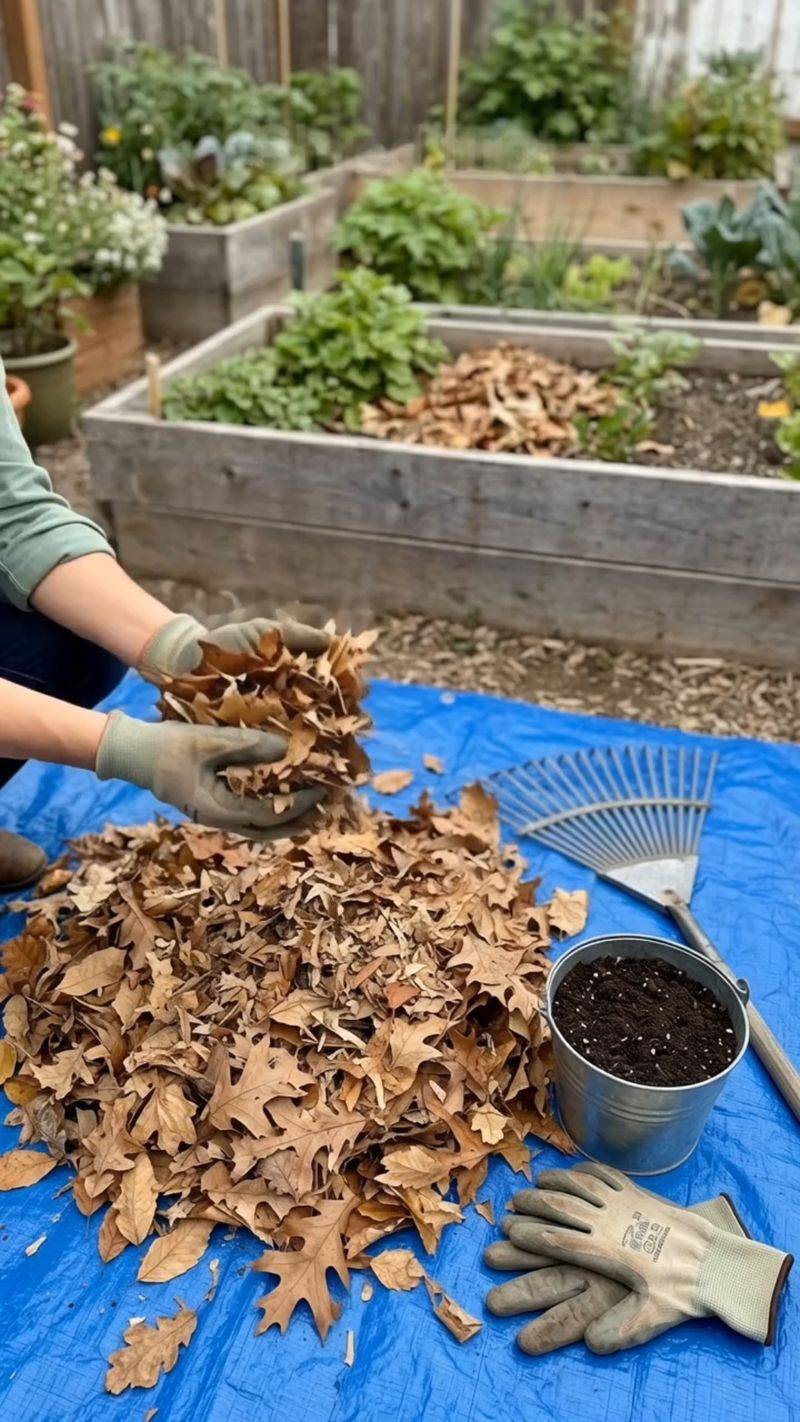
A messy garden bed might look charmingly natural, but it can cause trouble. Old leaves and spent blooms piled around your hydrangeas become a hideout for problems.
Fungal spores love to overwinter in damp, decaying plant material. Clearing it out breaks that cycle before it starts next spring.
Rake up dropped leaves from around the base of each shrub. Pay attention to spots where debris collects and stays soggy.
Toss any leaves that show spots, powdery patches, or discoloration into the trash. Do not add sick-looking material to your compost pile.
Healthy fallen leaves can be chopped and reused as mulch elsewhere. Just keep questionable ones far away from your garden beds.
Insects also settle into leftover clutter to wait out the cold. A clean bed gives fewer pests a place to camp for the winter.
Good airflow matters more than you might guess. Removing packed-down debris lets air move freely and keeps the crown of the plant drier.
Do a walk-around and check for old flower heads that dropped. Scoop those up along with twigs and other bits scattered nearby.
Timing this after most leaves have fallen saves you from raking twice. Late October into November usually works well across Pennsylvania.
While you tidy, take a peek at the stems and base for any surprises. Catching pests or damage early makes them easier to handle.
A clean start heading into winter pays off big when spring arrives. Your hydrangeas will wake up in a fresh, healthy space instead of a cluttered one.
7. Shield Tender Shrubs From Winter Wind
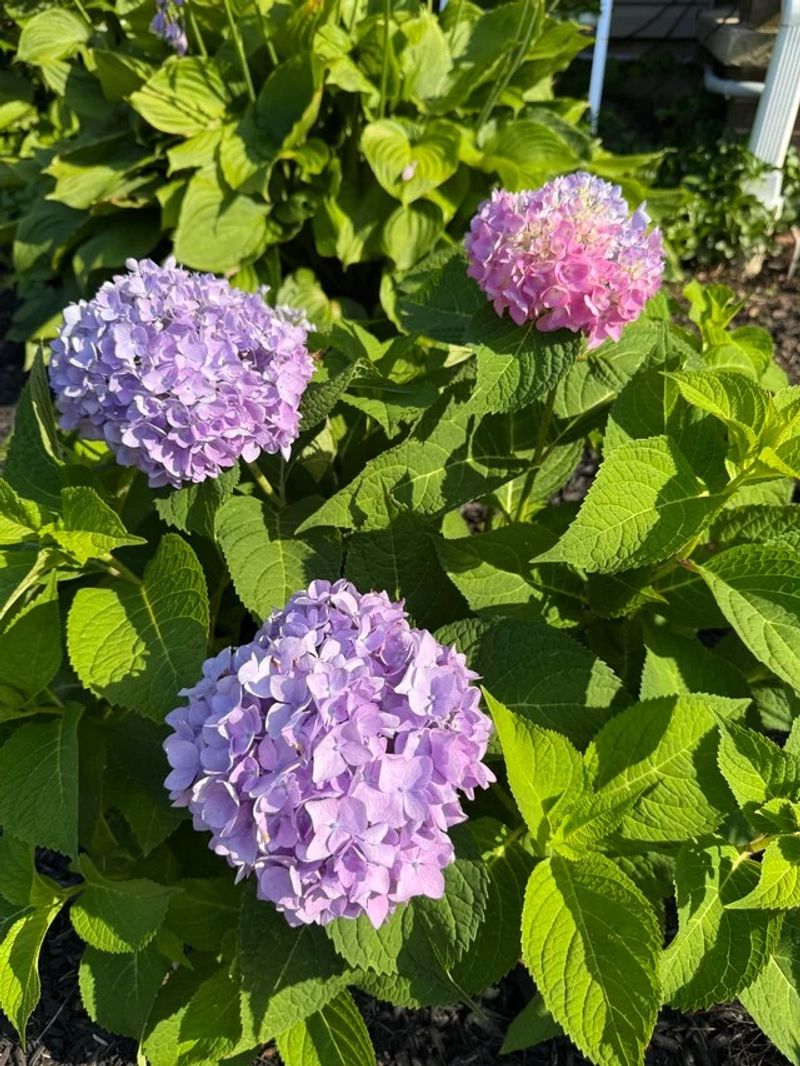
Some hydrangeas need a little extra armor to face a Pennsylvania winter. Cold, drying winds can damage the buds sitting on last year’s stems.
Bigleaf types are the most sensitive to harsh weather. Since their flower buds ride through winter on old wood, protecting them matters a lot.
Build a simple frame using a few stakes pushed into the ground around the shrub. Wrap burlap around the outside to create a windbreak.
You can fill the space inside with dry leaves or straw for extra padding. This traps a pocket of insulating air around the branches.
Skip using plastic as a cover. It traps moisture and can heat up on sunny days, causing more harm than good.
Wait until the plant is fully resting and the weather stays cold before wrapping. Bundling too soon can smother a shrub that is still active.
Container hydrangeas need special care since their roots sit more exposed. Move pots to a sheltered spot like a garage or against the house.
For potted plants staying outside, cluster them together and wrap the containers. Grouping them helps hold warmth better than standing alone.
Younger shrubs planted this year deserve extra attention too. Their roots have not settled in fully, so they feel the cold more sharply.
Come spring, unwrap everything gradually as the weather warms. Peeling off protection slowly lets the plant adjust without a shock.
A bit of winter wrapping can mean the difference between a bloom-packed shrub and a bare one. Give your tender types this final layer of care.