The Ohio Native Fern That Makes Shady Gardens Less Inviting To Ticks
Your shaded garden beds probably grow the same handful of predictable plants. Hostas, maybe some ivy, not much else willing to put up with low light.
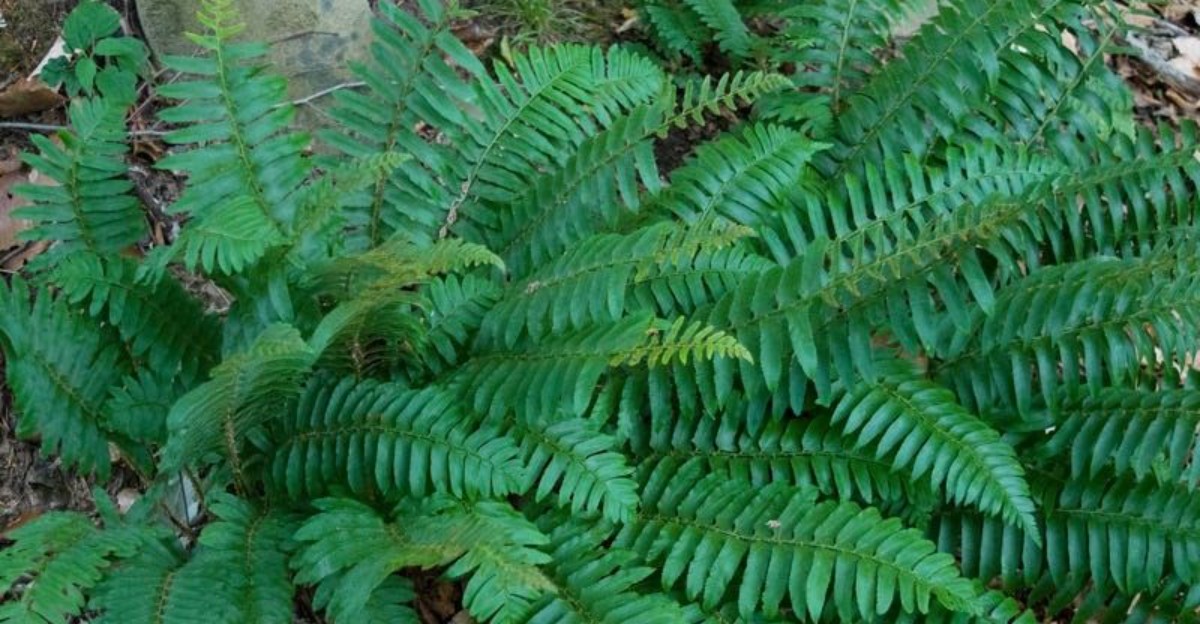
Meanwhile there’s a native fern quietly doing more work in the corners of Ohio yards than it usually gets credit for, including making those shaded spots less appealing to ticks. This fern stays green through winter, unlike most ferns that go dormant and disappear.
It forms dense, low ground cover that gives ticks fewer places to hide compared to tall grass and loose leaf litter. It’s not a replacement for actual tick prevention.
But a thick planting changes what that shaded corner looks like to something searching for cover. It’s also one of the easiest native plants to establish in Ohio shade, tolerating poor soil and neglect better than almost anything sold at a garden center.
The name behind this quiet workhorse traces back to an old holiday tradition most people have never heard the story of.
1. Green Through Winter, Hence The Holiday Name
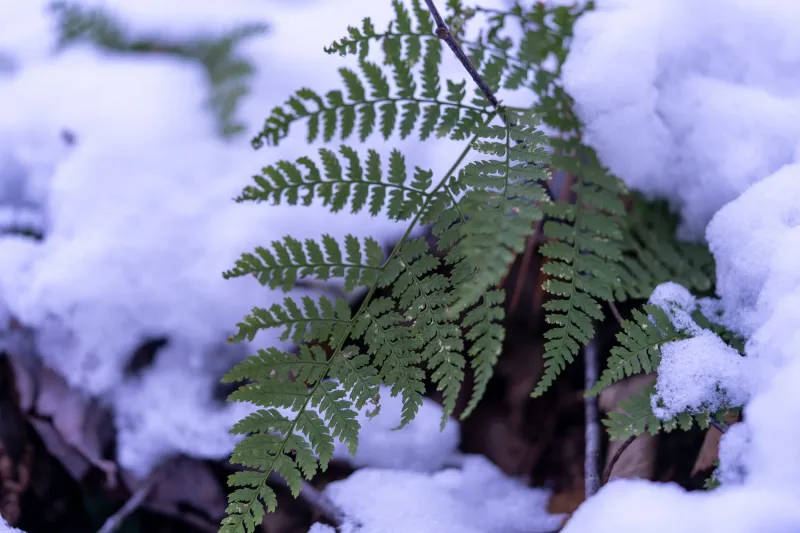
Its common name comes from the fact that its evergreen fronds stay attractive through the Christmas season. That habit gave the plant its cheerful common name.
Polystichum acrostichoides is truly evergreen, not just late to fade. While many garden ferns wither for winter, these fronds remain green through the cold months.
By late winter the older fronds often flop outward against the ground, forming a loose green mat. Gardeners sometimes worry, but that flattening is normal and even useful, since the spent fronds shelter the crown.
There is a second story behind the name too. Look closely at an individual leaflet, called a pinna, and you will spot a small thumb-like lobe near its base that resembles a Christmas stocking or a tiny boot.
For Ohio yards, the winter interest is the real prize. A shaded bed that would otherwise look bare from November through March keeps texture and color, especially against snow or beside gray stone.
Practical tip: wait until early spring to trim last year’s tired fronds, cutting them back just as the new fiddleheads begin to swell. Doing it too early removes winter protection, while waiting too long risks snipping tender new growth by accident.
2. A True Ohio Native With Deep Woodland Roots
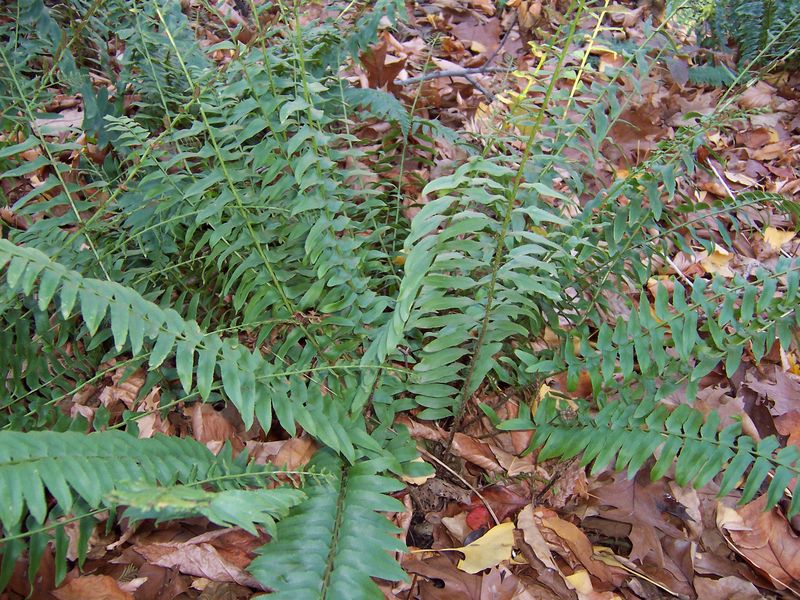
Walk almost any wooded ravine in our stateand you will meet this fern without trying. It grows across the state, from Lake Erie ravines down to the Appalachian foothills in the southeast.
Its wider range stretches from eastern Canada south to Florida and west into eastern Texas, which explains why it handles such a wide swing of weather. Hardiness runs from USDA Zone 3 through Zone 9.
Being genuinely native matters more than it sounds. Local insects, soil fungi, and forest birds already recognize it, and the plant expects Ohio’s freeze-thaw cycles, humid summers, and clay-heavy uplands.
Compare that with imported ornamental ferns, which often sulk during a dry August or heave out of the ground after a February thaw. A native has already survived thousands of those seasons on this ground.
Your Ohio Garden Changes Every Week. Your Plan Should Too.
Gardening in Ohio changes quickly throughout the season. Every Friday you’ll receive a simple weekly plan showing exactly what to plant, prune, fertilize, harvest, and protect so you never miss the right timing.
Choosing it also supports the slow work of rebuilding woodland understory. Many forests have been stripped bare by decades of heavy deer browsing and invasive garlic mustard, leaving bare soil where ferns once grew thick.
Buy nursery-propagated plants rather than digging clumps from the woods. Wild collecting weakens native populations, and reputable native plant nurseries sell healthy divisions that establish faster anyway, usually settling in within a single growing season.
3. The Tick Question, Answered Honestly
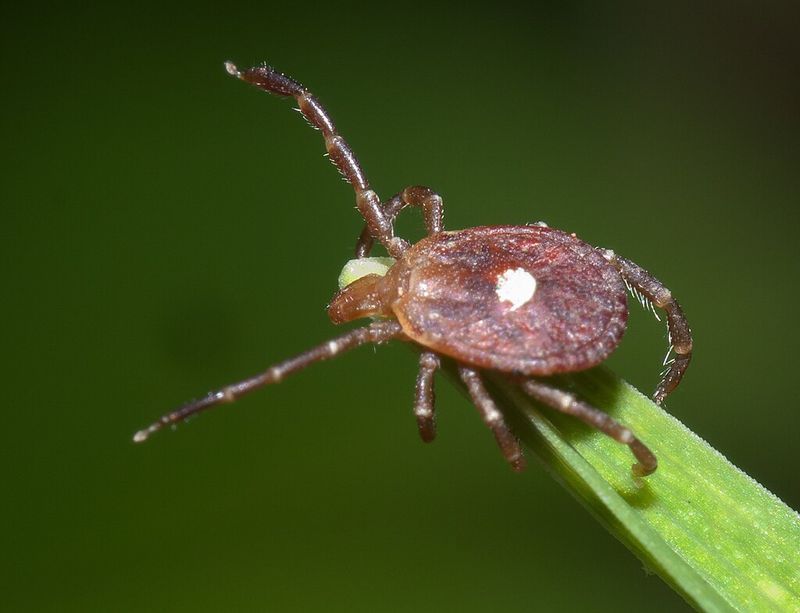
Time for some straight talk. Christmas fern does not give off any scent or oil that pushes ticks away, and anyone promising a chemical shield is overselling it.
What it does offer is structure. Its upright growth creates a different structure than sprawling groundcovers or tangled brush.
Ticks favor spots that stay warm, damp, and shielded from moving air. Sprawling groundcovers, deep unraked leaf piles, and thick tangles of Japanese honeysuckle or barberry create exactly that muggy layer near the ground.
By comparison, a well-spaced fern planting with visible soil or thin leaf litter beneath dries out faster after rain. Less trapped humidity generally means a less inviting spot for questing ticks.
Deer resistance helps too, since deer are major tick taxis. A shady border they tend to skip gets fewer drop-offs than a hosta buffet.
Honesty check: ferns can also shelter mice and chipmunks, which carry ticks of their own. So treat plant choice as one small piece of a larger plan.
Pair the ferns with mown edges, a gravel or mulch buffer along paths, and fewer brush piles. Combined, those steps do far more than any single plant.
4. Deer And Rabbits Tend To Walk On By
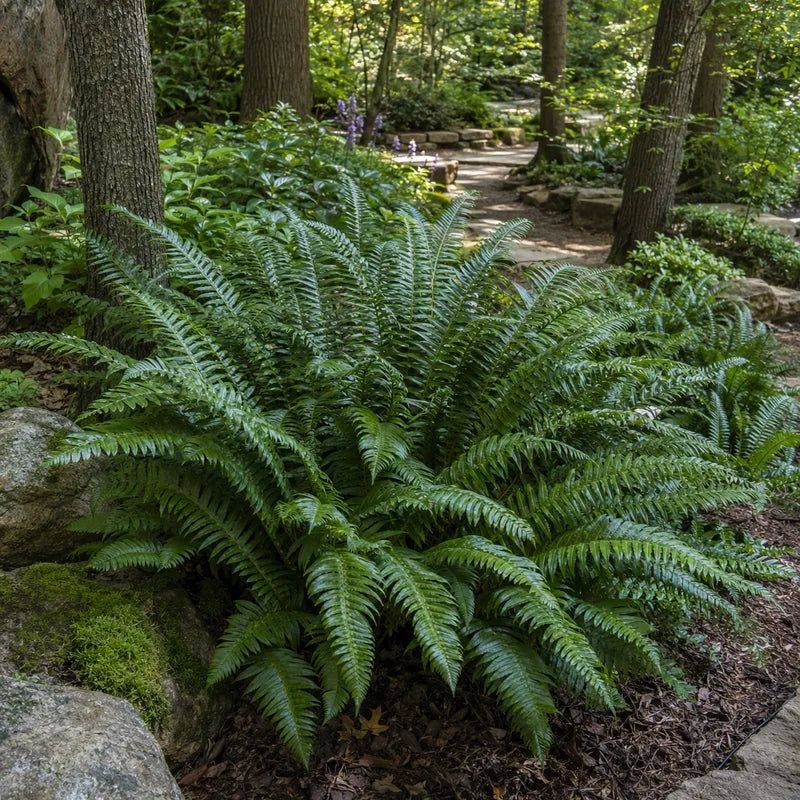
Ask any gardener who has watched a herd flatten their hostas overnight, and deer resistance sounds close to magic. Christmas fern happens to be one of the plants deer usually leave alone.
The reason is texture more than taste. Mature fronds are stiff, leathery, and scaly, which makes for unpleasant chewing compared with soft, juicy leaves growing nearby.
Rabbits pass it over for similar reasons. Young fiddleheads in spring can occasionally get nibbled, but the plant rebounds because it holds energy in a tough underground crown.
No plant is deer-proof when winter drags on and food runs short. Still, this fern sits firmly in the category of last resort rather than first choice.
Gardeners in high-pressure neighborhoods often build entire shade beds around it, then tuck in a few showier perennials as accents. If the accents get browsed, the green backbone of the bed still looks intact.
Fun detail: because deer skip it, Christmas fern sometimes becomes one of the few plants left standing in overbrowsed Ohio woodlots. Foresters actually use its dominance as a rough clue that deer numbers are running high.
For a fresh planting, a temporary mesh cage during the first spring gives roots time to anchor before curious animals investigate.
5. Silvery Fiddleheads Steal The Show In Spring
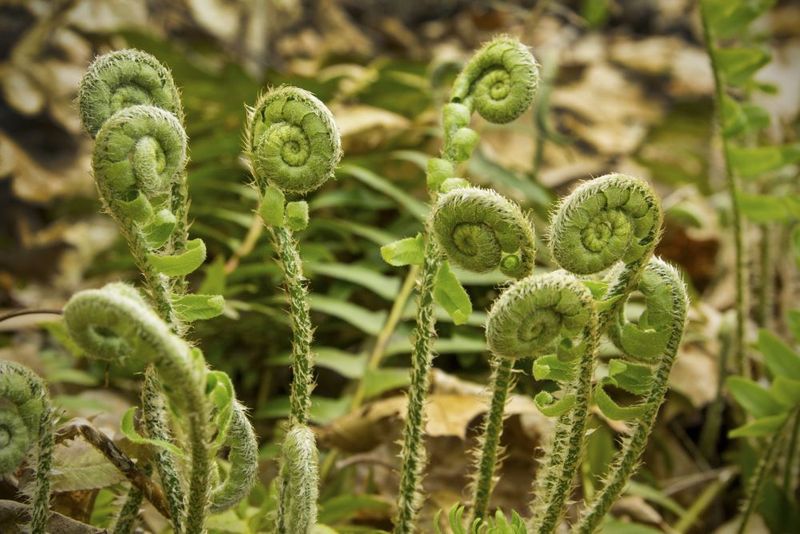
Something quietly theatrical happens in March and April. Tight coils push up from the crown covered in silvery-white scales, looking almost furry in low morning light.
Botanists call them crosiers, though most people say fiddleheads because of the shape, curled like the scroll on a violin. Each one slowly unrolls over a week or two into a full frond.
Photographers love this stage. Backlit fiddleheads glow, and the contrast between pale scales and dark spring soil makes for striking close-up shots without any fancy equipment.
New fronds start bright yellow-green, then deepen to that familiar dark, glossy green by early summer. Watching both generations together, last year’s flattened fronds beneath fresh upright ones, tells the plant’s whole yearly story at a glance.
Timing tip: plan your spring cleanup around this moment. Once you spot swelling crowns, remove old fronds carefully by hand instead of raking, since a rake can snap the emerging coils.
Worth knowing: unlike ostrich fern fiddleheads, these are not gathered for eating. Enjoy them with your eyes and leave the harvesting to other species.
Place a clump where you pass daily, maybe beside a back step, and the spring unfurling becomes a small seasonal ritual you look forward to.
6. Slope Anchor With A Grip Like Netting
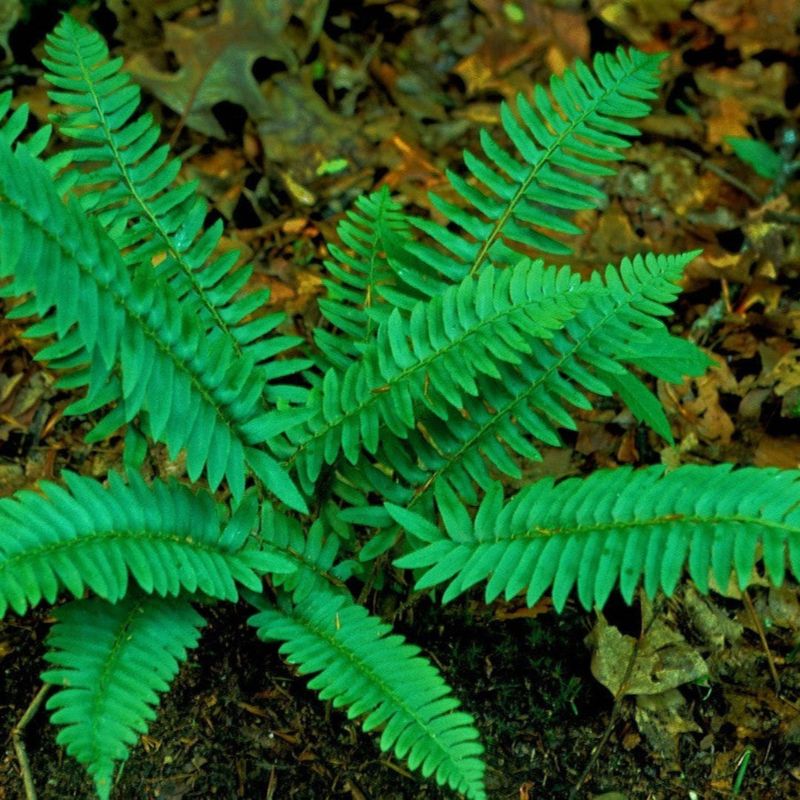
Anyone who has watched mulch wash down a hillside after a June downpour knows the frustration. Roots solve what mulch cannot, and this fern brings a dense, fibrous network that knits soil together.
Its rhizomes and roots help hold the surface soil in place, especially when combined with other woodland plants.
Ohio has no shortage of tricky slopes: shaded backyard hillsides, ravine edges, and the awkward strip under mature maples where grass refuses to grow. Christmas fern handles all three.
Conservation crews plant it along streambanks for the same reason. Once established, the clumps catch falling leaves, which decompose into humus and further stabilize the surface.
Planting advice: set plants roughly 18 to 24 inches apart, staggered in offset rows rather than straight lines, so water zigzags instead of racing straight down. Water weekly through the first summer.
Adding a few flat stones or short log terraces during the first year buys the roots time to grip. After that, the ferns mostly manage on their own.
Bonus for tick-conscious gardeners: a stabilized, fern-covered slope needs far less brushy weed cover, which trims back the tangled habitat small animals prefer.
7. Soil Preferences: Loose, Rich, And Slightly Acidic
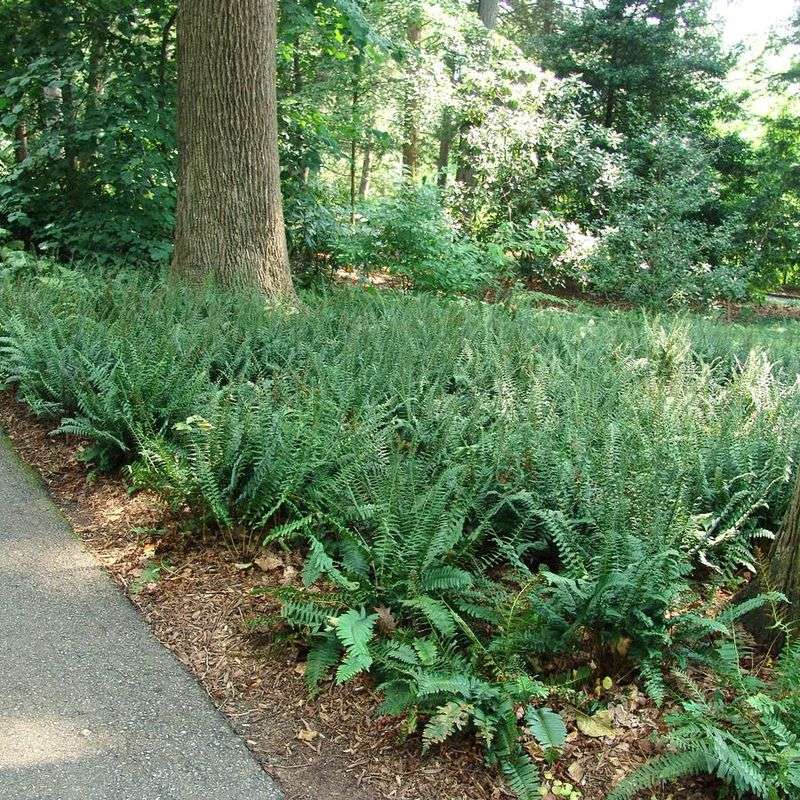
Think about where you find it growing wild: rocky woods, sandy hillsides, ravine slopes covered in years of fallen leaves. Loose, crumbly, humus-rich ground is the target.
Slightly acidic soil suits it best, which is convenient because most Ohio woodland soil under oaks and maples already leans that way. No lime or special amendments required.
Drainage matters more than richness. Heavy clay that stays soggy or a low spot that puddles after storms can cause crown rot, the main problem this otherwise easy plant faces.
Fixing clay is straightforward. Work in two or three inches of leaf compost or shredded leaves across the whole bed, and consider planting slightly high, with the crown sitting just at soil level rather than sunken.
Once roots reach down, the fern shows surprising toughness during dry spells. Established clumps in Ohio often sail through August droughts with no watering at all, sometimes looking a little tired but bouncing back with autumn rain.
Skip heavy fertilizer. A yearly inch of leaf mulch feeds the plant the way a forest would, slowly and steadily.
One caution: keep mulch thin, an inch or two, and pull it back from the crown. Piled mulch traps moisture where you least want it.
8. Shade Lover With A Tolerance For Morning Sun
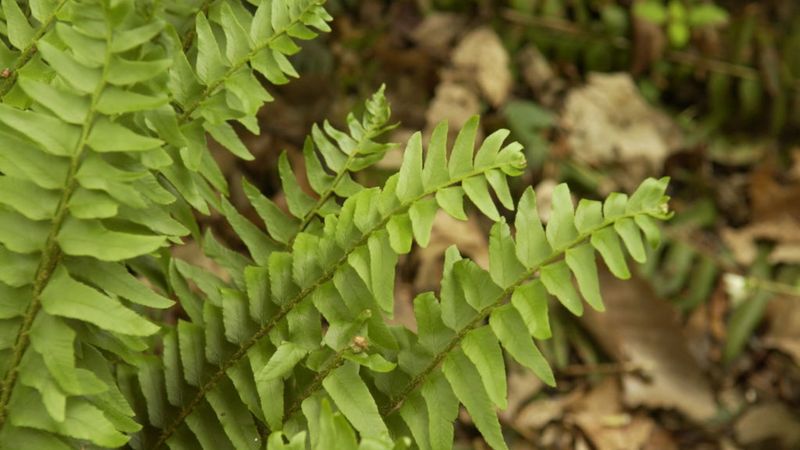
Deep shade under a north-facing wall, dappled light beneath an oak, or that gloomy corner behind the garage: all fair game. Partial to full shade is where these ferns look their best.
Some sun is workable if moisture keeps up. Gardeners report good results with two or three hours of gentle morning light, especially in soil enriched with leaf compost.
Harsh afternoon sun is another matter. Fronds can scorch at the edges and turn a washed-out yellow-green, which spoils the deep color that makes the plant attractive.
Here is a handy trick for judging a spot: watch it across one day and note when the sun hits. Morning sun plus afternoon shade equals happy fern, while the reverse invites trouble.
Combine it with other Ohio natives for a layered look. Wild ginger, foamflower, woodland phlox, and Virginia bluebells all appreciate similar conditions, and the fern’s evergreen fronds fill the gap when spring ephemerals disappear.
Design note: the tidy vase shape reads as intentional even in casual plantings, which makes it useful along shaded walkways and foundation beds where sprawling plants look messy.
Airy spacing along paths keeps foliage from brushing your legs, another small win when you would rather not carry hitchhikers indoors.
9. Almost No Maintenance, Easy To Multiply
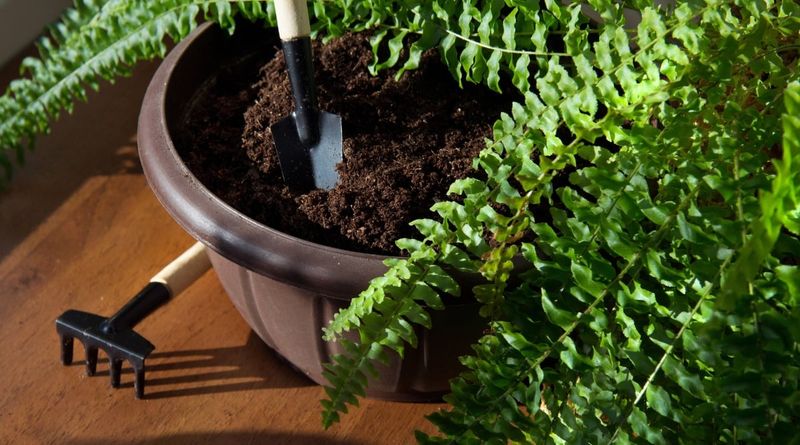
Low effort is the real selling point. Once a clump settles in, the yearly to-do list amounts to one spring trim and a scoop of leaf mulch.
Pests barely bother it. Slugs, Japanese beetles, and the usual suspects go after softer leaves, and serious diseases are rare when drainage is decent.
Clumps expand slowly, reaching one to two feet across and staying put rather than running through the bed. Gardeners who dislike aggressive spreaders appreciate that restraint.
Multiplying your stock costs nothing. In early spring, lift a mature clump, slice the crown into two or three chunks with a sharp spade, keeping roots attached to each piece, then replant right away and water well.
Spores form on the upper leaflets of fertile fronds, which shrink and look narrower than the rest. Home propagation from spores is possible but slow, so division is the practical route.
A friendly warning about patience: newly planted ferns often look unimpressive their first year while roots do the real work underground. Year two usually brings a noticeable jump in size and fullness.
Give it three seasons and you will have a self-sufficient green foundation for shade, one that shrugs off drought, ignores deer, and asks for almost nothing in return.