Why Oregon Garden Soil Becomes Hard After A Dry Summer
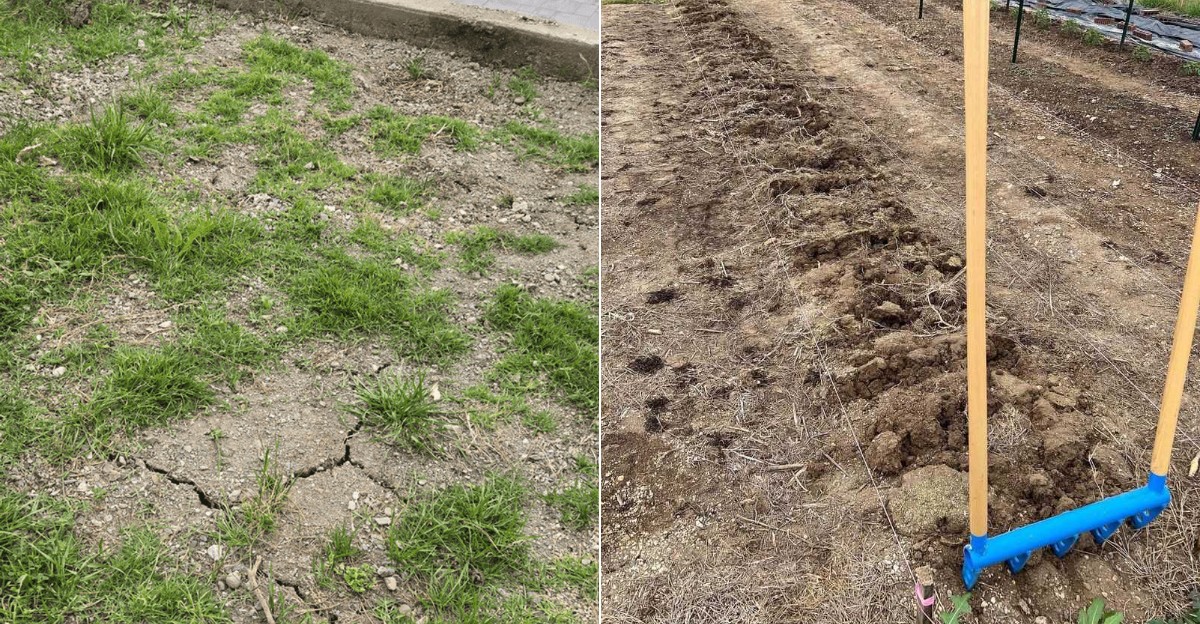
After a long, dry Oregon summer, your garden soil can feel completely different than it did earlier in the season.
The ground may become tough, cracked, or difficult to dig, making fall planting and garden cleanup much harder than expected. What looks like a simple watering issue is often the result of deeper changes happening in the soil.
Dry conditions can cause soil particles to tighten together, reduce air spaces, and make it harder for roots to access water and nutrients.
The good news is that you can improve compacted soil without starting over. Adding organic matter, protecting the soil surface, and adjusting your watering habits can help bring back a healthier structure.
Before you plant new crops or prepare your beds for the next season, understanding why your soil hardened can help you make better choices and build a stronger garden foundation.
1. Summer Heat Pulls Moisture Out Of The Soil
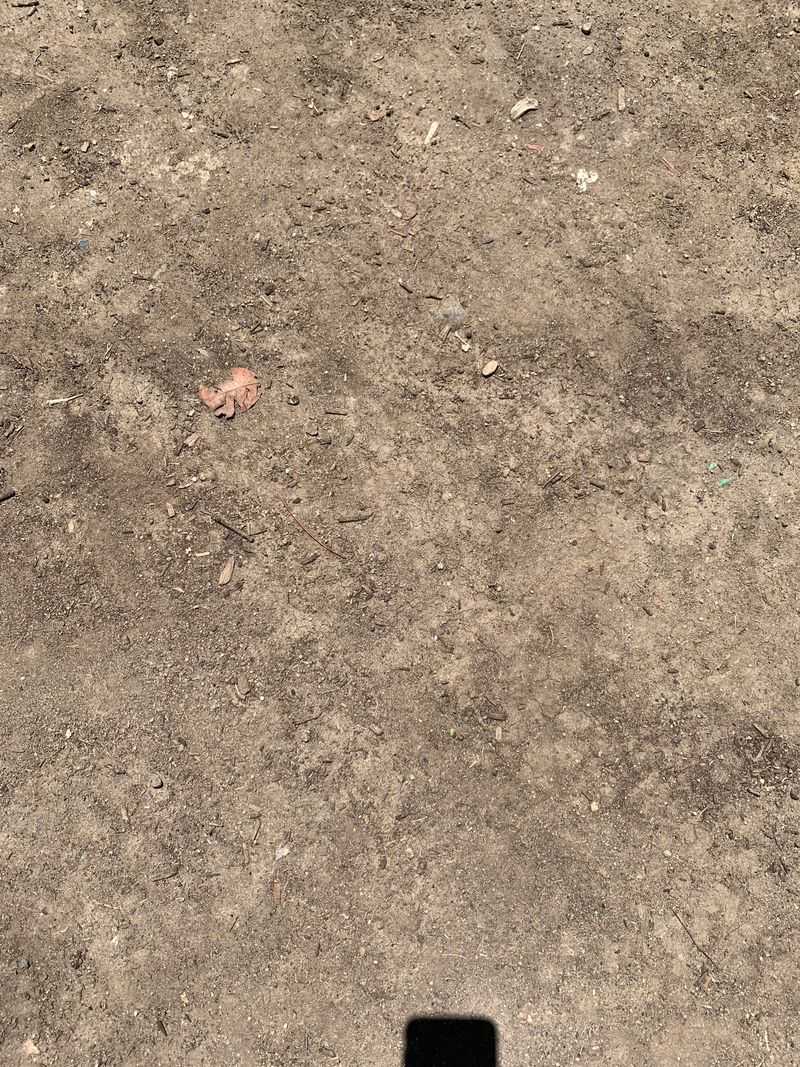
Warm Oregon days do more than make you reach for a cold drink. The sun heats the ground and slowly draws water up and out of the soil.
This process is called evaporation. As the top layer dries, moisture from deeper down rises to replace it, and that water leaves too. Little by little, the whole bed loses its dampness.
When soil has plenty of water, it stays soft and easy to work. Water fills the tiny spaces between soil particles and keeps them slightly apart.
Once that water is gone, those particles press closer together. The soil shrinks and firms up, sometimes leaving cracks across the surface.
Plants feel this change fast. Their roots need moisture to drink, and dry ground gives them very little.
You may notice wilting leaves even when the air is not that hot. That is a sign the soil below is drying out.
A helpful trick is to add mulch on top of your beds. A few inches of bark, straw, or leaves shades the soil and slows evaporation.
Watering deeply in the early morning also helps. Deep watering reaches lower roots and keeps the ground from drying out too quickly during Oregon’s rain-free stretches.
2. Dry Soil Can Become Hard And Compacted
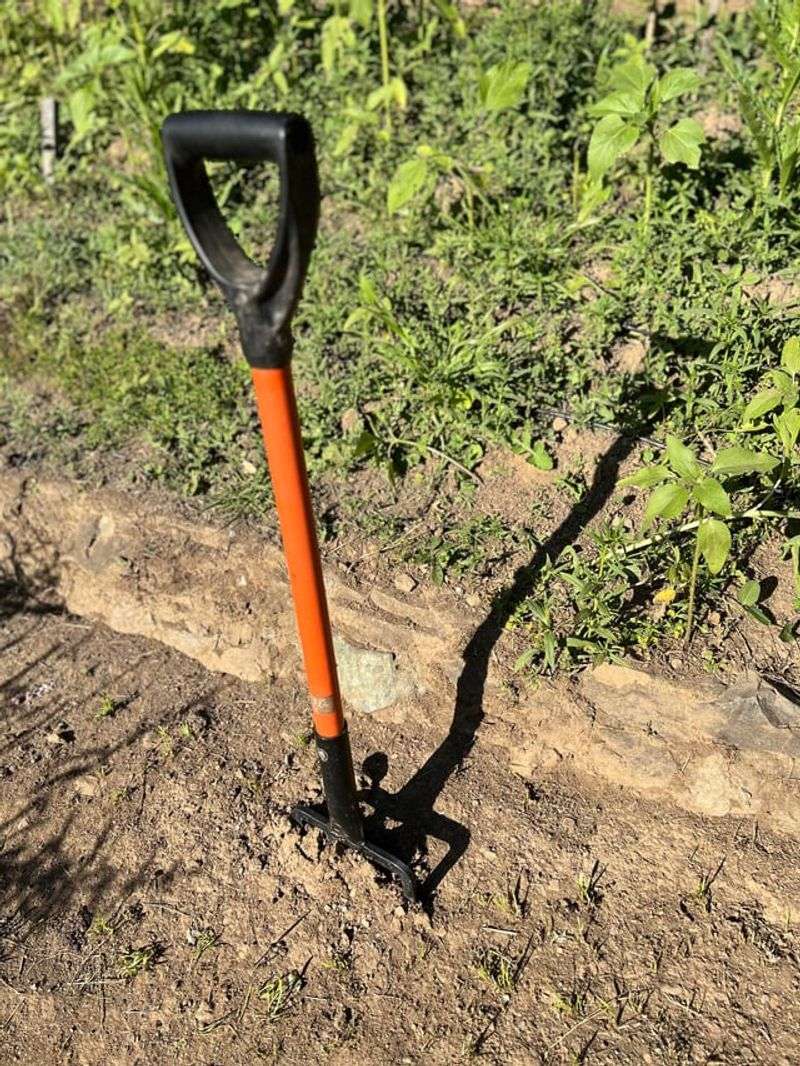
There is a big difference between soil that is simply dry and soil that has turned rock-hard. When moisture leaves for a long time, the ground does more than get thirsty.
The tiny bits that make up soil settle and pack tightly together. This creates a dense, solid layer that feels stiff under your shovel.
Compacted soil is a real problem for gardens. Roots have a hard time pushing through it, so plants grow slower and weaker.
Water also struggles to soak in. Instead of sinking down, it runs off the surface or pools on top.
Air is another thing roots need, and hard soil holds very little of it. Without enough air pockets, helpful soil creatures and roots both suffer.
You can test your soil by pushing a finger or a stick into it. If it barely goes in, the ground is likely compacted.
Your Oregon Garden Changes Every Week. Your Plan Should Too.
Gardening in Oregon changes quickly throughout the season. Every Friday you’ll receive a simple weekly plan showing exactly what to plant, prune, fertilize, harvest, and protect so you never miss the right timing.
Adding water slowly over time can soften the surface, but it may not reach deep. That is why prevention matters so much.
Keeping soil covered and moist through summer stops it from packing down in the first place. A little effort during the dry months saves you a lot of hard digging later on when planting season returns.
3. Bare Ground Loses Its Structure Faster
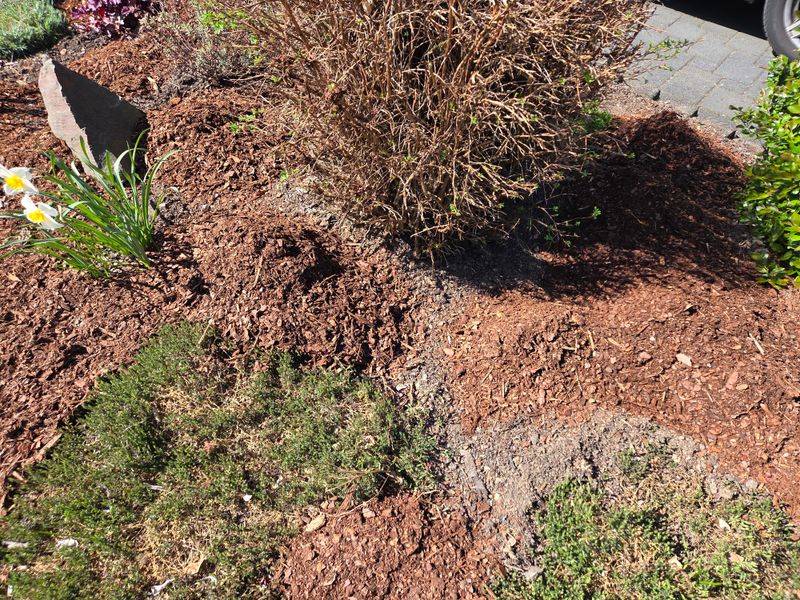
Soil that sits open with nothing on top is the most likely to harden. Without cover, the sun and wind hit it directly all day long.
Bare ground has no shade to protect it. The surface bakes, dries, and forms a crusty layer that seals off the soil below.
Good soil has a crumbly, sponge-like structure. Those little clumps hold water and let roots breathe.
When the top dries into a hard crust, that healthy structure breaks down. Rain and air can no longer move through easily.
Covered soil tells a different story. Mulch, groundcover plants, or even fallen leaves shield the surface from harsh weather.
Living roots also help hold soil together and keep it loose. That is why beds with plants often stay softer than empty ones.
If you have areas that sit bare over summer, try spreading a layer of mulch across them. Even old straw or wood chips make a big difference.
Cover crops are another smart choice. Planting something like clover keeps roots in the ground and shades the surface.
Protecting bare spots now means less crusting and easier digging when you are ready to plant again in your Oregon garden.
4. Heavy Foot Traffic Makes The Problem Worse
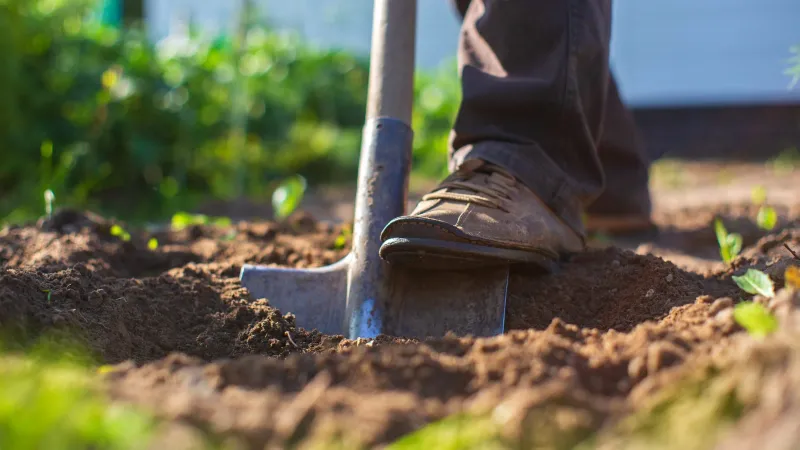
Every time you step across a garden bed, you press down on the soil. During a dry summer, that pressure causes even more harm than usual.
Moist soil can bounce back a little after being stepped on. Dry soil cannot, so it stays packed down.
Walking the same path over and over squeezes the ground tighter each time. The particles lose their air spaces and lock together.
Kids playing, pets running, and wheelbarrows rolling all add to the problem. Even light steps build up over a whole season.
The soil in walkways often ends up the hardest of all. You can usually see where feet have traveled most.
A simple fix is to create set paths in your garden. Use stepping stones, boards, or wood chips for the spots you walk on.
Keeping your feet off the planting areas protects the loose soil where roots grow. Raised beds also help by giving you a clear edge to reach over.
If some areas are already packed from traffic, loosen them gently before planting. Try to plan your layout so you rarely need to walk on growing beds.
Small changes in how you move through the garden can keep your Oregon soil soft and welcoming for plants.
5. Clay Soil Is Especially Prone To Hardening
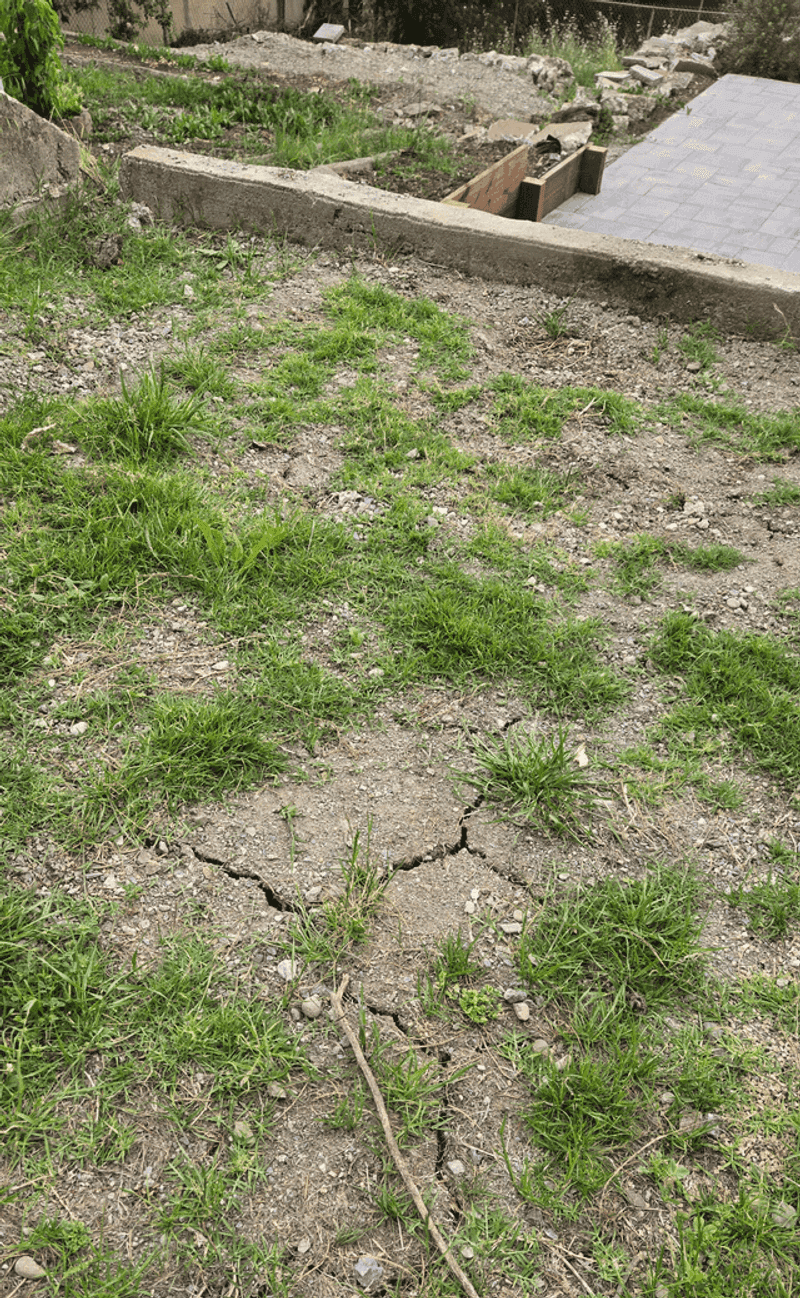
Many Oregon gardens sit on top of clay-heavy soil. This type of ground is known for turning very hard once it dries out.
Clay is made of extremely tiny, flat particles. They pack together tightly with almost no space between them.
When clay soil holds water, it feels sticky and heavy. When it dries, it shrinks and hardens into stiff, cracked chunks.
That is why clay beds can feel like brick by late summer. Digging into them often feels like a real workout.
Roots have trouble spreading through clay, and water sits on top instead of soaking in. Both problems slow plant growth.
The upside is that clay soil is rich in nutrients. With a little help, it can grow wonderful gardens.
Mixing in compost and organic matter is the best way to improve it. These materials break up the tight clay and add air pockets.
Over several seasons, steady additions of organic matter make clay softer and easier to work. Patience really pays off here.
Avoid working clay when it is soaking wet, since that packs it down more. Wait until it is just slightly moist for the best results in your Oregon beds.
6. Adding Organic Matter Helps Rebuild Soil Structure
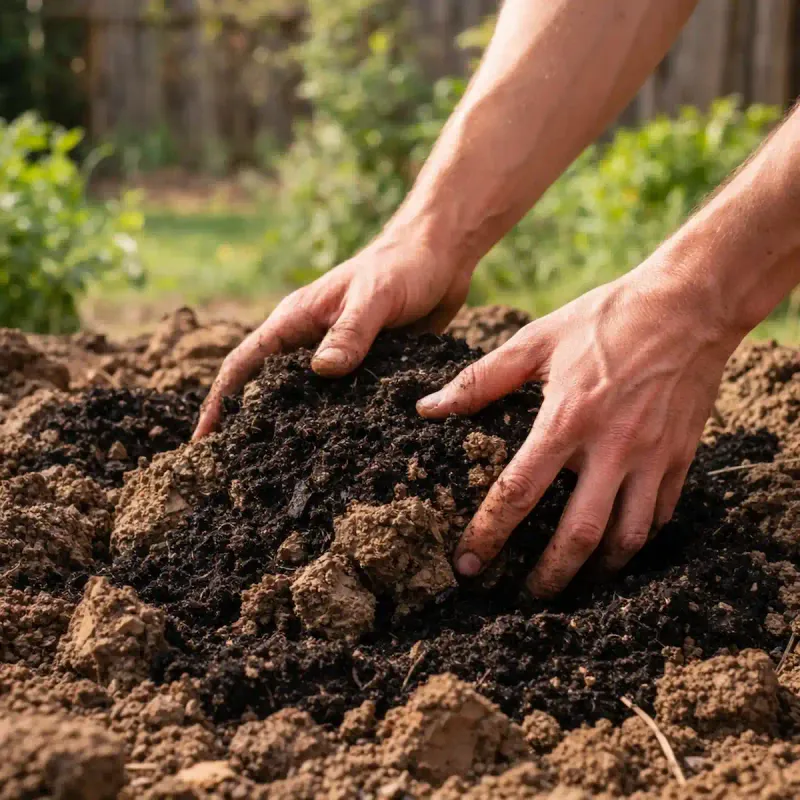
One of the kindest things you can do for hard soil is feed it organic matter. Think compost, leaf mold, aged manure, and rotted bark.
These materials act like a sponge in the ground. They hold moisture and create space for air and roots.
Organic matter also feeds tiny soil creatures like worms and microbes. As they move and eat, they loosen the soil naturally.
Worm tunnels are like little highways for water and roots. The more life your soil has, the softer and healthier it stays.
Spreading a few inches of compost over your beds each year works wonders. You can gently mix it into the top layer or let it settle in on its own.
Fall is a great time to add organic matter in Oregon. The coming rains help work it into the soil over winter.
Over time, you will notice the ground becoming darker, softer, and easier to dig. That change means your soil structure is rebuilding.
Plants respond quickly to richer soil. Their roots spread further and pull up more water and food.
Making compost a regular habit turns hard, tired dirt into crumbly, living soil that stays loose even through dry summers.
7. Fall Rain Alone May Not Fix Compacted Beds
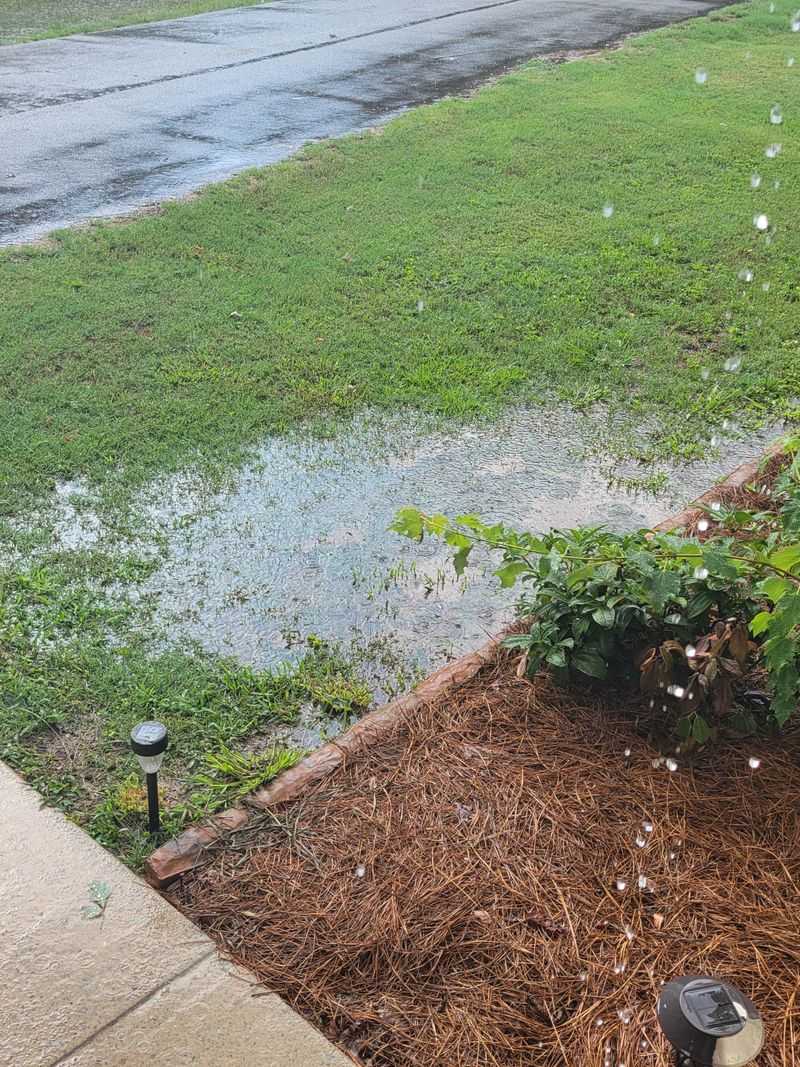
Many gardeners hope the first fall rains will magically soften their hard beds. Sadly, rain by itself often is not enough.
When soil is badly compacted, water cannot soak in well. It puddles on top or slides off to the side.
The hard crust acts like a lid. Rain hits it and struggles to reach the dry, packed layers underneath.
You might see wet ground on the surface but find it bone-dry just a few inches down. That mismatch is a clue your soil needs more help.
Rain does soften the very top over time, which helps a little. Still, deep compaction usually stays stubborn without extra effort.
Combining rain with organic matter makes a bigger difference. Compost spread before the rainy season lets moisture sink in more easily.
Gently poking holes in compacted beds can also help water travel down. A garden fork works well for this job.
Think of fall rain as a helper, not a full cure. Your beds still need care to truly recover.
By preparing your soil before the rains arrive, you give Oregon’s wet season the best chance to work its way deep into the ground where roots live.
8. Gentle Soil Loosening Works Better Than Digging Deep
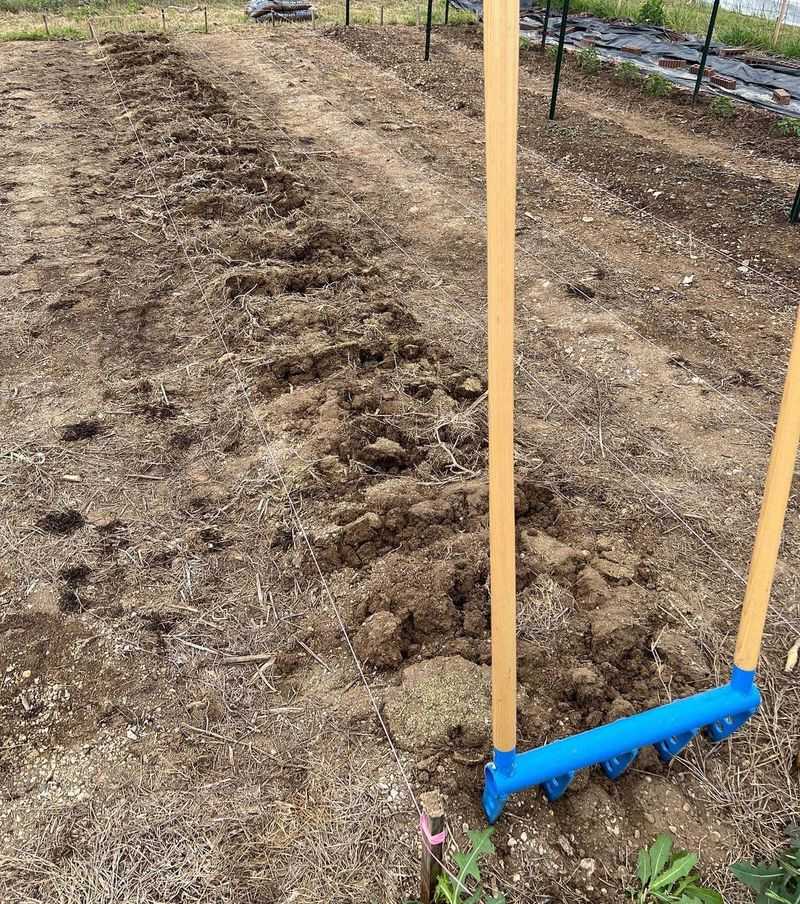
When soil is hard, it is tempting to grab a shovel and dig deep. Turning the soil over feels like the natural fix, but it can cause harm.
Heavy digging breaks up the helpful structure worms and roots have built. It can also flip weed seeds up to the surface.
A gentler approach protects the good things happening below ground. The goal is to loosen without flipping everything over.
A broadfork or garden fork is perfect for this. You simply push it in and rock it back to create air spaces.
This method opens the soil so water and roots can move down. It keeps the layers mostly in place, which the soil life prefers.
Adding compost on top after loosening lets nutrients trickle down naturally. Worms will carry it deeper for you over time.
Working the soil when it is slightly moist makes the job easier. Never try to loosen it when it is dusty dry or soaking wet.
Little by little, gentle care rebuilds soft, healthy ground. You will spend less energy and get better results.
Treating your soil kindly rather than tearing it apart keeps your Oregon garden loose, lively, and ready to grow year after year.