These Oregon Plants Make A Backyard Feel Cooler Without Needing A Shade Tree
That patch of scorched lawn isn’t just an eyesore, it’s a signal your yard is working against the climate instead of with it. Oregon’s growing conditions offer a shortcut most homeowners overlook.
Forget waiting for a canopy that takes half a lifetime to fill in. The right combination of groundcovers, shrubs, and perennials can transform bare, sun-blasted soil into a space that feels noticeably cooler within a single season.
These plants do more than survive dry stretches, they thrive in them, filling gaps with layered greenery, unexpected color, and movement that a plain lawn rarely offers. Every corner starts pulling its weight instead of just sitting there.
By the end of this list, that tired stretch of yard won’t look like a problem anymore. It’ll look like the start of something worth stepping outside for.
1. Salal
Walk through any coastal forest in Oregon and you will feel the temperature drop almost instantly. Salal is a big reason for that cool, shaded feeling.
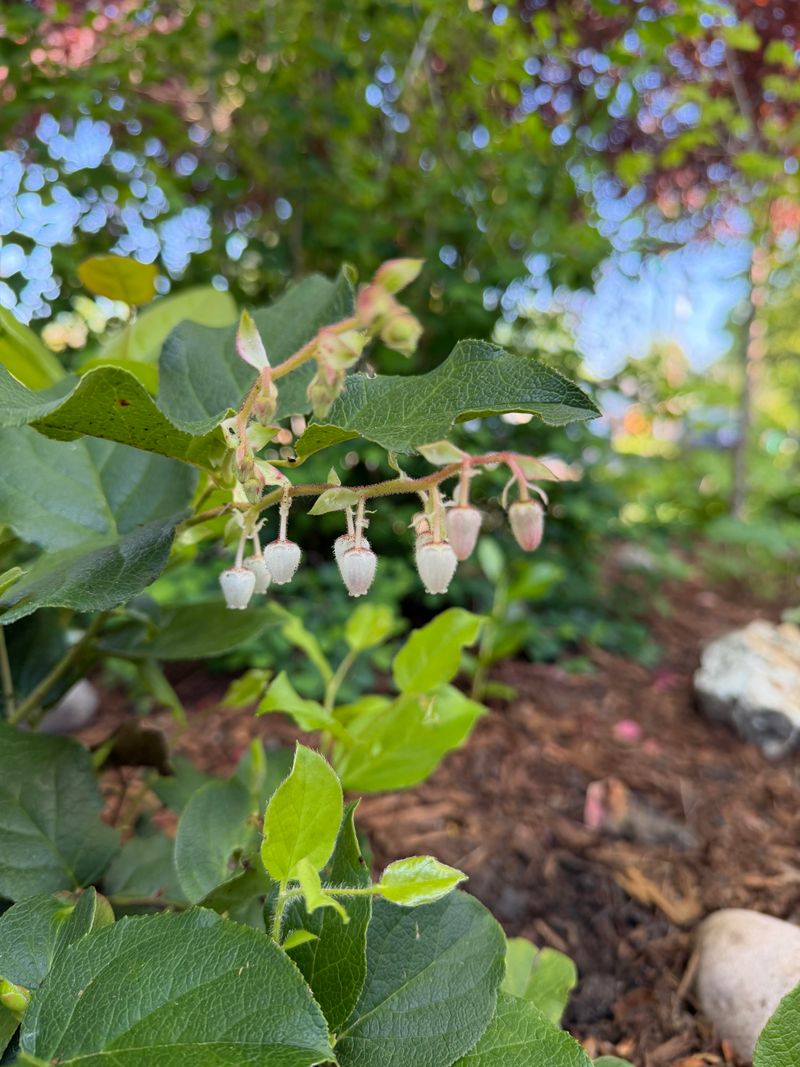
This tough, evergreen shrub creates a dense, leafy carpet that blocks heat from radiating up off the ground. Salal grows between two and five feet tall, spreading wide with thick, waxy leaves.
Those leaves reflect sunlight and hold moisture underneath, keeping the soil beneath noticeably cooler. Pair it along a fence or garden border and it acts like a living insulator.
One of the best things about salal is how little it asks of you. It thrives in partial shade but handles full sun better than most people expect.
Once established, it rarely needs watering beyond what the sky provides. The plant also produces small, pinkish-white bell flowers in spring, followed by dark purple berries.
Birds absolutely love those berries, so you get wildlife activity as a bonus. Your yard starts feeling less like a yard and more like a living ecosystem.
Salal is also deer-resistant, which is a huge win if you live near wooded areas. It holds its rich green color year-round, meaning your garden never looks bare.
Plant it in clusters to maximize that cooling, layered effect no lawn could ever pull off on its own
2. Oregon Grape
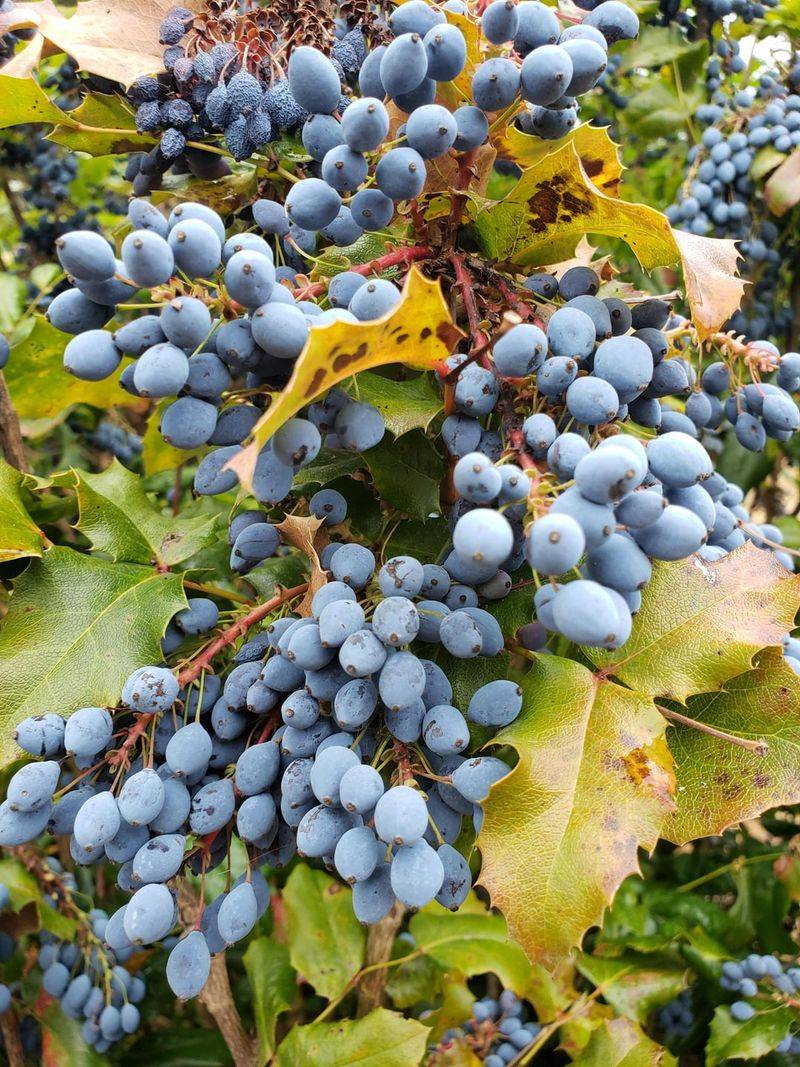
Tough, bold, and undeniably Oregon, this plant has earned its place as the state flower for good reason. Oregon grape brings a dramatic, architectural look to any backyard.
Its spiky, holly-like leaves create a striking visual layer that instantly makes a space feel intentional and lush. The plant grows in two main forms: tall Oregon grape reaches up to six feet, while compact varieties stay closer to the ground.
Both versions spread slowly over time, filling gaps and shading the soil beneath. Shaded soil stays cooler, which means your whole yard benefits from the coverage.
In early spring, clusters of bright yellow flowers burst open and attract pollinators by the dozens. By summer, those flowers transform into dark blue-purple berries that look stunning against the deep green foliage.
The contrast is genuinely beautiful, almost like nature placed it there on purpose. Oregon grape handles drought surprisingly well once it gets established.
Your Oregon Garden Changes Every Week. Your Plan Should Too.
Gardening in Oregon changes quickly throughout the season. Every Friday you’ll receive a simple weekly plan showing exactly what to plant, prune, fertilize, harvest, and protect so you never miss the right timing.
It also tolerates heavy clay soils that would stress most ornamental plants. Basically, it thrives where other plants give up, making it a workhorse for low-maintenance gardens.
The dense foliage creates a microclimate underneath that stays noticeably shaded and humid. That moisture retention is exactly what keeps the whole bed several degrees cooler through August.
Plant it along the south-facing side of your yard for maximum heat-blocking impact all season long.
3. Wood Strawberry
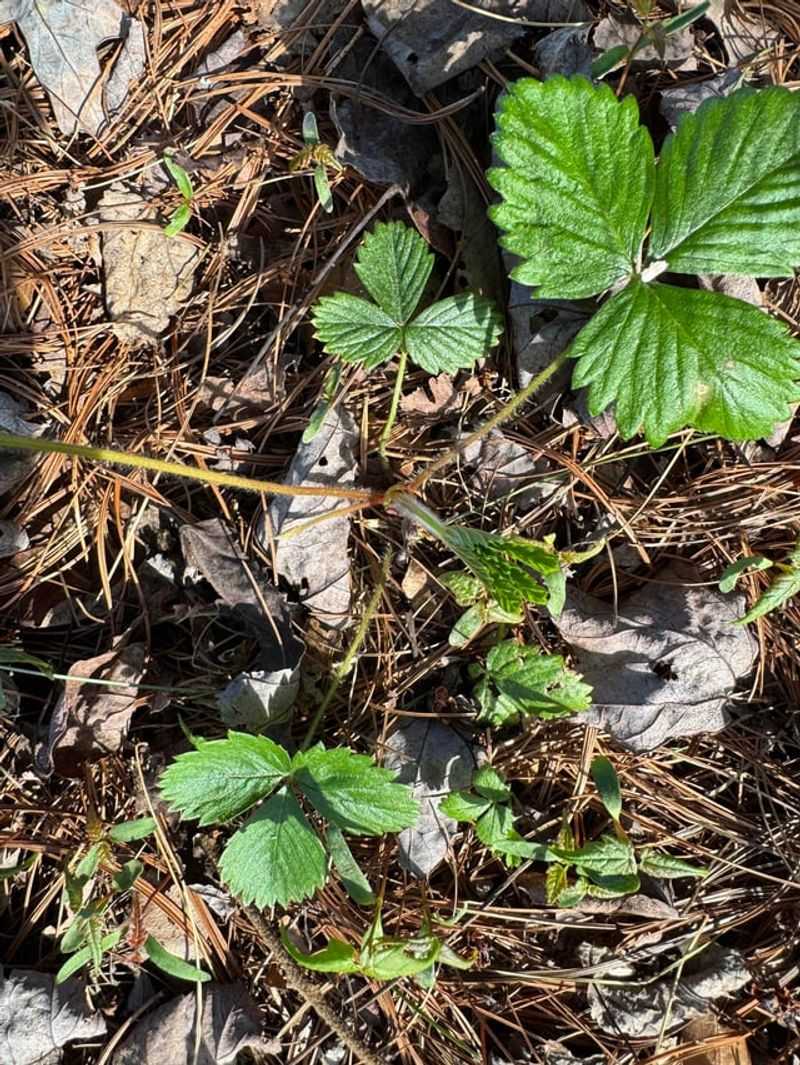
Forget the grocery store version. Wood strawberry is the scrappy, charming wildling that actually belongs in your backyard. It spreads low and fast, forming a thick green mat that keeps the ground shaded and cool all summer long.
That ground-level coverage is one of the simplest ways to fight heat buildup in your yard. Each plant sends out runners, similar to regular strawberries, that root wherever they touch soil.
Within one season, a small patch can expand into a generous stretch of coverage. The more ground it covers, the cooler your soil stays.
The tiny white flowers are delicate and sweet-looking, blooming from spring through early summer. After flowering, small red berries appear that taste surprisingly bright and flavorful. Kids find them instantly and that alone makes the plant worth growing.
Wood strawberry handles partial shade beautifully, which makes it ideal for spots under shrubs or along garden edges. It stays low, usually under six inches, so it never competes with taller plants for visual space.
Think of it as nature’s living mulch with bonus snacks attached. Unlike traditional mulch, this ground cover breathes, transpires moisture, and cools the air slightly above it.
That process, called transpiration, is exactly why a strawberry patch can outperform a patch of turf on a hot afternoon. Plant wood strawberry between stepping stones or under taller shrubs to unlock that layered, forest-floor cooling effect.
4. Hosta
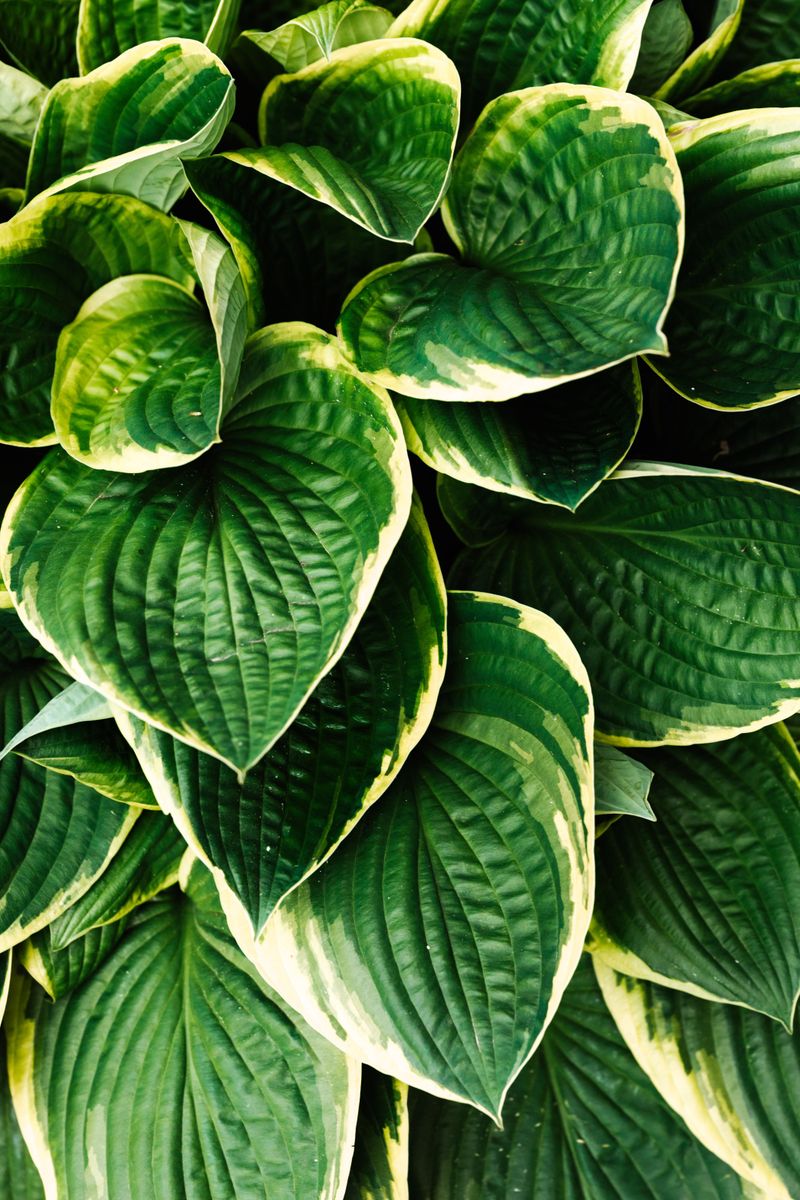
Few plants command attention the way a well-grown hosta does. Those wide, ribbed leaves catch the eye immediately and create an instant sense of lush, cool abundance.
Gardeners across the Pacific Northwest rely on hostas to transform bare, hot spots into something that looks genuinely refreshing. Hostas come in dozens of varieties, from compact minis to giant types with leaves wider than a dinner plate.
The bigger the leaves, the more shade they create at ground level. A large hosta can shade a surprising amount of soil, keeping it moist and cool through the hottest weeks of summer.
They thrive in partial to full shade, which makes them ideal companions beneath taller shrubs like salal or Oregon grape. Layering hostas with taller plants creates a stacked cooling effect that mimics the feel of a forest understory.
Your yard starts giving off serious woodland retreat energy. Hostas also do something subtle: their broad leaves create a still, shaded pocket of air right at ground level.
That slight wind reduction keeps the immediate area feeling calmer and cooler. It’s a small thing that adds up on a blazing July afternoon.
The plants need very little care once established. Water them occasionally, divide them every few years, and they reward you with decades of reliable beauty.
This dependable nature is exactly why hostas earn a spot in any shade-hungry corner of the yard.
5. Oakleaf Hydrangea
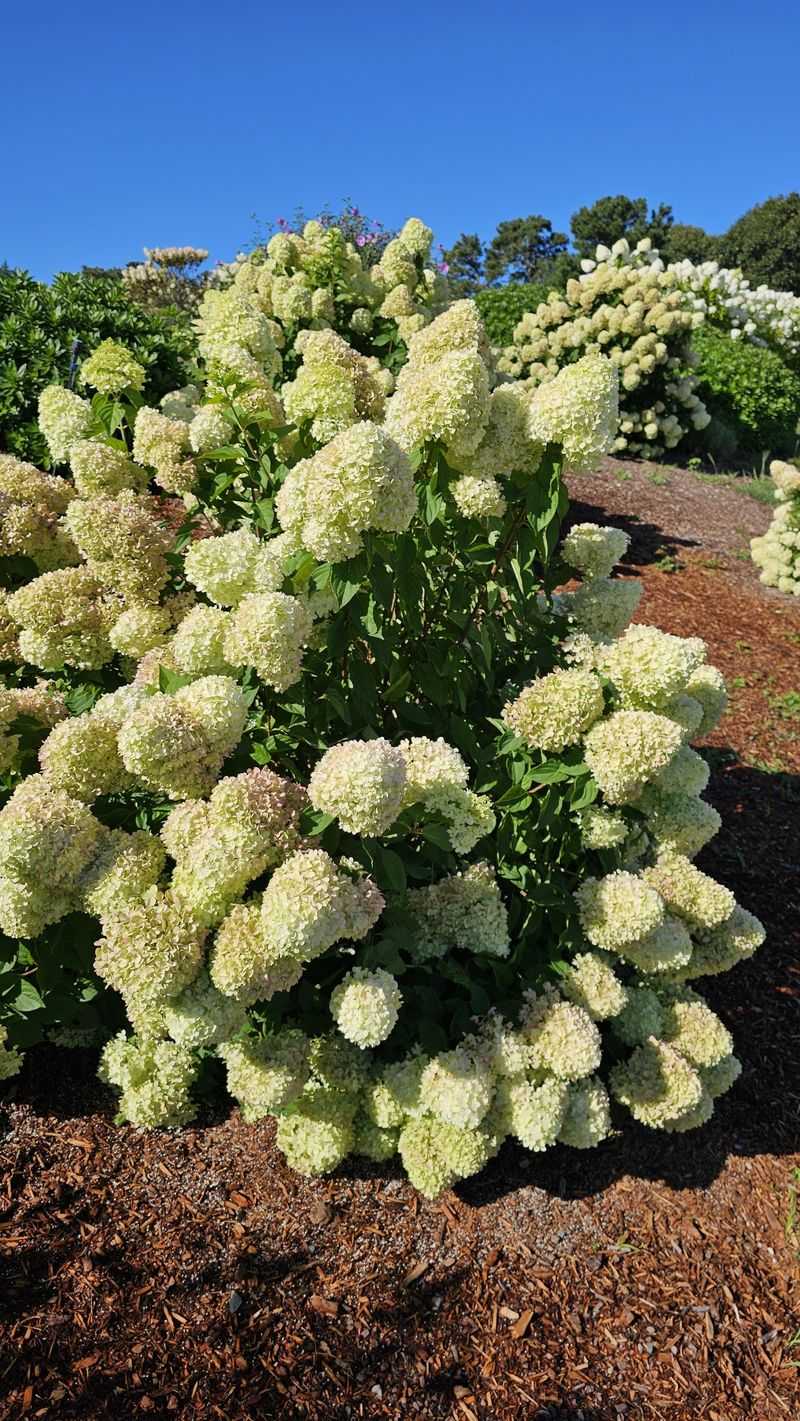
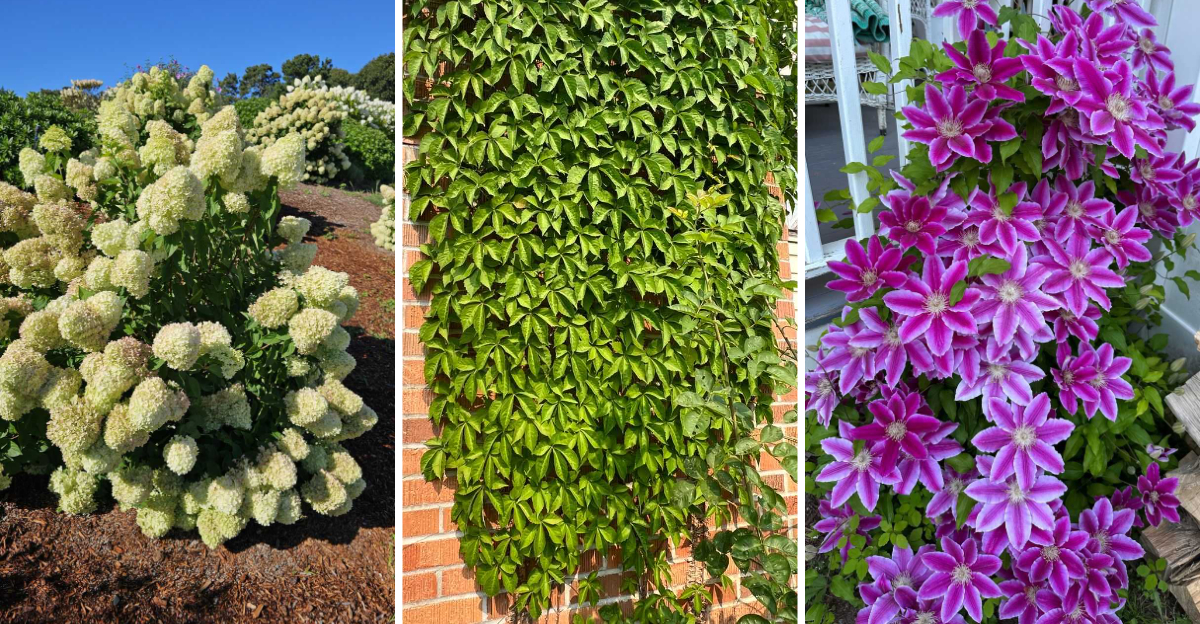
Picture a shrub that blooms in summer, turns flaming red in fall, and still looks interesting in winter. Oakleaf hydrangea does all three without breaking a sweat. It’s the kind of plant that makes neighbors slow down and ask what it is.
That showiness comes paired with serious heat-reducing benefits. The large, lobed leaves are unmistakable, shaped exactly like oversized oak leaves.
They grow dense and wide, creating deep shade at the base of the plant. That shade keeps the soil beneath moist longer, which directly reduces heat radiating upward into your outdoor space.
Blooms appear in early summer as big, cone-shaped clusters of creamy white flowers. They age gracefully through tan and parchment tones as summer progresses, rarely looking spent or sad.
Even dried on the stem in winter, the flower clusters add texture and structure to the garden. Oakleaf hydrangea grows four to eight feet tall and equally wide, so give it room.
It handles partial shade and, in Oregon’s milder summers, full sun too, adapting well to different spots in the yard. Once established, it tolerates dry summers better than most hydrangea types.
The combination of dense foliage, wide spread, and moisture-holding capacity makes it one of the most effective cooling shrubs available. Planting one near a patio or seating area creates a noticeably more comfortable outdoor space.
That’s a shrub doing double duty as both a showpiece and a natural air conditioner.
6. Clematis
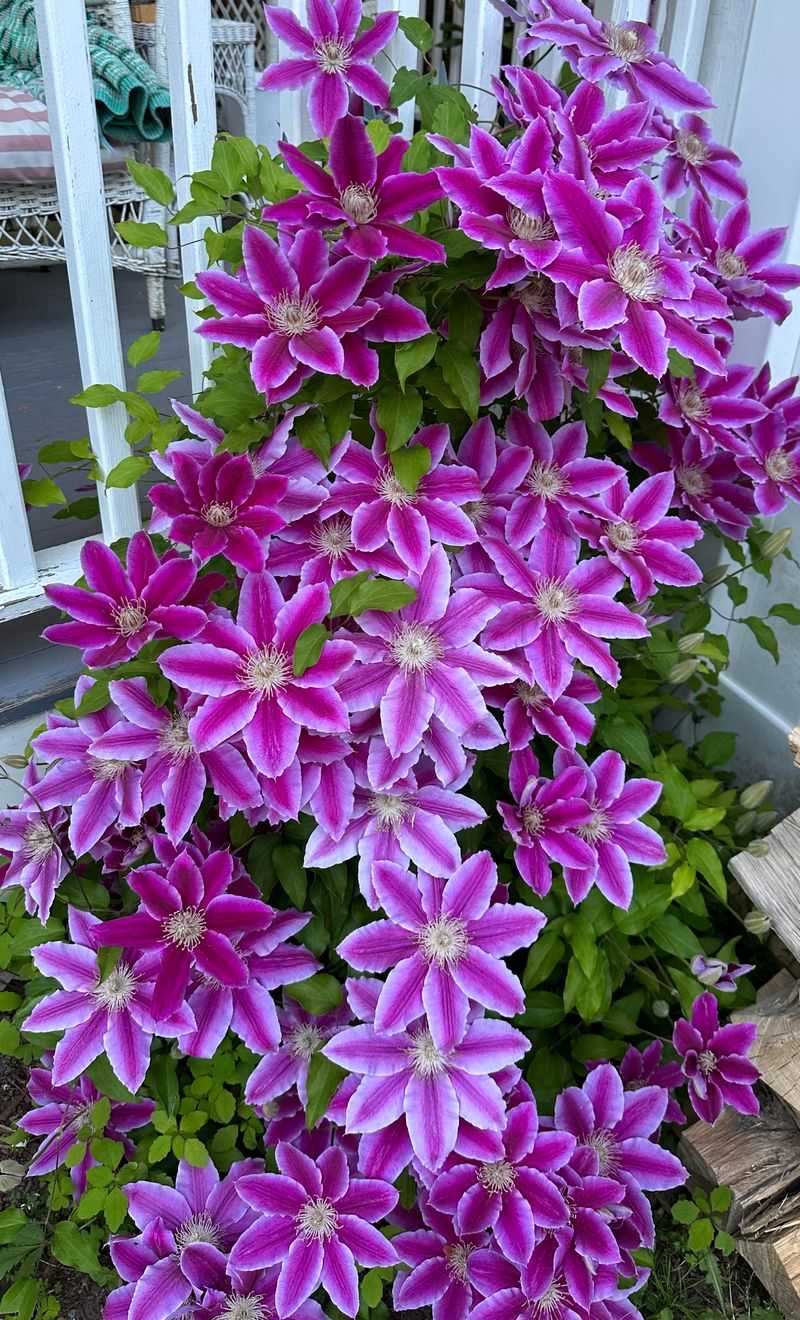
Clematis is the plant equivalent of a dramatic entrance. It climbs fast, blooms abundantly, and covers bare fences or trellises with a wall of color that looks almost unreal.
Beyond the beauty, that vertical coverage creates shade where there was none before, and shade is the fastest path to a cooler yard. When clematis covers a west-facing fence or trellis, it blocks the intense afternoon sun from hitting your patio or seating area.
The difference in temperature on the shaded side can be striking, noticeably cooler than the exposed side of the same fence. That’s a meaningful change when you’re trying to enjoy an outdoor dinner in August.
Dozens of varieties grow well in Oregon gardens, with colors ranging from deep purple to soft pink to bright white. Some bloom in late spring, others in summer, and a few bloom twice in one season.
Choosing two or three varieties extends the color show across the whole warm season. Clematis prefers its roots in cool, shaded soil while its top reaches toward the sun.
Mulching around the base, or planting a low ground cover nearby, keeps roots happy and reduces watering needs. That simple trick makes the plant much more resilient through dry summers.
Training clematis up a pergola or shade structure multiplies its cooling power significantly. The leafy canopy it creates filters sunlight and cools the air below it. That’s proof a single vine can rework the microclimate of an entire patio.
7. Virginia Creeper
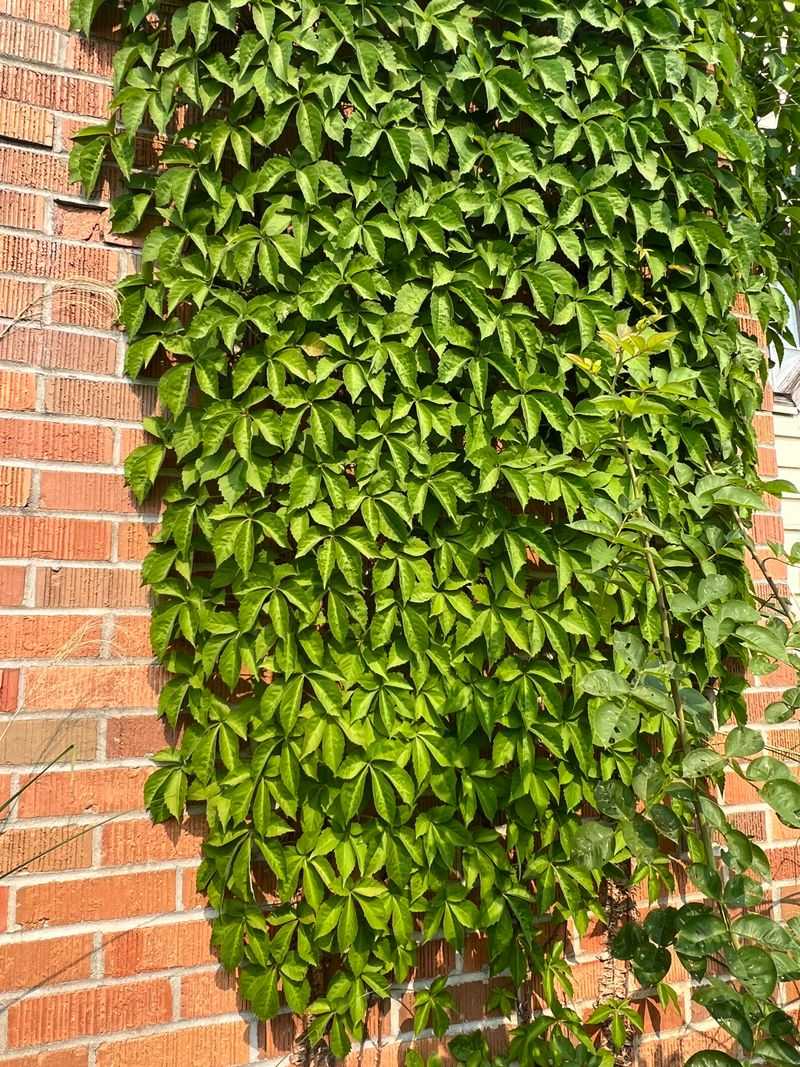
Speed and coverage are Virginia creeper’s superpowers. This vine can grow several feet or more in a single season, blanketing fences, walls, and pergolas with thick, five-lobed leaves.
That rapid coverage turns a sun-baked surface into a shaded wall almost overnight. Covered walls stay noticeably cooler, since the leaves absorb solar radiation instead of reflecting it back as heat.
The plant is native to North America and now thrives across a wide range of climates, Oregon included, so your job is occasionally directing it rather than coaxing it. Fall color is spectacular. Those green leaves shift to brilliant shades of crimson and burgundy before dropping, giving you a second season of visual drama.
Even in winter, the woody stems create interesting texture against a fence or structure. Virginia creeper pairs beautifully with clematis, letting the two vines share a trellis for a layered, lush effect.
Together they create a living screen that blocks heat, adds privacy, and looks intentional and designed. That combination turns a plain fence line into one of the hardest-working spots in the whole yard.
Virginia creeper also asks for almost nothing once it catches hold. A yearly trim to keep it off gutters or window frames is usually the extent of the work involved.
Give it a wall, a trellis, or an old fence nobody quite knows what to do with. Within a season or two, that forgotten corner becomes the coolest, most covered spot on the property.
8. Blue Oat Grass
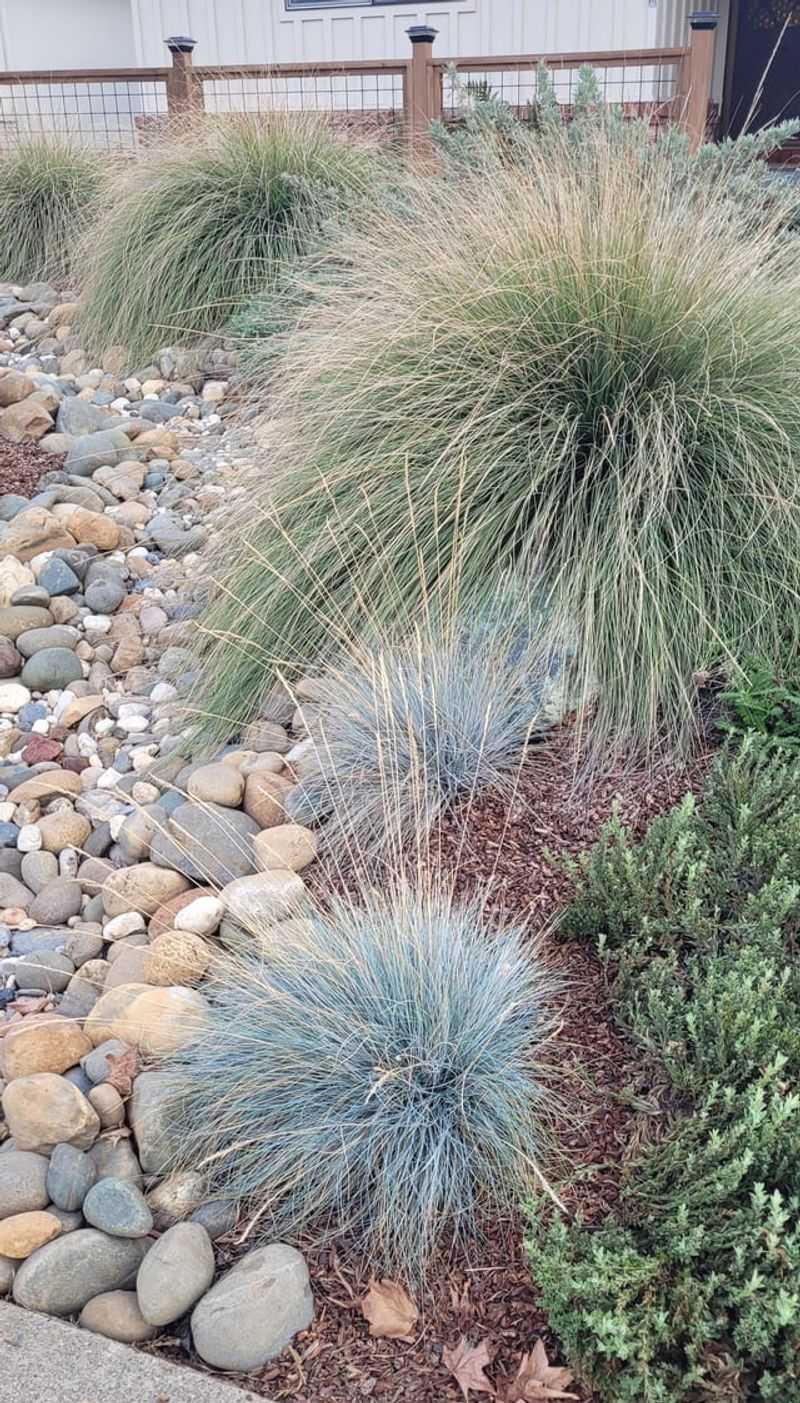
Something about blue oat grass just feels cool, literally and visually. Those silvery-blue, arching blades catch the light in a way that makes the whole garden feel a few degrees calmer.
It’s an ornamental grass that earns its place through both beauty and function in a sun-baked yard. Blue oat grass stays evergreen in mild climates, which means it provides year-round ground coverage.
That coverage keeps soil shaded and reduces moisture evaporation during hot, dry stretches. Less evaporation means cooler, more stable soil temperatures beneath and around the plant.
The plant grows in tidy clumps, usually twelve to eighteen inches tall, making it easy to place along borders or between larger shrubs. It rarely sprawls aggressively or takes over the garden.
That well-behaved growth habit makes it a reliable choice for gardeners who want low drama and high impact. Blue oat grass thrives in full sun, which makes it perfect for the hottest spots in the yard where other plants struggle.
It handles dry summers with ease and rarely needs fertilizing. Plant it in groups of three or five for a rippling, meadow-like effect that looks effortlessly designed.
When a breeze moves through a cluster of blue oat grass, the blades sway and shimmer in a way that feels genuinely cooling to watch. That sensory experience changes how your yard feels, even before you measure the temperature.
That’s the quiet payoff of a grass most people walk right past at the nursery.