Why Oregon Squirrels Dig Everywhere In Fall
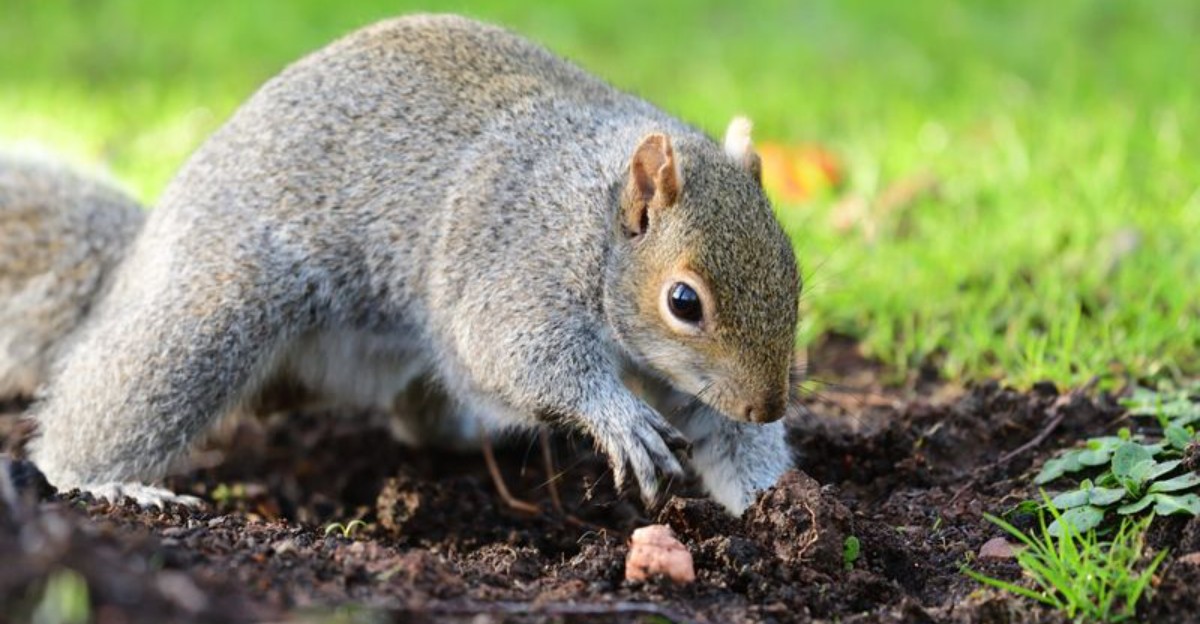
Tiny holes scattered across your Oregon yard can appear almost overnight in fall, and squirrels are often the reason behind the sudden digging.
What looks like random damage is actually a carefully planned survival habit. These busy backyard visitors are preparing for colder months by collecting and hiding food wherever they can.
Your garden beds, flower pots, and lawn may become convenient storage spots for acorns and other treats, but all that digging can leave behind unwanted damage.
Squirrels may disturb bulbs, uncover freshly planted seeds, or create messy patches throughout your landscape. Instead of fighting every hole, it helps to understand what is driving this behavior and how you can protect the areas that matter most.
A few simple changes can make your yard less tempting while allowing squirrels to continue their natural routines.
1. Fall Is When Squirrels Start Storing Food
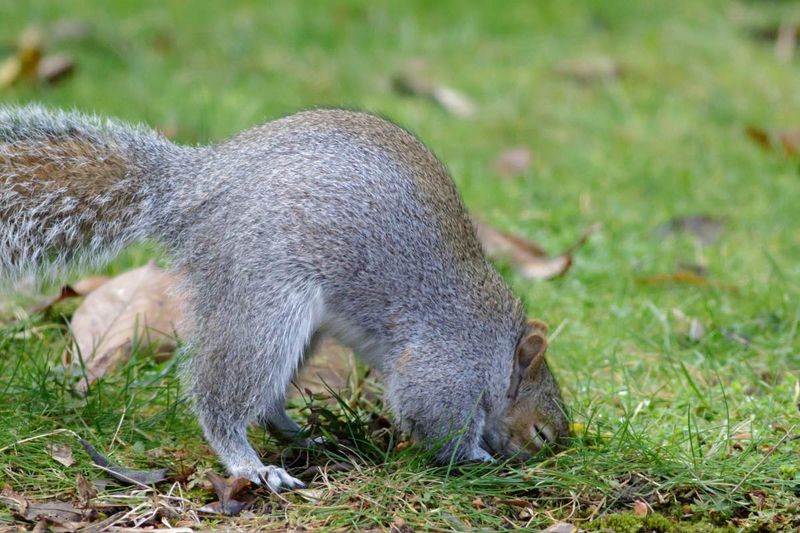
Cooler days send a signal to squirrels that winter is coming. Their instincts kick in, and they start gathering food fast.
During fall, food is everywhere. Acorns, walnuts, and seeds drop from trees all across Oregon neighborhoods.
Squirrels know these tasty treats will not last. Snow and rain make food hard to find later in the year.
So they spend hours collecting as much as they can. Each little trip helps them build a hidden supply for the cold season.
You might notice more squirrel activity in September and October. That is their busiest stretch for stocking up.
They do not eat everything right away. Instead, they save most of it for the months when food runs low.
This behavior is called caching, and it is a survival skill. Without it, many squirrels would struggle through winter.
Watching them dash around can be fun to observe. They move quickly, checking spots and testing the ground.
The busy digging you see is just part of their plan. It is nature’s way of preparing for lean times.
Understanding this helps you see the bigger picture. Those messy holes are actually a sign of a hardworking animal.
Fun fact: a single squirrel can hide thousands of food items in one autumn season alone.
2. They Dig Holes To Hide Nuts For Later
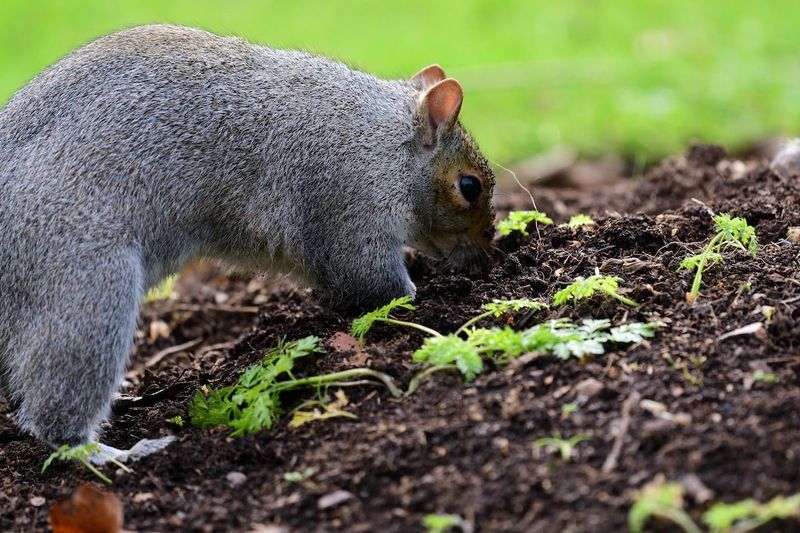
Burying food is a squirrel’s clever way of keeping it safe. A hidden nut is harder for other animals to steal.
Each hole becomes a tiny secret storage spot. Squirrels scatter their treasures across a wide area on purpose.
This trick is called scatter hoarding. By spreading food out, they lower the risk of losing it all at once.
If one hiding place gets raided, plenty of others remain. It is a smart backup plan built into their behavior.
They use their sharp claws to dig quick holes. Then they drop in a nut and cover it with soil and leaves.
Sometimes they even pretend to bury food. This fake move tricks nosy rivals who might be watching nearby.
The whole process takes just a few seconds. A squirrel can create dozens of little stashes in a single day.
Your Oregon Garden Changes Every Week. Your Plan Should Too.
Gardening in Oregon changes quickly throughout the season. Every Friday you’ll receive a simple weekly plan showing exactly what to plant, prune, fertilize, harvest, and protect so you never miss the right timing.
Your yard might hold many of these hidden caches. Each one is a small snack saved for a hungry winter day.
They rely on memory and smell to find them again. Their noses can sniff out buried food even under snow.
Seeing this in action is pretty amazing. It shows how much thought goes into their fall routine.
Next time you spot a fresh hole, know it holds a squirrel’s carefully hidden meal.
3. Freshly Turned Soil Makes Searching Easier
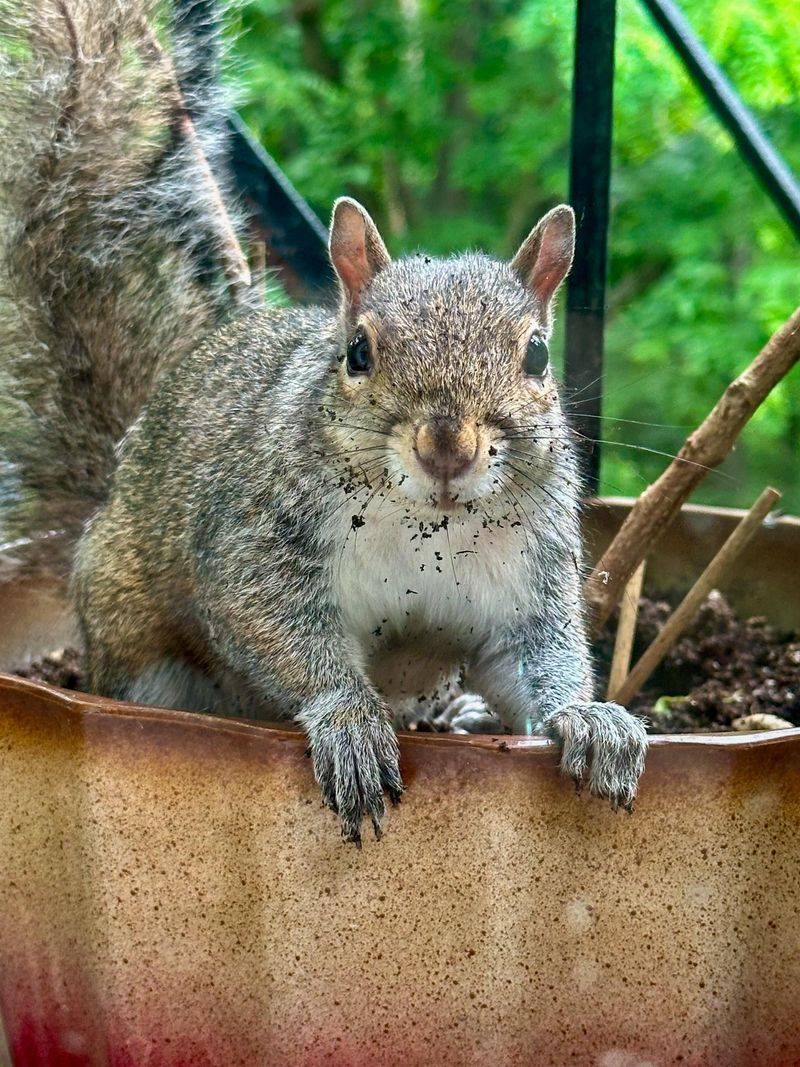
Soft, loose dirt is a squirrel’s best friend. Freshly turned soil is much easier to dig through than hard ground.
When you work in your garden, you loosen the earth. That makes it simple for squirrels to bury and find food.
They often visit spots where the soil has just been dug. The digging takes less effort, so they save energy.
Loose ground also smells stronger to their sensitive noses. This helps them sniff out spots they already used.
After a rainy Oregon day, the soil gets soft too. Squirrels take advantage of these easy digging conditions.
You might notice more activity right after planting. Your fresh beds practically invite them to start burrowing.
Their busy paws can undo your hard work quickly. A newly planted area can be dotted with holes overnight.
Knowing this helps you plan ahead. Covering fresh soil can keep those curious diggers away.
Firm, packed ground is less appealing to them. They prefer the quick and simple areas whenever possible.
It is not that they are trying to be pests. They just follow the path of least effort, like most animals do.
A little awareness goes a long way. Protecting your loose soil can spare you plenty of cleanup later.
4. Garden Beds Become Favorite Digging Spots
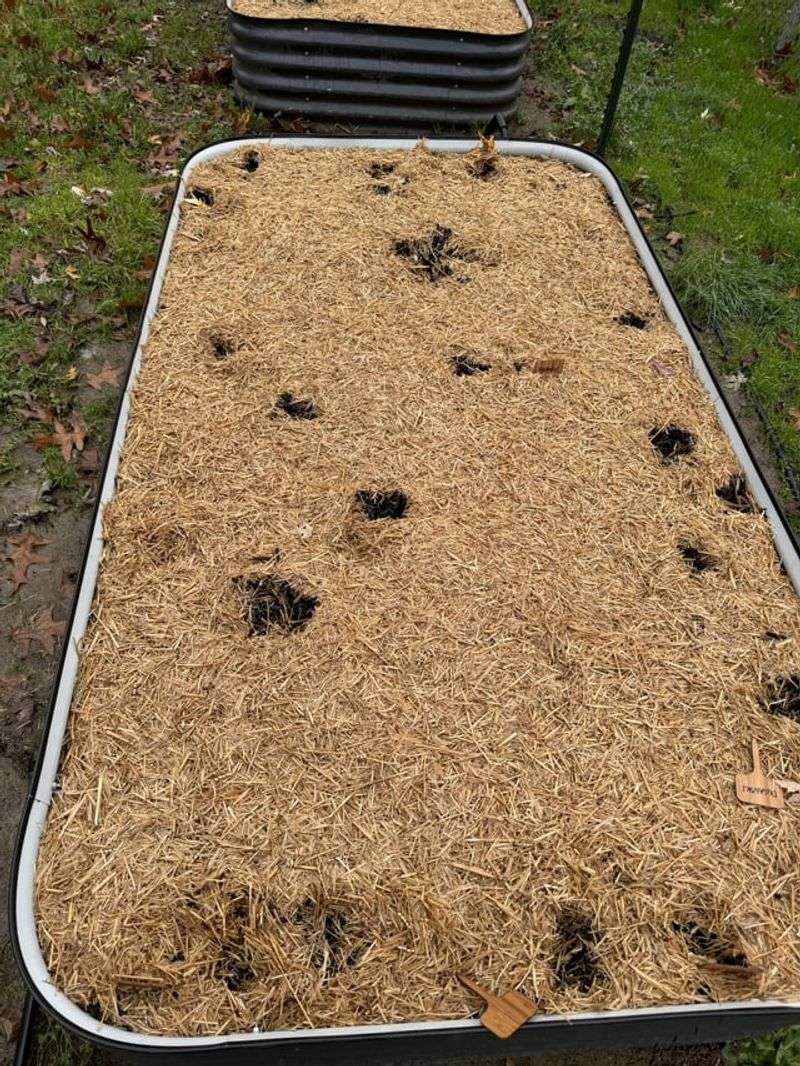
Of all the places squirrels love, garden beds top the list. The soft, rich soil there is perfect for digging.
Oregon gardeners keep their beds loose and healthy. That same care makes the ground a squirrel’s dream spot.
Raised beds are especially tempting. They stay soft, drain well, and are easy to poke around in.
Squirrels also find bonus treats in gardens. Seeds, bulbs, and roots make tasty finds during their digging.
You might spot little holes among your vegetables. Those are signs a squirrel stopped by for a snack or storage.
They sometimes knock over young plants by accident. A curious squirrel can leave a bed looking messy fast.
The warm, worked soil holds moisture too. That keeps buried food fresh and easy for them to locate later.
If your beds sit near trees, expect more visitors. Squirrels like to hide food close to their nesting areas.
Simple tricks can help protect your plants. Netting or wire covers make beds less inviting to diggers.
It helps to think like a squirrel. If a spot is soft and hidden, they will likely check it out.
Your garden bed is basically a five-star squirrel restaurant. A few smart barriers keep the peace between you and them.
5. Mulch Can Make Hidden Food Easier To Cover
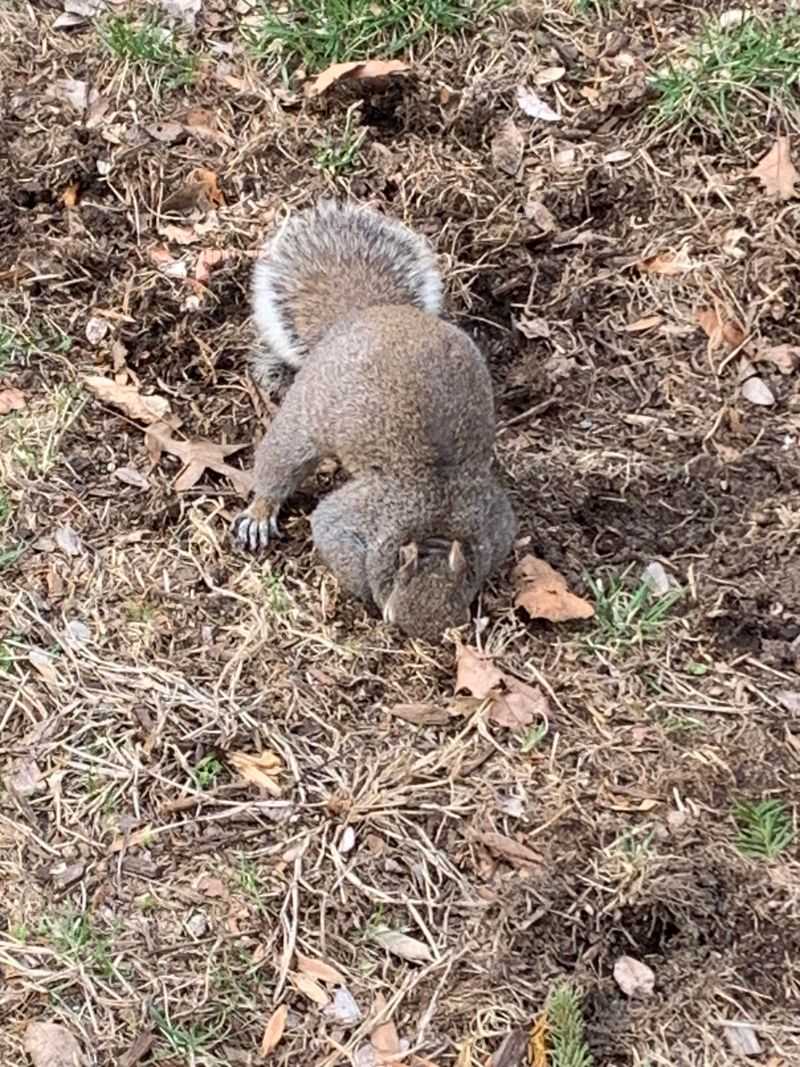
Mulch does more than protect your plants. For squirrels, it is a handy cover-up tool for their buried snacks.
Loose mulch is light and easy to move. A squirrel can push it aside, hide food, and cover it back up fast.
Bark chips and straw work perfectly for them. The soft layer hides their caches from prying eyes.
They can bury food without leaving obvious holes. The mulch settles back, making the spot look untouched.
This makes their storage even more secret. Other animals have a harder time spotting the hidden treats.
You might see mulch scattered around after a visit. Little messy patches are clues that a squirrel was busy.
In Oregon, gardeners use mulch to hold moisture. That same dampness keeps squirrel food fresh underneath.
The cozy layer also masks the smell of food. This adds another layer of protection for their winter supply.
If you want fewer visitors, try heavier mulch. Larger stones or rougher materials are harder to dig through.
Still, a little digging is normal and harmless. Squirrels are just using the tools your garden provides.
Understanding their tricks makes it easier to garden peacefully. A few adjustments can keep both you and the squirrels happy.
6. Squirrels May Forget Some Of Their Buried Seeds
Even the smartest squirrels have a funny flaw. They do not always remember where they hid every snack.
With thousands of caches, some are bound to slip their minds. Those forgotten spots stay buried in the ground.
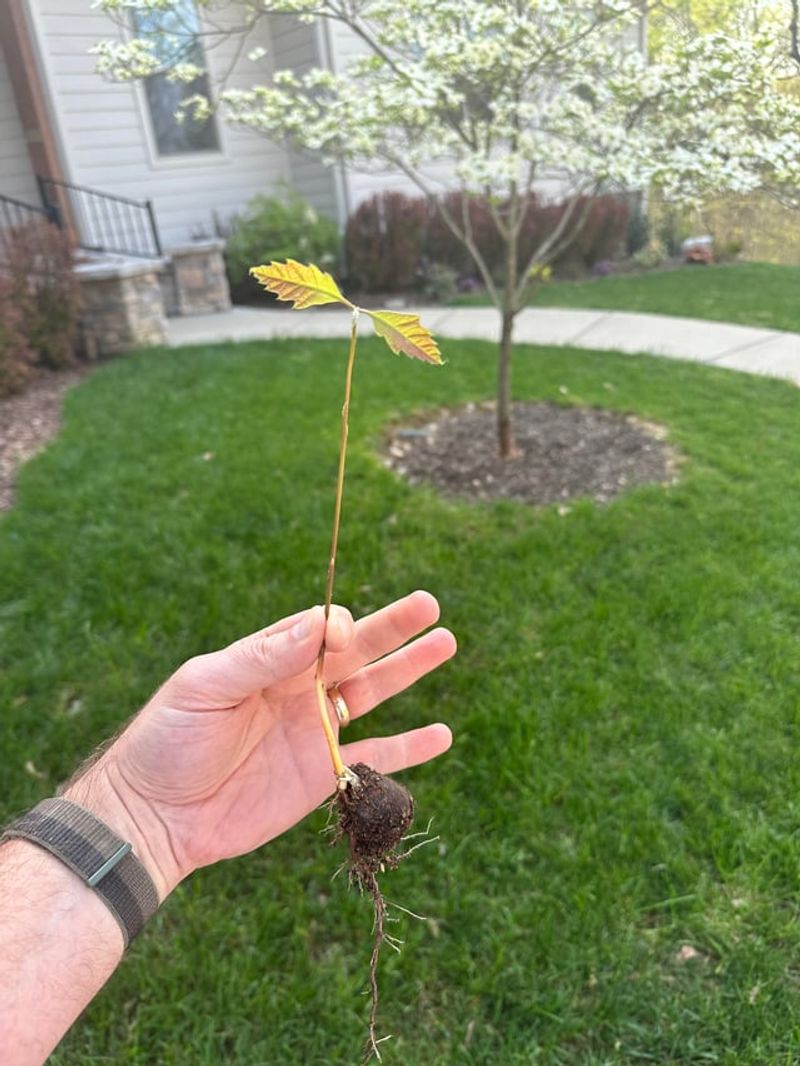
This happy accident helps nature in a big way. Forgotten nuts and seeds often grow into brand-new plants.
Many oak trees start this exact way. A squirrel buries an acorn, forgets it, and a seedling appears in spring.
So squirrels are actually tiny gardeners. Their messy habits help forests and yards fill with fresh greenery.
You might find surprise sprouts in odd places. A little seedling in your flower bed could be a squirrel’s gift.
They rely on memory, smell, and landmarks to find food. But with so many hiding spots, mistakes happen often.
Weather can also erase their clues. Rain and fallen leaves cover the signs they left behind.
Scientists say this forgetfulness shapes whole forests. Squirrels plant countless trees without even trying.
It is a sweet reminder that nature works together. One animal’s mistake becomes another plant’s chance to grow.
Next Oregon spring, watch for unexpected sprouts. They might be living proof of a squirrel’s forgotten autumn stash.
7. New Bulbs And Plants Can Become Targets
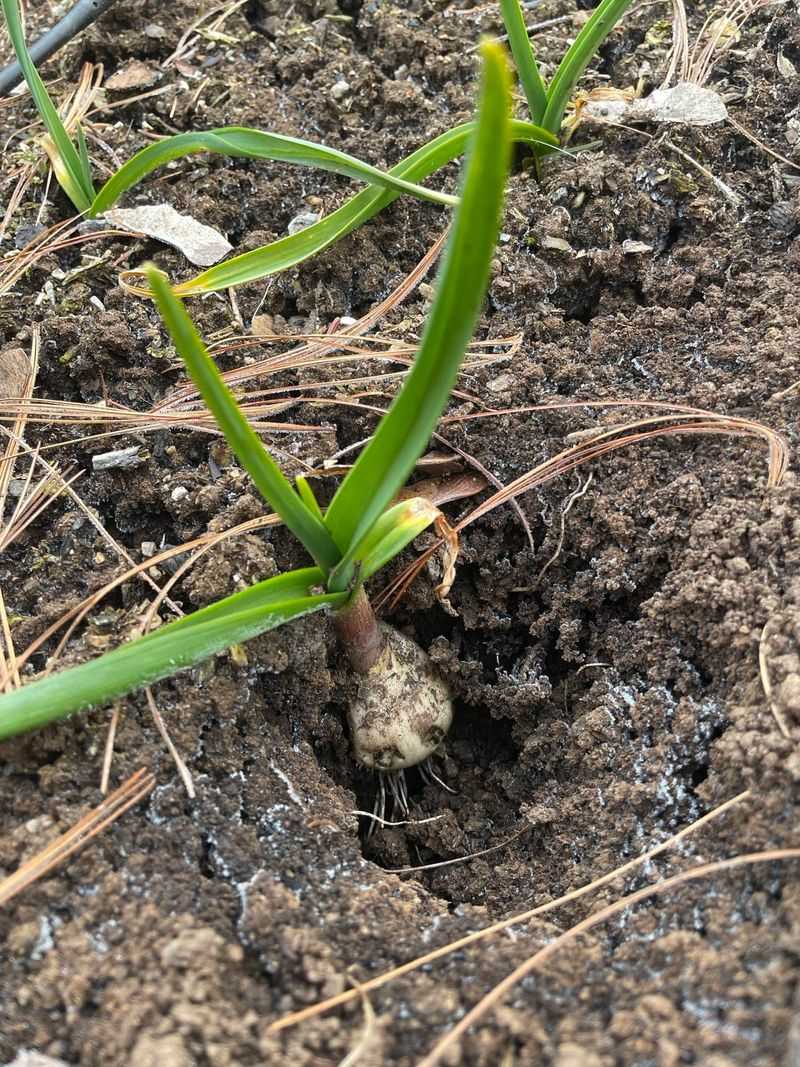
Fresh bulbs are like buried treasure to squirrels. They love to dig them up and munch on the tasty insides.
Tulip and crocus bulbs are top favorites. Their soft, sweet layers make an easy autumn meal.
Right after you plant, the soil stays loose. That soft ground tells squirrels a snack might be waiting below.
They often follow the scent of newly dug earth. A freshly planted bulb bed is nearly impossible to resist.
You might find bulbs missing the next morning. Little holes and scattered dirt reveal what happened overnight.
Young plants can also get uprooted. A squirrel searching for food may toss aside your tender seedlings.
Not every bulb interests them, though. Daffodils have a bitter taste, so squirrels usually leave those alone.
Planting bitter bulbs can protect sweeter ones. Mixing them together confuses hungry visitors.
Timing your planting helps too. Waiting until the soil settles makes it less obvious to curious diggers.
It helps to know which plants they crave. That way, you can guard your favorites and plan smarter.
A little strategy keeps your garden blooming. With the right choices, your bulbs can survive the fall squirrel rush.
8. Protective Barriers Can Save Fall Plantings
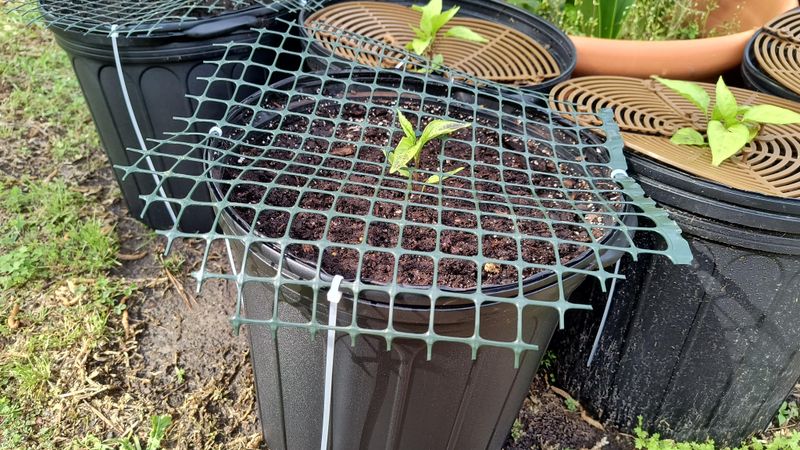
A simple barrier can be a Oregon garden’s best defense. Blocking squirrels from soft soil keeps your plants safe.
Chicken wire works wonders over new beds. Laid flat, it lets plants grow while stopping digging paws.
You can also use netting or mesh. These covers make it much harder for squirrels to reach the ground below.
Placing rocks over bulbs helps too. The heavy stones block digging without hurting your plants.
Some gardeners add hardware cloth in trenches. This underground wall stops squirrels from tunneling toward roots.
Scent tricks can also work well. Sprinkling cayenne pepper or coffee grounds may keep curious noses away.
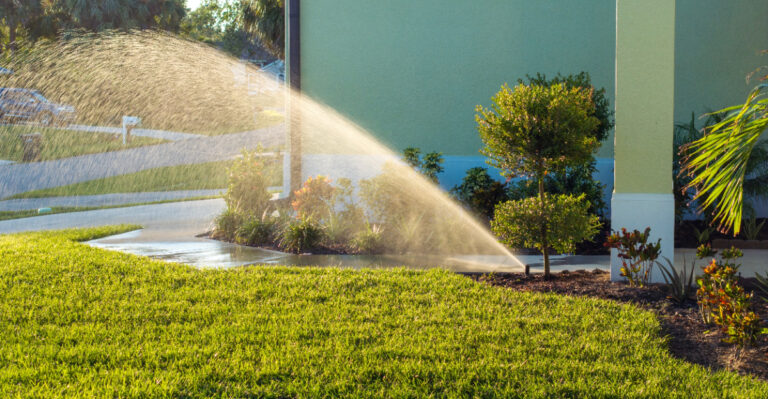
Motion sprinklers surprise visitors with water. The sudden spray teaches squirrels to look elsewhere for snacks.
Barriers do not harm the animals at all. They simply guide squirrels away from your prized plantings.
Combining a few methods gives the best results. A mix of wire, scent, and smart planting is very effective.
Check your covers now and then. Squirrels are clever and may test the edges for weak spots.
With a little planning, your fall garden can thrive. Protective steps let you enjoy both your plants and the playful squirrels.