This September Step Can Help Georgia Azaleas Bloom Better Next Spring
Spring flowers may be months away, but your azaleas are carrying the promise of next year’s display. September is when one habit can make a meaningful difference.
The important part is remembering that these shrubs are not finished working just because their main flowering season has passed.
By now, many azaleas have already formed buds for spring, so fall care should protect that progress rather than disrupt it. Georgia’s September weather can still put plants under stress.
That makes steady care more useful than pushing fresh growth at the wrong time.
Look at what your azaleas need now, then adjust your routine as the season changes. Small choices can support those developing buds.
Give them the right attention this September, and spring may bring the fuller display you hoped for.
1. Next Spring’s Flowers Are Already Taking Shape
Those blooms you are hoping for in April are not a spring project. They start forming while Georgia yards are still muggy and mosquito-filled in late summer.
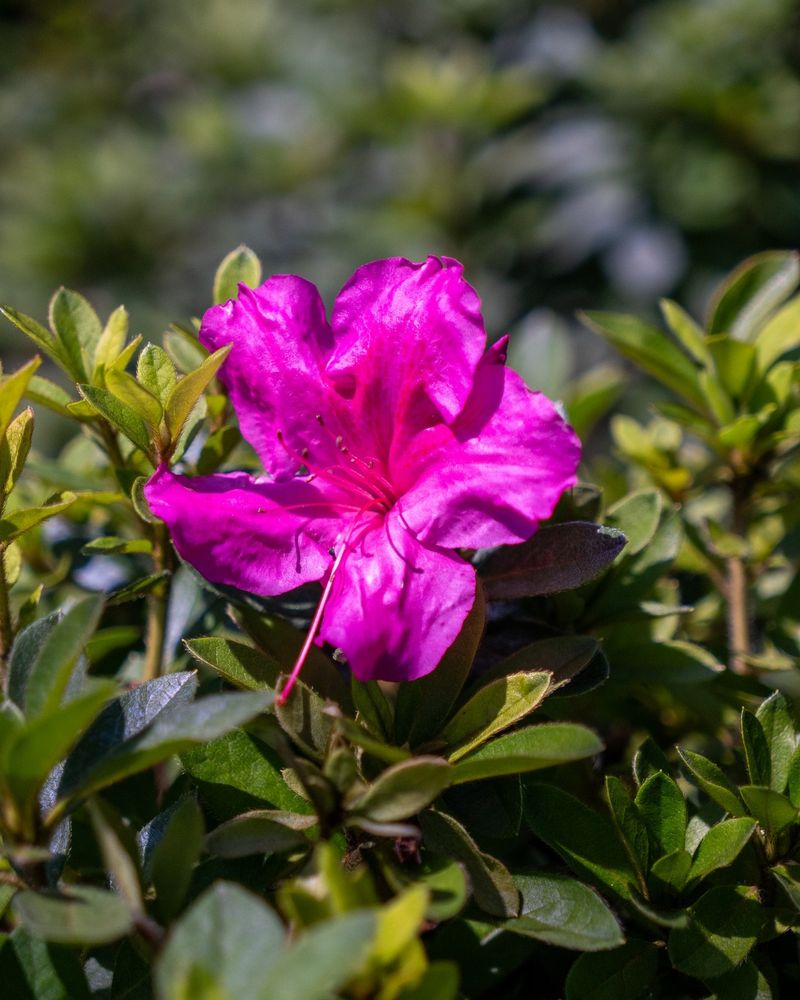
Azaleas set their flower buds on wood that grew earlier in the season. Once those buds form, the plant carries them through fall and winter before opening them in spring.
That means September care shows up months later, not right away.
Gardeners often judge azaleas by how they look at the moment. A shrub can look perfectly fine in September and still be shortchanging next year’s flowers.
Nothing dramatic happens above ground, which is exactly why the step gets skipped.
Think of it as paying ahead. Whatever the plant stores now becomes the fuel for spring color.
If you look closely at branch tips in late summer, you can sometimes spot small rounded buds already sitting there. They feel firm and tight compared to leaf buds.
Once you know they are there, watering habits start to feel more important.
Weather, soil type, and sun exposure all influence how many buds a shrub sets. Two azaleas in the same neighborhood can perform differently for those reasons alone.
Still, giving buds a calm, well-watered start rarely works against you.
2. Azaleas Form Their Flower Buds Long Before Spring
Bud set happens in summer, not in the weeks before bloom. That single fact changes how you should think about azalea care.
After spring flowering finishes, azaleas push new shoots. Those shoots mature over summer and become the wood that carries next year’s flower buds.
By September, most of that work is finished or close to it.
Pruning too late is one common way gardeners lose flowers without realizing it. Cutting an azalea back in fall removes the very branch tips holding developing buds.
Across Georgia, the safer window for shaping azaleas falls shortly after the blooms fade in spring.
Bud development is not a single moment either. Buds continue to firm up and mature as fall progresses.
A plant under stress during that stretch may drop some buds or produce smaller flowers.
Fertilizer is not the answer at this point. Heavy feeding late in the season can push tender growth that struggles once cold weather arrives.
Your Georgia Garden Changes Every Week. Your Plan Should Too.
Gardening in Georgia changes quickly throughout the season. Every Friday you’ll receive a simple weekly plan showing exactly what to plant, prune, fertilize, harvest, and protect so you never miss the right timing.
Water and stable soil conditions do more good than a bag of plant food in September.
The takeaway is fairly plain. Buds are already on the plant, so your job is protecting them rather than trying to create more.
Treat the shrub gently through fall and let those buds finish forming on their own schedule.
3. September Dry Spells Can Put Those Buds Under Stress
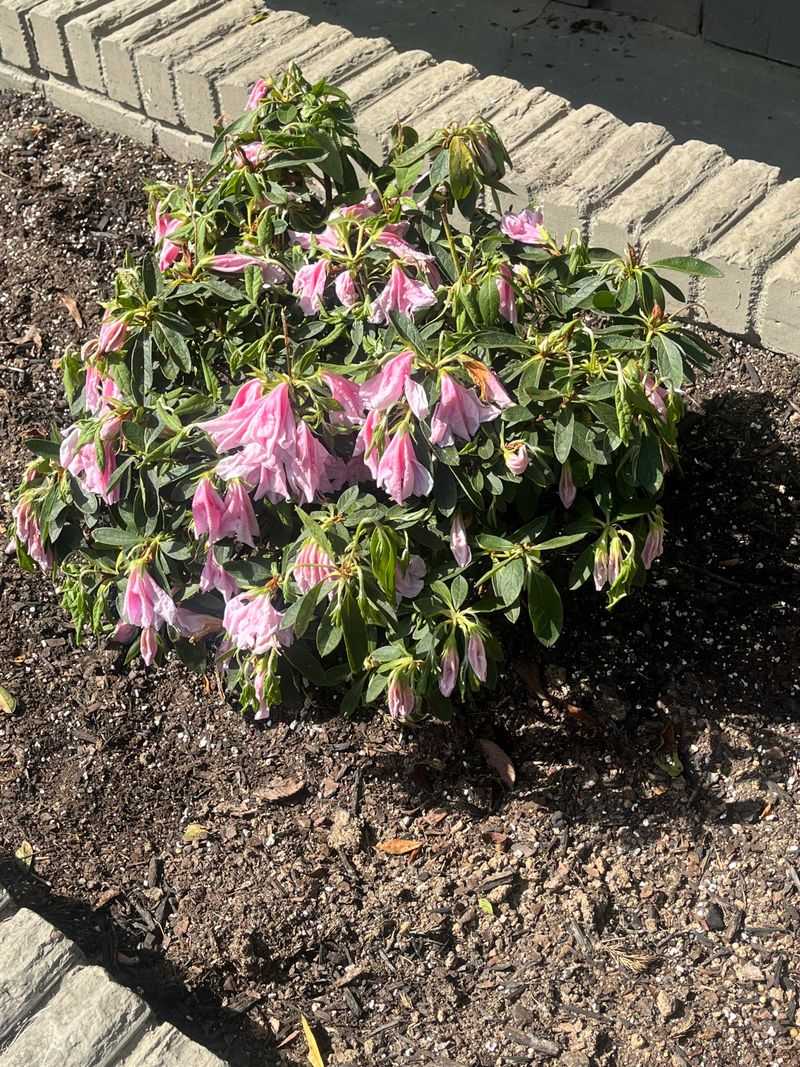
Late summer here can be deceiving. Afternoon clouds roll through, a few drops fall, and the ground stays bone dry underneath.
September in much of Georgia brings warm temperatures with unreliable rainfall. Shallow-rooted shrubs feel that combination quickly.
Azalea roots sit close to the surface, usually in the top several inches of soil.
When that layer dries out, the plant starts making choices. Survival comes first, and developing flower buds are lower on the priority list.
Leaves may curl slightly or take on a dull, grayish look during hot afternoons.
Some wilting in extreme heat is normal and recovers by evening. Wilting that lingers into the next morning suggests the soil itself has gone dry.
Container azaleas dry out even faster than ones planted in beds. Pots can need water every day or two during a hot stretch.
Plants growing under mature trees also compete with hungry tree roots for whatever moisture exists.
Sunny western exposures tend to struggle more than shaded spots.
None of this means a dry September ruins your spring display. Established shrubs are tougher than they look and often bounce back fine.
Repeated stress, though, tends to reduce bloom quality over time. Watching the soil rather than the calendar helps you catch problems early.
4. Consistent Watering Is The Step That Matters Now
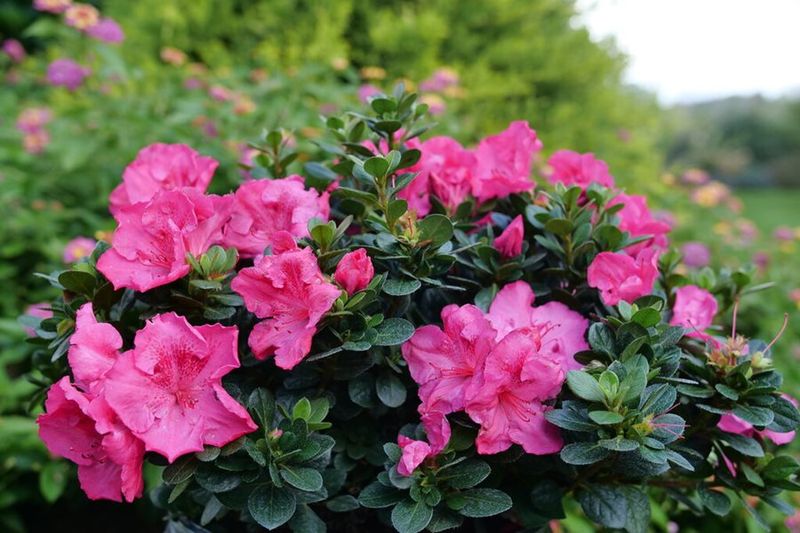
One habit beats a dozen products. Water your azaleas on a regular schedule through September and early fall.
Consistency matters more than volume. A shrub that swings between soaked and parched will struggle more than one kept evenly moist.
Aim for deep watering once or twice a week when rain does not show up.
Check the soil before you turn on the hose. Push a finger two or three inches down near the root zone and feel for moisture.
Damp soil means wait a day. Dry, crumbly soil means it is time.
Morning watering works well in Georgia yards because leaves dry before evening. Damp foliage overnight can encourage leaf spot issues on some plants.
Rainfall counts, but measure it honestly. A rain gauge tells you far more than a memory of a passing shower.
Half an inch of rain barely wets the mulch layer.
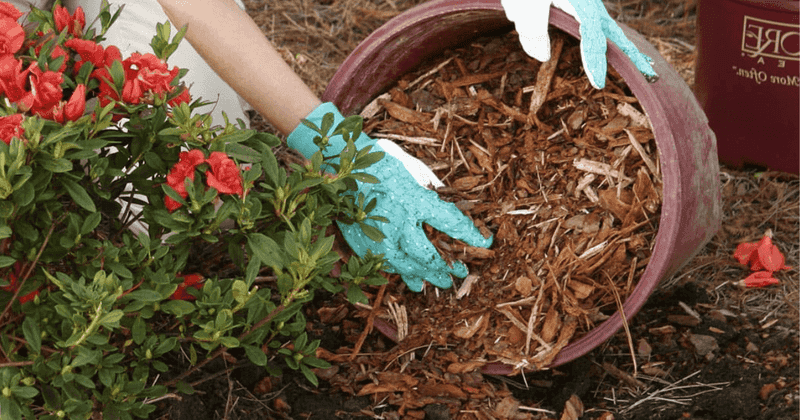
Mulch helps stretch every watering. Two or three inches of pine straw or shredded bark slows evaporation and keeps soil temperatures steadier.
Keep mulch pulled back an inch or two from the main stems.
Continue watering into October and even November if fall stays dry. Roots keep working long after the air turns cool, and buds are still on board waiting for spring.
5. Slow Soaking Helps Water Reach The Root Zone
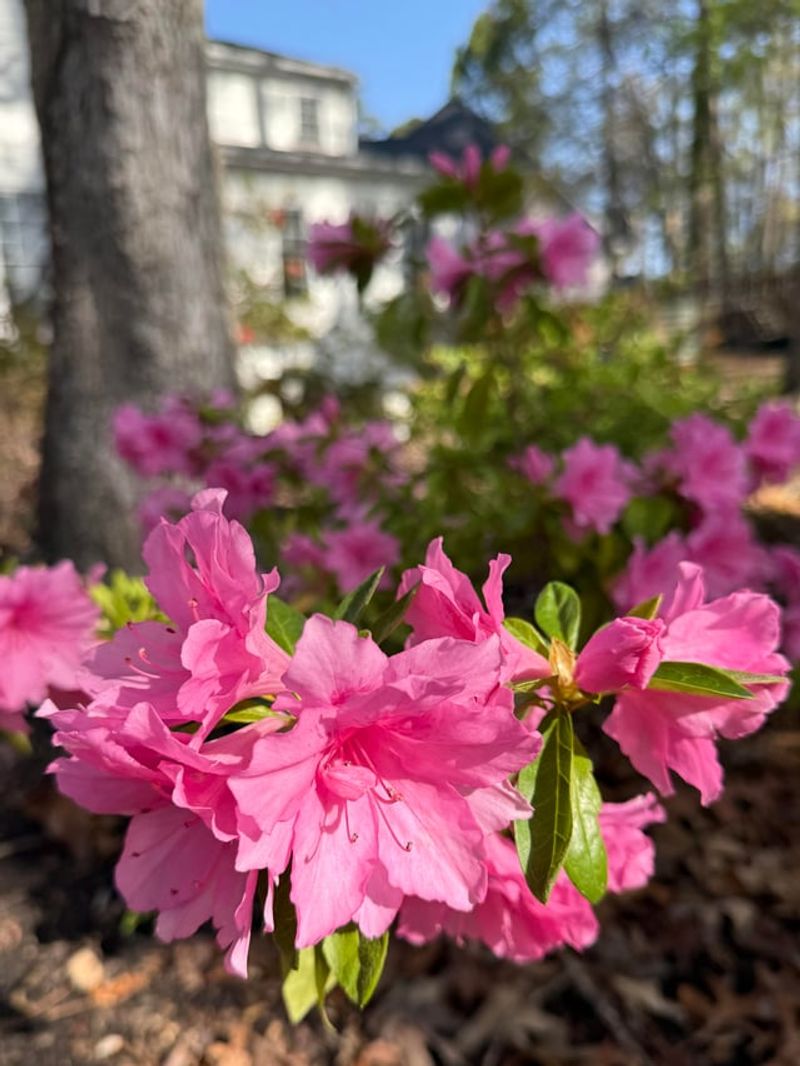
Fast water runs off. Slow water soaks in, and azaleas care about the difference.
Georgia clay soils absorb moisture at a frustratingly slow pace. Blast a hose at full pressure and most of it sheets across the surface instead of sinking in.
A slow trickle for fifteen or twenty minutes does far more good.
Soaker hoses and drip lines make this easy. Lay them along the bed, turn the water low, and let gravity do the work.
Sprinklers can work too, though they waste more to evaporation on hot afternoons.
The goal is moisture reaching six to eight inches deep across the whole root spread. Azalea roots extend outward, often wider than the branches above.
Water the entire bed rather than just the trunk area.
A simple test tells you if it worked. Dig a small hole after watering and see how far down the dampness goes.
Sandy soils in some parts of the state drain quickly and may need shorter, more frequent sessions. Heavy clay holds water longer between waterings.
Sloped beds present another challenge. Build a shallow basin or use a mulch ring to keep water from sliding downhill.
Once you find a timing that works for your soil, the routine becomes almost automatic.
6. Too Much Water Can Create Problems Of Its Own
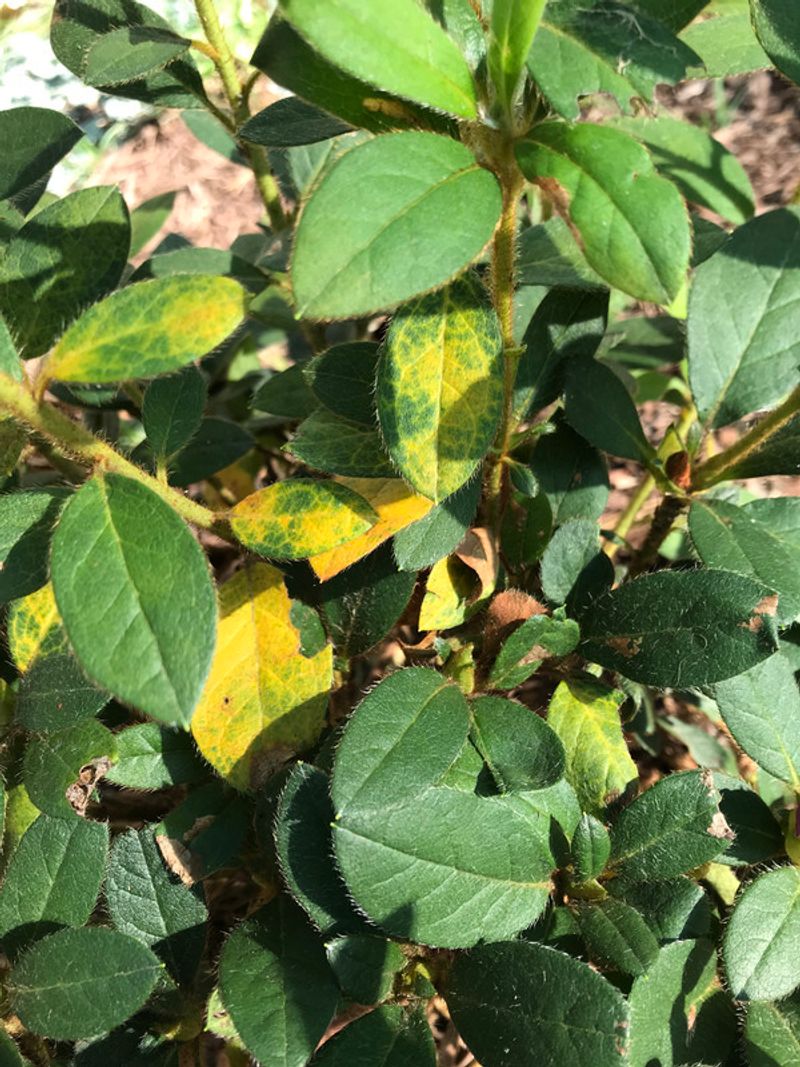
Overwatering causes just as much trouble as drought. Azaleas want moist soil, not wet feet.
Roots need air pockets in the soil to function. Waterlogged ground pushes that air out and roots begin to fail.
Root rot problems show up more often in poorly drained clay than in sandy ground.
Warning signs include yellowing leaves, a general droop despite wet soil, and mushy stems near the base. Confusing this with drought stress is easy, so always check the soil first.
If the ground is soggy and the plant looks unhappy, adding more water makes things worse.
Drainage deserves attention before watering habits. Azaleas planted in low spots or heavy Georgia clay may sit in water after every storm.
Raised beds or amended planting holes help considerably in those situations.
Skip watering after real rain events. Tropical systems and heavy downpours can dump several inches at once, and the soil needs time to drain.
Automatic irrigation timers cause plenty of overwatering. Adjust or pause them when the weather changes.
Container azaleas need drainage holes that actually work. Check that saucers are not holding standing water underneath the pot.
Balance is the whole idea here. Damp like a wrung-out sponge is the target, not muddy and not dust.
7. Steady Moisture Now Supports The Show Coming Next Spring
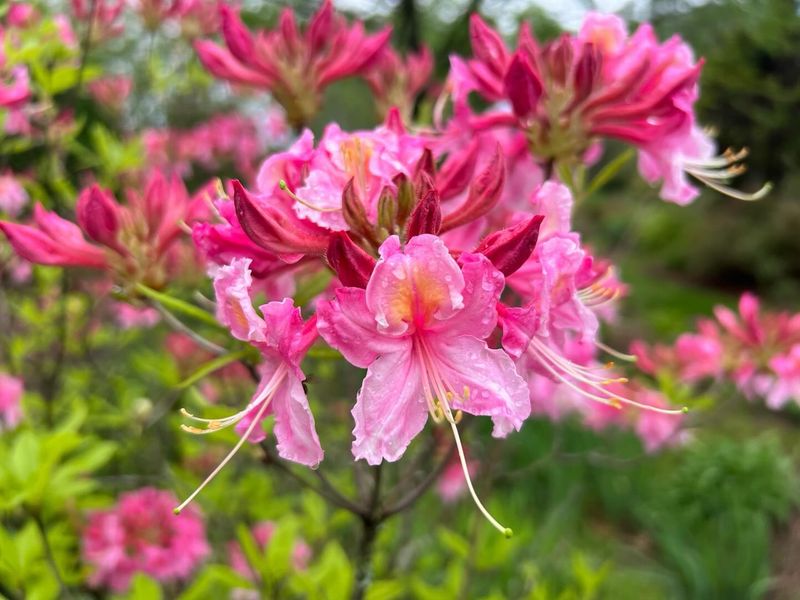
Spring color starts with a boring September routine. Not glamorous, but it works.
Azaleas that head into winter well hydrated tend to hold their buds better. Roots keep growing during cool months, and moist soil supports that quiet activity.
Fall watering also reduces winter injury risk, since dry roots handle cold snaps poorly.
Expect results to vary. Soil type, plant age, sun exposure, and last winter’s weather all play a part in how heavily an azalea flowers.
Older, well-established shrubs generally handle dry spells better than ones planted last year.
Newly planted azaleas across Georgia need the most attention through their first couple of seasons. Their root systems are still small and cannot reach far for moisture.
Keep watering those until the ground freezes or steady rains return.
Refresh mulch in fall to hold moisture through winter. A modest layer of pine straw does the job without smothering the roots.
Hold off on pruning and heavy feeding until after bloom time next spring.
Then simply wait. When April arrives and the shrubs open up, the difference between a stressed plant and a well-tended one usually shows.
Consistent care never guarantees a perfect display, but it stacks the odds in your favor year after year.