The Underrated Fertilizer North Carolina Gardeners Are Using On Fall Collards
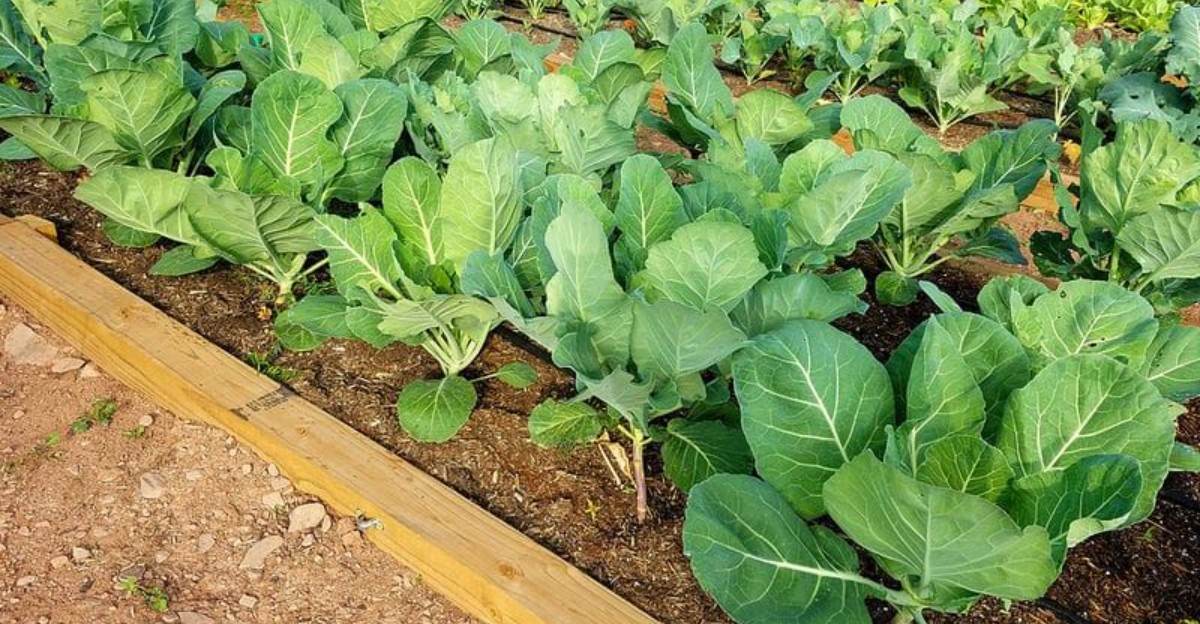
Most North Carolina gardeners reach for the same all-purpose fertilizer out of habit, never questioning whether it’s actually the best fit for what’s growing.
Collards, though, respond especially well to a different nutrient balance, one that pushes fast, tender leaf growth instead of encouraging the plant toward early flowering.
This option rarely gets marketed the way flashier garden products do, which is probably why so few gardeners think to reach for it.
Yet growers who’ve made the switch are seeing noticeably fuller, darker rows of collards by the time harvest rolls around. It might be time to rethink what’s going into that fall collard bed.
1. Composted Poultry Manure Gives Collards A Nitrogen Boost
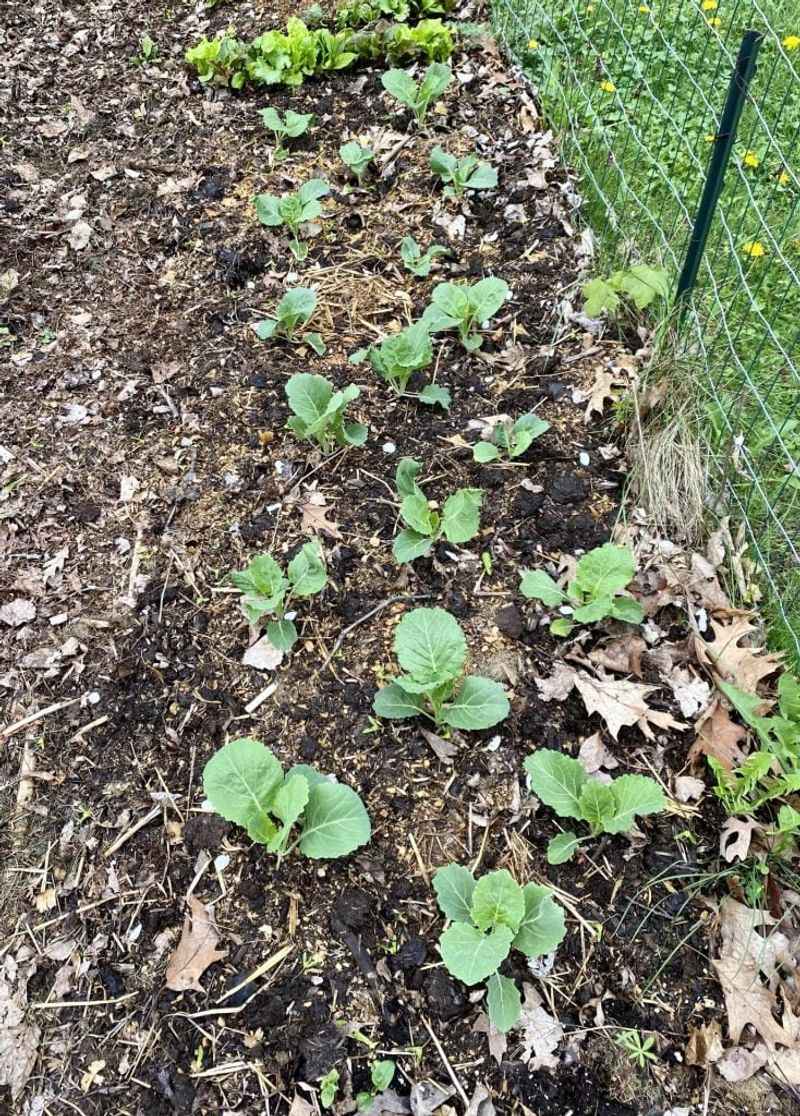
Ask any longtime North Carolina grower about their secret, and composted poultry manure often comes up first.
Chickens produce waste that is loaded with nitrogen, and once that material breaks down properly, it turns into gardening gold. Collards love this steady supply of nutrients.
The magic comes from the balance it offers. Composted poultry manure holds more nitrogen than most other animal-based amendments, and that nutrient is exactly what leafy crops need to grow fast.
On top of that, it adds organic matter that feeds the tiny helpers living in your soil. Fall collards go through a lot as temperatures drop.
They need enough energy to push out new leaves week after week, and a rich compost keeps that engine running. Instead of one quick burst, the nutrients release slowly, so your plants stay fed for weeks.
Applying it is easy. Spread a couple of inches over the bed before planting, then work it into the top layer of soil. Your collards get a warm welcome and a full pantry from day one.
Because it comes fully composted, you skip the strong smell and the burning risk that raw waste can bring. That makes it a friendly choice even for small backyard plots.
Gardeners who switch to this method often notice darker, thicker leaves and stronger stems. Once you see the difference, you may never go back to plain store-bought pellets again. It is proof that simple, natural feeding still works wonders.
2. Collards Need Nitrogen To Build Big Leaves
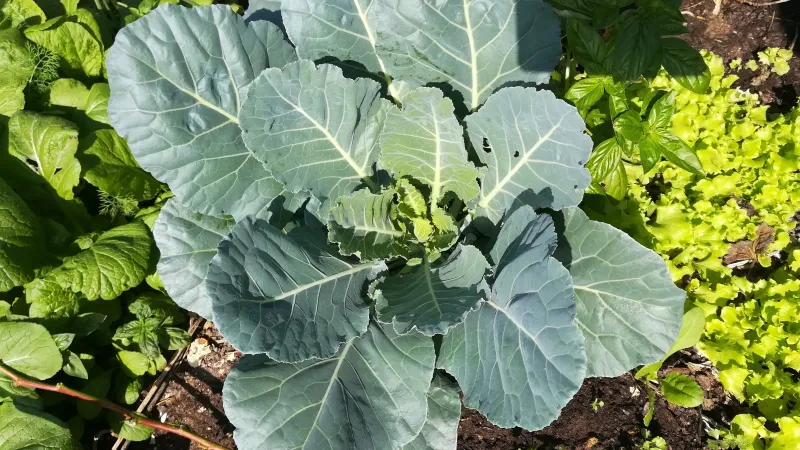
Big, beautiful collard leaves do not happen by accident. Nitrogen is the fuel behind all that green growth, and leafy vegetables burn through it faster than almost any other crop. Without enough, your plants simply stall out.
Think of nitrogen as the main ingredient in leaf building. It helps plants create chlorophyll, the stuff that makes leaves green and turns sunlight into food. More chlorophyll means more energy, and more energy means bigger harvests for your table.
When collards run low on nitrogen, the signs show up quickly. Older leaves fade to a pale yellow-green, growth slows to a crawl, and the whole plant looks tired. Harvests shrink, and the leaves you do pick may feel thin and papery.
Fall is a tricky season because cooler soil slows how fast plants pull nutrients from the ground. That is why a rich, nitrogen-friendly amendment like composted manure works so well. It keeps a ready supply nearby even when the weather turns chilly.
Your North Carolina Garden Changes Every Week. Your Plan Should Too.
Gardening in North Carolina changes quickly throughout the season. Every Friday you’ll receive a simple weekly plan showing exactly what to plant, prune, fertilize, harvest, and protect so you never miss the right timing.
You do not need to drown your bed in fertilizer to get results. Steady, moderate feeding beats a single heavy dose every time.
Collards respond best when nitrogen stays available across the whole growing stretch. Keep an eye on leaf color as your best clue.
Deep, glossy green usually means your plants are happy and well fed. If things start looking pale, a light boost of compost or a gentle side-dressing can bring them right back. Feed the leaves, and the leaves will feed you.
3. Compost Improves More Than Fertility
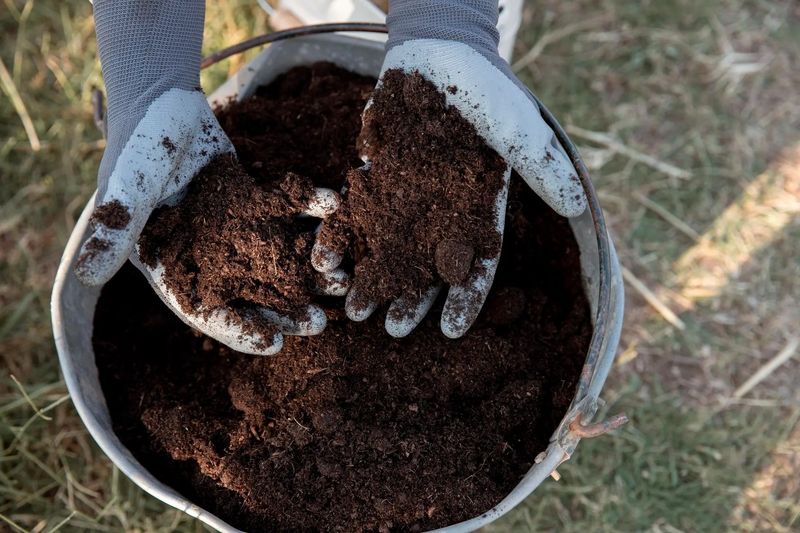
Feeding your plants is only half the story. Finished compost does something extra special that bagged fertilizer cannot match, and that hidden benefit shows up in your soil for months. It builds a better home for your collards.
Good compost loosens tight, heavy dirt so roots can spread out and breathe. In sandy soil, it works the opposite way by helping the ground hold on to water. Either way, your plants win.
Moisture is a huge deal for fall crops. When compost mixes into the soil, it acts like a sponge, holding water close to the roots between rains. That means fewer dry spells and less stress for your growing collards.
There is a whole living world inside healthy soil too. Compost feeds beneficial microbes, earthworms, and fungi that break down nutrients and pass them along to plant roots. A busy underground crew keeps everything running smoothly.
Compost releases nutrients gradually and improves the soil, though collards may still need additional nitrogen depending on soil fertility. That balance leads to sturdy, even growth you can count on.
Adding compost each season also builds up your garden over time. Every batch makes the soil a little darker, richer, and easier to work with. You are basically investing in future harvests.
So while you might reach for compost to feed your plants, remember it is quietly upgrading everything below the surface. Better soil, better roots, and better collards all start with that crumbly brown material. It truly does double duty.
4. Timing Matters More Than Using More Fertilizer
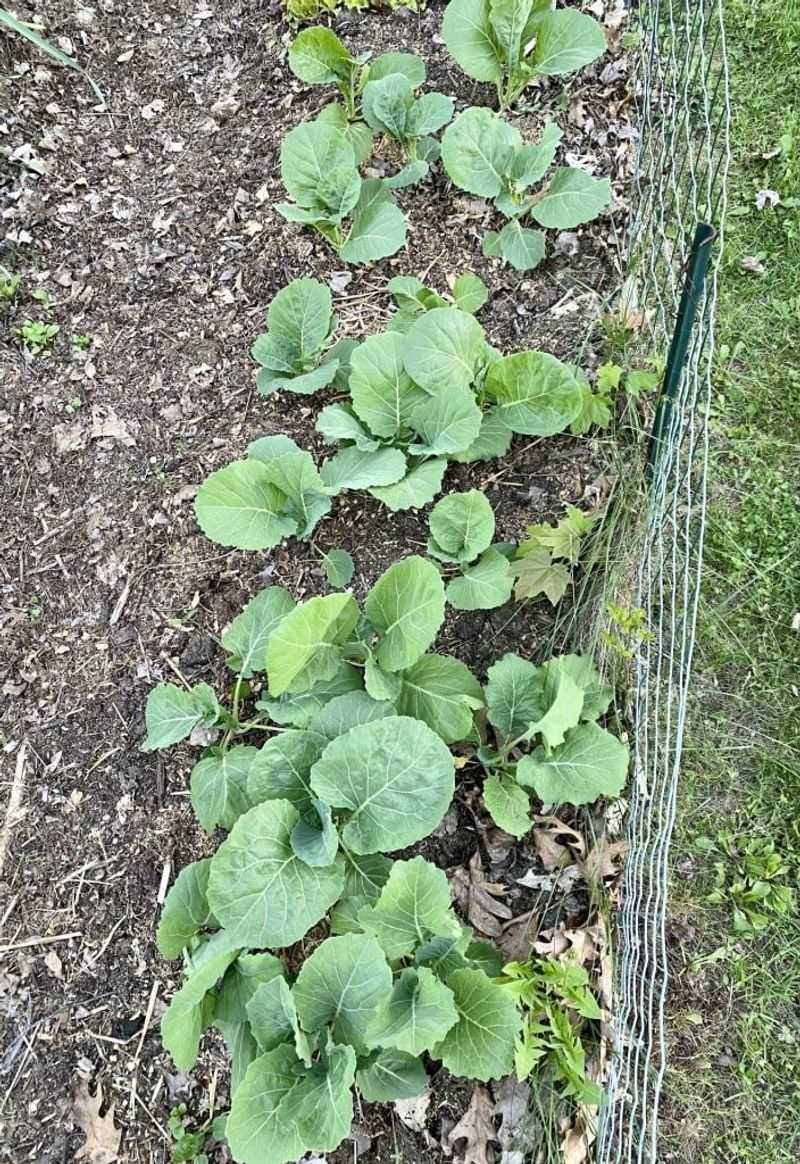
More is not always better when it comes to feeding collards. The real trick is knowing when to add nutrients, not just how much. Great timing beats a heavy hand every single time.
Young collards have different needs than mature ones. A gentle boost when they are settling in helps them build strong roots, while a well-timed feeding during rapid leaf growth pushes out those large, tender leaves everyone wants. Match the food to the stage.
Piling on extra fertilizer might sound like a shortcut to giant plants, but it usually backfires. Too much nitrogen causes fast, floppy growth that looks lush yet stays weak. Those soft leaves attract pests and struggle when cold weather rolls in.
Overfeeding can also waste your money and harm the environment. Extra nutrients that plants cannot use often wash away with rain and end up in local waterways. Feeding smart keeps both your garden and your community healthier.
A good rhythm works better than one big dump. Try mixing compost into the bed at planting, then adding a light feeding a few weeks later once the plants take off. Small, steady meals give the best results.
Watch your plants for cues. Steady green growth means you are on track, while sudden bursts of soft, pale leaves may mean you went too far. Your collards will tell you what they need.
Patience pays off in the garden. Feed at the right moments, and your collards will reward you with strong stems and leaves that hold up beautifully.
5. Soil Testing Prevents Guesswork
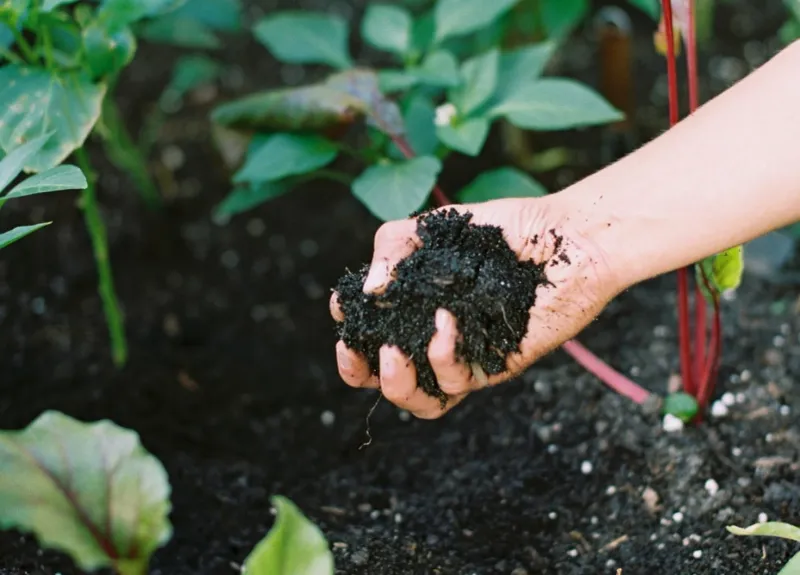
Guessing what your garden needs is a bit like cooking without tasting the food. You might get lucky, but a simple soil test takes all the mystery out of it. North Carolina gardeners have a real advantage here.
The state offers soil testing through its agriculture department, and it is affordable and easy to use. You collect a small sample, mail it in, and get a report showing your nutrient levels and pH. That report becomes your feeding roadmap.
Knowing your starting point saves both money and effort. If your soil test shows adequate levels of the nutrients it measures, you can avoid adding amendments you do not need and follow crop recommendations for nitrogen.
If it runs short, you know exactly where to focus. Collards prefer a soil pH somewhere around six to six and a half.
When the pH drifts too high or too low, plants struggle to absorb nutrients even if plenty are present. A test reveals whether you need to adjust with lime or another amendment.
Fall is a smart time to check, since you can prepare beds before planting. Making changes early gives amendments time to work into the soil and settle in. That head start pays off all season.
Testing every couple of years keeps you tuned in to how your garden changes over time. Soil shifts as you add compost, harvest crops, and water through the seasons. Staying informed keeps your collards thriving.
Instead of throwing fertilizer at a problem, you will treat the real cause. That kind of precision turns an average garden into a great one.
6. Side-Dressing Helps Feed Growing Collards
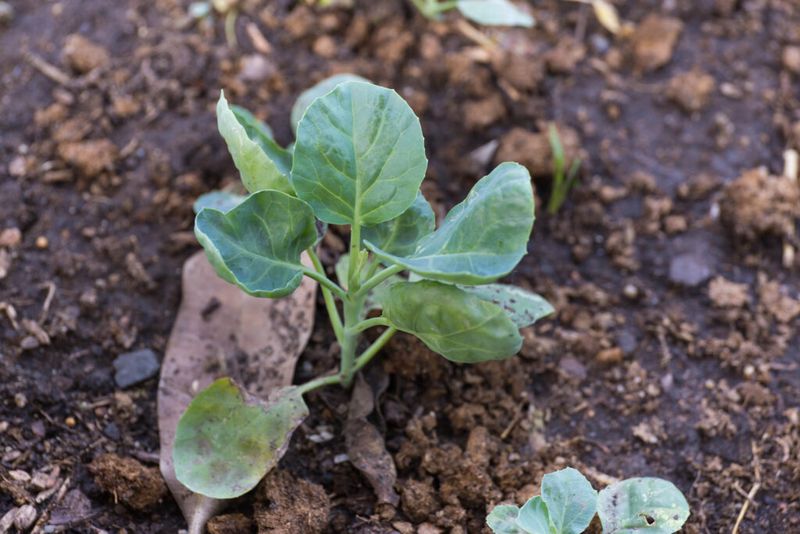
Once your collards are up and growing strong, they get hungry all over again. That is where side-dressing comes in, a simple technique that keeps plants fed during their busiest stretch. It is easier than it sounds.
The idea is to place fertilizer or compost in a shallow band a few inches away from the base of each plant. You avoid piling it right against the stems, which can cause burning or rot. A little distance keeps everything safe.
Timing this boost matters. Most gardeners side-dress a few weeks after planting, right when collards shift into fast leaf production. The extra nutrients land exactly when the plants can use them most.
Roots naturally reach outward as plants grow, so nutrients placed nearby get picked up quickly. You are basically setting the table where your collards will soon be dining. It is a smart way to deliver a targeted meal.
After spreading your material, gently scratch it into the top layer of soil and water it in. Moisture helps carry the nutrients down toward the roots where they belong. This small step makes a big difference.
Side-dressing works well with composted manure, since its slow release matches the steady needs of leafy greens. You get a gentle push rather than a harsh jolt. Your plants respond with fuller, greener growth.
Repeat lightly if your collards keep producing into late fall. A midseason feeding often means the difference between a decent harvest and a truly generous one. Your patience and care shine through in every leaf.
7. Moisture Helps Plants Use Nutrients
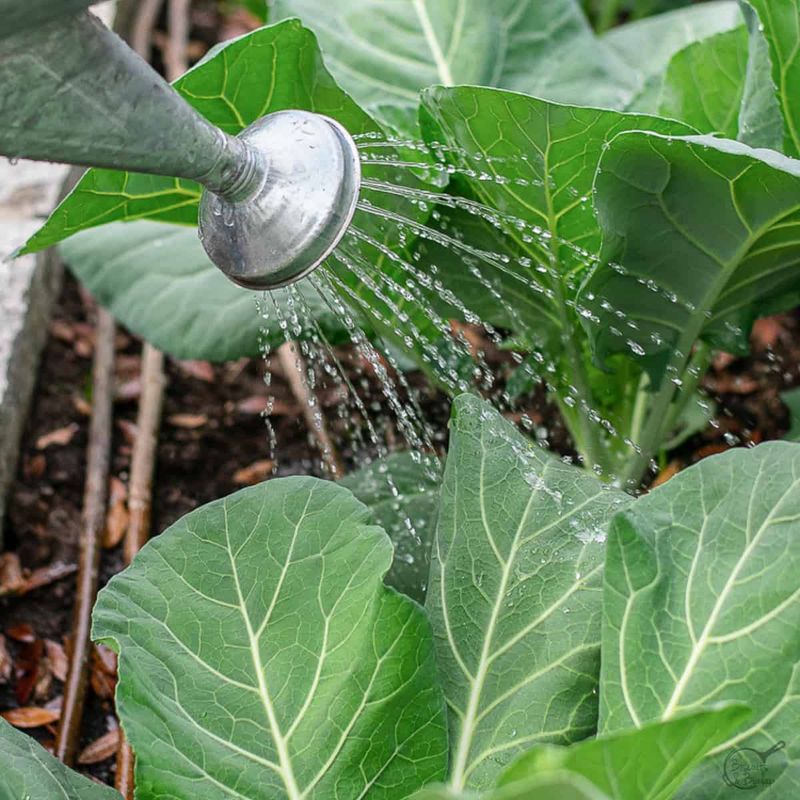
Even the best fertilizer cannot help thirsty plants. Water is the delivery system that carries nutrients from the soil into the roots, and without it, all that feeding goes to waste. Moisture ties the whole process together.
Nutrients need to be dissolved before roots can take them up. When soil stays dry, those nutrients just sit there, locked away and useless. A good drink of water unlocks them and sends them where they need to go.
Right after you fertilize, watering becomes especially important. It moves the nutrients down into the root zone and helps prevent them from sitting on the surface. Think of it as flipping the switch that turns feeding into growth.
Collards enjoy consistent moisture, not soggy feet and not bone-dry beds. Aim for soil that stays evenly damp a few inches down. Poking your finger into the ground is a quick and easy way to check.
Fall weather in North Carolina can swing between rainy stretches and dry, breezy days. Keeping an eye on conditions helps you water only when your plants actually need it. That balance keeps roots healthy and active.
A layer of mulch around your collards holds moisture in and cuts down on watering chores. Straw or shredded leaves work great and keep the soil cool and steady. Your plants stay comfortable through changing weather.
Pair steady watering with smart feeding, and your collards will make full use of every nutrient you give them. Hydrated plants grow faster, taste better, and keep producing those big, leafy bunches you love.
8. Avoid Fresh Manure In Fall Vegetable Beds
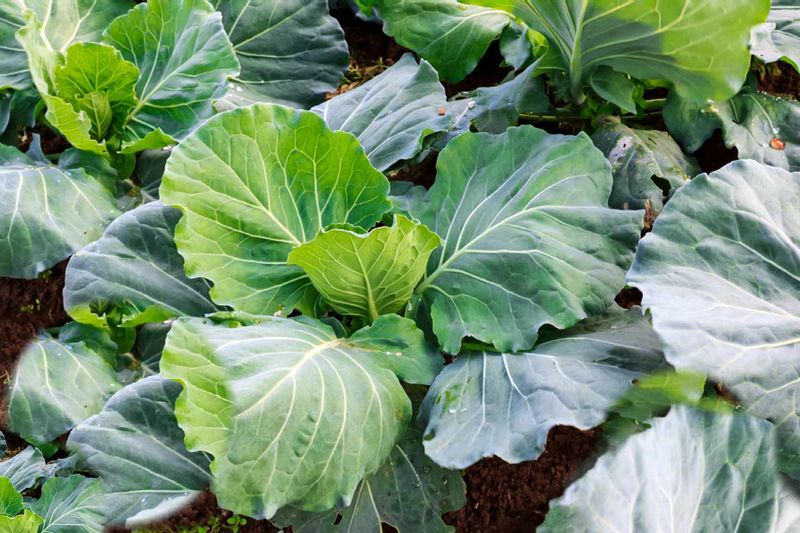
Not all manure is created equal, and this is one spot where a shortcut can cause real trouble. Fresh, raw manure might seem like a fast way to feed your beds, but it brings problems you do not want near your food. Aged material is the safer bet.
Raw manure can carry harmful bacteria that pose food-safety risks, especially on leafy greens you eat directly. Since collard leaves often touch the soil, that risk climbs even higher. Composting first helps clear out those concerns.
There is also the issue of strength. Fresh manure holds high levels of nitrogen and salts that can burn tender roots and scorch young plants. Instead of helping, it can set your collards back badly.
Composting solves both problems at once. As manure breaks down, heat and time reduce harmful organisms and mellow out the strong nutrients. What you end up with is a gentle, plant-friendly amendment.
Properly composted manure is the safer choice for vegetable beds. Smell and texture alone cannot confirm that harmful pathogens have been eliminated. Trust your senses when picking material for your beds.
If you only have access to fresh manure, let it compost for several months before planting anything you plan to eat. Patience here protects both your plants and your family. Rushing simply is not worth it.
Choosing well-aged manure gives you all the feeding power without the hidden risks. Your fall collards will grow strong, and your harvest will be one you can enjoy with complete peace of mind.