The One Native North Carolina Plant That Turns Your Fading Fall Beds Into A Monarch Fueling Stop
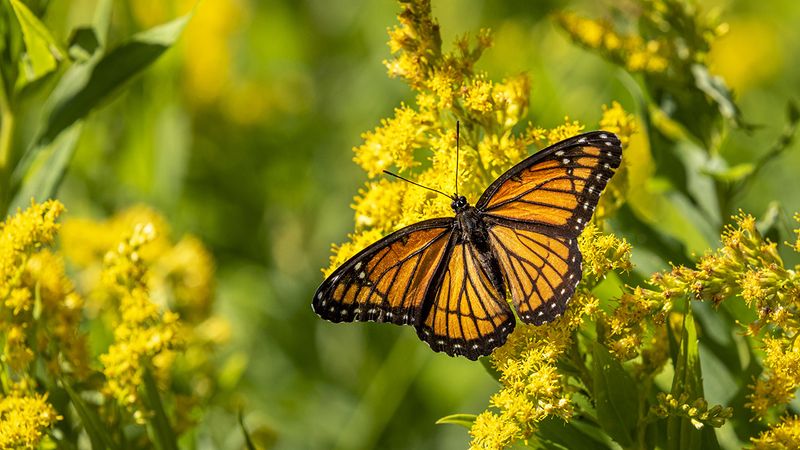
Late September arrives and most garden beds in North Carolina look like they have given up. The coneflowers are crispy, the summer annuals are toast, and you are left staring at a lot of brown. That is exactly the moment goldenrod steps in, opening clouds of yellow flowers right when migrating monarchs are moving through the state. The title you clicked overstates things a bit, and this article will be straight with you about that, but the core idea is real and worth understanding.
Goldenrod Helps When Fall Beds Fade
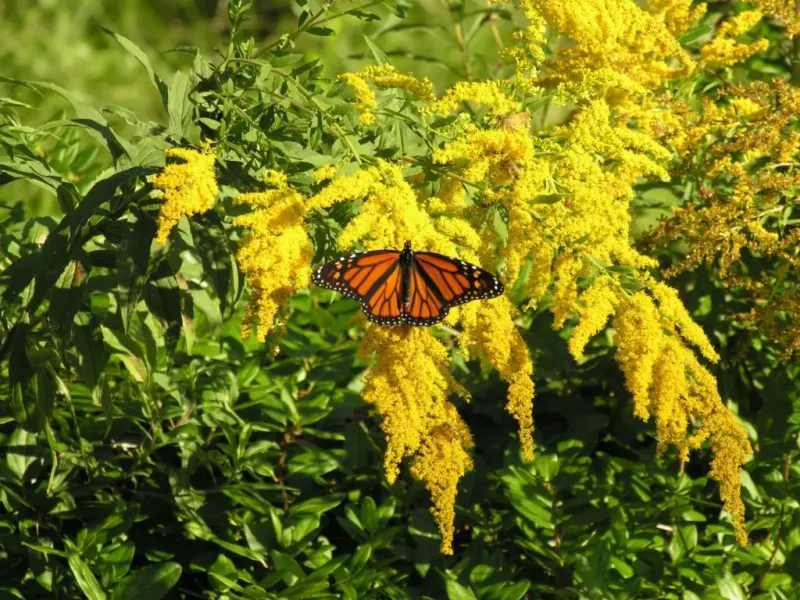
Most fall gardens in North Carolina hit a wall somewhere around late August. The coneflowers and black-eyed Susans have finished, the summer perennials are going to seed, and the beds look genuinely spent. That is the gap goldenrod fills, and it fills it well.
Goldenrod is not a single plant. It is a whole group of native species in the genus Solidago, several of which are native to North Carolina and suited to different corners of the state. NC State Extension’s native plants handbook lists goldenrod among the fall-blooming natives that support butterflies and other beneficial insects, which is a useful starting point for any wildlife-friendly yard.
Showy goldenrod (Solidago speciosa) blooms from August through October, according to its NC State plant profile, making it one of the longest-performing natives you can add to a fall border. That timing is the whole story in one sentence: when everything else is winding down, goldenrod is just getting started.
Now, the title of this article calls goldenrod “the one native” that turns a fading bed into a monarch fueling stop. That framing is more dramatic than the evidence supports. North Carolina has many valuable late-season natives, including asters, Joe-Pye weed, ironweed, and blazing star, and no single plant has been shown to guarantee wildlife visits to a residential yard. What goldenrod genuinely offers is late-season nectar and insect resources at a time when both are scarce.
That is a real benefit, even if it is not a magic switch.
Its Bloom Overlaps Fall Monarch Migration
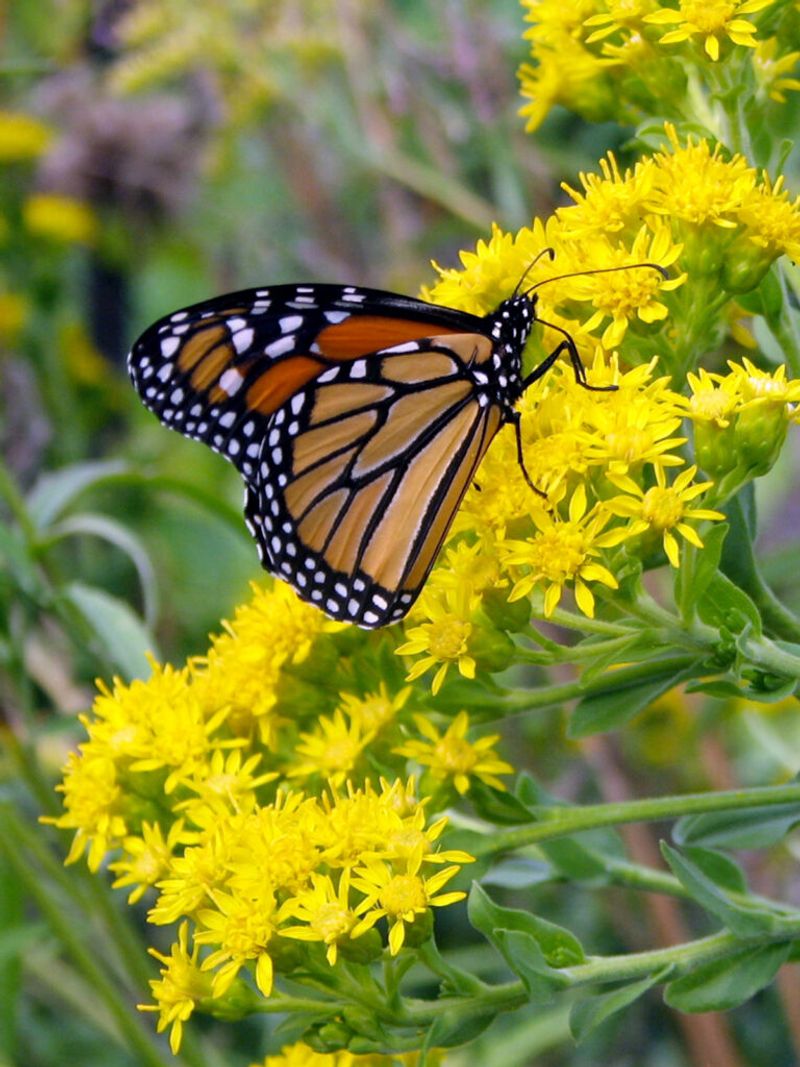
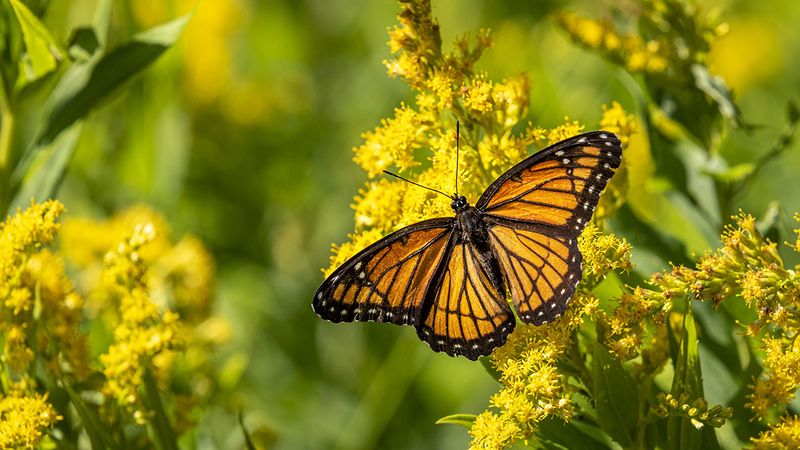
Adult monarch butterflies need nectar during their long flight south each fall, and that flight passes directly through North Carolina. North Carolina state park records show that many monarchs are actively moving toward their wintering grounds in Mexico during September and October, which lines up almost perfectly with goldenrod’s bloom window.
That seasonal overlap is the real reason goldenrod earns a place in a monarch-friendly garden. A yard that offers open, sunny goldenrod flowers in late September is offering something genuinely useful to a butterfly that has hundreds of miles left to travel. Monarch Joint Venture’s migration FAQ explains that adults need to fuel up on nectar as they move south, and late-blooming natives are a key part of that supply.
Here is where the life-cycle distinction matters most. Goldenrod feeds adult monarchs, not caterpillars. Monarch caterpillars feed exclusively on milkweed species, and Monarch Joint Venture notes that milkweed is the only plant on which monarchs can complete their larval stage. Goldenrod cannot replace milkweed in the life cycle, no matter how much of it you plant.
Your North Carolina Garden Changes Every Week. Your Plan Should Too.
Gardening in North Carolina changes quickly throughout the season. Every Friday you’ll receive a simple weekly plan showing exactly what to plant, prune, fertilize, harvest, and protect so you never miss the right timing.
Monarchs are also nectar generalists. Research on monarch foraging confirms that adults will visit a wide range of flower species during migration, not just goldenrod. So goldenrod is one useful fuel source among several, not an exclusive stop. Adding it to your yard in the Piedmont or Sandhills is a genuinely helpful act during a season when nectar plants are scarce, but it works best as part of a broader planting rather than a solo performer.
Songbirds Use The Habitat Around The Plant
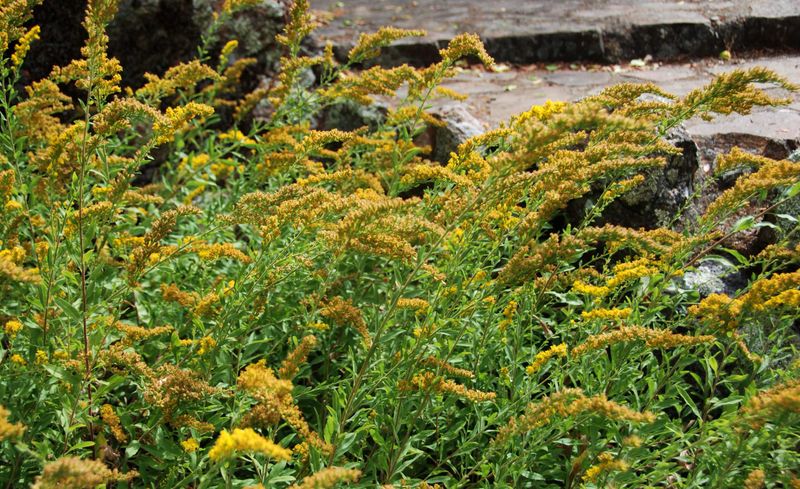
Walk past a goldenrod patch on a cool October morning in the Piedmont and you will likely hear activity before you see it. Sparrows and warblers flip through the stems, and chickadees work the seed heads. The connection between goldenrod and songbirds is real, but it is more layered than a simple “plant it and they will come” story.
Goldenrod can host a surprising number of insects on and around its stems and flowers, and those insects are what many migrating songbirds are actually hunting. Audubon reporting on native plants and migratory birds explains that the insects supported by native vegetation are a primary food source for birds during migration, not the plants themselves. Some birds will also eat goldenrod seeds directly, which adds another layer of value after the flowers fade.
The honest limit here is that a few goldenrod plants in a tidy suburban bed will not turn your yard into a certified songbird stopover. USGS research on stopover habitat use points to landscape-scale features, connected native vegetation, shrubs, trees, cover, and water, as the factors that most reliably support migrating birds. A goldenrod patch works best as one productive layer within that larger picture.
Think of it this way: goldenrod is a good food stand, but migrating birds need a whole rest stop. Add native shrubs like beautyberry or winterberry for cover and fruit. Leave some leaf litter for ground-feeding sparrows. Keep a shallow water source clean.
Additional USGS work on neotropical migrants reinforces that birds making long flights need both food and safe resting cover, not just one flower species.
Choose The Solidago That Fits Your Site
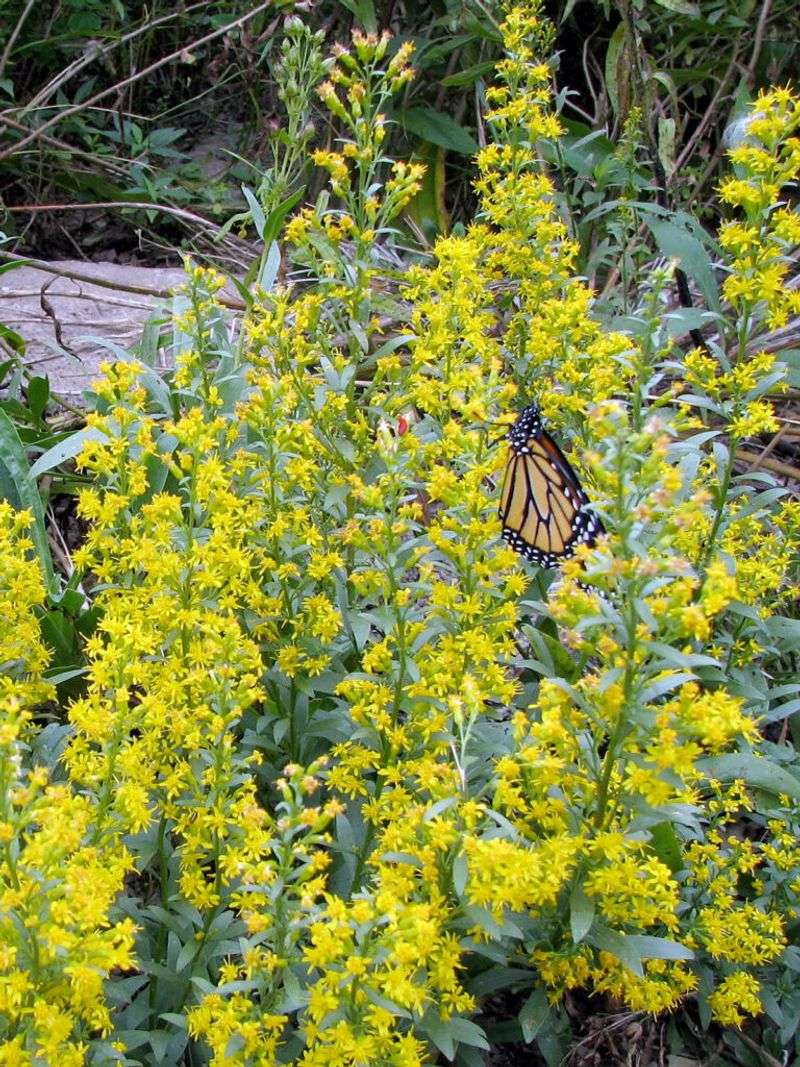
Picking the right goldenrod species matters more than most gardeners expect. North Carolina stretches from sea-level barrier islands to mountain elevations above 6,000 feet, and the Solidago species that thrives on a Coastal Plain sand flat will not perform the same way in Piedmont red clay or on a dry Sandhills slope.
Showy goldenrod (Solidago speciosa) is the most flexible choice for full-sun beds across much of the state. Its NC State profile for showy goldenrod notes that it tolerates drought and clay soil, which makes it a practical option for many Piedmont yards where summer dryness and heavy soil are the norm. Check the mature height and spread listed on the plant tag or species profile before you buy, because cultivars vary widely.
Rough-stemmed goldenrod (Solidago rugosa) looks similar but has very different needs. The NC State profile for rough-stemmed goldenrod describes it as preferring full sun to light shade and moist to wet soil. That means it belongs near a rain garden or low spot, not in a typical dry Sandhills yard where it would struggle.
For dry, rocky, well-drained sites, autumn goldenrod (Solidago sphacelata) is worth a look. The NC State autumn goldenrod profile describes it as suited to those drier conditions, though it does spread through rhizomes and windblown seed, so give it space accordingly.
Licorice goldenrod (Solidago odora) blooms in late summer and early fall, and the NC State licorice goldenrod profile can help you match it to the right light and moisture conditions before you plant. For coastal yards dealing with salt spray and sandy soil, seaside goldenrod (Solidago sempervirens) is the regionally appropriate choice, described by NC State as salt tolerant and naturally found near beaches, dunes, and salt marshes. Always read the full profile before buying, because choosing the wrong species for your site is the most common reason goldenrod underperforms.
Plant It For Light, Room, And Root Establishment
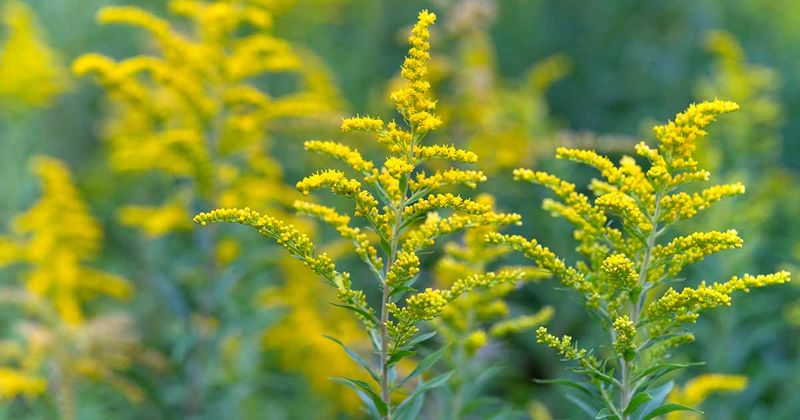
Getting goldenrod off to a good start comes down to three things: enough light, the right amount of space, and a little patience while the roots settle in. Skip any one of those and the plant will muddle along rather than thrive.
Full sun is the first requirement. NC State’s landscape design handbook defines full sun as at least 6 hours of direct sunlight daily. Most goldenrod species perform best in those conditions, producing more flowers and holding a more compact form than they would in shade. A spot that gets morning shade and afternoon sun, or vice versa, will work for some species, but aim for 6 or more hours when you can.
Spacing is where gardeners most often go wrong. You will see general ranges mentioned in various sources, but the safest approach is to read the plant tag or the species profile for the specific cultivar you are buying, because mature spread varies considerably from one form to another. Give each plant room to reach its full natural width without crowding its neighbors, and plan for the fact that some species will spread over time.
Fall is a genuinely practical planting window for North Carolina natives. NC State’s guide to landscaping for wildlife with native plants recommends keeping newly planted natives well watered during the first few weeks while roots establish in the surrounding soil. After that initial period, most established goldenrod species need little supplemental water. The fall planting window lets roots settle in before winter without forcing them to survive the full weight of a North Carolina summer while they are still getting established.
Protect Blooms And Manage Natural Spread
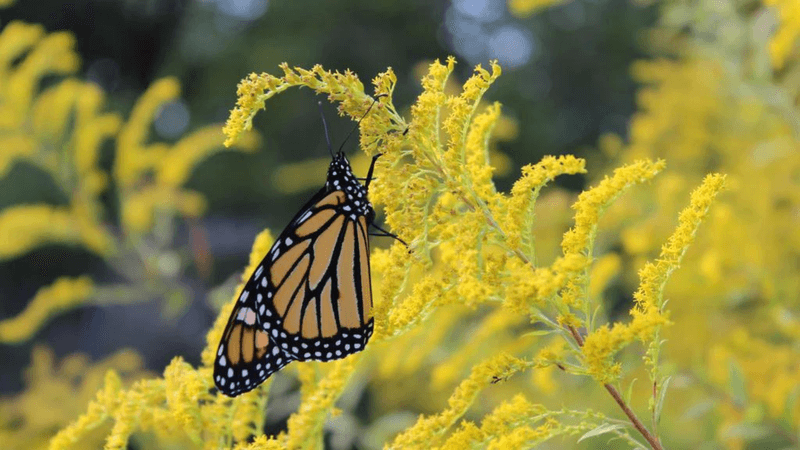
Goldenrod is tough, but tough does not mean trouble-free. A few real management considerations come with the plant, and knowing them ahead of time keeps the bed from becoming a headache.
The biggest threat to the wildlife value of goldenrod is insecticide exposure. Monarch Joint Venture’s pesticide guidance advises gardeners to avoid pesticide use on or near nectar and host plants, with particular emphasis on systemic insecticides. Systemic products are absorbed into plant tissue, which means the flowers themselves can carry the chemistry even weeks after application. Before you buy goldenrod at a nursery, ask whether the plants were treated with neonicotinoids or other systemic insecticides, because Monarch Joint Venture’s overview of pesticide threats to monarchs makes clear that treated nursery stock can harm the insects you are trying to attract.
Spreading is a genuine trait in several species. Autumn goldenrod spreads through both rhizomes and windblown seed, and showy goldenrod can also self-seed. Deadheading spent flower heads after bloom can slow that spread, but it also removes seed resources that some birds and insects use. The practical middle ground is to deadhead most of the plant while leaving a few stems for wildlife, then remove any seedlings that pop up where you do not want them.
NC State profiles for rough-stemmed goldenrod note that the genus can be susceptible to powdery mildew, rust, leaf spot, aphids, and certain beetles. Good air circulation and the right site conditions reduce most of those issues. Goldenrod planted in dense shade or wet soil that does not suit it will show stress faster than a well-sited plant, so the first line of defense is always the right species in the right place.
Build The Habitat Goldenrod Cannot Provide Alone
Goldenrod earns its place in the fall garden, but it cannot carry the whole habitat by itself. Building a yard that genuinely supports monarchs, migrating birds, and native bees through the season takes a few more deliberate choices.
Start with milkweed. Monarch Joint Venture is direct on this point: milkweed is the only plant on which monarch caterpillars can complete their development, and no amount of nectar plants substitutes for it. Adding native milkweed species to your yard addresses the part of the monarch life cycle that goldenrod simply cannot touch. Monarch Joint Venture’s habitat creation guide recommends pairing milkweed with a sequence of nectar plants that bloom from spring through fall, so that adult monarchs and other pollinators find food across the full season, not just during goldenrod’s October window.
For birds, the bigger picture matters even more. USGS stopover habitat research consistently points to landscape-scale features as the primary driver of bird use, including native shrubs and trees for cover, abundant insect prey, and fresh water. A goldenrod bed is one productive food source within that package, and Audubon’s guidance on native plants for migratory birds reinforces that insect-rich native plantings are the real draw for hungry migrants passing through in fall.
One more thing worth clearing up before you head to the nursery. Many North Carolina gardeners avoid goldenrod because they blame it for fall allergies. The actual culprit is ragweed, a wind-pollinated plant that blooms at the same time. Penn State Extension’s goldenrod versus ragweed explainer makes the distinction clearly: goldenrod pollen is heavy and sticky, carried by insects rather than wind, while ragweed produces the lightweight airborne pollen associated with most fall allergy symptoms.
Penn State’s broader goldenrod profile echoes this point. Goldenrod is a useful, well-behaved native that has been unfairly blamed for decades. Plant the right species for your corner of North Carolina, skip the insecticides, add milkweed and a few other seasonal natives, and you will have built something genuinely worth watching every October.