The Most Underrated Arizona Native That Quietly Keeps Mosquitoes Out Of Your Backyard
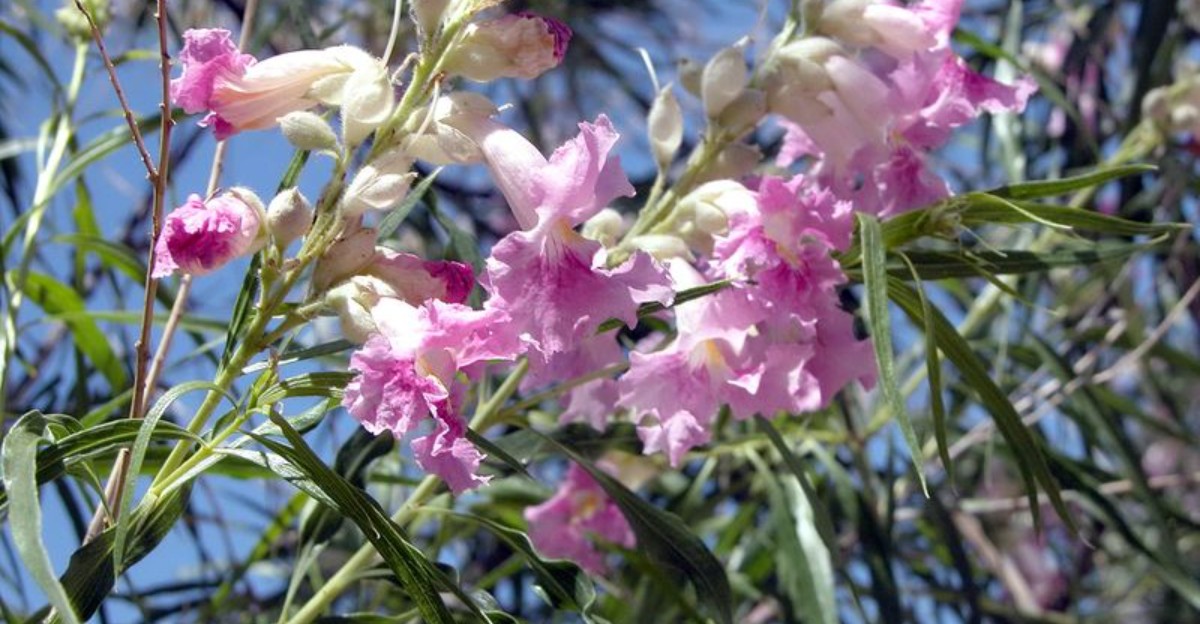
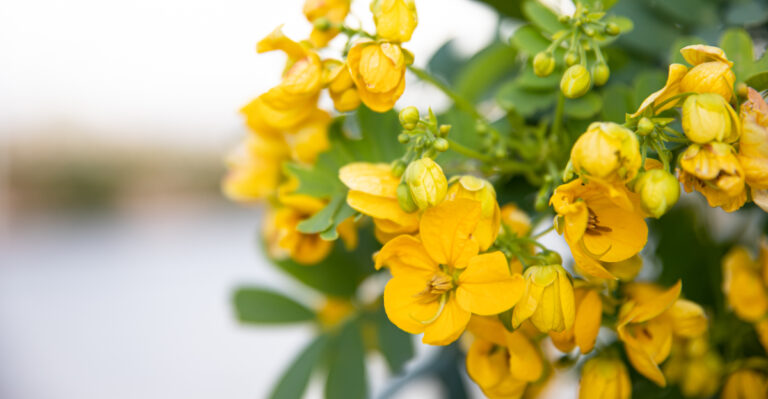
Desert willow is one of those Arizona natives that deserves a lot more attention in low-desert yards around Phoenix and Tucson. With its showy trumpet flowers, heat toughness, and appeal to hummingbirds, it checks a lot of boxes for homeowners who want a functional, water-wise landscape.
But if you planted one hoping it would push mosquitoes off your patio, you are going to be disappointed, and you are not alone in that hope. This article explains what desert willow actually does well, why no single plant reliably keeps mosquitoes away, and what steps genuinely reduce biting pressure in a backyard.
Desert willow belongs in the conversation—but not as a mosquito shield
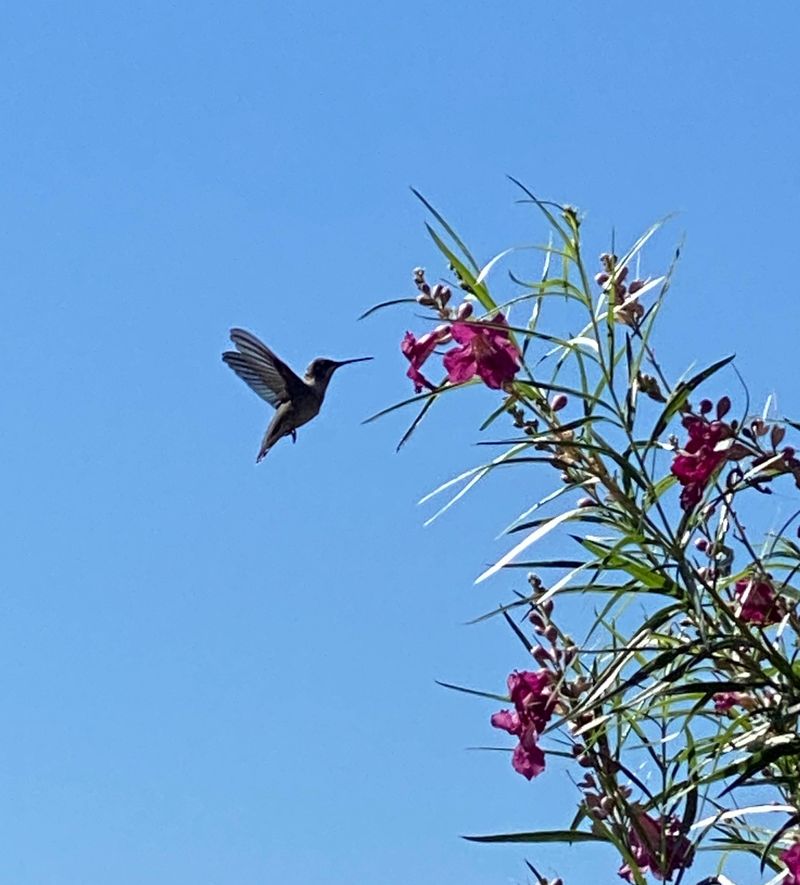
Desert willow (Chilopsis linearis) earns a genuine place in low-desert Arizona landscapes for reasons that have nothing to do with mosquitoes. Those are real advantages for Phoenix and Tucson homeowners who want a yard that supports pollinators without demanding constant irrigation.
What desert willow does not do is repel, reduce, or otherwise discourage mosquitoes. No research connects its presence in a landscape to lower mosquito counts around a patio.
Any shade it provides depends on how large the tree grows at your specific site, how well it is placed relative to your outdoor living area, and how long it has been established, so shade is a possible benefit of a mature tree in a good location, not a guaranteed feature of every planting.
The practical takeaway is that desert willow’s landscape and habitat value stands on its own merits. Mosquito control is a separate problem that requires separate solutions.
Homeowners who understand that distinction get both a better yard and a more realistic plan for reducing bites.
Why “mosquito plants” disappoint in a landscape
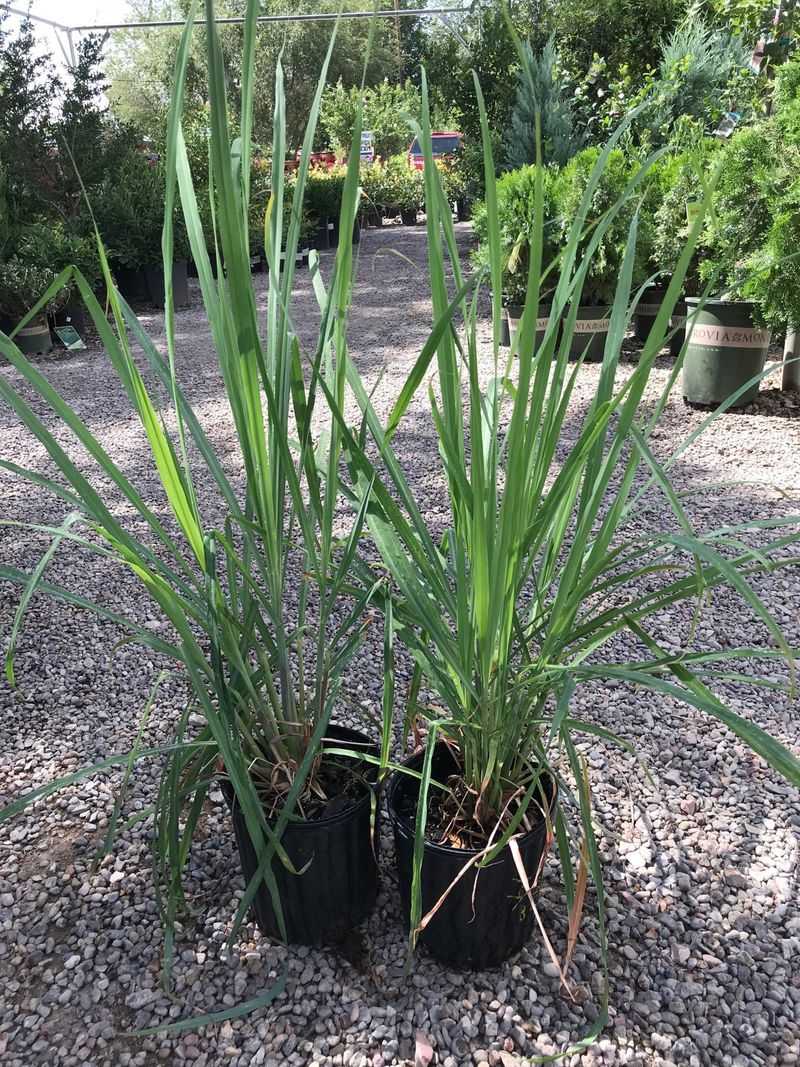
Walk through any garden center in the Valley and you will likely spot plants labeled “mosquito repelling” or hear staff recommend citronella geranium, lemongrass, lavender, or rosemary as natural patio protection. The idea sounds reasonable, but the reality does not hold up when those plants are simply growing in the ground.
A live citronella geranium on your porch is not producing the same effect as a candle or a formulated spray, even though the scent may be noticeable to you.
There is also a terminology trap worth knowing. Citronella grass and citronella-scented geranium are two completely different plants, and neither one, grown intact in a landscape, reliably protects a nearby seating area.
Laboratory studies on extracted essential oils sometimes show repellent activity, but those results cannot be transferred to a few potted plants beside a chair. The honest redirect is toward controls that have demonstrated practical value: removing breeding water, using registered larval products where needed, and applying EPA-registered personal repellents when you are outdoors.
Standing water is a major, manageable source of backyard mosquitoes
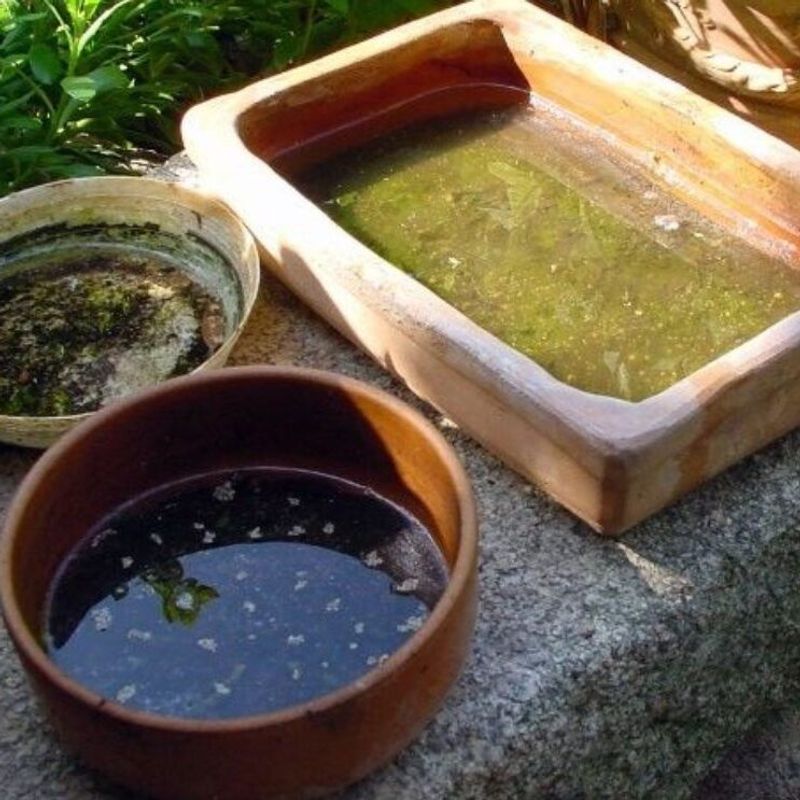
Mosquitoes do not need a pond to breed. They can complete larval development in surprisingly small amounts of still water, which is why a single neglected plant saucer, a clogged roof gutter, a pool cover with a depression, or a bucket left out after a monsoon storm can produce dozens of adult mosquitoes.
Your Arizona Garden Changes Every Week. Your Plan Should Too.
Gardening in Arizona changes quickly throughout the season. Every Friday you’ll receive a simple weekly plan showing exactly what to plant, prune, fertilize, harvest, and protect so you never miss the right timing.
The most useful weekly habit is a fast inspection of your entire property: empty and scrub any container that holds water, turn over or discard things that collect rain, cover water-storage barrels with tight screens or lids, and check gutters for debris that traps water. Even a birdbath left unchanged for more than a week can become productive breeding habitat during warm months.
Arizona mosquito pressure typically builds from spring through fall and can spike sharply during the July-through-September monsoon season, when rain and irrigation combine to create fresh breeding sites faster than most homeowners notice. Low-elevation metro areas like Phoenix can also see activity during mild winters.
That said, standing water on your property is one major factor, not the only one. Mosquitoes from neighboring properties, nearby flood-irrigation channels, weather patterns, and adult resting habitat in dense vegetation all contribute to how many you encounter.
Removing your breeding sites reduces local production without guaranteeing a mosquito-free yard.
Choose desert willow for habitat and desert adaptability
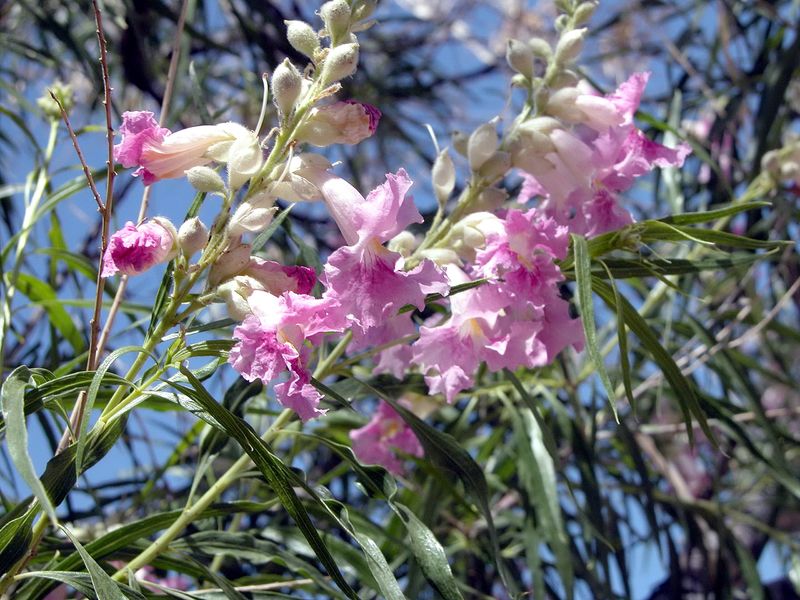
Strip away the mosquito claim and desert willow still has a strong argument for a spot in a low-desert yard. University of Arizona Extension documents its tolerance for the region’s intense summer heat and its ability to handle cold snaps that occasionally hit metro Phoenix and Tucson.
Those traits make it a practical choice rather than a wishful one for homeowners who have lost less-adapted trees to summer stress or a hard freeze.
The wildlife draw is genuine. Hummingbirds visit the tubular flowers reliably, and the tree supports other pollinators as well.
For a yard aimed at attracting beneficial wildlife without heavy water use, that combination is hard to match with non-native alternatives. Think of these as habitat and landscape benefits, separate from any pest-control expectation.
Pairing a desert willow with thoughtful irrigation and drainage matters more than many homeowners realize. Dense, frequently watered plantings can create shaded, humid pockets that are more comfortable for resting adult mosquitoes, so wildlife-friendly landscaping works best when it also includes controlled drip irrigation, good drainage away from the house, and the weekly water-inspection routine described earlier.
A beautiful, wildlife-supporting yard and a lower-mosquito yard are compatible goals, but they require different strategies working together.
Plant the tree for low-desert conditions, not wishful pest control
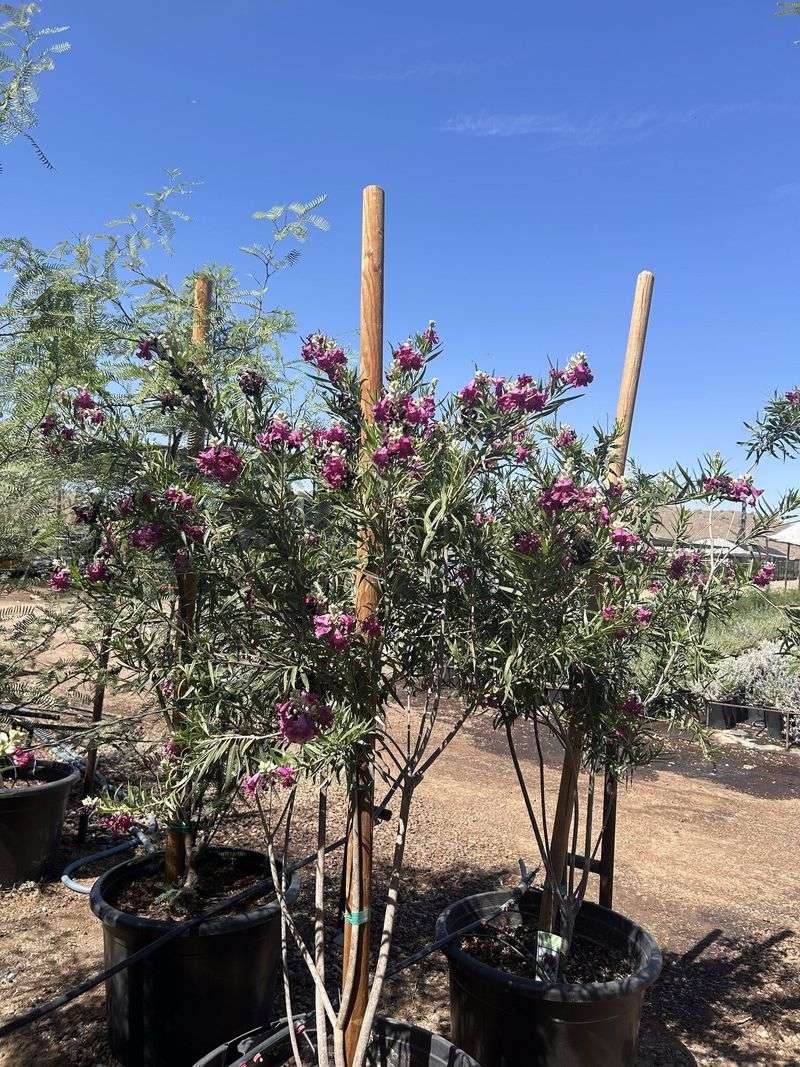
Planting desert willow correctly in a Phoenix or Tucson yard is straightforward if you follow low-desert timing and technique. For most low-desert sites, mid-fall (October through November) and early spring are the practical windows that give roots time to settle before extreme temperatures arrive.
Dig the hole no deeper than the root ball itself. Planting too deep is one of the most common mistakes with desert trees and can lead to slow decline rather than fast death, making it hard to diagnose.
Use the native soil you removed as backfill rather than automatically amending it with compost, unless a site-specific drainage problem requires a different approach. Keep mulch a few inches away from the trunk to avoid moisture buildup against the bark.
New desert willow plantings need regular irrigation even though the species is drought-adapted at maturity. Water frequently during the first several weeks, then gradually extend the interval as roots establish and the tree shows healthy new growth.
Consider mature size and proximity to structures, walls, and paved surfaces before choosing your spot, because a well-placed tree with appropriate canopy clearance will serve you better than one planted for convenience. Getting the planting right improves establishment, but it does not change anything about mosquito activity in your yard.
Wildlife helpers cannot replace mosquito control
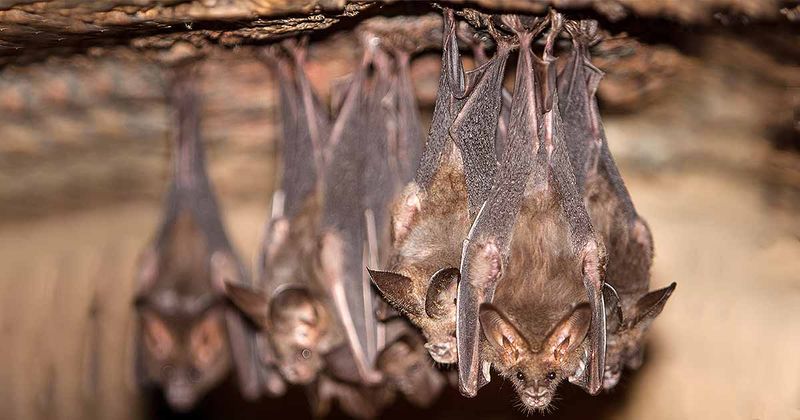
Bats have a well-earned reputation as insect predators, and Arizona supports a diverse bat community that genuinely eats large numbers of insects on summer nights. The appeal of a bat-friendly yard is real, and agaves, yuccas, and columnar cacti can support nectar-feeding bat species that are important pollinators in the Sonoran Desert ecosystem.
Where the story gets complicated is in translating “bats eat insects” into “bats will protect my patio from mosquitoes.” A peer-reviewed evidence synthesis on mosquito predators found that mosquitoes often make up only a small portion of bat diets and that field evidence for meaningful backyard mosquito suppression by bats remains limited. Arizona Game and Fish and University of Arizona Extension both recognize bats as valuable insect predators without claiming they will make a yard mosquito-free.
University of Arizona Extension material on bat gardens also notes that planting bat-attracting plants does not guarantee that bats will visit your property.
Water features added to support wildlife carry their own mosquito risk. A birdbath, small pond, or decorative basin that sits stagnant for more than a few days becomes productive breeding habitat.
If you want water in the yard for birds or other wildlife, plan for a recirculating pump to keep water moving, commit to weekly inspection and dumping, or use an EPA-registered Bti larvicide product according to its label in water that cannot be emptied or covered. Wildlife value and mosquito prevention are compatible, but only when the water management piece is taken seriously.
Build patio relief from several proven steps
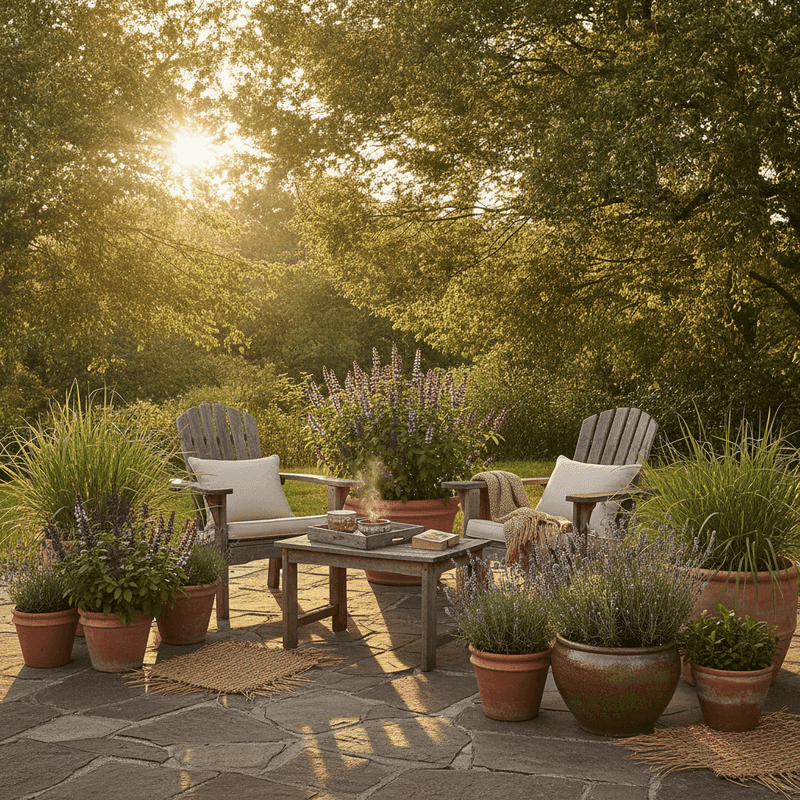
A realistic plan for a more comfortable Arizona backyard puts each tool in its proper role. Grow desert willow for what University of Arizona Extension actually documents: heat and cold tolerance, desert-landscape suitability, and reliable appeal to hummingbirds and other pollinators.
Those are landscape and habitat wins worth having on their own terms.
For mosquito pressure, the work happens separately. Inspect your property every week and remove, cover, scrub, or discard anything holding water.
No single step eliminates mosquitoes entirely, and that is an honest expectation to carry into every Arizona summer. Neighboring properties, monsoon rains, irrigation patterns, and adult mosquito movement all affect how many you encounter regardless of what you plant.
The combination of source reduction, targeted larval control, and registered personal repellents gives you the strongest practical foundation. A well-chosen native tree and a well-managed yard can share the same space, each doing what it actually does well.