The Hydrangea Watering Habit That Causes Fewer Flowers
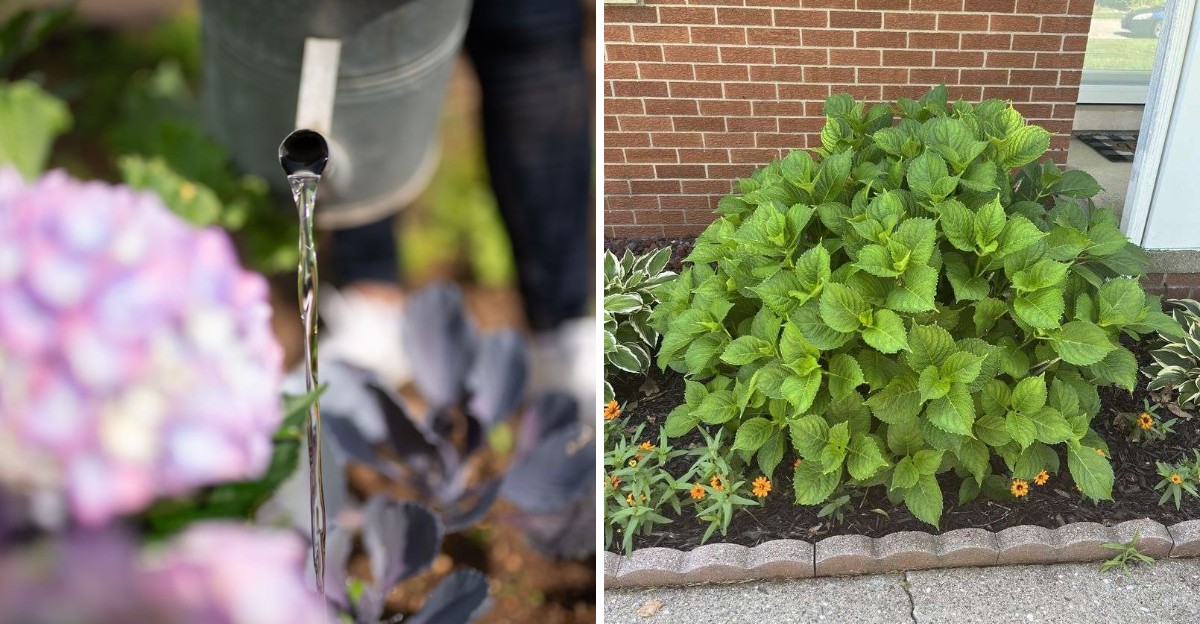
Something feels off about that hydrangea near your porch. Your instinct says give more, yet this shrub still resists exactly that. Kindness can unintentionally work against the plant. Soil holds something your plant does not need.
Roots stop stretching once comfort arrives too easily. Buds fade while leaves grow thick and smug. Confidence matters here, not extra kindness. Gardeners repeat this mistake each season without noticing.
Patterns hide beneath glossy foliage, waiting to be recognized. Understanding alone cannot fix what habit created. Correction requires noticing signals, not adding more care. Insight arrives fast once you break the habit causing it.
Timing changes the outcome once you understand the trigger. Restraint, oddly, becomes the boldest move you can make. Watching closely reveals what constant care conceals.
Curiosity now beats routine, and that quiet shift starts today. Answers wait ahead, and skipping them costs you the bloom you wanted.
The Calendar Watering Habit That Leads To Overwatering
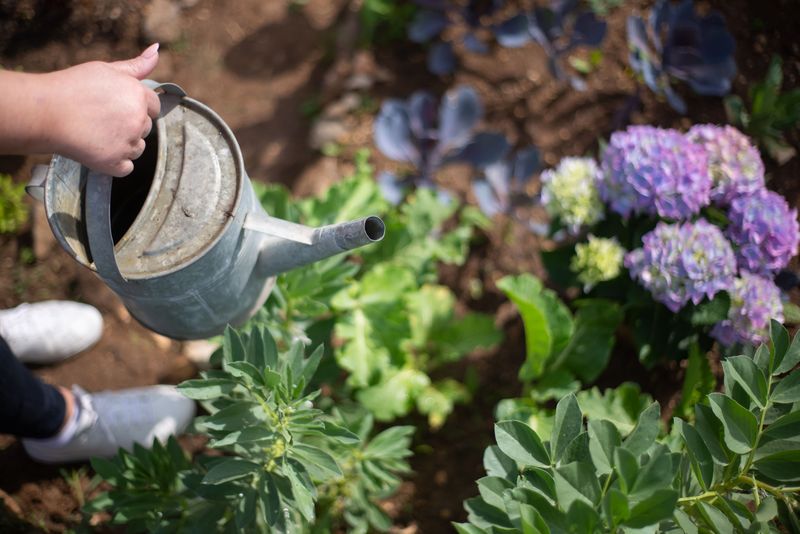
Tuesday and Saturday. For plenty of gardeners, those are hydrangea watering days, rain or shine, cool or blazing.
The problem is that a calendar has no idea what is happening two inches under the mulch. Soil dries at wildly different speeds depending on heat, wind, cloud cover, and how much rain fell overnight.
Watering on autopilot means the plant sometimes gets a drink it did not need. Do that week after week and the root zone stays damp far longer than hydrangea roots prefer.
Roots require oxygen from soil air pockets between soil particles. Starved of air, fine feeder roots weaken, and weak roots cannot push out the energy a flower bud demands.
The swap is simple. Before you turn the tap, push a finger into the soil near the base of the shrub, going down to about the second knuckle.
Cool and moist? Walk away. Dry and crumbly at that depth? Water deeply and slowly. A cheap wooden dowel works too. Slide it in, pull it out, and check whether soil clings to the bottom.
Many gardeners who adopt that ten-second check notice fuller blooms over time. Same plant, same spot, just fewer unnecessary drinks.
Think of it as listening instead of talking. The soil answers honestly, and it costs you nothing to ask.
Reading The Warning Signs
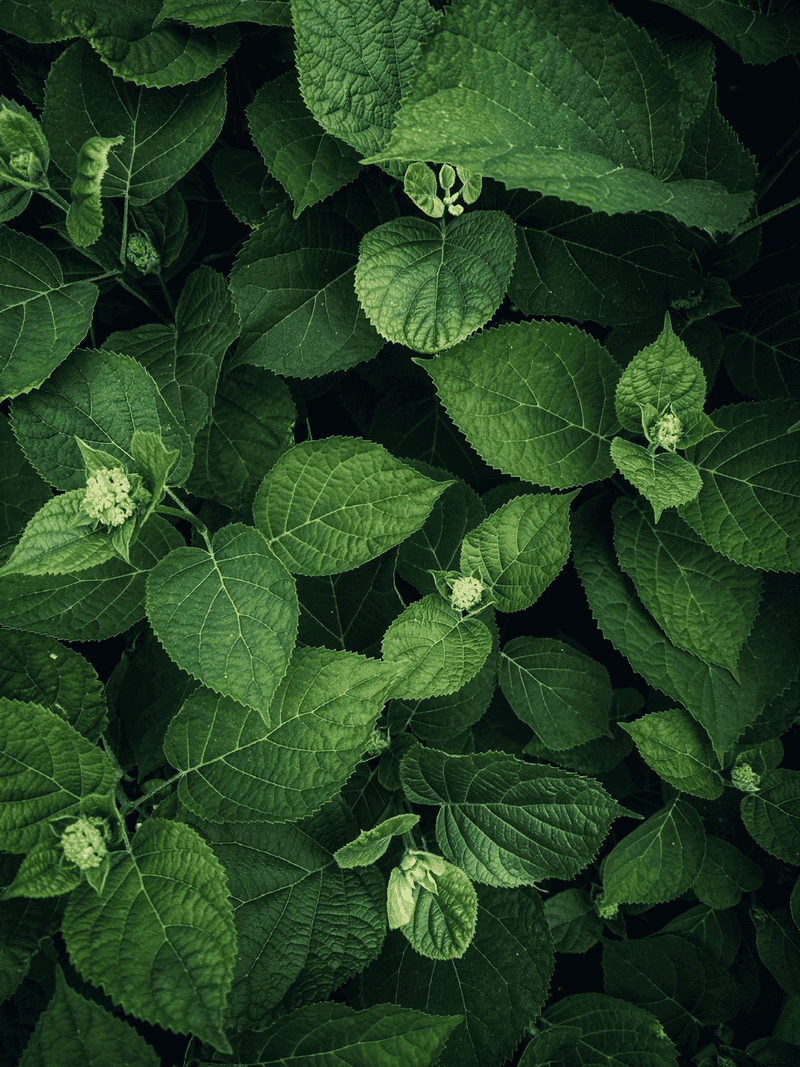
A hydrangea that receives too much water rarely looks sick at first. It looks fantastic, actually, which is what makes the habit so sneaky. Leaves grow oversized and deep green. Stems shoot upward. And the flower count quietly drops.
Here is what happens behind the scenes. Constantly wet soil, especially soil that gets nitrogen from lawn fertilizer drifting nearby, tells the plant that conditions are perfect for spreading out.
Leaf growth is cheap for a shrub. Flower buds are expensive, requiring stored sugars and a bit of mild stress as a signal that reproduction matters.
Remove the signal and you get an overly leafy plant with little bloom. Other clues show up if you look closer. Lower leaves may yellow between the veins while the top of the plant stays vigorous.
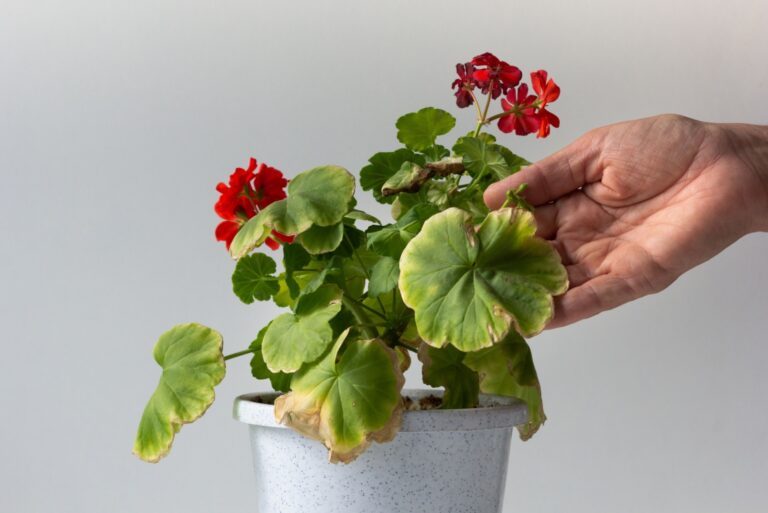
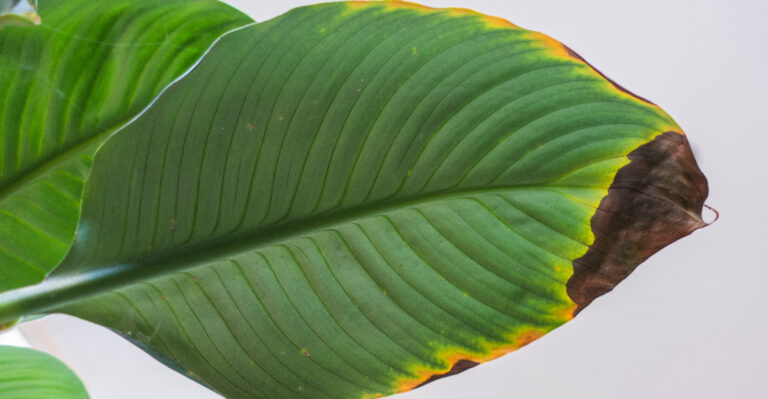
Occasional brown, mushy leaf edges appear, which people often mistake for drought and answer with more water. That is the loop worth breaking.
You might also notice a faint sour smell in the soil when you dig near the base. Healthy soil smells earthy and sweet, a bit like a forest floor after rain.
Try counting flower heads at the end of each summer and jotting the number down. Two seasons of notes reveal patterns faster than memory does.
If foliage keeps winning and blooms keep shrinking, water is usually the first suspect worth questioning. Fertilizer comes second.
Reading the plant beats following a routine, and hydrangeas are honestly pretty chatty once you learn their signals.
Shallow Sips Train Roots To Stay Lazy
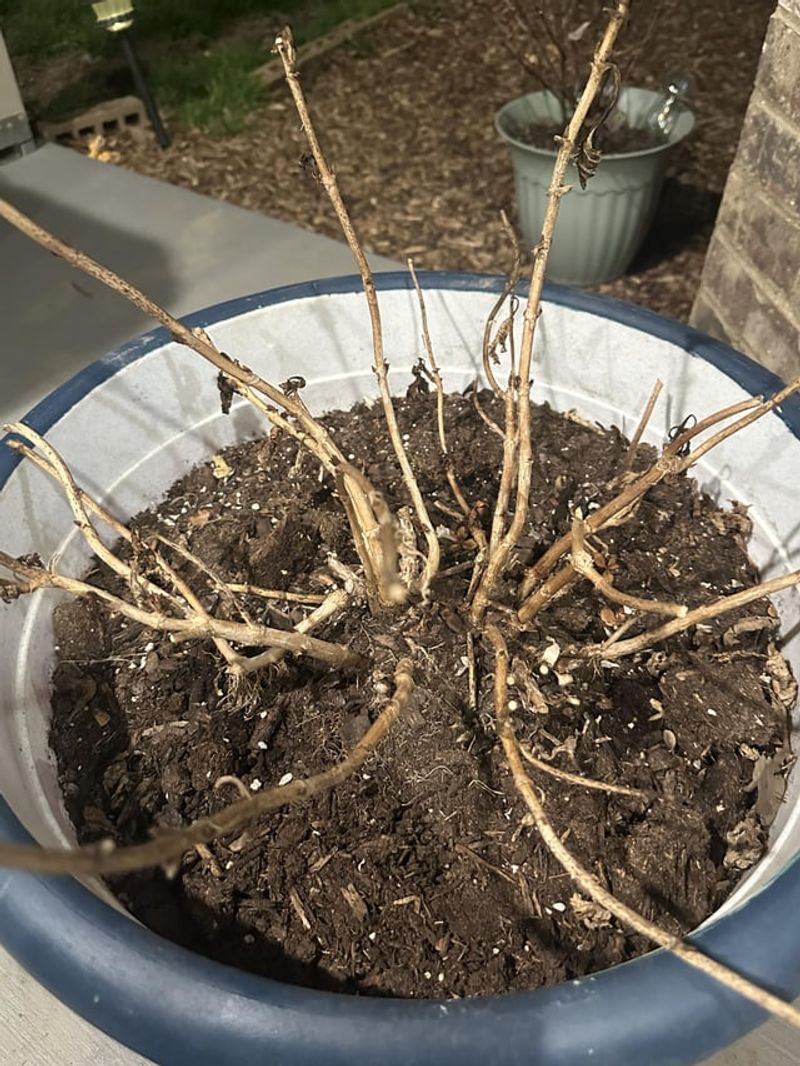
Picture someone handing you a thimble of water every hour instead of a full glass twice a day. You would never feel settled.
Hydrangeas react the same way to frequent light sprinklings. Roots grow where moisture sits, so a quick daily splash keeps them clustered in the top inch or two of soil.
Shallow roots are fragile roots. They bake during heat waves, dry out between waterings, and lack the reach to support a heavy flush of blooms.
Deep watering does the opposite. When you soak the root zone thoroughly and then pause, moisture travels downward, and roots follow it.
Aim for water that reaches roughly six to eight inches down, as a general guide. A slow trickle from the hose at the base for fifteen or twenty minutes usually does the job better than an overhead spray.
Soaker hoses and drip lines make this almost effortless. Set one down, run it low and slow, and the water goes where roots live instead of misting the foliage.
A quick way to test your depth: water as usual, wait an hour, then dig a small hole a few inches from the crown. If the soil is only damp at the surface, you stopped too soon.
Mature hydrangeas with deep roots tend to handle dry spells better than their shallow-rooted neighbors. Fewer waterings, sturdier plant, and considerably more flowers by midsummer.
Soggy Ground And The Bud Set You Cannot See
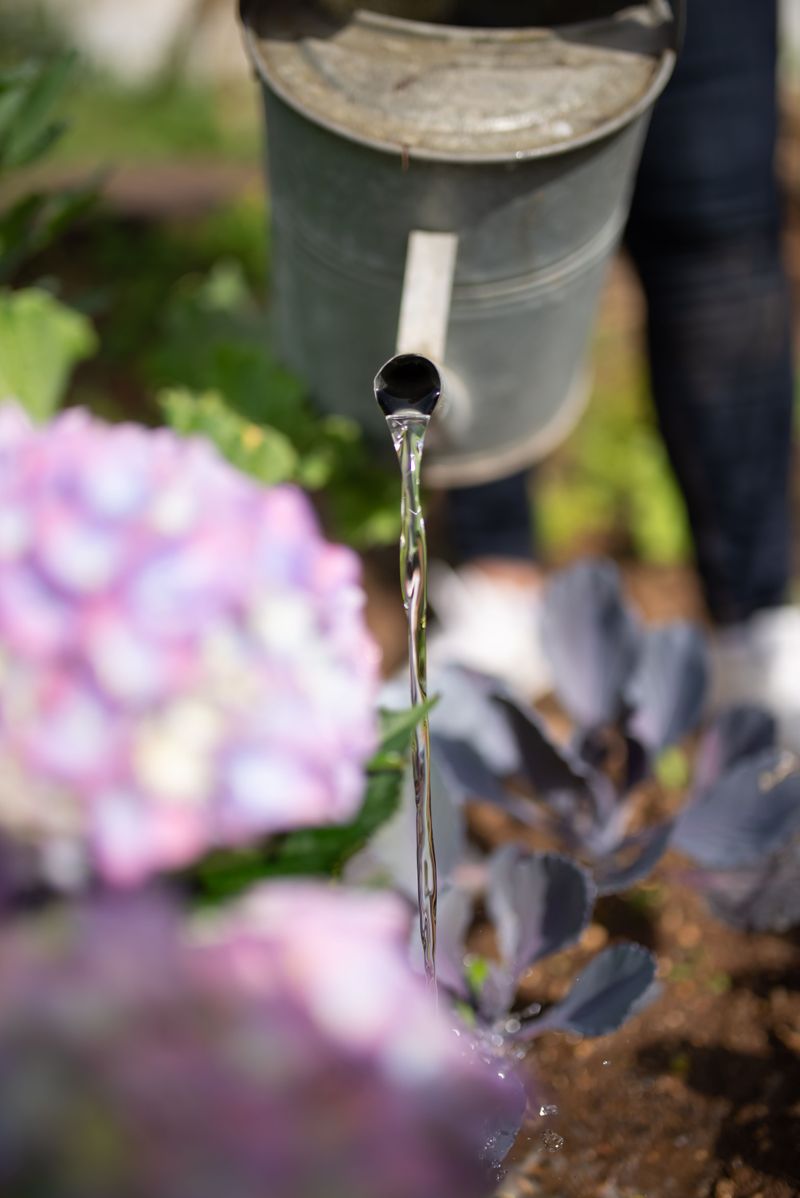
Here is a fact that surprises people. Many hydrangeas form next year’s flower buds during late summer and early fall, months before you ever see color. That means the water you give in August quietly decides what June looks like.
Bud set requires stored energy. Roots sitting in waterlogged soil during those weeks cannot deliver it, because struggling roots absorb less of the nutrients the plant needs for building buds.
The disappointing part is the delay. You water too generously in late summer, everything looks fine, winter passes, and spring arrives with bare stems and a shrug.
Bigleaf types feel this most sharply since their buds ride out the winter on old wood. Panicle and smooth hydrangeas bloom on new growth and forgive more, though soggy roots still cut their bloom size.
Late summer is the moment to get strict about checking soil first. Cooler nights and shorter days mean the ground holds moisture much longer than it did in July.
Cut back on frequency without cutting back on depth. One good soak when the top few inches feel dry beats three casual sprinklings.
Also pull mulch back a couple of inches from the stems if it has piled up. Air movement around the crown helps the surface dry between drinks.
Treat autumn watering as an investment rather than maintenance. The payoff shows up as flower heads you did not have to coax.
Clay, Sand, And Containers Each Play By Different Rules
Two neighbors can follow identical watering advice and get opposite results. Soil is the reason.
Heavy clay holds water like a sponge that refuses to be wrung out. A shrub planted in clay may stay damp for several days after a soaking, depending on climate and drainage, so a twice-weekly routine drowns it slowly.
Sandy soil behaves like a colander. Water races through, and the same shrub might genuinely need attention every other day during a hot stretch.
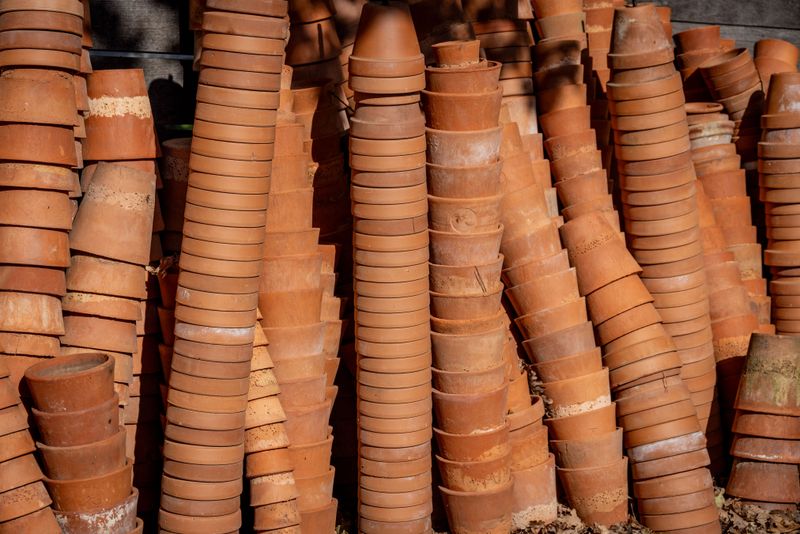
Containers are their own universe. Limited soil volume, warm sides, and drainage holes mean pots dry out fast, sometimes within a single blazing afternoon.
Yet potted hydrangeas also struggle when saucers trap standing water underneath. Roots sit in a puddle and slowly give up on flowering.
Figure out which category you are dealing with before setting any habits. Grab a handful of moist soil and squeeze it.
Sticky ribbon that holds its shape means clay. Gritty and falling apart means sand. Crumbly and slightly springy is loam, the happy middle.
Clay gardeners benefit from adding compost and planting slightly high, letting excess moisture drain away from the crown.
Sandy soil improves with compost too, since organic matter helps it hold moisture longer. For pots, lift the container occasionally. Light weight means thirsty, heavy means wait.
Adjusting to your soil rather than a generic schedule is the single change that turns stingy bloomers into showstoppers.
Building A Check-First Routine That Actually Sticks
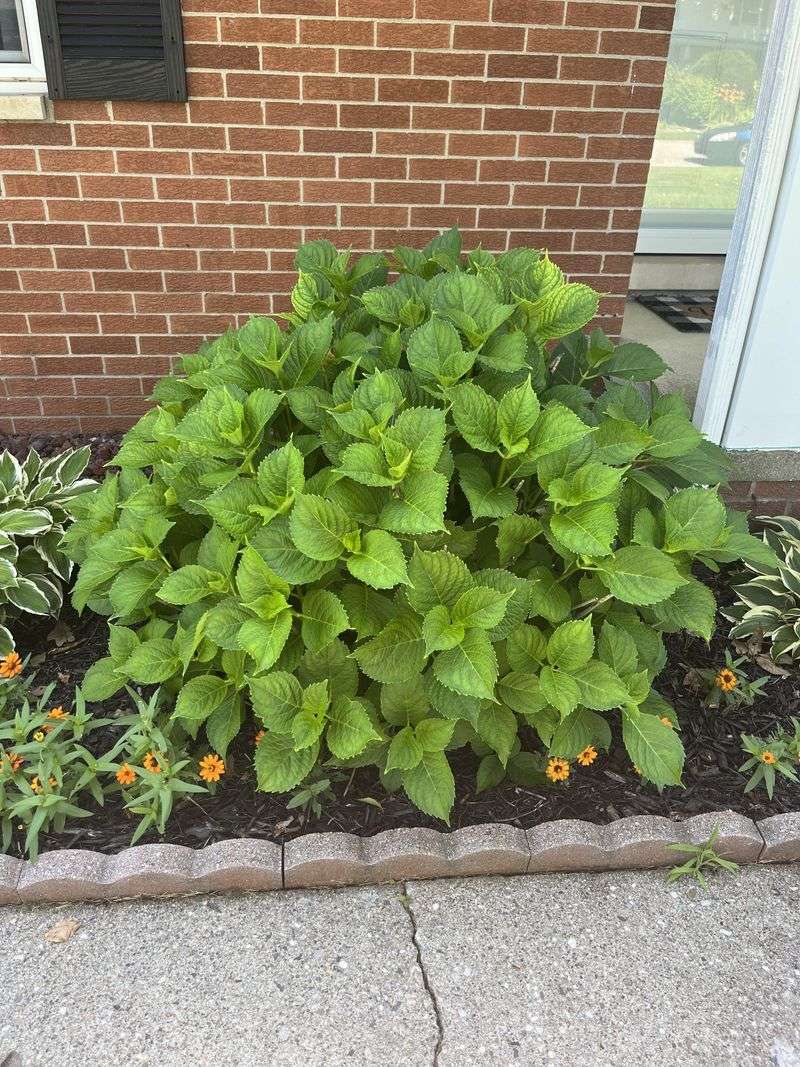
Habits beat willpower, so the goal is making the soil check easier than dragging out the hose.
Start by picking a consistent time to inspect rather than a consistent time to water. Early morning works well because you can see wilt caused by real thirst before the afternoon sun confuses things.
Keep a wooden dowel or an inexpensive moisture meter stuck near the base of your main shrub. When the tool is already there, checking takes no effort at all.
Learn the difference between thirsty wilt and heat wilt. Leaves that droop at two in the afternoon but perk up by evening were simply hot, not dry.
Leaves still drooping the next morning mean water is genuinely needed. Reacting to the morning check saves an enormous amount of unnecessary watering.
Add two to three inches of shredded bark or leaf mulch around the plant, keeping it clear of the stems. Mulch slows evaporation, which stretches the gap between waterings.
Jot quick notes on your phone: date watered, weather, bloom count at season’s end. Patterns emerge within a few months and make decisions obvious.
One notable detail: hydrangea comes from Greek words meaning water vessel, a nod to its cup-shaped seed pods rather than a demand for constant drinks. The name has misled gardeners for generations.
Check first, water deeply, then walk away. Your hydrangea will reward the restraint with flowers worth photographing.