Got Mandevilla? 10 Essential Tasks Arizona Gardeners Must Do This Fall To Keep It Blooming
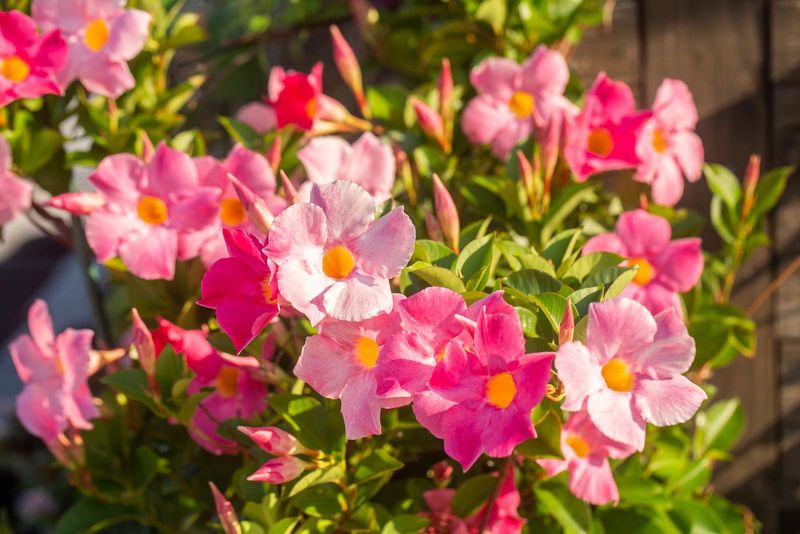
If you have a Mandevilla climbing your Arizona trellis, fall is a big deal for keeping those trumpet flowers coming. Our desert weather is tricky, with hot afternoons that fade into cold nights that can hurt these frost-tender vines.
A little planning now means more blooms, healthier roots, and a plant that survives winter instead of turning to mush. Here are 10 simple tasks to help your Mandevilla thrive from October through the first cold snap.
1. Adjust Watering for Cooler Temperatures
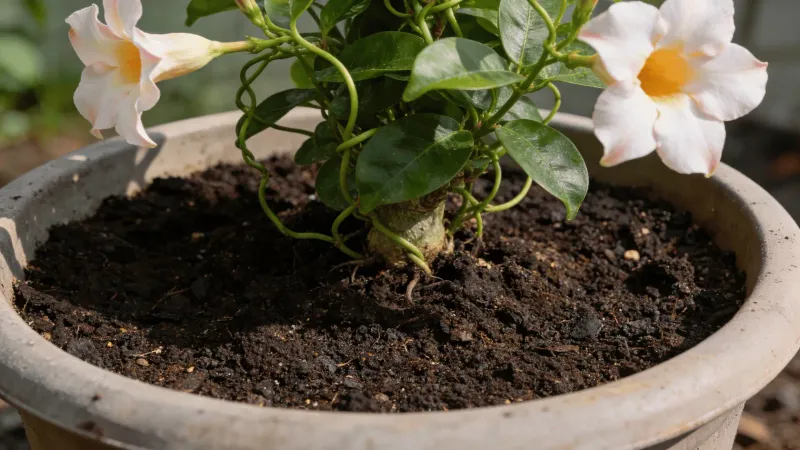
Your Mandevilla drank a lot during those brutal 110-degree summer days, but October changes the rules. As the desert air cools, the soil holds moisture longer, and the same watering schedule you used in July can quietly drown your roots.
Poke a finger into the top inch or two of soil before you reach for the hose. Water deeply only when that layer feels dry, yet never let the root ball bake bone-dry between drinks.
Mandevilla likes steady dampness, not a swamp.
Container plants are thirstier than in-ground ones because pots dry out faster in our dry air, so check them more often. In-ground vines stretch their roots wider and can go longer stretches without a soak.
Cutting back gradually helps the plant sense the season shifting and prepares it for slower growth ahead. Overwatering in fall is one of the fastest ways to invite root rot, which can undo a whole summer of gorgeous flowers.
Slow, thoughtful watering keeps blooms opening while protecting those hardworking roots.
2. Gradually Reduce and Cease Fertilization
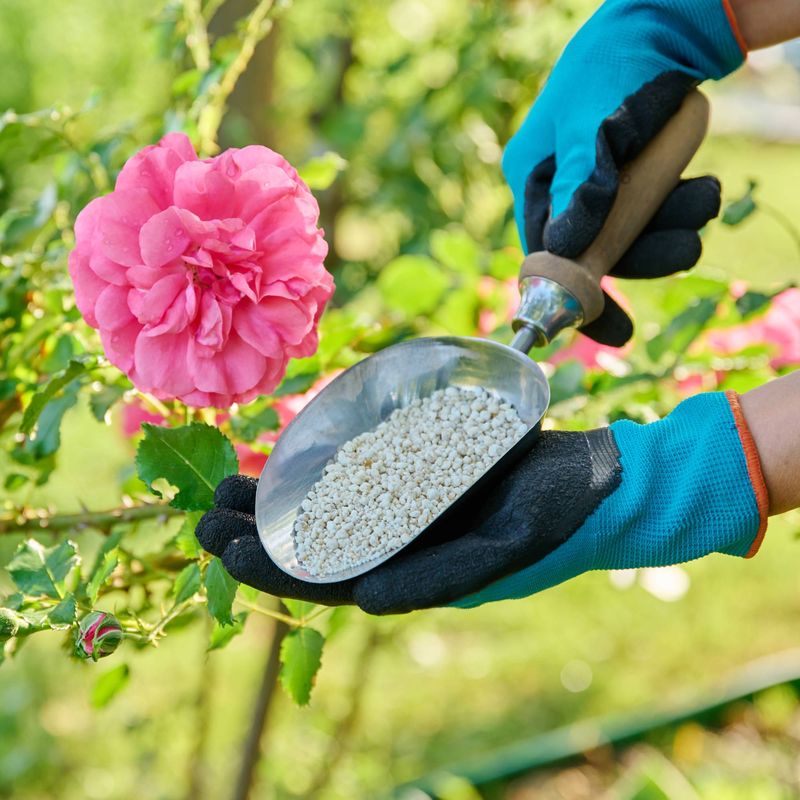
Feeding your Mandevilla is like pouring fuel on a flower fire during late summer, and a high-phosphorus bloom booster every two to three weeks keeps those buds cranking into early fall.
Timing is everything here in the low desert, though. Push fertilizer too late and you force tender new growth that a surprise cold snap will happily kill.
Around September first, start easing off, and by mid-to-late fall stop feeding altogether.
Letting the plant coast without nutrients signals it to slow down and shift energy toward its roots instead of soft, vulnerable leaves. That natural wind-down is exactly what you want before winter arrives.
Think of it as helping your vine settle into a calm, rested state rather than keeping it revved up when the season is telling it to relax. A balanced fertilizer works fine if you do not have a bloom formula on hand.
Skipping this step is a common mistake that leaves plants stressed and floppy when temperatures dip. Ending fertilization on schedule protects both the current flush of blooms and the plant’s long-term survival through the cooler months.
3. Ensure Adequate, Filtered Sunlight
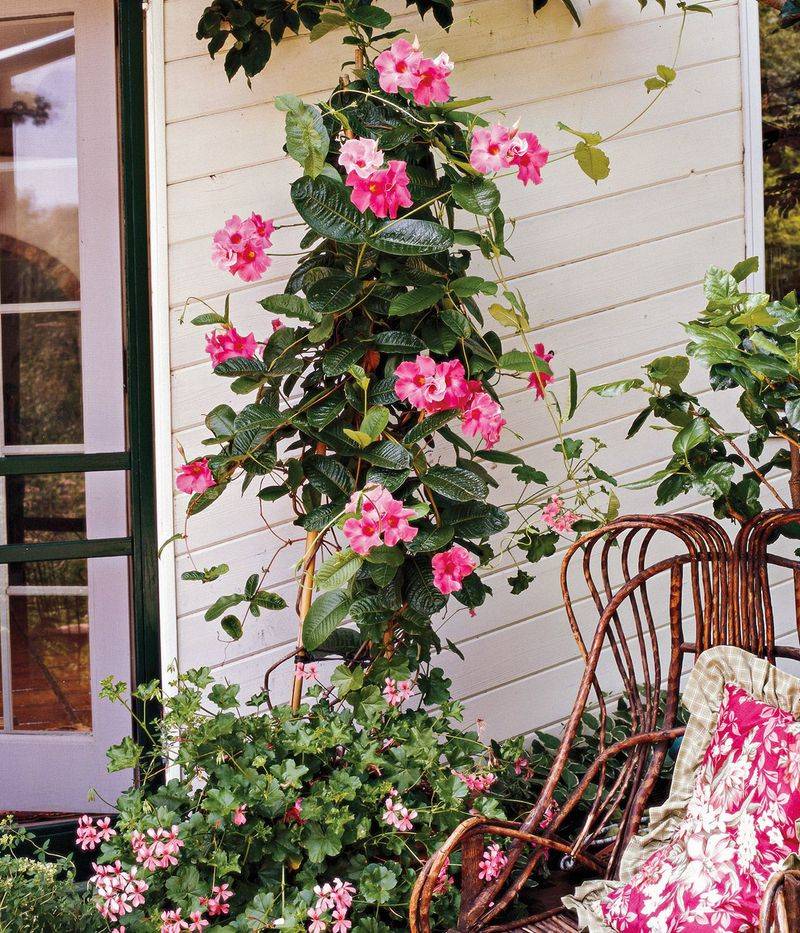
Sunlight is the engine behind every Mandevilla bloom, and these vines want at least six hours of bright light each day to flower their best. Fewer flowers usually trace back to a spot that is too shady.
Arizona throws a curveball, though. Our afternoon sun is so intense that full exposure can scorch leaves, leaving crispy brown edges and stressed growth.
Your Arizona Garden Changes Every Week. Your Plan Should Too.
Gardening in Arizona changes quickly throughout the season. Every Friday you’ll receive a simple weekly plan showing exactly what to plant, prune, fertilize, harvest, and protect so you never miss the right timing.
Morning sun with filtered or dappled afternoon shade hits the sweet spot.
A location that catches gentle east light and then gets protection from the harsh western blast keeps foliage green and flowering strong. Patio covers, shade cloth, or the dappled shadow of a nearby palo verde all work well.
As fall arrives and the sun angle shifts lower, watch how light moves across your yard. A spot that was perfectly shaded in July might now sit in more direct rays, or the opposite.
Repositioning a potted Mandevilla to follow the changing light is easy and pays off in continued color. Getting the balance right means bright blooms without the sunburned leaves that plague plants left in relentless desert glare.
4. Monitor and Treat for Pests Promptly
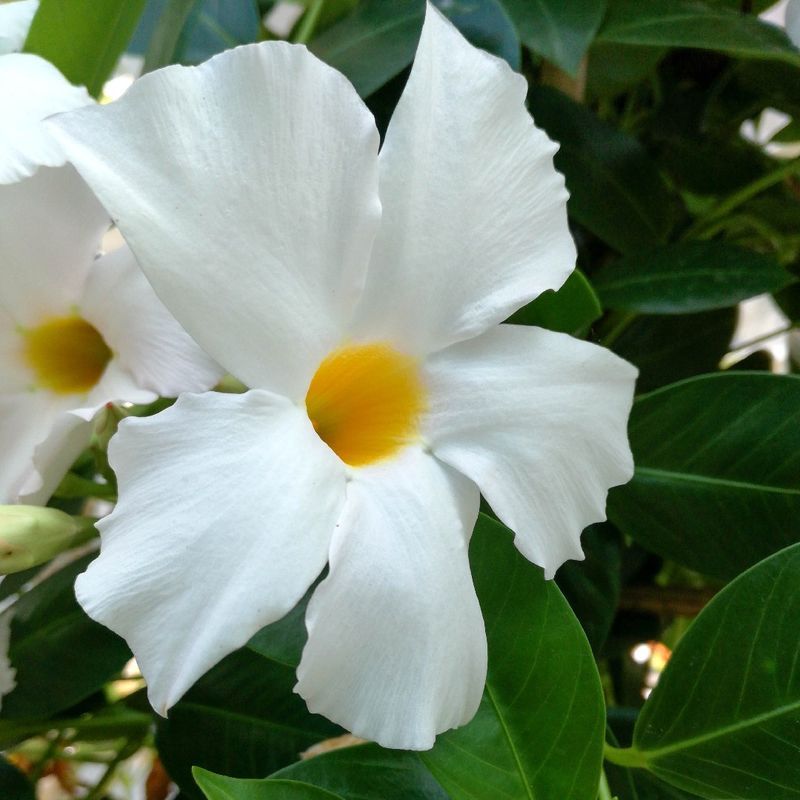
Tiny troublemakers love a stressed plant, and Mandevillas draw a familiar crowd of spider mites, aphids, whiteflies, and scale. Left alone, these pests sap the vine’s strength and steal blooms right off the plant.
Flip a few leaves over during your regular check-ins. Spider mites leave fine webbing and speckled leaves, aphids cluster on tender new tips, and scale shows up as small bumps stuck to stems.
Catching them early makes a huge difference.
Reach for insecticidal soap or neem oil at the first sign of trouble rather than waiting for a full-blown invasion. Both are gentle options that knock back soft-bodied bugs without harsh chemicals, and you can reapply every week or so until the problem clears.
Fall is a smart time to stay vigilant because a weakened plant heading into winter is far less likely to bounce back. Healthy foliage also means the plant can keep feeding those late-season flowers.
A quick weekly inspection takes minutes and spares you the heartbreak of a suddenly sickly vine. Staying ahead of pests keeps your Mandevilla vigorous right up to the first frost.
5. Perform Light Pruning and Deadheading
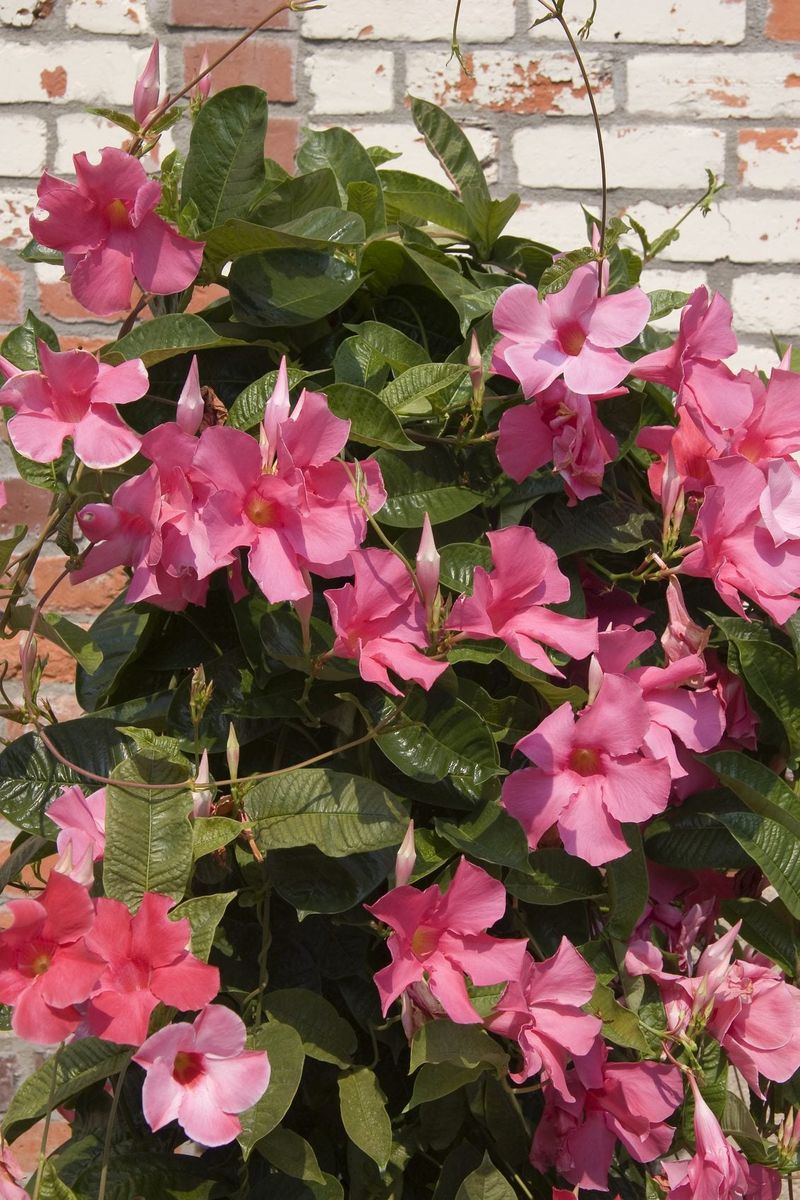
Deadheading might feel like a small chore, but pinching off spent flowers tricks your Mandevilla into making more. When faded blooms linger, the plant pours energy into seeds instead of fresh color.
Snip or twist away those tired trumpets regularly and you keep the vine tidy while nudging it toward another round of buds. It is oddly satisfying and takes only a few minutes during your morning garden walk.
Beyond deadheading, give the plant a light trim to remove leggy, dead, or damaged stems. A gentle shaping encourages fuller, bushier branching rather than a few long, bare vines reaching for the sky.
Hold off on heavy cutting this early in fall, since drastic pruning belongs later if you plan to overwinter indoors. Right now you just want to clean up and steer growth.
Wear gloves while you work, because Mandevilla oozes a milky sap that can irritate skin and gum up your tools. A clean cut just above a leaf node heals fastest.
This ongoing tidying keeps the vine looking sharp and blooming generously through the mild stretch of autumn weather Arizona enjoys.
6. Provide Sturdy Support for Vining Varieties
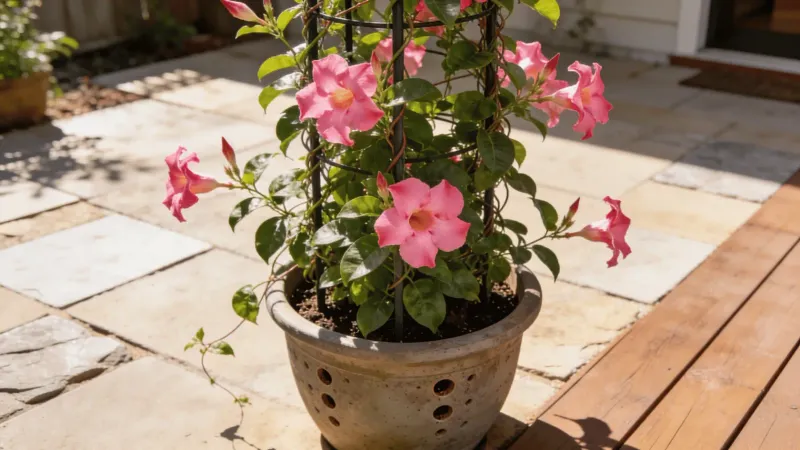
A Mandevilla is a climber at heart, reaching upward and outward with surprising vigor even as summer fades. Without something solid to grab, all that growth flops into a tangled heap.
Check that your trellis, arbor, or obelisk is anchored and sturdy before fall winds pick up. Arizona gusts, especially around weather changes, can whip an unsupported vine around and snap tender stems.
As new shoots appear, gently guide them onto the support and loosely tie them if needed. Soft plant ties or strips of cloth hold stems without cutting into them, and the vine will soon twine on its own.
A well-supported plant not only looks polished but also gets better airflow and sunlight across its leaves, which helps flowering and cuts down on pest hideouts.
Early fall is prime growing time here, so your Mandevilla may add noticeable length before cold weather slows it. Keeping up with that growth prevents a messy, sprawling mess later.
Give the structure a quick wiggle test now and again to be sure it can shoulder a mature, flower-heavy vine through the windy season ahead.
7. Plan for Frost Protection or Indoor Transition
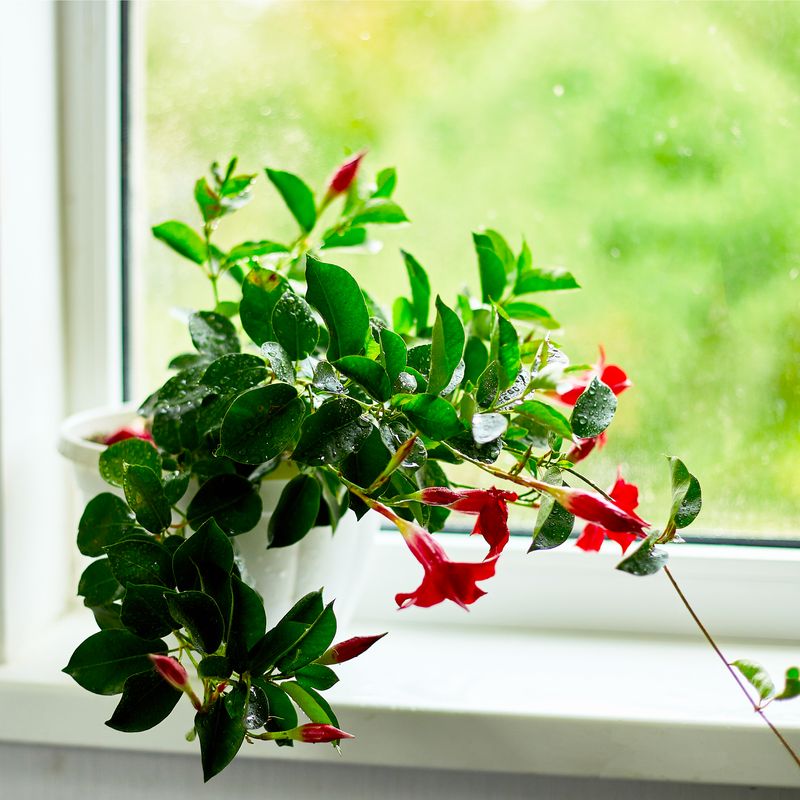
Here is the hard truth about Mandevilla in the desert: it loves our heat but crumbles in the cold. Damage starts when temperatures dip below 45 to 50 degrees, and a hard frost can flat-out kill it.
Low-desert Arizona usually stays mild, but our winter nights can surprise you, especially in outlying areas where cold air settles. Watch the forecast closely as late fall approaches.
If your Mandevilla lives in a container, plan to move it indoors before that first frost hits. A bright window or sunroom lets it ride out winter and return to your patio next spring, blooms and all.
For in-ground vines you can’t relocate, keep frost cloth or old sheets handy to drape over the plant on cold nights, removing the cover once temperatures climb again.
Making this plan now, rather than scrambling the night of a freeze warning, saves your plant and your sanity. Note where you’ll set the pot and how you’ll cover the bed.
A little preparation is the difference between a Mandevilla that greets you again in April and one you’re replacing at the nursery.
8. Pre-Winter Pruning for Indoor Overwintering
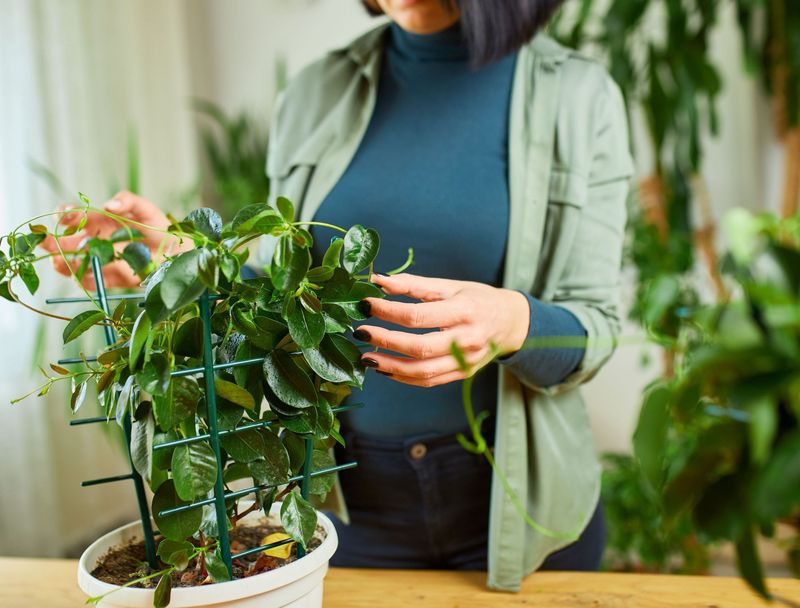
Once you’ve decided to bring a potted Mandevilla inside for winter, it’s time for a bolder haircut than the light trims of early fall. A big vine simply won’t fit comfortably in most homes.
In late fall, cut the plant back hard, down to about eight to twelve inches from the base. It looks a little drastic, but this dramatic trim shrinks the plant to a manageable size for indoor life.
The heavy prune also helps the Mandevilla conserve energy during its dormant rest, so it isn’t struggling to support long, leggy growth in low winter light. Come spring, it bounces back with fresh vigor.
Slip on gloves before you start, because that sticky milky sap gets everywhere and can irritate your skin. Sharp, clean shears make quick, healthy cuts.
Set the trimmed pot in a cool, bright indoor spot and water sparingly through the dormant months. The plant won’t need much attention until days lengthen again.
This annual reset keeps your Mandevilla alive year after year instead of treating it as a throwaway summer annual, saving you money and giving you a bigger, stronger vine next season.
9. Maintain Excellent Drainage
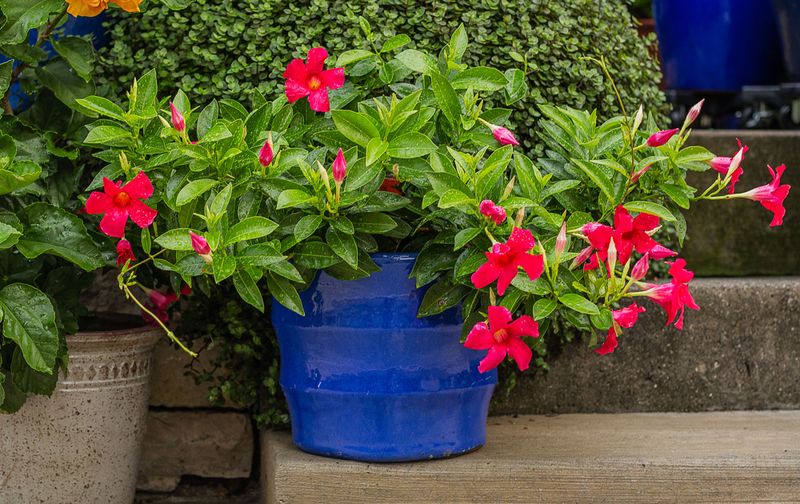
Soggy roots are a Mandevilla’s worst enemy, and our heavy clay and caliche soils can trap water in ways that spell trouble. Root rot creeps in when moisture pools around the roots with nowhere to go.
Whether your vine grows in the ground or a pot, drainage should be your top priority. Amend planting holes with organic matter like compost to loosen dense desert soil and help excess water move through.
Containers need drainage holes, plain and simple, and a well-draining potting mix beats standard garden soil every time. If water sits in the saucer, dump it out so roots aren’t left standing in a puddle.
Fall can bring the tail end of monsoon showers or occasional rain, and that extra water makes good drainage even more critical. A plant that handles summer beautifully can still rot in a waterlogged pot after a wet spell.
Check that your Mandevilla’s soil drains freely by watering and watching how fast it soaks in. Slow, standing water is a red flag worth fixing before cooler, damper weather sets in.
Healthy, breathable soil keeps roots happy and blooms coming.
10. Embrace Pollinator Benefits
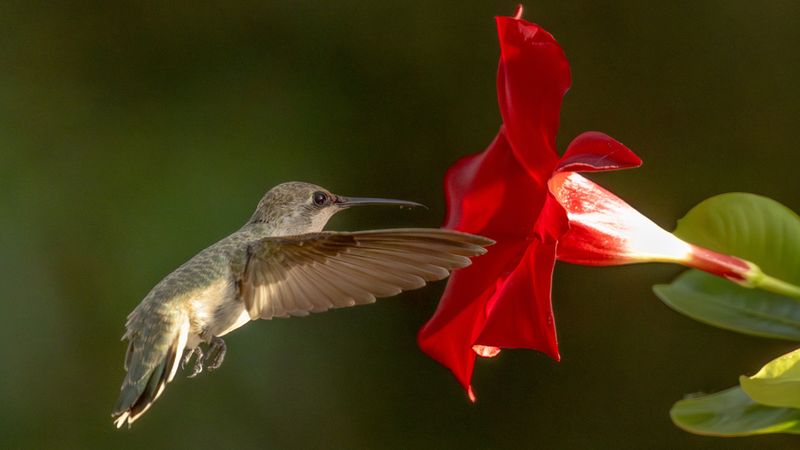
Beyond the eye candy, your Mandevilla pulls double duty as a pollinator magnet, and that’s where it earns its keep in a functional Arizona yard. Those bold, trumpet-shaped blooms are practically built for visitors.
Hummingbirds especially adore the flared flowers, dipping in for nectar and putting on a show near your patio. Butterflies and bees join the party too, keeping your garden buzzing with life well into the fall blooming stretch.
Supporting these creatures does more than delight you. Pollinators help nearby plants set fruit and seed, and a yard alive with beneficial insects tends to stay healthier and more balanced overall.
Keeping your Mandevilla vigorous through fall means a steady nectar source right when many other blooms are fading, giving hummingbirds and butterflies a welcome refueling station before winter.
It fits beautifully with the idea of a yard that works for you, offering habitat and natural activity rather than just decoration. Skip pesticides on open flowers so you don’t harm the visitors you’re trying to attract.
Watching hummingbirds zip between blossoms on a crisp desert morning is a small daily reward, proof that your Mandevilla care pays off for the whole ecosystem.