This Desert Native Can Grow Where Arizona Soil Is Rocky And Difficult
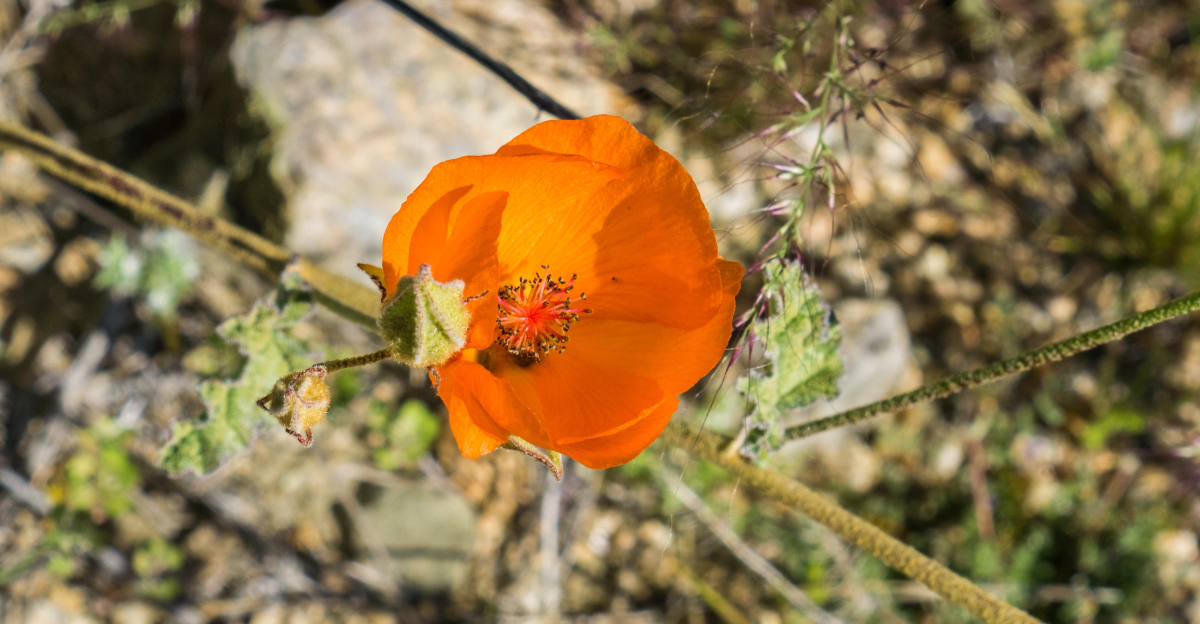
Rocky ground can make a promising garden space feel almost impossible to use. Instead of fighting those difficult conditions, consider a plant already equipped to handle them.
Plenty of popular choices demand richer soil and more preparation than challenging yards naturally provide. One desert native takes a very different approach to growing.
Its natural habitat offers an important clue about why it can succeed in Arizona gardens. Tough ground does not automatically rule out attractive planting options.
Rather than completely rebuilding a stubborn patch of soil, work with the conditions already there. Choosing plants for the site can make gardening far less frustrating.
This native brings more than simple toughness to challenging spaces around the yard.
If rocky soil keeps limiting your plans, this resilient desert plant could give that difficult area another possibility.
1. Desert Globemallow Can Handle Rocky Desert Soil
Rocky ground is where desert globemallow feels right at home. Most flowering shrubs struggle when the soil is thin, full of gravel, or packed with caliche.
Globemallow does not. Its root system is built to work through gaps in rocky ground and find moisture where other plants cannot reach.
Caliche is a real problem in many desert yards. It forms a hard, chalky layer just below the surface that blocks drainage and root growth.
Globemallow can push through lighter caliche layers over time, though thick, concrete-like deposits may still limit root depth. Breaking up severe caliche before planting gives it a better start.
Gravelly, fast-draining soil actually suits this plant well. Standing water is a bigger threat than dry, rocky ground.
Good drainage keeps the roots healthy through wet seasons and prevents rot during monsoon rains.
Planting in a spot where water does not pool after rain is one of the best things you can do. A gentle slope or raised bed works well.
Rocky desert soil, the kind most gardeners try to improve, is exactly the type of ground this native was built for. No amendments needed in most cases.
2. This Native Grows Naturally In Tough Desert Places
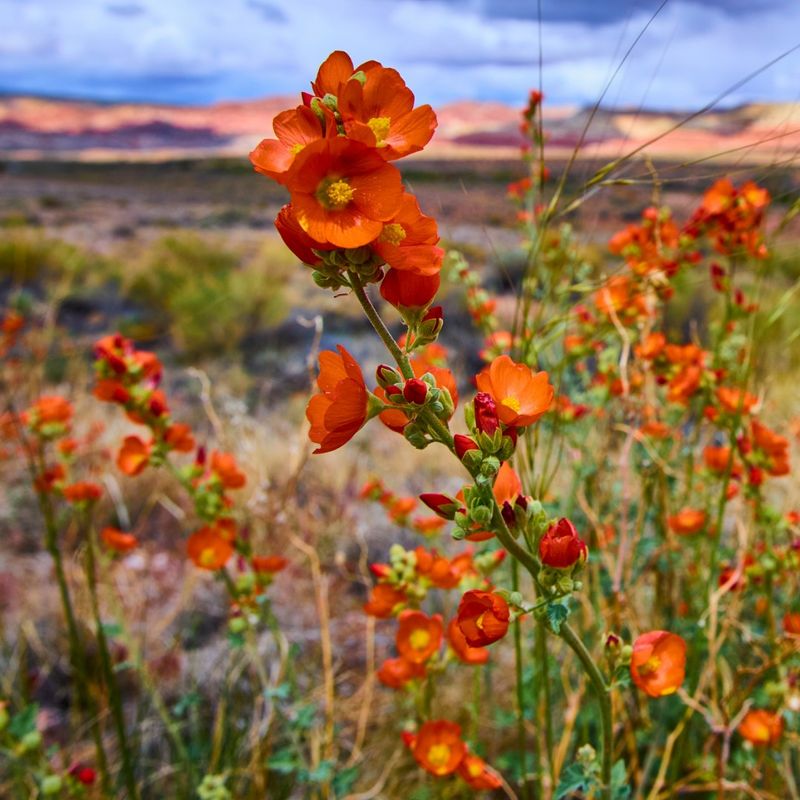
Roadsides, canyon walls, dry washes, and sun-scorched hillsides. That is where you find desert globemallow in the wild.
It does not wait for good conditions. It grows in the conditions that exist, and it has been doing that for thousands of years across the desert Southwest.
Seeing where a plant grows naturally tells you a lot about what it actually needs. Globemallow pops up in spots with zero irrigation, no fertilizer, and no one looking after it.
The soil in those spots is often shallow, alkaline, and loaded with gravel or decomposed granite.
Arizona roadsides are a great example. Disturbed ground along highways often gets reseeded with native mixes, and globemallow comes back reliably.
It handles compaction, poor fertility, and reflected heat from pavement without much trouble.
Bringing a plant like this into a home landscape is not complicated. You are not forcing it into conditions it dislikes.
You are giving it something close to what it already knows. That is a big advantage over plants that need constant attention to survive in the desert.
Your Arizona Garden Changes Every Week. Your Plan Should Too.
Gardening in Arizona changes quickly throughout the season. Every Friday you’ll receive a simple weekly plan showing exactly what to plant, prune, fertilize, harvest, and protect so you never miss the right timing.
Globemallow belongs here, and its natural range proves it can handle the tough spots most gardeners want to plant but struggle to fill.
3. Full Sun Helps It Grow And Flower
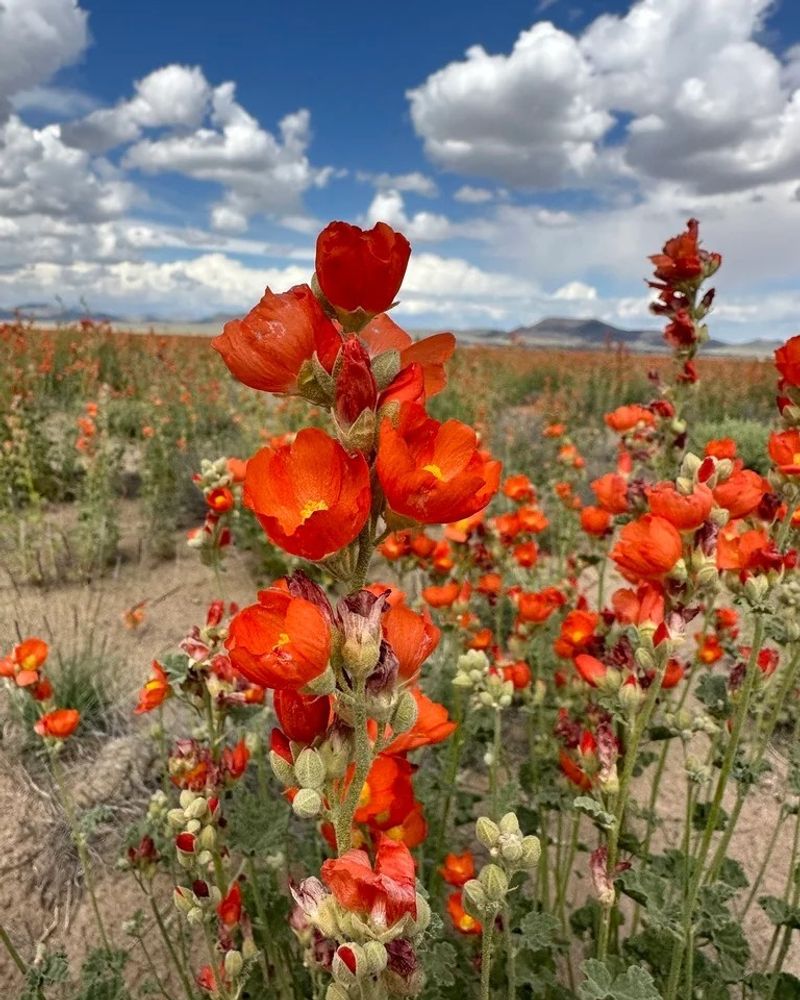
Shade is not a friend to this plant. Desert globemallow wants full sun, and the more direct sunlight it gets, the better it blooms.
Planting it under a tree or near a wall that blocks afternoon light can reduce flowering noticeably.
South-facing and west-facing spots tend to work best in desert gardens. Those locations catch the most intense sun during the day and tend to stay warmer in winter.
Globemallow handles reflected heat from walls and pavement better than most plants, which makes hot urban yards a solid fit.
In partial shade, the plant may still grow but often gets leggy and produces fewer flowers. Stems stretch toward the light and the overall shape becomes loose and uneven.
Full sun keeps growth compact and encourages more blooms per season.
Spring is peak bloom time for most globemallow plants. A second flush of flowers sometimes happens after monsoon rains in late summer, depending on conditions.
Consistent sun exposure through both seasons supports stronger flowering. If your yard has a spot that gets baked all day and nothing else will grow there, globemallow is worth trying.
It is one of the few flowering plants that actually performs better as the sun gets more intense.
4. Established Plants Need Very Little Extra Water
Getting through the first year is the hardest part. Young globemallow plants need regular watering to build a strong root system.
Once established, usually after one full growing season, the plant becomes much more self-sufficient.
Established plants can often survive on rainfall alone in areas that get average desert precipitation. In years with very dry winters or extended drought, a deep soak every few weeks during the growing season helps maintain health and flowering.
Overwatering is a bigger concern than underwatering once roots are settled in.
Drip irrigation set to a low frequency works well for the transition period. Watering deeply but less often encourages roots to grow deeper into the soil.
Deep roots make the plant more drought-tolerant over time. Shallow, frequent watering keeps roots near the surface and makes the plant more dependent on irrigation.
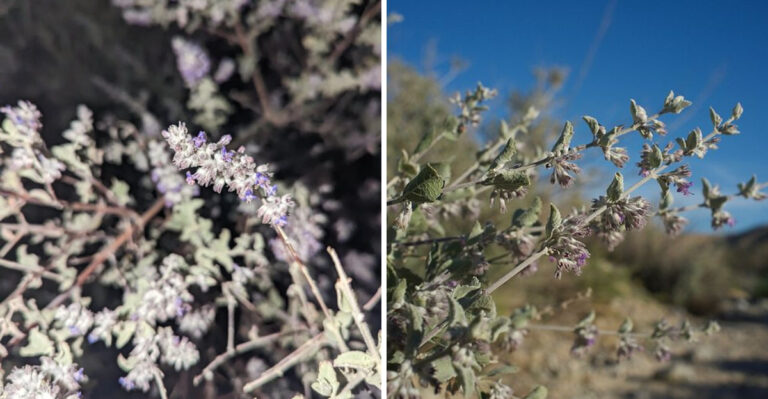
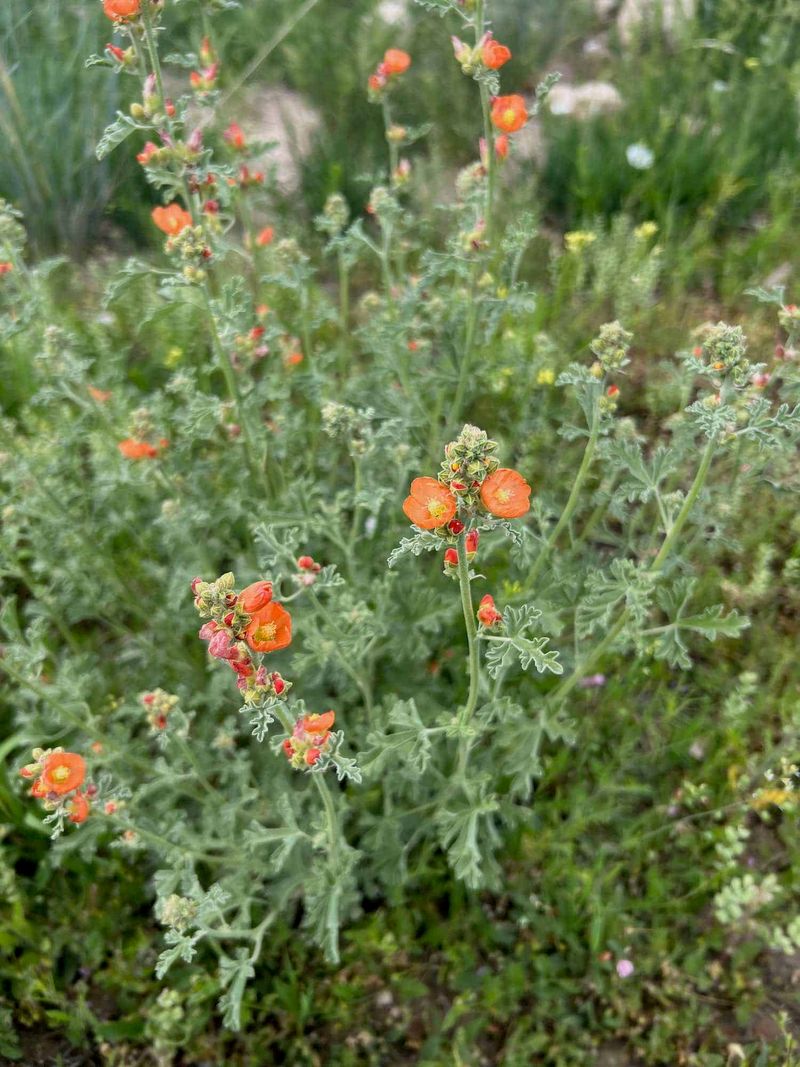
Signs of too much water include yellowing leaves and stems that look soft or droopy. Healthy globemallow looks a bit gray-green and slightly fuzzy on the leaves.
That fuzzy texture is actually tiny hairs that help reduce moisture loss in the heat. Trusting the plant to manage dry spells is part of growing it successfully.
Backing off irrigation once the plant is settled is often the right call.
5. Orange Blooms Bring Color To Rocky Garden Areas
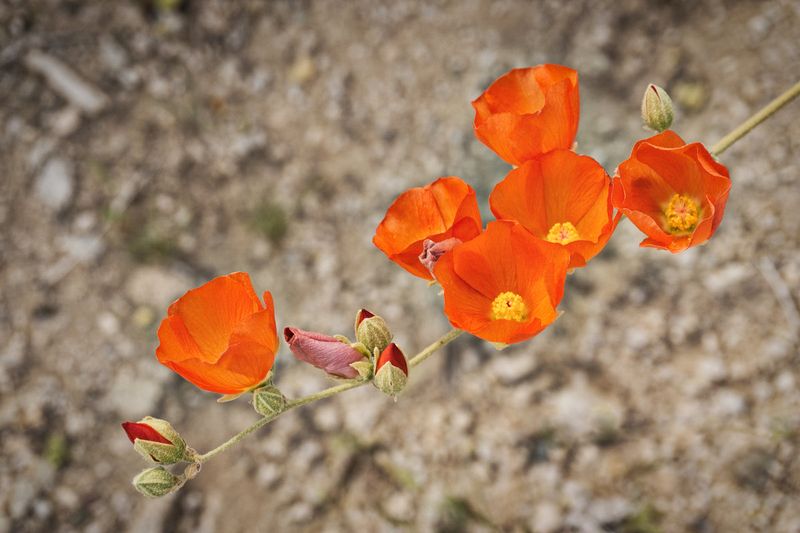
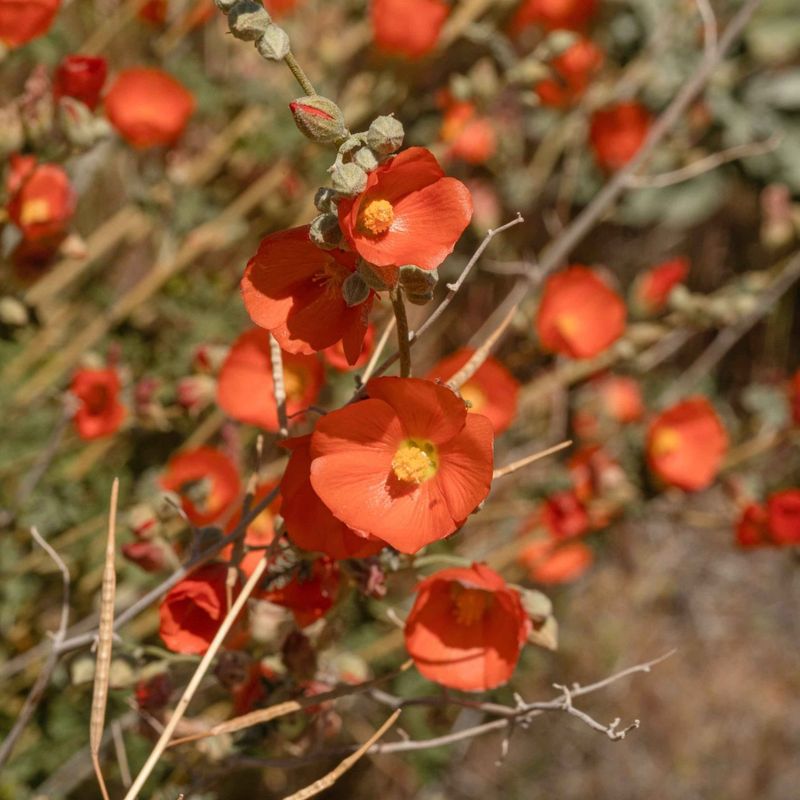
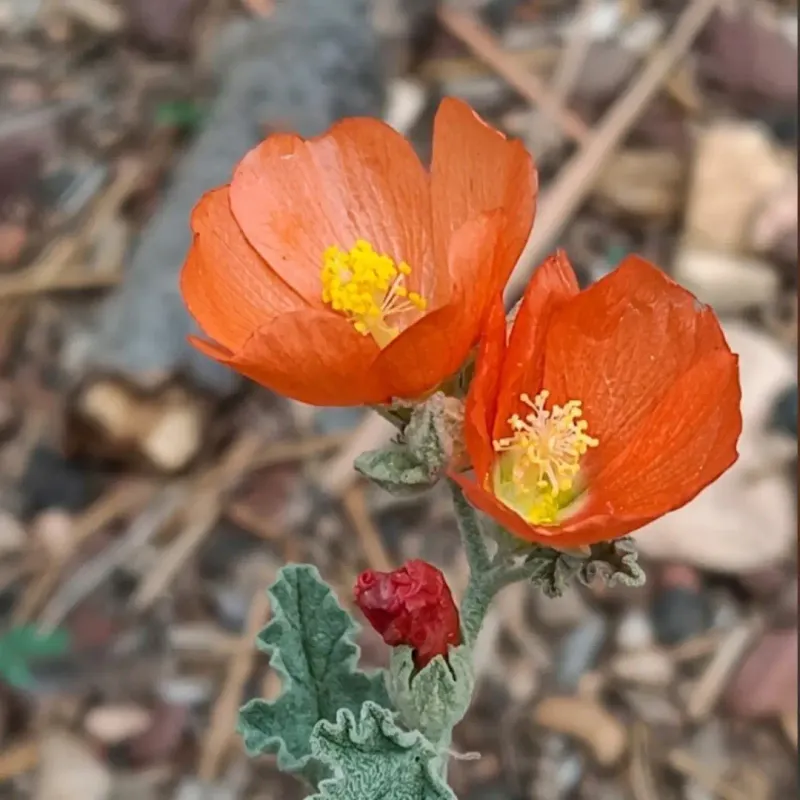
Few plants deliver color in a rocky desert garden the way globemallow does. Those orange blooms are hard to miss.
They cluster along the stems in loose sprays and open up through spring, sometimes stretching into early summer depending on temperatures.
The orange color is the most common, but globemallow actually comes in a range of shades. You can find cultivars in red-orange, coral, lavender, and white.
Most wild plants lean toward a warm orange-red. Nurseries in the desert Southwest sometimes carry the colored varieties for gardeners who want something a little different.
Rocky garden areas are often the hardest spots to add color. Gravel mulch, decomposed granite, and boulders all create a neutral, earthy palette.
Globemallow breaks that up without looking out of place. It fits the desert aesthetic while still adding visual interest.
Pollinators respond well to the blooms. Native bees, in particular, visit globemallow flowers regularly during peak bloom.
Adding color to a rocky yard does not have to mean fighting the environment. Globemallow works with the surroundings rather than against them.
Planting a few together in a cluster creates a bigger visual impact than spacing them out too far. A simple grouping of two or three plants can transform a plain gravel strip into something worth looking at.
6. Its Rounded Growth Can Fill Open Yard Spaces
Globemallow grows into a loose, rounded mound over time. Most plants reach about two to four feet tall and spread a similar width, though this varies depending on soil, water, and sun.
That rounded form fills open ground naturally without needing much shaping.
Open yard spaces in desert gardens can look bare and uninviting. Large stretches of gravel or decomposed granite with no plants feel flat.
Placing a few globemallow plants in those gaps adds structure and softens the hardscape without creating a maintenance burden.
Spacing matters. Planting too close crowds the plants and limits airflow, which can lead to fungal issues in humid monsoon conditions.
Giving each plant about three to four feet of space lets it develop its natural shape without competition. That spacing also looks intentional rather than random.
After a few seasons, older stems can get woody and the center of the plant may open up. Cutting stems back by about a third in late winter encourages fresh growth from the base and keeps the mounded shape tighter.
Hard pruning is not necessary every year, but a light trim every season or two keeps things looking neat. Globemallow is not a high-maintenance plant, but a little occasional shaping goes a long way toward keeping it looking its best in the yard.
7. The Right Spot Makes This Native Easy To Maintain
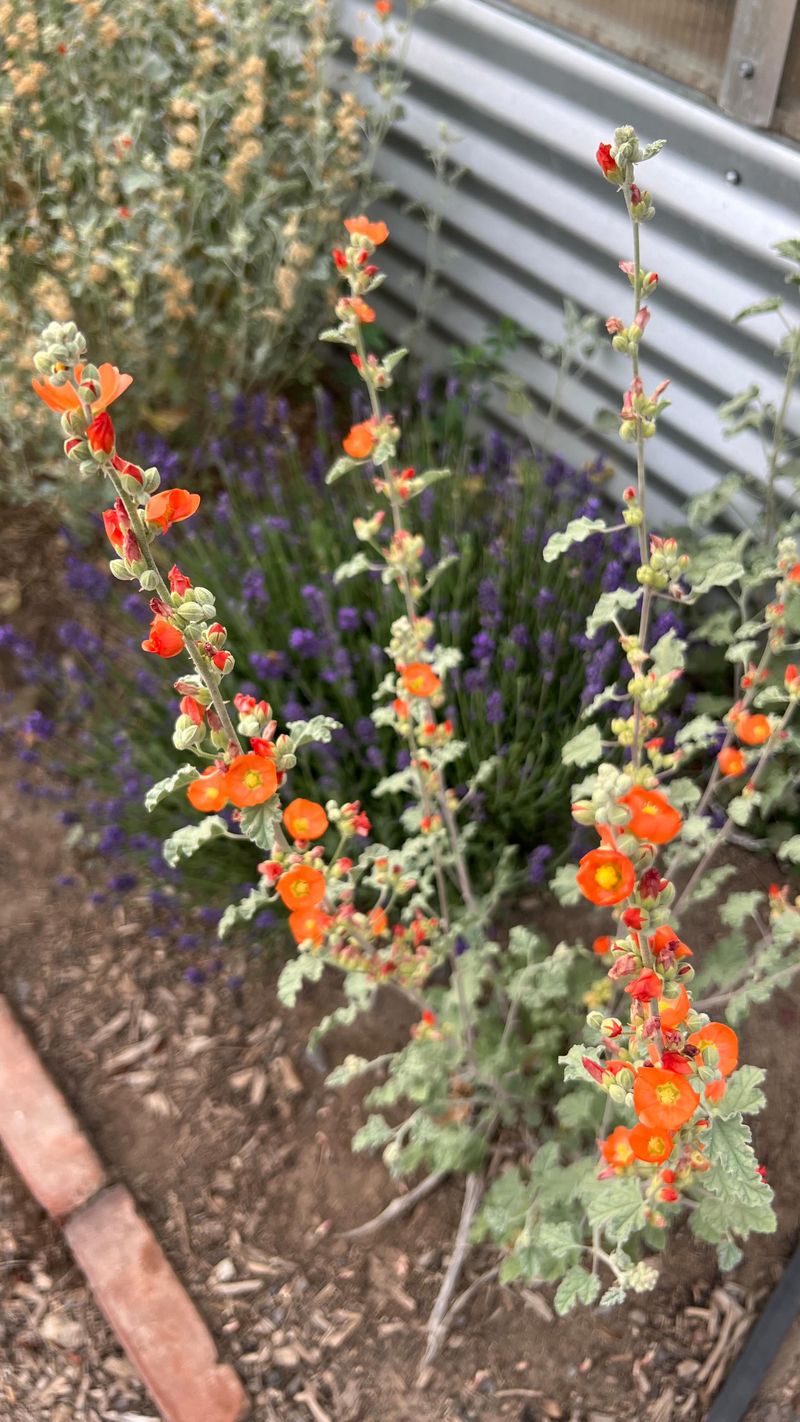
Placement is everything with this plant. Put globemallow in the right spot and it practically looks after itself.
Put it somewhere shady, soggy, or cramped, and you will spend more time troubleshooting than enjoying it.
Full sun and fast-draining soil are the two non-negotiable requirements. Beyond that, globemallow is forgiving.
Alkaline soil, rocky ground, and reflected heat from walls or pavement are not problems. Soggy soil after rain is the main condition to avoid.
A spot with natural drainage or a slight slope is ideal.
Gravel mulch around the base helps in two ways. It keeps moisture from sitting against the crown of the plant, and it reflects heat upward, which globemallow handles well.
Avoid organic mulch piled against the base. It holds too much moisture and can cause stem rot over time.
Fertilizing is rarely needed. Desert soil, even poor rocky soil, usually provides enough nutrients for a plant adapted to lean conditions.
Adding fertilizer can push excessive leafy growth at the expense of flowers. Keeping inputs minimal is usually the better approach.
Once established in a good location, globemallow in the desert Southwest is a low-effort plant. Occasional pruning, minimal water, and no fertilizer means more time enjoying the garden and less time managing it.
Picking the right spot from the start saves a lot of effort later on.