8 Reasons To Plant Elderberry In Your Texas Yard (And How To Get One Started This Fall)
A strange thing happens in some Texas yards.
The forgotten corner starts becoming the most interesting spot outside. The grass struggles. The mower leaves marks. Other shrubs look unhappy.
Then one plant shows up and changes the whole mood. It brings flowers, visitors, and a little backyard magic without asking for a perfect landscape.
Have you ever had a space in your yard that felt impossible to use? The kind of spot you usually ignore until another weekend project arrives?
That space might have more potential than you think.
A native shrub can turn an awkward patch into a place filled with movement, color, and seasonal surprises.
The secret is not hidden in fancy garden tricks or complicated care routines. It starts with choosing a plant that matches the land already around you.
Before you cover that corner with another ordinary shrub, take a closer look. Your yard may be waiting for a plant that works harder than it looks.
1. It’s Native To Much Of Texas
Some plants fight your yard. Others behave like they already know the neighborhood.
American elderberry belongs in that second group. It has grown across parts of Texas for generations, particularly near creek edges, woodland borders, and anywhere holding moisture.
Less like a guest and more like a longtime resident finally invited in.
Native status matters because those plants match local conditions better than random landscape picks. Elderberry follows the rhythm of Texas seasons when planted in a suitable spot.
Spring growth, early summer flowers, then fruit. Predictable once the site is right.
The best locations tend to be the ones gardeners overlook entirely. A low corner near drainage, a damp fence line, or a spot catching morning sun all qualify.
Do not confuse native with effortless though. Elderberry still wants steady moisture, especially through a Texas summer.
West Texas and genuinely dry areas require extra planning around shade and irrigation. Honest expectation rather than a warning.
Take a look around before choosing a spot. That soggy place you stopped fighting might be exactly where this shrub performs.
Sometimes the problem corner is not a problem at all. It just needed the right plant to make sense of it.
2. It Feeds Bees And Other Pollinators
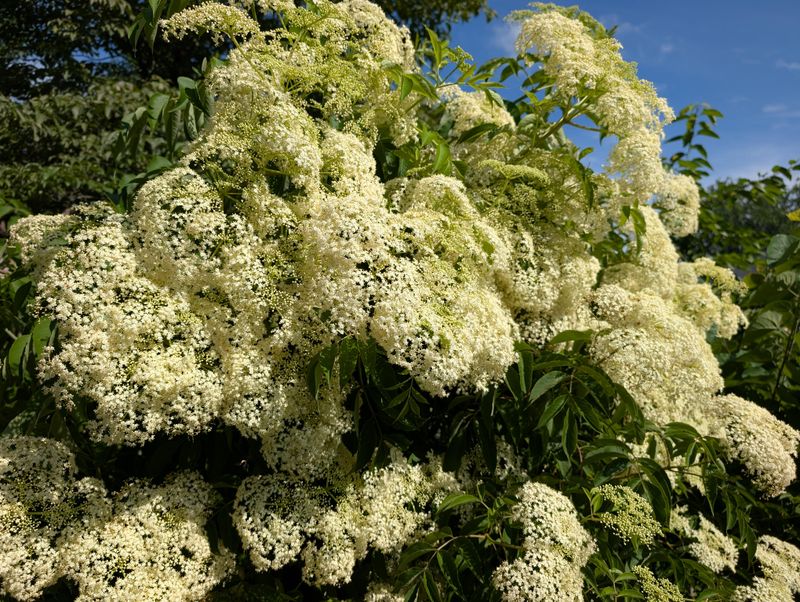
Stand beside a blooming elderberry on a warm morning and the sound gives it away.
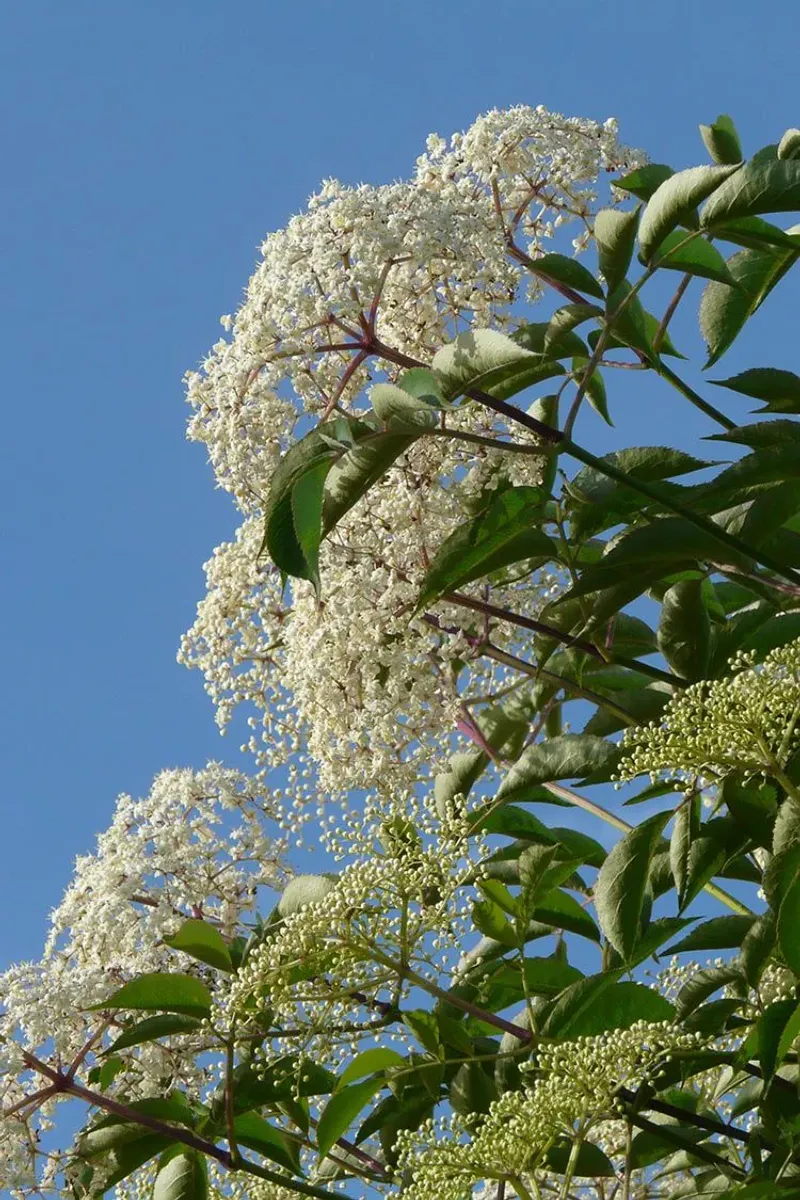
Each cluster forms a broad flat-topped plate, sometimes ten inches across, holding hundreds of small cream-white flowers.
Flat surfaces function as landing pads. Sweat bees, small carpenter bees, hover flies, soldier beetles, and slim native wasps all feed side by side.
Honey bees crowd in without displacing anyone. Plenty of room on a plate that size.
Bloom timing counts for a great deal here. Most Texas plants flower from April into June.
That window covers the stretch after spring wildflowers fade and before summer perennials arrive. Extra flushes sometimes follow a good rain.
Elderberry supplies generous pollen, which suits solitary bees packing food for their young.
Those bees nest in hollow stems and bare soil. Leave a few older canes standing and keep one unmulched patch nearby.
Your Texas Garden Changes Every Week. Your Plan Should Too.
Gardening in Texas changes quickly throughout the season. Every Friday you’ll receive a simple weekly plan showing exactly what to plant, prune, fertilize, harvest, and protect so you never miss the right timing.
One common mistake ruins the whole show. Spring pruning removes flower buds, so save cuts for winter.
Frustrated gardeners often blame weather when the shears were responsible.
Plant two or three shrubs and insect traffic becomes obvious within a season. Nearby vegetable beds benefit too, since those pollinators wander over to squash and beans afterward.
3. It Draws Birds And Backyard Wildlife
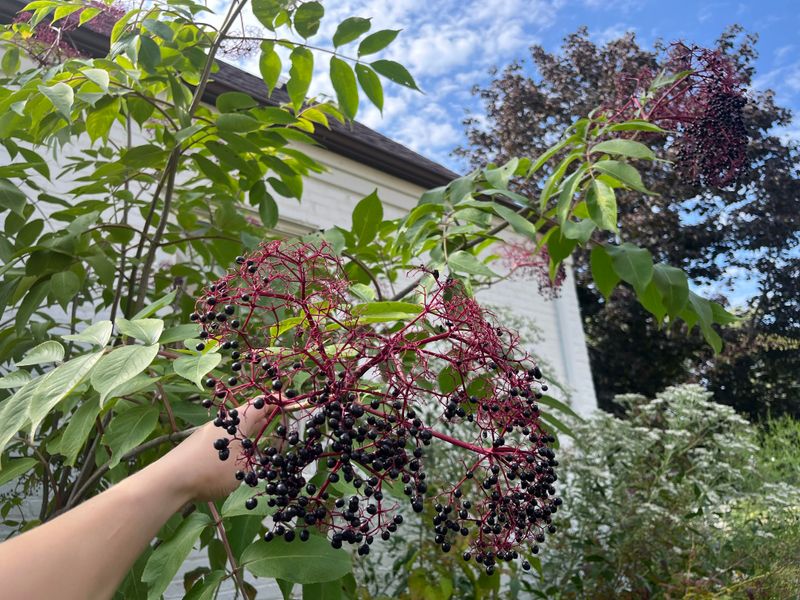
Purple-black fruit ripens between late June and August, and the mockingbirds notice before you do.
Berries hang in heavy drooping clusters that bend the stems downward. Hard to miss once they color.
Dozens of bird species feed on elderberry, including cardinals, robins, bluebirds, catbirds, thrashers, and cedar waxwings.
Squirrels, raccoons, and opossums take their share as well. Popular fruit.
Deer browse tender shoots, so young plants near open pasture benefit from a wire cage the first year or two. Rabbits nibble bark through winter too.
Seeds pass through birds intact and get dropped along fence lines and under perch trees. Wild elderberry spreads exactly that way.
Expect a few volunteer seedlings in your beds. Pull the ones you did not plan for.
Cover matters as much as fruit. A thicket of arching stems shelters wrens, sparrows, and cottontails.
Hollow older canes give small native bees somewhere to raise young. Two functions from the same growth.
Sharing fruit takes planning, since birds can clean a cluster in a single day. Light netting over selected branches works.
One safety note belongs right here. Birds handle raw fruit fine and people do not, so only ripe cooked berries are safe for humans.
4. It Fills In Fast Once Established
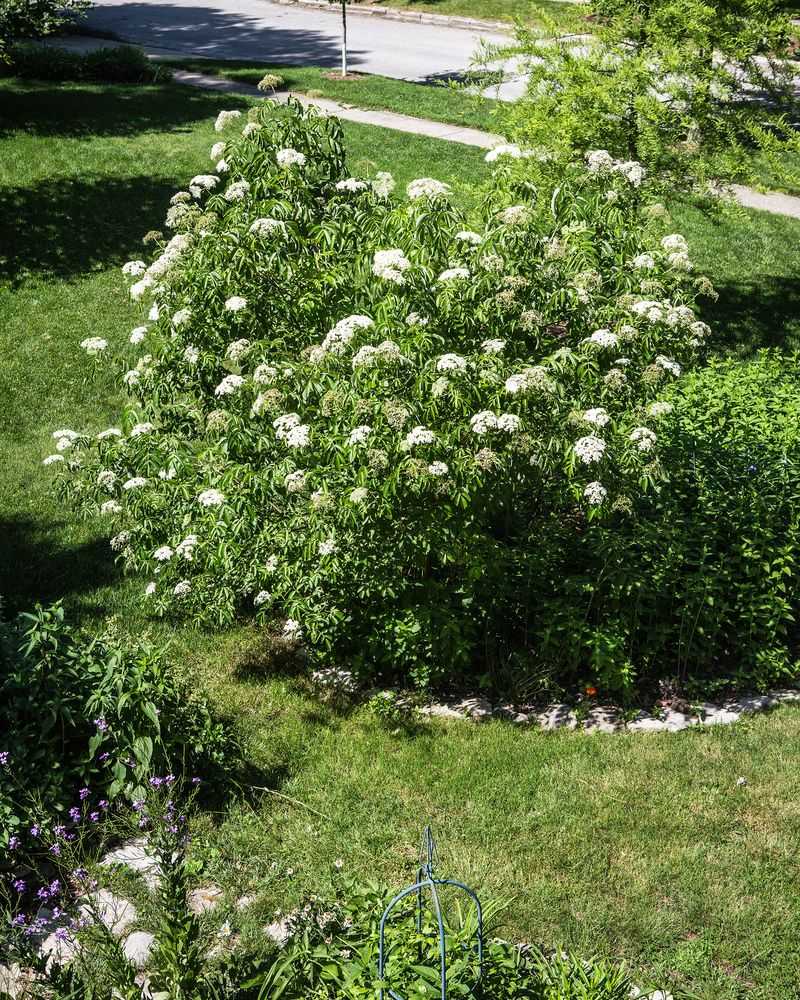
Few native shrubs put on size like this one.
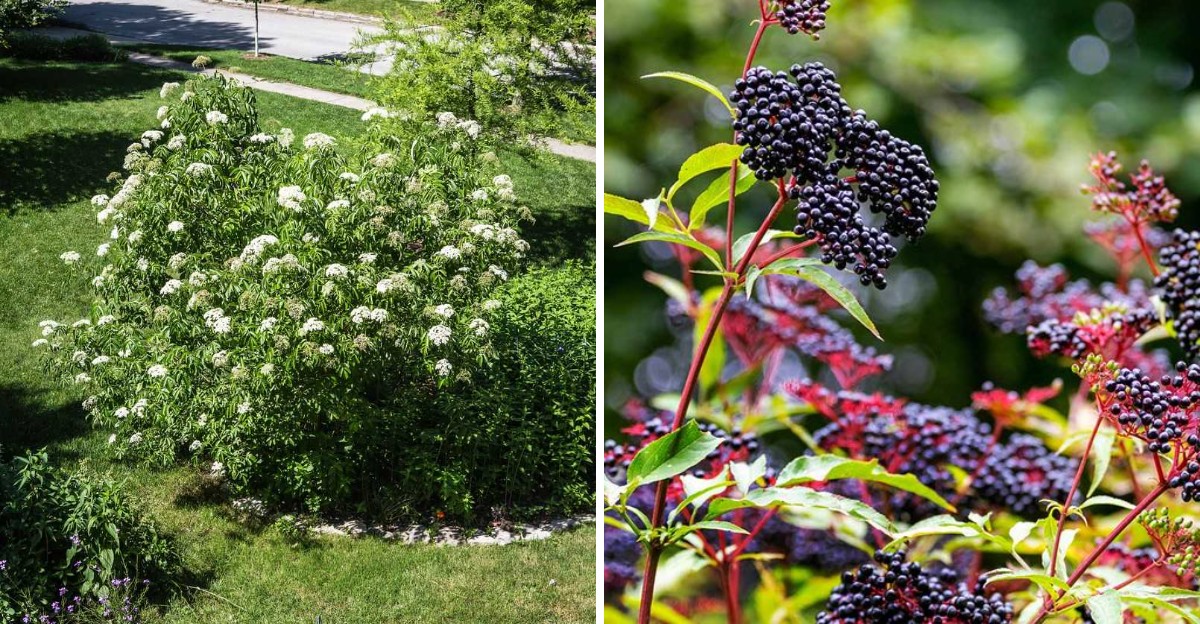
Given moist soil, elderberry can push six feet of growth in a season and reach eight to twelve feet tall and nearly as wide.
Speed makes it useful for a damp awkward corner where grass thins and nothing looks intentional.
A trio of plants can screen a utility box, compost pile, or chain-link fence within two summers. Nothing else native covers ground that quickly on a wet site.
Growth comes from soft pithy stems rather than dense wood. Canes shoot up, bloom, fruit, then fade after a few years while fresh suckers replace them.
Fast filling has a downside worth planning for. The plant may not respect your imaginary line.
Give it eight to ten feet of room from the start. Roots travel, and mowing around the clump keeps edges honest.
Wind snaps those hollow stems, so avoid the most exposed spot in the yard. A fence or house wall on the windward side helps considerably.
Compared with slow natives like possumhaw, elderberry delivers visible results by year two.
Feed it once in early spring with compost and keep mulch topped up. Plants started this fall often flower the following spring.
5. It Gives You Real Homegrown Berries
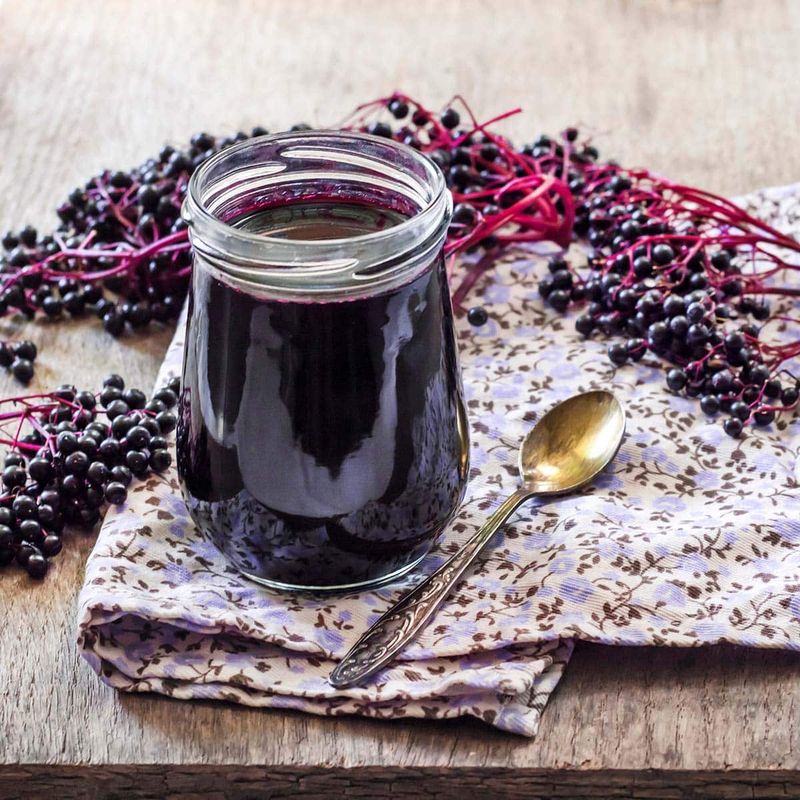
Elderberry syrup on pancakes tastes something like jam made from wine grapes and blackberries.
That flavor is the payoff for a shrub asking little beyond water. Fair trade.
Ripe fruit becomes jelly, syrup, pie filling, cordial, and country wine. Clip whole clusters once berries turn deep purple-black and soften slightly.
Strip them off with a fork over a bowl. Faster than picking individually.
Safety comes before any recipe here. Only ripe cooked berries and properly prepared flowers are safe to eat.
Cooking is not optional. Leaves, stems, bark, roots, and unripe green berries contain compounds that cause nausea and should never be eaten.
Raw berries, even ripe ones, cause stomach upset. Simmer them and strain out the seeds.
Teach kids to leave the plant alone until an adult cooks the fruit. Bright berries at kid height invite curiosity.
Yields build with age. A mature plant may produce several pounds annually, and freezing clusters overnight makes destemming far easier.
Named selections like Adams, Johns, and York are grown for larger fruit. Wild-type Texas plants crop reliably too.
Two or more plants set heavier fruit than one, since cross-pollination improves odds on every cluster.
6. It Works Well In Damp Problem Spots
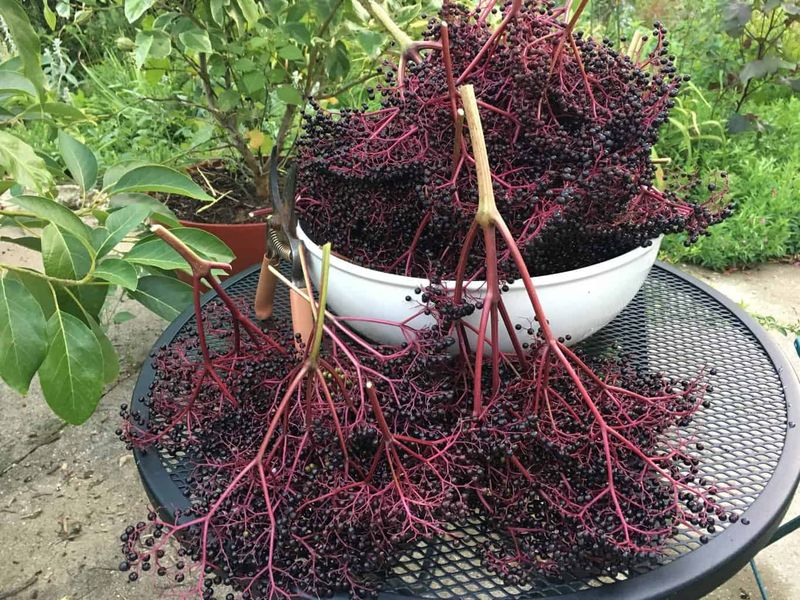
A soggy low corner where the mower sinks and the roses gave up is exactly where this shrub performs.
Elderberry grows naturally along streambanks, ditch bottoms, and pond edges. Few plants volunteer for wet feet.
It runs sensitive to drought and extreme heat, preferring rich soil that stays consistently moist. Not a low-water landscaping option.
Short periods of standing water rarely bother it. Permanent swamp does.
Soil draining slowly after a storm suits it well, and it handles seasonal flooding better than most fruiting shrubs.
Downspout runoff, air conditioner condensate lines, and the flat edge of a driveway all supply free moisture.
Planting in those spots puts water you already have to work. Efficient rather than clever.
In Central and North Texas, expect to water new plants weekly through summer and twice weekly during a heat wave.
A drip line or soaker hose beats an overhead sprinkler considerably.
South Texas and the Valley call for extra care. Choose afternoon shade, mulch heavily, and commit to steady irrigation.
Wilting leaves in July are the first warning. Water deeply, then check mulch depth, since bare soil bakes fast around shallow roots.
7. It Holds Soil Along Ditches And Banks
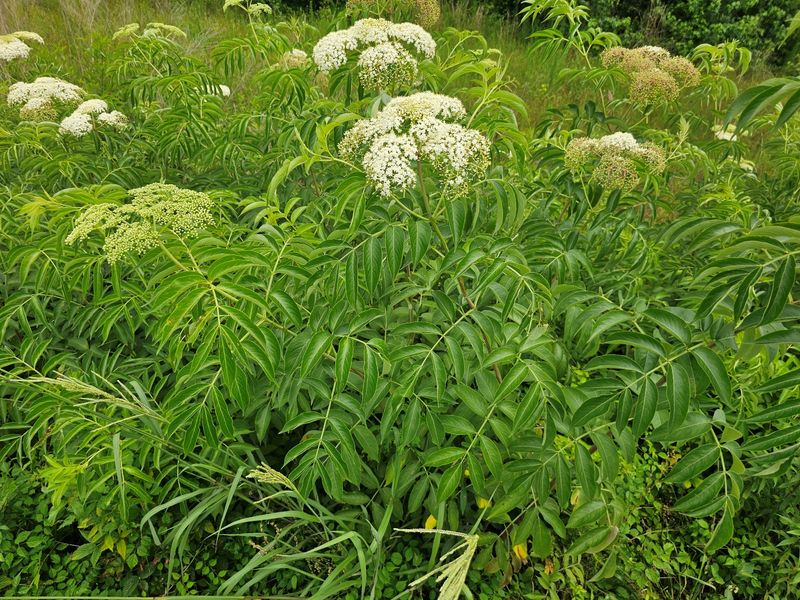
Bare dirt on a ditch bank washes away with every heavy rain.
Elderberry earns its keep there, and conservation plantings across the South have used it for decades.
Roots spread wide and shallow, then knit together as suckers fill gaps. The resulting mat of stems and roots slows runoff and traps sediment.
That combination explains why the plant appears on erosion control lists for moist sites.
Arching branches shield the soil surface too, breaking the force of rain that would otherwise carve channels. Fallen leaf litter adds another layer.
Pair it with switchgrass, inland sea oats, or buttonbush for coverage at multiple depths.
Grass roots hold the top few inches while elderberry anchors deeper. Mixing species also spreads the risk.
Creek banks, road ditches, retention pond edges, and the wet bottom of a swale all qualify as good sites.
Avoid planting inside a channel carrying fast water, where young plants wash loose.
Establishment takes about two seasons. Mulch and temporary erosion blankets protect the site while roots spread.
One warning for narrow urban lots. Those traveling roots will cross into a neighbor’s yard, so plan the location accordingly.
8. It Needs Some Management To Stay Tidy, So Plant It Right This Fall
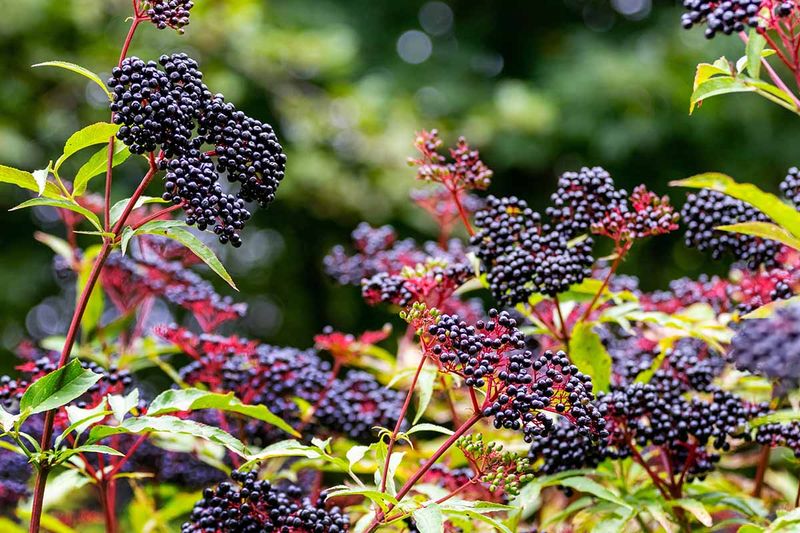
Elderberry rarely stays exactly where you put it.
Roots push suckers up several feet from the crown, and one shrub can widen into a thicket within three or four years.
Individual stems are short-lived while the colony continues. Winter pruning in January or February keeps a planting productive and presentable.
Remove the oldest and weakest canes at ground level and thin crowded stems.
Slice unwanted suckers with a sharp spade while soil is soft. A mowed strip or buried root barrier keeps a hedge in its lane.
Now for fall planting. Pick a low consistently moist site with morning sun, plus afternoon shade in hotter parts of the state.
Dig a wide hole, set the plant at the depth it grew in the pot, and water thoroughly.
Space plants six to ten feet apart and include at least two selections for cross-pollination.
Mulch three inches deep, pulled back off the stems. Water deeply twice weekly the first month, then weekly through the first year.
Planting from October into early December gives roots months before summer heat returns.
Skip pruning the first winter except for broken stems. Mark the spot, since leafless elderberry looks like nothing until spring.
9. It Costs Almost Nothing To Multiply
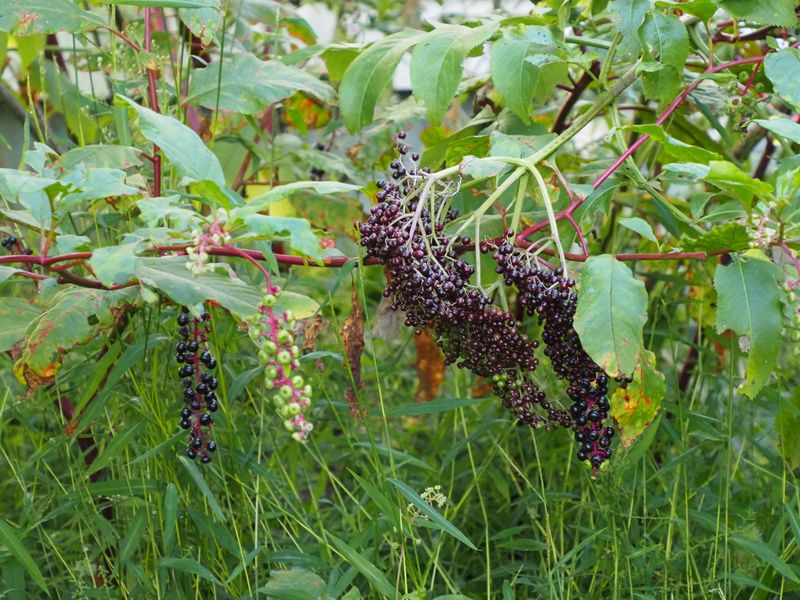
Here’s the part that surprises people: one elderberry becomes several without spending another dollar.
The plant propagates about as easily as anything in a Texas yard. Three different methods all work.
Suckers are the simplest route. Dig one with roots attached during winter dormancy and replant it wherever you want another shrub.
Those transplants establish quickly since they arrive with a functioning root system. Better odds than nursery stock in some cases.
Hardwood cuttings work too. Take pencil-thick pieces of last year’s growth in late winter, cut them eight to ten inches long, and push them into moist soil.
Keep two buds above ground and the rest below. Roots form by spring in a decent spot.
Softwood cuttings from early summer growth root even faster in damp soil or water. Higher failure rate though.
That ease makes elderberry a good candidate for a longer hedge or a bank planting where buying ten shrubs adds up.
Start with two purchased plants, then multiply from there over a couple of winters. Patience instead of expense.
Sharing works both directions as well. Neighbors with established elderberry usually have suckers they would rather remove anyway.
Label anything you propagate, since different selections cross-pollinate better than identical plants do.
Free plants from a shrub that already wanted to spread. That arrangement suits nearly everyone involved.