A Popcorn Seeded Invasive Tree Is Dropping Its Seeds Across Louisiana Yards
Popcorn keeps appearing in trees where no popcorn belongs, and you notice it fast. Still, you didn’t plant popcorn, yet it keeps showing up overhead each fall. Louisiana yards are covered in it right now.
Birds carry the seeds farther than you’d guess. Rain pushes them straight into your flower beds. Those white capsules are splitting open across Louisiana right now, releasing seeds fast.
September brings peak seed drop for this fast spreader. Homeowners planted it decades ago for fast shade. Nobody warned them about the sprouts that follow. Fence lines now sprout new seedlings each year.
Your flower beds catch more seeds than you expect this month. Bayou banks near Houma show the same pattern. Shreveport streets tell an identical story this September.
Wildlife eats what you can hardly manage alone, and the cycle continues. You need to know what comes next before those seeds settle in for good.
Spotting The Popcorn Clusters Hanging Overhead
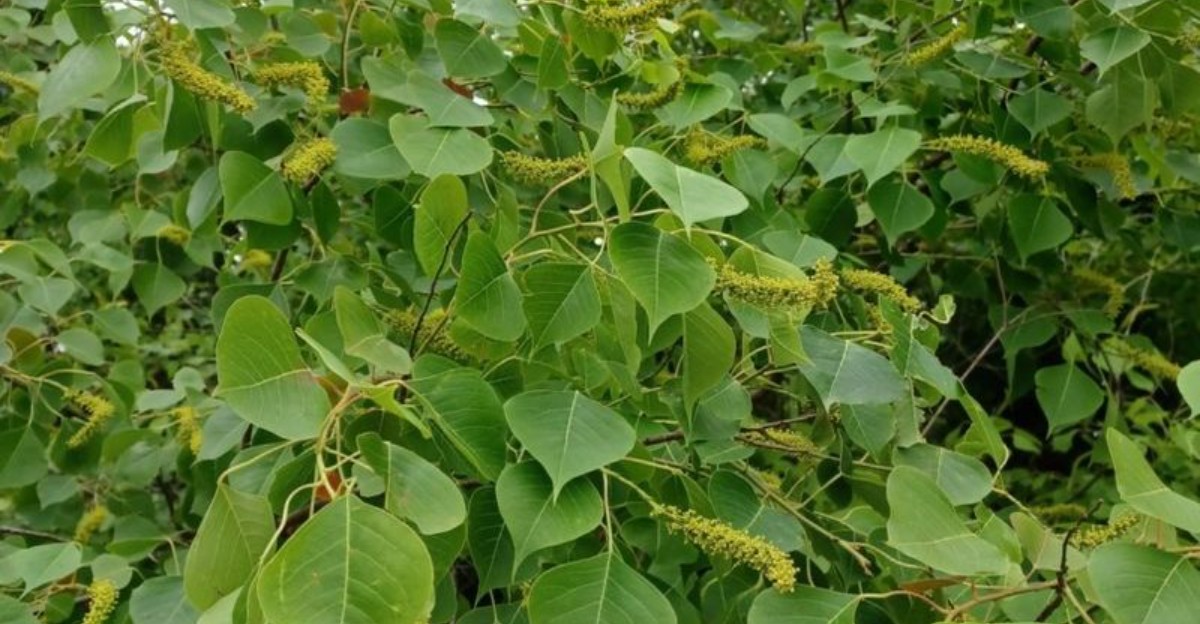
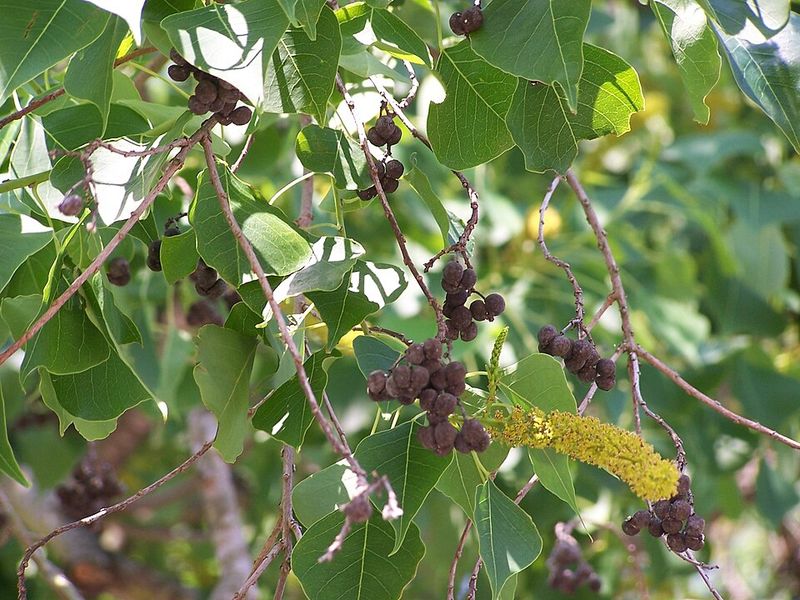
Glance up at one of these Chinese tallow trees in early September and the branches look like someone flung popcorn into them. The three-part capsules crack open, revealing waxy white seeds that shine in the afternoon sun.
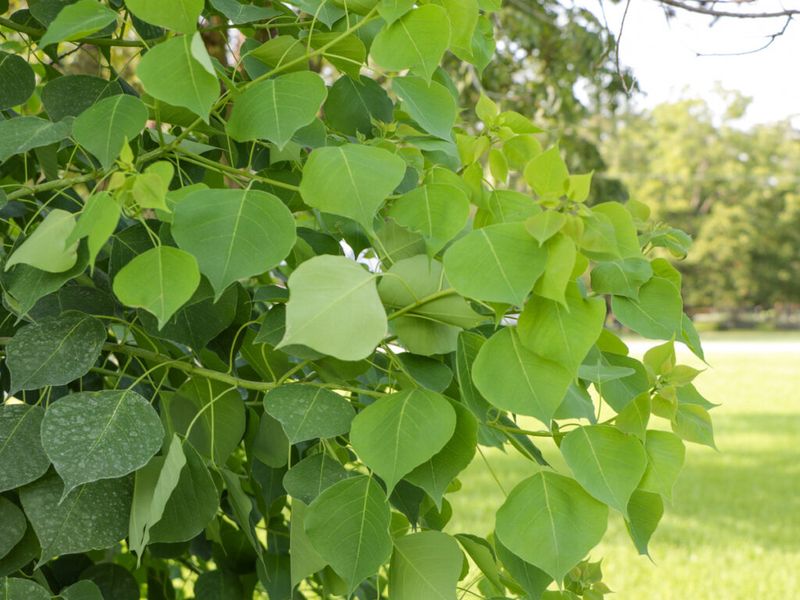
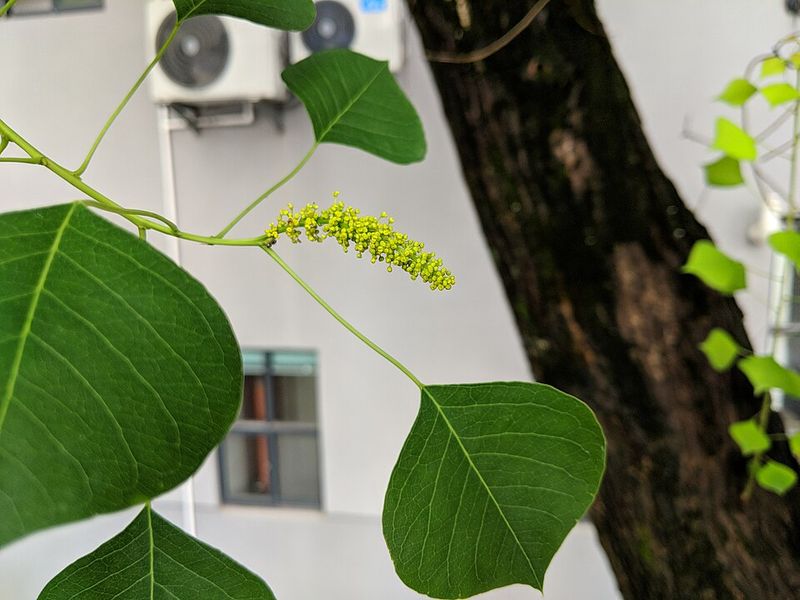
Leaves help confirm what you are looking at. They are shaped a bit like a heart or a spade, and their long thin stalks let them flutter in the faintest breeze.
Snap a leaf stem and milky sap seeps out, a handy clue that separates this tree from lookalikes. Older trunks wear gray-brown bark carved with narrow vertical grooves.
By October, the foliage flames into red, orange, and yellow, colors that feel almost northern for our humid Gulf South climate. Nurseries once sold the Chinese tallow tree for that show alone, which explains why it lingers in so many older neighborhoods.
The seeds hang on through winter, clinging to bare gray twigs like scattered beads. Spotting white pellets on a leafless tree in January is a solid giveaway.
Take a picture when you find one, and note the spot on a yard map or in your phone. Come spring, seedlings tend to pop up nearby, and knowing the parent tree saves guesswork.
Neighbors often mistake the clusters for berries or blossoms. A quick explanation, plus a photo, usually turns curiosity into cooperation, and cooperation matters when seeds drift from yard to yard.
Late summer is prime scouting season, since the capsules are opening right now across south Louisiana. Take a walk after dinner and check fence lines first.
How Those Tiny Seeds Get Around So Easily
Birds do the heavy lifting, and they seem thrilled about it. The white coating on each seed is a waxy, fatty layer, basically a fast-food snack for starlings, grackles, and robins.
A bird eats the seed, flies a few hundred yards or a few miles, then leaves the hard center behind on a fence wire, rooftop, or garden bed. That is why seedlings show up in flower pots you have not touched all summer.
Your Louisiana Garden Changes Every Week. Your Plan Should Too.
Gardening in Louisiana changes quickly throughout the season. Every Friday you’ll receive a simple weekly plan showing exactly what to plant, prune, fertilize, harvest, and protect so you never miss the right timing.
Water moves them even farther. Seeds float thanks to that waxy shell, so a heavy September downpour can carry them down ditches, bayous, and drainage canals into new ground.
Storm season adds another push. Wind and floodwater after a tropical system can spread seeds across parishes in a single weekend.
Numbers matter too. A mature tree can release tens of thousands of seeds in a single season.
Lawn equipment plays a quiet role. Mower decks, tire treads, and bags of borrowed mulch can hitch seeds from one property to the next.
Knowing the travel routes helps you plan. Check gutters, ditch banks, fence lines, and the shady edge of your yard first, since those spots collect what floats and what falls.
If a neighbor has a large seed-bearing tree, expect volunteers along your shared fence. Regular scouting in fall and early spring keeps the count low.
Timing your walkthroughs right after a big rain is smart, because fresh seeds sit visible on wet pavement and mud.
Why Louisiana Ground Suits It So Well
Our climate rolls out the welcome mat. Long warm seasons, generous rain, and mild winters give this tree close to ideal growing conditions.
Speed is part of the story. Seedlings can shoot up several feet in a year and begin producing seeds within a few years, which is quick for a tree.
Flooding does not slow it much. Soggy clay, brackish edges, roadside ditches, and sandy fill all seem acceptable, so few yard corners are off limits.
Sunny disturbed ground is the sweet spot. Fresh construction sites, storm-cleared lots, and thinned tree lines give seedlings the light they crave.
History explains its head start. The tree arrived from Asia in the late 1700s, promoted first for seed oil and wax, later for shade and autumn color.
Government programs even encouraged plantings decades ago for oilseed research, which scattered stock across the Gulf South. Those old plantings became major seed sources.
Shade tolerance surprises people. Seedlings can hold on under a canopy for years, then surge upward when a limb falls and light pours in.
Roots resprout after cutting, so a stump left alone often sends up a cluster of new shoots. Yard owners sometimes end up with three trees where one stood.
Leaf litter changes soil chemistry as it breaks down, which can make nearby ground less friendly to certain native seedlings. That gives the newcomer another quiet edge.
Add few natural checks in this region, and conditions favor the tree’s spread. Steady attention from homeowners is what keeps things balanced.
Effects On Marshes, Woods, And Wildlife
Coastal Louisiana has watched patches of marsh edge and bottomland shift character. Where mixed native woods once stood, thick stands of a single species now dominate.
Wildlife feels the change. Native oaks and hickories feed deer, squirrels, turkeys, and dozens of insects, while this tree supports far fewer local species.
Caterpillars are the hinge. Songbirds raise chicks on soft insect larvae, and leaves that few native caterpillars can eat mean thinner buffets for nesting birds.
Livestock owners keep watch as well, since the foliage and sap can upset cattle and horses that nibble it. Fencing off a stand is a common workaround.
Beekeepers have mixed feelings. The spring bloom brings a strong nectar flow, and tallow honey has loyal fans, though the tradeoff is a landscape that grows less varied.
Marsh and prairie habitats face the biggest squeeze. Open sunny wetlands can convert to shady thickets, which changes water flow, nesting cover, and plant variety.
Fire-managed prairies in southwest Louisiana show the pattern clearly. Land managers there spend real money and hours keeping stands from taking over grassland.
Cavity nesters get some use out of older trunks, which soften and hollow fairly fast. Still, the overall trade leans toward fewer food options for local critters.
Researchers with LSU and state agencies track these shifts along the coast. Their maps help volunteers focus removal work where it counts.
Yard trees connect straight to those bigger places. Seeds from one backyard specimen can reach a nearby bayou, so home decisions ripple outward.
Getting Young Sprouts Out While They Are Small
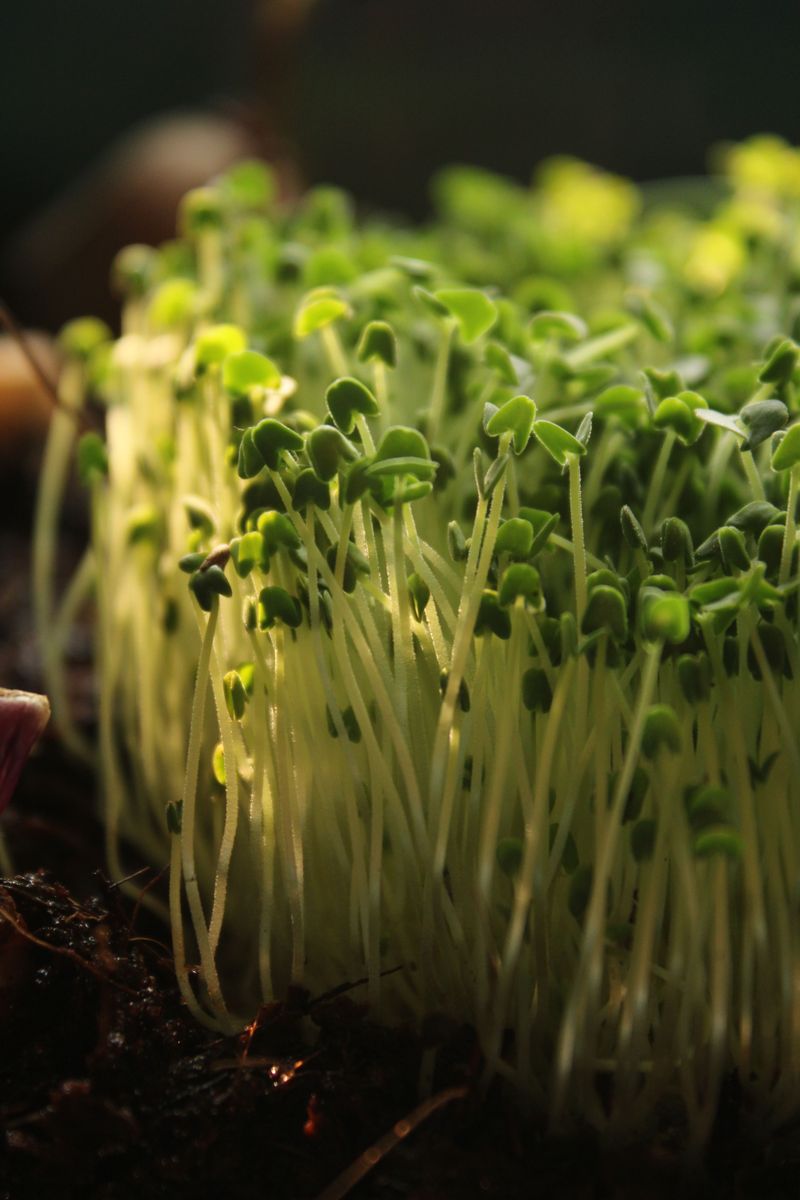
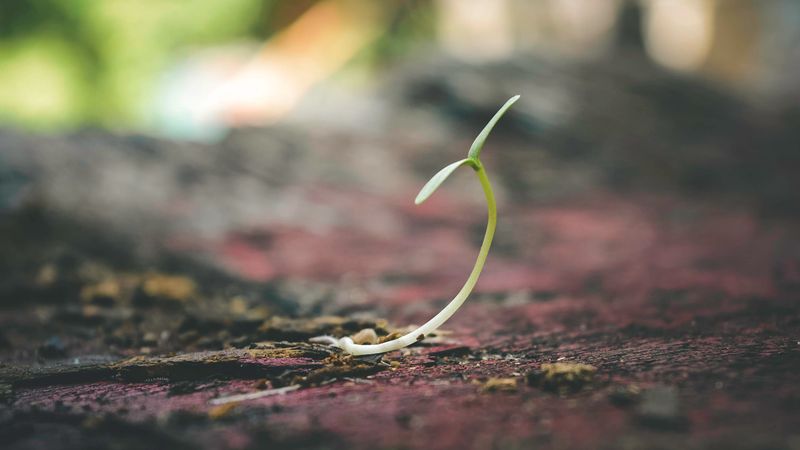
Small is easy, big is a project. A seedling under a foot tall usually slides out of moist September soil with a steady pull.
Grab low and pull slowly so the root comes along. Leftover root pieces can resprout, so getting the whole thing out is the goal.
For sprouts too thick to pull, a weed wrench or long-handled pry tool gives real leverage. Water the ground first and the job gets easier.
Cutting alone tends to backfire. A bare stump often answers with a ring of vigorous shoots, sometimes taller by next summer.
Many Louisiana homeowners use the cut-stump method: saw the trunk low, then treat the fresh surface right away with an appropriate herbicide, following label directions closely.
Fall and early winter are favored timing windows, because the plant is moving stored energy downward. Check with your parish LSU AgCenter office for current recommendations.
Basal bark treatments work on slim trunks and skip the sawing. Whatever route you choose, wear gloves and eye protection, since the sap irritates skin for some people.
Follow-up is the part people skip. Mark treated stumps, revisit in spring, and pull the volunteers you missed while they are still finger-thin.
Rake and bag seed clusters that drop on driveways and patios. Fewer seeds in the yard means fewer weekends spent tugging sprouts later.
Neighborhood teamwork speeds progress, too. Tackling a whole block together limits how quickly seeds hop back over the fence.
Photos before and after keep motivation high, especially when a fence line clears up in one season.
Better Trees To Plant In The Empty Spot
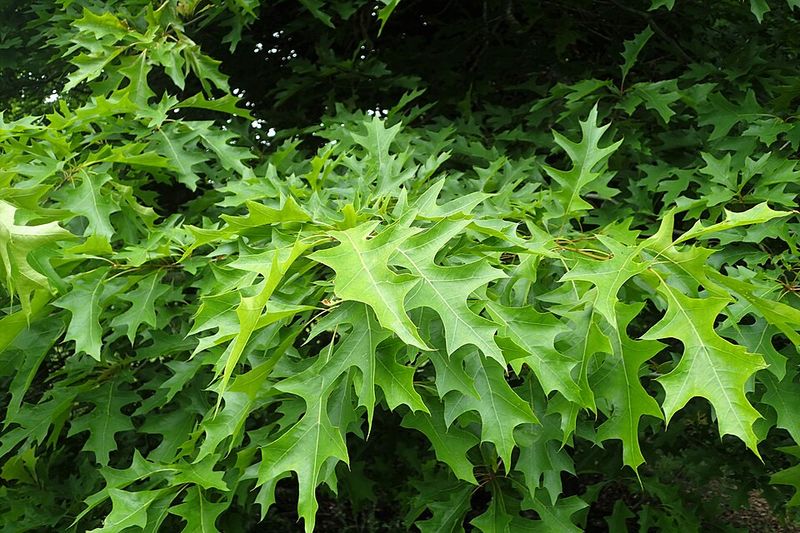
Empty spots deserve something better than a repeat performance. Louisiana’s native palette offers shade, autumn color, and wildlife value without the seed storm.
Nuttall oak and Shumard oak grow fast for oaks, handle wet clay, and drop acorns that feed local wildlife. Give them room, since both get large.
Bald cypress suits soggy corners and low spots, and its rusty fall needles look wonderful against a gray sky. It shrugs off occasional flooding.
For fiery autumn color, blackgum and red maple deliver. Both grow well in moist ground across the state.
Smaller yards do better with mid-size choices. Sweetbay magnolia, redbud, fringetree, or parsley hawthorn stay manageable and bring flowers in spring.
Pollinator lovers should look at American holly for winter berries and Chickasaw plum for early blossoms buzzing with bees.
Timing works in your favor now. Late fall through winter is prime planting season here, so September is a good moment to shop and prepare the hole.
Dig wide rather than deep, keep the root flare at soil level, mulch in a ring, and skip the volcano of mulch piled against the trunk.
Water new trees deeply once or twice a week through the first summer. A little patience now buys decades of shade you will not have to fight.
Ask your nursery for locally grown stock, and check with the Louisiana Native Plant Society for sources. Local growers often know which selections handle Gulf humidity best. Plant two or three different species if space allows, since variety keeps a yard resilient.