Why Hummingbirds Chase Each Other Away From Florida Feeders
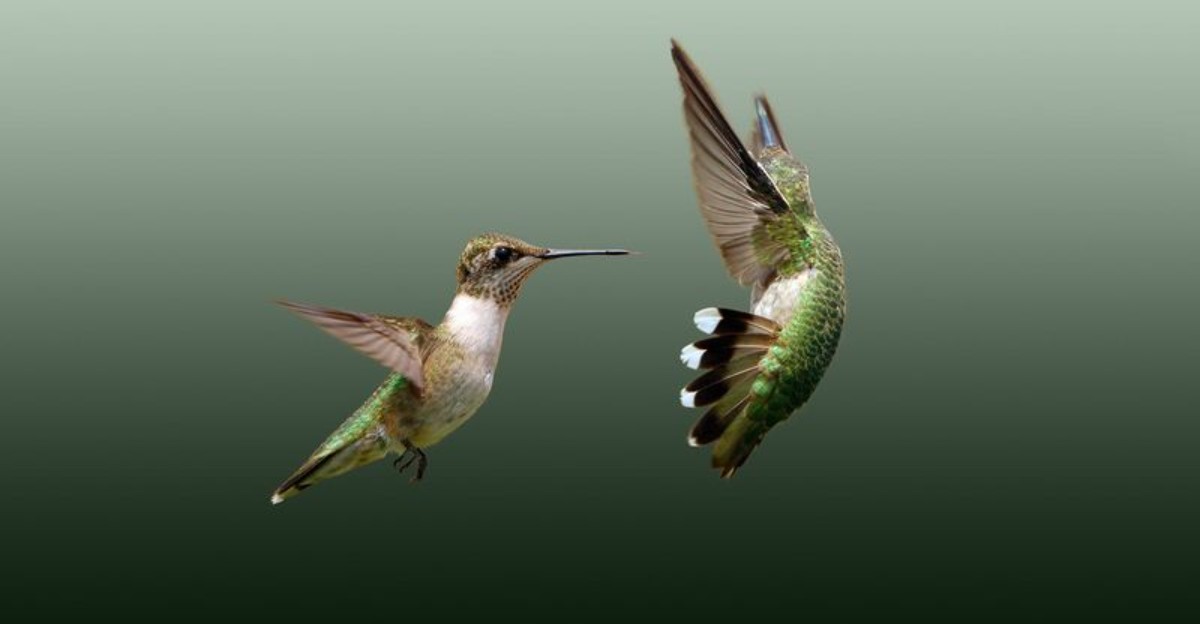
You hung the feeder expecting a peaceful rotation of hummingbirds, everyone taking a turn at the ports. Instead you got a turf war, one bird slamming into another mid-flight, chasing it off before it even gets a sip.
Nothing about this is random. Florida’s feeder traffic spikes hard this time of year, and that spike is exactly what turns one bird into a tiny, furious landlord.
It picks a favorite perch, claims the whole feeder as its territory, and treats every other hummingbird as an intruder that needs to leave immediately. The more traffic the feeder attracts, the more aggressive that single bird gets.
Once you know what’s fueling the aggression, that chaos in the yard reads completely differently. The real story is playing out in the air above the feeder, not at the ports themselves.
1. Guarding A Reliable Nectar Supply Like Personal Property
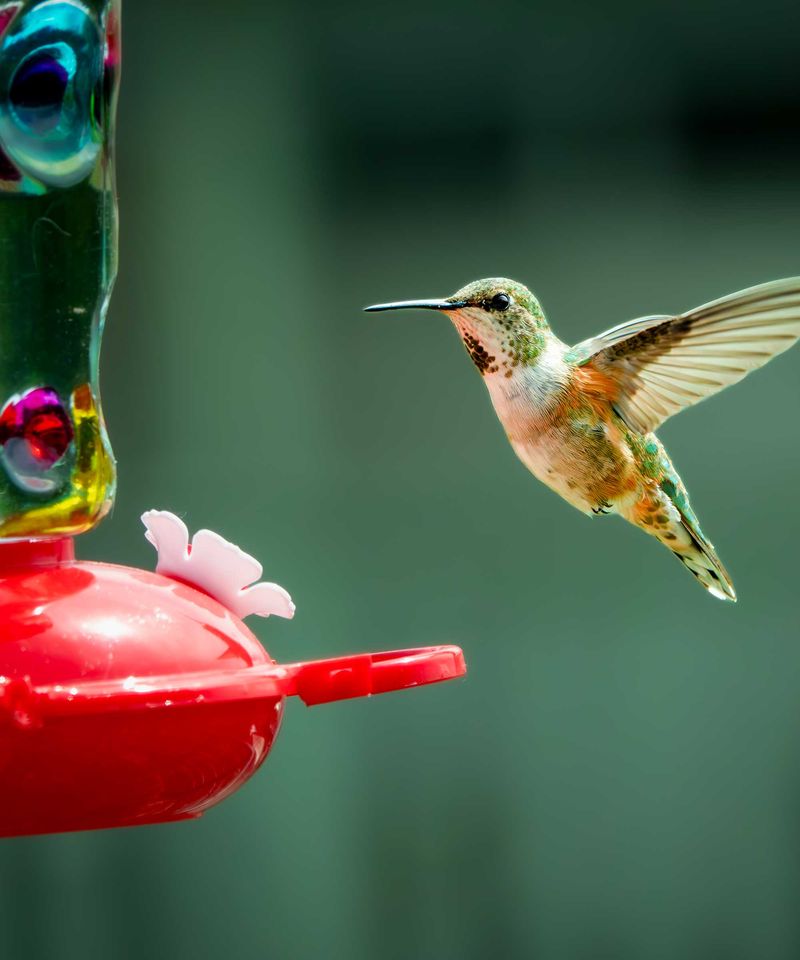
Think of that feeder as a corner store with only one shelf of food. To a hummingbird, guarding it is simple math for survival.
Their bodies burn fuel at an astonishing pace, so a steady nectar supply matters more than good manners. Wild instinct tells them flower patches run out fast, and a bird that shares too freely may go hungry later.
Even when your feeder holds a full cup of sugar water, the bird cannot understand abundance. It only knows the spot works, so it stakes a claim and defends the airspace around it.
Florida yards make this behavior easy to watch because blooms and feeders often sit close together. A single male may claim a feeder, a hibiscus hedge, and a favorite perch all at once, patrolling the whole zone.
The practical fix is surprisingly easy. Put out several feeders and place them out of sight of each other, around corners or on opposite sides of the house.
When a bully cannot see the second station, it cannot police it. More birds get to feed, and your yard suddenly feels twice as busy.
Researchers have shown that hummingbirds can remember reliable food locations and revisit the most rewarding sources. Your feeder is simply the biggest, sweetest entry on that mental map.
2. Saving Energy Beats Searching All Day
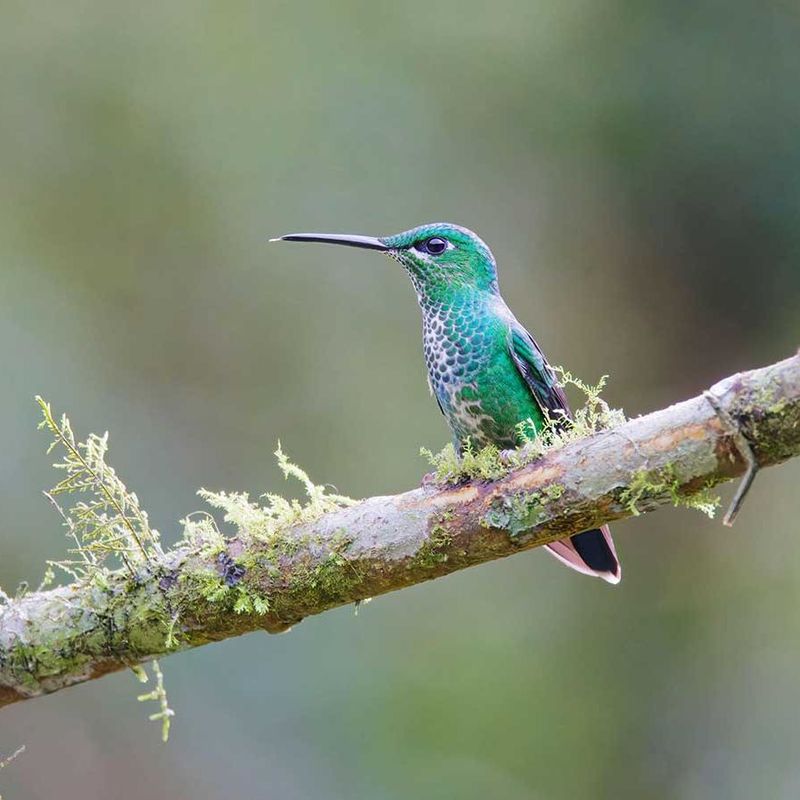
Territorial behavior can help a hummingbird secure a reliable food source instead of constantly searching for new ones, even though defending that spot still takes energy.
Zipping between scattered flowers costs far more energy than sitting on a twig and shooing away visitors.
A hummingbird that controls one dependable food station can perch nearby, rest its wings, and dart out only when needed. Fewer long trips means fewer calories burned and more stored for cold nights or long flights.
Watch closely and you will notice the pattern. The dominant bird usually picks a perch within a few feet of the feeder, often a bare branch or a wire, where it can see everything.
It sips, returns to the perch, preens, and waits. Those short bursts of chasing are cheaper than a morning of flower hopping across the neighborhood.
Your Florida Garden Changes Every Week. Your Plan Should Too.
Gardening in Florida changes quickly throughout the season. Every Friday you’ll receive a simple weekly plan showing exactly what to plant, prune, fertilize, harvest, and protect so you never miss the right timing.
You can support this energy-saving habit by adding nearby perches gives hummingbirds places to rest and observe the feeder between visits. Birds appreciate a spot to sit, and a resting hummingbird tends to chase less frantically than a nervous one.
Keeping your nectar fresh helps too, since spoiled sugar water pushes birds to wander and squabble more.
Once you see chasing as a fuel strategy rather than bad behavior, the whole scene makes sense. Those spats are basically a tiny bird protecting its bank account.
3. Sorting Out Who Ranks Where
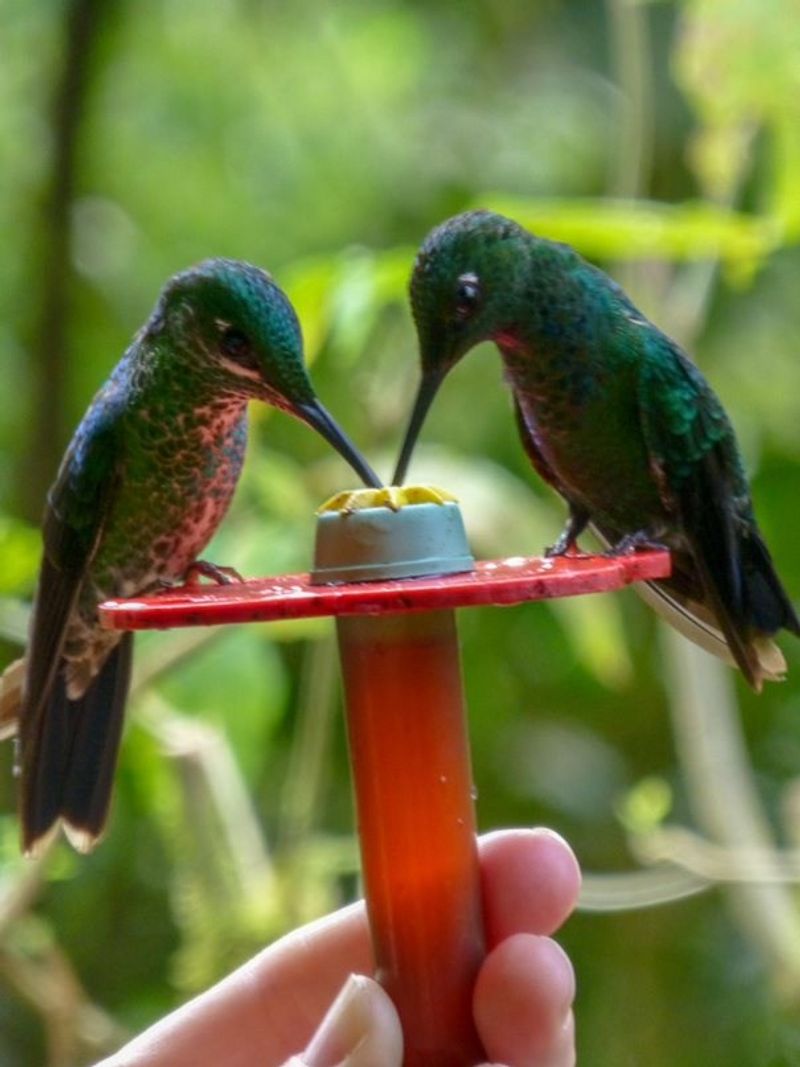
Every busy feeder develops its own territorial pattern, with some birds successfully defending the best spots. Chasing is how they figure out who gets first sips and who waits.
The moves are surprisingly organized. A ranking bird may climb high and dive-bomb an intruder, fan its tail, chatter sharp warning notes, or simply hover face to face until the other bird backs off.
Most of these encounters end without contact. One bird flinches, retreats, and the matter is settled for the moment.
Ranking shifts through the season, especially as young birds arrive and try their luck. A youngster might get pushed off ten times before finding a schedule that works, often visiting at dawn or dusk when the boss is less alert.
Backyard watchers in Florida sometimes name the ruler of the feeder, and honestly that title changes hands more than you would expect.
To spread things out, offer feeders with multiple ports and place them at different heights. Some birds prefer lower stations near shrubs, others like open sightlines, and that variety softens conflict.
Quirky note: those chittering squeaks during a chase are real communication, not random noise. Think of it as a very small, very fast argument playing out over sugar water.
4. Showing Off For Potential Mates
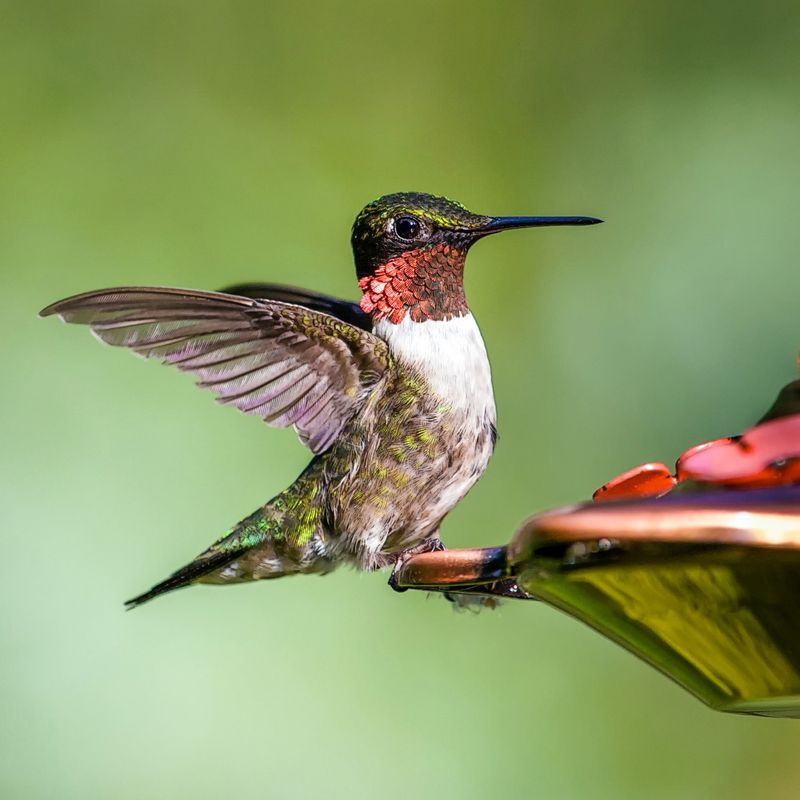
Spring turns the backyard into a stage. During breeding season, males also perform courtship displays and compete for territories that may improve their chances of attracting mates.
A male that controls prime real estate gets noticed. Females shopping for a mate pass through, sample the nectar, and take note of the confident bird flashing a brilliant throat patch in the sunlight.
Not every fast flight near a feeder is a fight. During breeding season, some dramatic aerial displays are part of courtship rather than simple territory defense.
Ruby-throated males fly wide pendulum arcs, swinging back and forth like a swing on a chain, then buzz past a female at close range.
From a distance the difference between a display and a chase can be hard to spot. Watch for the shape of the flight path, since courtship swings are smooth and repeated while true chases are jagged and quick.
Breeding activity in Florida runs mainly through spring and early summer, so expect extra commotion then. Nesting females also chase males away from their own feeding zones, because a mother raising chicks needs fuel and does not need company.
If your feeder becomes a courtship hot spot, enjoy it and resist the urge to interfere. Adding a second station in a quieter corner gives shy females a calmer place to refuel.
5. A Racing Metabolism Raises The Stakes
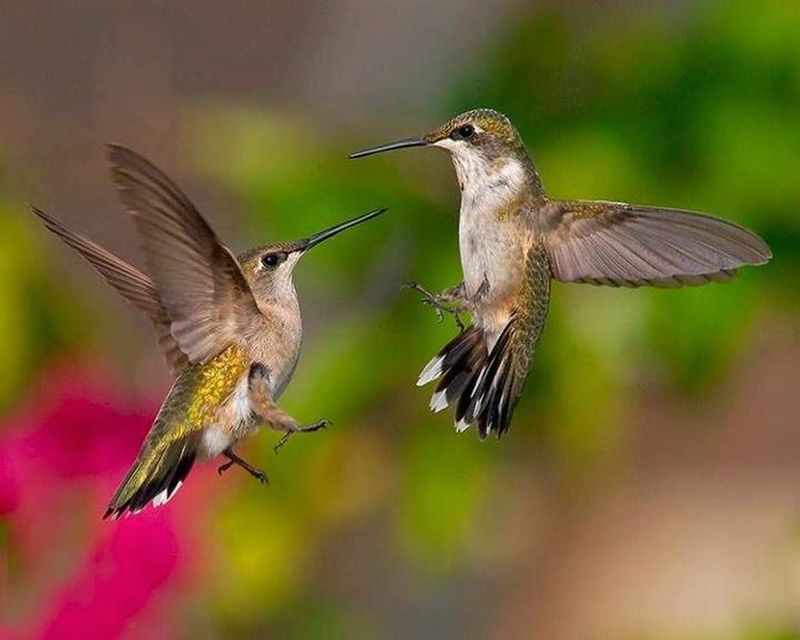
Dozens of wingbeats per second power every hover and chase. That is the engine behind every chase you witness at the feeder.
Hummingbirds carry one of the fastest metabolisms among vertebrates, with hearts that can race past a thousand beats per minute during flight. Fuel is not optional for them, it is a constant requirement.
Because of that furnace-like body, a missed meal matters far more to a hummingbird than a skipped snack matters to us. Protecting food becomes an urgent reflex rather than a choice.
They may visit dozens of flowers per hour and still need more. On chilly nights, some slip into a deep resting state called torpor to stretch their reserves until sunrise.
Knowing this changes how you manage a feeder. Fresh nectar at a simple ratio of four parts water to one part plain white sugar gives birds clean, usable energy, and skipping dye or honey keeps things safe.
In Florida heat, change the mixture every day or two, since warm sugar water spoils quickly and cloudy nectar sends birds away.
A well-stocked feeder will not end the chasing, but it does mean the winners and the waiters both find enough. Reliable food lowers the tension in the yard.
6. Feeders Concentrate Sweetness Into One Tiny Spot
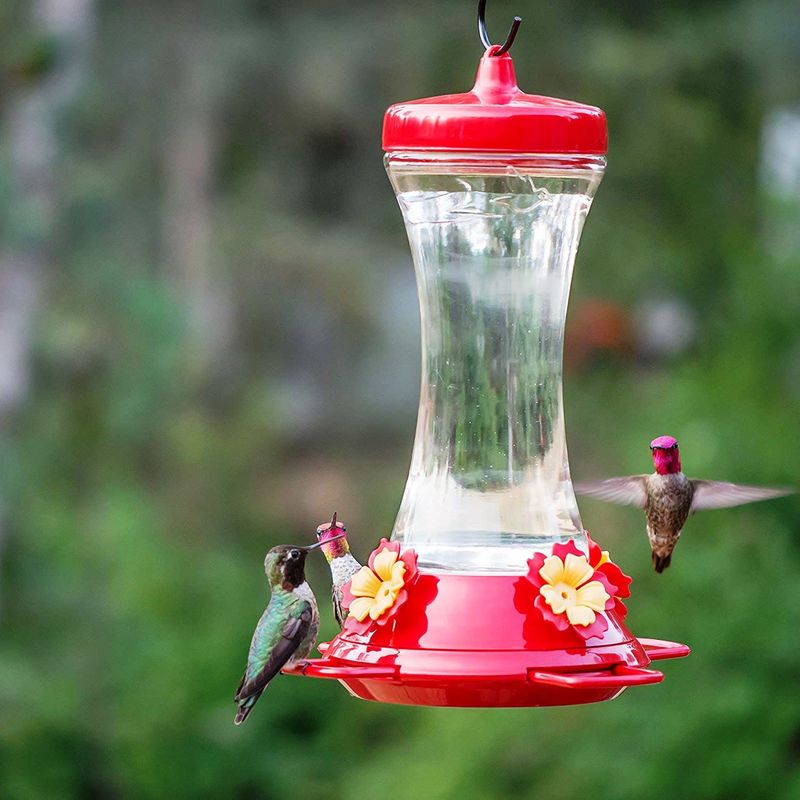
Nature spreads nectar across hundreds of blossoms. Your feeder squeezes that same reward into a container the size of a coffee mug.
From a bird’s point of view, that concentration is a jackpot worth defending. Wild flower patches are wide and hard to police, but a single feeder can be guarded by one determined individual with a good perch.
That is why feeder squabbles often look fiercer than anything you see around a flowering vine. The prize is compact, obvious, and easy to control.
The good news is that you hold the solution. Break the jackpot into several smaller ones by hanging three or four feeders in different parts of the yard, separated by shrubs, fences, or the corner of the house.
Blocked sightlines matter more than distance. A bully that cannot monitor every station gives up trying, and traffic spreads out naturally.
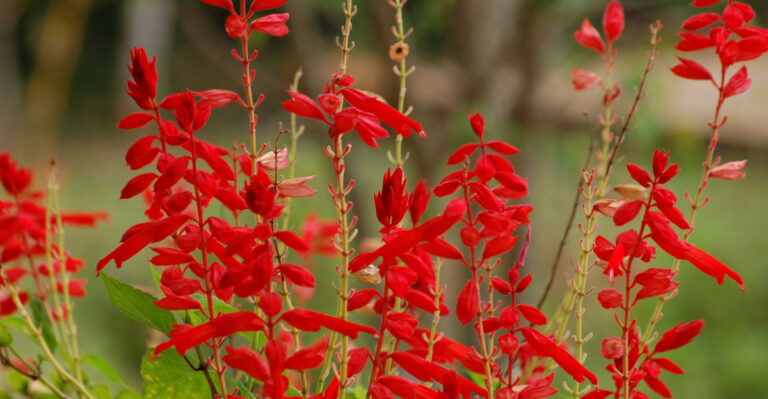
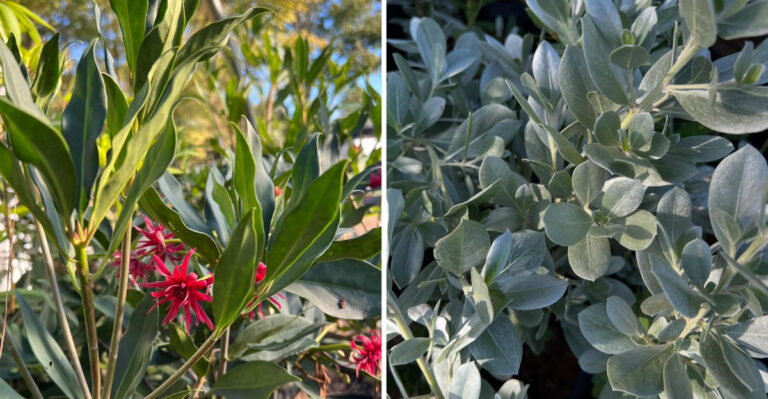
Planting nectar-rich flowers helps as well. Firebush, coral honeysuckle, firespike, and salvia give Florida hummingbirds scattered options that no single bird can claim.
Try smaller feeders instead of one giant one, since less nectar per station also means fresher food. You will get more visitors, calmer feeding, and a much better view of these tiny visitors from your window.
7. Some Individuals Are Simply Bossier Than Others
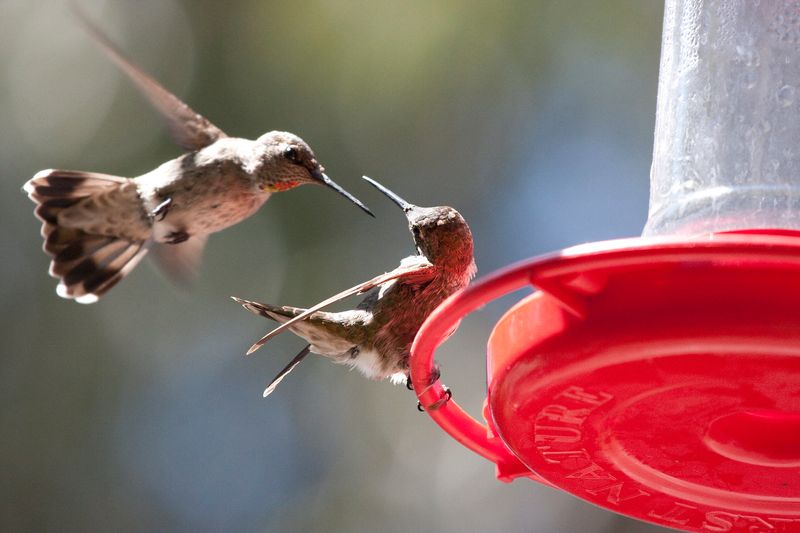
Ask anyone who watches feeders regularly and you will hear about a particular bird with a chip on its shoulder. Personality really does vary from one hummingbird to the next.
Within the same species, some individuals patrol constantly while others share space with barely a shrug. You may have one tyrant guarding the porch feeder and a mellow neighbor letting everyone drink at the garden station.
Age and experience play into it. Older, established birds tend to hold the best spots, while newcomers test boundaries and learn quickly which fights are worth starting.
Florida watchers often recognize the same bossy character returning day after day, identifiable by a nicked tail feather or an unusual perch habit. Keeping a small notebook makes these differences fun to track.
If one bird monopolizes everything, try relocating a feeder by ten or fifteen feet. Bullies memorize territory boundaries, and moving the target resets their patrol route for a while.
Adding a feeder in a semi-hidden spot behind a hedge also gives quieter birds a chance.
There is something charming about realizing tiny birds have distinct temperaments. The pushy ones make the best stories, but the patient visitors are often the ones you will grow fondest of.
8. Certain Species Bring Extra Attitude
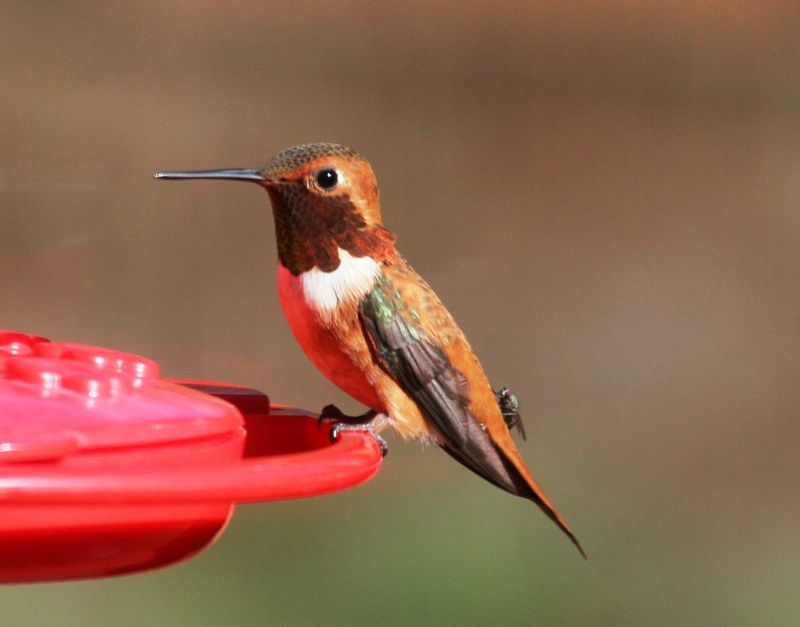
Not every hummingbird plays by the same rulebook. Species differences show up plainly at a busy feeder.
The Rufous Hummingbird, a coppery little traveler that winters in parts of the state, has a reputation for being especially bold. Despite its small size, it will confront larger birds and claim a feeder as its own with impressive nerve.
Ruby-throated Hummingbirds, the most common visitors across the state, hold their ground firmly too. Males stake out feeding zones and patrol them with real dedication during the warmer months.
Occasionally Florida birders spot rarities like Black-chinned or Calliope Hummingbirds, especially along the Panhandle in winter. Mixed company at a feeder tends to increase the number of chases, since each newcomer has to negotiate its place.
Learning to tell your visitors apart makes the show far more interesting. Note throat color, tail shape, and overall body tone, then keep a feeder up through winter to see who turns up.
Leaving feeders out in the cooler months does not hold birds back from migrating, and it may support a wandering western visitor passing through.
Did you know? Rufous Hummingbirds make one of the longest migrations relative to body size of any bird.
That kind of grit explains the swagger at your feeder.
9. Seasonal Rushes Turn Up The Volume
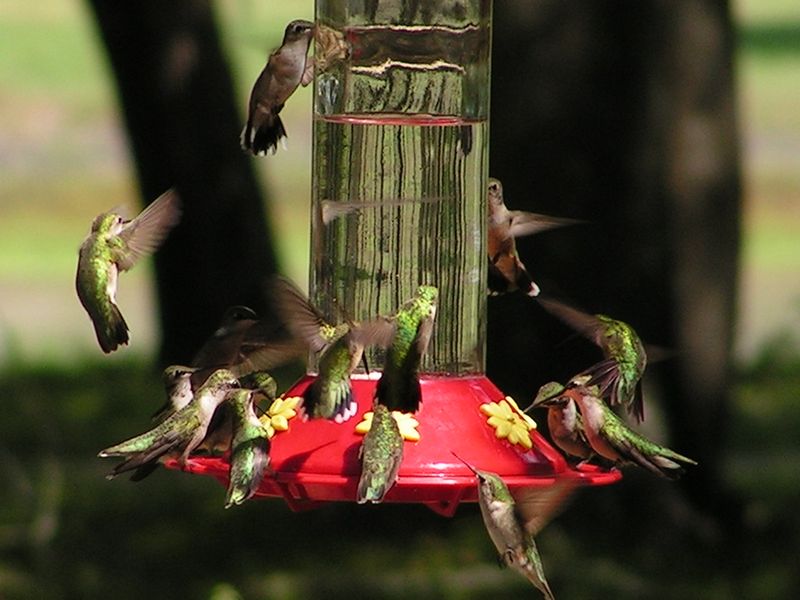
Timing shapes everything. The same feeder can feel peaceful in January and look like a busy airport in September.
Two periods bring the most commotion. Breeding season pushes males into territorial patrols, and migration seasons crowd the yard with hungry travelers stopping to refuel.
Fall movement is especially dramatic in our state, as birds fatten up before long flights, some crossing the Gulf in a single push. Every extra bird in the area raises the odds of a mid-air disagreement.
Because parts of the state host hummingbirds year round, you can watch these rhythms shift month by month. South Florida often sees different patterns than the Panhandle, where cold snaps bring western wanderers to backyard feeders.
Plan ahead for the rush. Add extra feeders in late summer, check nectar levels more often, and clean containers thoroughly with hot water every few days to stay ahead of mold in the humidity.
Native plants that bloom in fall, such as firebush and firespike, spread the crowd out and reduce pressure on any single station.
By the time the busy weeks pass, you will have learned the schedule of your own yard. That knowledge turns a handful of squabbling birds into a season you look forward to every year.