This Watering Mistake Could Be Attracting More Cockroaches To Your Louisiana Yard
You already know Louisiana bugs don’t wait for an invitation. Roaches are already watching your yard for an opening. Louisiana heat gives them reason, but your water gives chance.
Humidity alone will not summon an infestation to your door overnight. Your watering habits might be the real invitation. Puddles near your foundation feel like shelter to them.
Standing water near your porch tells roaches everything they need. Darkness under thick mulch becomes a hideout in your yard. Warmth trapped in soggy soil speeds up their breeding.
Nobody tells you that generosity with your hose causes trouble. Homeowners blame dirt when moisture is the real cause. Fixing how you water can change everything.
Small adjustments to your routine can noticeably reduce pest pressure over time. Awareness shifts control back into your hands immediately.
Ignoring this habit keeps roaches comfortable at your expense. Without changes, roach activity in your yard is likely to increase.
Why Louisiana’s Climate Already Favors Roaches
Louisiana’s climate is highly favorable to roaches. High heat, thick air, and year-round warmth make this state one of the most pest-friendly places in the country.
Roaches are cold-blooded creatures. They slow down in cold weather, but in Louisiana, cold weather barely shows up.
Louisiana summers regularly bring temperatures into the 90s, with high humidity making the heat feel even more intense. Roaches reproduce faster in heat, meaning populations can grow significantly faster in warm conditions.
Humidity is the other factor. Roaches need moisture to survive, and the Gulf air delivers that in abundance every single day.
Even in winter, temperatures rarely drop low enough to stop roach activity entirely. That means there is no natural reset, no seasonal break from the problem.
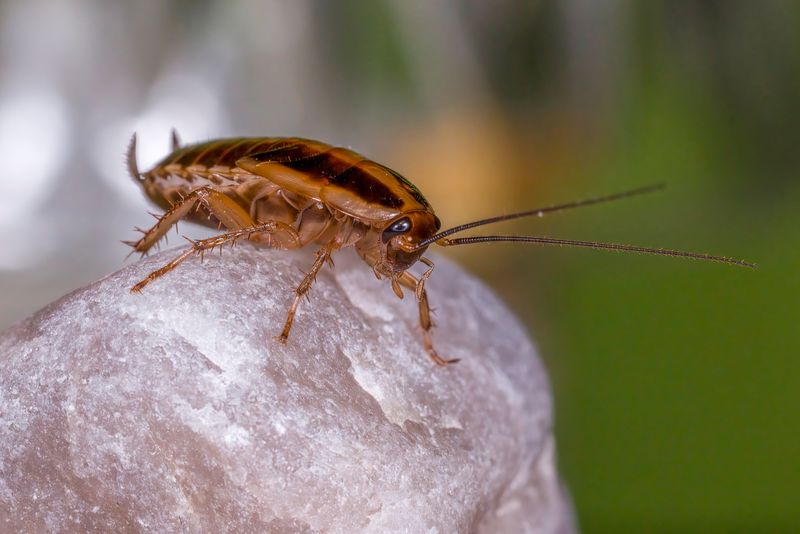
American roaches, German roaches, and smoky brown roaches all thrive in this environment. Each species has slightly different habits, but all of them love warm, damp spaces.
The smoky brown roach in particular is drawn to outdoor moisture. It nests in mulch, leaf piles, and wet soil around homes.
Understanding the climate is the first step. When you know why your yard is already attractive to roaches, you can stop accidentally making it even more appealing.
Overwatering adds extra moisture to a landscape that is already naturally damp. Knowing your climate baseline helps you understand just how much your habits truly matter here.
The Watering Mistake That Makes It Worse
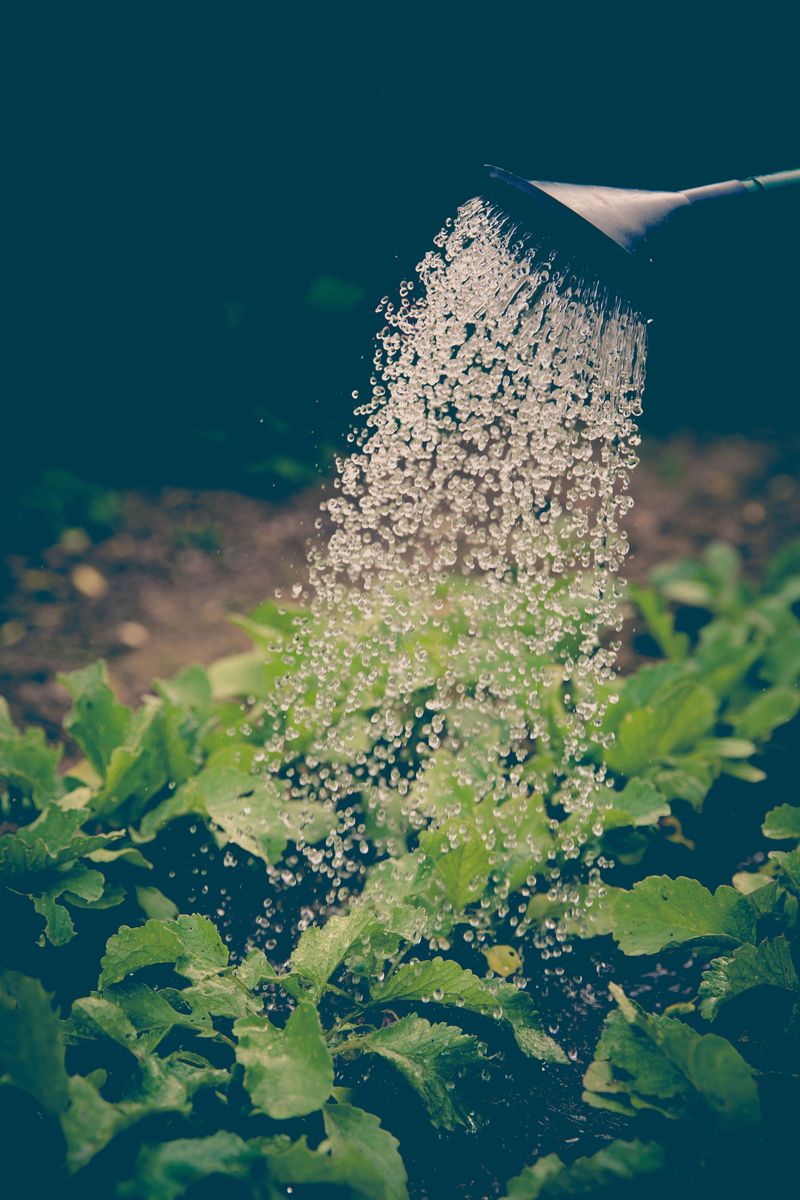
Watering at night seems smart. The sun is down, evaporation is low, and your plants seem to soak it all up perfectly.
But here is the problem: moisture that sits overnight creates exactly the conditions roaches love most. Wet soil, damp mulch, and pooling water near your foundation are open invitations.
Roaches are nocturnal. They search for food and shelter during the same hours your sprinklers run.
When they find a wet, warm yard at midnight, conditions become favorable for them to settle in, and over time this can lead to indoor entry.
Overwatering compounds this issue fast. When you water more than your lawn actually needs, excess moisture builds up in soil and mulch beds.
Your Louisiana Garden Changes Every Week. Your Plan Should Too.
Gardening in Louisiana changes quickly throughout the season. Every Friday you’ll receive a simple weekly plan showing exactly what to plant, prune, fertilize, harvest, and protect so you never miss the right timing.
That standing water becomes a reliable water source for pests. Another common error is watering too close to the house.
Wet mulch pressed against your foundation creates a direct moisture path toward your walls.
Many homeowners water daily out of habit, not need. In Louisiana’s already humid climate, your lawn may only need watering two or three times per week.
This watering habit creates a reliable moisture source right where roaches live and travel. Shifting your schedule and reducing frequency can cut that attraction significantly.
How Excess Moisture Attracts Roaches Fast
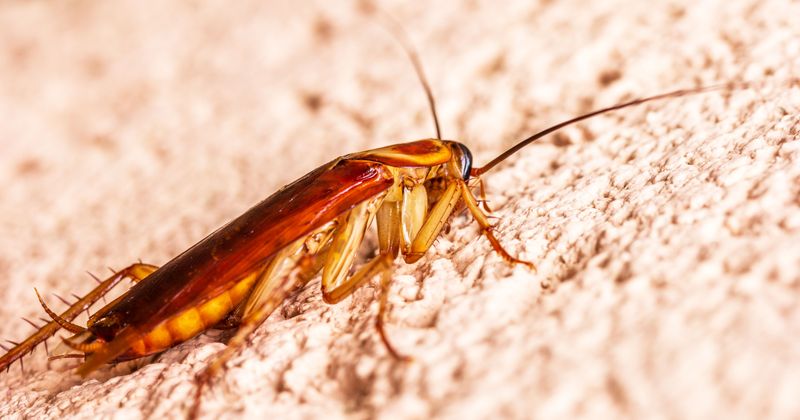
Speed is a key factor. Roaches use their antennae to detect moisture and humidity in their environment. Once they find it, nearby roaches are often drawn to the same source.
A wet mulch bed can become attractive to roaches quickly, often before homeowners notice any change. That is how fast these insects respond to water signals.
Roaches are not just looking for water to drink. Moisture softens organic matter, making it easier to eat and digest.
Wet leaves, soggy wood chips, and damp compost become food sources almost overnight. Your garden bed can supply both food and moisture.
Soil that stays wet also grows mold and fungus. Roaches eat both, giving them yet another reason to stick around your yard.
Excess watering near structures is especially risky. Water that pools along your home’s foundation can seep into cracks and increase the chance of roaches entering.
Once inside, they find more moisture in kitchens, bathrooms, and under appliances. Outdoor moisture issues can eventually lead to indoor entry.
Standing water in plant saucers, clogged gutters, and low yard areas also contributes. Every moisture source adds another layer of attraction.
This watering habit can contribute to a cycle where your yard gradually becomes more attractive to roaches over time.
Warning Signs Your Yard Has A Problem
You might not see roaches right away. They are experts at hiding, and they mostly move at night when you are asleep.
But your yard will leave clues if you know what to look for. Catching the signs early saves you from a much bigger problem later.
One of the first signs is roach droppings in mulch or near your foundation. They look like small black specks or coffee grounds scattered in clusters.
Another red flag is egg cases, called oothecae. These small brown capsules vary in size depending on the roach species.
If you lift a stepping stone or a pot and roaches scatter, that is a clear signal. A healthy yard should not send bugs running when you move things around.
Check your gutters too. Clogged gutters overflow and create wet zones along your roofline and foundation, which roaches use as entry points.
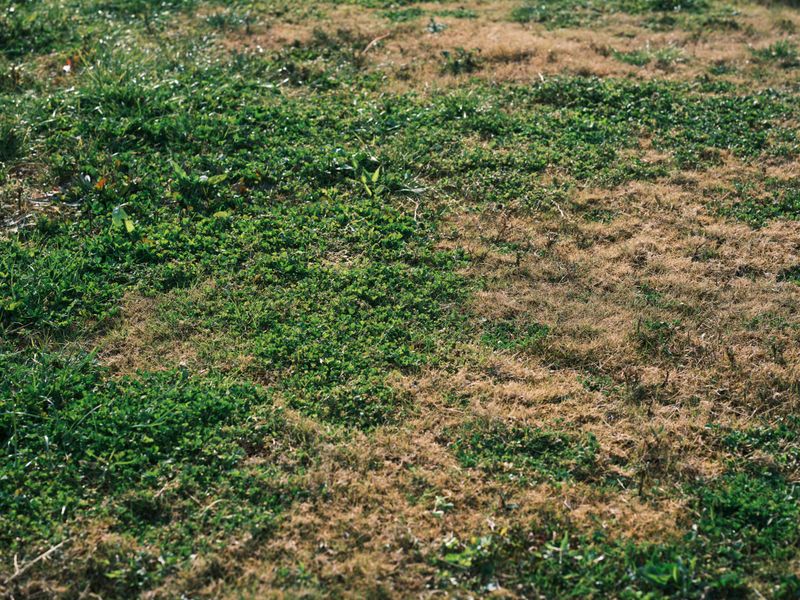
Soggy patches of grass that stay wet long after rain or watering are another warning. Healthy lawns drain well, and persistent wet spots point to overwatering or drainage issues.
Smear marks along walls or concrete near wet areas are also signs. Roaches leave oily residue as they travel the same paths repeatedly.
Spotting these clues early gives you a real advantage. Acting before a small problem becomes a full infestation is always easier, cheaper, and less stressful for everyone in the household.
Fixing Your Watering Routine The Right Way

Changing your watering schedule is easier than you think. Start by switching from nighttime watering to early morning, ideally before 10 a.m.
Morning watering gives your lawn time to absorb moisture before the heat peaks. Any excess evaporates during the day instead of sitting overnight.
Next, reduce how often you water. Most Louisiana lawns need about one inch of water per week, including rainfall.
Use a rain gauge to track what nature provides. If it rained two days ago, you may not need to water at all this week.
Adjust your sprinkler zones so they do not spray directly against your house. Keep moisture at least two feet away from your foundation whenever possible.
Pull mulch back from your walls too. Mulch should sit a few inches away from siding, not pressed right up against it.
Check for low spots in your yard where water collects. Filling or grading these areas prevents standing water from forming after every rain or irrigation cycle.
Smart irrigation controllers can also help a lot. These devices check local weather data and skip watering cycles automatically when rain is expected.
Drip irrigation is another strong option for garden beds. It delivers water directly to plant roots with far less surface moisture, which means fewer roaches hanging around your flower beds and vegetable garden.
Correcting this watering habit makes roach problems easier to manage over time. Small adjustments to your routine can meaningfully reduce pest pressure.
Long-Term Habits To Keep Roaches Away
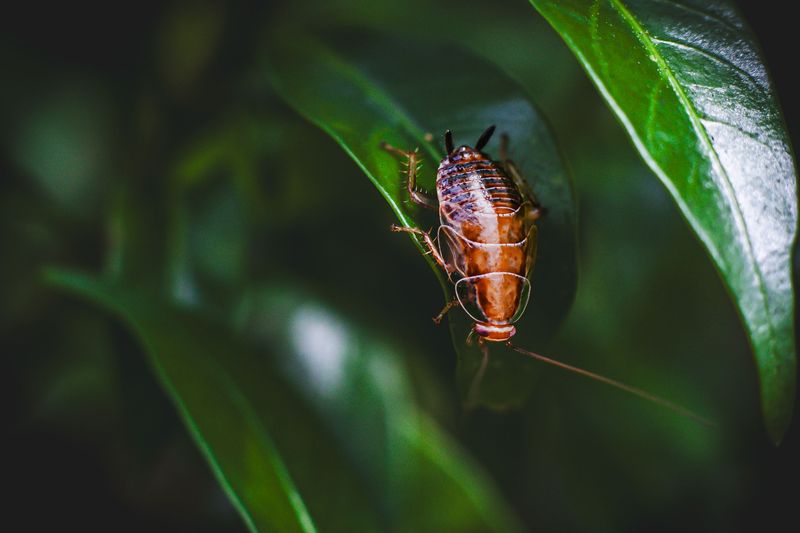
Getting roaches under control is one thing. Keeping them away for good requires a few consistent habits that become second nature over time.
Start with your landscaping. Shrubs, plants, and trees that touch your house give roaches a direct bridge inside.
Trim vegetation so it sits at least a foot away from your walls. That gap removes the physical pathway pests use to enter your home.
Cedar mulch has natural insect-repellent properties, while rubber mulch reduces moisture retention compared to traditional wood chips.
Clean your gutters at least twice a year. Blocked gutters cause overflow that soaks your foundation and creates prime roach habitat right at your roofline.
Fix any leaky outdoor faucets or hose connections. Even a slow drip creates a reliable water source that draws pests from a wide area around your property.
Seal cracks in your foundation and gaps around utility pipes. Roaches squeeze through surprisingly tiny openings, so even small gaps deserve attention and caulk.
Store firewood away from your house and off the ground. Stacked wood near walls can become a roach hiding spot, especially when it stays damp.
Add outdoor lighting with yellow bulbs instead of white. White light attracts insects, while yellow tones draw far fewer bugs to your porch and entry areas.
Without these habits, the watering mistake behind your roach problem is likely to repeat itself. Build them into your routine, and you take away the conditions roaches depend on to survive.