The Ancient Ritual Unfolding On Minnesota’s Lakes Right Now
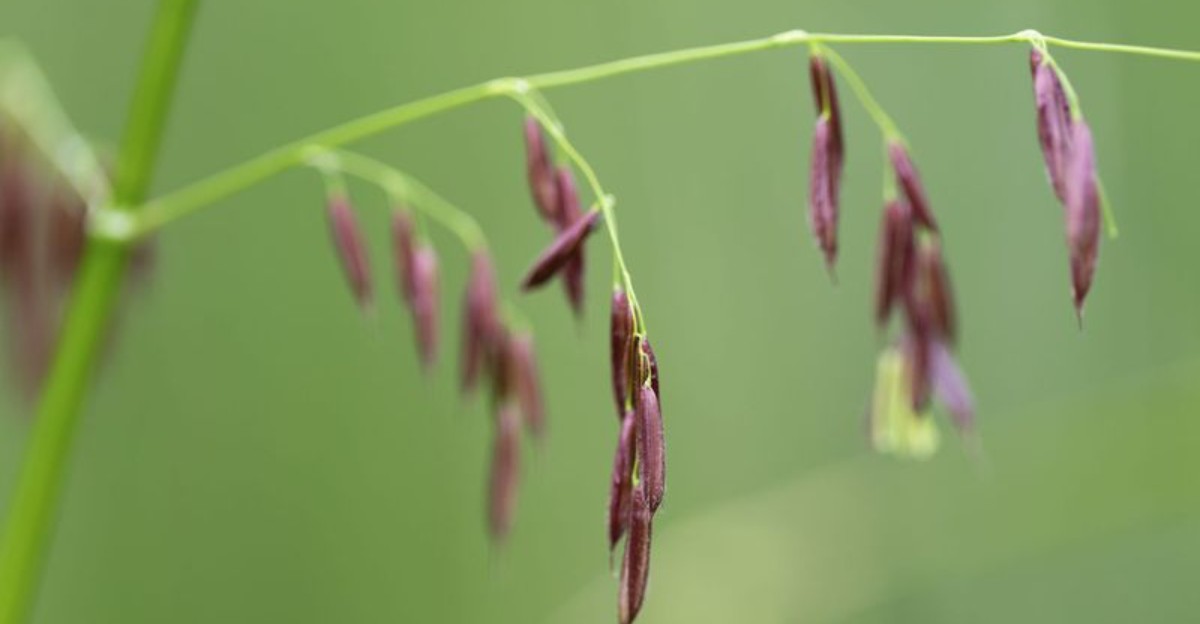
Something rattles into your canoe before you even see it fall. Wild rice stalks brush your hull as you glide through shallow water. Minnesota offers you a harvest few outsiders ever practice.
Partners work beside you, a poler and a knocker, missing little. Patience decides more than your muscle when the rice starts falling. Green blades bend against the canoe as you push forward.
Rattling grains drop into your boat with a steady, quiet sound. The plant writes its own rules here, and you follow them. Timing decides your outcome, since a windy afternoon can end it.
Minnesota’s waters test you if you think you already know rice. Families rely on this harvest for food and pride you share. Ceremonies still follow rhythms this rice has kept for you now.
Your paddle stops mattering the moment the knocking begins. You will not want to look away from what happens next.
The Grain That Grows On Water
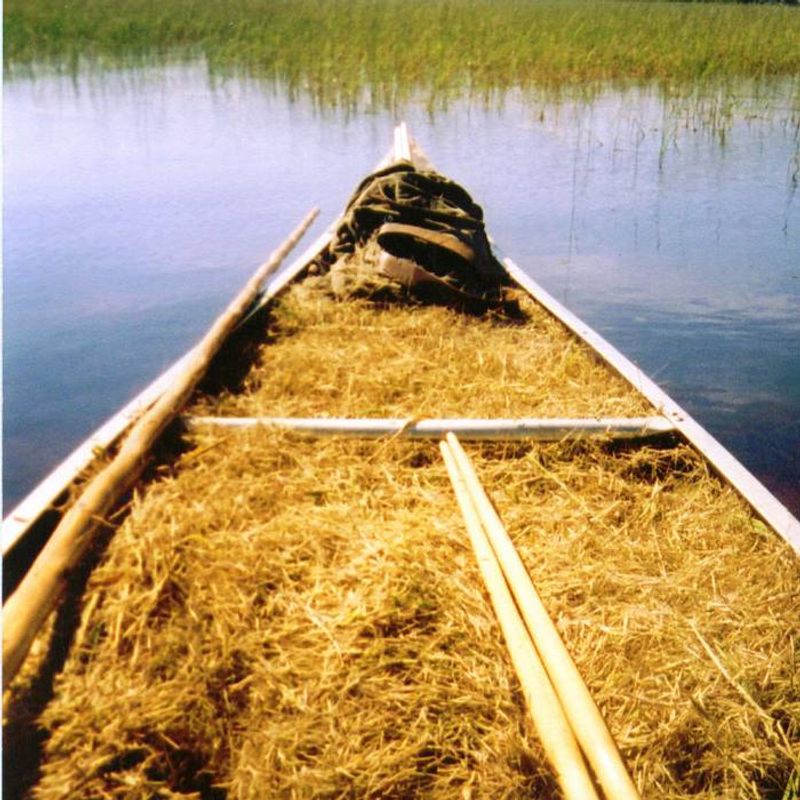
Botanists will tell you it is not really rice at all. Wild rice is an aquatic grass, a native annual that sprouts fresh from seed each spring in shallow, slow-moving water.
The Ojibwe word for it is manoomin, often translated as the good berry or good seed. According to migration teachings, the Anishinaabe traveled west until they reached the place where food grows on water, and that food was this plant.
Stalks can stretch well over eight feet, with roots anchored in soft muck and seed heads swaying above the surface. Water depth matters enormously, and beds tend to thrive in one to three feet of clean, gently flowing water.
Minnesota holds more natural (wild-growing) rice than any other U.S. state, though California leads in cultivated paddy rice production.
In 1977 the legislature named it the official state grain, which says something about how deeply it runs through local identity.
The plant is also finicky. High water in June, heavy wind, or a sudden storm can flatten a promising bed before anyone gets a chance to gather from it.
Because it reseeds itself annually, each harvest depends on seed that fell the year before. Harvesters knock plenty of grain into the water on purpose, which keeps the cycle turning.
Ducks, geese, muskrats, and blackbirds feed heavily in the same beds. A good rice lake is loud with wings in September, a sign that the water is doing its job well.
How Ricers Know It Is Time
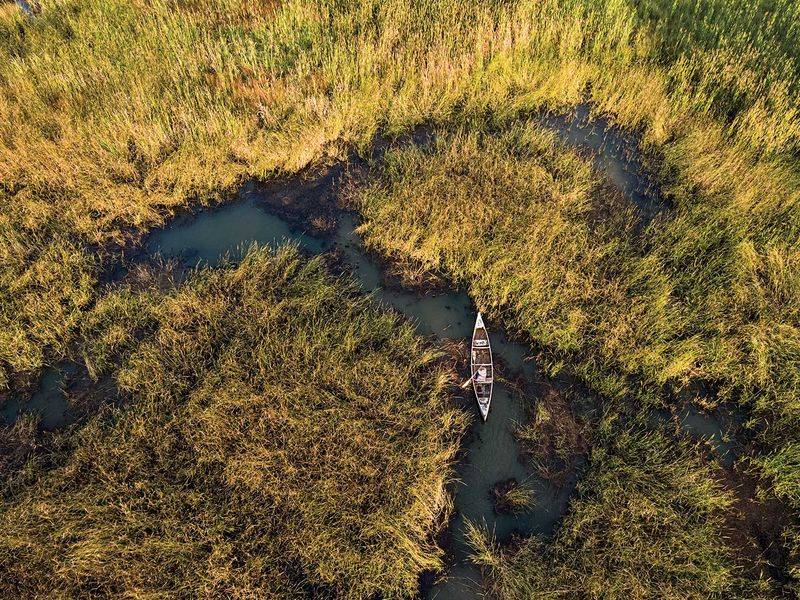
Timing is the whole game. Ripeness arrives bed by bed, not lake by lake, so experienced ricers scout for days before committing to a morning on the water.
The classic test is simple. Cup a hand under a seed head, give it a light tap, and see whether the grain releases easily into your palm.
Green, milky kernels that cling tight mean waiting a few more days. When a gentle brush sends dark, slender seeds tumbling, that bed is ready.
Ripening usually runs from late August into September, sometimes stretching toward early October in the far north. Southern beds often lead, northern beds follow, and elevation and water temperature shuffle the order.
Your Minnesota Garden Changes Every Week. Your Plan Should Too.
Gardening in Minnesota changes quickly throughout the season. Every Friday you’ll receive a simple weekly plan showing exactly what to plant, prune, fertilize, harvest, and protect so you never miss the right timing.
Weather steers everything. Calm, warm mornings after a cool night tend to be ideal, while strong wind and rain scatter grain into the water before boats arrive.
Regulars keep mental calendars going back decades, comparing this year’s beds to seasons past. Many will drive an hour to check three lakes before choosing one.
There is also an unwritten courtesy about crowding. Show up at a bed already worked hard that morning and you will find slim pickings, so spreading out helps.
State law sets daylight hours for harvest, generally from mid-morning until an afternoon cutoff, which gives dew time to dry and gives the beds a rest.
Patience pays. Going too early yields green grain that processes poorly, while going too late means the lake already collected the harvest for the ducks.
A Two-Person Rhythm
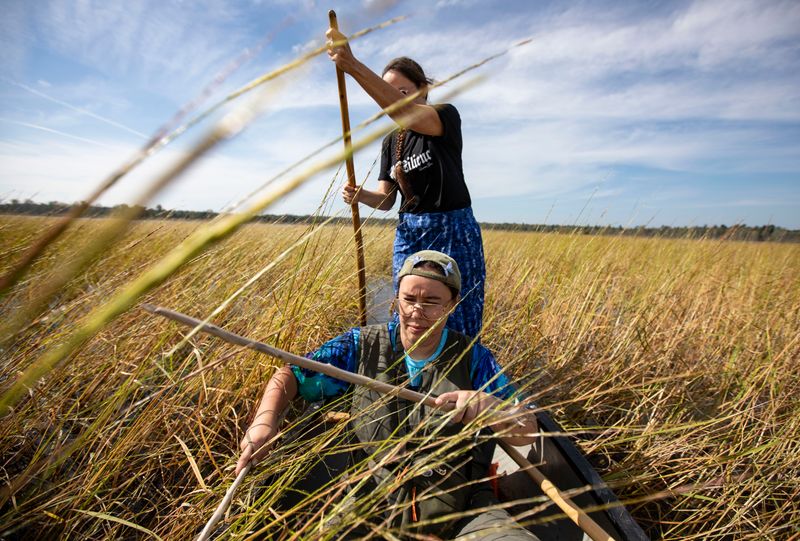
Picture a canoe gliding through green walls of grass with two people working in near silence. One stands at the stern, one sits forward, and neither one paddles.
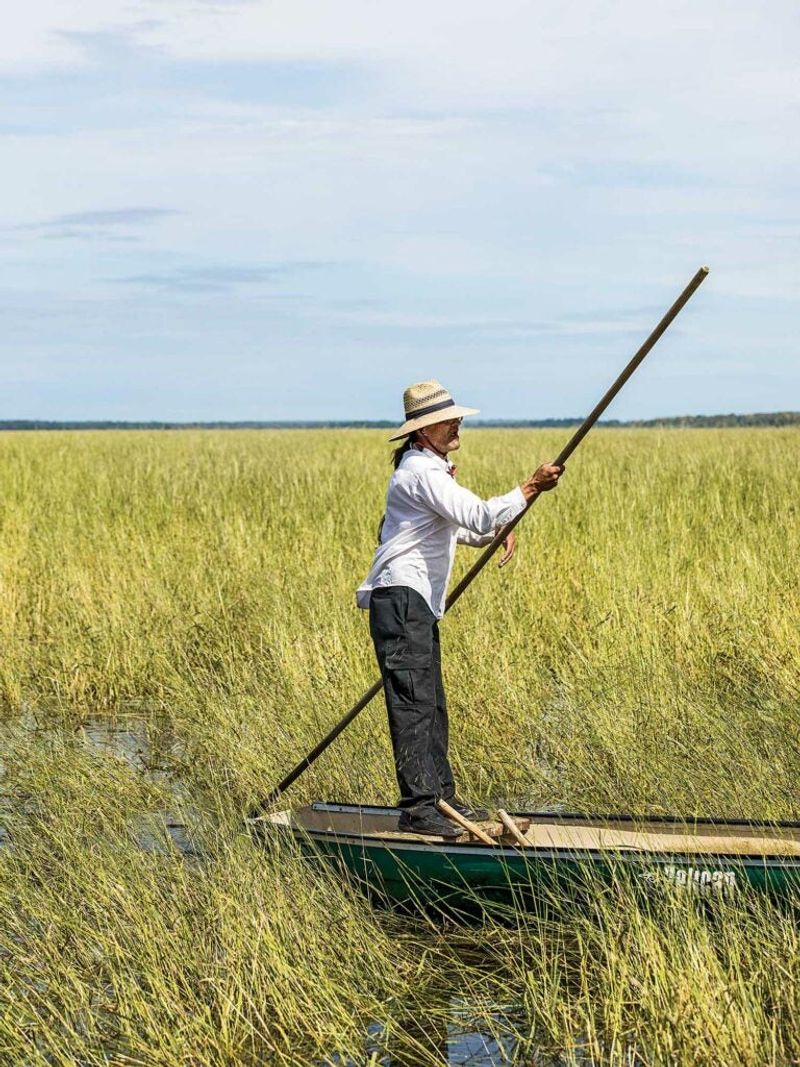
The poler pushes the boat with a long pole tipped with a forked duckbill, which grips soft mud instead of sinking into it. Steady, quiet pressure keeps the canoe moving at a walking pace.
Up front, the knocker holds two smooth cedar sticks called knockers. One sweeps a bundle of stalks over the boat, the other taps the seed heads so ripe grain falls inside.
Minnesota rules keep the tools traditional. Knockers must be round, smooth, and no longer than 30 inches, weighing a pound or less, and boats are limited in size with no motors used while harvesting.
Hand-harvesting protects the plant. Light taps take only what is ready and leave the rest standing to ripen or reseed.
Communication is mostly wordless after a while. A shift in weight, a tap on the gunwale, and the poler adjusts course toward thicker grain.
Newcomers usually discover that the poling job is harder than it looks. Balance, mud depth, and wind all conspire against a straight line.
Bring long sleeves. Rice beards are tiny barbed hairs that work into skin and clothing, and by afternoon they itch like fiberglass.
By the end of a good run, the canoe floor is layered with green grain, and both harvesters smell like sun-warmed marsh.
From Green Grain To Table
Fresh from the canoe, the grain is green, damp, and unfit for storage. Four steps turn it into the nutty dark rice people know.
First comes curing. The rice spreads out on tarps or screens to air-dry, stirred often so it does not heat up and spoil.
Next is parching, the step that creates the flavor. Grain roasts slowly in a large kettle or drum over a wood fire while someone stirs constantly with a wooden paddle.
Parching loosens the hull and gives the kernel its smoky depth. Too hot and the grain scorches, too cool and hulls refuse to release.
Then comes threshing, sometimes called dancing the rice. Traditionally a person wearing clean moccasins steps carefully in a lined pit, treading the hulls loose without crushing the grain.
Winnowing finishes the job. Rice gets tossed in a shallow birch bark tray so breeze carries the chaff away and heavy kernels drop back down.
Modern processors use mechanical hullers and rotating drums, which is why store shelves hold both hand-harvested lake rice and cultivated paddy rice. Hand-finished grain is usually lighter in color, thinner, and cooks in around 20 to 30 minutes.
Paddy rice looks glossy black and takes longer in the pot. Taste them side by side and the difference is easy to notice.
Yields shrink along the way. A hundred pounds of green rice may finish somewhere near 50 or 60 pounds, which explains the higher price of hand-harvested rice.
Treaty Rights, Licenses, And Shared Waters
Rice beds carry legal weight as well as cultural meaning. Ojibwe bands reserved the right to hunt, fish, and gather in ceded territories through treaties signed in 1837, 1854, and 1855.
Those agreements still govern harvest today. Band members ricing within ceded lands or on reservation waters follow tribal regulations rather than state rules.
For anyone else, Minnesota requires a wild rice harvesting license, available to residents and nonresidents, with an exemption for harvesters under eighteen accompanied by a licensed adult. Daily limits and posted hours apply, and conservation officers do check.
Certain waters are closed or reserved entirely, particularly on reservation lakes and some state-managed beds. Checking current regulations before loading the canoe saves an awkward conversation on a boat landing.
Access rules vary too. A number of lakes with strong beds sit behind private land or require a long portage, which keeps traffic down.
Respect goes beyond paperwork. Many families have gathered from the same bay for generations, and arriving loud, fast, or greedy can come across as inconsiderate.
A useful habit for beginners is asking questions at a local co-op or tribal natural resources office. Folks there know which beds are ripe and which ones need to be left alone.
Selling finished rice supports real livelihoods across northern Minnesota, from small family operations to tribal enterprises. Buying hand-harvested grain directly puts money where the work happened.
Shared water works best with shared manners, and this harvest has run on that idea for a very long time.
Why These Beds Need Watching
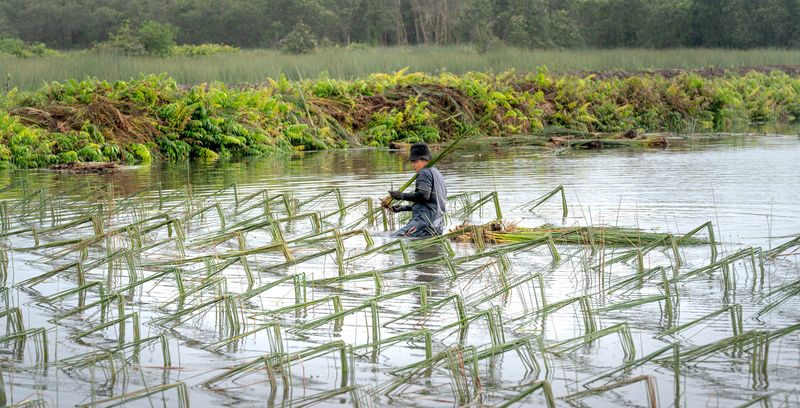
Here is the more difficult reality. Minnesota’s rice beds cover far less water than they once did, and researchers point to several overlapping pressures.
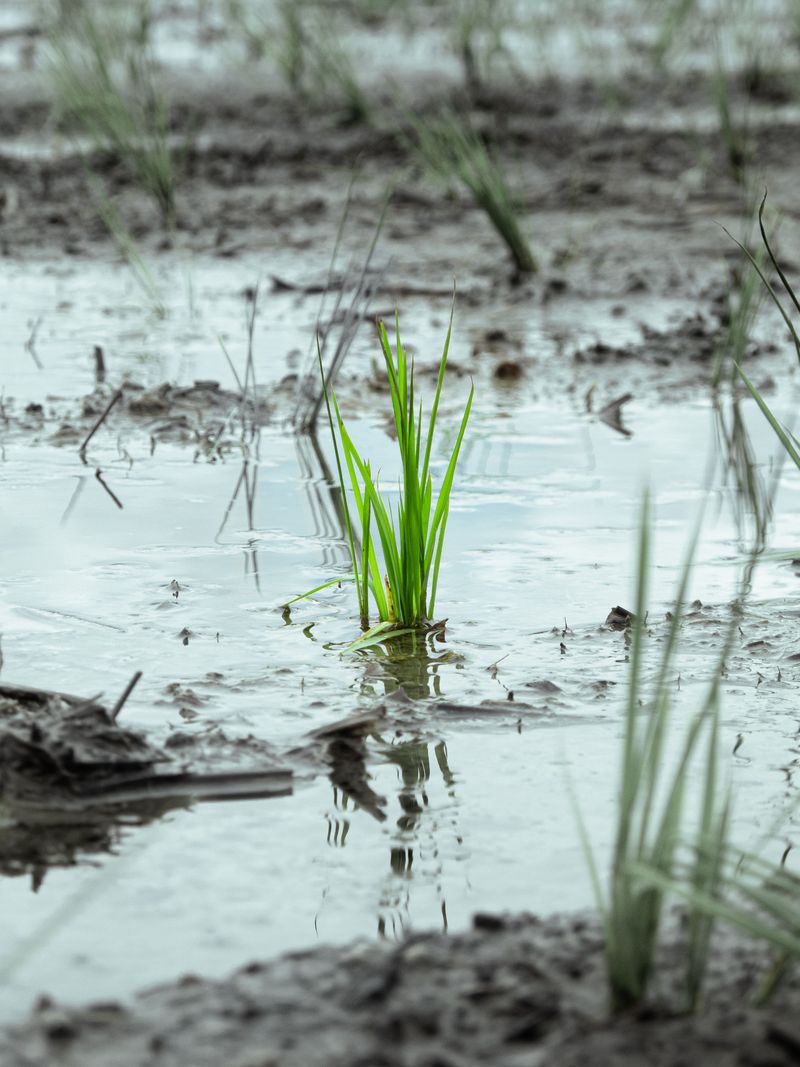
Water level swings top the list. Dams, ditches, and road culverts change how deep a bay sits in June, and rice seedlings are picky about depth during their floating leaf stage.
Sulfate in runoff creates another problem. Elevated sulfate can convert in sediment and interfere with seedling growth, which is why Minnesota has long carried a water quality standard aimed at protecting rice waters.
Invasive plants crowd beds as well. Hybrid cattail, reed canary grass, and purple loosestrife spread into wetlands and take up space rice needs.
Warming autumns and heavier spring rains add uncertainty. Big June downpours can drown young plants before they anchor.
Good news exists too. Tribal natural resources departments, the Minnesota DNR, watershed districts, and volunteer groups seed beds, monitor water levels, and restore wetland connections.
Simple choices help. Keeping boats and trailers clean, avoiding motoring through rice beds, supporting shoreline buffers, and skipping lawn fertilizer near water all reduce strain.
Harvesters contribute data as well, reporting bed conditions year after year and giving biologists a long view that no single survey provides.
Manoomin has fed this region for millennia and remains central to Ojibwe identity, ceremony, and food sovereignty. Protecting the beds is less about nostalgia and more about keeping a living relationship intact for the next generation.