The Smells That Drive Moles And Gophers Out Of Your Arizona Yard, And Where To Put Them
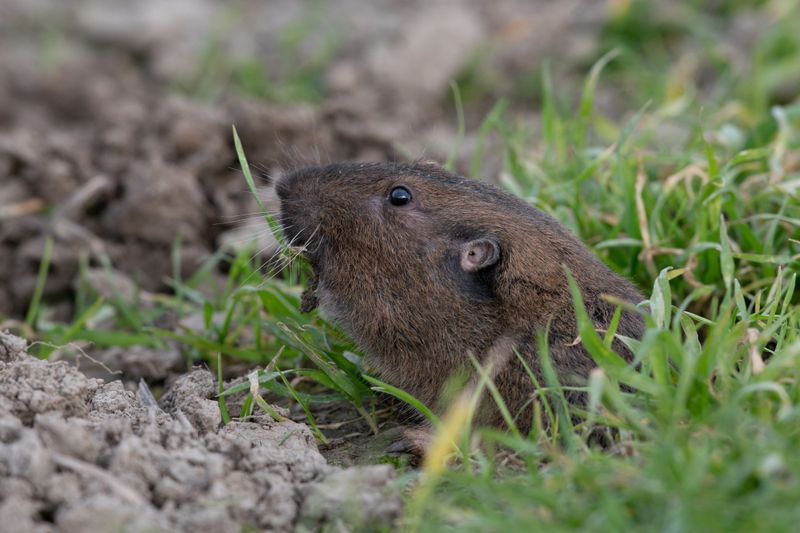
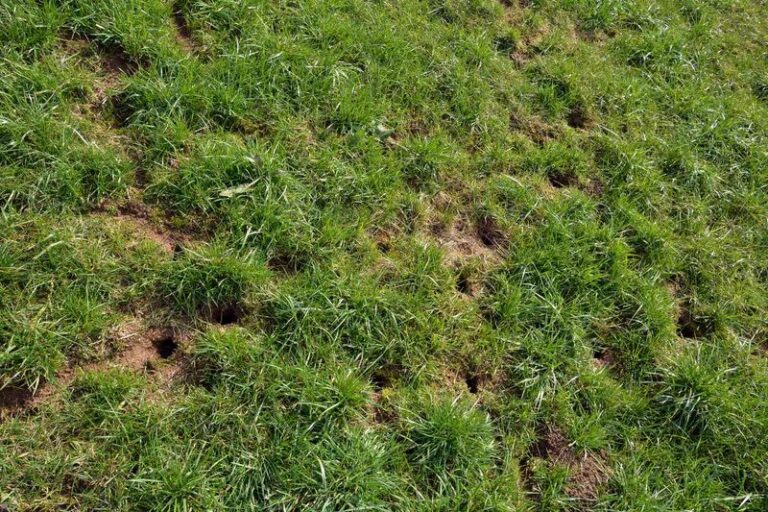
Moles and gophers can turn a nice Arizona yard into a bumpy mess of tunnels and dirt mounds fast. The good news is these critters have super sensitive noses, so certain strong smells can send them packing without traps or poison.
Below you will find the scents that bother them most, plus exactly where to place each one for the best shot at success. Keep in mind these natural tricks work best when you reapply them often, especially after watering or a monsoon storm.
1. Castor Oil
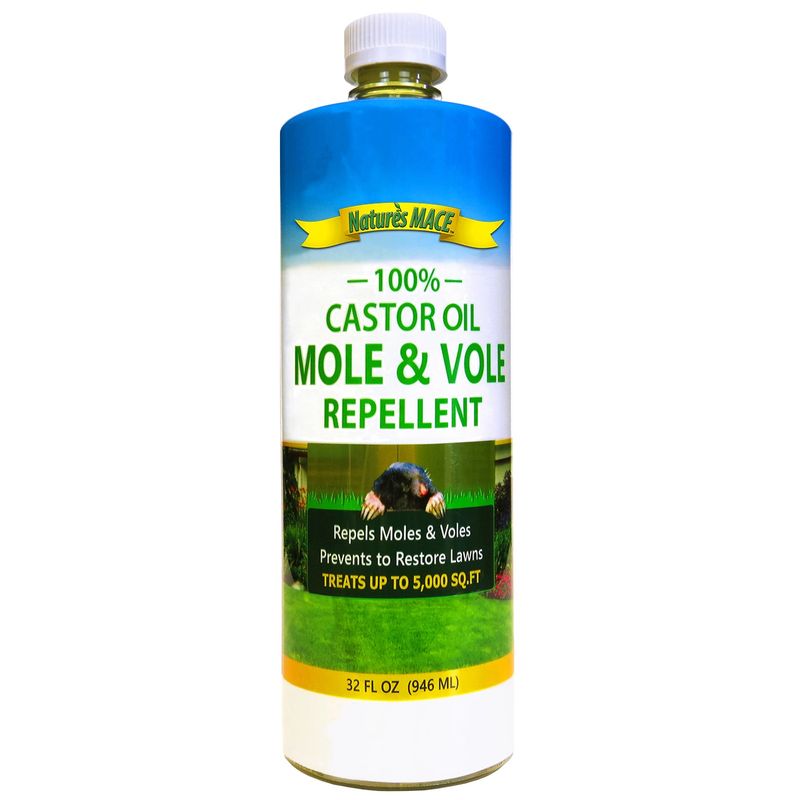
If there is a superstar in the gopher-fighting world, castor oil wears the crown. It works in a clever double way, coating the earthworms and grubs that moles love so their meals taste awful, while also upsetting a gopher’s stomach.
The strong, oily smell hangs around underground longer than most repellents, which is exactly what you want in dry desert soil. Many Arizona homeowners mix three parts castor oil with one part dish soap into three gallons of water, then spray it wherever holes show up.
Where should it go? Broadcast granular or liquid castor oil across active parts of the yard, around raised garden beds, and along your property borders as a buffer zone.
Water it in thoroughly afterward so the oil sinks deep into the tunnels where the critters actually live.
One heads-up for our warm climate: monsoon rain and regular irrigation wash it away, so plan on reapplying every couple of weeks during active seasons. Consistency beats a single big application every time, and your lawn will thank you for the steady effort.
2. Garlic
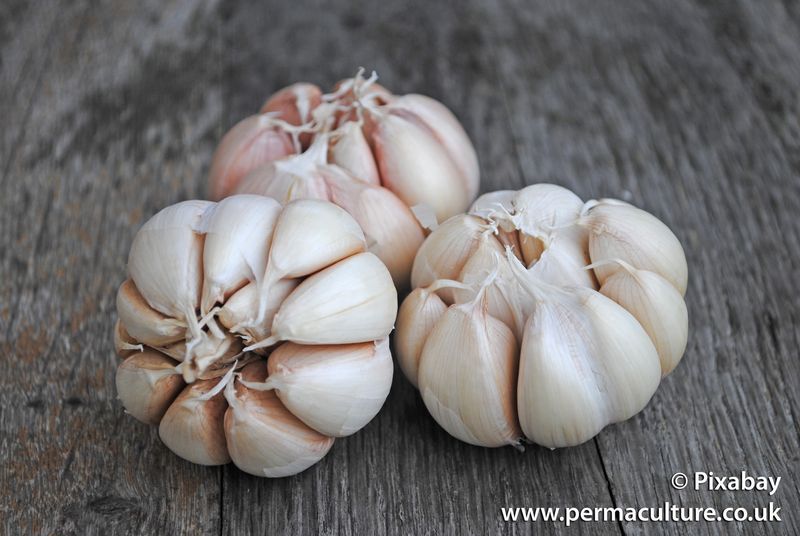
Garlic packs a punch that goes way beyond your kitchen. That sharp, pungent aroma we love in food reads as a big warning sign to moles and gophers, who prefer to steer clear rather than dig through it.
The smell creates an invisible wall that burrowing pests find genuinely unpleasant, and it costs almost nothing to try. You probably already have a few cloves sitting in your pantry right now.
For the most direct hit, crush several cloves and drop them deep into fresh tunnel openings and mounds, then cover the hole with dirt to trap the odor inside. That trapped scent fills the tunnel and encourages the resident to move along.
Garlic also does double duty as a plant barrier. Tucking garlic, onions, and other alliums around the edges of vegetable beds and vulnerable plants gives you a living scent fence in low-desert gardens.
Fun bit: alliums are cousins to daffodils in the deterrent department, and both hold up beautifully in Arizona’s climate. Refresh crushed cloves regularly since their strength fades once they dry out underground.
3. Used Coffee Grounds
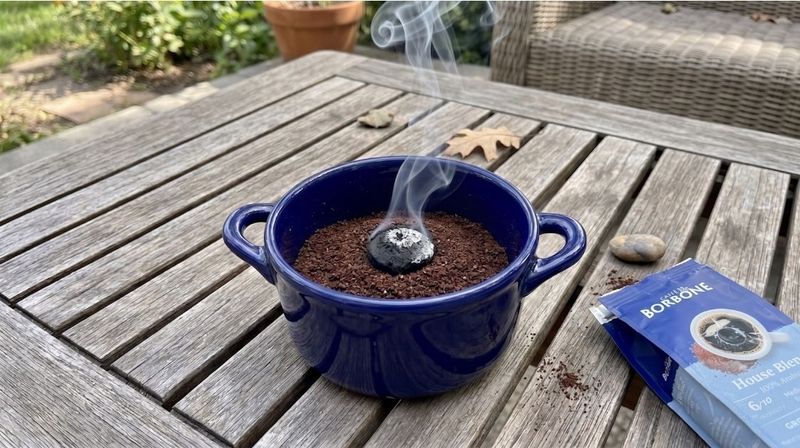
Your morning coffee habit might just double as pest patrol. Used grounds carry a robust, earthy smell that gophers find off-putting, making this one of the easiest freebies to test in your yard.
Beyond the odor factor, there is a bonus that Arizona gardeners really appreciate. Coffee grounds are mildly acidic and add organic material to our stubborn alkaline soil, so you deter pests and feed your plants in one move.
Your Arizona Garden Changes Every Week. Your Plan Should Too.
Gardening in Arizona changes quickly throughout the season. Every Friday you’ll receive a simple weekly plan showing exactly what to plant, prune, fertilize, harvest, and protect so you never miss the right timing.
Sprinkle the grounds directly into tunnel openings and fresh mounds for a targeted approach, or scatter them across active areas and along garden bed edges. Working them lightly into the top layer of soil helps the scent linger.
Because grounds break down and lose potency quickly in the heat, treat this as a repeat chore rather than a one-time fix. A steady supply from your daily brew makes reapplication painless.
Think of it as recycling with a purpose. What used to head straight to the trash now pulls a shift protecting your lawn while quietly improving the dirt beneath it.
4. Peppermint And Eucalyptus Oil
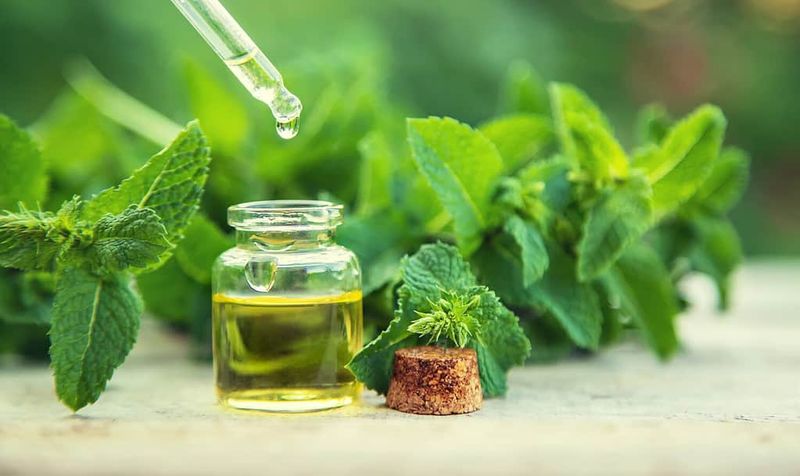
Cool, tingly, and overwhelmingly strong, peppermint oil hits a mole’s nose like a blast of pure chaos. These pests rely heavily on smell to navigate their dark tunnels, so an intense, unnatural scent throws them completely off balance.
Eucalyptus oil plays the same trick with its sharp, medicinal punch. Both essential oils create a scent environment that moles and gophers simply refuse to tolerate.
The classic method is charmingly low-tech. Soak a few cotton balls in peppermint or eucalyptus oil, then push them deep into tunnel openings and fresh mounds before covering the spot with soil to seal in the fumes.
A little goes a long way, so you only need a few drops per cotton ball. Refresh them every few days because the oils evaporate fast, especially under our relentless summer sun.
Here is a nice side perk for desert dwellers: peppermint is also known to bother ants and other insects, so those cotton balls may quietly discourage more than one type of unwelcome guest around your property lines.
5. Pine And Cedar
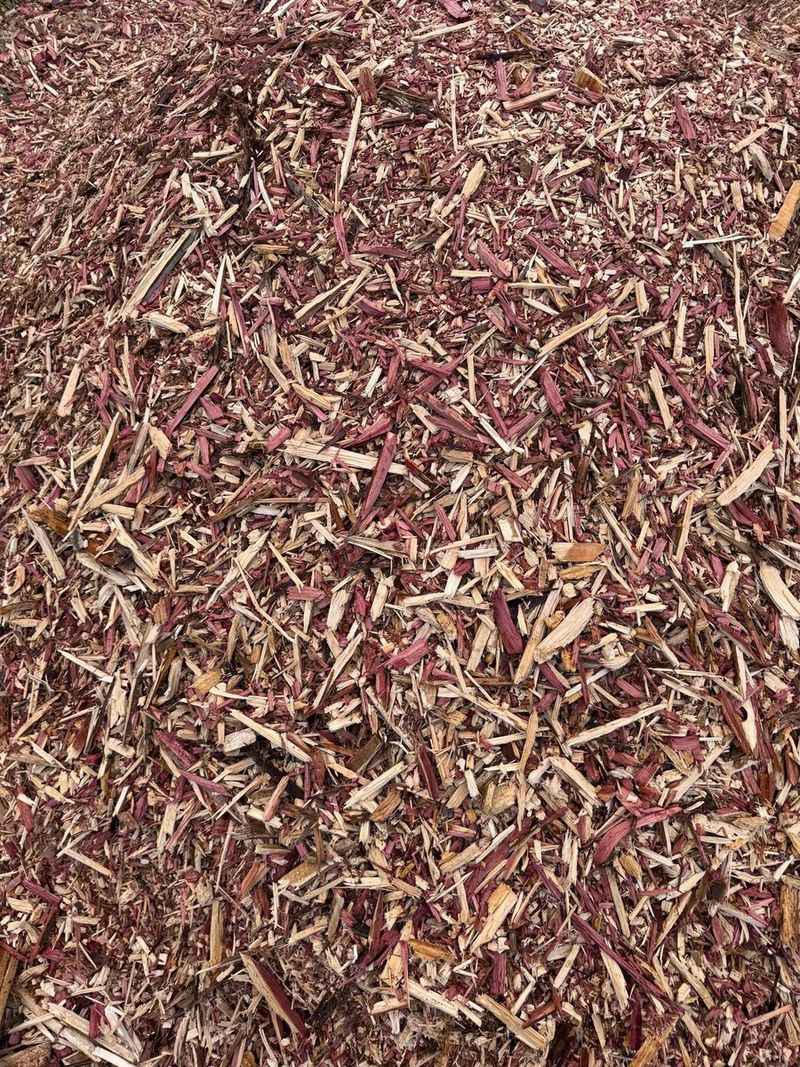
There is something about a deep, resinous woodland smell that makes a gopher freeze and rethink its plans. Pine and cedar give off woody scents that signal strange, possibly dangerous territory to a burrowing animal.
Unlike a spicy or minty jolt, these smells work on instinct. A gopher wandering into cedar-scented soil senses it has crossed into unfamiliar ground and often decides not to risk digging further.
Spreading cedar mulch or pine chips as a border around garden beds and along the edges of your yard builds a fragrant buffer zone. It looks tidy while quietly doing pest-control duty at the same time.
Cedar shavings can also be tucked near tunnel entrances for a more direct message. The oils in the wood release that telltale aroma as they sit in the soil.
For low-desert yards, mulch borders offer a handy triple benefit. They deter burrowers, help hold precious moisture in the ground, and keep roots cooler during those brutal 100-plus degree stretches.
Top up the mulch once the scent starts to mellow.
6. Sage, Rosemary, And Lavender
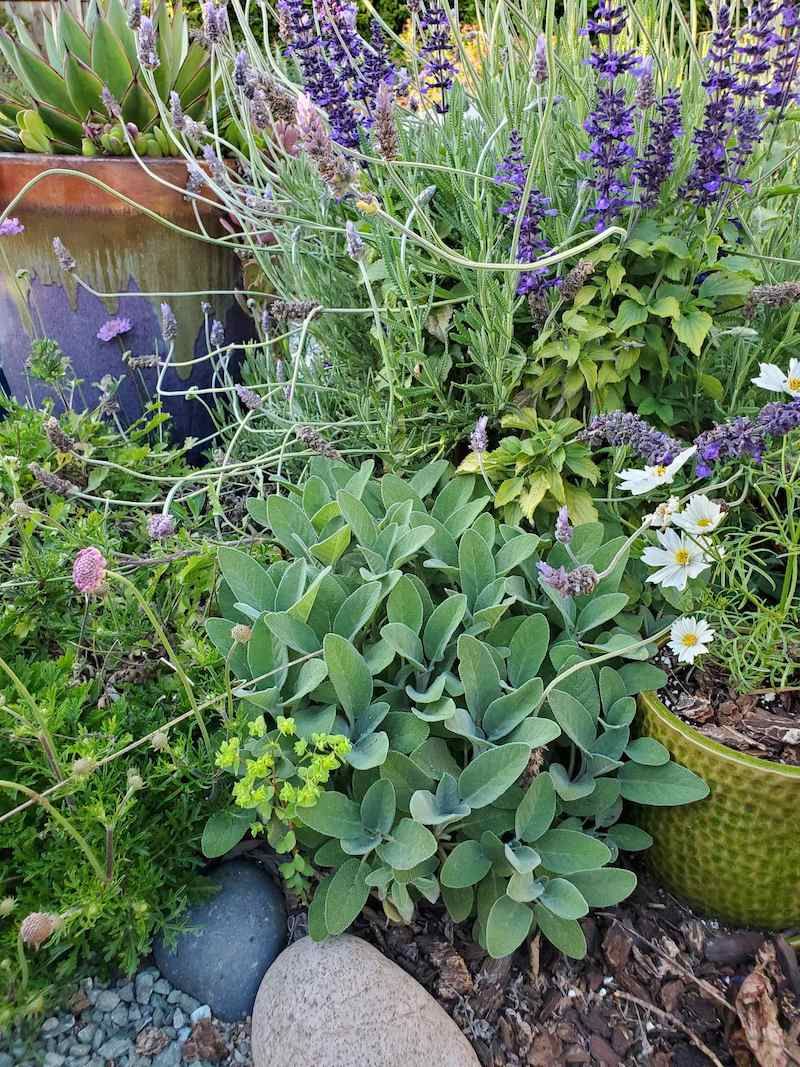
Why settle for a repellent when you can plant one that looks gorgeous too? Sage, rosemary, and lavender release strong aromatic oils that irritate gophers while making your yard smell wonderful to everyone else.
Rosemary and lavender earn special mention because they are officially recognized as gopher-resistant plants, and both happen to shrug off Arizona’s heat and drought like champs. That makes them a smart, low-fuss pick for our region.
Rather than dropping these into tunnels, use them as living barriers. Plant them around the edges of vegetable gardens, near fruit trees, or as buffer strips between the open yard and the plants you most want to protect.
The scent stays active as long as the plant is alive, so unlike sprays and cotton balls, you skip the endless reapplication routine. Water them in during fall or early spring, Arizona’s real planting windows, and let them establish.
Bonus for pollinator fans: lavender and rosemary blooms draw in bees and butterflies, turning a pest-deterring border into a buzzing little habitat corner. That is a functional yard doing exactly what it should.
7. Cayenne Pepper And Predator Urine
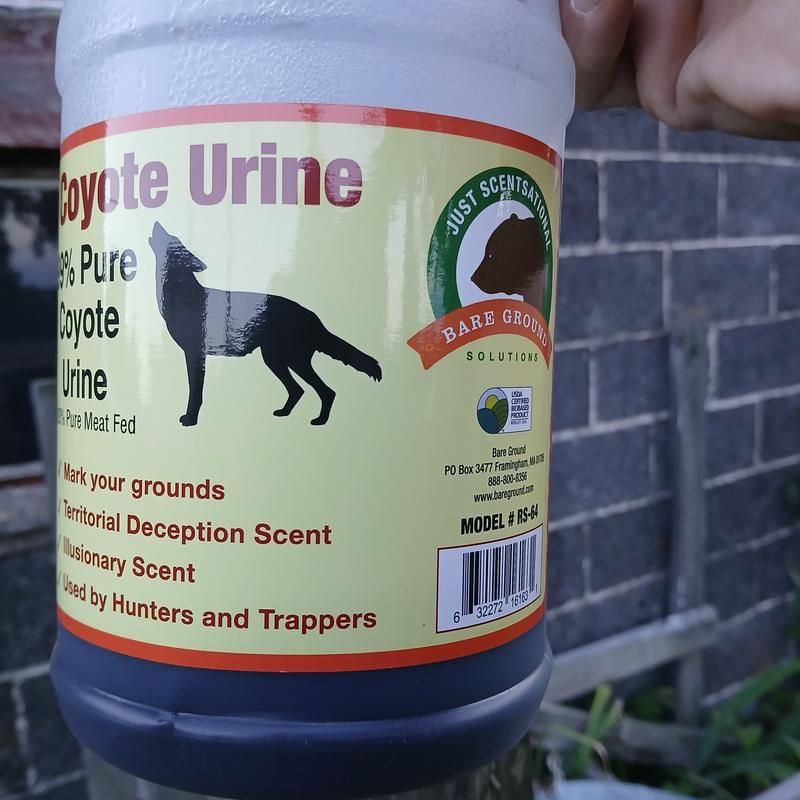
When gentle scents are not cutting it, these two bring the intimidation. Cayenne pepper delivers a fiery, spicy odor that moles, with their smell-driven world, find genuinely repulsive and hard to ignore.
Predator urine works on a whole different level by tapping into raw fear. Urine from foxes or coyotes tells a gopher that a hungry hunter is nearby, flipping on its instinct to flee and stay away.
For cayenne, dust it directly into tunnel openings, over fresh mounds, and around the base of plants you want to guard. The powder loses its bite once it gets wet, so a dry spell is your friend here.
Predator urine, sold as granules or liquid, works best applied around burrow entrances and along the perimeter of active zones to build that invisible danger boundary.
A quick safety note for households with kids or pets: cayenne can sting curious hands and noses, so place it thoughtfully and wash up afterward. Both options wash out with rain and irrigation, so reapply after any soaking to keep that keep-out signal strong.