This Simple Drainage Test Shows If Georgia Soil Is Ready For Fall Planting
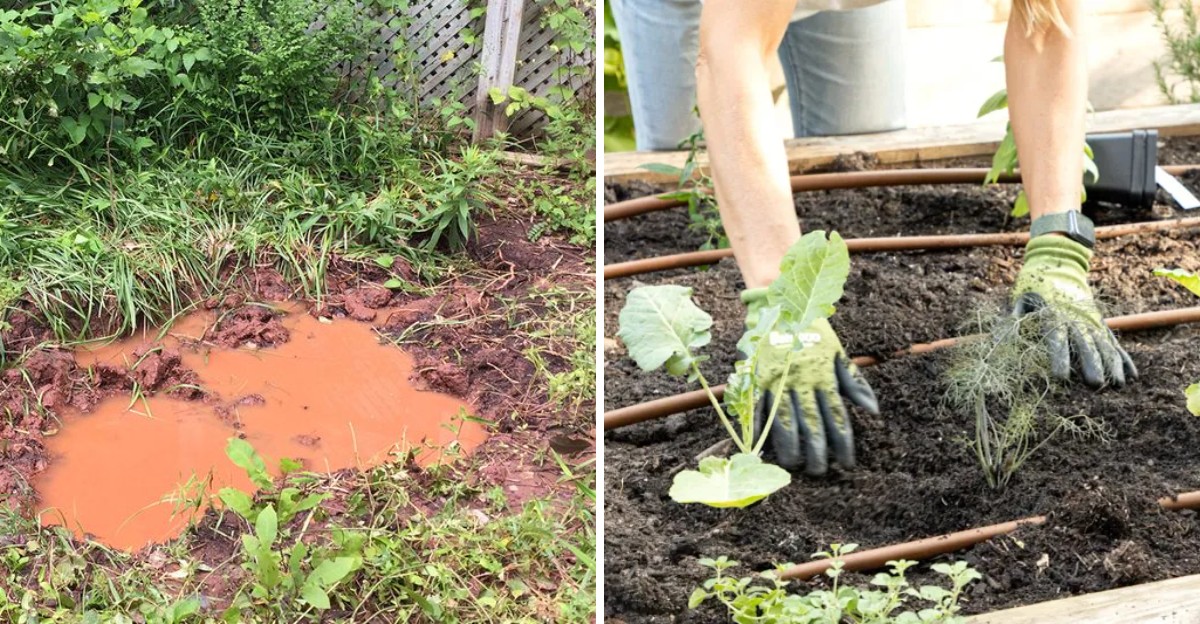
Fall planting can fail before the first root settles in, and the problem may be hiding beneath your shoes. Soil that holds water too long deserves attention first.
Fortunately, you can learn a lot about drainage without sending a sample anywhere.
Digging one hole and watching how water behaves can reveal whether a planting spot drains comfortably. That information is especially useful in Georgia yards where heavy clay can slow drainage.
What happens next can help you decide whether the location needs work before planting begins.
Do the test while you still have time to adjust your plans, rather than discovering drainage trouble after plants are established. The result may even change where you plant.
Check the soil first, and your fall garden starts with information you can actually use.
1. Fall Planting Can Struggle When Water Stays Around The Roots
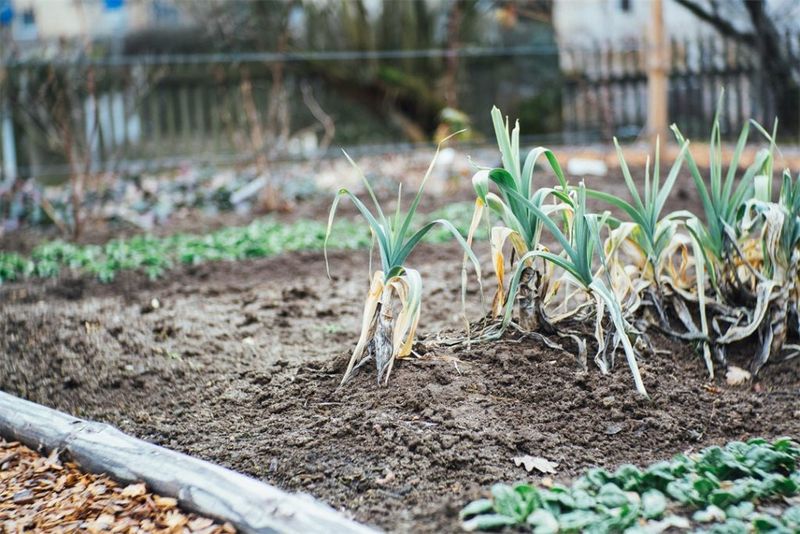
Soggy roots are one of the quietest problems in a fall garden. Nothing looks wrong from above until leaves yellow and growth stalls.
Roots pull in oxygen from tiny air pockets in the soil. When water fills those pockets and stays, the roots struggle to breathe.
Cool weather makes the situation worse because plants use less water and evaporation slows down.
Autumn rain in Georgia often arrives in heavy bursts, then sits on compacted ground for days. Clay soil holds that moisture far longer than sandy ground does.
Fall is prime planting time for shrubs, pansies, garlic, and cool-season greens, which makes drainage worth checking first.
Plants set into wet ground may survive, but they often grow slowly and stay weak through winter. Root rot problems tend to show up in spring, long after the planting mistake was made.
Gardeners sometimes blame poor plant quality when the real issue was the hole they dug.
Newly planted root balls sit lower than surrounding soil, so they collect runoff like a small basin. That effect is stronger in heavy clay yards.
Checking drainage before planting takes far less effort than replacing plants later.
A simple water test removes the guesswork and shows exactly how your ground behaves. Once you know the answer, every planting choice afterward gets easier.
2. One Small Hole Can Show How Well Your Soil Drains
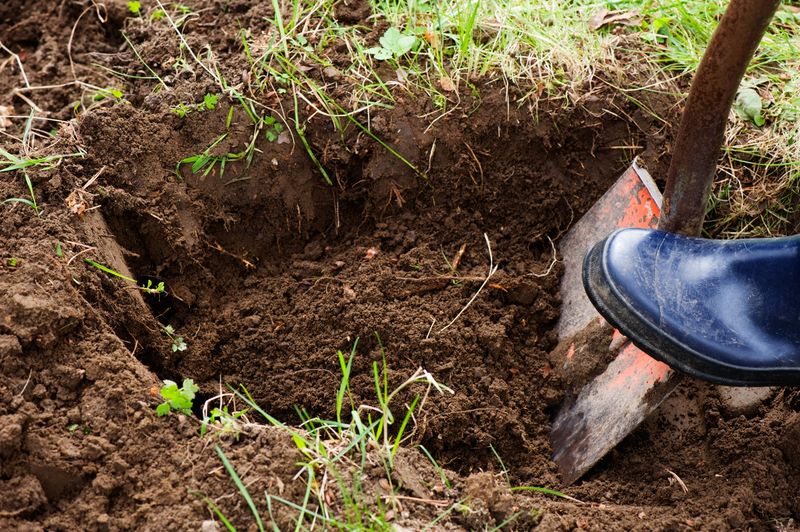
Grab a shovel. That is honestly most of what this test requires.
Dig a hole roughly 12 inches wide and 12 to 18 inches deep in the spot you plan to plant. Depth matters more than width because you want to reach the root zone.
Pick a location that reflects real conditions, not a raised corner or an old compost pile.
Rough up the sides with a hand fork or the tip of your shovel. Smooth shovel walls can glaze over in clay and slow the water artificially.
Glazing is common in Piedmont clay, especially when the ground is damp while you dig.
Remove loose crumbs from the bottom so the base sits firm and even. Leftover fluff can absorb water and skew your timing.
Wear boots if the ground is wet, since clay grabs hold of everything.
Your Georgia Garden Changes Every Week. Your Plan Should Too.
Gardening in Georgia changes quickly throughout the season. Every Friday you’ll receive a simple weekly plan showing exactly what to plant, prune, fertilize, harvest, and protect so you never miss the right timing.
Testing two or three holes across the yard gives a clearer picture than one lonely hole. Drainage often changes within twenty feet, especially near driveways or downspouts.
Mark each hole with a stake so you remember which reading came from where.
Skip areas where utility lines might run, and call before digging deeper than a foot near structures. Safety first, curiosity second.
The hole itself does the talking once water goes in.
3. Fill The Hole With Water And Let It Drain Completely
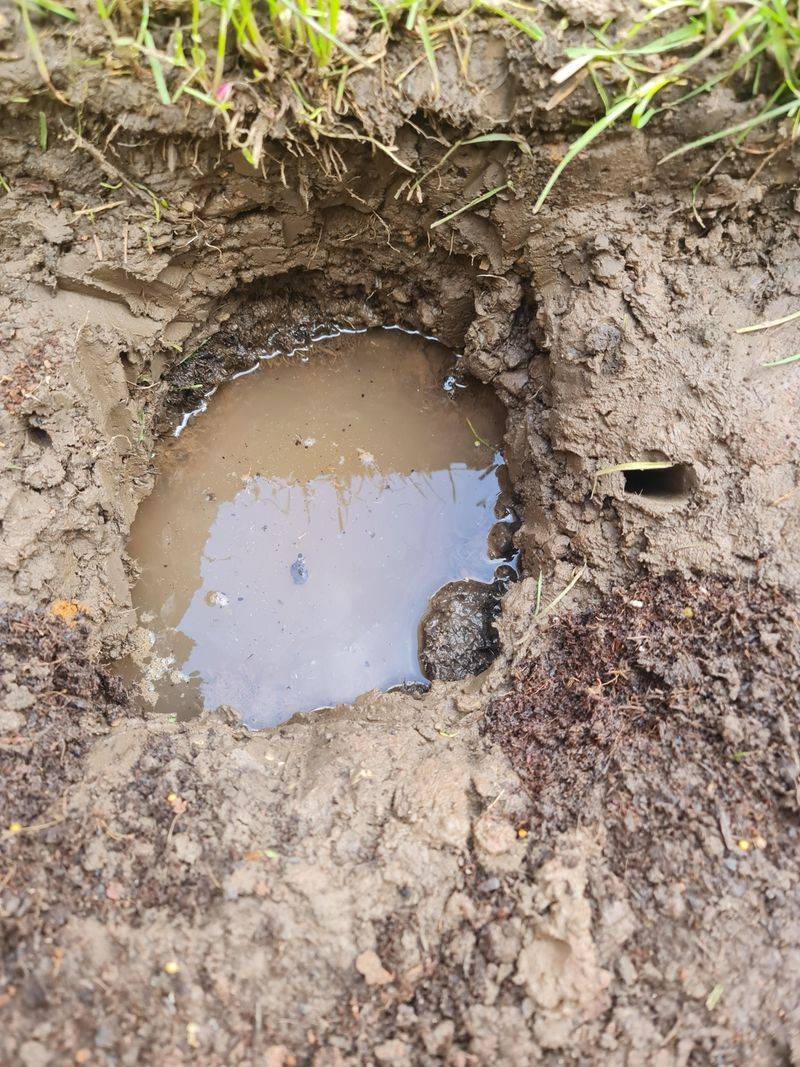
Water twice, measure once. That first fill is preparation, not the actual test.
Dry soil soaks up moisture fast and gives you a falsely cheerful result. Pre-soaking evens things out so the second fill reflects true drainage.
Fill the hole to the top with a hose or bucket and let it sit.
Watch for a moment as the water goes in. Bubbles rising to the surface simply mean air is escaping from soil pockets.
Let the hole drain all the way down before doing anything else.
Sandy soil near coastal Georgia may empty within minutes, while heavy clay can take several hours. Either result is useful information at this stage.
If the first fill still has not drained after twelve hours, you already have a strong clue about the site.
Some gardeners run this step in the evening and check the next morning. That timing works well and saves standing around.
Avoid testing right after a heavy storm, since saturated ground will make almost any yard look poorly drained.
Wait two or three dry days for a fair reading. Conditions still vary with weather, so treat the number as a guide rather than a fixed rule.
Once the hole sits empty, you are ready for the part that counts.
4. Refill The Hole To Start The Real Drainage Test
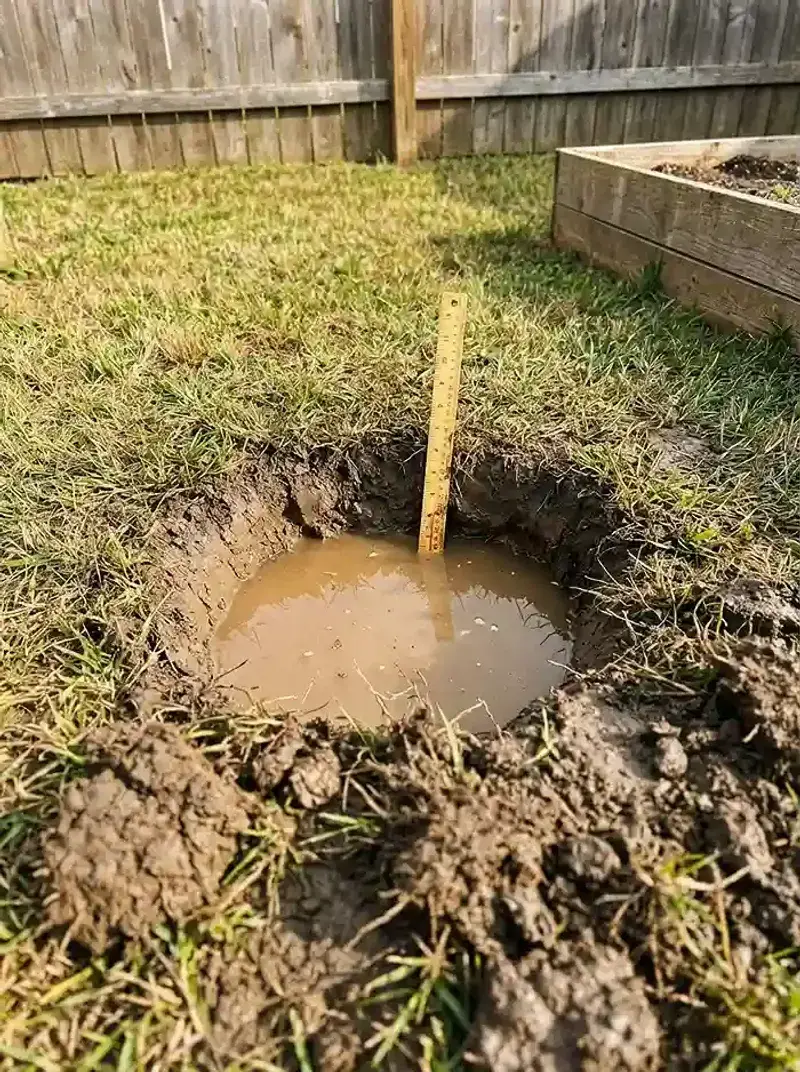
Round two is where the numbers come from. The soil is now wet, so nothing is exaggerated.
Refill the hole with water, ideally to the same level you used the first time. Consistency keeps your reading honest.
Lay a straight stick or board across the top of the hole to serve as a fixed reference point.
Measure down from that stick to the water surface with a ruler or tape. Write the starting number down instead of trusting memory.
Start a timer on your phone right away.
Check the water level every hour and jot down each measurement. A simple note on paper works fine.
Doing this on a calm, dry day helps, because rain during the test throws off results.
Shade the hole loosely if the afternoon sun is strong, since evaporation can shave off a small amount. The effect is minor but worth avoiding.
Many gardeners across north Georgia find this step takes an afternoon, which pairs nicely with other yard chores.
Keep pets and kids away from an open hole filled with water. Cover it with a board between checks if needed.
By the end, you will have a clear set of hourly readings. Those numbers become the basis for every decision that follows.
5. Watch How Quickly The Water Level Goes Down
An inch an hour is the number most gardeners aim for. Around one to three inches per hour suggests soil that suits a wide range of plants.
Faster than four inches per hour usually points to sandy or very loose ground. Water moves through quickly, and nutrients often follow.
Sites like that dry out fast and need extra organic matter to hold moisture.
Drainage under one inch per hour signals slow soil that stays wet longer than most roots prefer. Plenty of Georgia yards land in that range because of dense clay subsoil.
Slow does not mean hopeless, it simply narrows your plant choices.
Record the total drop over four to six hours rather than judging from a single check. One reading can mislead you.
Divide the total inches by the hours to get your average rate.
Keep in mind that results shift with the season. Ground tested in a dry September may drain faster than the same spot in a rainy November.
Compare holes from different parts of the yard if you dug more than one. Differences often explain why one bed thrives and another sulks.
Write the numbers in a garden notebook with the date. Comparing readings year to year shows whether your soil work is actually paying off.
6. Water That Stays Too Long Can Point To Poor Drainage
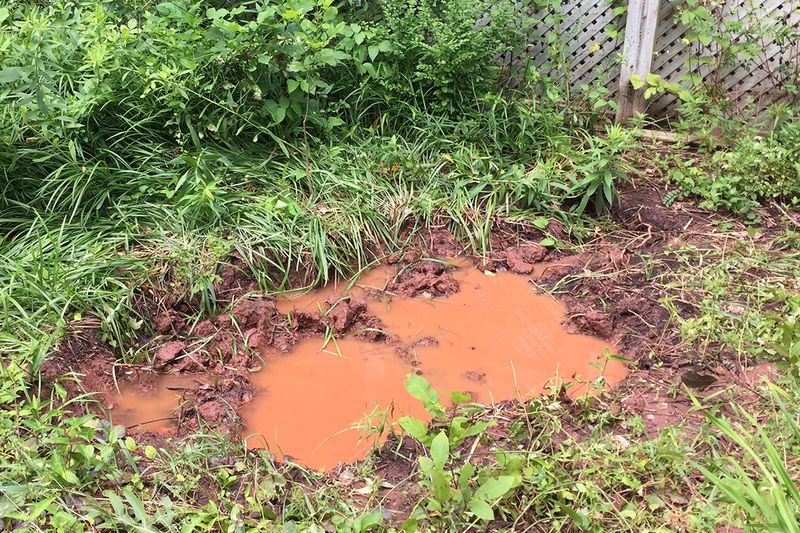
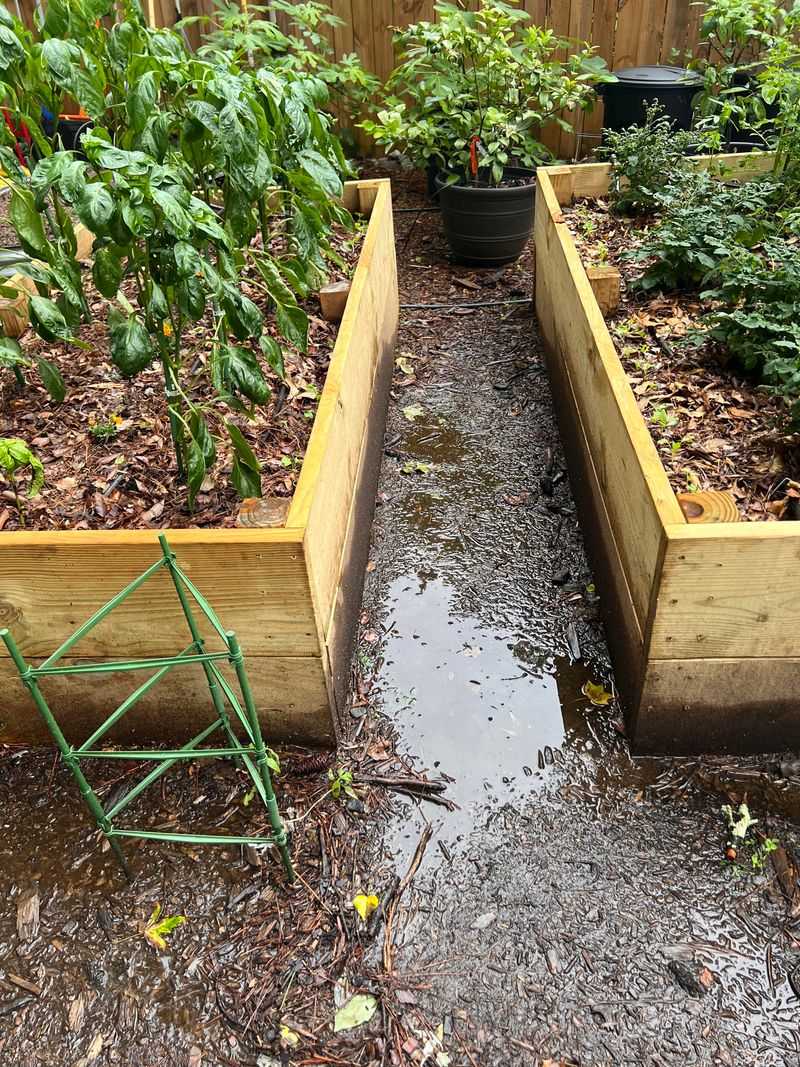
Standing water after twelve hours is a red flag worth taking seriously. Roots in that spot will spend much of winter sitting in moisture.
Common causes include compacted subsoil, buried construction debris, or a hardpan layer under the topsoil.
Foot traffic and equipment during home building often pack the ground harder than gardeners realize.
Low spots collect runoff from roofs, driveways, and neighboring yards. Downspouts emptying nearby can keep an area damp long after rain stops.
Check where water goes during the next storm, since the path is usually obvious.
Breaking through a hardpan layer with a broadfork or deep tilling sometimes helps, though results depend on how thick that layer is. Adding compost improves structure gradually rather than overnight.
Raised beds are often the more practical fix in slow-draining Georgia clay.
Building beds eight to twelve inches above grade lifts roots out of the wettest zone. French drains or swales work too, but they take more effort and planning.
Some gardeners simply move the planting site instead of fighting the ground.
Slow drainage does not rule out gardening, it just changes the approach. Plants that tolerate damp feet, like inkberry holly or Louisiana iris, can turn a problem corner into something worth looking at.
7. Use The Result Before Choosing Your Fall Planting Spot
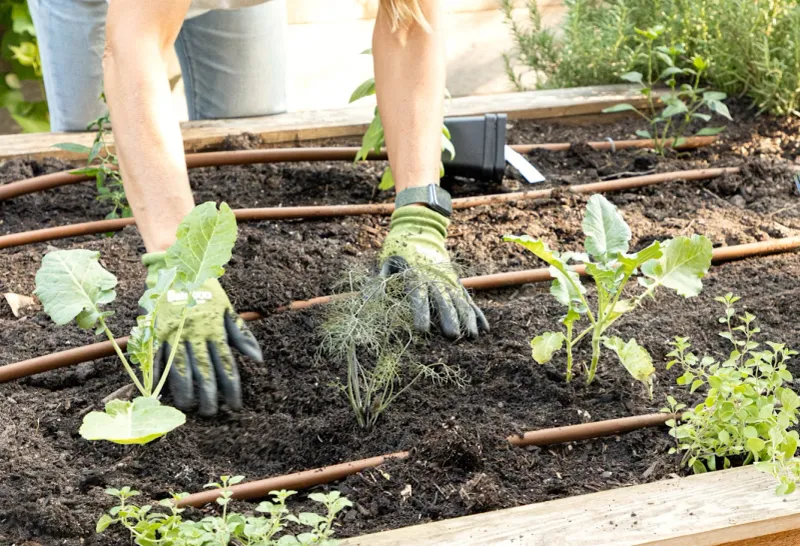
Numbers only matter if they change what you do next. Your drainage rate should shape the plant list, not just sit in a notebook.
Well-drained spots with steady one to three inch readings handle most fall shrubs, bulbs, and cool-season vegetables.
Save those areas for plants that dislike wet roots, such as rosemary, lavender, or blueberries.
Fast-draining sandy ground benefits from compost worked in before planting. Mulch on top slows evaporation and keeps moisture available longer.
Watering more often, in smaller amounts, tends to work better there.
Slow-draining beds do better with plants that accept damp conditions during a wet Georgia winter. Buttonbush, river birch, and swamp sunflower all tolerate heavier ground.
Plant slightly high in clay, with the root flare an inch or two above grade.
Avoid amending only the planting hole in heavy soil, since that creates a bowl that traps water. Improving the whole bed gives better long-term results.
Retest a problem area after a year of adding organic matter to see whether things improved.
Weather, soil type, and care all influence outcomes, so treat your reading as guidance rather than a promise.
Still, a single afternoon with a shovel and a hose gives you more useful information about your yard than almost anything else you can do before fall planting.