The Texas Plants Cardinals Need More Than Another Bird Feeder This Fall
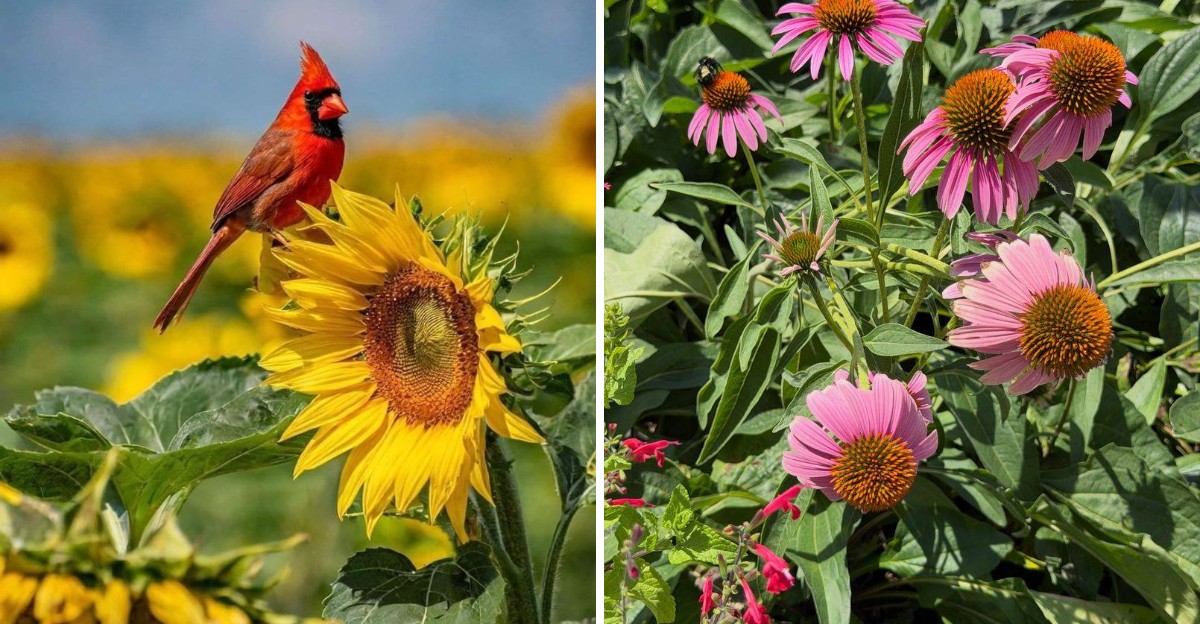
Most Texas homeowners who want more cardinals in their yard head straight for the bird feeder section. And feeders help.
Cardinals use them reliably and are easy to attract with the right seed. But if your goal is cardinals that stay, cardinals that nest, cardinals that become a consistent and dependable presence in your yard through fall and into winter, a feeder alone is only part of the answer.
What cardinals need more than another feeder is the right habitat. And habitat starts with plants.
The native Texas plants that cardinals depend on for shelter, nesting material, and natural food sources are doing something a feeder simply cannot replicate.
They make your yard a place cardinals want to live rather than just visit, and the difference between those two things shows up clearly once the right plants are in the ground.
1. American Beautyberry
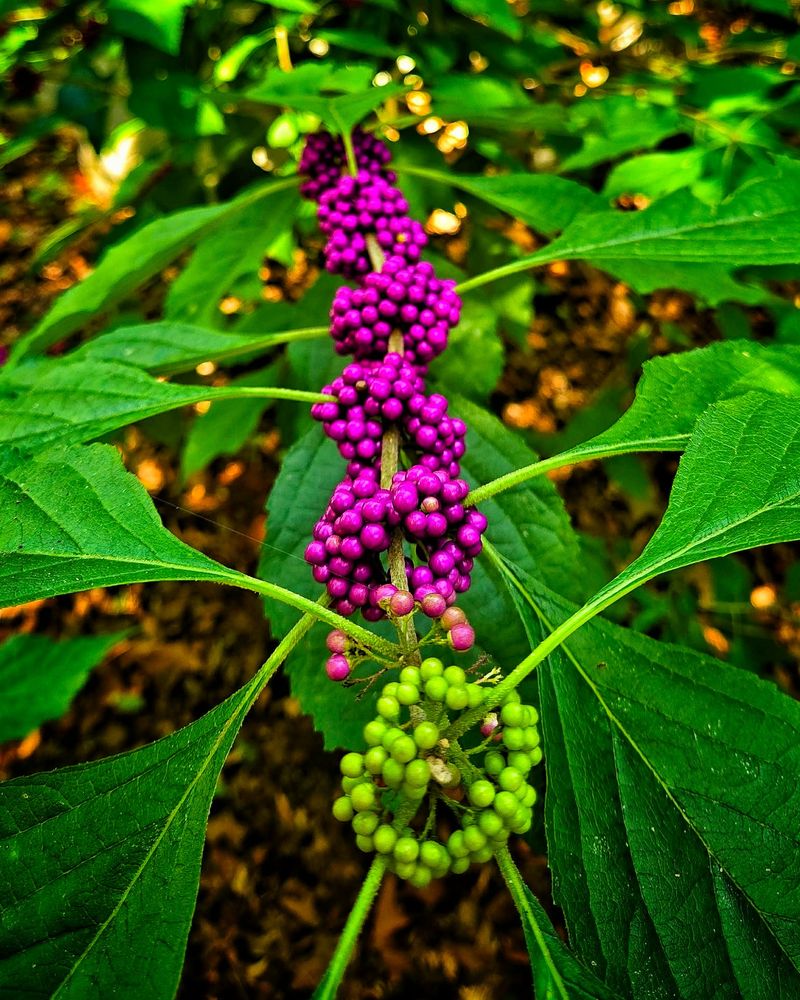
Bright purple berries make American Beautyberry impossible to miss in a fall Texas garden. Cardinals love these shiny clusters, especially when other food gets scarce.
The berries hang on the branches well into cooler months. That timing matters because cardinals need reliable food when insects and seeds start disappearing.
You will find this shrub easy to grow across most of Texas. It handles heat, tolerates some shade, and does not fuss over soil type. Once it settles in, watering needs stay low.
Beyond feeding birds, the arching branches give cardinals a place to perch and hide. Predators have a harder time reaching birds tucked inside the leafy cover.
Gardeners enjoy this plant too. The purple berries look striking against green leaves, and the plant grows quickly to fill empty corners of a yard.
Plant it in fall so the roots settle before summer heat returns. A spot with morning sun and afternoon shade works nicely in hotter parts of the state.
Fun fact: crushed beautyberry leaves have long been used as a natural bug repellent by folks in the South. So the plant helps people as well as birds.
Trim it back in late winter if it gets too tall. New growth returns fast, and more branches often mean more berries the following year.
If you want one plant that pulls double duty as food and shelter, this shrub earns its spot. Cardinals will thank you with regular visits, and you will enjoy the colorful show each fall season without much effort at all.
2. Turk’s Cap
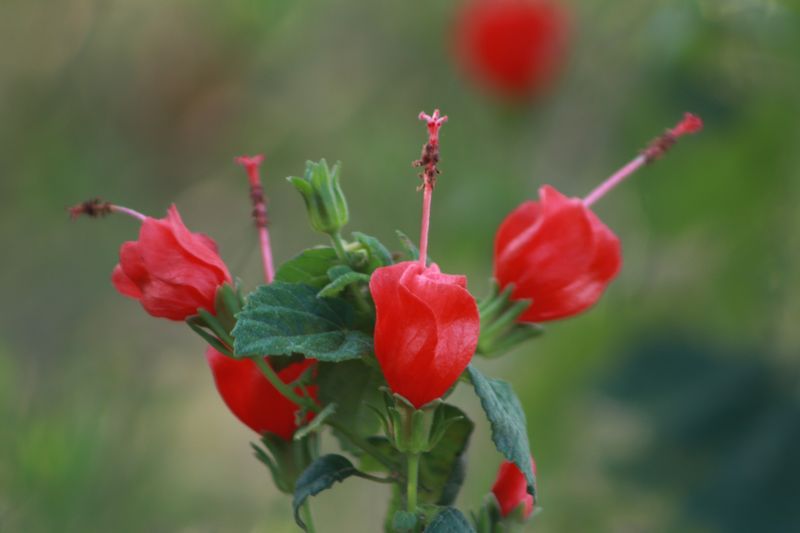
With its twirled red blooms that never fully open, Turk’s Cap looks like tiny party hats scattered across the plant. Cardinals and other birds adore it.
The plant produces small red fruits after flowering. These little apple-like berries give cardinals a sweet, natural snack through fall.
Shade lovers rejoice, because this plant grows happily under trees where grass refuses to. That makes it perfect for the tricky corners of a yard.
Heat and drought barely bother it once established. You can skip frequent watering and still enjoy months of blooms and berries.
Cardinals feel safe among the dense, leafy growth. The thick foliage hides them from hawks and neighborhood cats looking for an easy meal.
Your Texas Garden Changes Every Week. Your Plan Should Too.
Gardening in Texas changes quickly throughout the season. Every Friday you’ll receive a simple weekly plan showing exactly what to plant, prune, fertilize, harvest, and protect so you never miss the right timing.
Besides feeding cardinals, Turk’s Cap draws hummingbirds and butterflies too. Your yard becomes a busy hub of wings and color from spring through fall.
Plant it in fall for the best start. Roots grow strong during the cooler months, so the plant bursts to life when warm weather arrives.
It spreads gently over time, filling in bare spots without taking over your whole garden. A quick trim keeps it neat and tidy.
Native to Texas, this plant belongs here and needs little help to flourish. That makes it a smart, low-stress pick for busy gardeners.
If you want a shade-friendly plant that feeds cardinals while brightening dark spaces, few options beat this one. Add a couple to your yard and watch the red birds gather where the red blooms grow, sharing the same cheerful color all season long.
3. Sunflowers
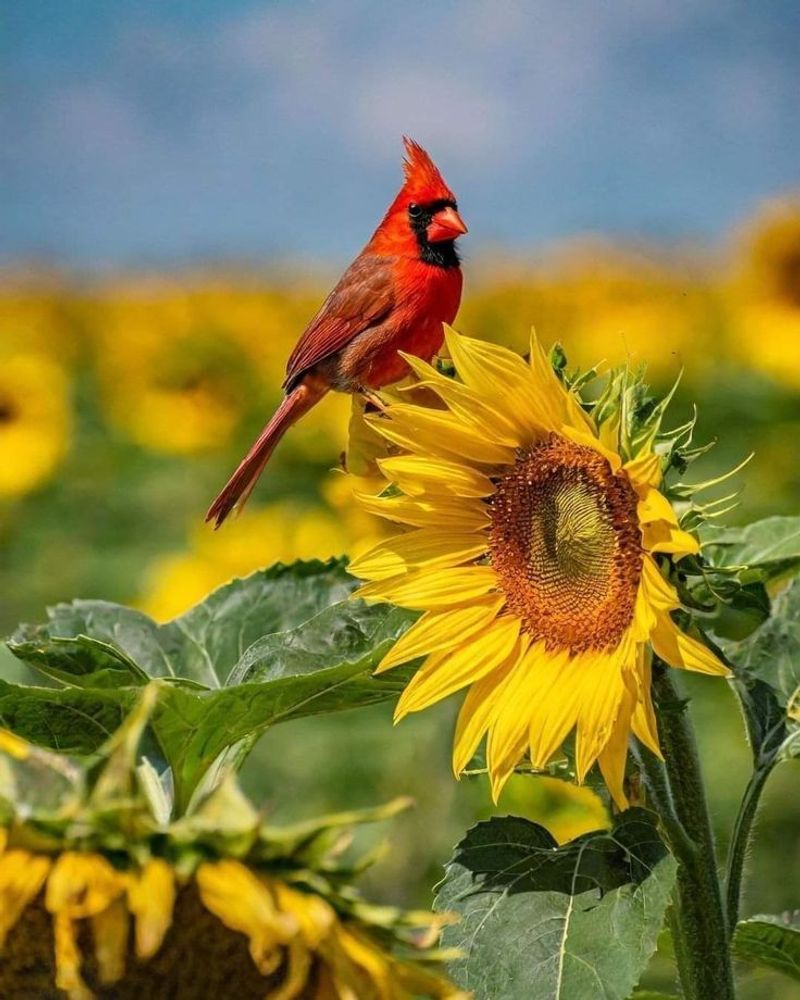
Nothing says backyard bird buffet quite like a row of tall sunflowers. Cardinals go wild for the fat, meaty seeds packed inside those big golden faces.
The seeds have soft shells that cardinals crack open with ease. That is why sunflower seed shows up in almost every bird feeder mix.
Growing your own means fresh seeds straight from the plant. Cardinals get to feed naturally, perching right on the drooping heads.
Texas sun and heat suit sunflowers perfectly. Plant seeds in a sunny spot, water them while young, and watch them shoot up tall and proud.
Let the flower heads dry on the stalk in fall. As the petals fade, the seed centers become an open feast for hungry birds.
You can plant a fresh batch in early fall for a second season in warmer parts of Texas. Staggering plantings keeps food coming longer.
Cardinals are not the only visitors. Finches, chickadees, and squirrels join the party, turning your garden into a lively gathering spot.
Fun fact: a single large sunflower head can hold up to a thousand seeds. That is a whole lot of meals from one cheerful bloom.
Choose taller heirloom types for more seeds, or shorter varieties if space is tight. Both kinds keep cardinals well fed.
Skip harvesting some heads and leave them standing for the birds. The dried stalks also add rustic charm to a fall garden.
For a plant that feeds cardinals and looks stunning while doing it, sunflowers stand tall above the rest all season long.
4. Yaupon Holly
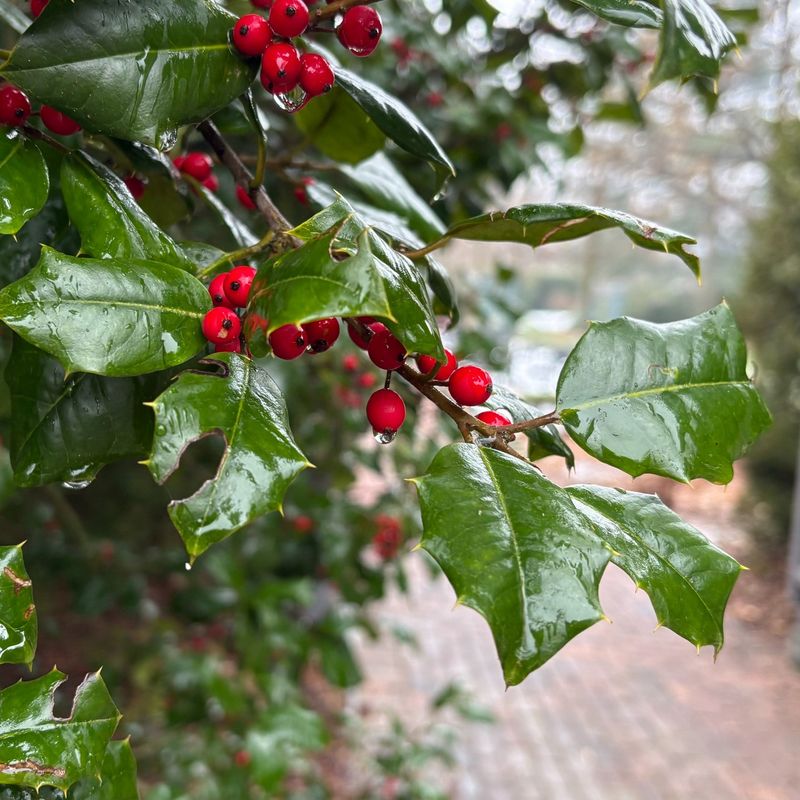
Tough as nails and loaded with red berries, Yaupon Holly is a Texas native that cardinals count on when winter creeps closer. The berries stick around long after other food fades.
Female plants produce those cheerful red berries. Birds pick at them through fall and into winter, making this shrub a lifesaver during lean times.
The dense, evergreen branches give cardinals year-round cover. Even when other plants drop their leaves, this holly keeps birds hidden and safe.
Drought does not scare it one bit. Once established, Yaupon Holly shrugs off dry spells and poor soil like a champ.
You can grow it as a shrub or shape it into a small tree. Either way, cardinals get food and shelter in one handy package.
Plant it in fall so roots take hold before summer. It handles sun or shade, which makes placement in your yard flexible and easy.
Fun fact: Yaupon leaves can be dried and brewed into a caffeinated tea. Native peoples in Texas used it for centuries.
The glossy green leaves look neat all year, so your yard stays attractive even in the coldest months. Low upkeep is a bonus.
Prune it lightly to shape, but leave plenty of berries for the birds. Cardinals appreciate every last one during the cold season.
If you want a rugged plant that feeds and shelters cardinals without demanding attention, this holly delivers. Plant a female for berries, and enjoy watching red birds match the red fruit as they hop through the branches on chilly fall mornings across your garden space.
5. Coneflowers
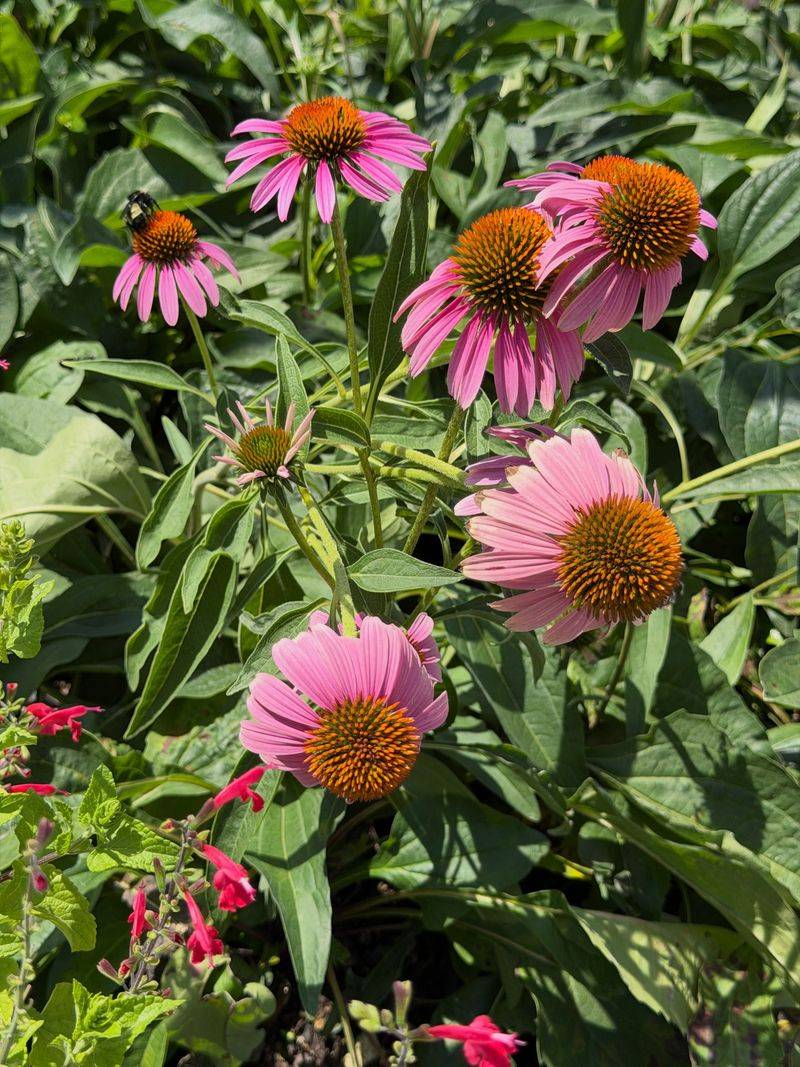
Purple petals with spiky centers give coneflowers a bold, cheerful look that pollinators and cardinals both love. The magic happens after the petals fade.
Those spiky seed heads fill with tiny seeds cardinals happily pluck. Leaving the dried flowers standing turns your garden into a natural feeder.
Coneflowers handle Texas heat and dry weather like old pros. Plant them once, and they return year after year with little fuss.
Bees and butterflies flock to the blooms in summer. Then cardinals take over in fall when the seed heads ripen and dry out.
Skip the fall cleanup and let the stalks stand through winter. Cardinals will visit for months, snacking whenever they get hungry.
Full sun brings the best blooms, so pick an open, bright spot. These plants also do fine in average soil without extra fertilizer.
Plant them in fall or early spring for strong roots. Once settled, they spread slowly into a lovely, seed-packed patch.
Fun fact: coneflowers have long been used in herbal remedies to support the immune system. Your garden helper works hard in many ways.
Mix different colors like pink, white, and orange for a rainbow effect. Cardinals do not mind the color, but you will love the view.
The sturdy stems hold up well against Texas wind and rain. That means the seed heads stay put and available for hungry birds.
For a plant that feeds pollinators in summer and cardinals in fall, coneflowers are a smart, low-effort choice that keeps your garden buzzing and chirping through every season with bright, lasting color.
6. Wax Myrtle
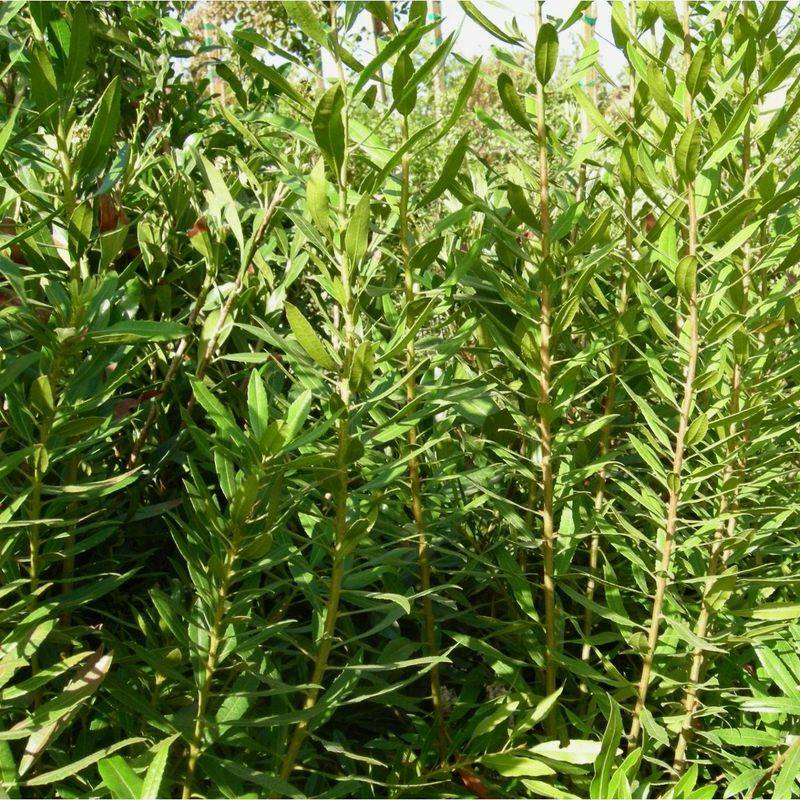
Fast-growing and bushy, Wax Myrtle acts like a leafy apartment complex for cardinals. Birds nest, hide, and feed all within its dense green walls.
The small waxy berries give cardinals a fatty, energy-rich food source. That extra energy helps birds stay warm as temperatures drop in fall.
This native shrub grows quickly, making a thick screen in just a couple of seasons. Cardinals treasure that cover for building safe nests.
Texas soils and weather barely challenge it. Wet spots, dry spots, sun, or shade, this plant adapts and keeps on growing strong.
The leaves give off a pleasant, spicy scent when brushed or crushed. Some folks even use them as a natural seasoning in cooking.
Plant it in fall as a hedge or standalone shrub. Either way, cardinals gain a reliable place to shelter through harsh weather.
Because it grows so fast, you get results quickly without waiting years. That instant privacy screen benefits both birds and homeowners.
Fun fact: the waxy coating on the berries was once used to make fragrant candles. Early settlers prized it for that very reason.
Trim it to keep a tidy shape, or let it grow wild for a natural look. Cardinals prefer the fuller, denser version for hiding.
It also filters wind and muffles street noise, making your yard calmer and quieter. Birds and people both appreciate that peaceful feeling.
For a plant that shelters, feeds, and grows fast, Wax Myrtle checks every box. Add one along a fence line and watch cardinals move right in and settle happily.
7. Little Bluestem Grass
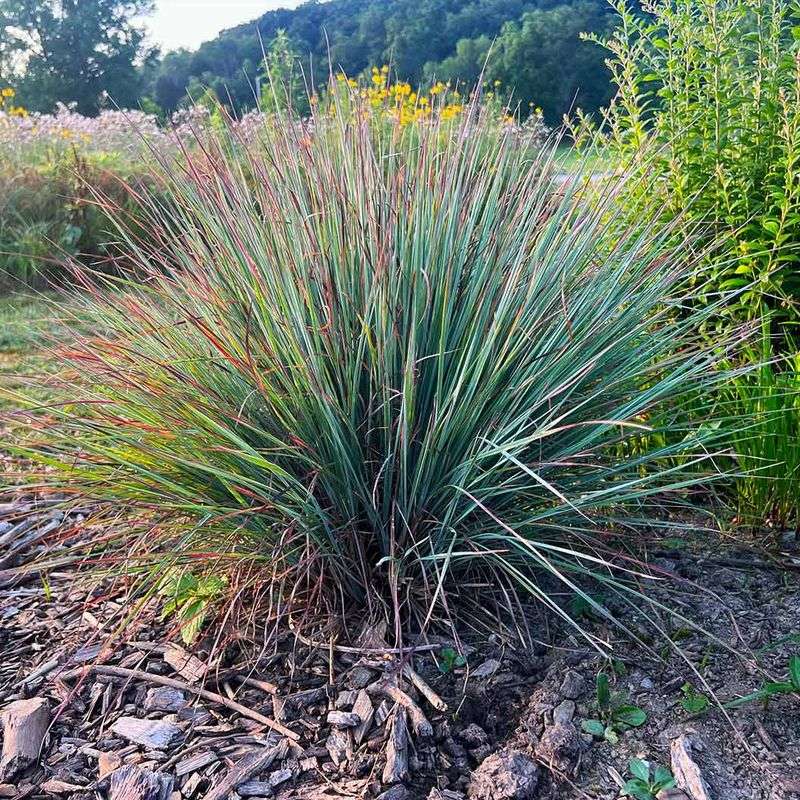
Come fall, Little Bluestem grass glows in shades of copper and red, lighting up the garden like a warm sunset. Cardinals find both food and cover in its swaying stems.
The fluffy seed heads offer tiny seeds that cardinals snack on. As the grass dries, it becomes a quiet, natural feeding station.
This tough native grass loves Texas conditions. Heat, drought, and poor soil do not slow it down one bit.
Clumps of Little Bluestem create low cover where ground-feeding cardinals feel protected. Birds dart in and out searching for fallen seeds.
The reddish fall color adds beauty that lasts well into winter. Your garden keeps its charm even after flowers fade away.
Plant it in fall for roots to grow deep before summer heat. Once established, it needs almost no watering or care.
Cardinals also gather the dried grass blades for building nests. So one plant provides food, shelter, and nesting material all at once.
Fun fact: Little Bluestem once covered vast prairies across Texas and the Great Plains. Planting it brings a piece of that wild history home.
It works beautifully in groups or mixed with wildflowers. The tall, airy stems dance in the breeze and catch the light.
Leave it standing through winter instead of cutting it back. The seeds and cover keep helping birds during the coldest weeks.
For a plant that feeds cardinals, houses them, and glows with fall color, this native grass truly shines. Scatter a few clumps around your yard and enjoy the golden, bird-friendly display season after season with almost no effort required.