Planting Georgia Peonies Too Deep This Fall Can Cost You Spring Blooms
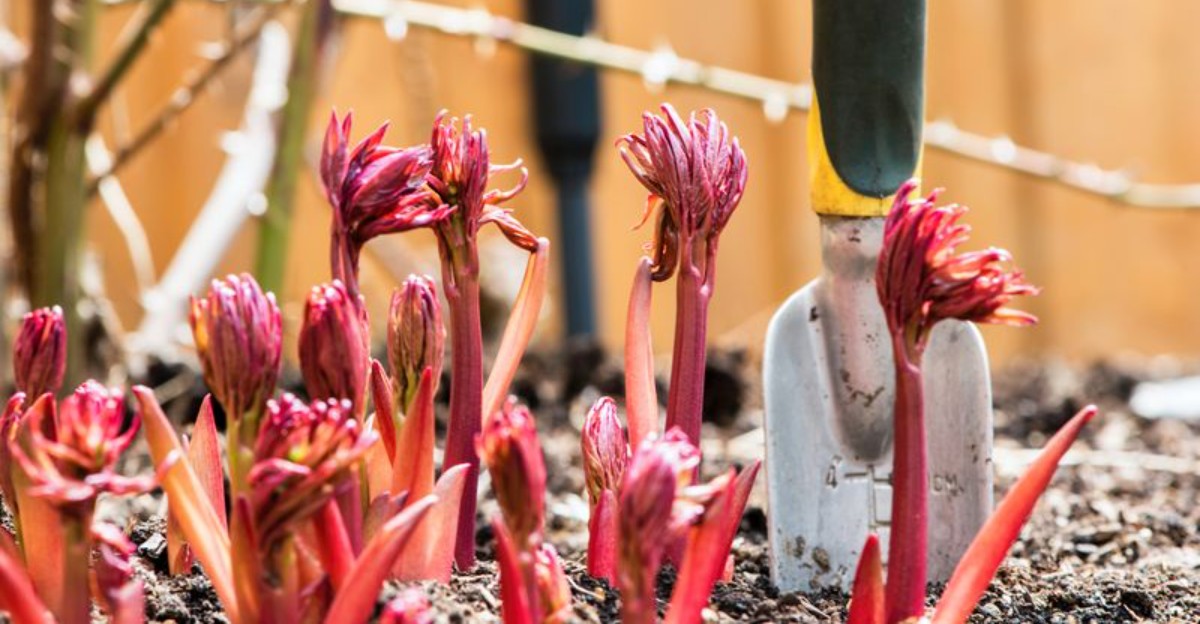
Peonies are surprisingly particular about one small detail that disappears from view the moment planting is finished. Get it wrong, and spring can be disappointing.
The issue is not whether the plant survives winter, but where its buds sit beneath the soil.
Peonies need those buds positioned shallowly enough to receive the chilling conditions that support flowering. In Georgia’s relatively mild climate, burying them too deeply can make blooming even less reliable.
Take your time when setting the root into its planting hole.
Measure the depth carefully rather than assuming extra soil will provide better protection. Peonies reward precision more than generous covering.
Once everything is buried, correcting the mistake means disturbing the plant again, so make the depth count while you can still see exactly where those buds are.
1. Next Spring’s Flowers Depend On Getting This Fall Step Right
One planting decision in October can shape what your garden looks like for the next twenty springs. Peonies are slow to forgive mistakes made at the start.
Fall works well because the roots settle while the soil is still warm. Top growth stays quiet, so the plant puts its energy underground where it counts.
Across Georgia, that window usually falls somewhere between late October and early December, depending on how long the heat hangs on. Watching soil temperature matters more than watching the calendar.
Peonies do not bloom on brand new growth the way annuals do. Flower buds form on established crowns, which takes time.
Skip the details now and you may spend two or three seasons wondering what went wrong. That is a long stretch to wait on a plant that should be dependable.
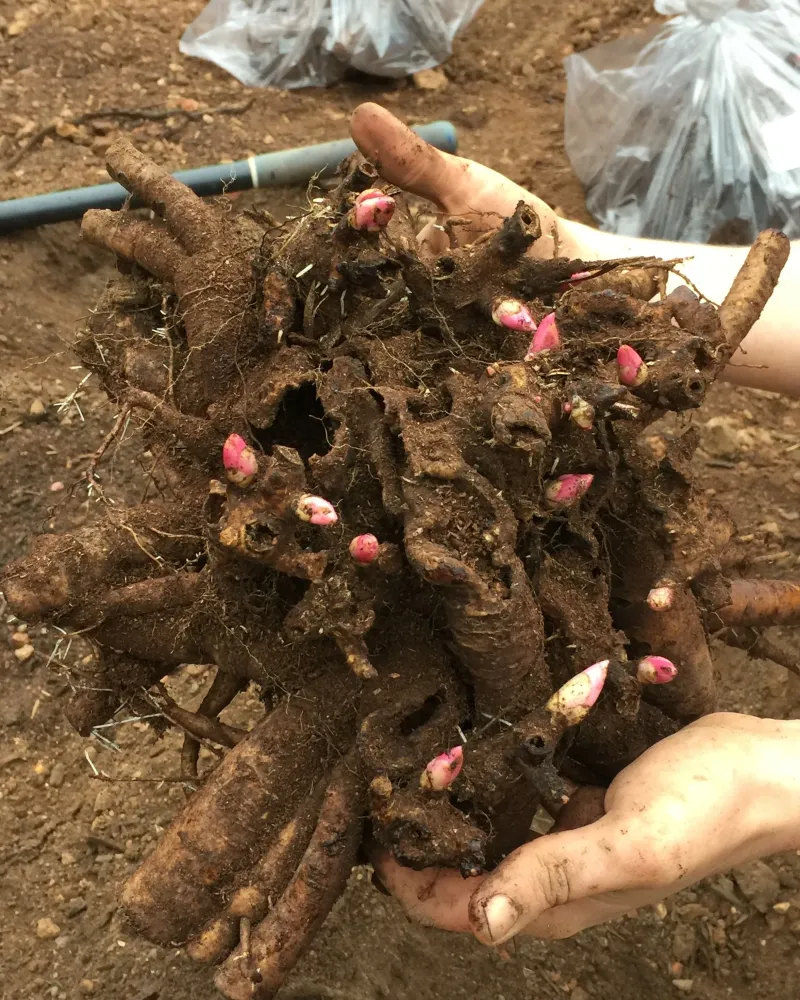
Bare root divisions are the standard choice in fall, and they arrive looking like knobby brown chunks with small pink buds. Those buds are called eyes, and they are the whole point.
Handle them gently and keep them from drying out before planting.
Getting the hole right, the sun right, and the depth right at the same time is what separates a blooming peony from a leafy one. None of it is complicated, but skipping steps rarely ends well.
2. Peony Roots Need To Sit Close To The Soil Surface
An inch or two is the entire margin you get with peony planting depth. Miss it, and the plant notices.
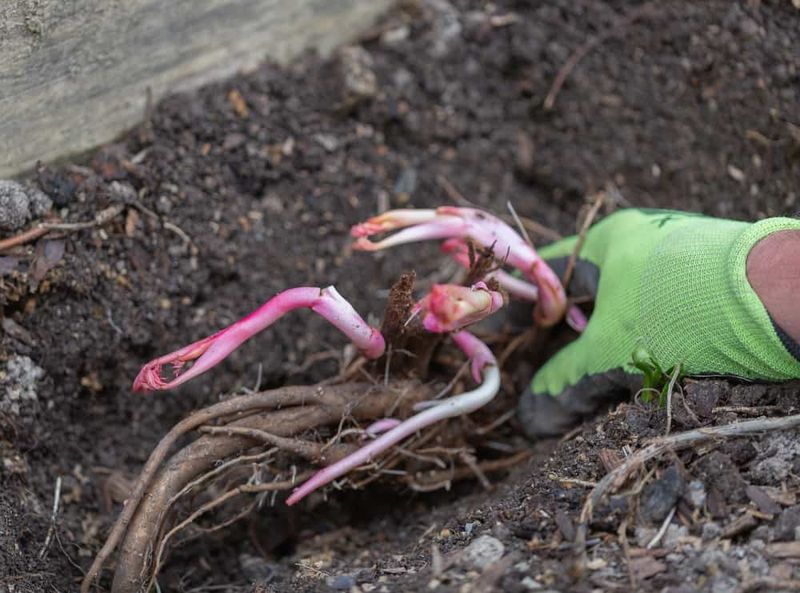
Those pink or reddish bumps on the crown, the eyes, should sit roughly one to two inches under the finished soil line. Herbaceous peonies follow that rule closely.
Warmer southern gardens often do better at the shallow end of the range. Aim closer to one inch and you give the buds the cool exposure they need.
Set the division in the hole, then lay a stick or trowel handle across the top to check where ground level actually is.
Backfilled soil settles, so measure after you have firmed things in rather than before. Loose soil can drop half an inch on its own once rain arrives.
Tree peonies are the exception, since their graft union goes deeper. Herbaceous types and intersectional hybrids stay shallow.
Your Georgia Garden Changes Every Week. Your Plan Should Too.
Gardening in Georgia changes quickly throughout the season. Every Friday you’ll receive a simple weekly plan showing exactly what to plant, prune, fertilize, harvest, and protect so you never miss the right timing.
Mulch counts toward the depth too. Piling three inches of pine straw over a shallow crown quietly undoes your careful measuring.
Gardeners in Georgia sometimes lose track of depth when working amended beds that mound up higher than the surrounding lawn. Check against the final grade, not the pile of fresh compost.
Slow down for two minutes here and the rest of the process gets much easier.
3. Deep Planting Is One Reason Peonies May Not Bloom
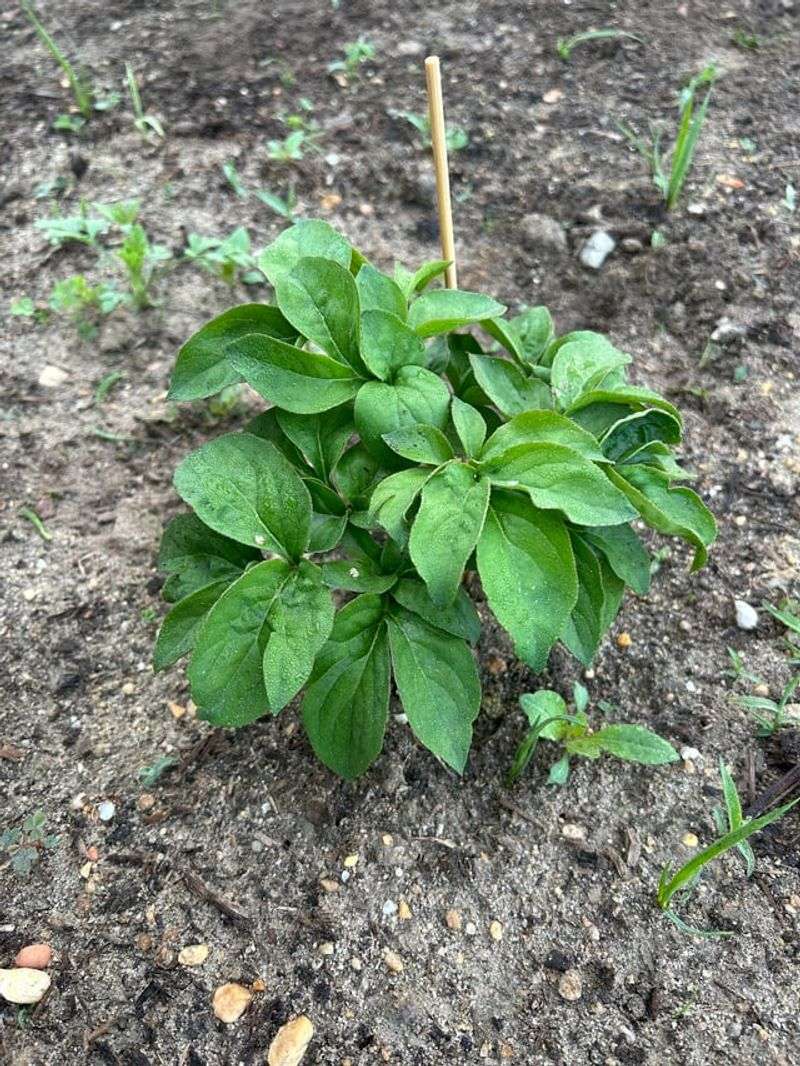
Lush green leaves and zero flowers is the classic sign of a peony buried too deep. Frustrating, but fixable.
Peony buds need a period of winter chill to form properly, and buried crowns sit in soil that stays warmer and steadier. Without enough cold signal, the plant grows foliage and skips the show.
Depth is not the only culprit. Too much shade, heavy nitrogen fertilizer, and very young divisions can all delay flowering.
Still, planting depth is the mistake gardeners make most often, and it is the easiest one to check.
If a plant has been leafy for three seasons with no buds, dig around the crown in fall and look at where the eyes sit. Anything more than a couple of inches down is worth correcting.
Lift the clump carefully, reset it higher, and give it another year or two. Peonies sulk briefly after being moved, then usually recover.
Winter chill is already on the short side in much of Georgia, especially in southern counties. Adding extra soil on top only shrinks an already narrow margin.
Small divisions with one or two eyes may need two or three years regardless of depth, so patience helps.
Rule out the simple things before assuming the plant itself is the problem.
4. Choose A Sunny Spot Before Putting Roots In The Ground
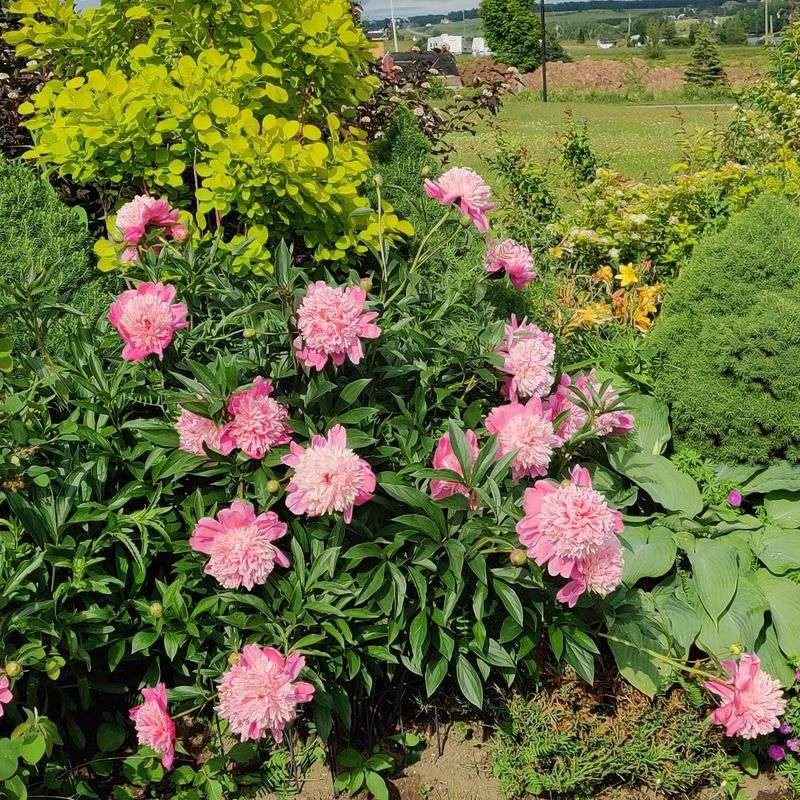
Sunlight decides half the outcome before you ever pick up a shovel. Peonies are not shade plants.
Six hours of direct sun is a reasonable target, though southern gardens have a wrinkle worth knowing. Full morning sun with some relief from harsh afternoon light often suits them better.
Walk the yard at different times of day in fall and note where the shadows land. Tree canopies shift a lot once leaves return in spring.
Keep peonies away from the root zone of large shade trees. Competition for water and nutrients rarely goes in the peony’s favor.
Foundation beds on the east side of a house tend to work nicely. Morning light warms the crowns while the wall blocks the worst heat later on.
North Georgia gardeners generally have an easier time with peonies than folks farther south, thanks to cooler winters and milder summers. Elevation helps more than people expect.
Air movement matters too, since crowded spots stay damp and invite fungal spotting on the leaves.
Avoid planting where sprinkler heads soak the foliage every evening. Wet leaves overnight are asking for trouble.
Pick the spot carefully and commit, because peonies dislike being relocated once they settle. A well-chosen location can carry the same plant for decades.
5. Good Drainage Keeps Water From Sitting Around The Roots
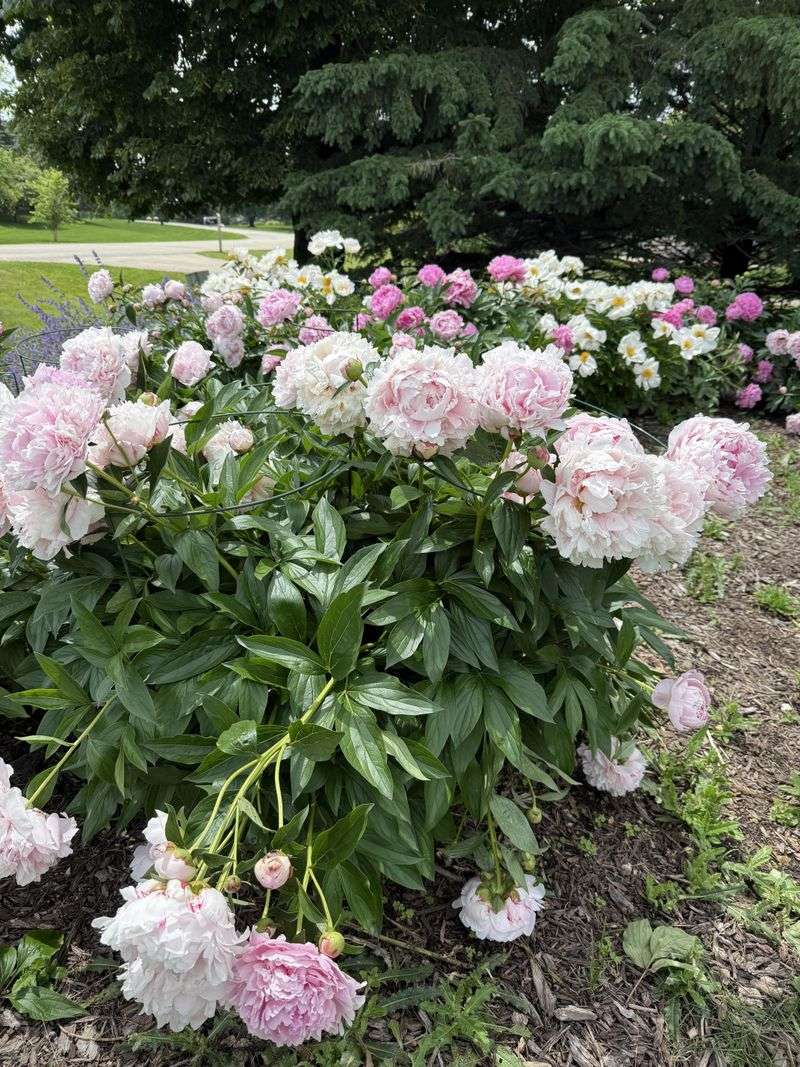
Soggy soil is rough on peony crowns, and red clay holds water like a bowl. Drainage deserves attention before depth ever comes up.
Dig a test hole about a foot deep and fill it with water. If it still holds water many hours later, that spot needs work.
Mixing in compost and pine bark fines loosens tight clay over time. Skip pure sand, which can make heavy soil worse rather than better.
Raised beds or gently mounded planting areas solve a lot of problems fast.
Georgia’s red clay is fertile enough, but its structure traps moisture during wet winters. Raising the bed four to six inches gives roots somewhere for water to go.
Crowns that sit in standing water through January are prone to rot, and recovery is uncertain once it starts.
Slope also plays a role, so avoid low spots where runoff collects after storms. Watch the yard during a heavy rain and you will learn a lot.
Peonies are not heavy feeders, so a modest amount of compost worked into the area is usually plenty at planting.
Hold off on fertilizer until the following spring, and go light when you do. Excess nitrogen tends to produce leaves at the expense of buds.
6. Give Each Peony Enough Room To Grow For Years

A single peony division looks tiny in fall and enormous five years later. Spacing is a long game.
Three to four feet between plants gives mature clumps room to fill out. Crowding them looks tidy at first and causes problems later.
Airflow is the real reason spacing matters in the humid Southeast. Leaves that dry quickly after rain hold up better against powdery mildew and leaf blotch.
Think about the mature spread, not the size of the root in your hand.
Keep peonies a couple of feet away from shrubs and perennials that spread aggressively. Competition at the root level slows them down.
Mature clumps in Georgia often reach two to three feet across and about the same tall, though size varies by cultivar and growing conditions.
Leave walking room on at least one side so you can deadhead and cut back foliage without stepping on the crown.
Grid rings or hoop supports are worth planning for now, since heavy double flowers flop after spring storms. Installing supports before growth starts is much easier than wrestling them in later.
Group three of the same variety with proper spacing rather than cramming six different ones into a small bed.
Restraint at planting time pays off every spring afterward.
7. Leave Newly Planted Roots Undisturbed As They Settle In
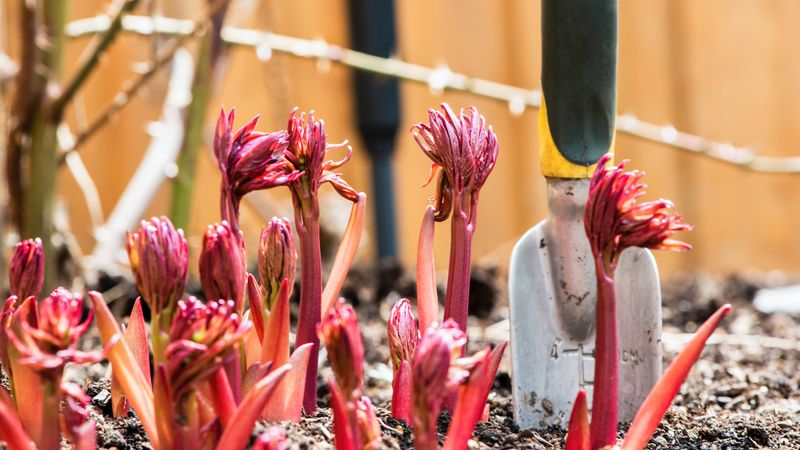
The hardest part of growing peonies is doing nothing. Freshly planted roots want to be left alone.
Water them in well after planting, then keep the soil lightly moist rather than soaked through fall. Winter rain usually handles the rest.
Resist the urge to dig around and check on progress. Every disturbance sets the root back.
Mark the spot with a label so you do not accidentally plant something else on top in spring.
A thin layer of mulch helps in the first winter, but pull it back from the crown once growth begins. Heavy mulch sitting on the eyes defeats your shallow planting.
Do not expect much the first spring, since a few short stems and maybe one flower is normal.
Year two brings more growth, and year three is usually when things get interesting. Peonies reward patience more than effort.
Cut foliage back to the ground after the first hard frost, which reduces overwintering fungal spores. Remove the trimmings instead of composting them.
Gardeners across Georgia sometimes give up in year two, right before the plant hits its stride. Hanging on a little longer changes the story.
Left in place, a well-sited peony can bloom in the same spot for decades with very little help.