What Michigan Gardeners Should Check Before Spotted Lanternfly Eggs Hitchhike Into Their Yard
Early fall in Michigan has a smell to it, that crisp mix of cooling air and drying leaves. Most gardeners are still deep in yard cleanup, not yet thinking about what might be settling in for winter.
But something small and quiet may have already arrived, tucked against bark or hidden under a rim of metal. It travels the way a stowaway does, silent and patient, riding along on whatever we haul home.
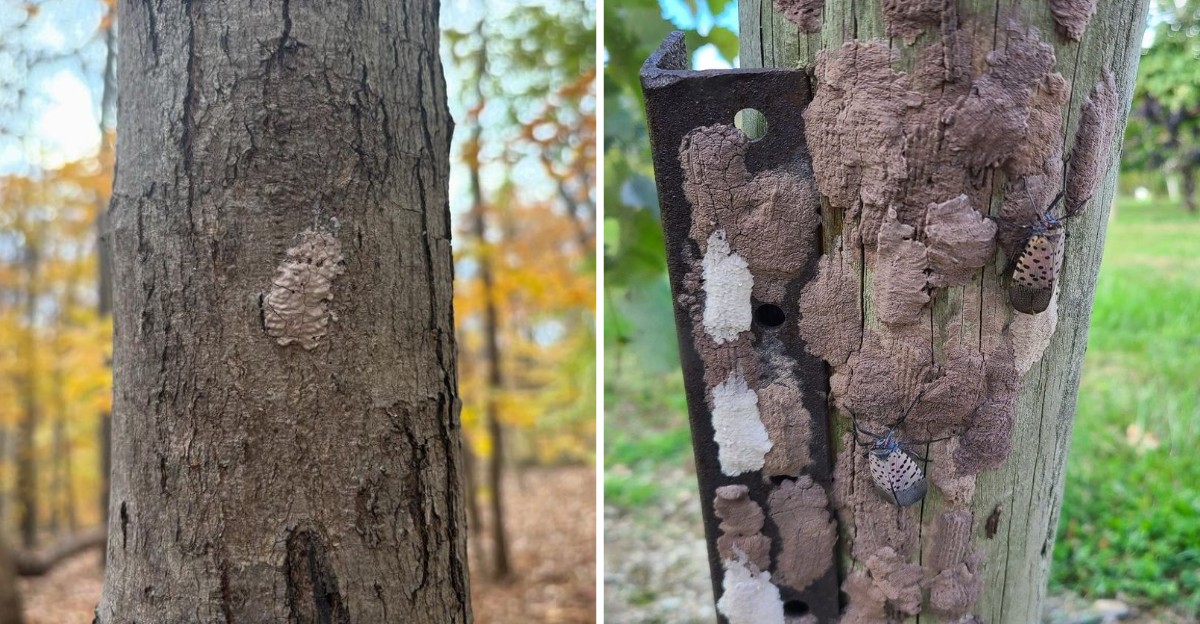
A smudge the color of dried mud is easy to walk past a hundred times. Up close, though, it tells a very different story about next spring.
A flashlight, ten spare minutes, and a bit of curiosity go surprisingly far. Your yard’s future may depend on what you notice this weekend.
1. Inspect Firewood Stacks And Bundles Before They Reach Your Woodpile
Firewood is the classic stowaway vehicle, and it has been moving forest pests across state lines for decades. A single bundle bought at a gas station three hours away can carry more than you bargained for.
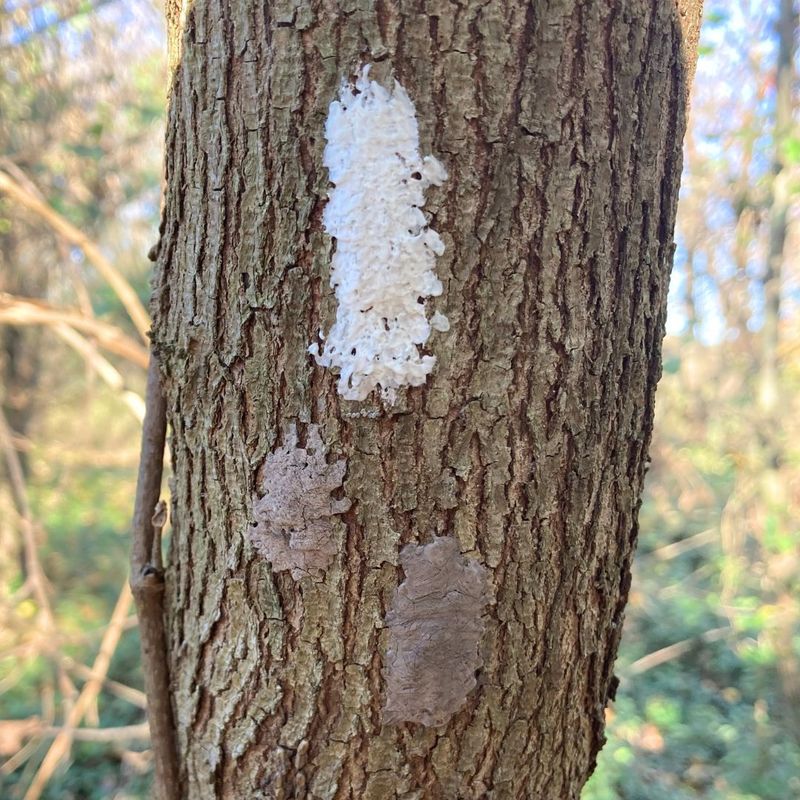
Spotted lanternfly females lay their eggs on almost any hard surface, and rough bark is a favorite. The mass looks like a swipe of gray putty or a smear of cracked mud, roughly an inch long and shaped like a stretched oval.
Before you add new wood to your stack, turn each log and look along the flat, sheltered sides. Pay extra attention to split faces and bark crevices where a coating can blend right in.
Michigan forestry folks have repeated the same advice for years: buy it where you burn it. Wood cut within ten miles of your home carries far less risk than a truckload hauled from Pennsylvania or Ohio.
If you find a suspicious patch, scrape it firmly into a bag or jar with disinfecting solution using an old credit card or putty knife. Press hard, since the covering is tougher than it looks.
Snap a clear photo before you scrape, then report it to Michigan’s invasive species reporting system. Location details help officials map where trouble is showing up.
Storing your woodpile away from prized trees gives you a buffer too. Should anything hatch unnoticed, the tiny nymphs will have farther to travel before finding a meal worth staying for.
2. Scan Nursery Trees And Potted Plants At Purchase Time

Nothing feels better than hauling home a young maple or a cart of shrubs in spring. That same cart, unfortunately, is one of the most common ways unwanted eggs enter a new neighborhood.
Nursery stock travels long distances, often from states where this insect is already well established. Trunks, stakes, wire baskets, and even the plastic pot rims can carry an egg mass tucked out of sight.
Give every plant a slow once-over before it goes in your car. Run your fingers along the trunk, check the underside of the root ball wrap, and peek where the stem meets the soil.
Reputable Michigan garden centers inspect their shipments, but no system catches everything. Asking a staff member where the plants came from is a fair question, and most are happy to tell you.
Your Michigan Garden Changes Every Week. Your Plan Should Too.
Gardening in Michigan changes quickly throughout the season. Every Friday you’ll receive a simple weekly plan showing exactly what to plant, prune, fertilize, harvest, and protect so you never miss the right timing.
Here is a small detail worth knowing: fresh egg masses have a shiny, wet-looking coating that dulls and cracks as winter goes on. Older ones look like flaking gray paint, which makes them blend into bark beautifully.
Set new purchases in a holding spot for a week or two if you have room. A quick second look after the excitement wears off often catches what you missed the first time.
Keeping receipts and tags helps as well. If something does turn up later, you can tell inspectors exactly where the plant originated and help them trace the path backward.
3. Examine Vehicle Wheel Wells, Bumpers, And Truck Beds After Road Trips
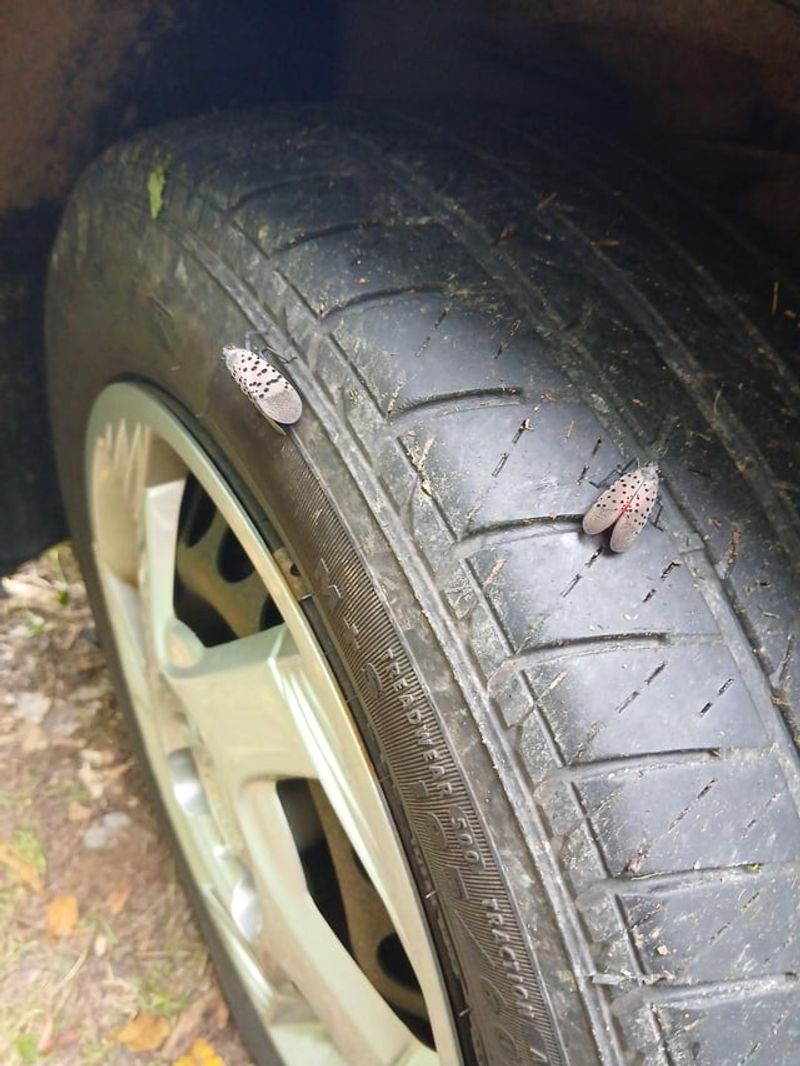
Ask anyone tracking this insect how it spreads so fast, and the answer usually involves highways. Cars are basically rolling real estate to a female looking for a flat surface in September.
Wheel wells, bumper undersides, license plate frames, and the seams around truck beds all offer sheltered spots. A vehicle parked overnight near infested trees in Ohio or Indiana can pick up passengers without anyone noticing.
After a long trip, walk a slow lap around your car with a flashlight. Crouch down and look up into the wells, where road grime hides a lot of detail.
Roof racks, cargo carriers, and trailer hitches deserve the same attention. Anything with a lip or a hollow corner qualifies as prime real estate.
Campers and boat trailers are especially worth checking, since they often sit parked for weeks under trees before heading north. Michigan’s lake country sees a lot of that traffic every fall.
A stiff brush, a scraper, and a jar of isopropyl solution handle whatever you find. Rinsing alone rarely does the job, because the covering grips tightly once it hardens.
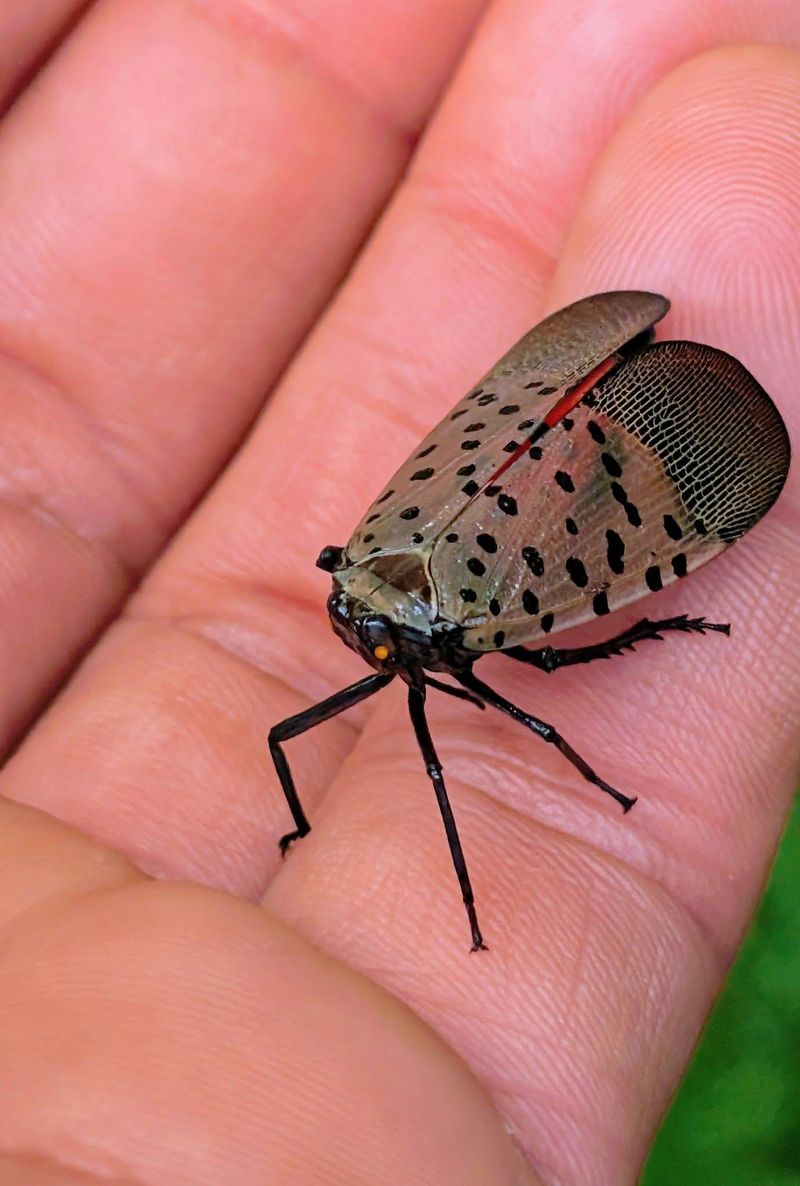
Fun bit of trivia: this insect is technically a planthopper, not a fly, and it is a weak flier. Its long-distance travel almost entirely depends on us, which means our habits genuinely shape where it shows up next.
Ten seconds of looking after each road trip adds up to real protection over a season.
4. Search Smooth Bark On Maple, Willow, And Black Walnut Trunks
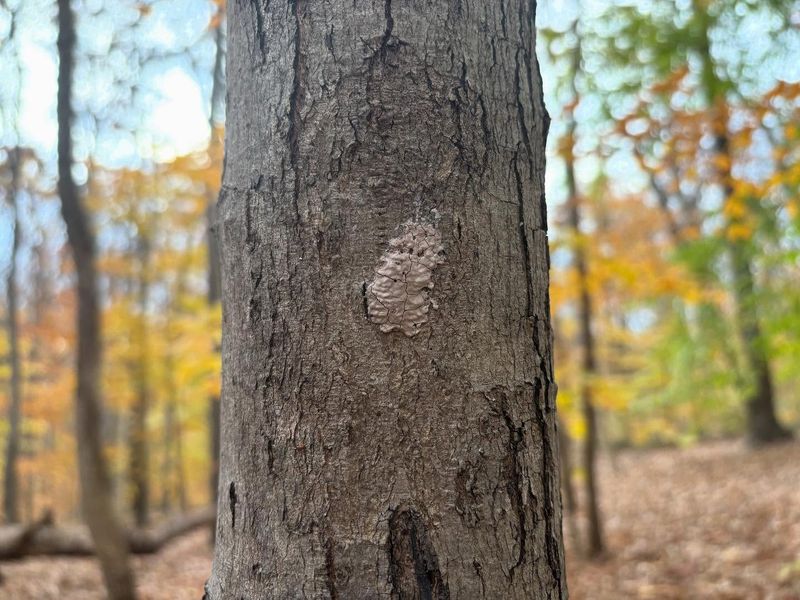
Smooth-barked trees are the billboards of the backyard, and this insect reads them clearly. Maples, willows, birches, and black walnuts get chosen again and again.
Look at trunks from about knee height up to as high as you can comfortably reach. Egg masses often cluster on the sheltered side, away from prevailing wind and rain.
What you are hunting for is a patch that looks slightly out of place, like someone dabbed on wet clay and let it dry. Run a gloved hand over the spot; a real mass feels raised and slightly gritty.
Michigan has plenty of these host trees lining streets and filling yards, which is part of why officials watch the state so closely. Grapevines matter too, and our vineyards along Lake Michigan have a lot at stake.
Bring a headlamp and check in low, angled light. Shadows make raised bumps stand out far better than flat midday sun does.
Winter is actually the best season for this chore. Bare branches, no leaf cover, and fewer distractions make suspicious patches easier to spot.
Scrape anything you find into soapy water or a disinfecting solution, then double-bag the scrapings. Smashing works too, but you need real pressure to break every egg inside.
Mark the tree with a ribbon and revisit it next month. Females sometimes lay several masses on a tree they favor, so one find often leads to another.
5. Flip Over Patio Furniture, Grills, And Stored Outdoor Gear
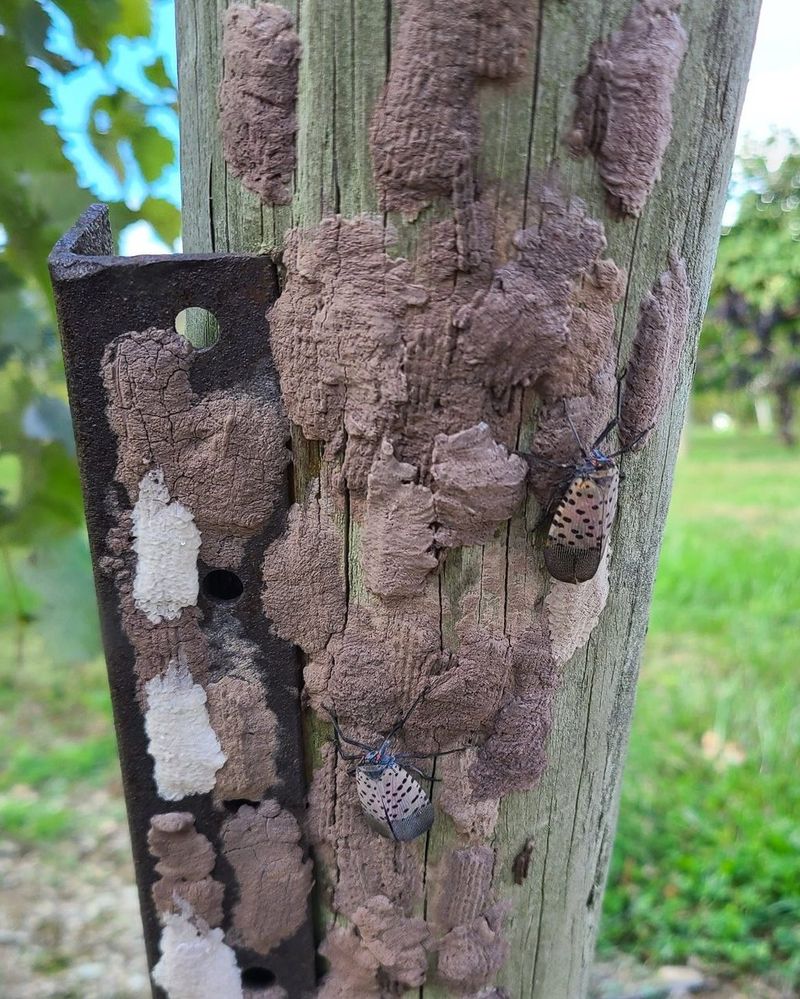
Your deck furniture spent all summer sitting still, which is exactly what makes it appealing. Anything that does not move for weeks becomes a fine nursery.
Tip chairs upside down and look at the underside of seats, along leg joints, and inside hollow metal tubing. Grill lids, propane tank collars, and the underside of umbrella bases all count.
Kids’ playsets, trampolines, and lawn equipment fall into the same category. Rubber wheels and plastic housings hold egg masses surprisingly well.
Before you drag anything into the garage or shed for winter, do the inspection outside. Bringing an unchecked item into a warm space can mean an early, confusing hatch indoors come March.
A helpful trick is to work section by section rather than trying to eyeball the whole patio at once. Give each piece thirty focused seconds and you will catch more than a rushed sweep ever would.
Tarps and furniture covers need attention too, especially the folded creases. A dark, dry pocket is genuinely attractive to an insect looking for a protected ledge.
If you store gear at a cottage up north or lend a grill to a friend downstate, check it both coming and going. Movement between properties is how small problems become regional ones.
Once everything is clean, a quick note on your calendar for a repeat check in February keeps you honest. Vigilance beats luck more often than luck does.
6. Learn To Recognize Tree Of Heaven Growing Near Your Property
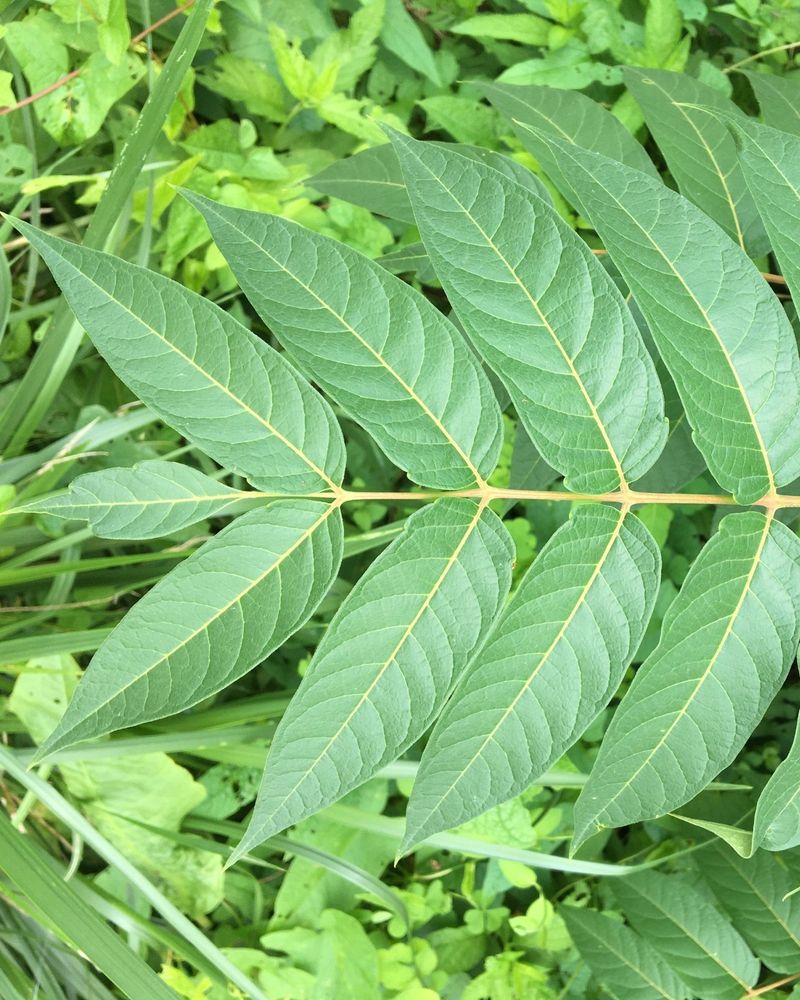
Every invasive story seems to have a sidekick, and here it is a weedy tree called tree of heaven. Spotted lanternflies adore it, and where one thrives, the other usually follows.
Identifying it takes a minute. Long compound leaves with eleven to forty leaflets, smooth grayish bark, and a strong smell when you crush a leaf that people compare to burnt peanut butter.
Michigan lists it as an invasive species in its own right, and it pops up along fence lines, alleys, railroad tracks, and neglected corners. It grows fast, sometimes several feet in one season.
Spotting one near your property is useful information rather than a reason to panic. It simply means that particular area deserves closer inspection during egg-laying season in fall and winter.
Removing it takes some care, because cutting alone triggers a burst of root suckers. Many gardeners work with a licensed applicator or follow state guidance on treating the stump properly.
Sumac gets mistaken for it constantly, so check the leaflet edges. Sumac leaflets have toothed margins all the way around, while tree of heaven has smooth edges with a small bump near the base.
Neighbors often have no idea what the tree in their alley is. Sharing a photo and a quick explanation turns one watchful gardener into a whole watchful block.
Knowing your local plants makes every other check on this list sharper.
7. Check Fence Posts, Stone Walls, And Garden Structures For Mud-Like Smears
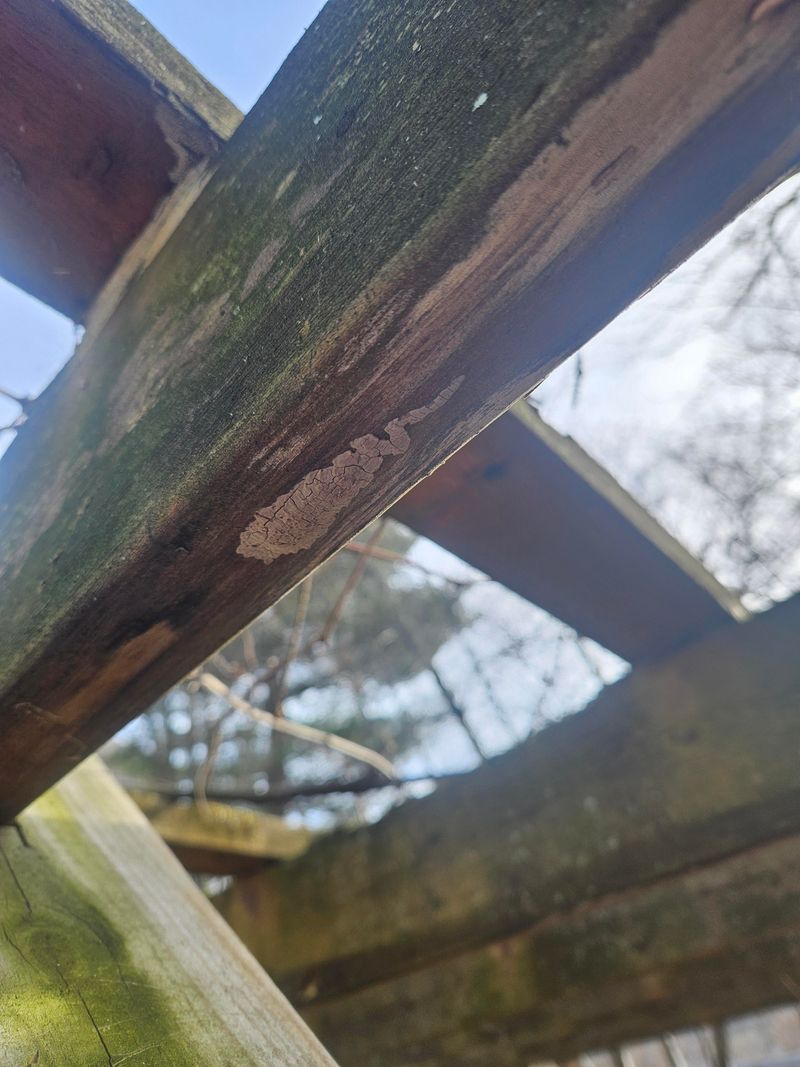
Bark gets all the attention, but this insect is not picky about texture. Concrete, stone, wood, vinyl, and rusted metal all work fine as far as it is concerned.
Fence posts and rails, especially on the shaded side, hold plenty of egg masses in areas where populations have settled in. Stone retaining walls and brick foundations are equally popular.
Work along the base of structures as well as the top edges. Anywhere with a slight overhang gives protection from rain, which is exactly what a female is looking for.
Garden arches, trellises, raised bed corners, and the undersides of mailbox posts round out the list. Even lawn ornaments and birdbath pedestals qualify.
What tends to fool people is how ordinary the masses look. On a gray fence post, a gray smear reads as weathering or old splatter until you touch it.
Carry a small scraper in your coat pocket during winter walks around the yard. Finding something and dealing with it right away beats promising yourself you will come back later.
Michigan State University Extension encourages reporting any suspected sighting with photos, even if you are unsure. Wrong guesses cost nothing, while a missed real one costs plenty.
Making this part of your regular winter loop turns it into habit rather than a chore. Habits are what stop hitchhikers from settling in.
8. Review Shipments, Pallets, And Deliveries Arriving From Infested States
Online ordering changed a lot about gardening, including how pests move. A pallet of pavers, a shipment of landscape timber, or a crate of nursery stock can travel from a restricted county straight to your driveway.
Wooden pallets are especially notable, since they sit outdoors in yards and warehouses for long stretches. Rough lumber with plenty of gaps makes a welcoming surface.
Before you break down packaging, give the wood and the outside of crates a look. Corners, undersides, and the spaces between boards deserve the most attention.
Landscaping suppliers, stone yards, and bulk material deliveries often source from Pennsylvania, Ohio, New Jersey, and other affected regions. Asking about origin is reasonable and increasingly common.
Businesses moving goods out of restricted zones are supposed to carry permits and follow inspection checklists. Homeowners receiving those goods are the final checkpoint, though, and that role matters.
Keep a bucket of soapy water near where deliveries land during fall and winter. Scraping a suspicious mass straight into it takes seconds and settles the matter.
One more thing worth remembering: a single mass can hold thirty to fifty eggs. Handling one smear today can prevent a small crowd of nymphs from spreading through your garden by June.
Report what you find, tell your neighbors what to look for, and Michigan’s odds improve with every pair of eyes paying attention.