Michigan Gardeners Can Harvest Kohlrabi Fast With These Simple Growing Moves
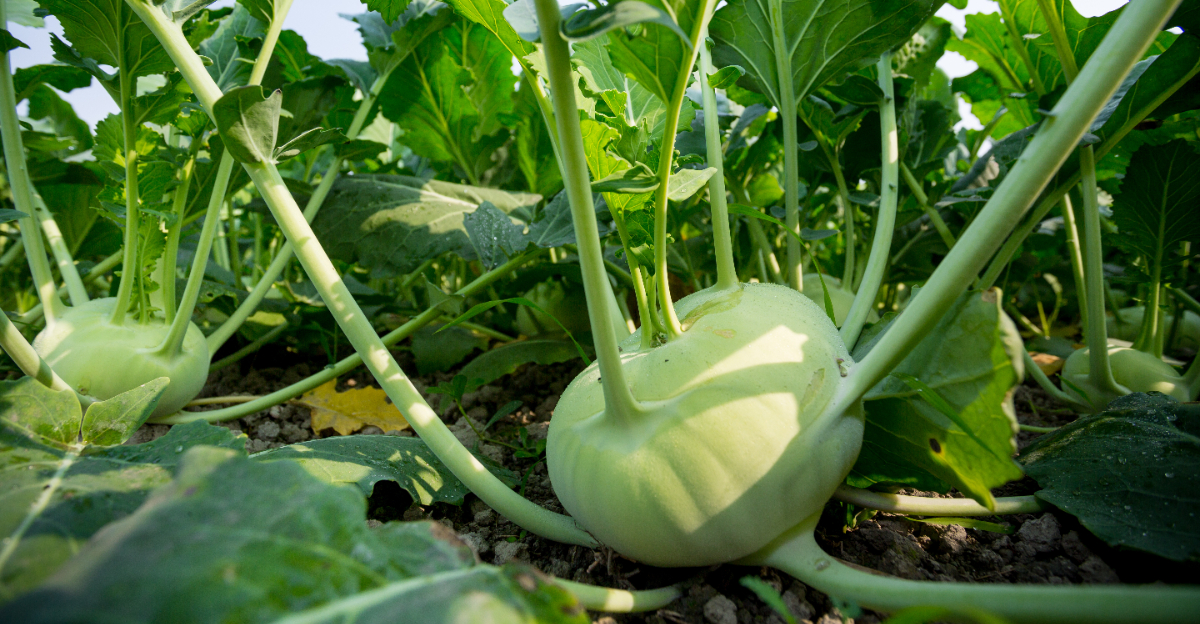
Kohlrabi might be the strangest-looking vegetable you will ever pull out of the ground. It looks like a spaceship landed in your garden bed and decided to grow roots.
Many people walk past it at the farmers market without a second glance, which is genuinely their loss.
This crunchy, sweet bulb is one of the fastest cool-season crops a Michigan gardener can grow, and the state’s short growing windows actually work in its favor rather than against it.
Get the timing right, pick the correct variety, and stay consistent with a few simple habits, and you can go from seed to harvest in as little as 45 days.
Your neighbors will have no idea what they are looking at, but you will know exactly what you are eating. Ready to grow the weirdest vegetable in the garden and love every bite of it?
1. Early Indoor Seed Starting Saves Time
Getting a jump on the season is one of the smartest moves any Michigan gardener can make, and kohlrabi rewards that early effort faster than most vegetables.
Seeds germinate quickly, usually within four to seven days under warm conditions, which means starting them indoors gives you a head start that pays off before your neighbors have even ordered their seed catalogs.
Most experienced growers begin seeds six to eight weeks before the last expected frost date, which in Michigan falls somewhere between late April and mid-May depending on your zone.
A simple seed tray, a bag of quality seed-starting mix, and a warm spot near a sunny window or under grow lights is all the setup you need.
Soil temperature around 65 to 75 degrees Fahrenheit encourages the fastest germination, so a heat mat under the tray makes a real difference during Michigan’s cold late-winter weeks.
Thin seedlings early so each plant has room to develop without competing for nutrients. Overcrowded trays produce weak, leggy transplants that struggle once they hit outdoor soil, and leggy kohlrabi is not the vibe anyone is going for here.
Harden seedlings off gradually over seven to ten days before transplanting by setting them outside in a sheltered spot for increasing amounts of time each day.
Rushing this step shocks plants and slows growth right when you want them accelerating. A well-hardened transplant bounces back quickly and starts putting energy into bulb development almost immediately.
2. Quick Varieties Fit Short Seasons
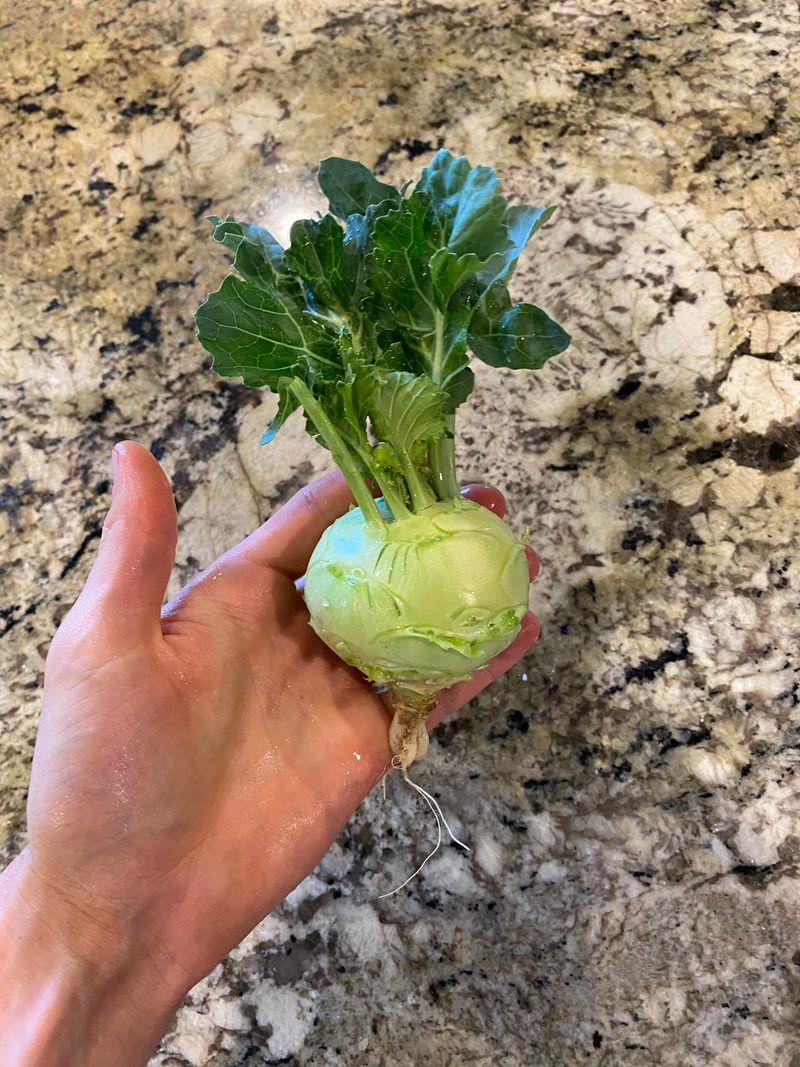
Not every kohlrabi variety is built for speed, and in a state where growing windows close fast, variety selection can make or break the harvest.
Some types take 70 days or longer to mature, which is a real gamble in Michigan’s unpredictable spring and fall shoulders. Choosing varieties bred for quick turnaround changes the entire dynamic.
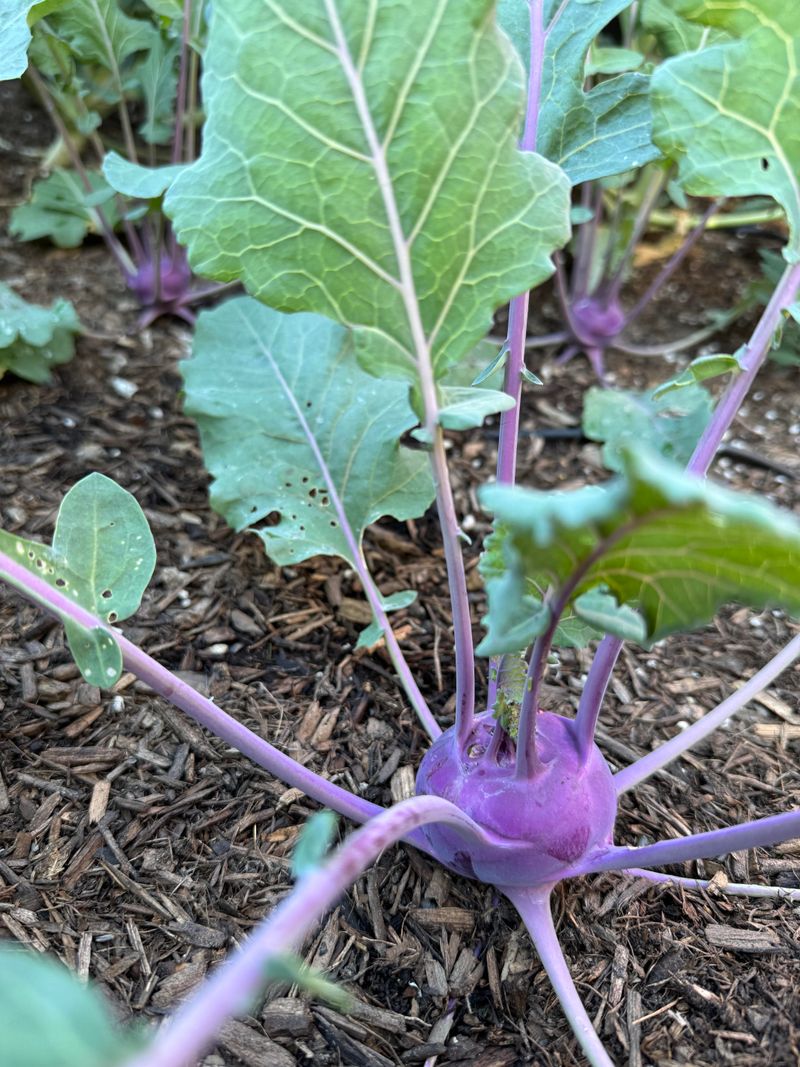
Grand Duke is a popular fast-maturing green variety that reaches harvest size in around 45 to 50 days. Kolibri, a striking purple type, matures in roughly 45 days and holds its quality in the ground a little longer than some others.
Winner and Quickstar are two more names worth looking for at seed suppliers, both clocking in under 55 days. These short-season types were developed specifically for gardeners who cannot afford to wait around.
Your Michigan Garden Changes Every Week. Your Plan Should Too.
Gardening in Michigan changes quickly throughout the season. Every Friday you’ll receive a simple weekly plan showing exactly what to plant, prune, fertilize, harvest, and protect so you never miss the right timing.
Purple varieties tend to look bold in the garden and often handle light frost a touch better than green types, which is a genuine bonus for Michigan fall plantings.
Read seed packets carefully because days-to-maturity numbers are counted from transplant, not from seed sowing. If direct seeding, add about a week to those numbers for a realistic harvest window.
Buying from seed companies that specialize in northern or short-season gardening also helps, since they tend to stock varieties tested in climates similar to Michigan’s.
A well-chosen variety is the foundation every fast harvest is built on, and the difference between a 45-day variety and a 70-day one is the difference between dinner and disappointment.
3. Timely Transplants Beat Summer Heat
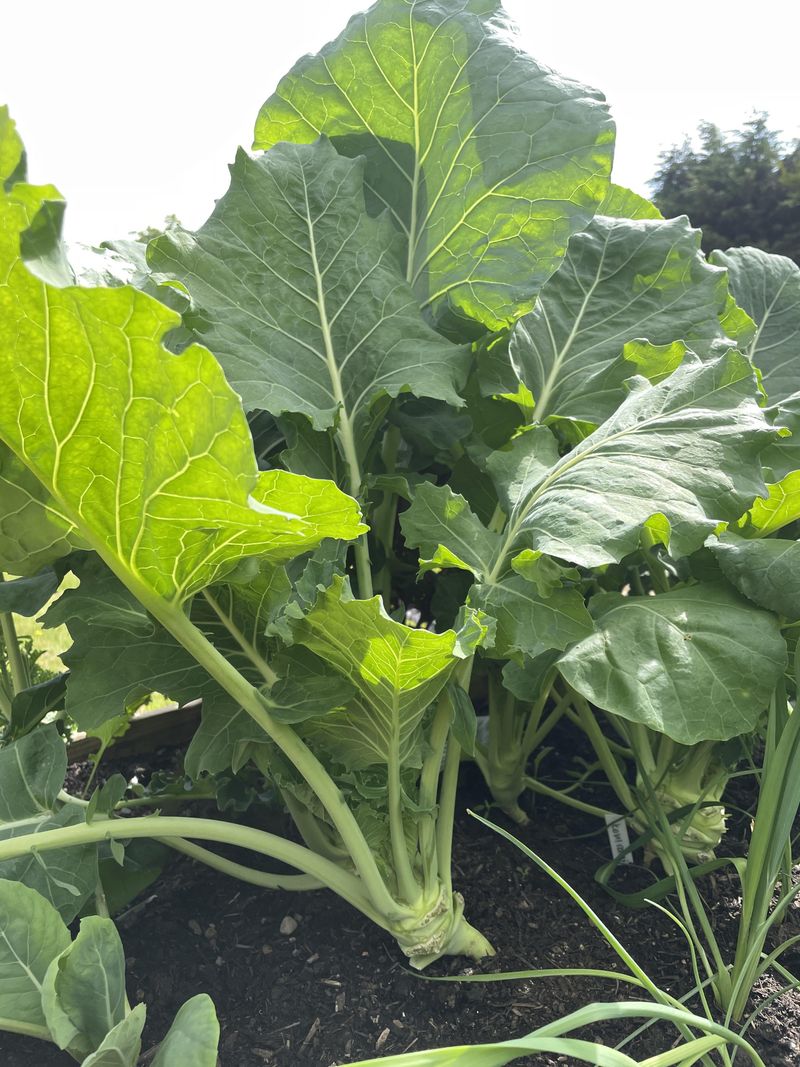
Cool weather is kohlrabi’s best friend, and heat is its worst enemy. Once temperatures climb above 80 degrees Fahrenheit consistently, bulb quality drops fast.
Timing transplants to land in the garden while conditions are still cool is one of the most effective ways to lock in a smooth, sweet harvest before summer shuts the window on the whole operation.
In Michigan, spring transplants typically go in the ground from mid-April to early May, depending on your location and that year’s weather pattern.
Kohlrabi can tolerate light frost, with young plants handling temperatures down to around 28 degrees Fahrenheit for short periods.
That frost tolerance means you do not have to wait for perfectly warm nights before moving plants outside, which is a relief in a state that likes to surprise everyone with a May frost just when confidence is building.
Set transplants out on a cloudy afternoon rather than a bright sunny morning to reduce transplant shock. Water them in well immediately after planting, and consider a light row cover for the first week if nights are still dropping into the low 30s.
Avoid planting into soil that is still cold and wet from snowmelt, since saturated soil slows root development and can cause young stems to rot.
Aim for soil that has dried out enough to crumble loosely in your hand. A well-timed transplant hits the ground running and starts pushing toward bulb development before summer even thinks about showing up with its heat and opinions.
4. Steady Moisture Keeps Bulbs Smooth
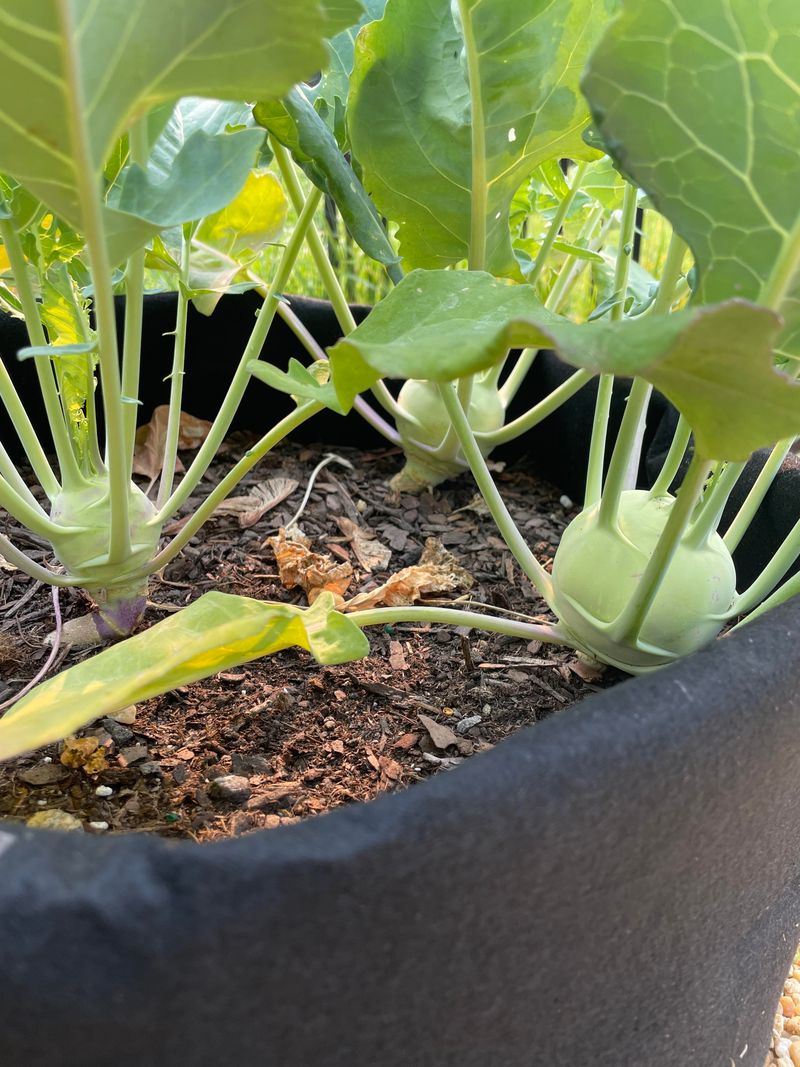
Water consistency might be the single most overlooked factor in growing kohlrabi that actually tastes good.
Irregular watering, meaning stretches of dry soil followed by heavy soaking, leads directly to bulbs that crack, turn woody, or develop a bitter edge that makes all the growing effort feel pointless.
Smooth, tender kohlrabi comes from steady, even moisture from transplant all the way to harvest.
Aim for about one inch of water per week, delivered either by rainfall or supplemental irrigation. During dry Michigan springs, that often means watering two or three times a week rather than one long soak.
Drip irrigation or soaker hoses work better than overhead sprinklers because they deliver water directly to the root zone without wetting foliage, which reduces disease pressure throughout the season.
Sandy soils common in parts of Michigan drain quickly, so those gardens may need more frequent watering than heavier clay-based soils.
Check soil moisture by pressing a finger an inch into the ground near the base of a plant. If it feels dry at that depth, it is time to water.
Mulching around plants helps hold moisture between watering sessions and reduces how often you need to grab the hose, which is a habit covered in more detail later.
Avoid letting the garden go more than three or four days without moisture during active bulb development. Stress during that stage is exactly when cracking and toughness happen most, and a cracked kohlrabi is a kohlrabi that has been through some things.
5. Proper Spacing Prevents Tough Crowding
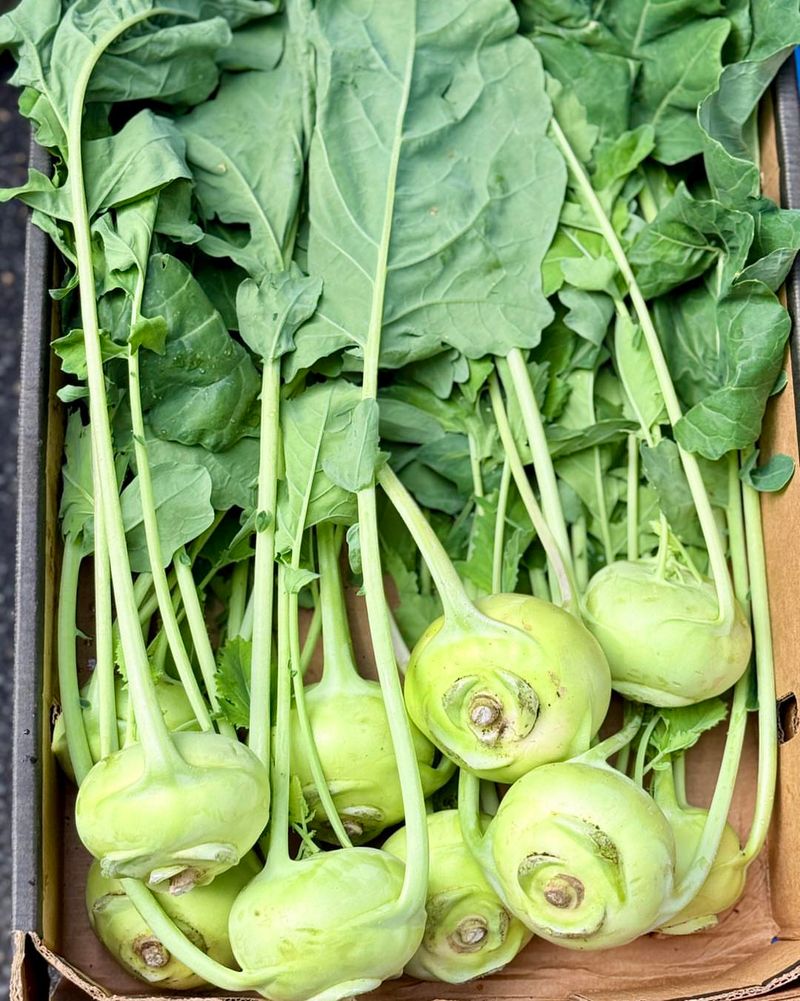
Crowded plants fight each other for light, water, and nutrients, and kohlrabi does not handle that competition gracefully.
When plants are squeezed too close together, the bulbs that form tend to be small, elongated, or tough rather than round and tender.
Giving each plant enough personal space is one of the easier fixes that makes a noticeable difference in harvest quality without requiring much effort.
Space transplants about five to six inches apart in rows set roughly 12 inches apart. If direct seeding, sow seeds closer together and thin to five or six inches once seedlings reach about three inches tall.
Thinning is not optional. Skipping it because it feels wasteful leads to exactly the crowding problem you are trying to prevent.
Those thinned seedlings can actually be eaten as microgreens, so nothing goes to waste and the guilt is fully manageable.
Raised beds allow slightly tighter spacing because soil quality is typically higher and drainage is better, but even in raised beds, five inches between plants is about as close as you want to push it.
Kohlrabi bulbs swell above the soil surface rather than below it, which means you can actually see when crowding becomes a problem before it gets out of hand.
Wider spacing also improves air circulation between plants, which helps prevent fungal issues that thrive in damp, still conditions.
Getting spacing right from the start is far easier than trying to fix the problem after plants are already established and have opinions about being moved.
6. Mulch Helps Soil Stay Cool
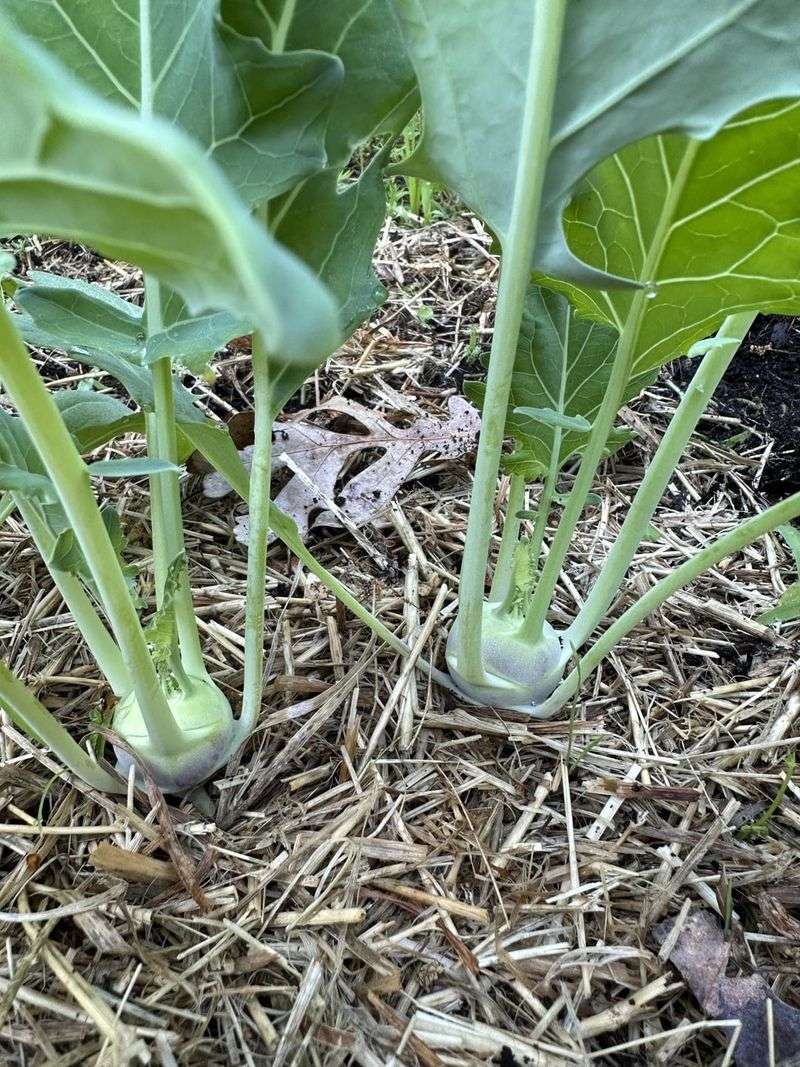
Soil temperature matters more to kohlrabi than many gardeners realize.
This is a cool-season crop that develops its best flavor and texture when roots stay in soil hovering between 60 and 70 degrees Fahrenheit.
As Michigan days warm up through May and June, unprotected soil heats quickly, and that warmth signals kohlrabi to rush toward flowering rather than building a fat, tender bulb worth eating.
Spreading a two to three inch layer of mulch around plants after transplanting is one of the most effective ways to slow that soil warming.
Straw, shredded leaves, or wood chips all work well. The mulch acts like a blanket in reverse, keeping heat out rather than holding it in.
That buffer can buy the crop another week or two of quality growing time, which in Michigan’s compressed spring season is genuinely valuable and not something to leave on the table.
Beyond temperature control, mulch also reduces weed competition significantly. Weeds steal moisture and nutrients that should be going toward bulb development, and they do it without asking permission.
A good layer of mulch means less weeding time and more time enjoying the garden.
Keep mulch pulled back slightly from the base of each plant stem to avoid creating a damp zone that encourages rot at the crown. Refresh the layer if it thins out from rain or wind.
The combination of cooler soil, retained moisture, and suppressed weeds makes mulching one of the highest-return habits in the kohlrabi garden, and it takes about five minutes to do properly.
7. Tender Bulbs Taste Best Young
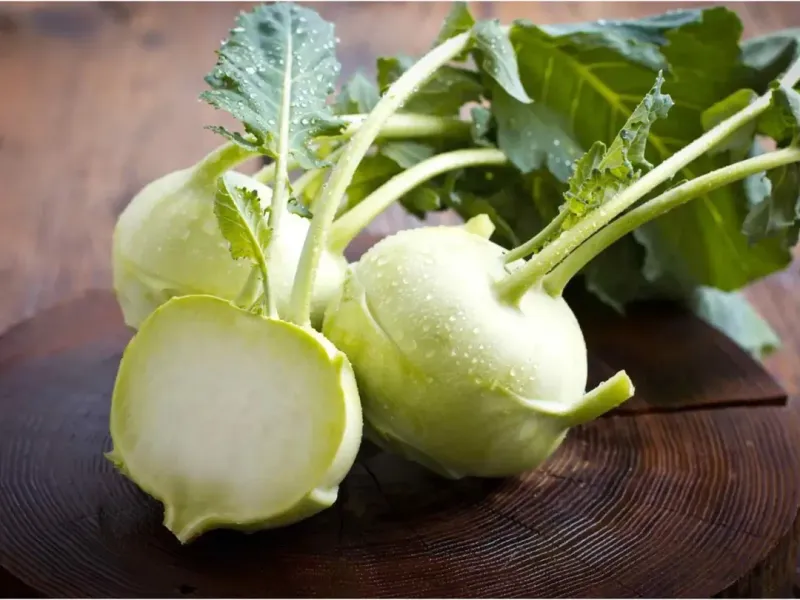
Harvest timing is where many first-time kohlrabi growers go wrong.
Letting bulbs grow too large seems like a reasonable idea, getting more food for the same amount of effort, but the reality is that oversized kohlrabi turns fibrous, tough, and sometimes hollow at the center.
The sweet spot is considerably smaller than most people expect.
Pull bulbs when they reach about two to three inches in diameter, roughly the size of a tennis ball. At that size, the flesh is crisp, sweet, and mild in a way that converts skeptics on the first bite.
Some fast-maturing varieties can be harvested even a touch smaller without sacrificing much yield, and the flavor at that stage is genuinely excellent.
Waiting until bulbs hit four or five inches almost always means a tougher eating experience, and tough kohlrabi is not going to win anyone over.
Use a sharp knife to cut the bulb just below the soil surface, leaving the roots behind.
Check plants every two to three days once bulbs begin swelling, because growth can accelerate quickly in cool, moist conditions.
If plants were planted in succession or are maturing at different rates, a rolling harvest over several weeks is very possible.
Kohlrabi stores well in the refrigerator for up to two weeks after harvest, especially if you trim the leaves and wrap bulbs loosely.
Eating them fresh off the plant with just a little salt is one of those simple garden moments that makes you wonder why everyone is not growing this.
8. A Fall Planting Gives Michigan Gardeners A Second Shot At The Season
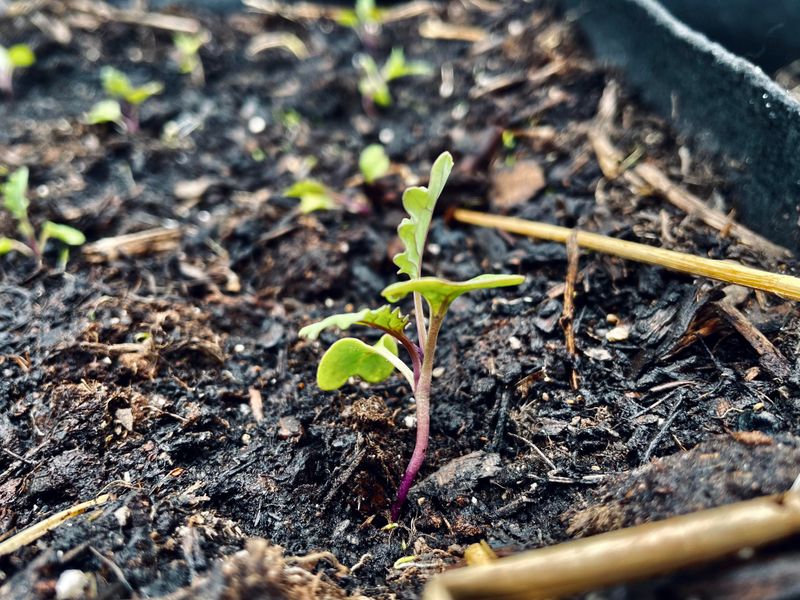
Spring is not the only time Michigan gardeners can grow kohlrabi.
A fall planting opens up a second window that most gardeners overlook entirely, and in some ways the fall crop is even better than the spring one.
Cooling temperatures as autumn approaches actually improve flavor, making bulbs taste sweeter and more complex than those harvested in warmer late-spring conditions.
Count back from the expected first hard frost date to figure out when to sow. In most of Michigan, that first hard frost arrives somewhere between late September and mid-October.
Kohlrabi needs 45 to 60 days from transplant to harvest, so work backward and aim to get seeds started indoors in mid to late July for transplanting in mid-August.
Direct seeding into the garden in late July also works if soil moisture is managed carefully during the warm stretch.
Fall crops benefit from the natural cooling trend that happens as the season shifts. Soil that was too warm for ideal quality in June is perfect for kohlrabi in September.
Light frosts in the low 30s actually improve sweetness, similar to what happens with kale and other brassicas, so a little cold is not something to worry about.
Keep an eye on the forecast and plan to harvest before a hard freeze settles in. Row covers can extend the harvest window by a week or two if an early cold snap arrives unexpectedly.
A fall kohlrabi planting is the garden’s version of a second act, and anyone who has tasted a frost-kissed kohlrabi in October will tell you it was absolutely worth planning for.