What’s Really Growing In South Jersey Backyards Isn’t Bamboo At All
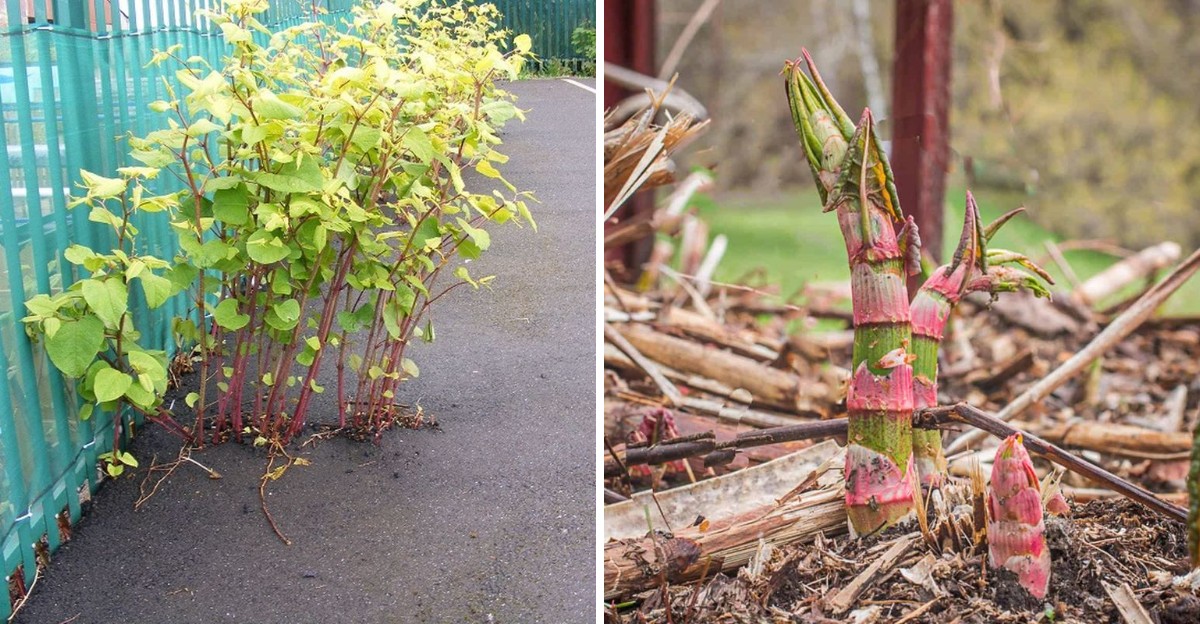
Mistaken identity is spreading faster than the plant itself. You walk past a green wall and assume bamboo instantly, but you are wrong. Across New Jersey, this season, a stubborn invader hides in plain sight.
Speckled stems give it away if you look closely enough. Hollow canes rattle just like bamboo, tricking generations of homeowners. Creamy white flower clusters burst open right now, drawing hungry bees from neighboring yards.
Leaves shaped like elongated hearts spread wide beneath the blooms. Cherry Hill gardeners struggle with it season after season. Vineland landscapers face the same frustration, year after year.
Soil across New Jersey practically invites this plant to spread along fence lines. Roots travel underground fast, popping up yards away without warning. Few homeowners plant it intentionally, yet it spreads anyway.
Windows for identification close fast once winter strips the leaves bare. Waiting too long can make removal significantly harder.
The Bamboo Impostor With Hollow, Speckled Canes
Walk down a South Jersey alley in late August and you will spot tall green canes swaying behind a chain-link fence. Plenty of folks call it bamboo, string up a hammock nearby, and think little of it. What they are actually looking at is usually Japanese knotweed.
The giveaway sits at the joints. Bamboo canes stay woody and rough, while this stand-in feels hollow, smooth, and speckled with reddish purple flecks near the base.
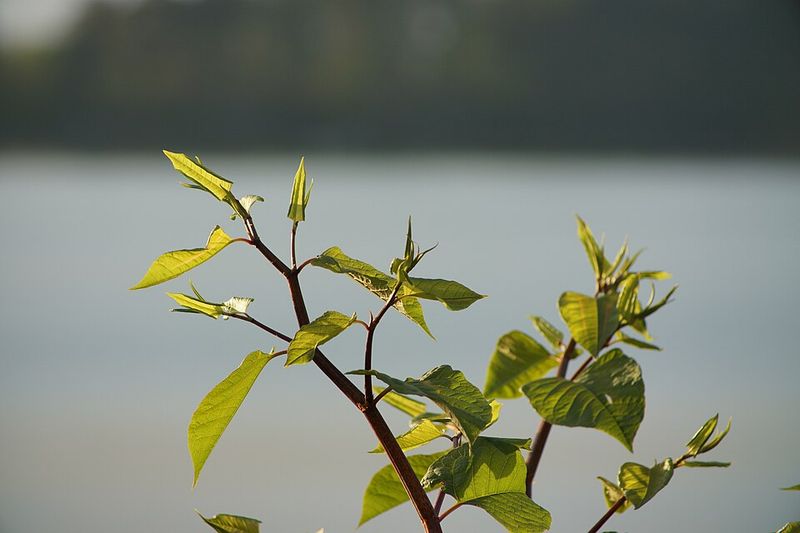
Each node wears a thin papery collar that looks a bit like clear tape. Leaves are broad and shield shaped rather than narrow and grassy, and they zigzag along the stem instead of lining up in neat pairs.
Height climbs to eight or ten feet by the end of summer, yet the canes bend in a storm rather than snapping. Snap one open and you will find a hollow center with thin walls, closer to a drinking straw than a fishing pole.
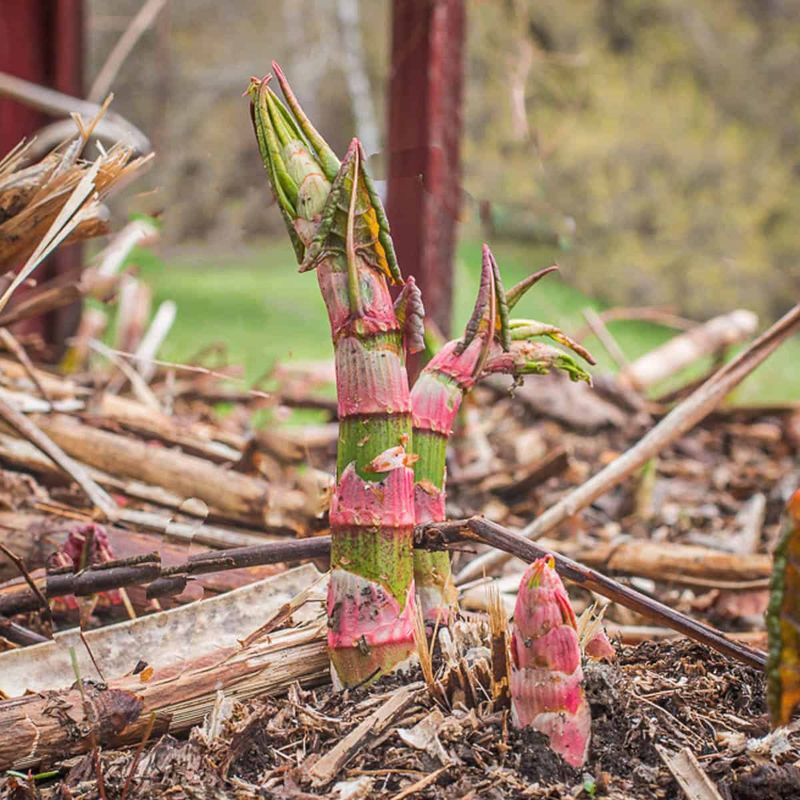
Winter finishes the case. Around December the canes fade to tan and grow brittle, while true bamboo keeps green leaves right through the cold stretch. Fresh shoots then push up in spring with reddish tips that look a little like asparagus.
Backyards in Cherry Hill, Vineland, and Pennsauken see Japanese knotweed along creek banks, old fence lines, and sunny spots beside a shed. Once the speckled stem trick clicks, you may notice the same stand on half the block.
Naming it correctly matters because the care plan is not the same. Bamboo asks for a root barrier, while this one asks for patience, timing, and a longer game.
Shovel-Shaped Leaves And Creamy September Flower Sprays
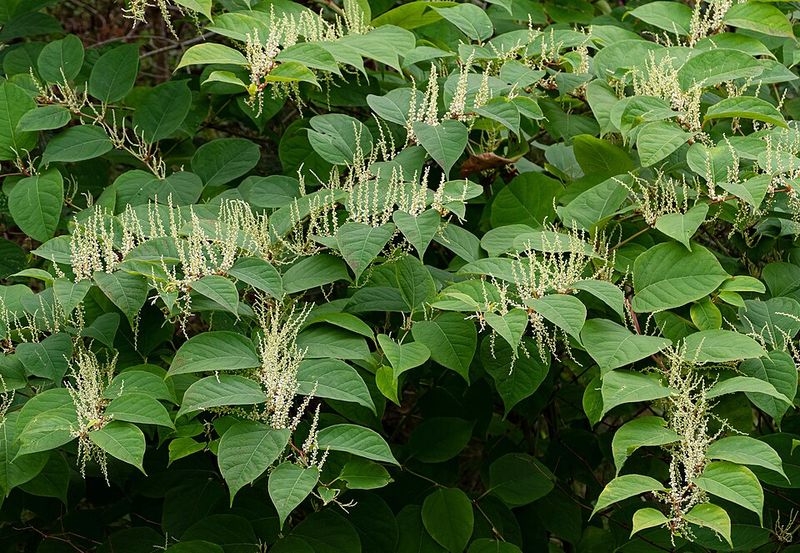
September is Japanese knotweed’s showtime, and the display is oddly pretty. Creamy white sprays spill from the leaf joints like tiny foam, and bees crowd them from morning until dusk.
In parts of the Northeast, beekeepers have reported harvesting a dark, buckwheat-flavored honey from similar late-season blooms.
That sweetness explains why some gardeners hesitate to touch the stand. Still, a sweet harvest does not cancel out the trouble underground.
Your New Jersey Garden Changes Every Week. Your Plan Should Too.
Gardening in New Jersey changes quickly throughout the season. Every Friday you’ll receive a simple weekly plan showing exactly what to plant, prune, fertilize, harvest, and protect so you never miss the right timing.
Leaves deserve a closer look. Each one runs four to six inches long, wide at the base, tapering to a point, with a flat edge where the stalk attaches.
Hold one flat and the shape resembles a small shovel or a shield. The surface feels smooth, the green stays bright, and the veins show clearly underneath. Run a finger along the edge and you will feel no teeth, just a smooth wavy line.
Blooming season is also the easiest window for identifying Japanese knotweed, since flowers, canes, and leaves are all on display at once. Snap a photo with a coin or your hand in the frame for scale.
Seeds form after the flowers fade, though in New Jersey new stands usually start from root pieces rather than seed.
Wind and water carry small winged fruits along ditches and stream edges. Sprouting rates stay low here, but a tidy yard still benefits from clipping spent flower heads.
Take note of the bloom date in a garden journal. Tracking flower timing helps you plan treatment for the weeks when the plant pulls food down into its roots.
Roots That Wander Under Fences And Patios

What shows above the mulch is the smaller half of the story. Thick underground stems called rhizomes creep sideways, storing sugar like a pantry and pushing new shoots wherever there is light.
Those roots travel many feet from the parent clump and can sit several feet down in sandy South Jersey soil.
A shoot that pops up beside the birdbath may belong to a stand two yards over. Depth and reach vary with soil, shade, and how long the patch has been there.
Snap a rhizome and the inside glows orange, a handy clue when you are digging. Fresh pieces the size of a thumbnail can start a brand new patch.
Fences rarely slow it down. Shoots slip through gaps in chain link, under vinyl panels, and along the seam between a patio and a garage slab. Cracks in old blacktop and gaps around drain lines make easy doorways.
Neighbors often discover the truth during a fence replacement or a shed project. Someone hits a tangle of orange-centered roots and the whole block starts comparing notes.
Because the network is shared, treating one yard alone gives limited results. A friendly conversation with the folks on both sides usually beats a solo weekend of digging.
Keep soil on site when you find it. Moving fill dirt from an infested corner to the front bed is a quick way to spread the problem across a property.
Bag stem cuttings instead of tossing them on the compost pile, since pieces root readily in damp yard waste.
Cracked Driveways, Nervous Buyers, And Property Value
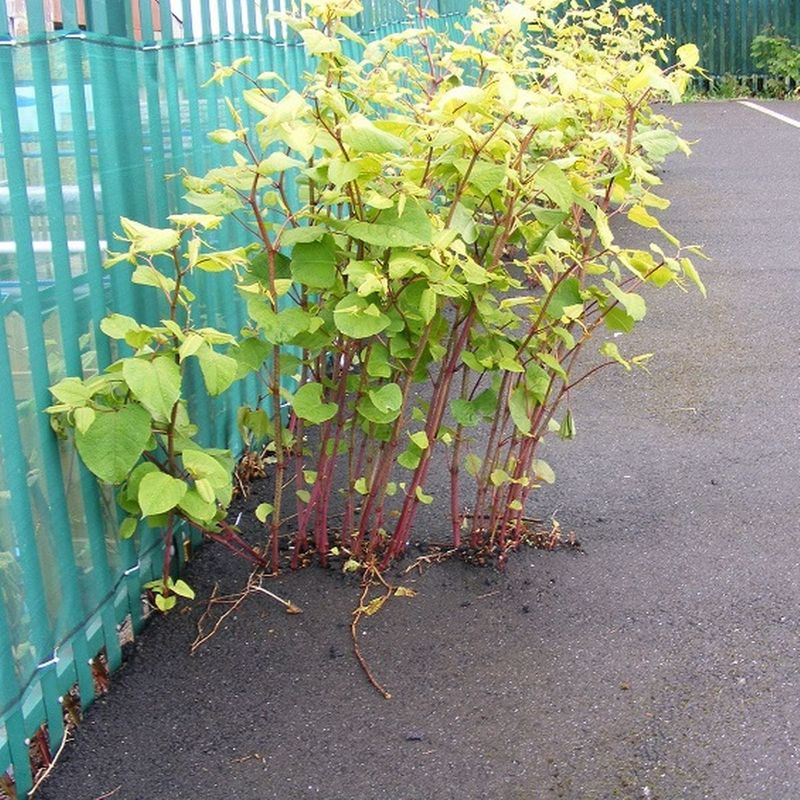
Some realtors in the region now factor invasive plant stands into their assessments before a sale. A dense stand near a foundation can slow a sale or shrink an appraisal. More buyers are asking about invasive plants during inspections.
Damage usually starts at weak points rather than solid concrete. Shoots exploit hairline cracks in a driveway, gaps around a drain pipe, and loose joints in an old brick walk. Fresh, sound concrete tends to hold up well.
Once a shoot is inside a crack, it swells as it grows and widens the opening. Water follows, freezing weather takes a turn, and the gap keeps opening season after season.
Stream banks in the region take a hit too. A thick patch shades out native shrubs, and winter leaves bare soil that washes into the water after heavy rain. Fish habitat and stream health decline as banks lose their grip.
Lenders in the United Kingdom have historically been cautious about mortgages on properties with untreated stands, a practice that shows how seriously other places have treated the issue.
American lenders rarely address it directly, though the topic increasingly comes up during home inspections.
Document what you find. Photos with dates, a simple map of shoot locations, and receipts from any treatment help during a sale or a chat with an insurer. A phone folder labeled with the address keeps everything in one place.
Disclosure rules vary, so a quick call to your agent or attorney is worth five minutes. Honesty up front tends to cost less than a surprise during inspection.
Why Mowing And Digging Often Fall Short
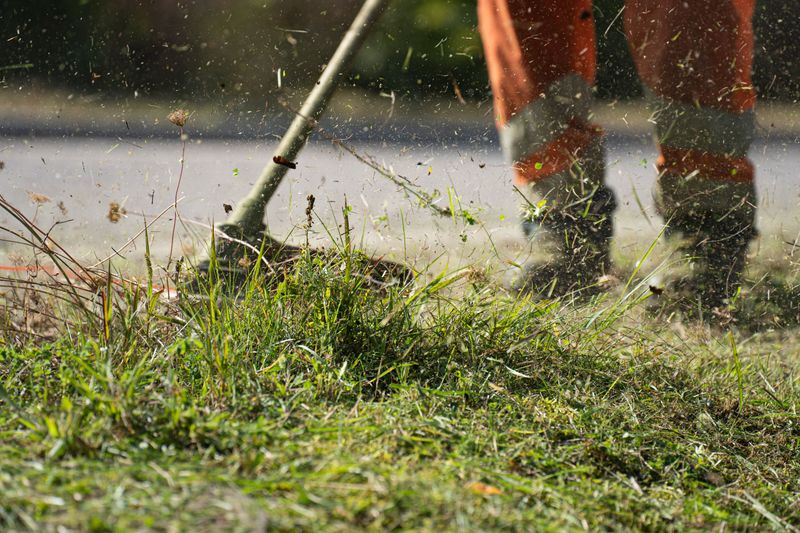
Here is where common removal methods often fail. Grabbing the string trimmer feels satisfying, yet chopped pieces scatter and each fragment can sprout roots in damp soil. Even a piece the length of a fingernail counts.
Mowing a stand with a riding mower spreads bits across the lawn like confetti. Blades also fling pieces into flower beds where they settle in quietly. A quick pass with a trimmer can turn one clump into six.
Repeated cutting alone tends to push the plant into survival mode. Stored sugar in the rhizomes fuels a fresh flush of skinny shoots, sometimes more than before. Some homeowners cut for years and wonder why the patch keeps widening.
Digging has a similar catch. Removing the top two feet of soil leaves deeper roots untouched, and any missed thumb-sized piece gets a fresh start with less competition.
Tarping can help in small spots when done right. Heavy black plastic held down for a couple of growing seasons weakens shoots, though edges need watching since stems travel sideways looking for daylight. Check the perimeter monthly during the warm stretch.
Yard waste rules matter here. Bag the material, let it dry on a tarp in the sun, and skip the municipal compost bin or curbside brush pile. Many South Jersey towns ask residents not to place this material with regular yard trimmings.
Patience wins more often than muscle. A plan spread across two or three seasons beats a single furious Saturday with a shovel, and small wins stack up when the timing is right.
Your Early-Fall Game Plan And Who To Call
Timing is the secret weapon, and early fall hands you a strong window. As days shorten, the plant moves sugars from leaves down into its roots, carrying anything on the foliage along for the ride. That downward flow is why fall applications work better than spring ones.
Certified applicators in New Jersey often treat between late August and the first frost for that reason. Products with glyphosate or triclopyr are applied as a foliar spray or injected into the hollow canes.
Stem injection appeals to folks with vegetable beds nearby since it keeps material inside the cane. Expect a few rounds across two or three seasons rather than one and done. Notes on a calendar help you track what was treated and when.
Hiring help is reasonable when a stand is large or sits near water. Work near a stream or ditch may call for an aquatic-approved product and additional permits, depending on local regulations.
Ask any contractor for a license number, a written plan, and a follow-up schedule. Good crews return the next season to check for stragglers. A contract that spells out revisits protects your budget.
Doing it yourself is possible for a small patch. Cut canes in early summer, let regrowth reach knee height, then treat the fresh leaves in September and mark the spot for spring checks. Read the label first, since it is the legal instruction.
Loop in neighbors and your county extension office. Rutgers Cooperative Extension in Camden, Gloucester, and Atlantic counties answers questions and points to current guidance.