The Surprising Snack Crop That Most New Jersey Gardeners Have Never Tried Growing
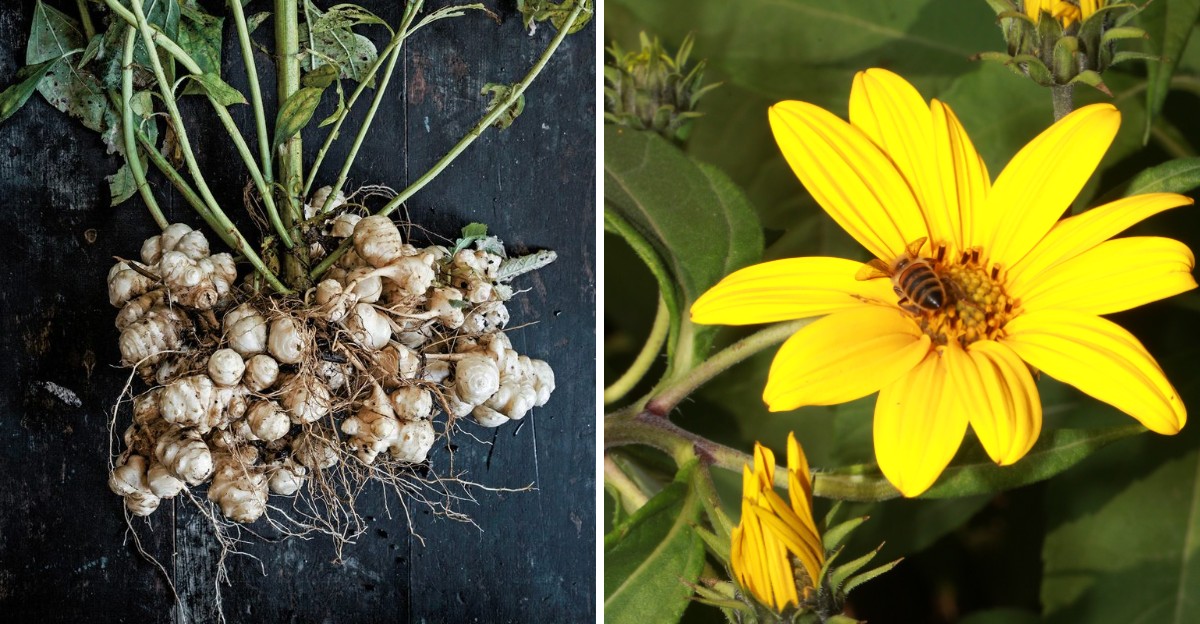
A wild sunflower relative grows knobby, crunchy roots that taste a bit like sweet water chestnuts.
Native peoples of eastern North America were eating them long before European settlers arrived. French explorer Samuel de Champlain even noted them in 1605.
I still can’t believe how few home gardeners grow this plant today. It shoots up taller than most fences. Golden blooms open in late summer, and bees crowd every flower.
You’re in for a surprise when you dig the first clump in November. Each plant can hide a pile of pale, lumpy treasures under the soil. Personally, I love that harvest time arrives just when the tomato beds look tired and bare.
Gardeners across New Jersey have the right climate for it already. The plant shrugs off cold winters and asks for very little. So why is it still missing from most backyards?
Those Tall Yellow Sunflower Cousins Are Hiding Snacks Underground
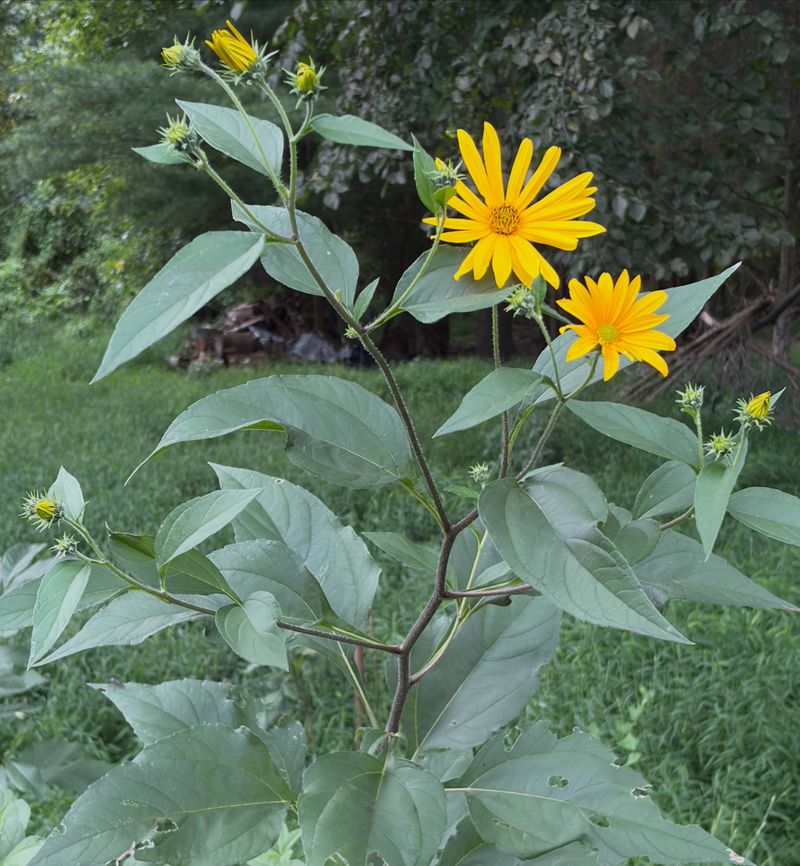
Walk past a stand of these plants in August and you would swear they were ordinary wild sunflowers.
The stems stretch 6 to 10 feet tall, and the yellow flowers are smaller than a dinner-plate sunflower. The real prize sits out of sight, buried in the dirt.
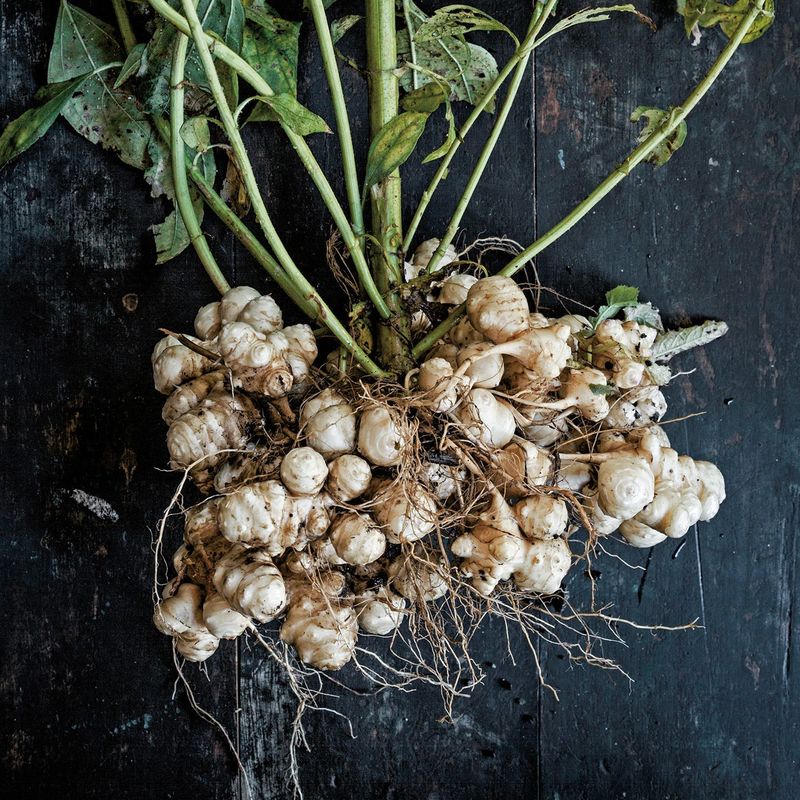
Meet the sunchoke, also called the Jerusalem artichoke. Its scientific name is Helianthus tuberosus, and it belongs to the same plant family as the sunflowers you already know. Each plant forms clusters of knobby tubers that look like fresh ginger root.
Bite into one raw and you get a crisp, juicy crunch. The flavor is mildly sweet and nutty, a lot like jicama or water chestnuts. Roasted, it turns soft and almost buttery.
Fun fact time. The name has nothing to do with Jerusalem, and it is only a distant relative of the globe artichoke, though both belong to the daisy family.
One popular theory says the word comes from girasole, the Italian word for sunflower, though nobody knows for sure.
I find it funny that such a showy plant keeps such a quiet secret. Once you know what lives under those flowers, you start spotting sunchokes along roadsides and old farm edges everywhere.
Knobby Sunchoke Tubers Thrive In Garden State Soil
Honestly, few vegetables feel this easy. Sunchokes are native to central and eastern North America, so they are built for our weather.
Most of New Jersey falls in USDA Hardiness Zones 6b through 7b, and these plants handle that range with ease.
Cold winters do not bother them at all. The tubers rest safely underground until spring warms the soil. Then fresh green shoots pop up and race toward the sky.
Pests rarely cause much trouble. Deer may nibble the leaves, and voles sometimes sample the tubers, but the plants usually bounce back fast.
Diseases like powdery mildew can show up in humid summers, yet they seldom ruin the harvest.
Soil is not a big worry, either. Sandy South Jersey plots and heavier clay up north both work, as long as water does not pool for days. Loose soil simply makes digging easier and helps the tubers grow smoother.
Your New Jersey Garden Changes Every Week. Your Plan Should Too.
Gardening in New Jersey changes quickly throughout the season. Every Friday you’ll receive a simple weekly plan showing exactly what to plant, prune, fertilize, harvest, and protect so you never miss the right timing.
My favorite part is the yield. A single tuber planted in spring can turn into a dozen or more by fall. If you want a high-reward crop that does not demand daily care, this one deserves a spot on your list.
A Raised Bed Or Root Barrier Keeps Sunchokes From Spreading
Fair warning, friend. Sunchokes are wonderful, but they love to wander. Any tiny piece of tuber left in the ground after harvest can sprout into a brand new plant next year.
Because the plant is native to the eastern United States, it is generally not considered a serious invasive here, though it can spread aggressively.
Still, in a tidy vegetable garden, it acts like a guest who never leaves. Many gardeners learn this the hard way after one season.
You can stay in charge with a little planning. Give sunchokes their own spot, away from your carrots and lettuce. A corner of the yard, a fence line, or a separate bed works nicely.
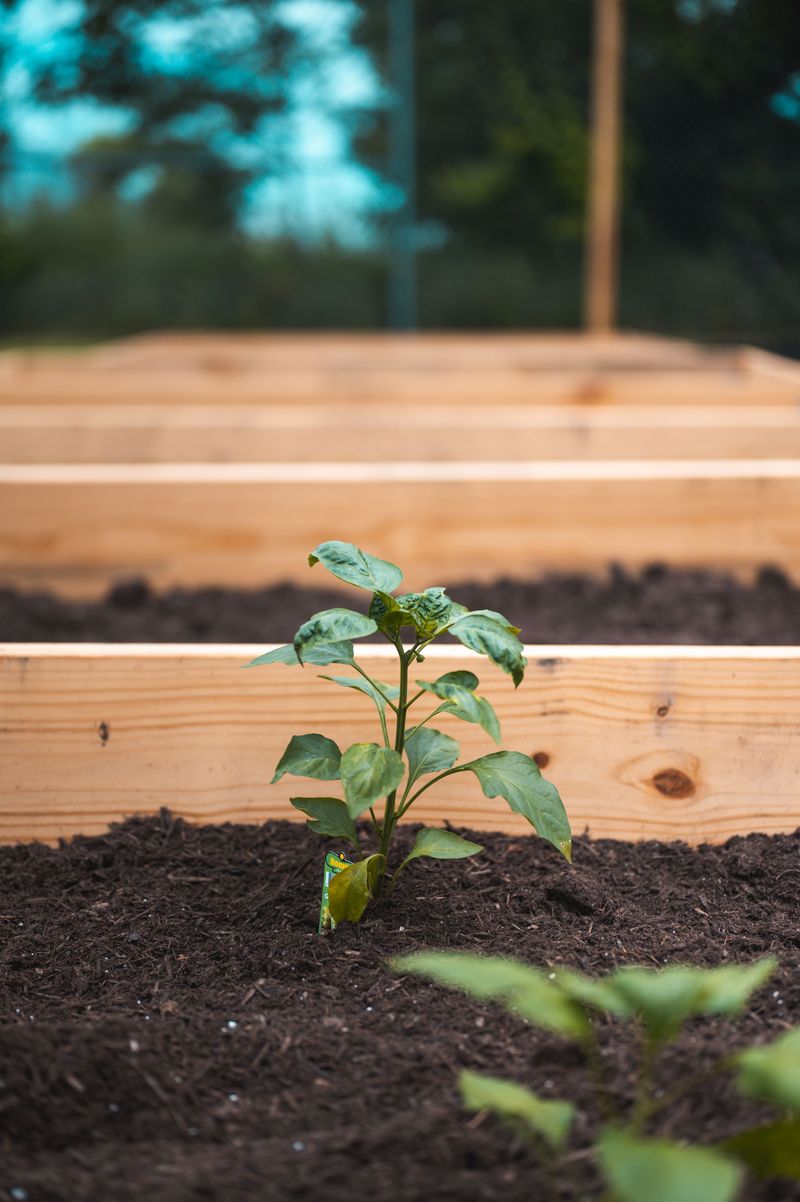
Raised beds help a lot, especially with sides or barriers that reach 18 inches or more into the soil. Large containers are another option, though you should choose one that holds at least 15 to 20 gallons for a decent harvest.
Smaller pots often give tiny tubers. Mowing around the patch keeps runaway shoots in check. I also suggest digging thoroughly every fall.
Think of each harvest as both a snack haul and a cleanup job, and the plants will mostly stay where you want them.
Plant Sunchoke Tubers In Early Spring For A Fall Harvest
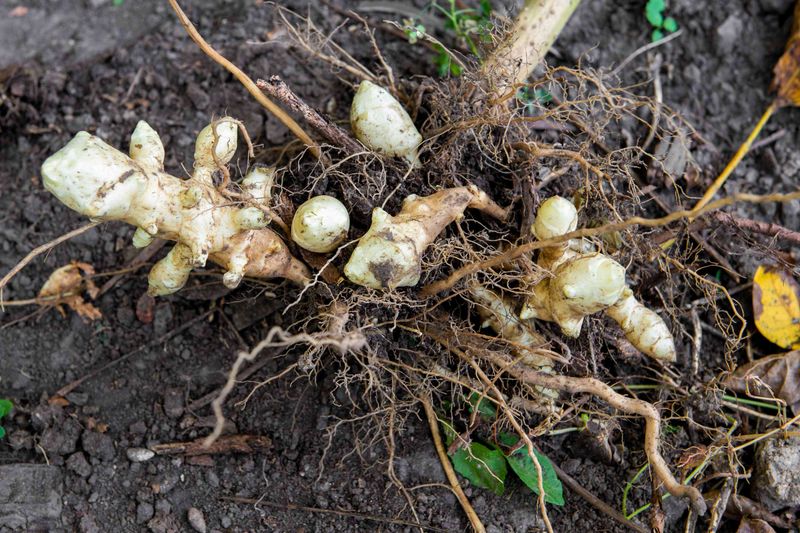
Spring planting could not be simpler. Grab a few firm tubers from a seed company, a farmers market, or even a grocery store produce bin. Look for ones with small bumps or buds, since those are where new shoots form.
In New Jersey, plant once the soil can be worked, usually from late March through April. South Jersey warms a bit earlier than the hills of Sussex and Warren counties.
Fall planting before the ground freezes also works. Pick a sunny spot that gets at least six hours of light. Remember how tall these plants grow. Place them on the north side of your garden so they do not shade shorter crops.
Plant tubers 3 to 5 inches deep and 12 to 18 inches apart, leaving roughly 3 feet between rows. Water well after planting, then keep the soil lightly moist until shoots appear.
Heavy fertilizer is not needed. Too much nitrogen can push leafy growth instead of tubers. A little compost mixed in at planting time usually does the trick. In windy spots, a stake or a sturdy fence keeps the tall stalks upright.
Wait For A Hard Frost Before Digging Your Sunchokes
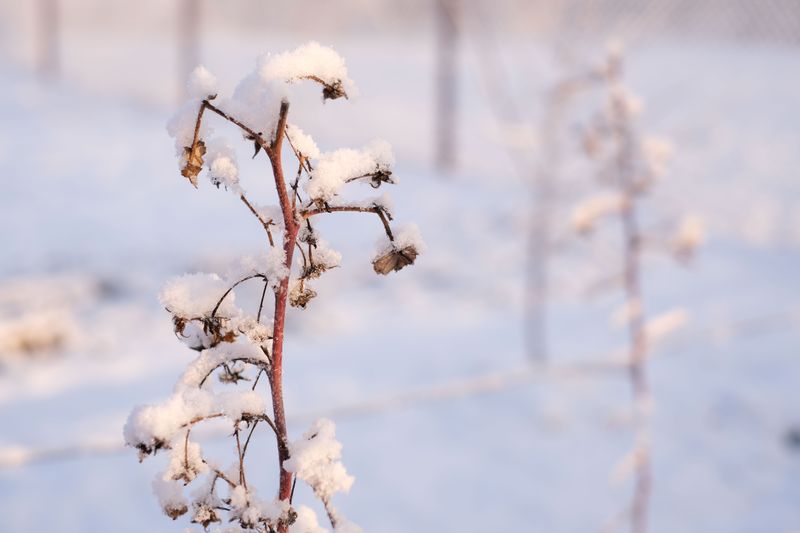
Patience pays off in the sweetest way. Sunchokes taste best after cold weather arrives. In most of New Jersey, that means late October through winter, once frost browns the tall stalks.
Why wait? The tubers store energy as inulin, a type of fiber. Cool soil seems to convert some of it into sugars, so frosted tubers usually taste sweeter and milder.
Cut the faded stalks down to a few inches first. Then push a digging fork into the soil about a foot from the stem. Gently lever the clump up and sort through the loose dirt with your hands.
Go slowly, because the thin skins scuff easily. Gather even the tiny pieces if you want fewer surprise plants next year.
Storage is the tricky part. Unlike potatoes, sunchokes dry out quickly once dug. Kept in a plastic bag in the fridge, they usually last one to two weeks, sometimes a bit longer.
My trick is to leave most of them in the ground and dig small batches as needed. A thick layer of straw or leaves keeps the soil from freezing hard, so you can harvest on milder winter days.
Crispy Roasted Sunchokes Make An Addictive Snack
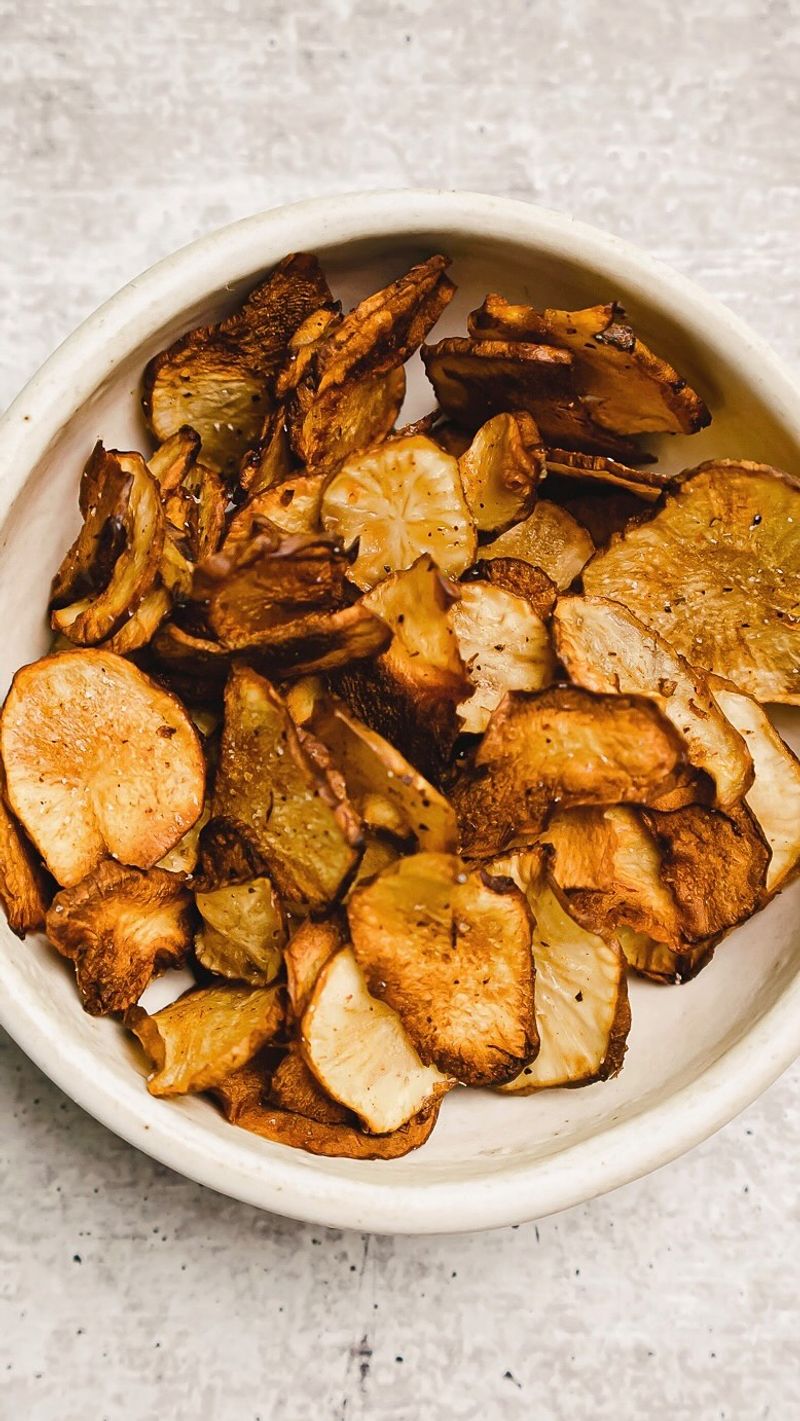
Ready for the fun part? Sunchokes are wildly versatile in the kitchen. You do not even need to peel them, since the skin is thin and tasty once scrubbed clean.
Raw slices make a crisp snack. Shave them thin and toss them into salads, or dip sticks into hummus the way you would carrots. Drop cut pieces in water with a squeeze of lemon so they stay pale.
Roasting is my favorite. Cut tubers into chunks or thin coins, toss with olive oil, salt, and pepper, then roast at about 400 degrees Fahrenheit.
In 25 to 35 minutes, the edges turn golden and the centers go creamy. Want something crunchier? Slice them paper thin and bake or fry them into chips. They come out sweet, nutty, and hard to stop eating.
A few more ideas include smashing boiled sunchokes and pan-frying them until crispy, or blending cooked ones into a silky soup with onions and broth. You can also sauté slices with garlic and fresh thyme for a quick side dish.
Kids often love the chips most. Let them help scrub the knobby tubers, and suddenly a strange root becomes a family favorite.
Sunchoke Fiber Is Great For Your Gut In Small Servings
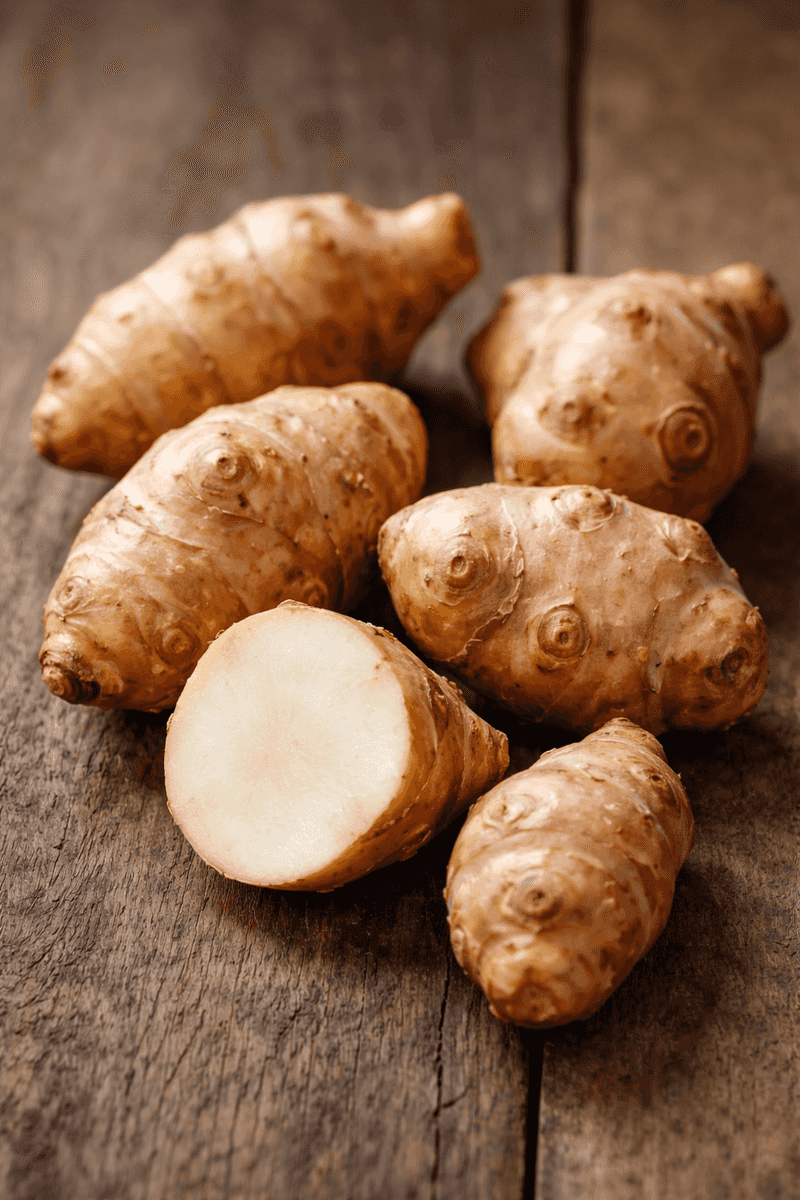
Every great snack has a catch, and sunchokes have a famous one. Folks jokingly call them fartichokes. The nickname is silly, but it comes from a real cause.
Sunchokes are loaded with inulin, a fiber our bodies cannot fully digest. Instead, helpful bacteria in the gut feed on it. That makes inulin a prebiotic, which supports healthy gut microbes.
The downside is gas. When those bacteria munch on a big helping of inulin, some people feel bloated or gassy.
A huge bowl of raw sunchokes on day one is not a smart plan. Start small instead. A handful of roasted slices lets your body adjust.
Many people find that cooking helps, and some cooks say long, slow roasting or boiling makes them easier on the stomach.
Beyond fiber, sunchokes offer potassium and iron, plus a little vitamin C. Because inulin is not a starch, sunchokes have a gentler effect on blood sugar than potatoes, which is why some people with diabetes enjoy them.
Check with a doctor if you have digestive issues, though. Treated with a bit of respect, these tubers are a nourishing, good-for-you treat.
Late-Blooming Sunchoke Flowers Feed Bees And Brighten Fall Yards
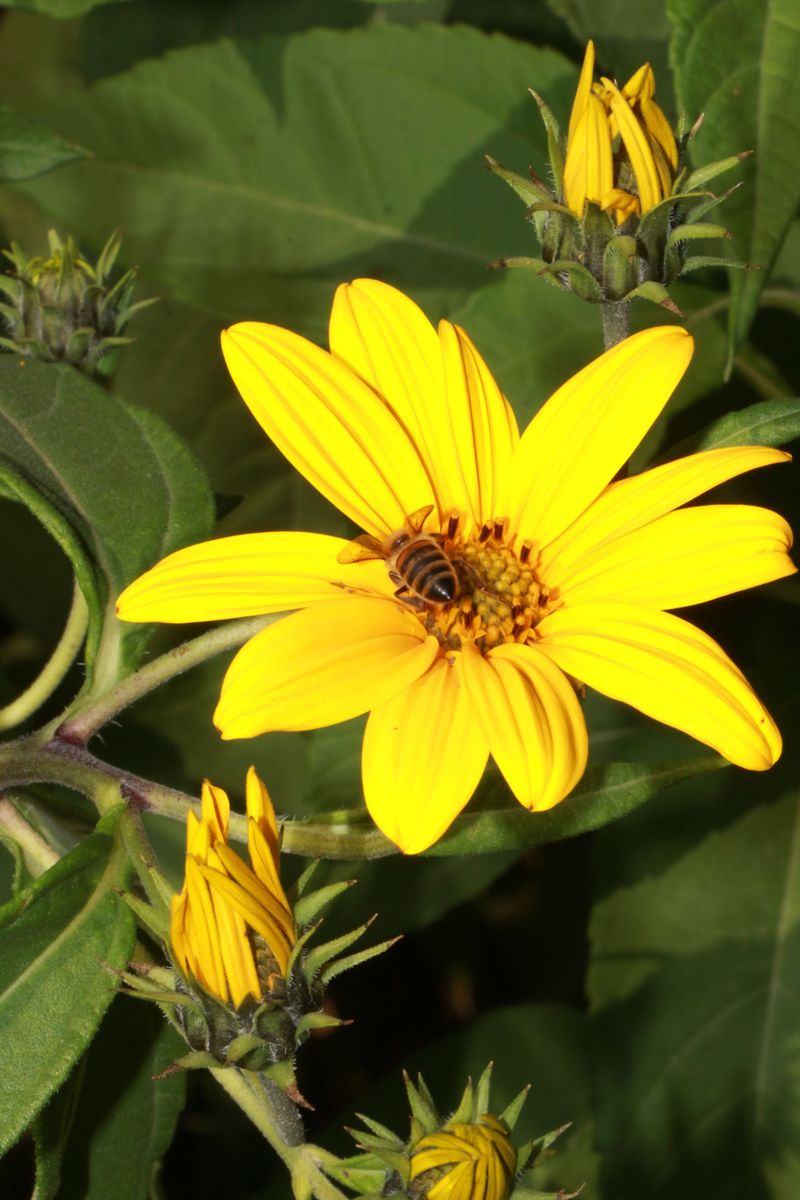
Growing sunchokes gives you more than snacks. Those cheerful yellow flowers open from late summer into fall, just when many garden blooms are fading. Bees, butterflies, and other pollinators flock to them.
Native bees especially benefit. Many depend on late-season pollen and nectar before cold weather sets in. Later, small birds like goldfinches may visit the seed heads.
The tall stalks also work as a living screen. Plant a row along a fence and you get summer privacy plus a harvest later. Few vegetables pull double duty quite so well. Ready to start? Here are simple next steps for this spring:
Pick a sunny spot where spreading will not cause headaches. Buy a handful of firm, plump tubers, about five or six for a starter patch. Plant them in early spring, water them in, and then mostly leave them alone.
By fall, you will have flowers, buzzing visitors, and a surprise hiding below ground. Share extras with neighbors and garden club friends.
I have a feeling once people taste roasted sunchokes, this overlooked native will not stay a secret in New Jersey backyards for long.