Which Oregon Trees Should Not Be Planted In A Constantly Wet Fall Yard
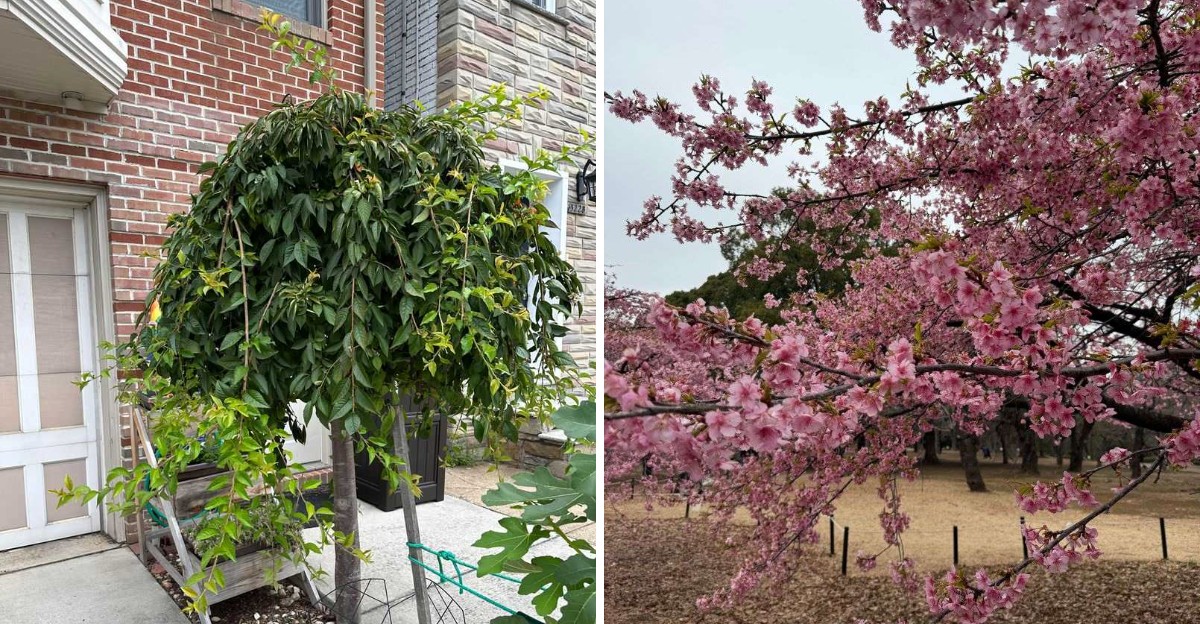
In one low corner of an Oregon yard, a young tree was planted with big hopes, then sat in soggy soil all fall and winter until it slowly faded away, leaf by leaf, without anyone quite understanding why.
That kind of problem shows up constantly, and it usually traces back to one overlooked step.
Most people pick a tree based on looks, hardiness zone, or a nice photo at the nursery, without ever actually checking how wet the ground stays through a long Oregon fall and winter.
Some trees genuinely handle standing water and soggy roots without much complaint. Others, including a few that seem like obvious choices for the Pacific Northwest, struggle badly the moment soil stays saturated for more than a day or two.
Here are eight Oregon trees worth avoiding in a yard that stays consistently wet, and what to plant instead if that low corner is already spoken for.
1. Douglas Fir
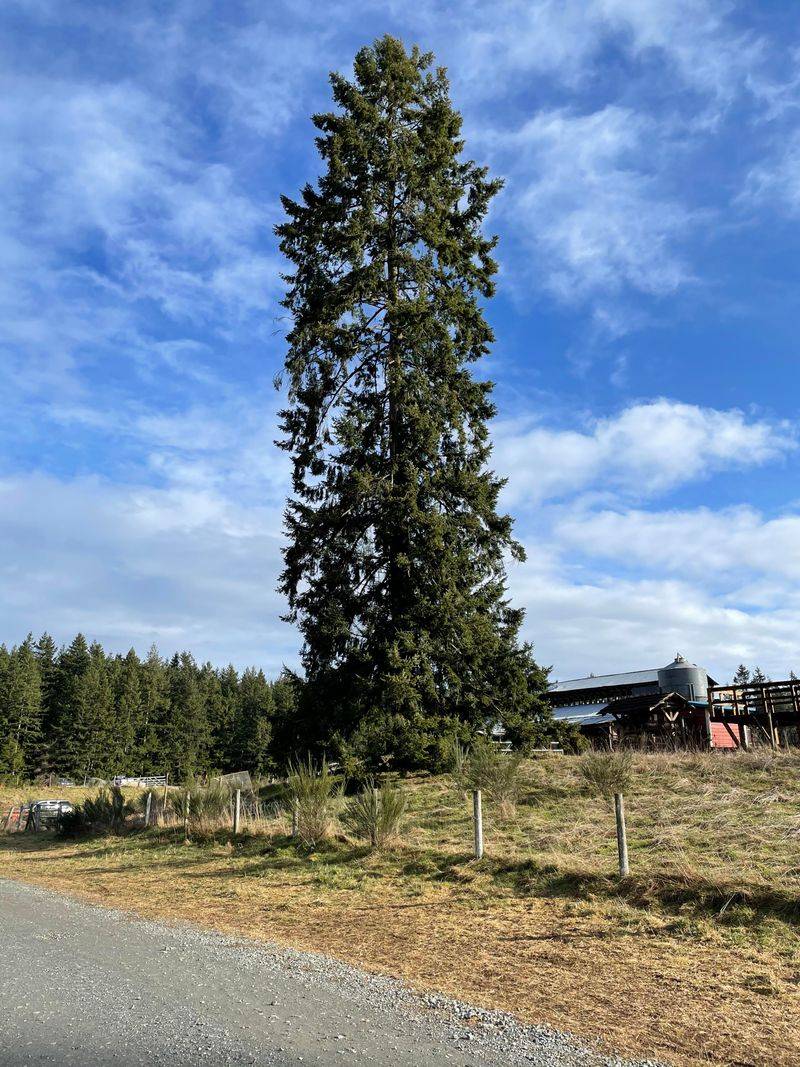
One rainy season can tell the whole story with this tree, and often does, leaving a homeowner puzzled by autumn about a tree that looked perfectly fine back in spring.
Douglas fir grows best where water moves through soil instead of sitting around the roots for days at a time, since its root system evolved for well-drained forest slopes rather than low, boggy ground.
In a yard that stays soggy through fall and winter, roots may lack oxygen and become far more open to root rot setting in, a problem that often goes unnoticed until visible damage shows up above ground.
OSU Extension guidance points gardeners toward good drainage for this Oregon favorite, since it is often assumed to be tough enough for any local condition simply because it grows wild across so much of the region already.
If your low spot stays muddy for days after a hard rain, choose another tree entirely or improve drainage before planting, not after the roots have already been sitting in standing water for a full season.
Douglas fir planted in the wrong spot tends to decline slowly at first, showing thinning needles, weak new growth, and a duller overall color, before problems accelerate once root rot really takes hold underground and spreads through the root system.
By the time visible decline appears in the crown, the damage below ground has often been building for a year or more already.
2. Ponderosa Pine
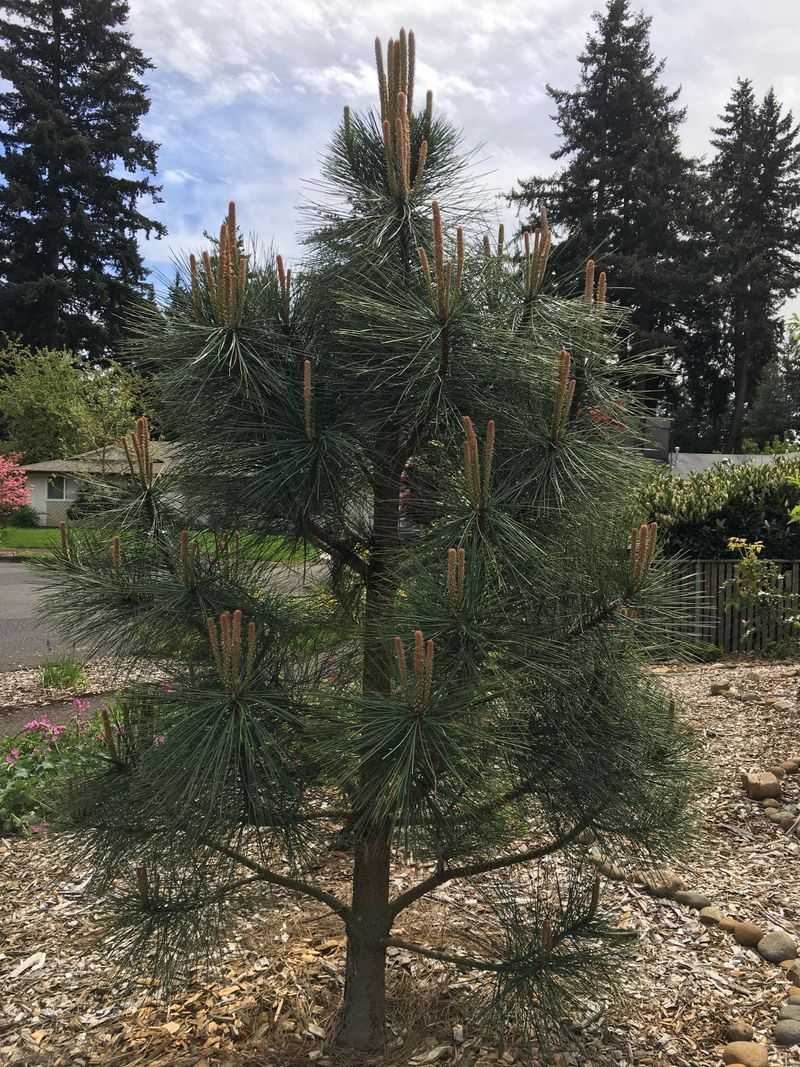
Many pines look rugged enough to handle almost anything nature throws at them, but their roots are simply not built for standing water, no matter how tough the bark looks from a distance.
Ponderosa pine, a common landscape choice in Oregon prized for its reddish bark and open, airy form, usually wants fast drainage, especially during the long wet stretch running from fall into spring across most of the state’s western valleys.
Soggy soil can weaken roots, slow overall growth, and invite disease organisms that a healthy, well-drained pine would otherwise resist without much trouble at all under normal conditions.
That means a ponderosa pine planted in a swampy corner often declines slowly and quietly at first, then suddenly turns brown over the course of just a few weeks once the underground damage reaches a genuine tipping point.
Your Oregon Garden Changes Every Week. Your Plan Should Too.
Gardening in Oregon changes quickly throughout the season. Every Friday you’ll receive a simple weekly plan showing exactly what to plant, prune, fertilize, harvest, and protect so you never miss the right timing.
Needles may yellow gradually before that visible collapse, giving an attentive gardener a narrow warning window if they know what to look for early enough in the process.
Save pine planting for raised ground, gentle slopes, or amended sites where winter water actually drains away quickly, rather than pooling and lingering around the base of the trunk for hours or days after a storm passes through.
A simple berm built up before planting can sometimes turn an otherwise unsuitable low spot into ground a ponderosa pine can genuinely tolerate long term.
3. Apple Trees
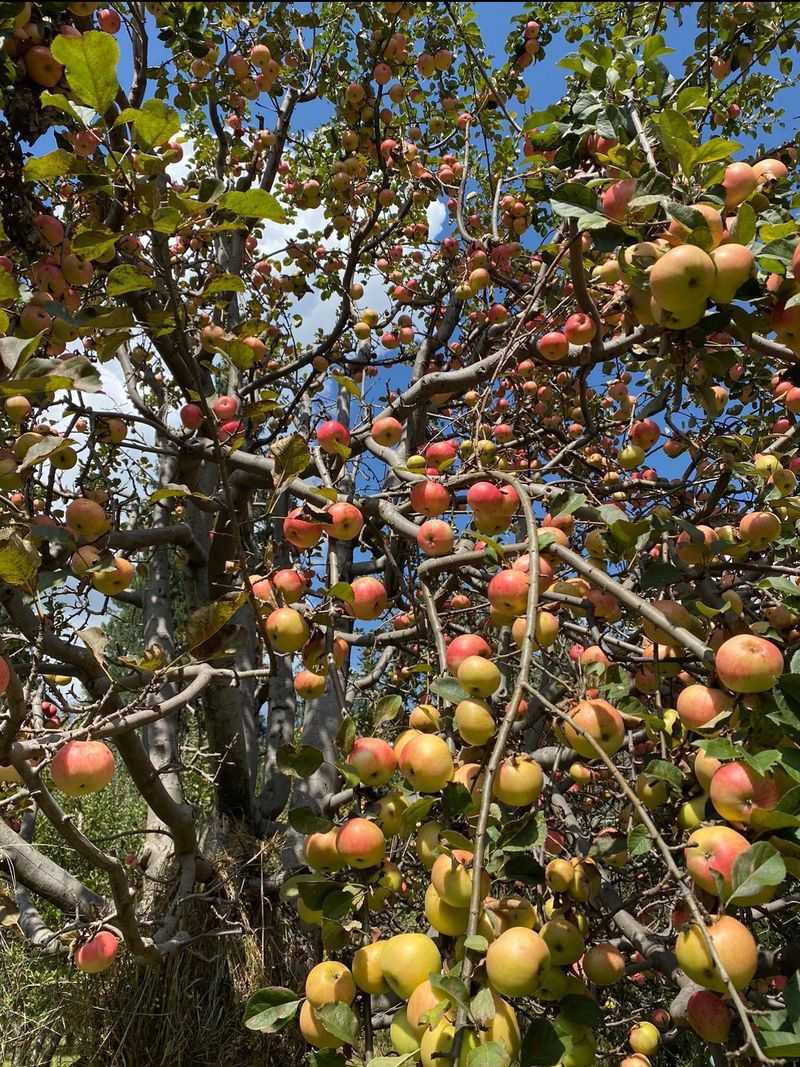
Fresh apples sound lovely right up until the planting hole itself turns into a small puddle every time a fall storm rolls through the region.
Apple trees are quite vulnerable to root problems in poorly drained soil, more so than many gardeners expect from a tree that otherwise seems so forgiving, hardy, and easy to grow in most home orchards.
Wet feet can lead to weak growth, early leaf drop, and a slow overall decline that often gets blamed on the wrong cause entirely, sending gardeners chasing pest treatments or fertilizer schedules instead of the real problem.
Home gardeners frequently point to cold weather or insect damage when an apple tree struggles through its first few seasons, yet the real trouble usually sits underground in soil that never properly drains between one rain event and the next.
Fruit production often suffers first, showing up as smaller, less flavorful apples even before the tree itself shows dramatic outward signs of stress.
For Oregon yards that stay wet in fall and winter, raised beds, berms, or simply choosing another planting area altogether tends to make far better sense than fighting a low, soggy spot year after year with limited success.
A little extra planning before planting saves years of disappointing harvests and repeated attempts to nurse a struggling tree back to reliable health.
4. Cherry Trees
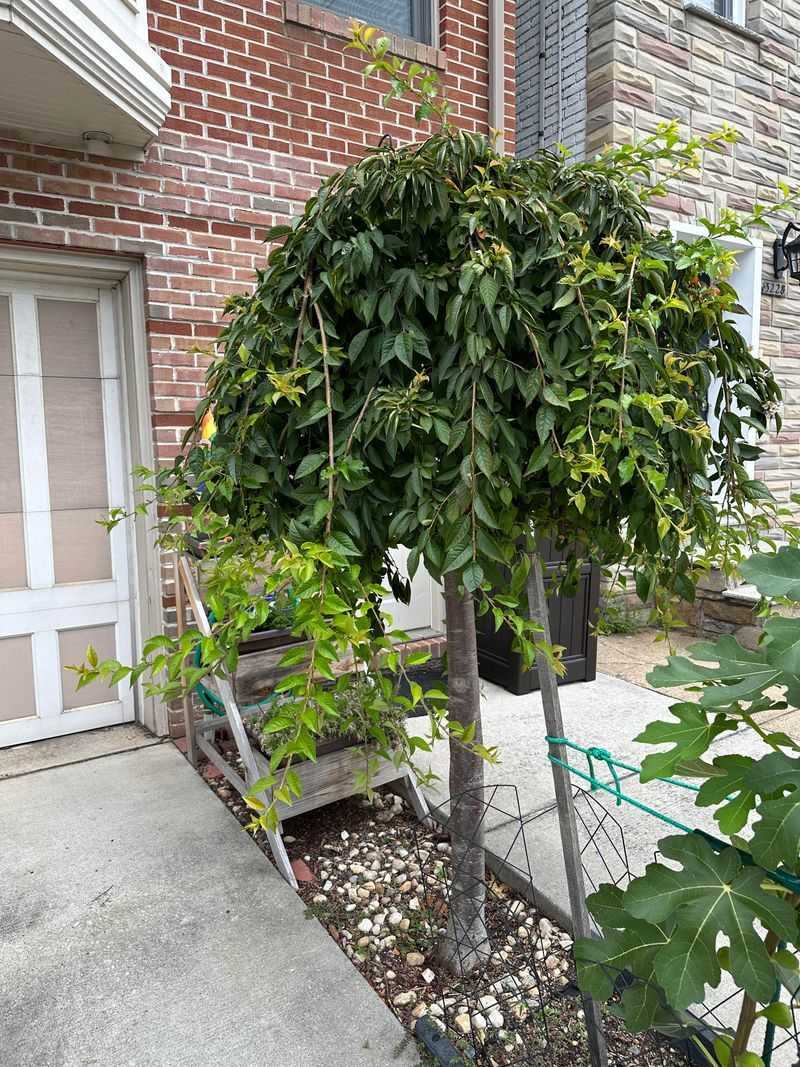
Cherry trees carry a reputation as a rewarding backyard planting, offering both spring blossoms and summer fruit, but that reputation comes with a real catch once soil holds water for too long.
Cherry, along with peach and pear, sits among the fruit trees most vulnerable to root rot and general decline once soil stays saturated for extended stretches through the wet Oregon season each year.
Wet feet stress the roots directly, and that stress shows up above ground as sparse leaves, poor fruit set, and branches that seem to weaken for no obvious reason a casual observer might spot right away.
Gardeners often assume a struggling cherry tree simply needs more fertilizer or a different pruning schedule, when the actual fix involves moving the tree entirely or improving drainage at the site itself before any other intervention.
Fungal problems tend to move in quickly once roots are compromised, compounding the original drainage issue with a secondary disease problem that makes recovery even harder.
A raised planting mound or a well-amended bed gives cherry roots the oxygen they genuinely need, turning a spot that would otherwise doom the tree into one where it can actually settle in, establish properly, and thrive for years to come.
Choosing the right site from the very beginning saves considerable disappointment down the road, especially for a tree that takes several years to reach full fruiting maturity.
5. Peach Trees
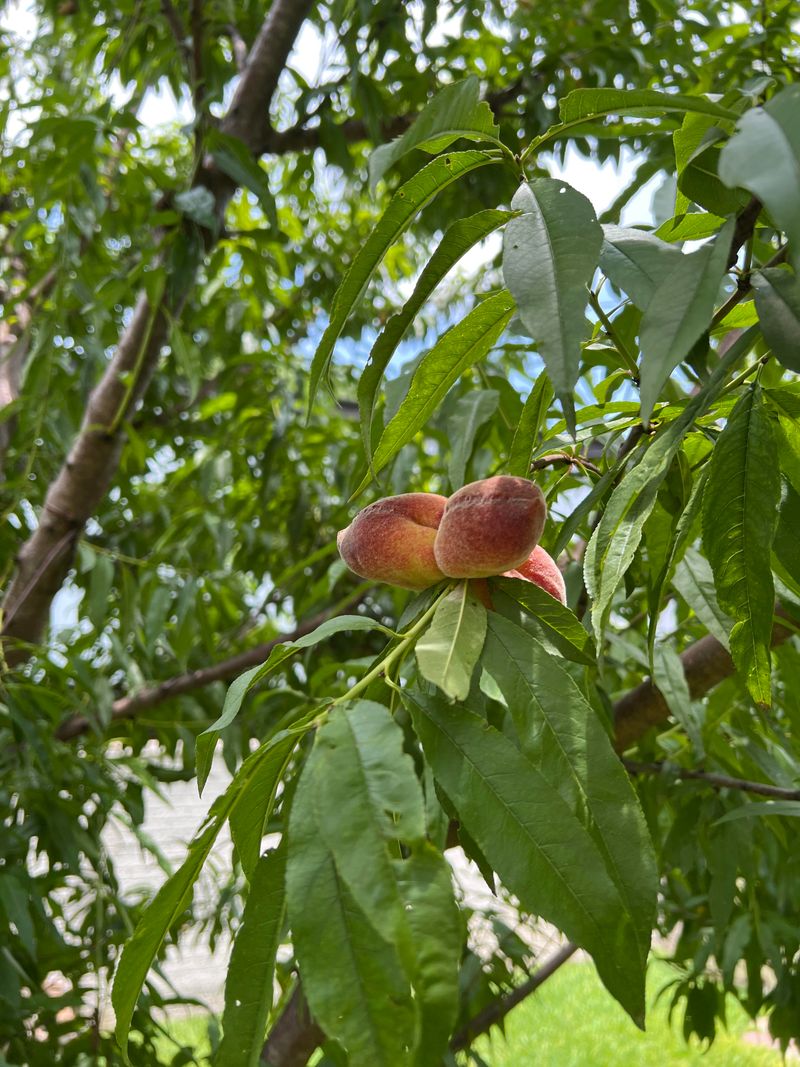
Peach trees ask for more than sun and warmth to produce a good harvest each summer, and drainage ranks right up there with those other basic requirements in genuine importance.
Like its fruit tree relatives, peach struggles badly in poorly drained soil, showing weak growth, dropped leaves, and an early decline that tends to accelerate quickly once root rot sets in and spreads through the root ball.
Oregon’s wet fall and winter stretch puts particular pressure on peach trees planted in low spots, since standing water around the roots for even a portion of the season can undo months of otherwise careful, attentive care.
Home gardeners sometimes chase the wrong fix here too, assuming a struggling peach tree needs different fertilizer or pest treatment, when the soil itself is the actual root of the problem sitting quietly underground the whole time.
Peach trees are also somewhat shorter lived than other fruit trees even under ideal conditions, so any additional stress from poor drainage can shorten an already limited productive lifespan considerably.
Raised beds, berms, or a genuinely different planting site all give peach trees a far better shot at surviving Oregon’s wet season intact and coming back strong the following spring with healthy blossoms.
Testing drainage before planting takes only an afternoon and can spare years of frustration with a tree that never quite thrives.
6. Western Red Cedar
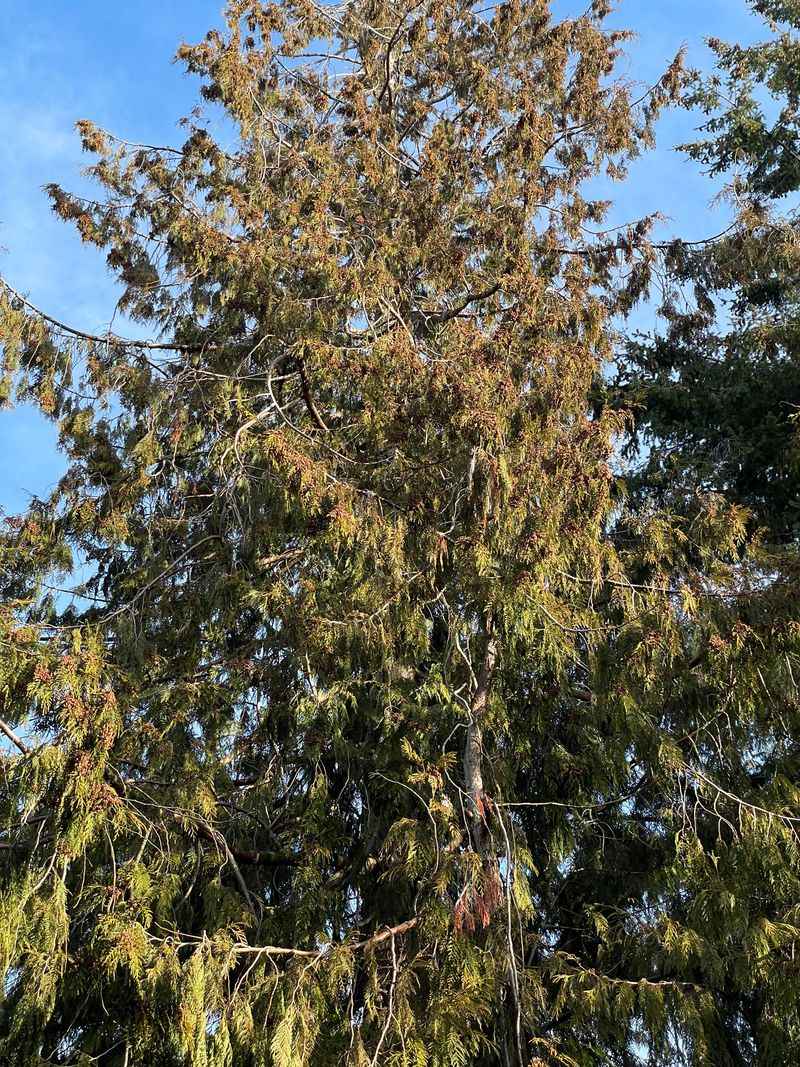
Here is the surprise many Oregon gardeners miss entirely, mostly because the tree feels like such an obvious, safe native choice for any wet corner of the yard that needs filling.
Western red cedar is native and closely linked with moist Northwest forests, yet it still prefers soil that drains reasonably well rather than a spot that stays fully waterlogged for weeks at a stretch through the rainy season.
Constant saturation can stress the roots and open the door to disease, even for a tree that grows naturally throughout some of the wettest forests in the entire region under the right conditions.
Native does not always mean bog tolerant, and that distinction trips up plenty of well-intentioned Oregon gardeners working with a genuinely soggy yard who assume any native plant will automatically thrive there without issue.
In its natural forest setting, western red cedar typically grows on slopes or slightly elevated ground near streams, benefiting from moisture without ever sitting directly in standing water for extended periods.
For a truly wet spot, do not assume cedar will simply handle it on its own just because it grows naturally nearby without any real drainage improvements made first before planting.
A little grading or a raised planting area can make the difference between a thriving specimen and one that slowly declines over several disappointing seasons.
7. Japanese Maple
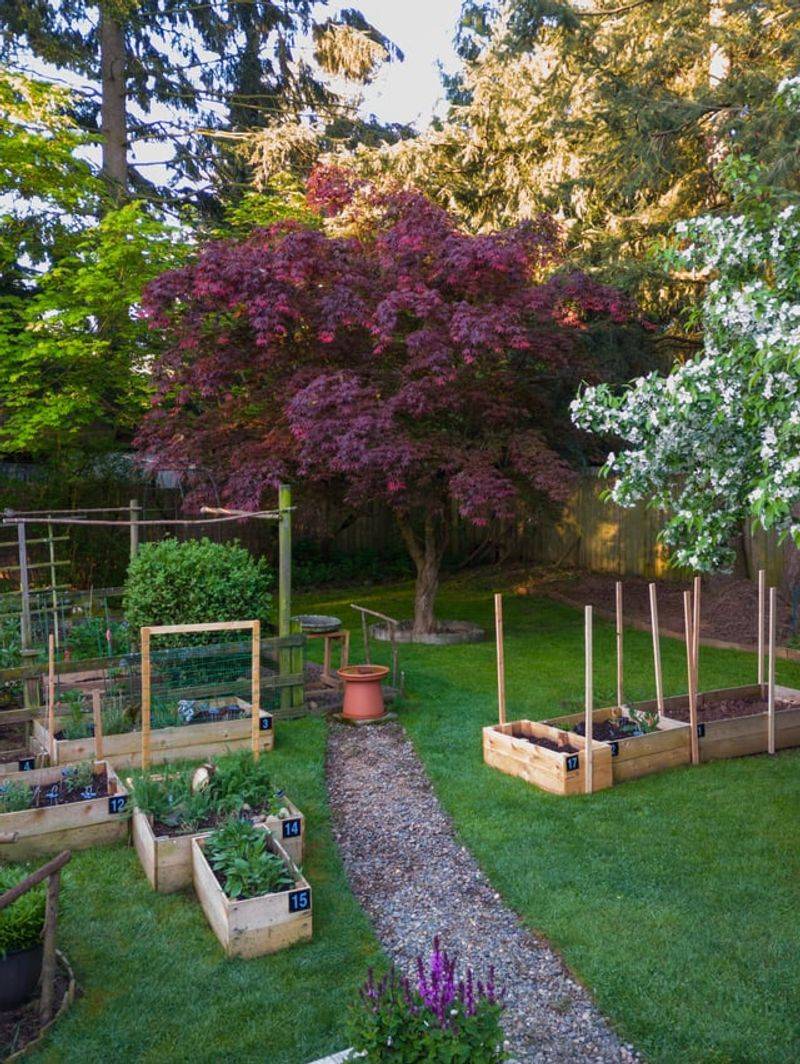
Few small trees charm a yard quite like a Japanese maple lit up in full autumn color, with leaves ranging from deep red to bright orange depending on the specific variety chosen for the space.
Still, that beauty comes with a real limit, since consistently soggy soil can suffocate the roots and lead to poor color, branch decline, or disease problems that undercut everything the tree is supposed to offer visually each fall.
A wet corner of the yard is rarely the right stage for this particular tree, no matter how well the rest of the planting design might otherwise call for one placed right there for visual balance.
Before planting one, check how long puddles actually stay after a hard Oregon rain, since even a few hours of standing water repeated consistently through the season can add up to real, cumulative root stress over time.
Japanese maples also tend to have relatively shallow, fine root systems compared to larger shade trees, which makes them especially sensitive to oxygen-starved, waterlogged soil even during a single particularly wet winter.
If water lingers noticeably in a spot after rainfall, move the tree to higher ground or use a raised planting area instead, giving those shallow, sensitive roots the drainage they genuinely need to thrive rather than merely survive.
A well-drained container or raised bed can let a gardener enjoy this tree’s fall display even in a yard where the ground itself stays generally too wet.
8. Flowering Cherry
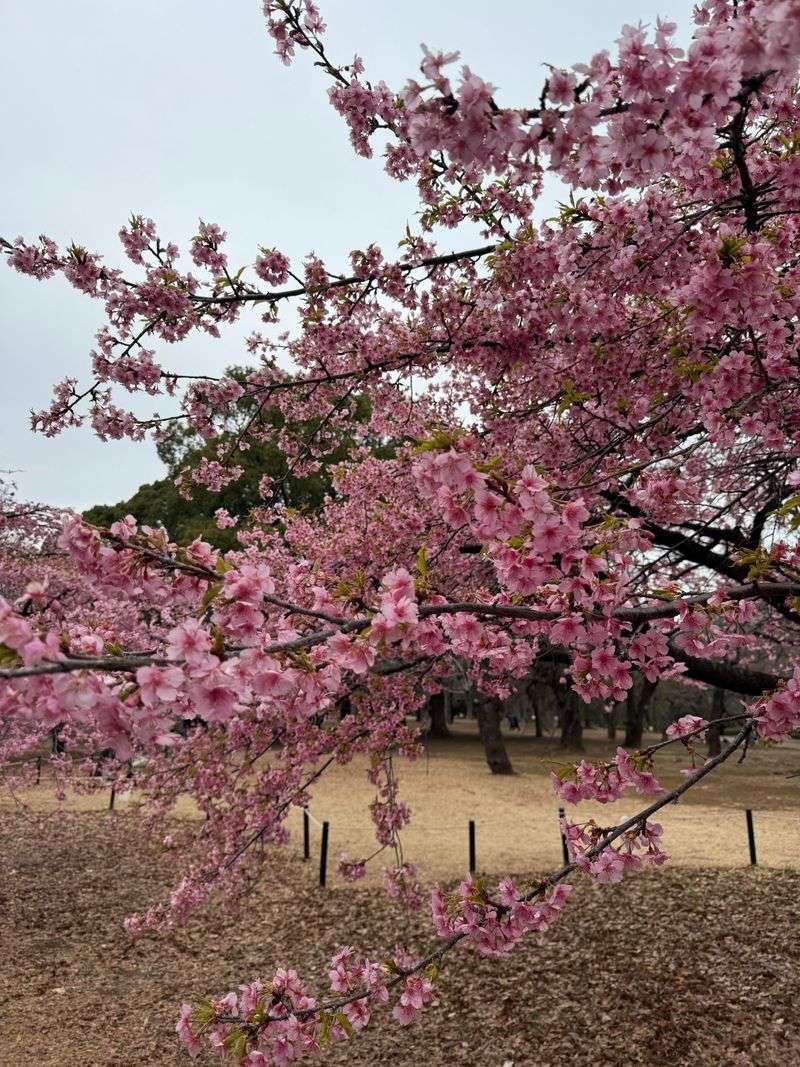
Flowering cherry trees draw plenty of attention each spring for their brief, showy bloom, but that same ornamental appeal often leads gardeners to plant them without much thought toward drainage or long-term site conditions.
Like their fruit-bearing cousins, flowering cherry trees handle standing water poorly, developing weak root systems and general decline when planted in a spot that stays saturated through fall and winter across most of the wet season.
Symptoms tend to show up gradually at first, with fewer blooms each spring and thinning branches, before the tree’s overall health drops more noticeably over the course of a season or two of continued stress.
Because the bloom display is often the entire reason someone plants a flowering cherry in the first place, losing that show to root stress feels like a particularly disappointing outcome after the investment of time, money, and anticipation involved.
Fungal cankers and other diseases often move in once the tree is already weakened by poor drainage, compounding the original problem and making recovery considerably harder without significant intervention.
Choosing higher ground, or amending a low spot heavily with organic matter and improved drainage before planting, gives a flowering cherry the fighting chance it needs to put on its signature spring display for years.
A thoughtful site choice at the very start remains far easier than trying to rescue a struggling tree once root damage has already taken hold.