Why Some California Counties Ban Plants Their Neighboring Counties Still Sell
A plant that is perfectly legal to grow in one California county may be restricted just a few miles away, which can leave gardeners confused.
You might find a favorite shrub, tree, or flower at a local nursery only to discover that planting it in your own yard is not allowed.
These differences usually come down to local concerns like water use, wildfire risk, invasive growth, or protecting native ecosystems.
California’s diverse climates mean that a plant that behaves well in one area can create problems in another.
Before adding something new to your landscape, it helps to check the rules where you live and understand why certain plants face restrictions.
Knowing the reason behind these bans can help you choose better options for your garden while avoiding costly mistakes later.
1. Plant Rules Are Often Decided Locally
Here is something many gardeners never expect. The state of California sets big picture rules, but a lot of plant decisions happen much closer to home.
Counties and even cities can make their own choices about what grows well and what causes trouble. They look at their own weather, soil, and safety needs. That is why one county might discourage a plant while the county next door shrugs it off.
Local leaders often work with fire officials, farm experts, and water agencies. These groups know the area better than a statewide office ever could. Their advice shapes what shows up on approved or discouraged lists.
You might see this in action at a county fair or a local extension office. Staff there can tell you exactly what your area recommends. Their tips reflect your neighborhood, not some distant place.
Because these rules are local, they can feel uneven across a short distance. A road might separate two very different sets of guidelines. That gap is normal and usually well meaning.
The smart move is simple. Before buying, check your county website or call your local ag office. A quick question can spare you from planting something your area frowns upon, and it helps you fit right into your community.
2. Fire Risk Changes From One County To Another

Picture two counties sitting side by side. One is cool and foggy near the coast. The other bakes in dry, hot summers with lots of brush.
Those two places face very different fire dangers. So it makes sense that their plant advice would not match. What is safe in damp air can be risky in a dry canyon.
Some plants hold oils or dry leaves that catch fire fast. In high risk areas, officials often steer people away from them. In wetter zones, the same plant might be totally fine.
Fire experts talk about creating defensible space around homes. That means choosing plants that resist flames and stay green with less water. Counties with big fire seasons push these choices hard.
You may notice this most in hilly or wooded neighborhoods. Homes tucked against wild land need extra care. The plant rules there reflect real safety worries, not just picky preferences.
Your California Garden Changes Every Week. Your Plan Should Too.
Gardening in California changes quickly throughout the season. Every Friday you’ll receive a simple weekly plan showing exactly what to plant, prune, fertilize, harvest, and protect so you never miss the right timing.
A helpful tip is to look for fire smart plant lists from your local fire agency. These lists show what works best where you live. They also point out risky choices to skip.
By matching your garden to your county’s fire level, you protect your house and your neighbors. It is a caring, practical way to plan a yard that fits your surroundings.
3. Some Plants Are Restricted Because They Spread Easily
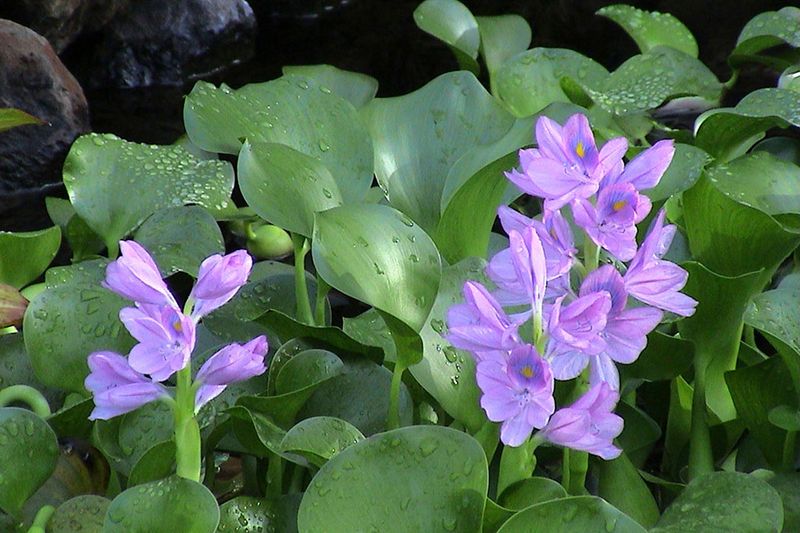
Not every plant knows how to stay in its own space. A few are pushy travelers that leap fences and take over wild areas.
These fast spreaders are called invasive plants. They crowd out native species and change whole landscapes. Once they escape a garden, they can be very hard to control.
Counties with sensitive habitats watch these plants closely. If a species jumps easily from yards into open land, officials may restrict it. Their goal is to protect local nature.
Meanwhile, a neighboring county with fewer wild edges might not worry as much. That county could still allow the same plant on store shelves. The difference comes down to what is nearby.
Wind, birds, and water all help seeds move around. A plant that seems tidy in your yard might scatter far beyond it. That hidden travel is what worries land managers.
A good habit is to ask nursery staff if a plant is known to spread. Many will tell you honestly. You can also search invasive plant lists for California.
Choosing well behaved plants keeps your garden pretty and your region healthy. It also saves future cleanup work for parks and farms. Picking non spreaders is a small choice with a big, lasting payoff for everyone around you.
4. Water Rules Influence What Gets Recommended
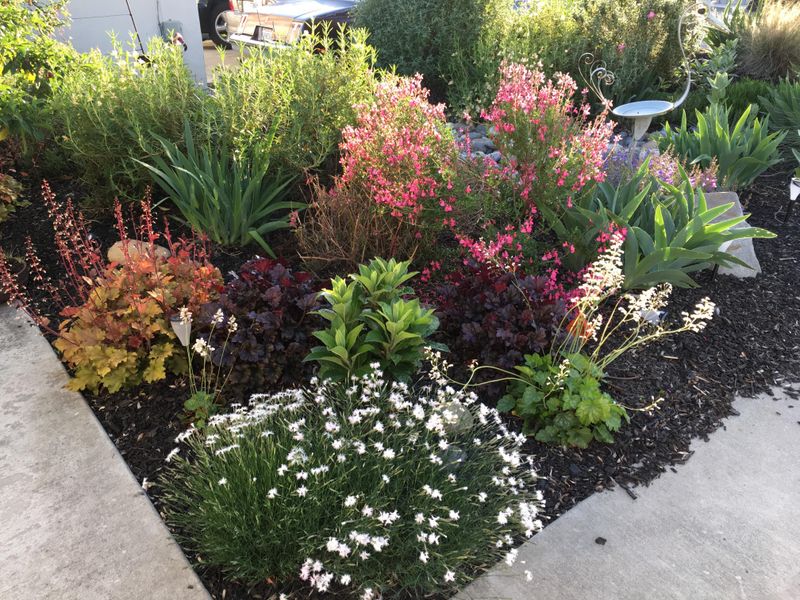
Water is precious in much of California, and it shapes garden advice more than people realize. Dry years make every drop count.
Counties that face frequent droughts often push low water plants. They may discourage thirsty species that gulp gallons all summer. This helps stretch limited supplies.
A wetter or cooler county might not feel the same squeeze. There, a thirsty plant could be perfectly welcome. The advice shifts based on how much water is available.
You have probably seen rebates for replacing lawns with drought friendly yards. Those programs come from water agencies trying to save resources. Their plant suggestions match that goal.
Low water gardens can still look lush and colorful. Succulents, native shrubs, and grasses bring beauty without heavy watering. Many people fall in love with the easy care style.
Before buying, check your water district’s plant guide. It often lists smart picks for your area. These lists reflect local rainfall and reservoir levels.
Matching your plants to your water reality is a wise move. It lowers your bills and keeps your yard thriving through dry spells. Plus, it supports your whole community during shortages.
So when you see different plant advice across county lines, remember that water may be the quiet reason behind it all.
5. A Nursery Can Sell A Plant That Your County Discourages
Here is a twist that surprises a lot of shoppers. A nursery can legally sell a plant even if your county quietly warns against it.
That is because selling and recommending are two different things. Many discouraged plants are not fully banned by law. They just show up on caution lists.
Nurseries often serve a wide region with many counties. Stocking a plant that works in most areas makes business sense. So the shelf may hold something your specific area avoids.
The store is not trying to trick you. Staff may not know your exact county guidance. It is up to shoppers to check their local lists.
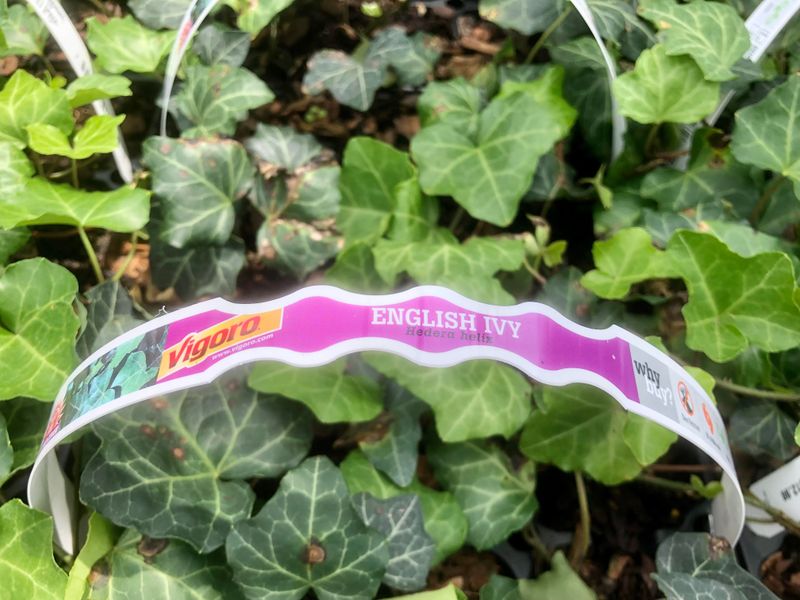
You can protect yourself with one simple habit. Snap a photo of the plant tag and look it up before buying. A quick search reveals any warnings.
Friendly nursery workers are usually happy to help too. Ask if a plant spreads, needs lots of water, or poses fire risk. Their honest answers guide better choices.
Being an informed buyer feels good. You get the plants you love while dodging future headaches. You also avoid accidentally introducing a troublemaker to your yard.
The lesson is clear. A price tag does not mean a plant is a smart fit for your county, so a little homework pays off nicely.
6. Wildland Areas Often Have Stricter Restrictions
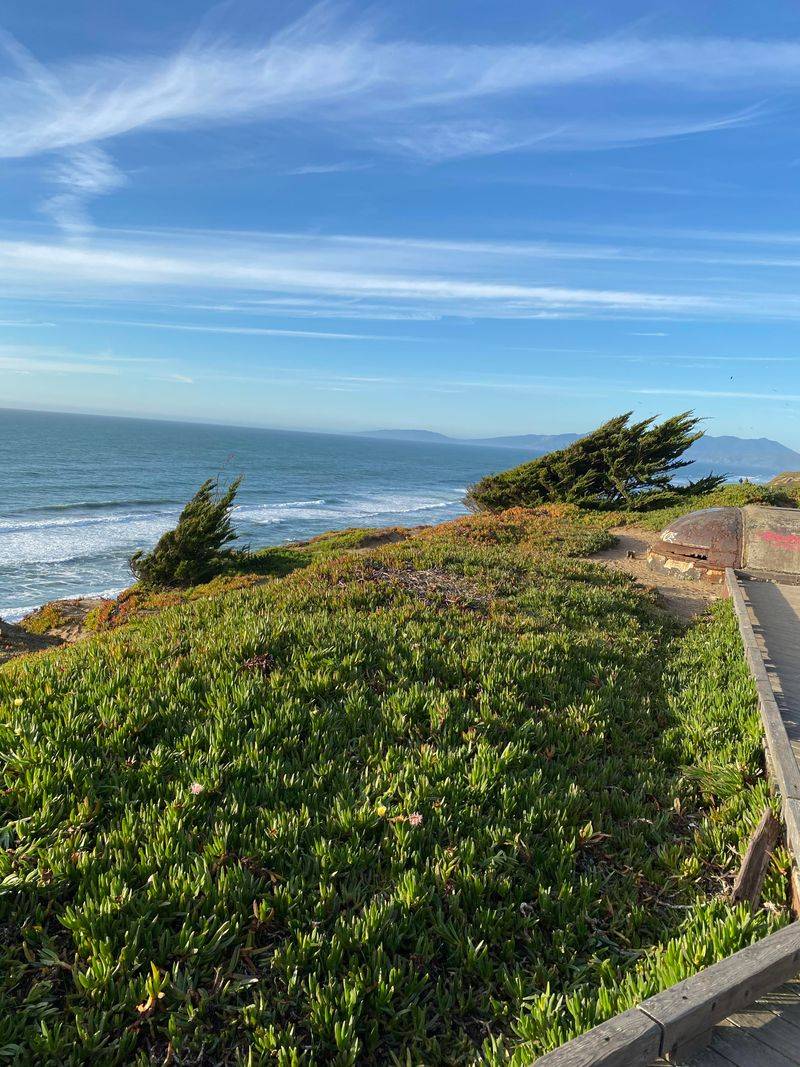
Homes that sit near forests, canyons, or open hills live by tougher rules. The reason is the wild land right at their doorstep.
These edges are called the wildland urban interface. It is where neighborhoods meet nature. Plant choices there carry extra weight.
Fire spreads fast through dry brush, so risky plants get discouraged more strongly. Officials want a safe buffer between houses and wilderness. Every plant becomes part of that shield.
Invasive species are also a bigger concern near wild land. A pushy plant can escape a yard and race into open habitat. That is why lists near forests can be strict.
Counties with lots of these edges enforce careful guidance. A county with mostly city blocks may relax the same rules. The setting drives the difference.
If your home borders wild space, treat plant choices seriously. Look for fire resistant and non spreading options. Local fire and park agencies offer helpful guides.
Keeping a tidy, safe buffer protects your family and the wilderness you enjoy. It also helps firefighters do their job if trouble comes.
Living near nature is a gift, and thoughtful planting keeps it that way. Choosing wisely means you can enjoy the view without adding extra risk to your beautiful surroundings.
7. HOAs Can Add Another Layer Of Rules

Just when county rules seem clear, another group can step in. Homeowner associations, or HOAs, set their own plant standards too.
These groups manage shared neighborhood looks. They may require certain plants or ban others entirely. Their rules sit on top of county guidance.
An HOA might love neat, uniform yards. Some ask for specific colors or low water designs. Others limit tall trees that block views.
This can create odd overlaps. Your county might allow a plant while your HOA says no. Both rules apply to you at once.
Before planting, read your HOA handbook carefully. It usually lists approved and forbidden choices. Ignoring it can lead to fines or removal notices.
You can also attend HOA meetings and ask questions. Many boards welcome friendly input from residents. You might even suggest adding water wise plants.
The trick is checking both layers of rules together. Match county advice and HOA rules before you buy. That saves money and avoids conflict.
HOAs are not trying to spoil your fun. They aim for neighborhoods that look tidy and stay safe. Working with them keeps things smooth.
So remember, even a county approved plant might need HOA approval. A quick review of both sets of rules keeps your garden dreams on solid ground.
8. Native Plants May Still Need Local Approval
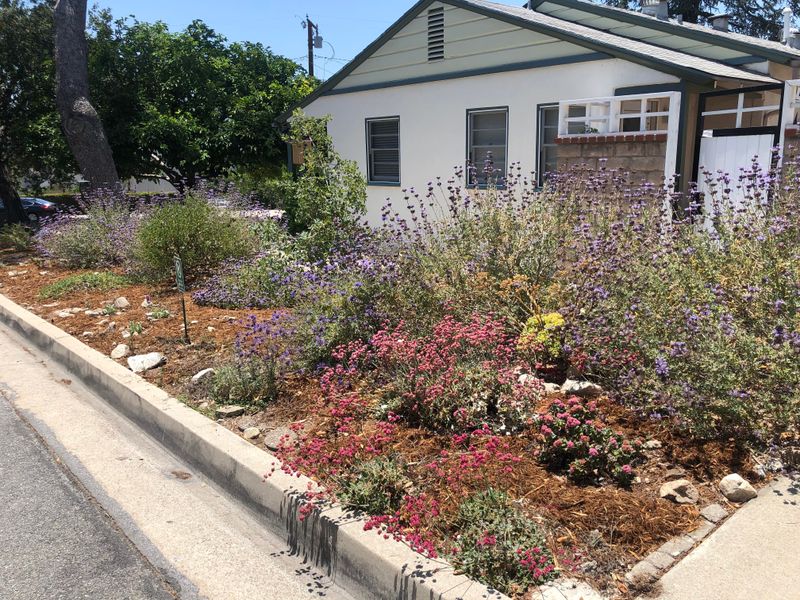
You might think native plants are always a safe bet. Mostly they are, but there is a small catch worth knowing.
Native species belong to California and support local wildlife. They handle the climate well and need less water. Gardeners and officials usually love them.
Still, not every native fits every yard perfectly. Some grow huge or spread wider than expected. A few can even add fire fuel if placed poorly.
That is why certain counties still want a look before you plant. Local guides may suggest the best natives for your exact area. Placement matters as much as the plant itself.
An HOA might also have opinions about native gardens. Some worry they look wild or messy. A little planning keeps everyone happy.
The good news is that natives are usually easy to approve. Local experts can point you to winners for your zone. They know which ones thrive and behave.
Check with your county extension office or a native plant society. They offer plant lists made for your region. Their advice takes the guesswork away.
Growing natives is one of the kindest things you can do for local birds and bees. Just pair the right species with the right spot, and get any needed nods first, so your garden helps nature shine.
9. County Lists Can Change Over Time
One last thing surprises long time gardeners. The rules you learned years ago may not be the rules today.
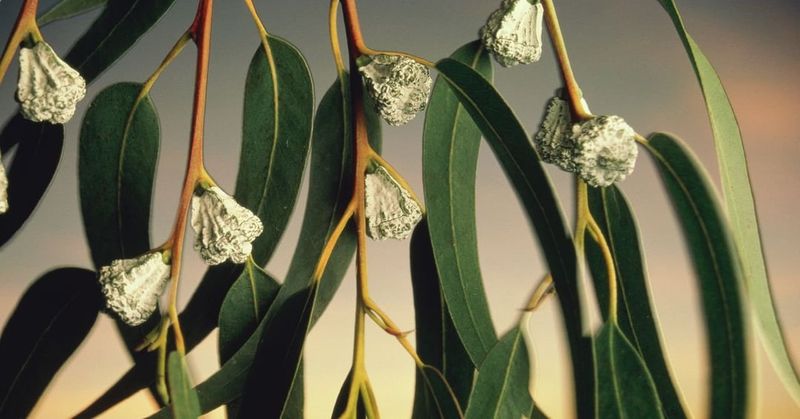
County plant lists are living documents. They get updated as conditions shift. New droughts, fires, and pests all bring changes.
A plant welcomed a decade ago might land on a caution list now. Scientists learn more about how species behave over time. Their findings shape fresh guidance.
Climate patterns also move the goalposts. Hotter, drier years push counties toward tougher water and fire rules. Yesterday’s safe pick can become today’s worry.
New invasive threats appear too. When a plant starts escaping into wild land, officials react. They add it to restricted lists to slow the spread.
Because of all this, checking rules once is not enough. Make a habit of reviewing your county guide every year or two. A quick peek keeps you current.
You can sign up for updates from your county or water district. Many send newsletters with the latest advice. Staying informed is easy and free.
Gardening rewards people who stay curious and flexible. When rules shift, you can adjust and still enjoy a beautiful yard. Keeping up with changes protects your plants, your wallet, and the wild places you cherish, season after season, year after year.