Why Paper Birch Struggles In Hot Michigan Front Yards (And Where It Actually Belongs)
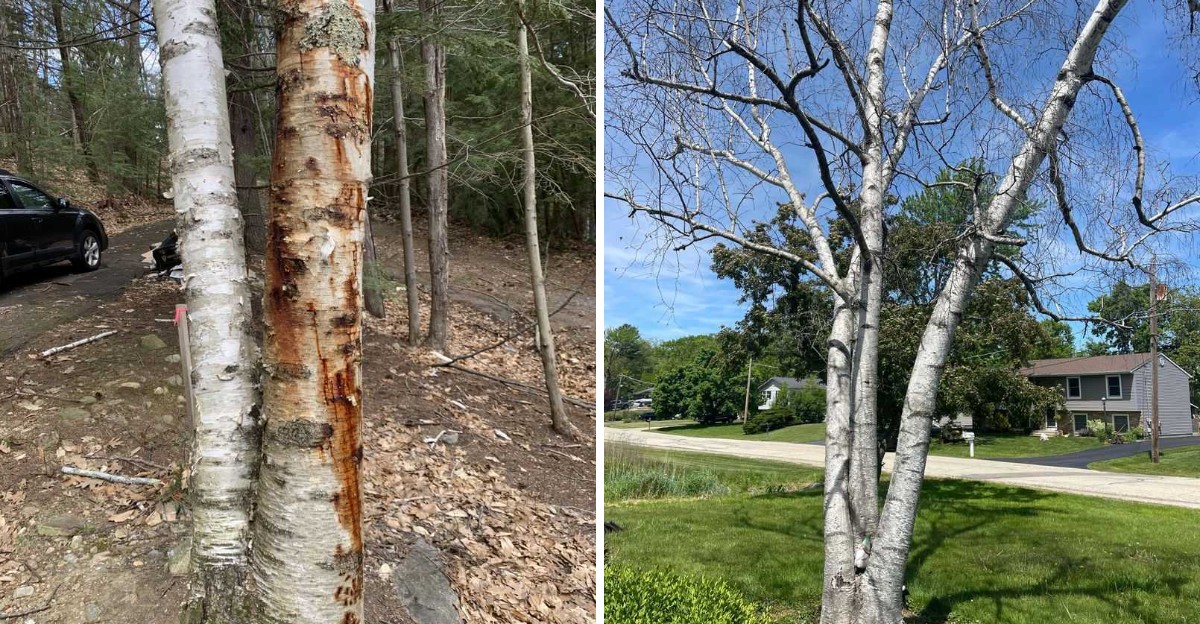
A paper birch can look absolutely perfect the day it goes in the ground. White bark glowing, branches swaying, exactly the picture every Michigan homeowner had in mind.
By August, that same tree tells a different story. Leaves curling early, growth slowing down, something clearly off despite watering on schedule.
That gap between spring hope and summer struggle says something important. This tree is not broken. The spot it landed in might be.
Many yards get this backwards without realizing it. Sunny driveway, open lawn, plenty of space, looks like an ideal front yard tree location on paper.
Paper birch does not read it that way. It grew up expecting cooler air, moist soil, and shade easing in by afternoon, not a heat-soaked strip beside the driveway.
Get the placement right, and this tree stops being a yearly disappointment and starts looking like the picture on the plant tag again.
1. Reflected Heat From Pavement Stresses Roots
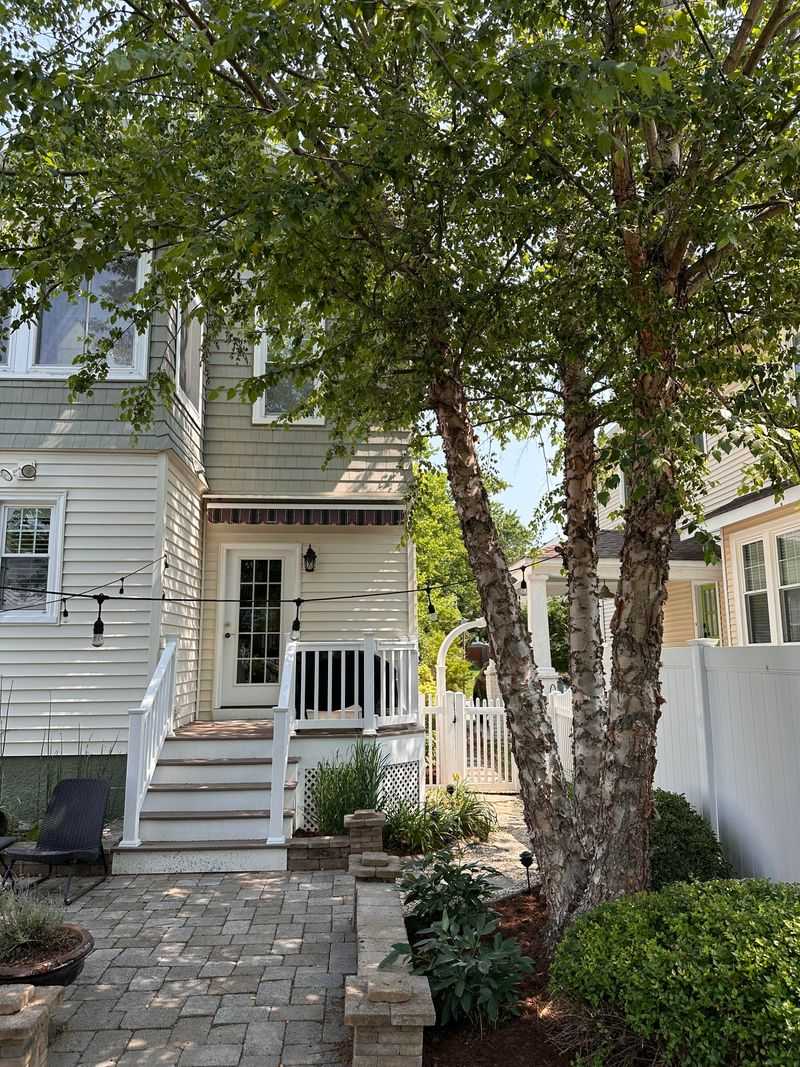
A paper birch near a driveway can look completely fine come spring, then start fading fast once summer settles in for real.
Pavement, brick, and stone soak up sunshine all day long. That stored heat radiates back out around the trunk and root zone long after the sun moves on, keeping soil temperatures higher than this tree ever expects to handle.
Roots sitting close to the surface feel that heat first and worst. Warmer soil dries out faster, and a shallow root system has very little buffer against that kind of moisture loss.
Even a well-maintained yard can work against a birch here. Neat edging and tidy pavement often mean less soil volume and more reflected heat crowding the root zone from multiple directions at once.
So what actually helps? Distance is the simplest fix. Planting farther from sidewalks and driveways removes a good chunk of that reflected heat problem before it even starts.
Mulch matters too, and a generous ring works better than a thin decorative layer. That extra buffer keeps soil temperatures more stable through the hottest stretches of summer.
Skip the tight paved planting beds entirely if you can. Those enclosed spots trap heat on every side, leaving roots with nowhere to catch a break once afternoon sun really gets going.
A little extra breathing room from pavement changes this tree’s whole summer experience. Sometimes the kindest thing you can do is just give it more open ground.
2. Shallow Roots Dry Out Quickly
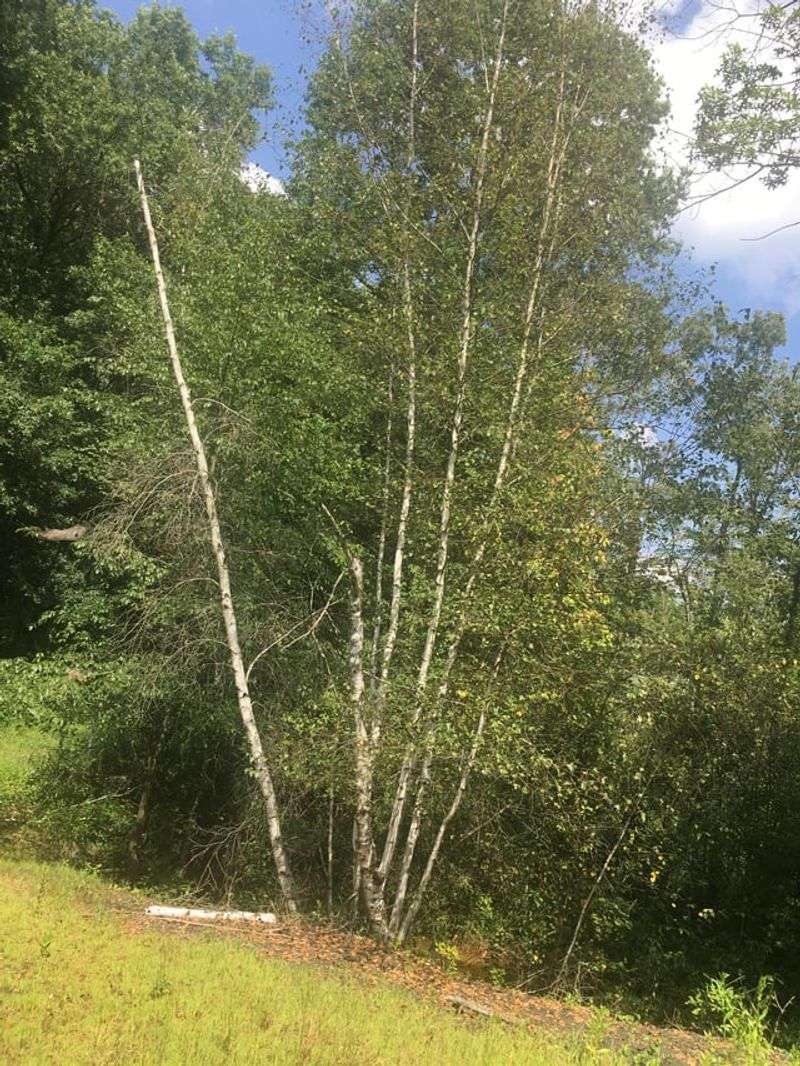
Underground, paper birch plays a different game than many tougher street trees. Instead of driving roots deep where moisture lingers, it keeps most of its feeding roots close to the surface.
That shallow habit leaves it exposed. Summer heat, wind, and dry spells all pull moisture from that top layer fast, faster than deeper-rooted trees ever have to worry about.
Here is where yards get tricky without anyone realizing it. A neat, mowed lawn right up to the trunk means turfgrass is quietly competing for that same shallow moisture, often winning before the birch gets its fair share.
Your Michigan Garden Changes Every Week. Your Plan Should Too.
Gardening in Michigan changes quickly throughout the season. Every Friday you’ll receive a simple weekly plan showing exactly what to plant, prune, fertilize, harvest, and protect so you never miss the right timing.
Light or occasional irrigation just is not enough for this setup. Shallow roots need more consistent access to water than a once-a-week soak typically provides during peak summer stretches.
A wider mulch ring solves part of this problem nicely. Beyond blocking grass competition, mulch keeps soil temperatures cooler and slows down evaporation from that vulnerable top layer of soil.
Steady watering during dry periods matters just as much as the mulch itself. This is not a tree that bounces back easily from long dry stretches once shallow roots start drying out completely.
Give those roots consistent moisture and a little breathing room from grass competition, and this tree handles late summer with far less drama than it would otherwise.
3. Southern Exposure Adds Unwanted Stress
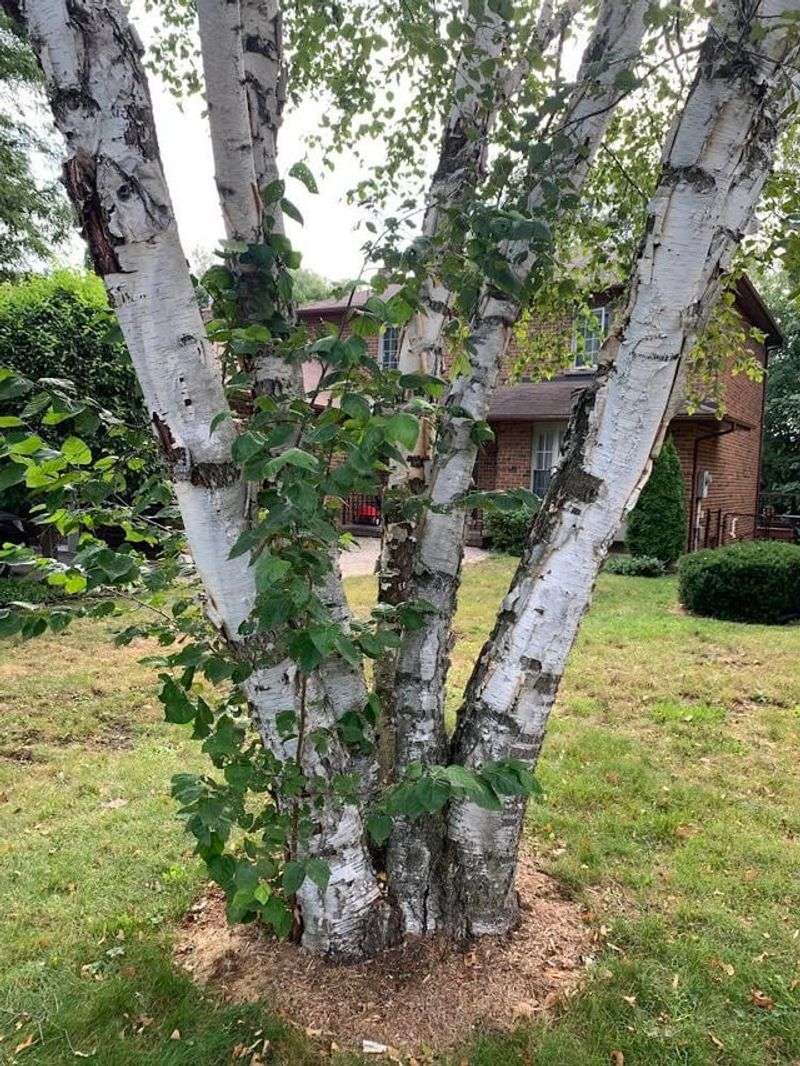
By lunchtime, a south-facing front yard can feel brutal, especially anywhere near roads, driveways, or foundations soaking up extra warmth throughout the day.
Paper birch never evolved for that kind of exposure. It comes from cooler forest settings where dappled light and filtered sun were the norm, not hours of unbroken southern glare beating down every afternoon.
Push this tree past that comfort zone, and problems show up fast. Leaves can scorch at the edges, growth slows down noticeably, and general stress opens the door to other issues that a happier, cooler-sited tree would likely shrug off.
Here is the frustrating part. From the sidewalk, a south-facing spot often looks like the obvious choice. Full sun, open space, nothing blocking the view of that beautiful white bark everyone wants to show off.
That visual appeal does not match what the tree actually needs to thrive long term. Looks great on day one, struggles by midsummer, every single year without fail.
If your front yard runs full blazing sun most of the afternoon, look toward the east or north side of the house instead. Those spots naturally offer gentler light without sacrificing much visibility from the street.
A slightly less prominent spot beats a front-and-center tree that spends every summer looking tired and stressed. Sometimes the better view is the one where the tree actually thrives.
4. Cooler Northern Sites Suit It Better
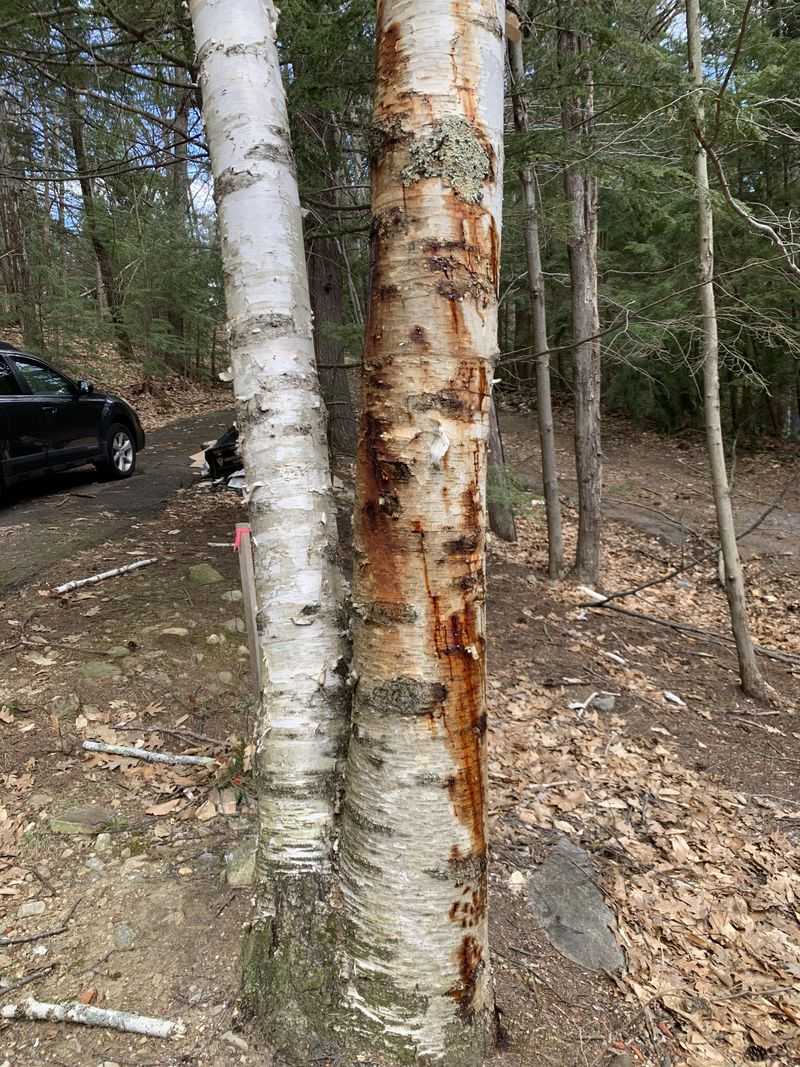
Travel farther north in Michigan, and paper birch tends to look noticeably more at ease. Cooler nights, milder summers, and less built-up heat all line up closer to what this species naturally expects.
That regional shift matters more than people usually assume. A tree fighting through hot, exposed neighborhoods farther south is working against its own biology in a way that northern conditions simply do not demand.
None of this guarantees automatic success just because a yard sits farther north though. Regional climate helps, but it is not a free pass around every other consideration this tree cares about.
Homeowners in warmer parts of southern Michigan face a tougher assignment overall.
Getting paper birch to thrive there usually takes much better siting, closer attention to consistent moisture, and often some afternoon shade to soften the harshest stretches of summer heat.
Skipping those extra steps in a warmer region tends to show up fast. A tree that would coast along fine up north can struggle noticeably without that added support farther south.
So what does this mean practically? If you live in a milder, cooler part of the state, this tree likely asks less of you overall. Farther south, plan on giving it a bit more help throughout the growing season.
Matching a plant to its natural comfort zone always makes gardening easier. Paper birch rewards that kind of matching with a much smoother relationship over the long run, wherever in Michigan you happen to be planting.
5. Moist, Well-Drained Soil Makes The Difference
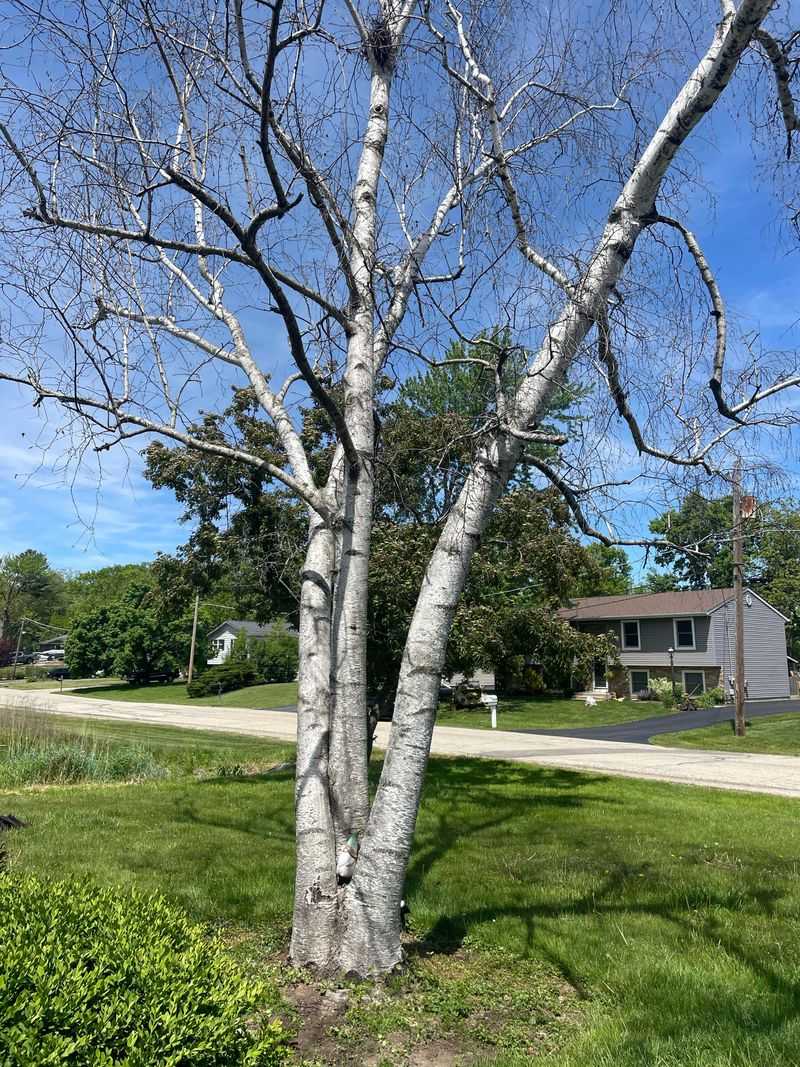
Gardeners sometimes assume thirsty and soggy are basically the same request. Paper birch disagrees completely, and that distinction matters more than it might seem at first.
This tree wants soil that stays evenly moist while still draining well. Roots need steady access to water, but they also need enough airflow in the soil to avoid sitting in stale, waterlogged ground for long stretches.
Heavy clay soil creates one kind of trouble here. It can bake hard during dry spells, then hold water too long after rain, swinging between extremes that never quite match what this tree actually wants.
Sandy soil causes the opposite headache. It drains so fast that moisture disappears before roots get much benefit, leaving the tree perpetually thirsty despite regular watering efforts.
Neither extreme does this species any favors. The sweet spot sits somewhere in the middle, consistent moisture without ever tipping into soggy, airless conditions that suffocate roots over time.
Organic matter worked into the soil helps bridge that gap nicely. It improves structure in heavy clay while helping sandy soil hold onto moisture longer than it naturally would on its own.
Mulching adds another layer of support here too, moderating moisture swings and keeping soil conditions steadier through both wet and dry stretches.
Choosing a spot with naturally dependable moisture from the start makes all of this easier. A little upfront attention to soil balance pays off across the entire life of the tree.
6. Part Shade Beats Full Afternoon Sun
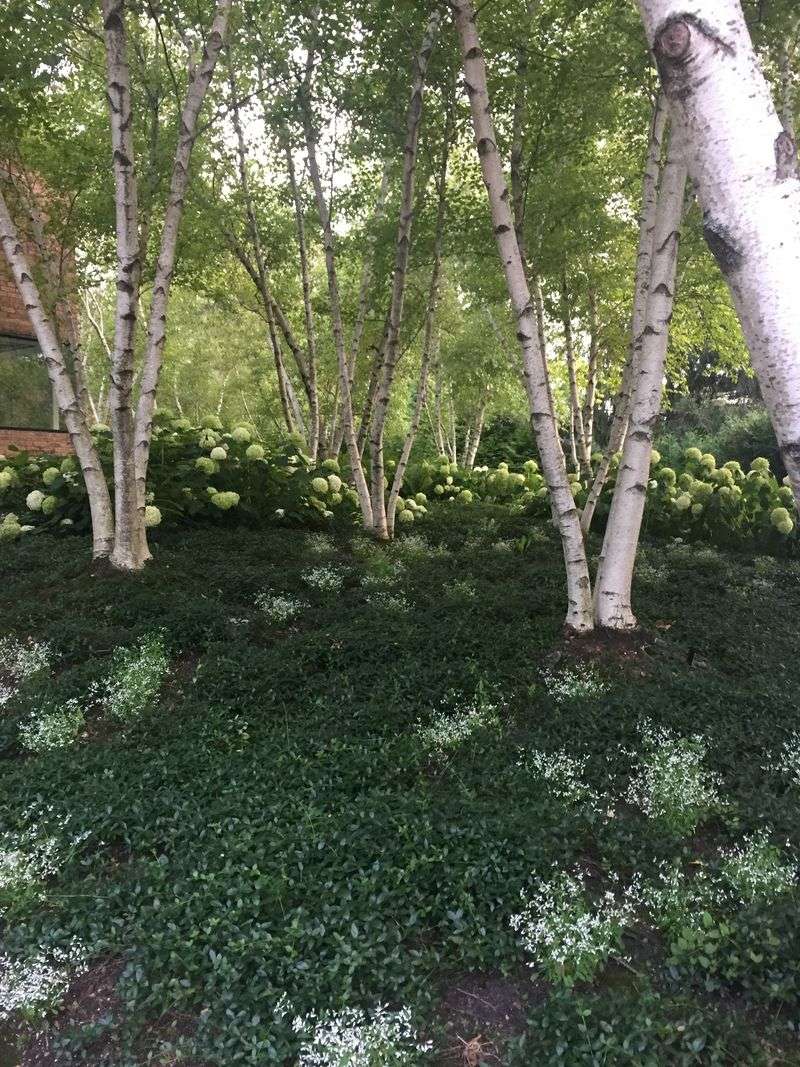
Morning light with relief later in the day tends to suit paper birch far better than a spot soaking in sun from dawn straight through evening.
Part shade helps in more ways than one. Soil holds moisture longer under those gentler conditions, and leaves along with that prized white bark avoid facing the harshest, most punishing stretch of afternoon heat.
Picture a woodland edge rather than an open parking lot island sitting alone under full exposure. That mental image captures pretty much exactly what this tree is hoping for when it comes to placement.
A spot near taller trees works nicely for this reason. Some overhead canopy filtering the sun mimics the dappled forest conditions this species naturally prefers, without leaving it in deep, heavy shade all day.
The east side of a home offers another solid option. Morning sun arrives gently, then the house itself provides relief once afternoon heat really starts building.
Full sun all day sounds appealing on a nursery tag, but it rarely matches what this particular tree performs best under. A little restraint on sun exposure actually works in its favor here.
Choosing part shade over blazing full sun might feel like a compromise at planting time. Watching this tree handle a hot Michigan summer with far less stress makes that trade feel like an easy call in hindsight.
7. Right Placement Solves Most Problems
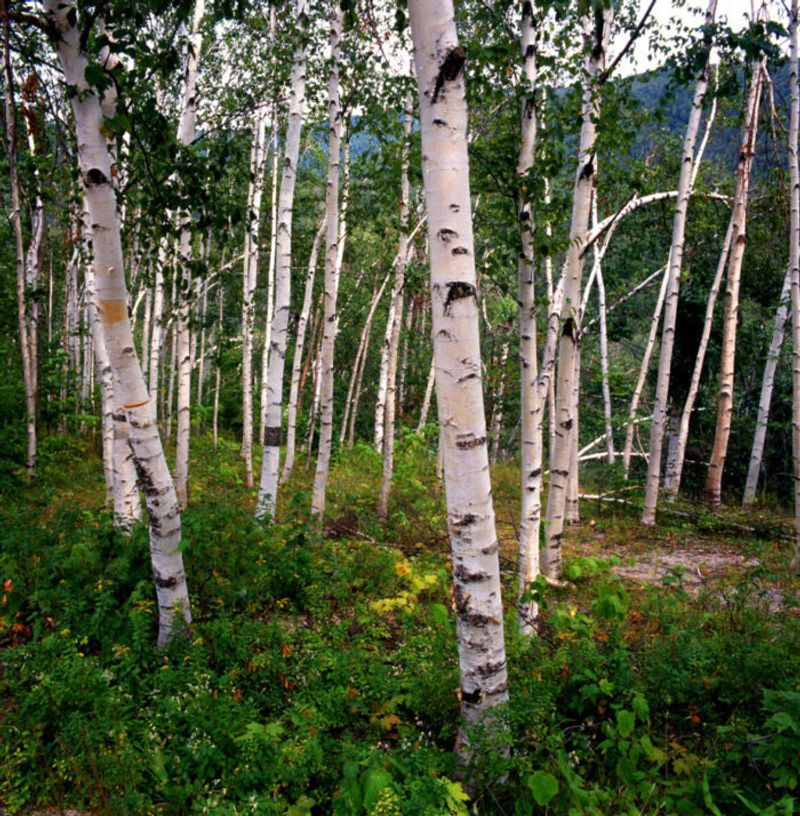
Picture paper birch somewhere the air feels a touch cooler, the soil holds moisture reliably, and the sun eases off once afternoon arrives. That combination, more than any single fix, is what actually makes this tree thrive.
Away from heat-reflecting pavement. Away from harsh southern exposure baking everything nearby.
That kind of placement matches this species far better than an open, bare front lawn ever could, no matter how much watering gets added afterward.
Here is the real takeaway after working through every stress factor individually. Shade, mulch, moisture, and a little breathing room from hardscape are not separate fixes competing for attention. They work together as one overall placement strategy.
Get those pieces aligned, and paper birch has a genuine shot at looking the way it does on the plant tag for years, not just its first hopeful spring.
If your yard genuinely cannot offer that kind of setup, that is worth admitting honestly rather than forcing the issue.
Some front yards are simply built around too much pavement and too much southern sun for this tree to ever settle in comfortably.
Choosing a different tree in that case is not a defeat. It is the smarter move, one that saves years of watching a stressed birch struggle through summer after summer.
Paper birch is not a difficult tree once it lands somewhere it actually belongs. Give it the right spot from the start, and most of its reputation for struggling in Michigan yards simply stops applying.
8. Skip The Foundation Planting Everyone Defaults To
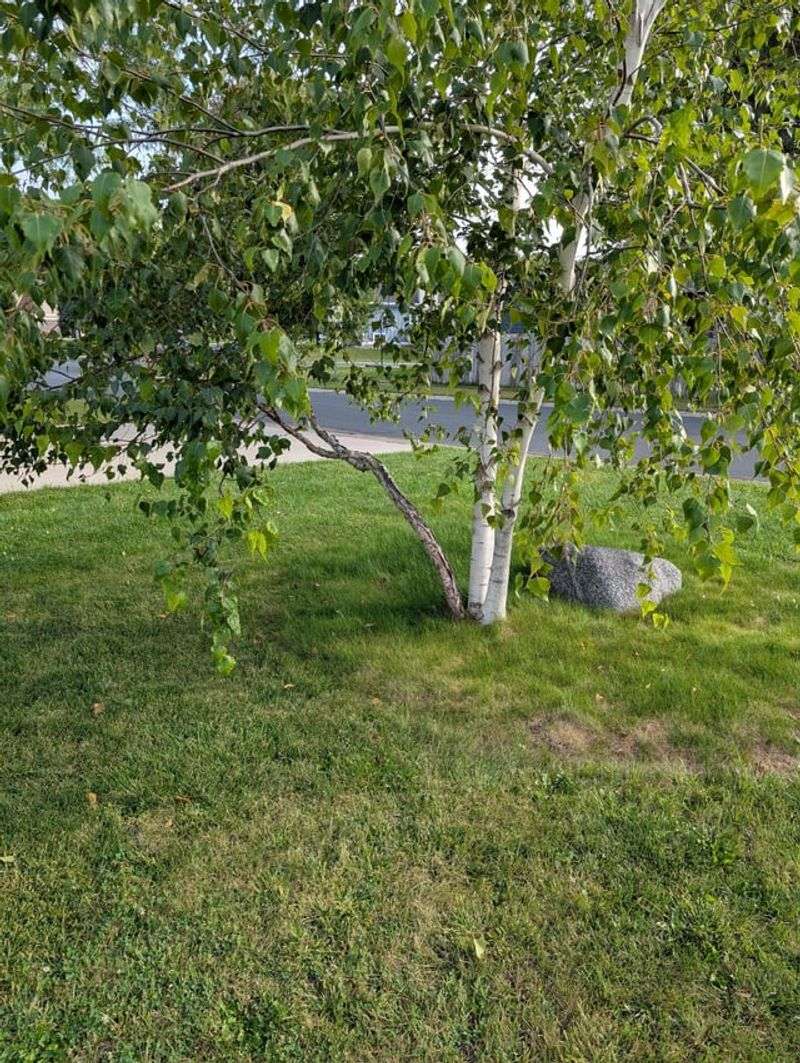
Foundation beds feel like the natural landing spot for a front yard tree. Right up against the house, framed by mulch, looking tidy and intentional from the street.
Paper birch does not benefit from that setup the way other foundation plants might.
Homes radiate stored heat outward, especially on south or west-facing walls that soak up sun most of the day and hold onto that warmth well into evening.
That extra warmth pushes soil temperatures higher right where this tree’s shallow roots are trying to stay cool and moist.
Combine that with reflected heat from any nearby walkway or driveway, and a foundation bed can turn into one of the hottest spots in the whole yard.
Root space runs into trouble here too. Foundation beds often sit narrow and shallow, squeezed between the house and a walkway, leaving very little room for roots to spread out and access moisture beyond that tight strip.
Utility lines and window wells add their own complications, sometimes forcing awkward pruning or root restrictions that this species handles poorly compared to tougher, more adaptable trees.
A better approach pulls the birch out into open lawn space, away from walls and pavement on multiple sides.
That gives roots room to spread and keeps the tree away from concentrated heat pockets that foundation plantings tend to create.
Front yards do not need to skip trees near the house entirely. Save that prime foundation real estate for something better suited to reflected heat, and give paper birch the more open, breathable spot it actually needs to thrive.