Connecticut Beds Are Easier To Fix In Fall Than In Spring
November in Connecticut smells like wet leaves and woodsmoke, and the low gold light shows up before dinner. Out in the yard, the ground has finally softened after months of summer heat.
Most gardeners save their repair work for spring, squeezing it between rain showers, soccer games, and a long list of chores. The timing feels natural enough, yet it rarely feels easy on the back or the calendar.
Right now the soil is cool on top and still holding a little warmth underneath, soft enough to work as long as the surface has dried to crumbs. Sticky mud, tangled roots, and stubborn crusts all behave differently after the summer heat backs off.
There is a short stretch each autumn when the ground turns unusually generous toward anyone willing to pick up a shovel. Miss it, and you spend April apologizing to your tomatoes.
Cool Soil And Quiet Weeds In The Autumn Window
Ground temperature does most of the heavy lifting in autumn. Soil in Connecticut holds summer warmth well into November, so earthworms stay busy and microbes keep breaking down whatever you add.
Spring soil works backward, thawing from the top while staying cold underneath and holding water like a sponge nobody wrung out. Step on it too early and you press the air out of the pores roots need, which can take years to undo.
Weed pressure also drops off sharply after nights hit the forties. Crabgrass has finished its run and most summer annuals have set seed, so bare soil you open up in fall is not colonized right away.
The contrast shows up in May, when a freshly opened patch sprouts a green fuzz within a week. The same patch opened in fall usually stays quiet until the soil warms again.
There is a labor angle too. Autumn afternoons in the mid fifties are more pleasant for hauling compost than muggy June mornings, and nothing is waiting in a flat on the porch.
Rainfall helps as well. Autumn rain in Connecticut often arrives in steady, moderate spells, so amendments settle in slowly instead of washing toward the driveway.
By the time the ground stiffens in December, worms and water have already pulled that material downward. Little else is asked of you between the last pass with the rake and the first warm week of spring.
Compaction, Spent Soil, And New England Clay
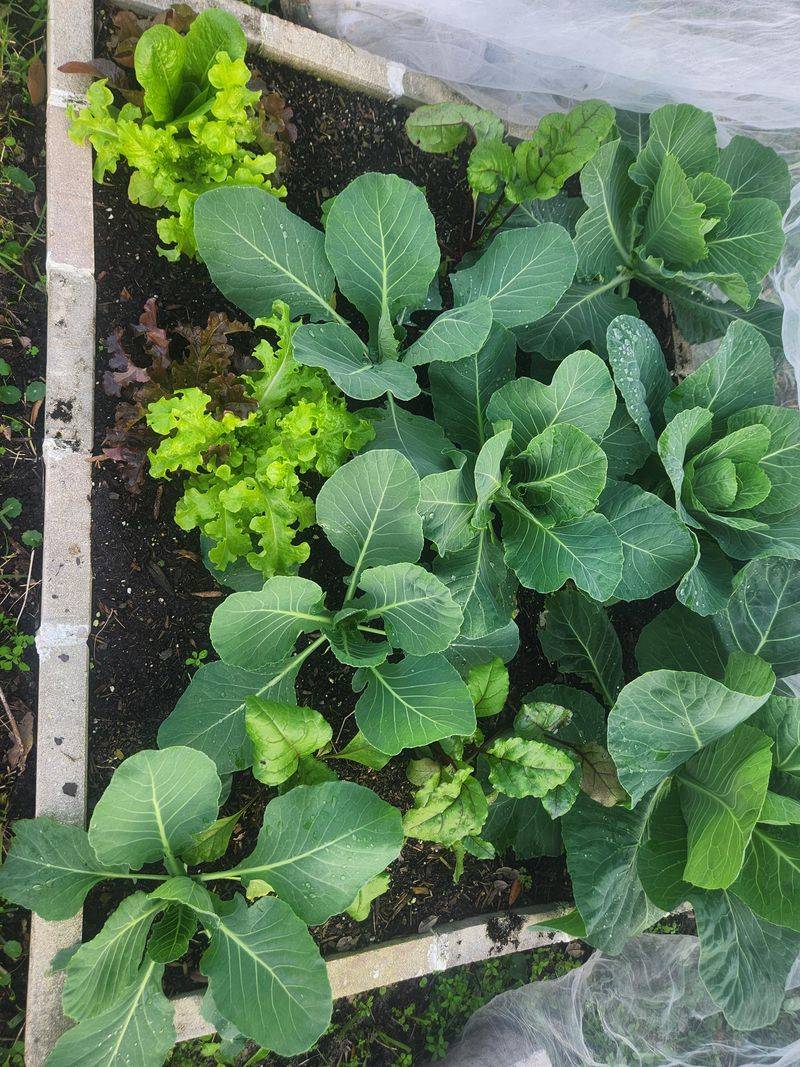
Most tired beds in this state share the same backstory. Glaciers left a mix of clay, silt, and rock, and generations of mowers, wheelbarrows, and foot traffic pressed it down tight.
Underneath a nice-looking surface, there is often a dense layer four to six inches down that roots struggle to push through. Plants sitting above it can look fine in May and stall out by July.
Organic matter also gets used up faster than gardeners expect. Soil life eats through compost each season, so a bed that was dark and crumbly three years ago can turn pale and gritty.
Then there is the pH drift. Connecticut soils lean acidic thanks to oak and pine litter and plenty of rainfall, and vegetables such as beets, spinach, and broccoli sulk when readings fall below six.
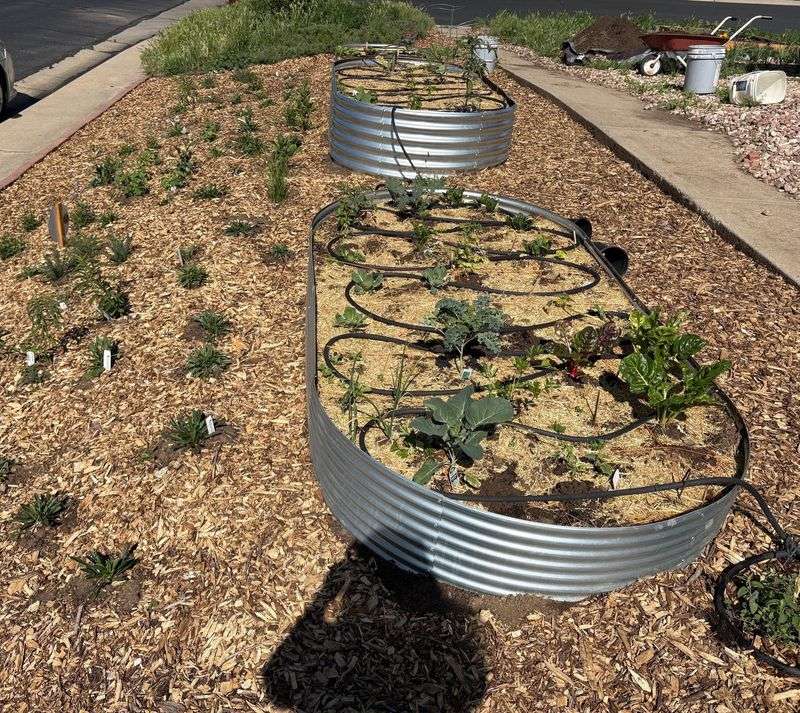
Raised beds have their own quirk. Fill settles roughly an inch or two each year, so a box that started eleven inches deep might hold eight by its fourth summer.
Recognizing the cause matters because the repair differs. Compaction calls for loosening and coarse material, exhausted soil calls for feeding, and acidity calls for lime, which needs months to work.
A soil test from the UConn lab costs less than a flat of seedlings and takes the guesswork out. Samples sent in autumn also come back in time to act on the results before the ground stiffens.
The Stretch Between First Frost And Frozen Ground
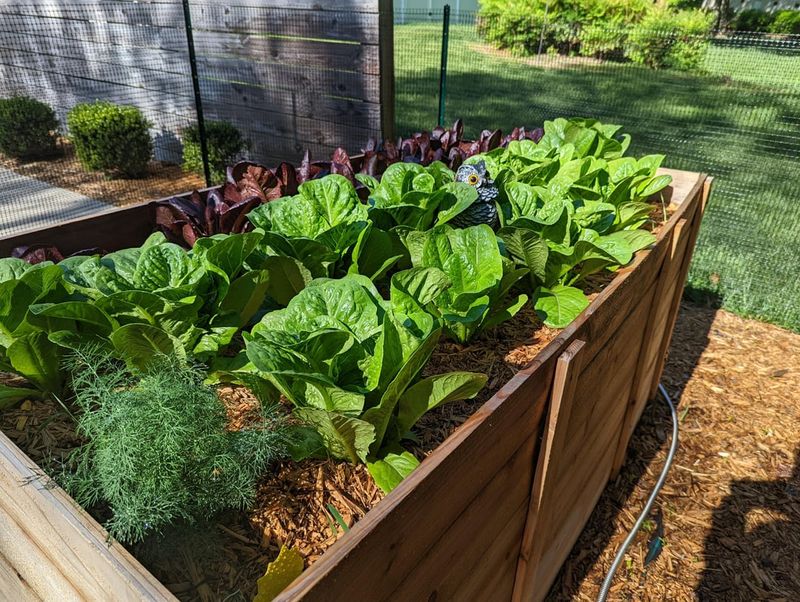
Calendars help, but the ground gives better signals. Inland towns like Torrington and Litchfield usually see their first frost in early to mid October, while the shoreline from Stamford to New London often coasts into early November.
Either way, the workable window runs several weeks past that first white morning. Soil stays biologically active until it drops below about fifty degrees, which in most of the state happens sometime in November.
Lime, compost, and shredded leaves added while worms are still moving get pulled down into the profile. Wait until the ground stiffens and most of what you spread simply sits on the surface.
Rain matters as much as temperature. Squeeze a handful of soil, and if it forms a muddy ribbon, walk away and come back in two days.
Working soggy ground in November causes much the same damage as working it in April, so let the surface dry to crumbs first. Late October into the middle of November is the sweet spot for most Connecticut yards.
Leaves are down and free by then, garden cleanup is already underway, and the soil is cool but not stubborn. Thanksgiving weekend still works in plenty of Fairfield and New Haven county yards.
A hard freeze is not a hard stop for everything, since you can still pile mulch or shredded leaves onto a frozen bed. Digging tends to end after the shovel starts bouncing, which in Hartford County tends to happen a few weeks past the first real cold snap.
The Tilling Habit That Sets Beds Back
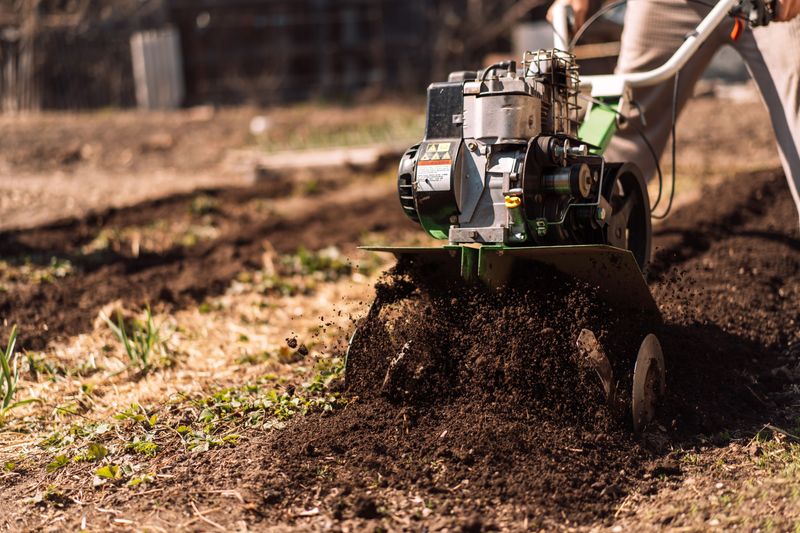
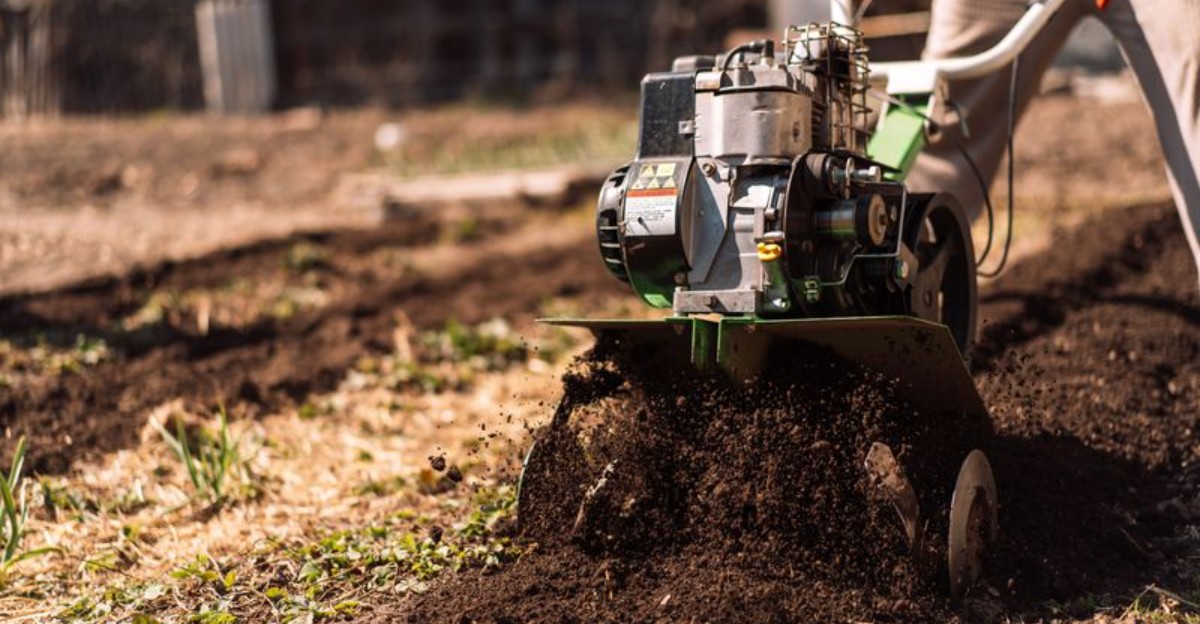
Plenty of neighborhoods have a gardener who fires up a rototiller each autumn and reduces the whole plot to powder. It looks productive, and six months later that same bed crusts over after the first rain.
Tilling breaks apart the fungal threads and worm tunnels that give soil its structure. Fine particles wash together and settle into a smooth pan below the blade depth, so the fluff you admired in November can be a brick by June.
Buried weed seeds are the other problem. Turning soil brings years of dormant seed to the surface, where light triggers germination.
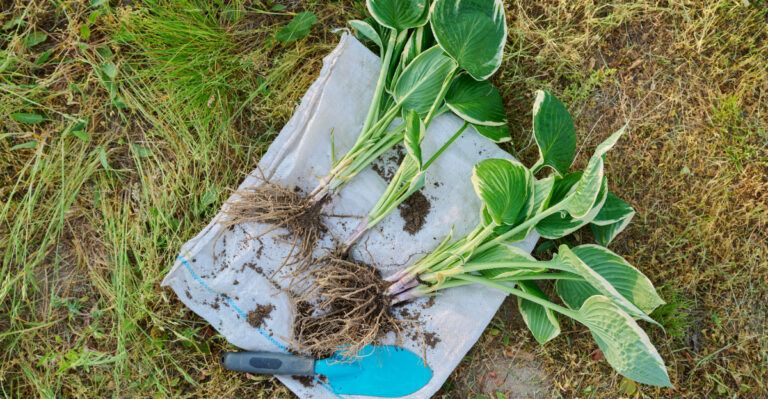
Gentler methods do more. A broadfork or garden fork pushed straight down and rocked back loosens the profile without flipping it, and compost spread on top gets carried downward by worms.
Roots follow those old channels the next season instead of meeting a fresh pan. A bed that was simply covered often grows fewer weeds than one that was tilled twice.
Two other autumn habits cost people, too. Raking a bed bare leaves the surface open to freeze and thaw cycles that heave small plants right out of the ground.
Fresh manure or unfinished compost spread in late fall can scorch tender roots and feed weeds. Aged material, or a thick leaf blanket, is the safer choice.
None of these habits ruin a garden outright. They simply hand you a harder job in April, when there is less time and far more to do.
Compost, Shredded Leaves, And A Thick Autumn Blanket
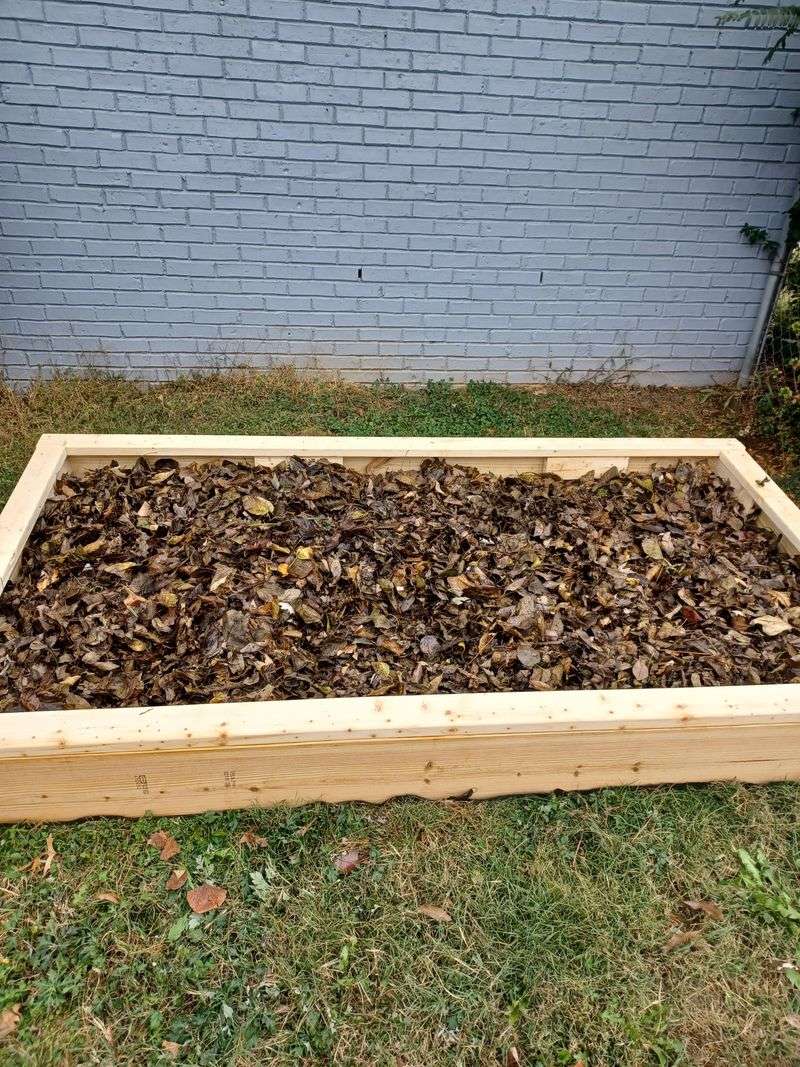
Here is the part that feels almost too easy. Clear the spent plants, loosen the bed with a fork, and spread two to three inches of finished compost across the top.
There is no need to mix it in, since soil life handles the blending. Worms, fungi, and winter rain move it downward far more gently than a shovel does.
Then comes the local treasure. Connecticut yards produce mountains of maple and oak leaves every fall, and a few passes with a mower turns them into shredded gold.
Piled three to four inches deep over the compost, those leaves insulate the soil and feed worms. They also shade out weed seedlings that would otherwise take hold in bare ground.
Lime belongs in this same trip if your test calls for it. Pelletized limestone spread in autumn has five or six months to react with soil acids before planting, which is why spring applications often disappoint.
Slow amendments such as rock phosphate and greensand follow the same logic. For beds with serious compaction, a broadfork does more good than a tiller.
Sink the tines, lean back, and move down the row, then let winter frost handle the rest. Freeze and thaw cycles crack clay into crumbs for free, which is not something April offers.
Topping off raised beds now is smart as well. Mix compost with coarse material such as leaf mold or aged bark fines, then fill to within an inch of the rim.
Spring Payoff And Keeping The Ground In Shape
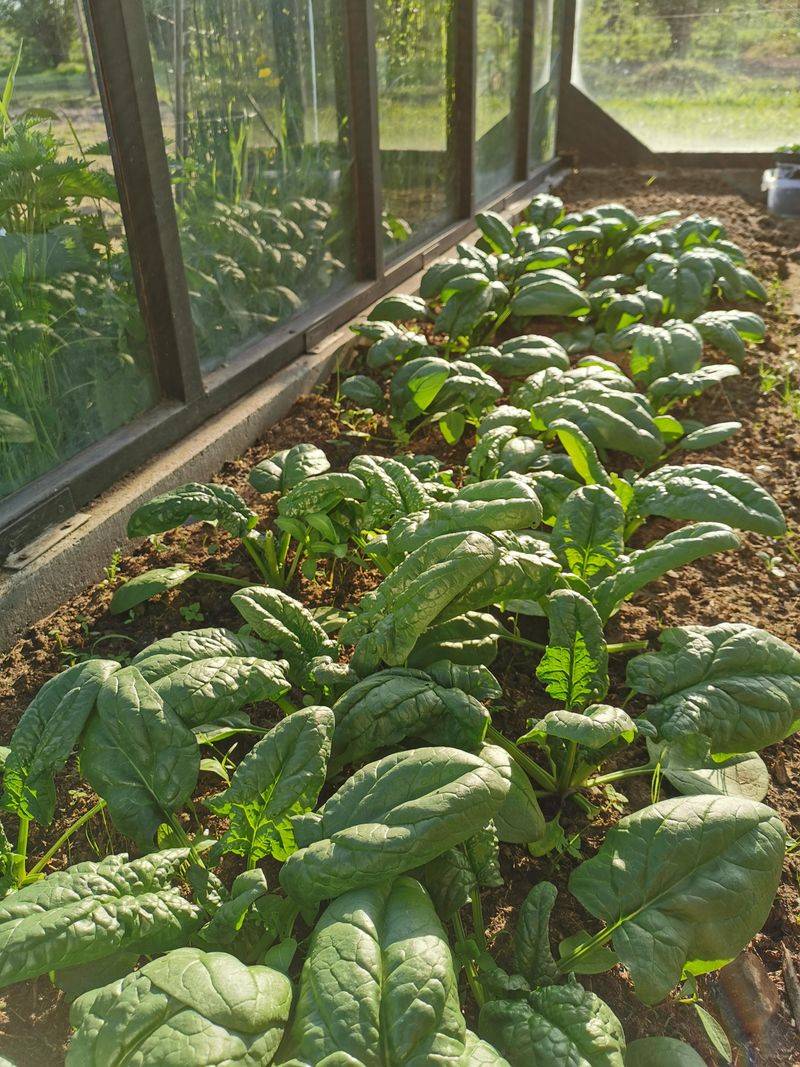
Picture the second week of April. Your neighbor is staring at a gray, squishy plot while your bed has already warmed under a loose leaf blanket and is ready for peas.
That head start is worth more than it sounds in Connecticut. Our springs swing between soggy and chilly, and a bed planted two weeks earlier gives lettuce, radishes, and spinach a real shot before June heat arrives.
Soil structure keeps improving on its own through winter. Frost expands the water between clay particles and breaks them apart, while worms drag surface compost into their burrows during mild spells.
By the time crocuses appear, the top six inches are noticeably softer than they were in November. None of that softening required a tool or an afternoon of your time.
Keeping that quality is mostly about restraint. Stay off wet soil, walk on paths instead of planting areas, and keep something growing or something mulched over bare ground.
A thin layer of compost each autumn maintains what a big overhaul creates. Cover crops deserve a mention for anyone thinking ahead to next year.
Winter rye is best sown by mid October, so save it for next fall and cover the bed with leaves this time around. A thick leaf blanket holds soil in place through March rains just as well.
That is the quiet secret behind beds that stay good year after year. Autumn work has a way of paying you back twice, once in ease and again in results.