What To Do With Acorns Covering Your Texas Lawn
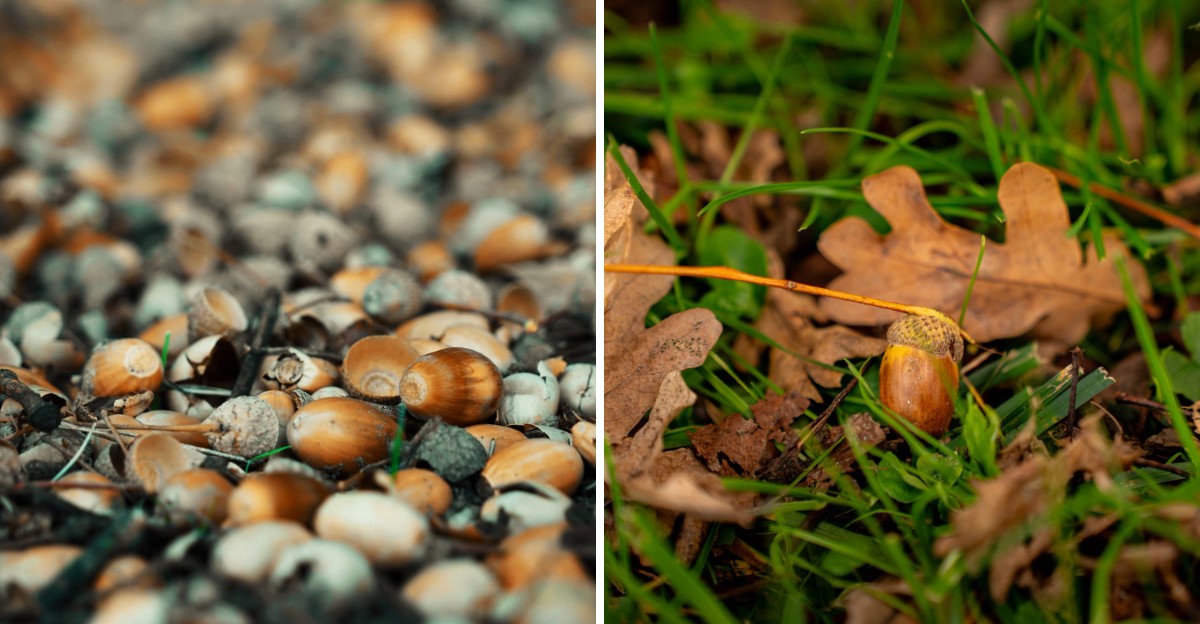
A single mature oak can drop thousands of nuts in one heavy season. Some years the ground looks almost paved with them, and the next year you barely find a handful.
I used to think the trees were just showing off. Turns out, scientists believe this feast-or-famine rhythm is a clever survival plan, and it has fooled hungry critters for ages.
You probably noticed the crunch underfoot before you noticed the pile. Your mower noticed too, and it was not happy about it. Personally, I have rolled an ankle on these tiny marbles more than once, so I get the frustration.
Across Texas, from Hill Country live oaks to East Texas red oaks, homeowners are staring at the same brown carpet. Raking them all into the trash feels like a waste, though. What if that messy layer is actually worth something to your yard?
Those Piles Of Oak Nuts Have A Surprising Pattern Behind Them
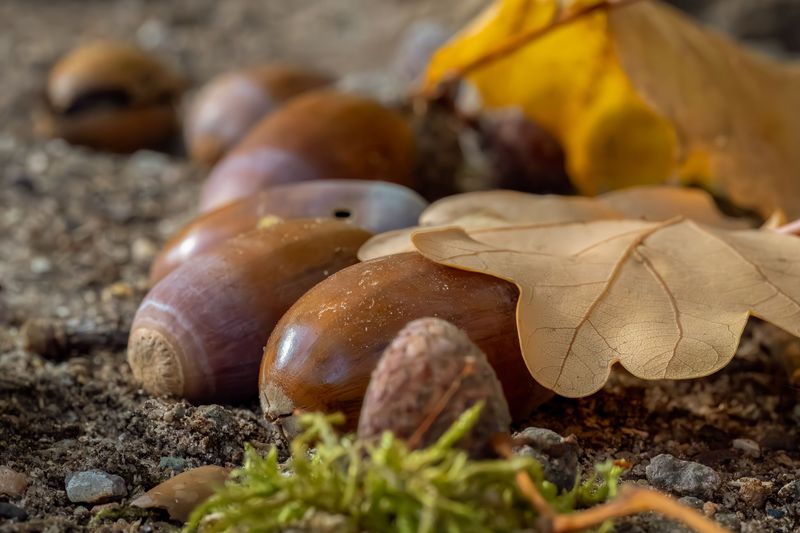
Oaks do not produce the same amount of fruit every year. Botanists call a heavy year a mast year, and it tends to show up every two to five years depending on the species and the weather.
Researchers think the trees time these big crops together so squirrels, deer, and birds simply cannot eat everything.
A few survivors get a chance to sprout, which is the whole point for the tree. Rainfall, spring temperatures during flowering, and how much stored energy the tree has all play a part.
Red oak types, like Shumard and Texas red oak, take about two years to ripen acorns. White oak types, including bur oak and post oak, ripen in a single season. Live oaks act like the white oak group here, so their acorns mature in one year.
That difference explains why your neighbor may have a flood of nuts while your yard looks calm. Different trees can follow different schedules.
A huge drop is usually a normal sign of a mature tree doing its job. It is not a signal of disease or stress by itself. So take a breath before you call an arborist, because your oak is most likely just fine.
Rake Or Sweep Those Acorns Before Your Grass Starts To Suffer
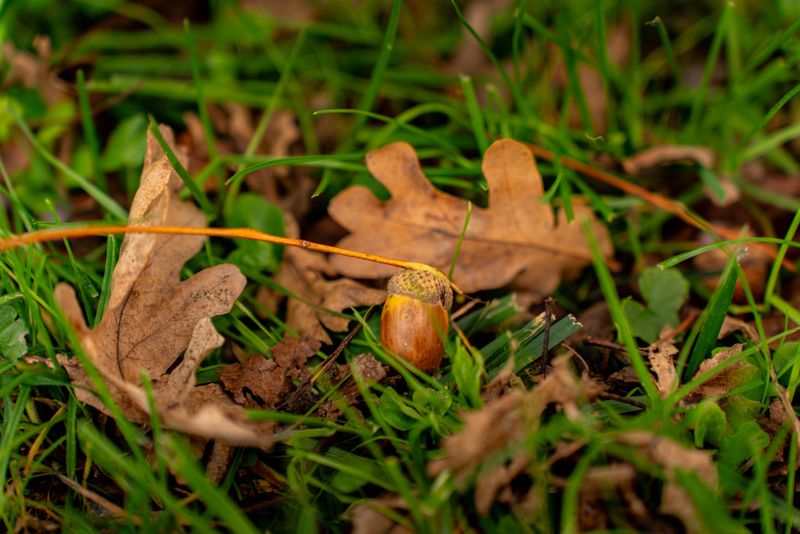
Leaving a thick blanket of acorns on turf can block sunlight and trap moisture. Over time, grass underneath may thin out, especially shade-stressed St. Augustine common under big oaks.
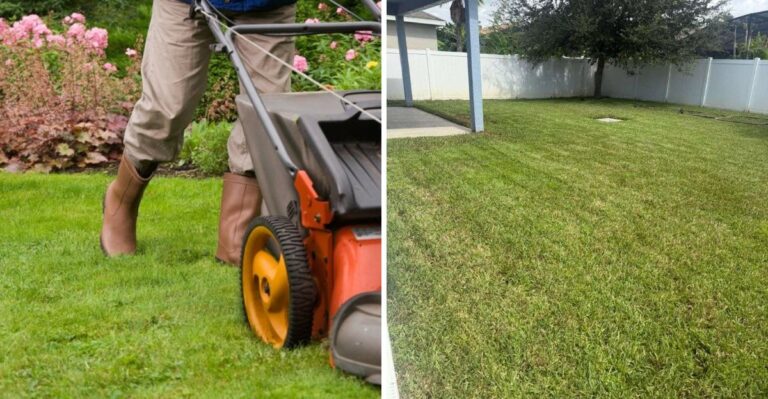
The easiest fix is regular removal. A sturdy leaf rake works well on small yards, and dry grass makes the job much faster. For bigger lawns, a push or tow-behind lawn sweeper scoops up nuts, twigs, and leaves in one pass.
Rolling nut gatherers are a back saver. You simply roll the wire basket across the grass, and acorns pop inside the cage. I like using one for a few minutes each evening during peak drop, so the pile never gets out of hand.
A leaf blower can push acorns onto a driveway or patio. From there, a shop vacuum or broom handles cleanup in minutes.
Some gardeners spread a tarp under the heaviest trees during fall. When it fills up, you fold it and carry the whole load away.
Tackling acorns weekly from late summer into winter keeps the task small and protects your lawn from bare patches.
Spinning Mower Blades And Hard Acorns Make A Risky Combo
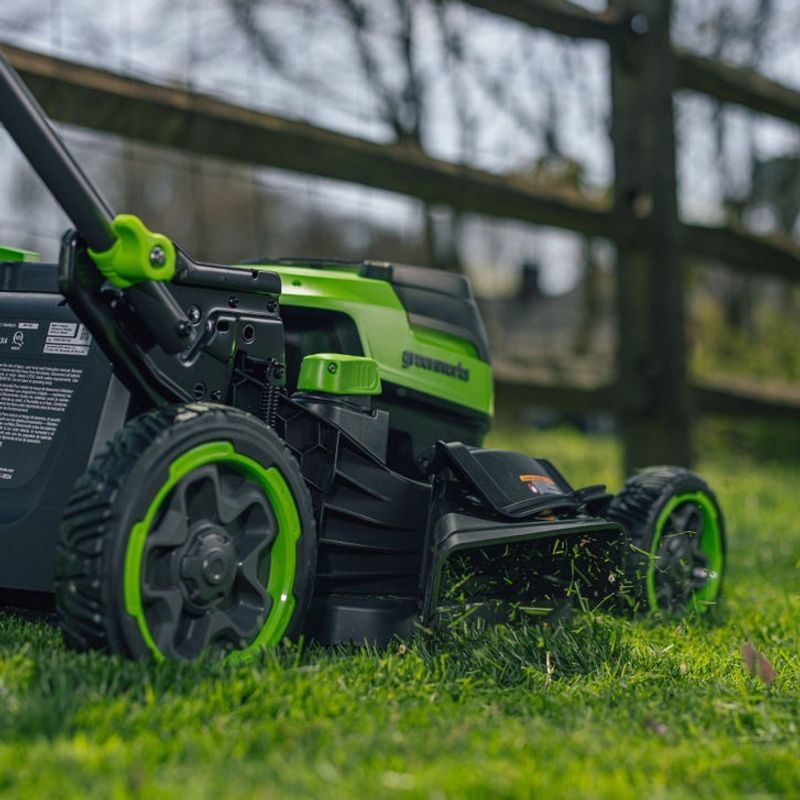
Ever heard that loud ping when your mower hits something hard? Acorns can turn into small flying pellets when a blade strikes them at full speed.
Safety comes first here. Wear closed shoes, long pants, and eye protection whenever you mow over a nut-covered area. Keep kids and pets indoors or far away until you finish.
Blades also take a beating. Hundreds of hard shells can dull or nick the edge, which leads to torn grass tips that brown quickly. Check your blade after heavy mowing sessions and sharpen it as needed.
A mulching mower can chop some acorns into smaller bits, but a deep layer often clogs the deck. Clearing the worst piles first makes mowing smoother and safer.
Walking paths matter too. Round acorns roll under your feet like ball bearings, and sidewalks or steps can become slippery fast. Older family members and visitors appreciate a quick sweep of entry walks.
Personally, I sweep the front path every morning during the busiest weeks. It takes two minutes and saves a twisted ankle.
Crushed Acorns Can Feed Your Compost Pile
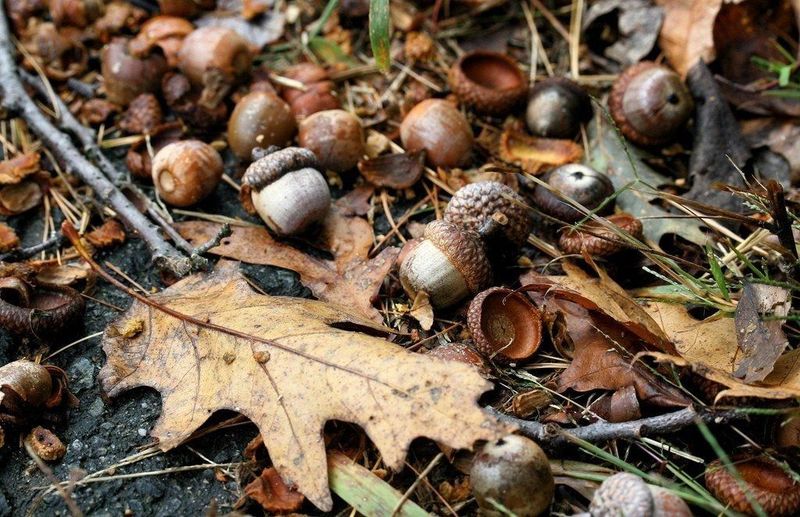
Gardeners love free organic matter, and those shells count. Acorns are a carbon-rich brown material, much like dry leaves or straw.
Whole acorns break down slowly because of their tough outer shell. Crack them first to speed things along. A hammer works, and some folks lay them on the driveway and roll over them with a car tire.
Mix the crushed bits with green materials such as grass clippings and kitchen scraps. A balance of browns and greens helps the pile heat up and decompose evenly. Turn it every week or two and keep it about as damp as a wrung-out sponge.
Hot compost reduces the chance of acorns sprouting. In a cool, slow pile, whole nuts may send up little oak seedlings, which is why cracking matters.
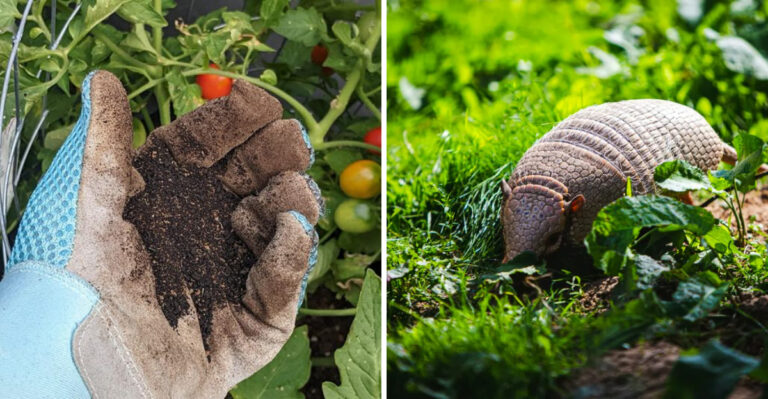
Acorns contain tannins, but blended into a mixed compost pile, they are generally not a problem for most garden plants. Finished compost can go into vegetable beds, flower borders, or around shrubs.
You can also use crushed acorns as a coarse mulch layer under trees. Nature already does this in the woods every fall.
Squirrels, Jays, And Deer Count On That Oak Buffet
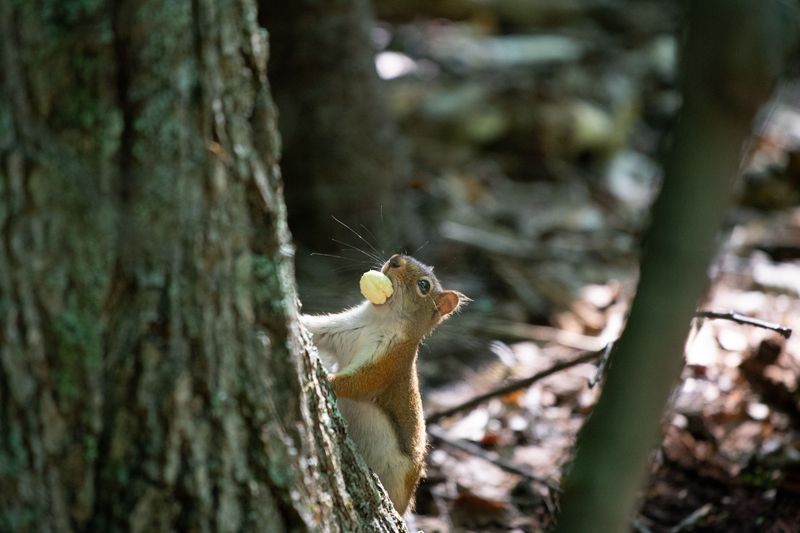
Few foods matter more to wildlife than the humble acorn. Packed with fats and carbohydrates, these nuts help many animals prepare for cooler months.
Fox squirrels are the busiest customers. They bury acorns all over your yard and forget a portion of them, which helps plant new oaks. Blue jays carry acorns long distances and cache them too, so they act like flying tree planters.
Woodpeckers, wild turkeys, white-tailed deer, raccoons, and mice all feed on acorns. Texas Parks and Wildlife notes that oak mast is an important food for deer and turkey across much of the state.
One caution matters, though. Acorns also attract feral hogs in rural areas, and they can tear up lawns hunting for food. If hogs roam near you, keeping the yard cleaner may help.
A smart compromise is to leave some acorns in a back corner, under shrubs, or in a natural area.
Clear the main lawn and walkways, and let the critters enjoy the rest. You get a tidier yard, and your local wildlife gets a well-stocked pantry.
Keep An Eye On Your Dog Around Fallen Acorns

Pet owners deserve a heads-up here. Acorns contain tannins that can upset a dog’s stomach, and the ASPCA lists oak as toxic to dogs, cats, and horses.
Common signs after eating acorns include vomiting, diarrhea, and stomach pain. Large amounts may cause more serious problems, including possible kidney strain. Whole acorns can also cause choking or a blockage in the gut, especially in smaller dogs.
Puppies are the biggest worry because they chew on everything. Watch them closely in the yard during fall and redirect them with a toy when they start nosing around.
Livestock owners should know cattle and horses can get sick from eating too many acorns or young oak leaves. Ranchers in oak country often limit access to pastures during heavy drops.
If you think your pet ate a lot of acorns, call your veterinarian or a pet poison hotline right away. Quick advice makes a big difference.
Regular raking near patios and dog runs lowers the risk. A fenced play area with fewer oaks overhead can also give your pup a safer spot to roam.
Those Tiny Oak Seedlings Popping Up In Your Grass Are Easy To Handle
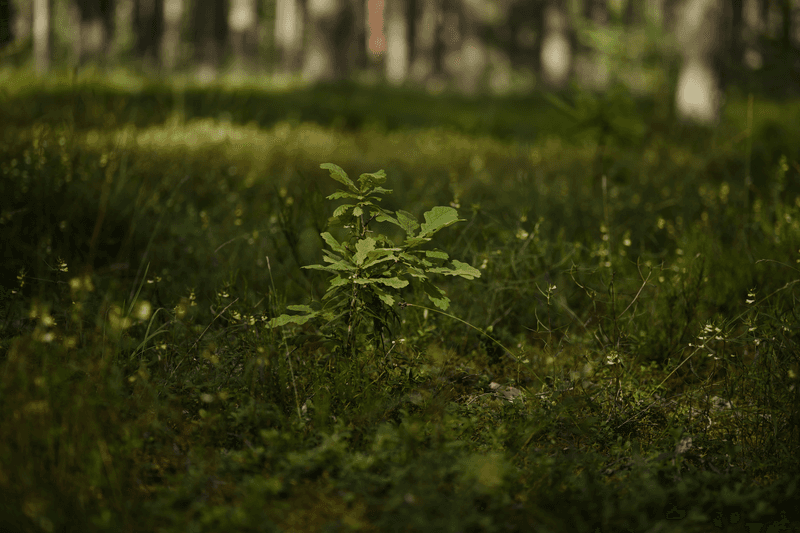
Come spring, you may spot little reddish leaves poking through the turf. Missed acorns have sprouted, and squirrel stashes are often the culprit.
Regular mowing usually handles young seedlings in open lawn areas. Repeated cutting keeps them from building strength, so most fade away without special treatment.
Flower beds and fence lines are another story. Seedlings there can grow a long taproot surprisingly fast. Pull them while they are small, ideally after a rain when the soil is soft.
Grab the stem near the base and pull straight up. If the root snaps, just cut the shoot at ground level and remove any regrowth later.
Herbicides are rarely needed for a few seedlings. Hand pulling is cheaper and gentler on nearby plants. Want a free tree? Pot up a healthy seedling and grow it on before planting in a roomy spot.
Native oaks like bur oak, Shumard oak, and live oak support hundreds of insect species that feed birds, according to many extension and wildlife experts. Give it plenty of space from the house and driveway, since mature oaks get huge.
A Little Fall Planning Keeps Next Year’s Acorn Carpet Under Control
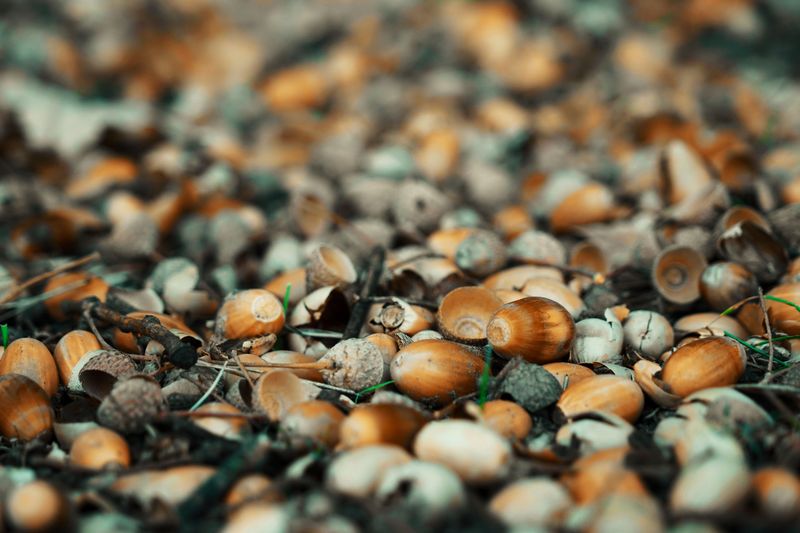
Oaks will keep doing what oaks do, and that is fine. A simple plan just makes next fall easier on you.
Mark your calendar for the drop season. Many Texas oaks shed acorns from late August through December, with timing shifting from the Gulf Coast to the Panhandle. Starting cleanup early stops thick layers from forming.
Lay tarps or old sheets under your heaviest producers during peak weeks. Shake or fold them every few days and haul the load to compost or a wildlife corner.
Consider swapping some grass under large oaks for mulch beds or shade-loving native groundcovers like horseherb or Texas sedge. Acorns blend right into mulch, and the tree roots appreciate less competition from turf.
Planting a new tree? Check its mature canopy size and site it away from patios, pools, and walkways. Shade without the sidewalk mess is a win.
Spread the fun around, too. Local schools, nature centers, and wildlife rehabbers sometimes welcome clean acorns for crafts or animal feed, so call first.
With a few habits in place, that crunchy carpet turns into one more cozy sign of autumn.