The Oregon Gravel Driveway Weed Problem That Gets Worse After Fall Rain
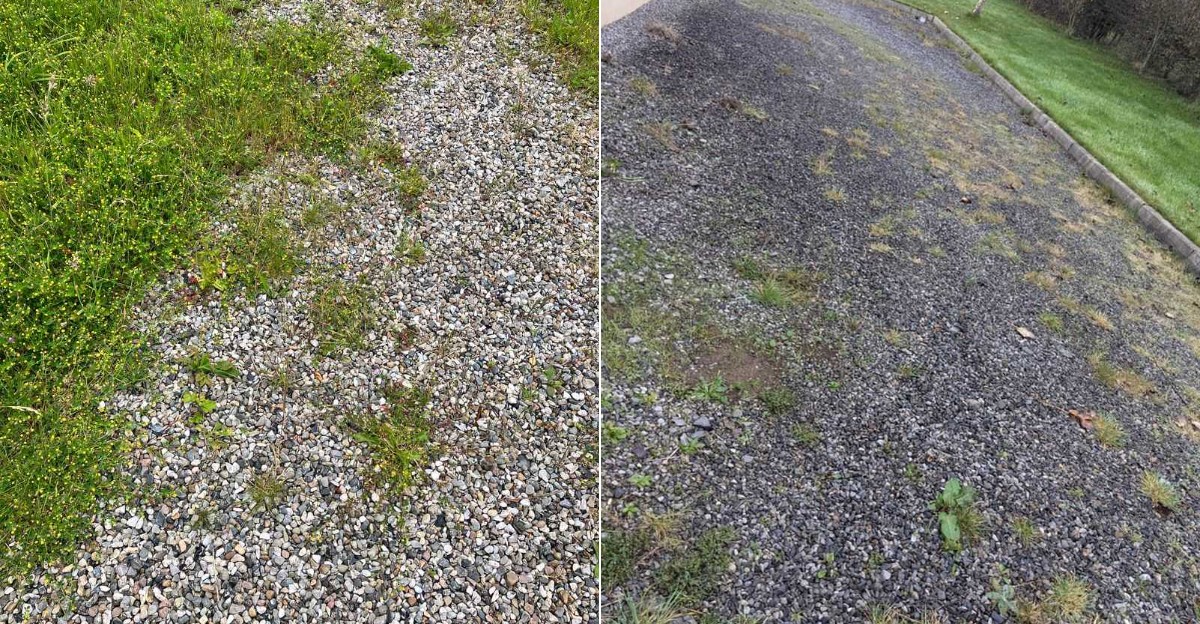
A gravel driveway can look low-maintenance, but fall rain often reveals a hidden problem. Once moisture settles in, tiny weeds that were barely noticeable during the dry months can quickly appear between rocks and spread across the surface.
What seems like a few unwanted plants can turn into a frustrating cleanup job if they are left unchecked.
Gravel areas are especially tricky because weeds can take root in the fine soil and organic debris that collects between stones over time.
Pulling them out is not always enough, since many return when conditions improve. The best approach starts with understanding why they are growing and what steps can stop them from coming back.
With the right timing and a little preparation before the wet season gets fully underway, you can keep your Oregon gravel driveway cleaner and easier to maintain.
1. Fall Rain Wakes Up Hidden Weed Seeds
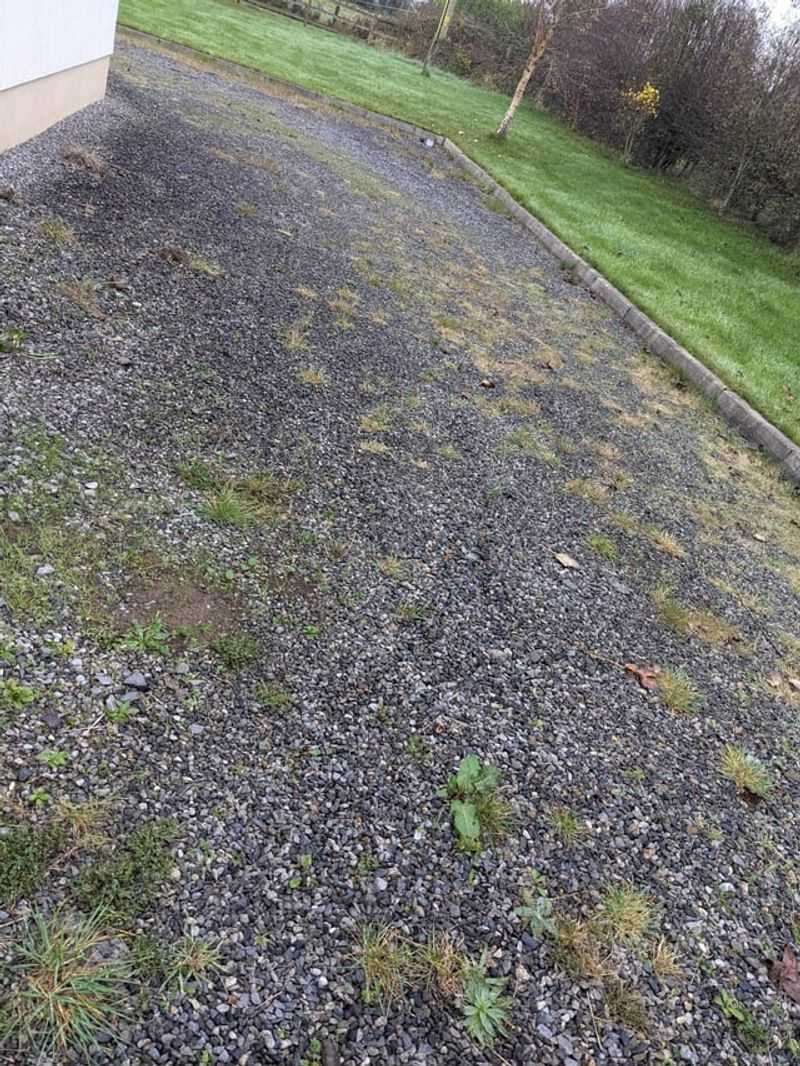
Buried deep in your gravel are thousands of tiny weed seeds just waiting for the right moment. Dry summer weather keeps them asleep, but fall rain changes everything fast.
Water is the signal seeds need to wake up. Once the ground stays damp for a few days, those hidden seeds swell and begin to sprout. That is why weeds seem to appear out of nowhere after the first big storm.
Cool Oregon temperatures also help. Many weeds actually prefer the mild, wet days of autumn over the hot, dry summer. The soft ground makes it easy for roots to dig in and grab hold.
You cannot stop the rain, but you can slow the seeds down. Applying a pre-emergent weed control product before the rainy season starts creates a barrier that keeps seeds from sprouting. Timing matters, so try to spread it in early fall.
Raking and clearing the surface before rain arrives also helps a lot. Fewer seeds sitting on top means fewer weeds later. Keeping the gravel dry when possible, like fixing drainage issues, makes your driveway less friendly to sprouting seeds.
A little effort in late summer saves you hours of pulling weeds in November. Once you know the rain is the trigger, you can plan ahead and stay one step in front of the green invasion.
2. Leaves Create New Places For Weeds To Grow
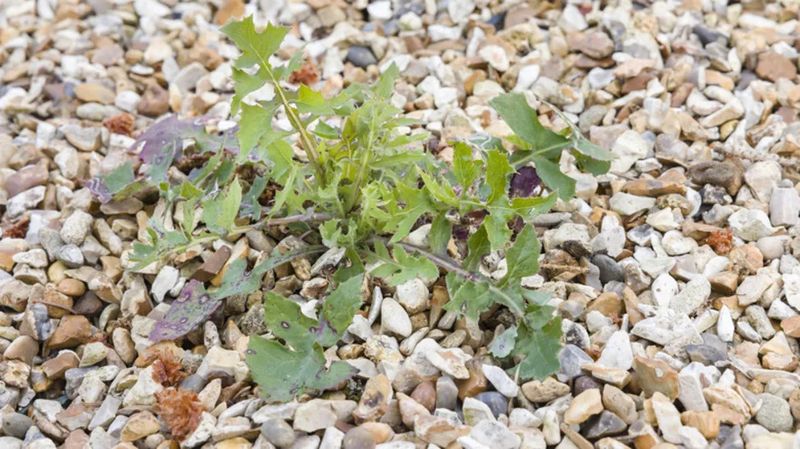
Every autumn in Oregon, trees drop their leaves right onto your driveway, and those leaves do more harm than you might think. As they pile up and get wet, they start to break down into a soft, rich layer.
That broken-down leaf material acts just like soil. It settles between the rocks and gives weed seeds a cozy, nutrient-packed spot to sprout. Basically, the leaves turn your clean gravel into a mini garden bed.
The longer leaves sit, the worse it gets. Wet leaves also trap moisture against the gravel, keeping the surface damp for days. That steady dampness is exactly what young weeds love.
Clearing leaves often is one of the easiest ways to fight this problem. Grab a rake or a leaf blower and clear your driveway once or twice a week during peak leaf-drop season.
Your Oregon Garden Changes Every Week. Your Plan Should Too.
Gardening in Oregon changes quickly throughout the season. Every Friday you’ll receive a simple weekly plan showing exactly what to plant, prune, fertilize, harvest, and protect so you never miss the right timing.
Try not to let leaves pile up in corners or along the edges, since those spots become weed hotspots. If you have big trees nearby, you may need to clean up more frequently after windy days.
Composting the leaves you collect is a great bonus. You keep them off your driveway and turn them into free food for your garden instead.
Staying on top of leaf cleanup keeps the gravel bare and unwelcoming, which means fewer weeds fighting their way up between your rocks.
3. Thin Gravel Layers Let Weeds Break Through
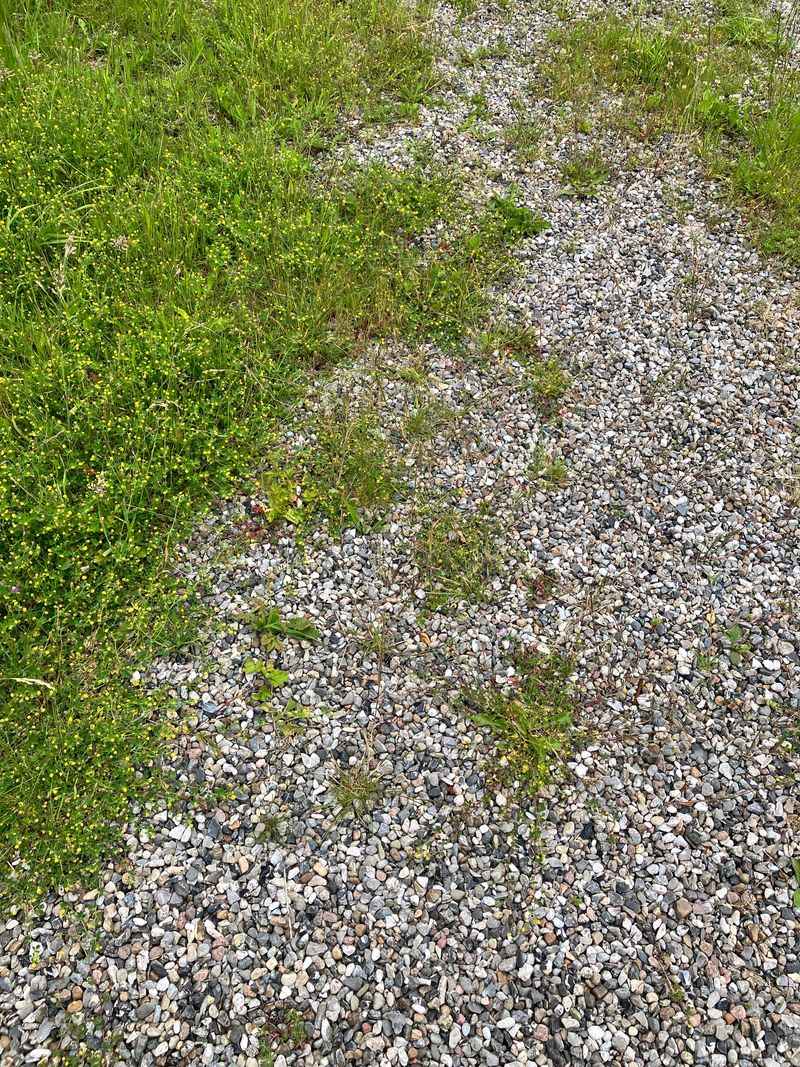
Not all gravel driveways are built the same, and the depth of your gravel makes a huge difference. When the layer is too thin, weeds have an easy path straight up to the surface.
A thin covering means less distance for roots to travel. Seeds sitting near the soil below can sprout and push through in no time. After fall rain softens the ground, this problem gets even worse.
Driveways often wear down over the years too. Cars, foot traffic, and rain slowly scatter and sink the gravel, leaving bare, thin spots where weeds move right in.
Checking your gravel depth is a smart first step. A healthy driveway usually needs at least three to four inches of gravel to keep weeds from breaking through easily.
If you spot thin areas, you can add gravel to those specific patches instead of redoing the whole thing. Focus on low spots and worn edges where the ground shows through.
Laying a landscape fabric barrier underneath is another strong option for a longer-term fix. The fabric blocks weeds from below while still letting water drain through.
Keeping the gravel spread evenly also helps. Rake high spots into thin areas now and then so no patch gets too shallow. A thick, even layer is one of your best defenses against fall weeds.
4. Organic Debris Builds Up Between Rocks
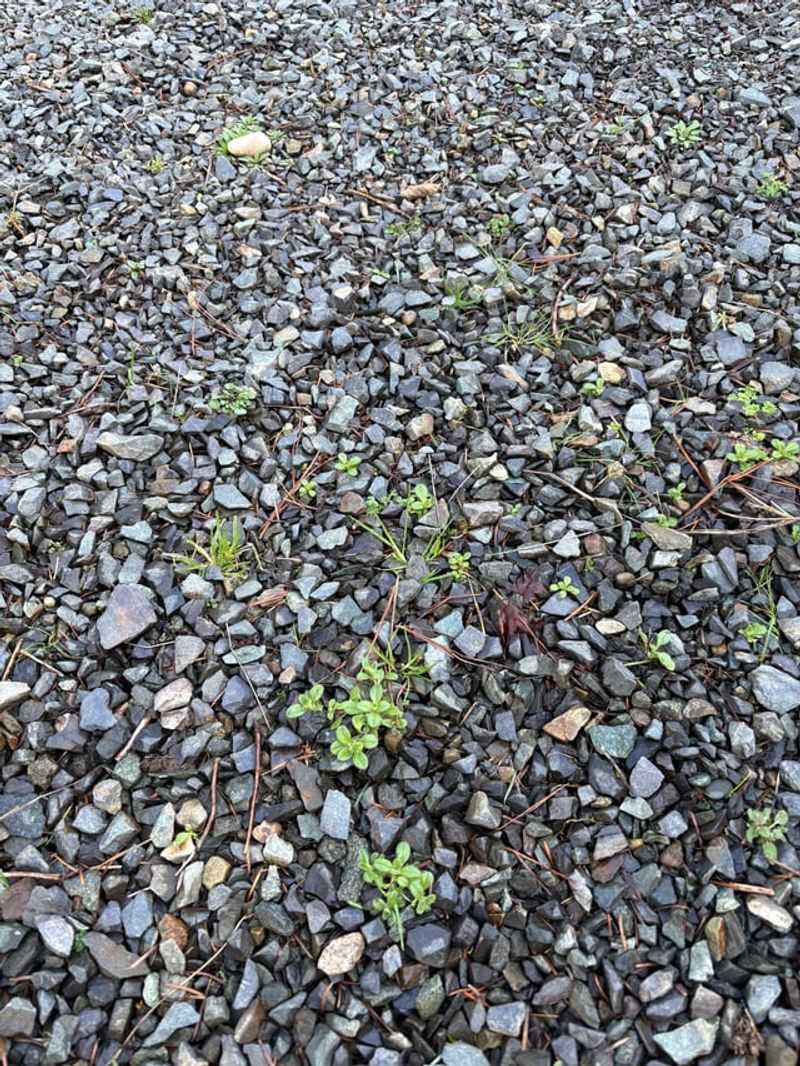
Over time, all sorts of tiny bits of junk settle down between your gravel rocks. Dust, dirt, pine needles, twigs, and bits of grass slowly fill in the gaps.
All that debris breaks down into a fine, dark material that acts like potting soil. Once it collects between the stones, weeds have everything they need to take root and grow.
Fall rain speeds up the whole process. Water helps the debris rot faster and packs it tightly into the spaces, creating a soft bed right where you don’t want one.
You might not even notice the buildup at first. It hides down low, out of sight, until a fresh crop of weeds suddenly appears across your driveway.
Regular cleaning is your best tool here. Using a stiff broom or a leaf blower helps knock loose debris out of the gaps before it can settle and rot.
For heavier buildup, a pressure washer can blast the gunk out from between the rocks. Just be careful not to scatter the gravel too much while you work.
Trimming nearby plants and bushes cuts down on how much debris lands on the driveway in the first place. Fewer overhanging branches means fewer needles and leaves dropping. Keeping those gaps clean makes it much harder for weeds to find a foothold.
5. Windblown Seeds Find Easy Gaps
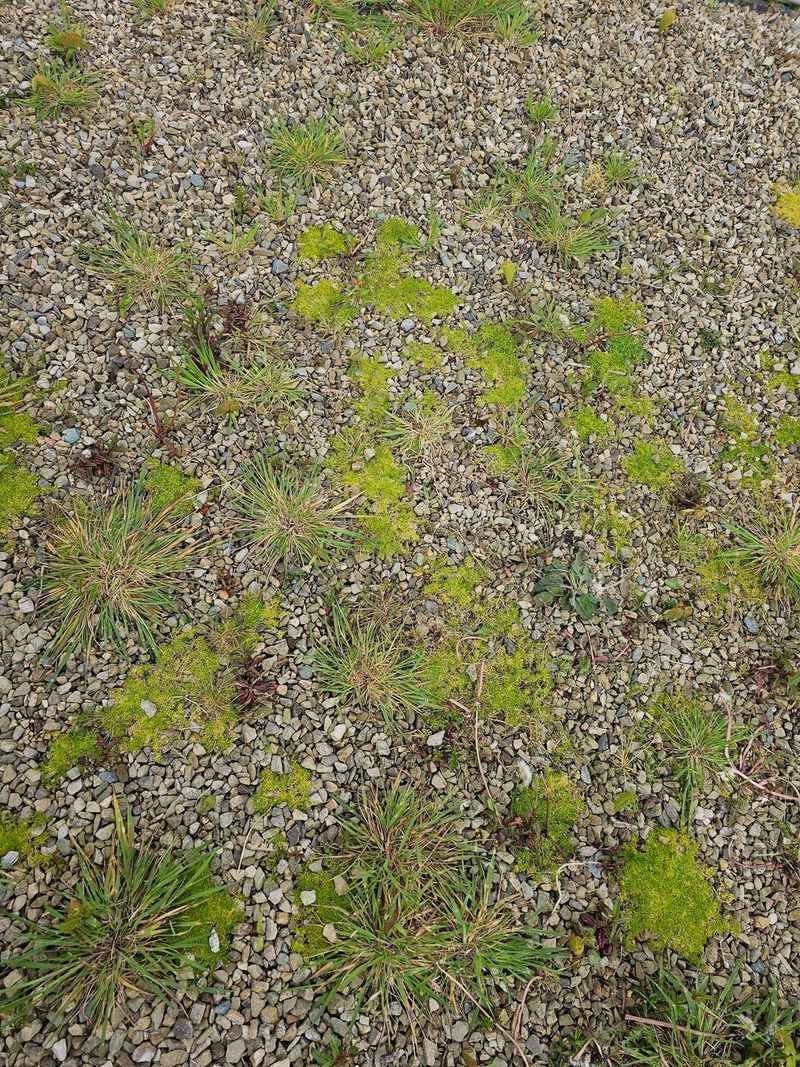
Oregon wind is sneaky when it comes to spreading weeds. During fall, gusty storms carry seeds from far-off yards, fields, and roadsides right onto your driveway.
Plants like dandelions and grasses release lightweight seeds built to float on the breeze. When they land in the gaps between your gravel, they settle in and get comfortable.
The rain that often follows a windy day gives those seeds an instant drink. That combo of wind delivery and water lets new weeds start growing almost overnight.
Edges and corners tend to catch the most windblown seeds. These low, sheltered spots collect debris and moisture, making them prime real estate for sprouting.
Keeping the driveway surface tight and clean helps a lot. When there are fewer open gaps and less loose debris, seeds have nowhere good to land and settle.
Mowing and managing weeds in your own yard also cuts down the seed supply. If dandelions are going to seed near your driveway, deal with them before the wind spreads them around.
A pre-emergent barrier works against windblown seeds too, since it stops them from sprouting after they land. Reapplying it during the season keeps the protection strong.
You can’t control the wind, but you can make your gravel a rough place for seeds to grow. Staying tidy is half the battle against these traveling troublemakers.
6. Cleaning The Surface Helps Prevent New Growth
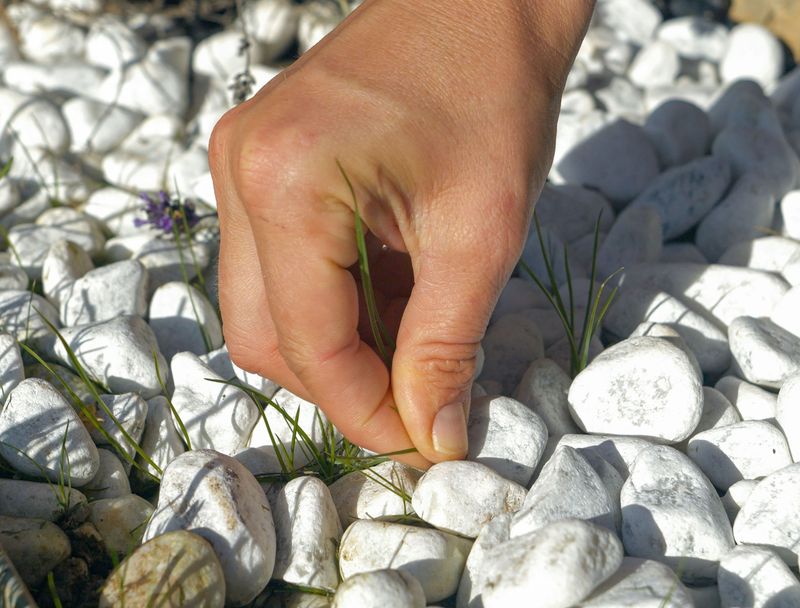
A clean driveway is a weed’s worst enemy, and regular upkeep makes a bigger difference than most people expect. When the surface stays bare, seeds have nothing to grab onto.
Sweeping and blowing off leaves, dirt, and debris removes the exact stuff weeds need to grow. Doing this often during the rainy season keeps the gravel unwelcoming.
Timing your cleaning right after leaf-drop or a big storm works best. That is when the most debris lands, so clearing it quickly stops problems before they start.
A leaf blower is a quick and easy tool for weekly cleanup. For deeper messes, a stiff bristle broom digs debris out of the gaps between the stones.
Pressure washing once in a while gives a deeper clean. It flushes out packed-in dirt and rotting material that a broom can’t reach on its own.
Pulling any small weeds you spot during cleanup keeps them from spreading seeds. It is much easier to grab a tiny sprout than a full-grown, rooted plant.
Making cleanup a simple routine saves you money and effort in the long run. A few minutes each week beats hours of heavy weeding later on.
Think of surface cleaning as steady, low-effort protection. Keep the gravel clear and your driveway will look sharp even through Oregon’s wettest months.
7. Edging Keeps Weeds From Spreading Inward
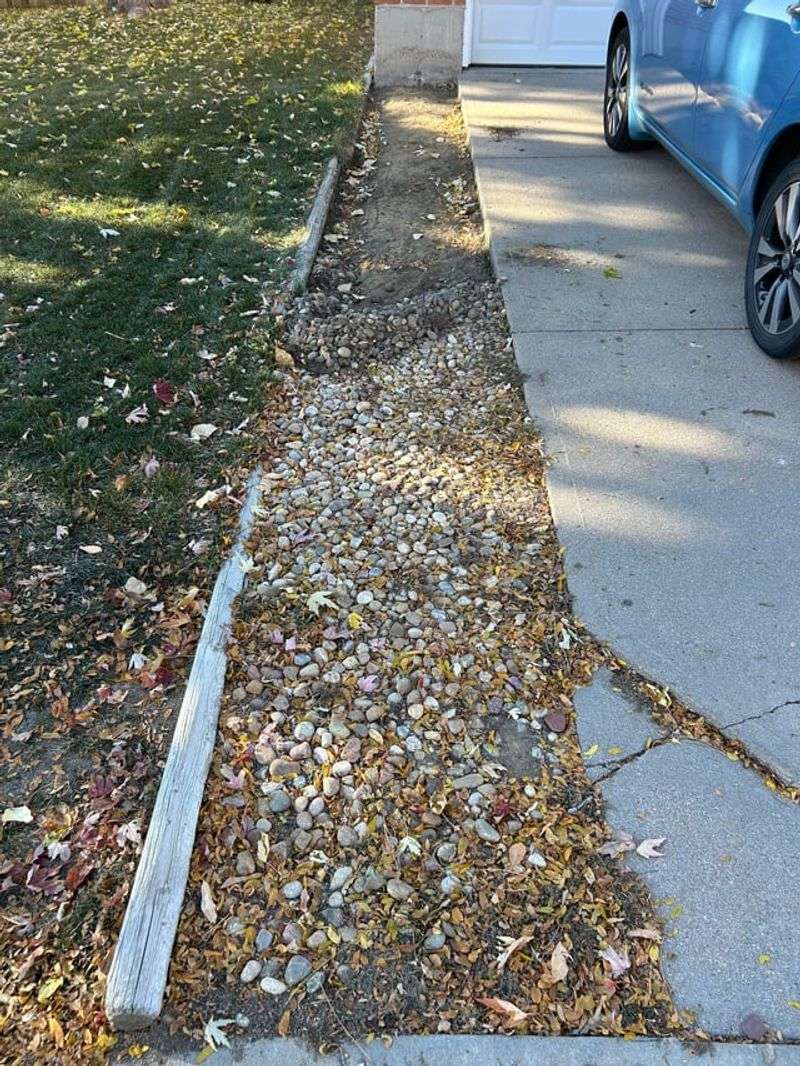
The edges of your Oregon driveway are often where weed trouble really begins. Grass and weeds from your lawn love to creep sideways into the loose gravel.
Without a clear border, roots from nearby plants sneak under the edge and pop up among the rocks. Fall rain makes this spread happen even faster.
Good edging acts like a wall between your lawn and your gravel. It blocks roots and runners from marching in from the sides.
Materials like metal edging, plastic borders, stone, or timber all work well. Pick one that fits your budget and the look you want for your driveway.
Installing edging a few inches deep gives the best protection. The deeper it goes, the harder it is for sneaky roots to slip underneath.
Keeping the grass along the edges trimmed short also helps. Shorter grass is less likely to lean over and drop seeds into the gravel.
Pulling any edge weeds early stops them from spreading toward the center. Once weeds reach the middle of the driveway, they are much harder to control.
A neat, defined border does more than block weeds. It makes the whole driveway look cleaner and more finished too.
Setting up solid edging before the rainy season gives you a strong line of defense. It quietly guards your gravel while you focus on other fall chores.
8. Adding Fresh Gravel Is Not Always The Fix
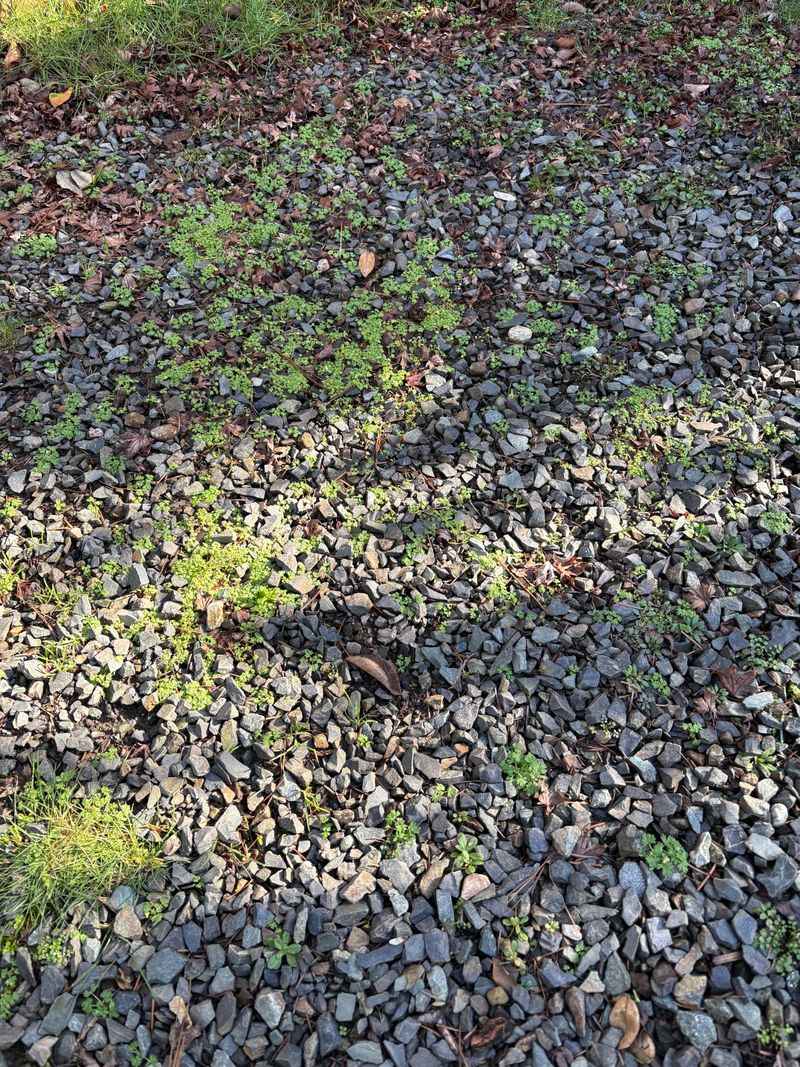
When weeds take over, dumping a fresh load of gravel feels like the obvious answer. It looks great for a while, but it often doesn’t solve the real problem.
Piling new gravel on top of weeds and debris just buries the issue. The seeds and roots underneath are still there, ready to push up again.
Fresh gravel can even make things worse if you skip the prep. New rocks trap the old debris below, creating a rich layer perfect for future weeds.
Doing the groundwork first matters most. Clear out existing weeds, rake away debris, and lay down landscape fabric before adding any new material.
Checking your drainage is smart too. If water pools on the driveway, new gravel alone won’t stop the damp conditions weeds love.
Sometimes the better move is fixing thin spots and improving the base rather than covering everything. Targeted repairs often work better than a full refresh.
Fresh gravel does have its place once the prep is done right. A clean base plus fabric plus new stone can give you years of low-weed results.
Before you order a big load, take an honest look at what is causing your weeds. Solving the root cause first makes that fresh gravel actually last.
A little planning turns a quick fix into a real, long-lasting solution for your driveway.