The Root Problem Florida St. Augustine Owners Should Watch For In Early Fall
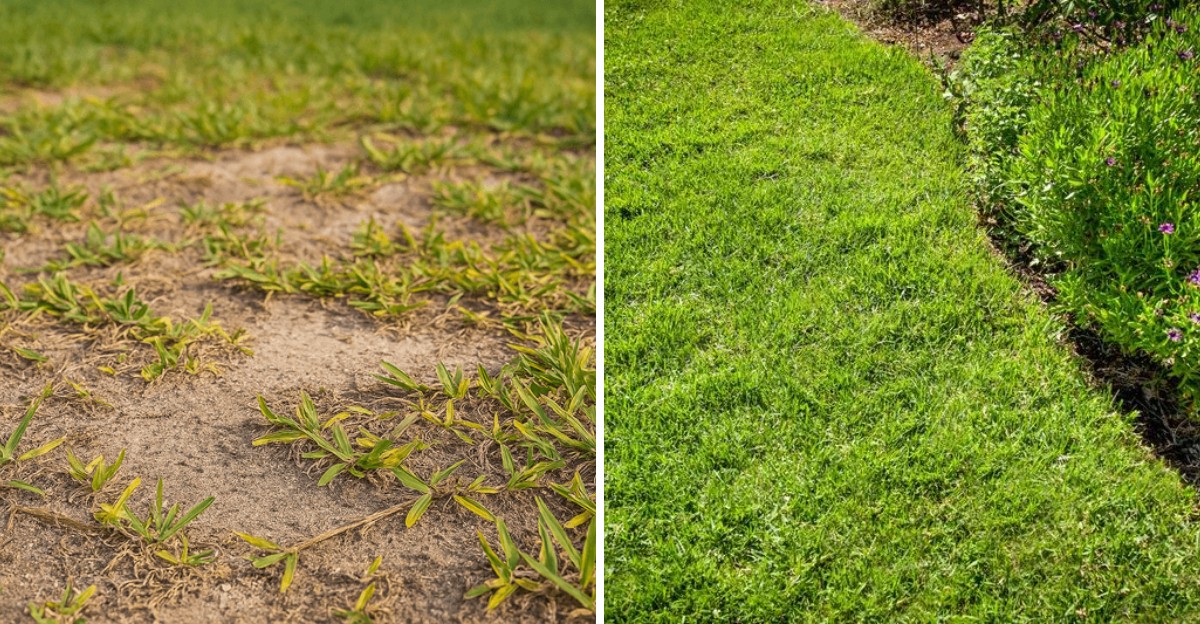
That St. Augustine lawn might look fine from the porch. Thick, green, nothing obviously wrong on top.
The real trouble with this grass rarely starts up there, though. It starts below ground, and by the time it shows up in the blades, it’s usually been building for weeks already.
Early fall creates exactly the conditions certain root problems need to take hold quietly. Grass can look completely healthy on the surface while the roots underneath are already in trouble, which is why so many homeowners get blindsided later.
Florida’s fall doesn’t cool off fast enough to stop this on its own. The lawn doesn’t fail all at once.
It fails from the bottom up, long before anyone notices from the porch. Catching this early is the difference between a quick fix and losing whole sections of lawn by the time the damage finally surfaces.
1. Check For Take-All Root Rot Before St. Augustine Declines
Fungus does its work in the dark, and Take-All Root Rot is a perfect example. By the time you spot trouble on top, the roots below have been struggling for several weeks.
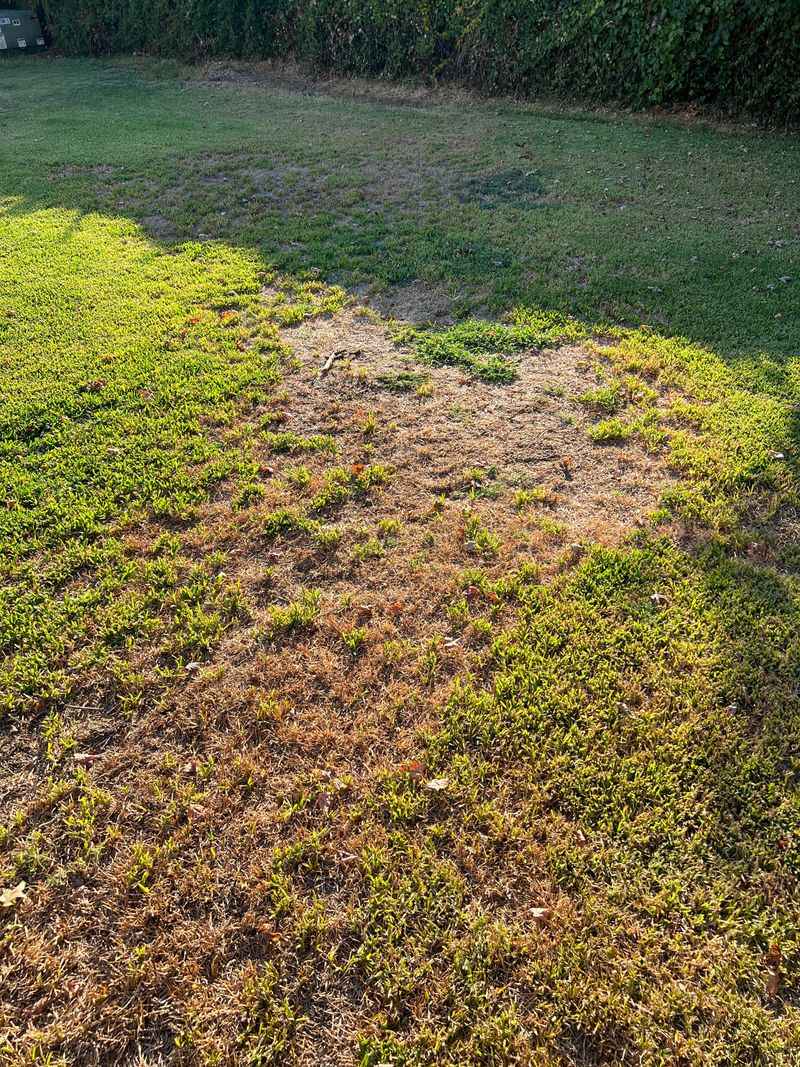
This fungal disease shows up in St. Augustine during long stretches of rain, which in Florida often runs from summer straight into early fall. Look for uneven yellow or light green patches, thinning turf, or bare spots that seem to appear out of nowhere.
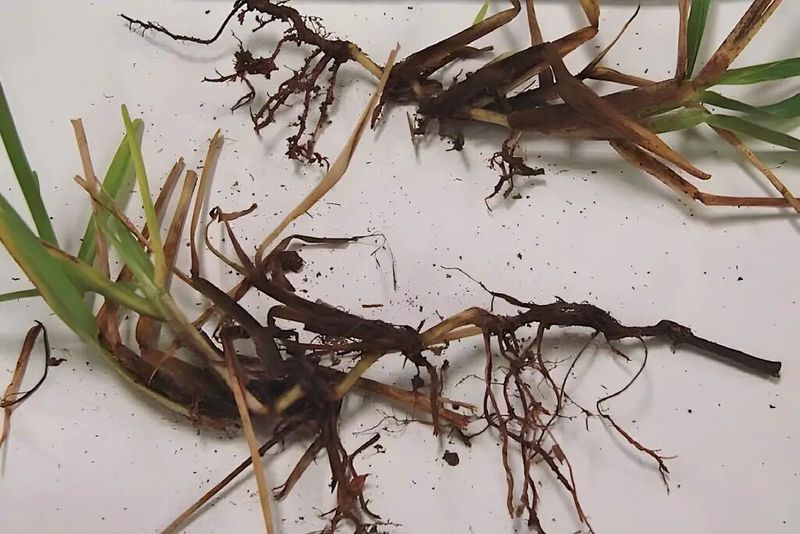
The real test happens at ground level. Tug gently on a runner and look at the roots.
Healthy ones are pale and firm, while affected roots look thin, dark, and rotted. You may also see black lesions along the stolons and rhizomes.
Soggy soil, weak drainage, compaction, and thick thatch all invite the problem in. Reducing stress on the lawn matters more than any single spray, so raise your mowing height and cut back on how often you irrigate.
Balanced, slow-release fertilizer supports recovery better than a heavy nitrogen push. Fungicides can help as a preventive step, and they should be watered into the soil after application so they reach the root zone.
Improving soil conditions with proper drainage, organic matter, and balanced nutrition can help stressed lawns recover.
2. Fix Soil Problems That Leave Grass Roots Struggling
Sandy soil is the price of living in Florida, and grass roots feel it every rainy week. Nutrients wash down past the root zone almost as fast as you apply them.
Compaction creates a second headache. When soil packs tight from foot traffic, mowers, and heavy rain, roots cannot push through it, and air, water, and food struggle to move down where they are needed.
Thatch is the third piece of the puzzle. That spongy layer of old stems and roots builds up between the green blades and the soil, and once it gets thick, water tends to sit on top instead of soaking in.
Early fall is a smart window for repair work because the grass is still growing and can knit back together. Dethatching clears out the excess organic layer, and core aeration pulls small plugs that open pathways for oxygen.
Your Florida Garden Changes Every Week. Your Plan Should Too.
Gardening in Florida changes quickly throughout the season. Every Friday you’ll receive a simple weekly plan showing exactly what to plant, prune, fertilize, harvest, and protect so you never miss the right timing.
Follow that with a topdressing of compost or peat moss to improve structure and help sandy ground hold onto nutrients longer.
A soil test takes the guesswork out of the rest. St. Augustine generally performs well in slightly acidic to neutral soils, often around pH 6.0 to 7.5.
3. Avoid Overwatering That Weakens St. Augustine Roots
Here is a twist most homeowners do not expect: too much water can hurt a lawn more than a dry spell. When moisture sits near the surface all the time, roots have no reason to reach down.
Shallow roots mean a fragile lawn. Soggy soil also crowds out oxygen, which makes it harder for roots to take up nutrients, and yellowing often follows.
Constant wetness rolls out the welcome mat for fungal issues like Take-All Root Rot, brown patch, and dollar spot. Weeds tend to move in too, since they love the same damp conditions.
Your feet can diagnose a lot. If the turf feels mushy or spongy, puddles hang around, or you catch a sour, musty smell after the sprinklers run, the lawn is getting more water than it can use.
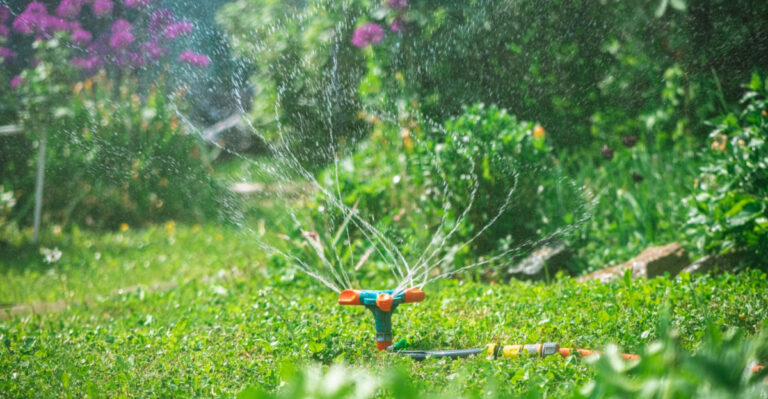
St. Augustine generally does well with roughly an inch of water per week, delivered in deep, infrequent soakings rather than daily sips. Early morning is the best time, giving blades hours to dry before evening.
Early fall calls for an extra adjustment. Cooler nights keep the lawn wet far longer, so dialing back irrigation frequency during this stretch lowers fungus pressure and gives stressed roots room to recover.
4. Watch Yellowing Grass For Hidden Root Damage
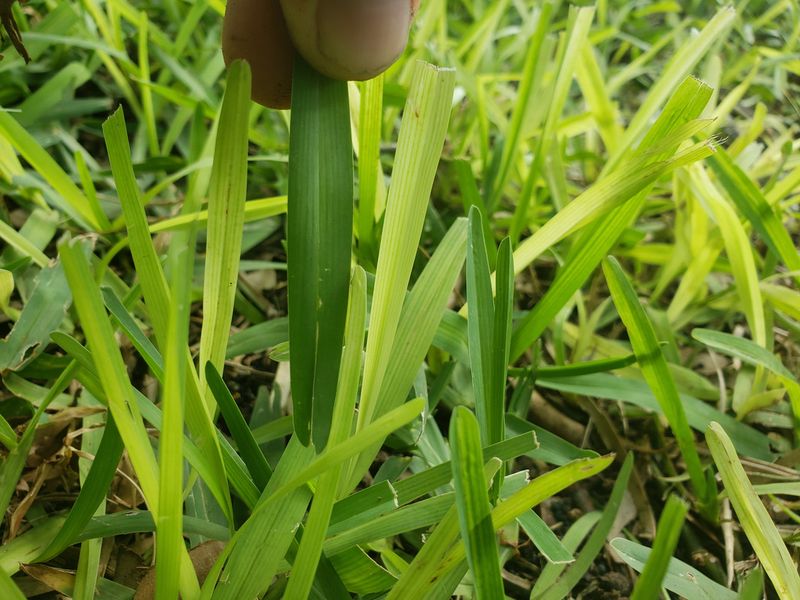
Color change is your lawn’s way of raising a hand. Yellowing rarely happens for no reason, and the pattern usually points toward the cause.
Overwatering, weak drainage, nutrient shortages, insects, and root disease all show up as pale turf. Sorting them apart saves you money, because the wrong treatment can make matters worse.
Nitrogen shortage tends to fade the older, lower blades first. Iron shortage looks different, leaving green veins with yellow stripes between them, almost like a leaf skeleton.
Southern chinch bugs create another look entirely. They inject toxins that block water movement inside the plant, producing yellow or brown patches that mimic drought stress even when the soil is damp.
Location tells a story too. Yellowing that starts in low spots or shady corners often points to fungus or soggy soil, while scattered patches near hot pavement may lean toward insects or heat stress.
Get down on your knees before you reach for a product. Pull a few runners, check whether roots are firm and light colored, part the grass to look for insects, and note how wet the soil feels an inch down.
Ten minutes of detective work in early fall can spare you a bare, patchy yard come March.
5. Improve Drainage Before Fall Moisture Creates Problems
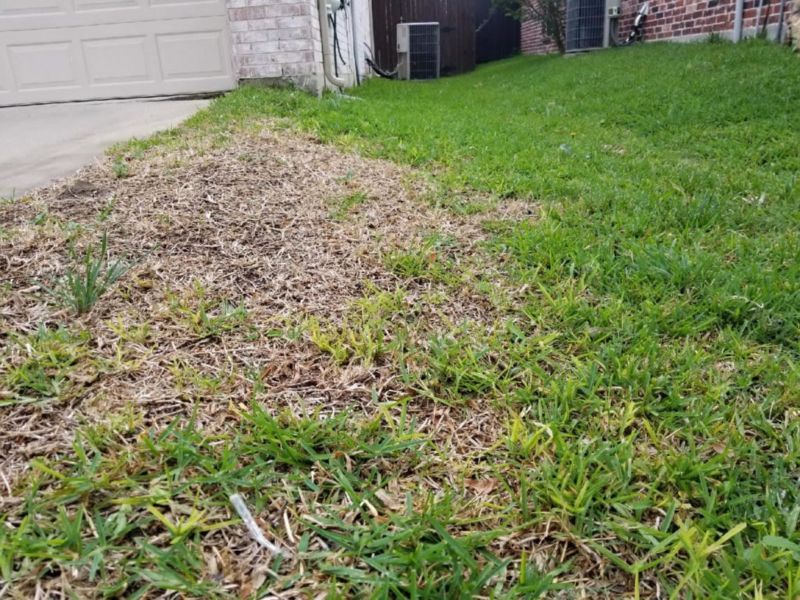
Rain is generous in Florida, sometimes a little too generous, and the season often stretches well into early fall. Where water lingers, root trouble tends to follow.
Saturated ground pushes out the oxygen roots need. Without air pockets in the soil, roots cannot pull in nutrients, and the whole plant slowly loses steam.
Poor drainage also gives root diseases like Take-All Root Rot the damp conditions they thrive in. That is why the sickest looking areas are usually the wettest ones.
Spotting the problem is refreshingly simple. Standing water after a storm, squishy footing, and yellowing that begins in a low corner and spreads outward all point the same direction.
Fixes range from easy to ambitious. Aerating compacted zones helps water move down instead of sideways, and blending organic matter into sandy ground improves how it holds and releases moisture.
For spots that stay wet no matter what, a French drain or a small regrading project may be the practical answer. Redirecting gutter downspouts away from turf helps more than people expect.
Do not overlook your controller either. Trimming irrigation frequency and run times during heavy rain weeks keeps soil moisture in a reasonable range and protects the roots you already have.
6. Feed St. Augustine Carefully To Support Strong Roots
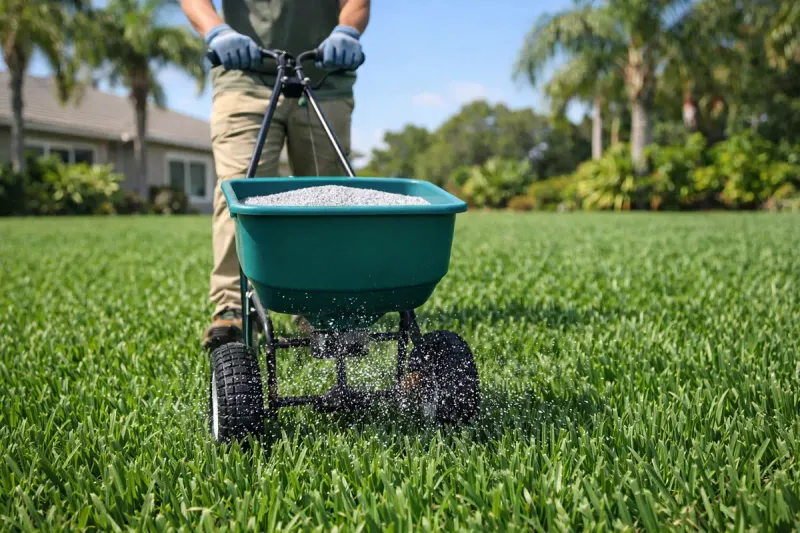
Fertilizer feels like a gift to your lawn, though the timing and type decide whether roots benefit or suffer. Fall feeding rewards patience over speed.
Slow-release products are the friendlier choice. They trickle nutrients out over weeks, which builds sturdier root systems instead of pushing soft, fast top growth that pests and fungus love.
Heavy nitrogen late in the season works against you. Too much of it raises the odds of large patch and Take-All Root Rot, especially when nights turn cool and damp.
North Florida lawns in particular benefit from a thoughtful fall application. Nitrogen, potassium, and phosphorus in balanced amounts help roots store energy before growth slows, which pays off with a quicker green-up in spring.
When blades look pale between the veins, iron is often the missing piece. A liquid foliar spray can green things up quickly, and following with a balanced slow-release granular keeps the improvement going.
Skip the guesswork by testing your soil every year or two. County extension offices in Florida make this affordable, and the results tell you what your lawn actually lacks.
Sweep stray granules off driveways and sidewalks before watering. It protects nearby waterways and keeps the nutrients where your roots can reach them.
7. Protect Grass From Pests That Attack Below The Surface
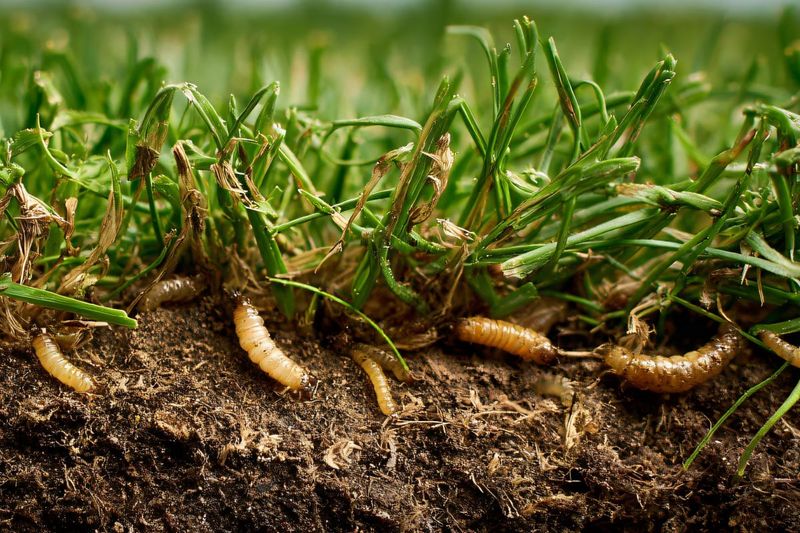
Some of the hungriest visitors to a Florida lawn are ones you may not spot without digging. Warm ground means they stay active far longer than in northern states.
Grubs top the list in late summer and early fall. These pale, C-shaped larvae chew through roots, and heavily fed areas peel back like loose carpet when you tug the turf.
Mole crickets take a different approach. They tunnel just under the surface, eating roots and lifting the sod as they go, and their pushing leaves soil crumbs scattered across the grass.
Ground pearls attach to tiny rootlets and show up mostly in spring and summer. Nematodes are microscopic roundworms that damage root tissue, leaving grass unable to pull in enough water even with regular irrigation.
Chinch bugs feed above ground, yet their toxins block water movement inside the plant, so their damage often gets blamed on drought or disease.
A soapy water flush is a handy home test. Mix a few tablespoons of dish soap into two gallons of water, pour it over a suspicious patch, and watch what crawls up.
Catching activity early keeps treatment smaller, cheaper, and far gentler on the rest of your yard.
8. Repair Damaged Areas Before Winter Growth Slows
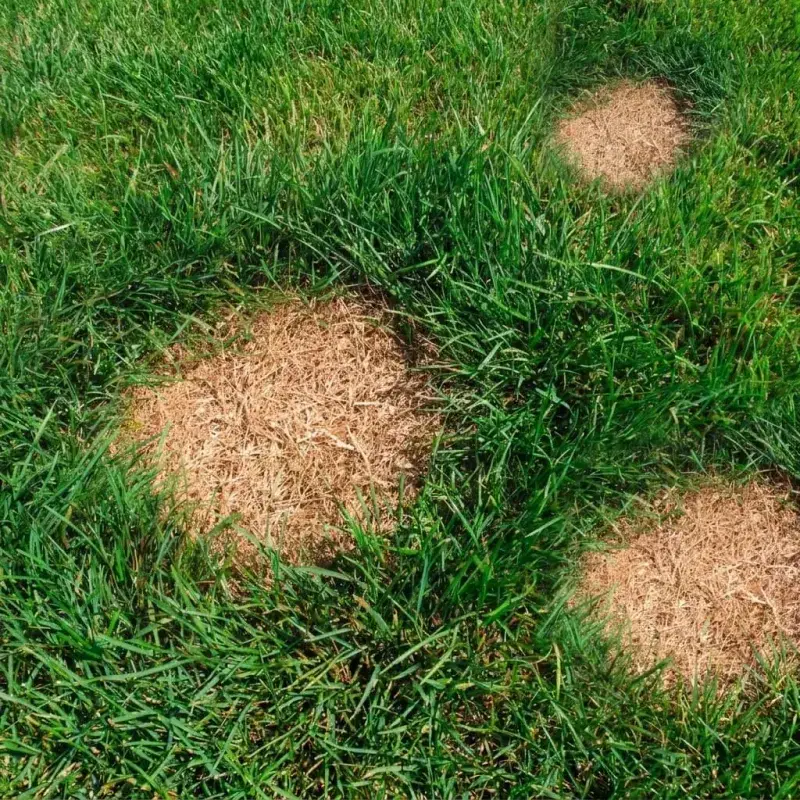
Timing matters a great deal with patch repair. Once cooler weather settles in, St. Augustine slows down, and bare spots stay bare much longer than anyone would like.
Small gaps are easy work. Press grass plugs into loosened soil and let the stolons creep sideways to close the opening on their own schedule.
Bigger sections call for sod. Laying fresh pieces gives you a uniform look right away, which beats waiting months for runners to travel across a wide area.
Preparation is where most repairs succeed or stumble. Rake out loose thatch and damaged stolons, loosen the top couple of inches of soil, and press the new material down firmly so roots touch moist earth rather than air pockets.
Watering is the next promise you make. New plugs and sod need steady moisture for the first few weeks while roots anchor, then gradual tapering toward a normal schedule.
Before any of that, figure out what caused the bare spot. Insects, disease, drainage, or compaction will simply repeat the damage if the underlying issue stays unaddressed.
Keep pets, kids, and wheelbarrows off the fresh sections for a while. Light traffic lets roots settle deeper without fighting new compaction from day one.
9. Build Healthier Roots For A Stronger Spring Lawn
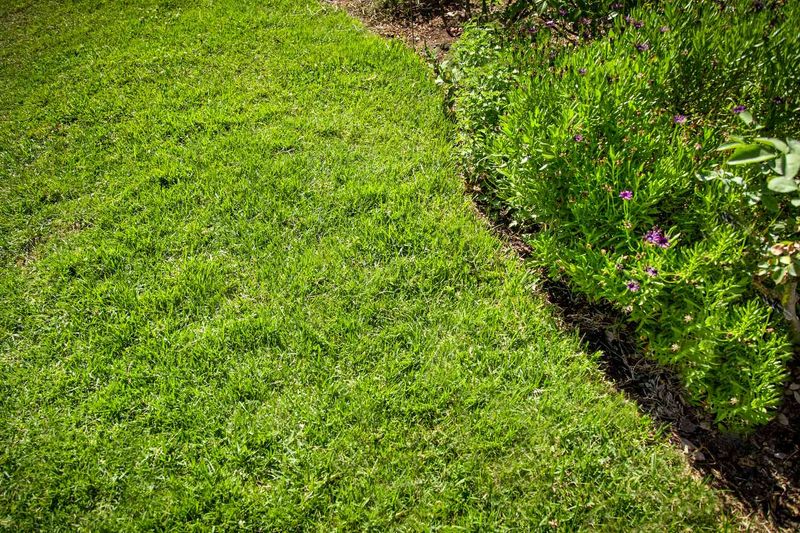
Think of fall as a savings account for next season. Every habit that strengthens roots now shows up as color and thickness when spring arrives.
Mowing height is the cheapest upgrade available. Keeping St. Augustine around 3.5 to 4 inches shades the soil and encourages roots to reach deeper, and a taller canopy crowds out weed seedlings too.
Watering style shapes root depth just as much. Deep, occasional soakings train roots to chase moisture downward, while daily light sprinkles keep them loitering near the surface.
Annual aeration is worth scheduling, especially on compacted yards or heavy foot-traffic areas. Those small holes let air, water, and nutrients travel to the zone where roots live.
Dethatching handles the buildup that blocks resources from ever reaching soil. Pair it with a topdressing of compost or peat moss to improve structure and nutrient holding.
Balanced, slow-release fertilizer during active growth rounds out the routine. Steady nutrition supports root development without forcing a growth spurt the plant cannot sustain.
Here is a fun bit of background: St. Augustine grass spreads by above-ground runners called stolons, which means a healthy lawn can slowly repair itself. Give those runners strong roots, and they will do a good share of the work for you.