What It Really Means When Hummingbirds Linger In Your Oregon Yard Into September
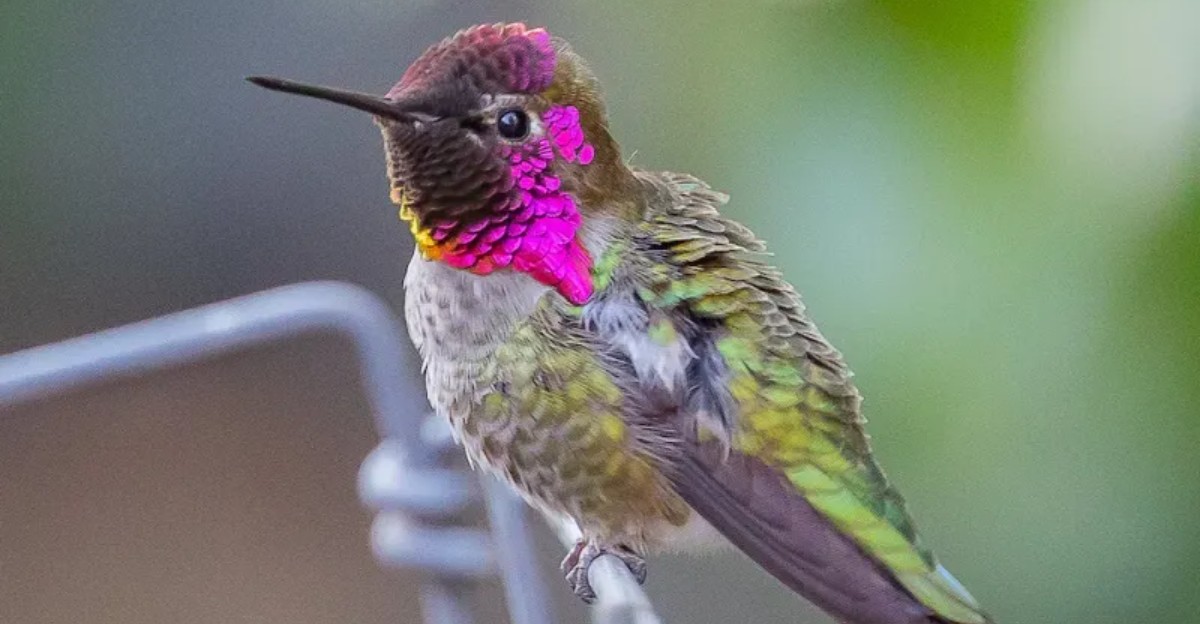
You step outside expecting the usual backyard activity, then notice a tiny visitor still darting between flowers, feeders, and favorite perches.
Hummingbirds have a way of making even a familiar Oregon yard feel a little more alive, especially when they seem to stick around longer than expected.
Seeing them linger as summer fades can make you wonder what is keeping them there. Is your garden offering something special?
Are they preparing for a seasonal change? Or is there another reason these fast-moving little birds keep returning to the same spots?
The answer is often tied to what your yard provides. Food sources, shelter, blooming plants, and changing conditions can all influence where hummingbirds spend their time and how long they stay.
Their behavior can also reveal interesting clues if you pay attention. The flowers they visit, the places they rest, and the way they interact with other birds all tell part of the story.
If hummingbirds are still making regular appearances around your Oregon home, your yard may be playing a bigger role than you realize.
1. Migration Is Running Late This Year
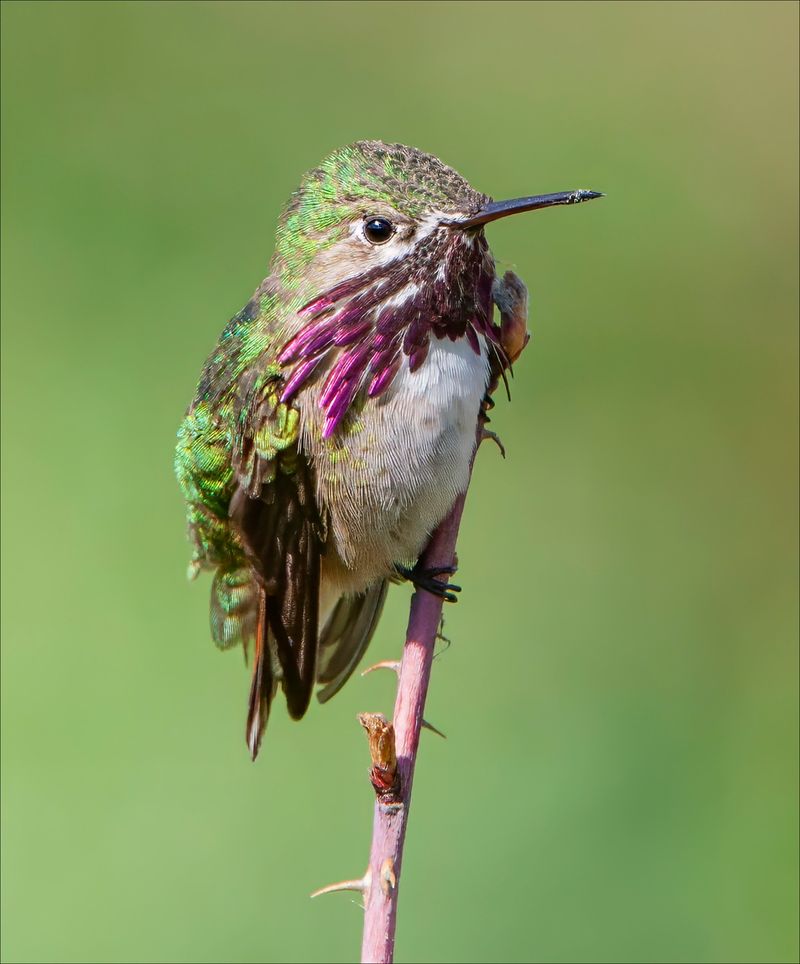
Nature runs on a clock, but sometimes that clock slows down. When hummingbirds hang around into September, it often means their usual migration timing has shifted a bit.
Many migratory hummingbirds in Oregon, especially Rufous hummingbirds, begin moving south as summer ends, while Anna’s hummingbirds often remain year-round. Warmer weather or a good supply of flowers and feeders can convince them to delay their trip.
They wait until conditions feel just right before making that long, tiring journey.
You might notice more activity in early fall than in previous years. That is usually a sign that the birds found your yard comfortable and worth staying in a little longer.
Keep in mind that late migration is not always a problem. These birds are smart travelers, and they know when to leave based on instinct and daylight length rather than temperature alone.
If you want to support them, keep your feeders clean and full during these final weeks. A steady food source gives them the energy they need for the miles ahead.
Watching them linger can feel special, almost like they are saying goodbye. Enjoy the extra time, because once the cooler nights settle in, most of them will finally begin their trip toward warmer southern regions.
2. Anna’s Hummingbirds May Be Staying All Winter
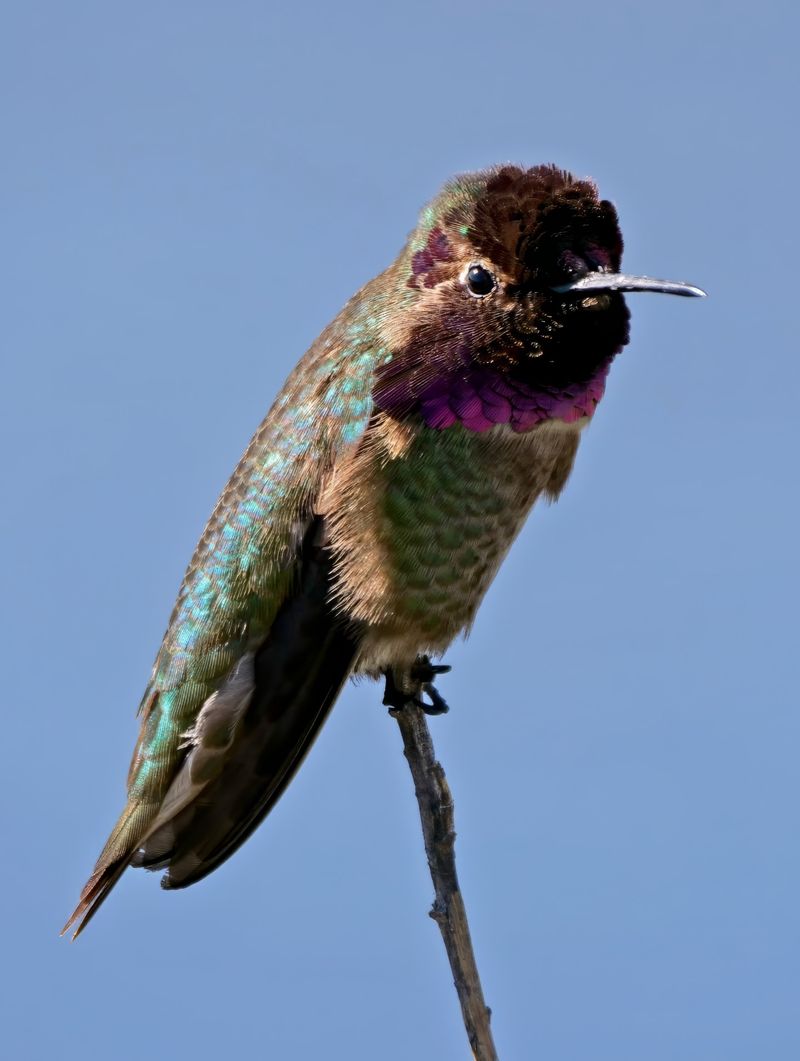
Here is a surprise many Oregon residents do not expect: not every hummingbird leaves. Anna’s hummingbirds are known to stick around through the colder months, especially along the coast and in milder valleys.
Unlike their Rufous cousins, these birds have adapted to Pacific Northwest winters. They can slow their body functions at night in a sleep-like state called torpor, which helps them survive chilly temperatures.
Seeing them in September might simply mean they plan to stay put. Your yard could become their year-round home if you provide reliable food and shelter.
These little birds are tougher than they look. They can handle rain, wind, and even light frost as long as they have enough energy stored up.
Your Oregon Garden Changes Every Week. Your Plan Should Too.
Gardening in Oregon changes quickly throughout the season. Every Friday you’ll receive a simple weekly plan showing exactly what to plant, prune, fertilize, harvest, and protect so you never miss the right timing.
To help winter residents, consider keeping a feeder available even after the season changes. On freezing nights, you may need to bring it inside or use a warmer to keep the nectar from turning to ice.
Did you know Anna’s hummingbirds have expanded their range northward over the past century? Backyard feeders played a big part in that change.
So if your September guests seem to have no plans to leave, you might be hosting a hardy Anna’s that considers your garden the perfect place to call home.
3. Your Yard Offers Plenty Of Food
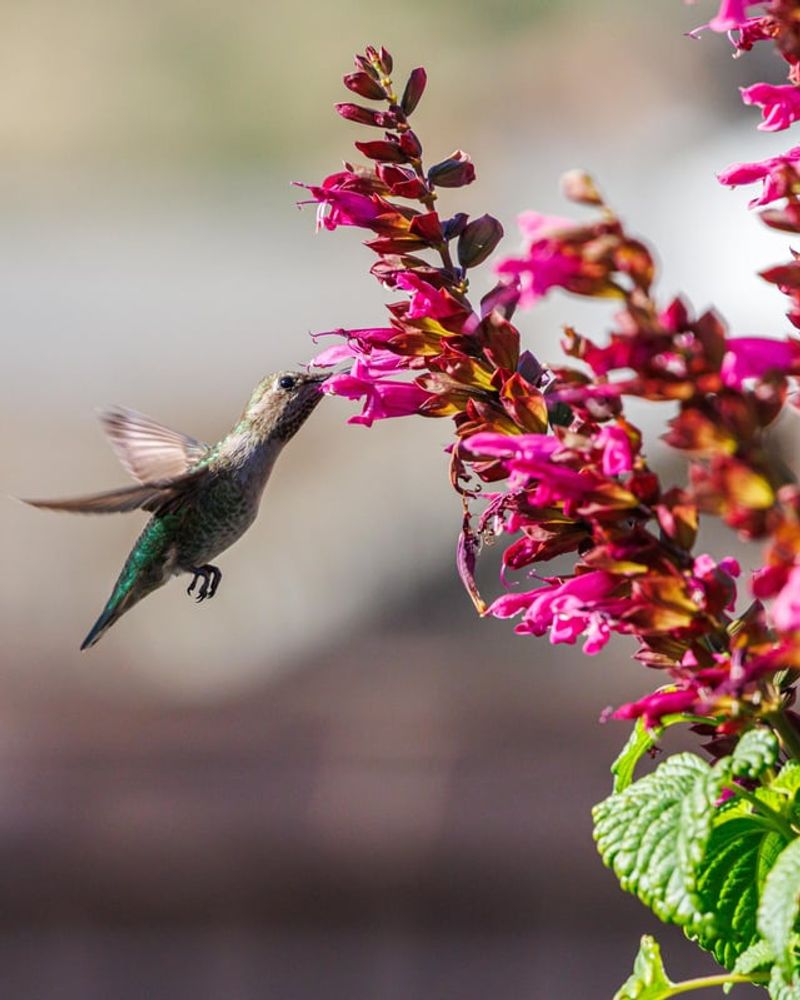
Sometimes the simplest answer is the right one. If hummingbirds refuse to leave your yard, it might be because you have created a buffet they cannot resist.
Flowers like fuchsia, salvia, and bee balm bloom well into fall in many Oregon gardens. Combined with clean feeders full of fresh nectar, your yard becomes a five-star restaurant for tiny travelers.
Food is the biggest reason hummingbirds choose where to spend their time. When they find a spot with steady meals, they see no reason to rush off.
This is actually a compliment to your gardening skills. It means your plants and feeders are healthy and appealing enough to compete with wild food sources.
To keep the good times going, plant a mix of flowers that bloom at different times. That way, something is always offering nectar as the seasons shift.
Change your feeder nectar every few days in warm weather so it does not spoil. A simple recipe of four parts water to one part sugar works perfectly, with no red dye needed.
The longer your yard stays inviting, the more likely these birds will remember it. Some even return year after year to the same reliable spots, treating your garden like a trusted travel stop.
4. Warmer Weather Is Confusing Their Timing
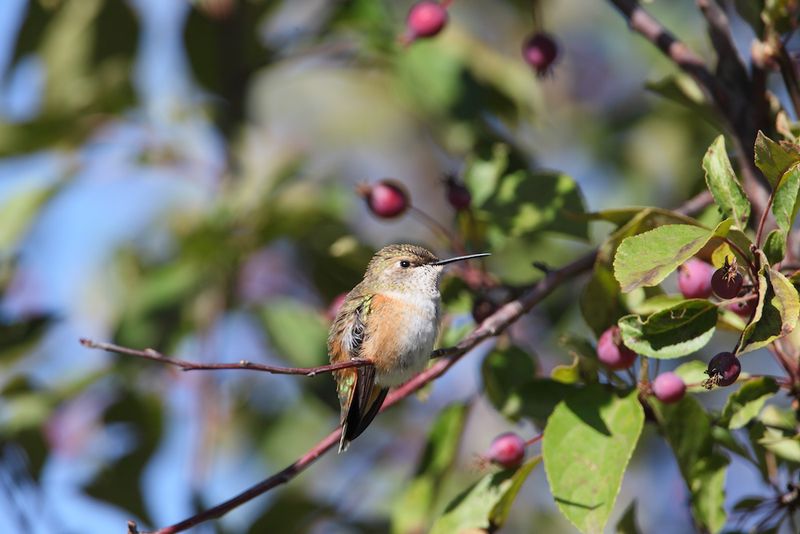
Weather plays tricks on wildlife more than we realize. When Oregon experiences an unusually warm late summer, hummingbirds may feel like it is still their season to stay.
Birds rely on natural cues like temperature, daylight, and food to decide when to migrate. A stretch of warm days can make them pause and enjoy the comfort before moving on.
Climate patterns have shifted in recent years, giving the region longer warm spells. These changes can nudge hummingbirds to linger past their normal departure dates.
You may notice this happening more often during mild autumns. The birds are not lost or confused in a harmful way; they are just responding to what the weather tells them.
While warm weather feels pleasant, it can create a small risk if the birds delay too long and get caught in a sudden cold snap. Their bodies need time to prepare for the journey.
Keeping feeders available during these warm stretches gives them steady energy. It also helps them recognize when it is finally time to leave once nights grow cooler.
Pay attention to weather forecasts if you enjoy tracking their behavior. A drop in temperature often triggers a quick departure, so your lingering visitors might vanish almost overnight when the first real chill arrives.
5. They Are Building Up Fat For The Trip
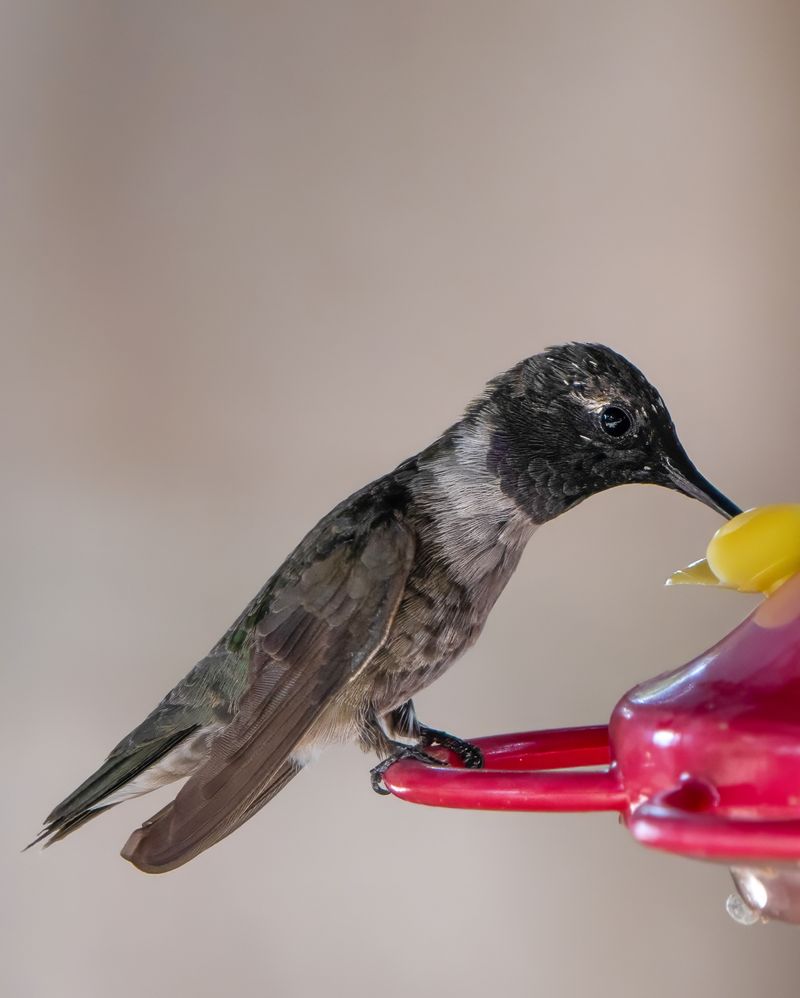
Before any long journey, travelers pack supplies. For hummingbirds, that means eating as much as possible to store body fat for their flight south.
September feeding frenzies are common as these birds prepare for hundreds or even thousands of miles of travel. You might see them visiting feeders far more often than usual.
Fat is their fuel. A hummingbird can nearly double its body weight before migration, turning that stored energy into the power it needs to cross long distances.
If your feeders suddenly seem busier, this could be the reason. The birds are loading up before the big departure, and your yard is helping them succeed.
This is one of the most important times to keep nectar fresh and plentiful. Every sip helps them survive the demanding trip ahead.
Watching them feed so eagerly can be fascinating. Their tiny hearts beat over a thousand times per minute during activity, so they burn energy incredibly fast.
Try not to disturb them during these feeding sessions. They are focused on one goal, and interruptions can waste precious energy they need for travel.
Once they have stored enough fuel, they will slip away almost silently. Your generous feeders may have played a quiet but vital role in their successful journey.
6. A Sick Or Injured Bird May Need Extra Time
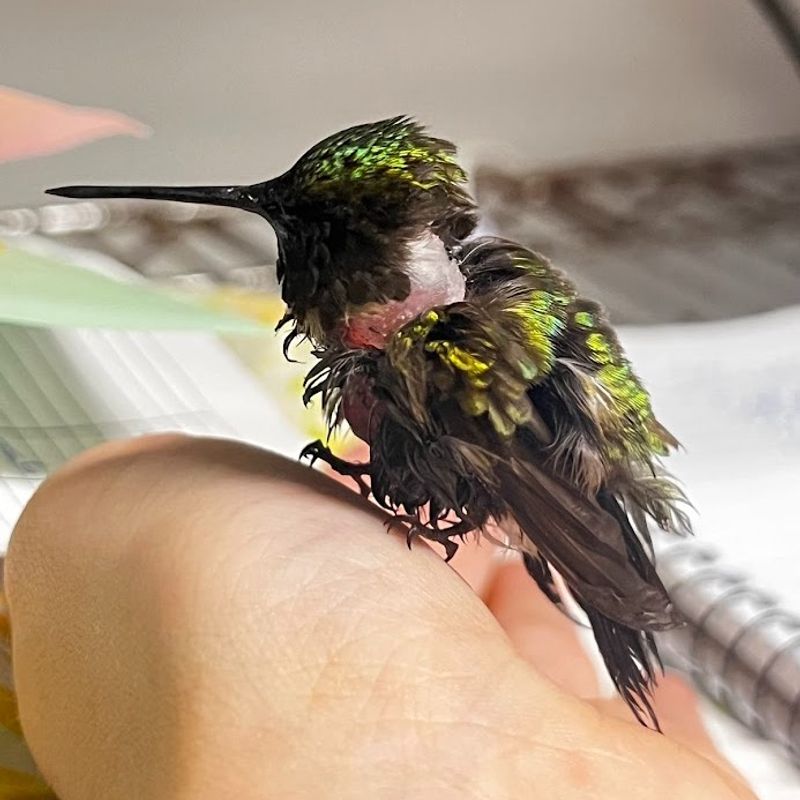
Not every lingering bird is simply enjoying the weather. Sometimes a hummingbird stays behind because it is not healthy enough to travel with the others.
An injured wing, illness, or exhaustion can prevent a hummingbird from continuing migration. These stragglers rely heavily on backyard feeders to survive.
You might notice one that looks puffed up, moves slowly, or stays perched much longer than usual. These signs can point to a bird that needs a little more rest before flying.
Your feeder becomes a lifeline in these cases. A steady, clean food source gives the bird the best chance to recover and eventually catch up on its journey.
Avoid trying to handle or capture the bird yourself. Wild birds are delicate, and stress can make their situation worse instead of better.
If a hummingbird seems truly stuck or in danger, contact a local wildlife rehabilitation center for advice. Experts know how to help without causing harm.
Keep your feeders in a safe spot away from windows and cats so weak birds are not put at extra risk. Small changes can make a big difference for a struggling visitor.
With patience and a reliable food supply, many recovering hummingbirds regain their strength and eventually continue toward their winter destination.
7. Your Feeders Encourage Them To Stay
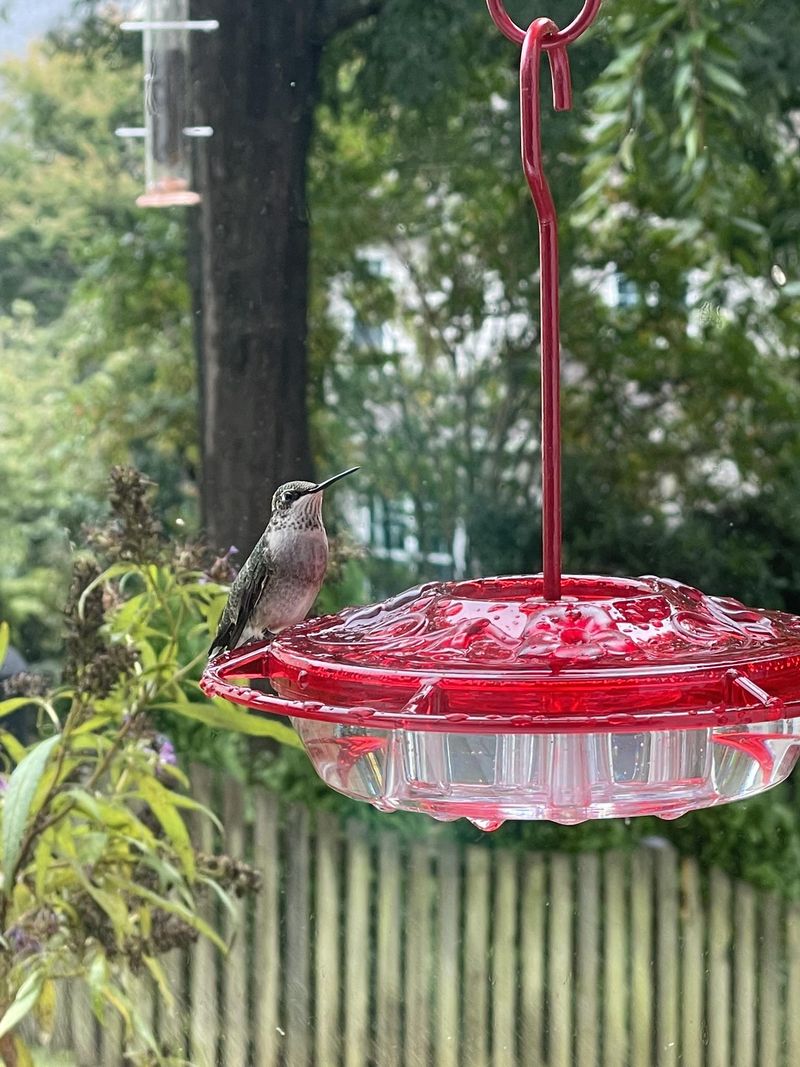
Here is something many bird lovers wonder about: do feeders keep hummingbirds from leaving? The honest answer is a little of both yes and no.
Feeders do not stop birds from migrating, since instinct and daylight control that decision. However, a reliable food source can convince healthy birds to linger a bit longer than they might otherwise.
Think of your feeder as a comfortable rest stop. Birds appreciate the easy meal, especially while they build energy for their trip.
Some people worry they are hurting hummingbirds by keeping feeders out in fall. In truth, you are helping them, as long as you keep the nectar clean and fresh.
Leaving a feeder up through September and beyond can actually rescue late migrants and winter residents who need extra support. Empty feeders help no one.
Clean your feeders every few days and refill them with a simple sugar-water mix. Spoiled nectar can make birds sick, so freshness matters more than fancy recipes.
Position feeders in shaded, sheltered spots to keep the nectar cool and safe. This small effort makes your yard even more welcoming.
By offering steady care, you become part of their remarkable story. Your feeders may not hold them back, but they certainly make the journey a little easier.