This Georgia Wildflower Peaks In Fall And Feeds Migrating Butterflies
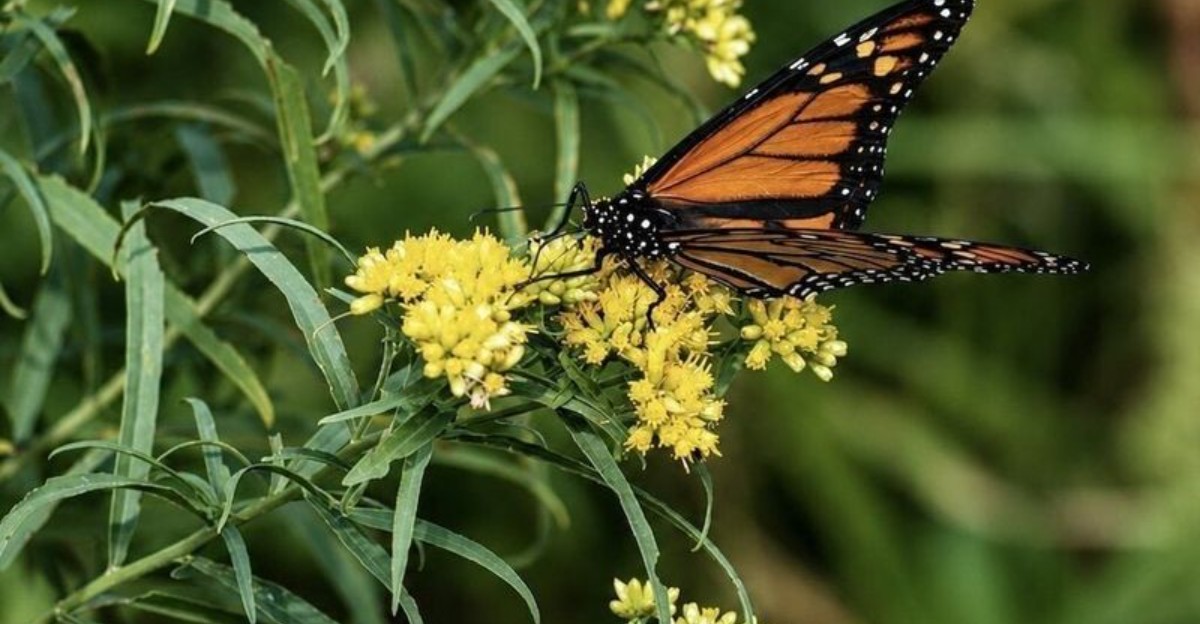
Summer may be winding down, but one wildflower is just reaching the part of the season when it matters most. Its fall blooms arrive alongside migrating butterflies.
That overlap turns a beautiful patch of flowers into something useful for travelers heading south.
As butterflies move through Georgia, they need places where they can stop and find nectar along the way. This native wildflower helps keep that food available when many earlier blooms are fading.
For your garden, the reward is a fall display that stays busy with movement.
Watch the flowers on warm days, and you may notice different visitors arriving throughout the season. Their activity shows why bloom timing matters.
Leave room for plants that flower later, and your yard can offer migrating butterflies a welcome stop during their long journey.
1. Bright Yellow Flowers Take Over As Many Summer Blooms Fade
Something shifts in late August.
Coneflowers go brown, bee balm gets ragged, and the garden starts looking tired.
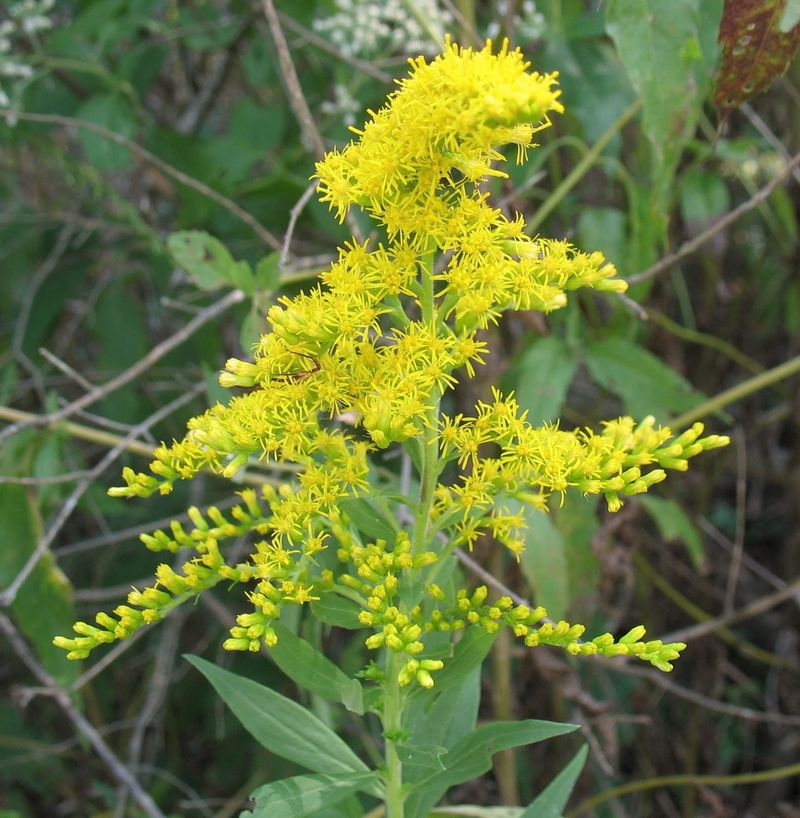
Goldenrod picks up right there. Buds that sat green and unnoticed all summer begin opening into loose yellow plumes, and within a couple of weeks the color spreads across roadsides and field margins.
Timing varies by species and site conditions. Some start in August, others hold off until October, so bloom windows shift depending on rainfall and how hot the season ran.
Across Georgia, that late color matters more than it looks. Nectar sources thin out fast once summer perennials finish, and pollinators still need food well into October.
Old fields show it best. Drive past a pasture that has not been mowed since spring and the gold is hard to miss.
Gardeners often mistake early goldenrod growth for a weed and pull it in June. The plant spends most of the summer building height and leaves before it ever flowers.
Leaving a patch alone through the growing season is the simplest way to find out what you have. Mark it with a stake if you tend to forget.
Paired with asters, the effect is hard to beat. Purple and gold bloom together naturally in fall, and both pull in steady insect traffic.
2. Goldenrod Is The Wildflower Behind This Fall Show
Blame lands on goldenrod every fall, and it is almost always misplaced.
Pollen from goldenrod is heavy and sticky. Insects move it from flower to flower, so it does not drift through the air the way allergy-causing pollen does.
Ragweed blooms at the same time with small green flowers nobody notices. Its pollen is light and wind-carried, which makes it the far more likely source of that scratchy fall nose.
The plant belongs to the genus Solidago, part of the aster family. More than two dozen species turn up around Georgia, from mountain coves down to coastal flatwoods.
Flower heads look like a single yellow spray from a distance. Get closer and you will see hundreds of tiny individual blooms packed along the branches.
That structure is exactly what makes it useful to insects. Small pollinators can land and feed without much effort.
Your Georgia Garden Changes Every Week. Your Plan Should Too.
Gardening in Georgia changes quickly throughout the season. Every Friday you’ll receive a simple weekly plan showing exactly what to plant, prune, fertilize, harvest, and protect so you never miss the right timing.
Growth habits differ a lot between species. Some form tight clumps, while others run through the soil by underground stems and cover ground quickly.
Height ranges roughly from two feet to over six, depending on the species and moisture. Rich, damp soil tends to push plants taller and floppier.
Once you learn to recognize the leaves, you will start spotting it everywhere in fall.
3. Tiny Flowers Provide Nectar For Hungry Butterflies
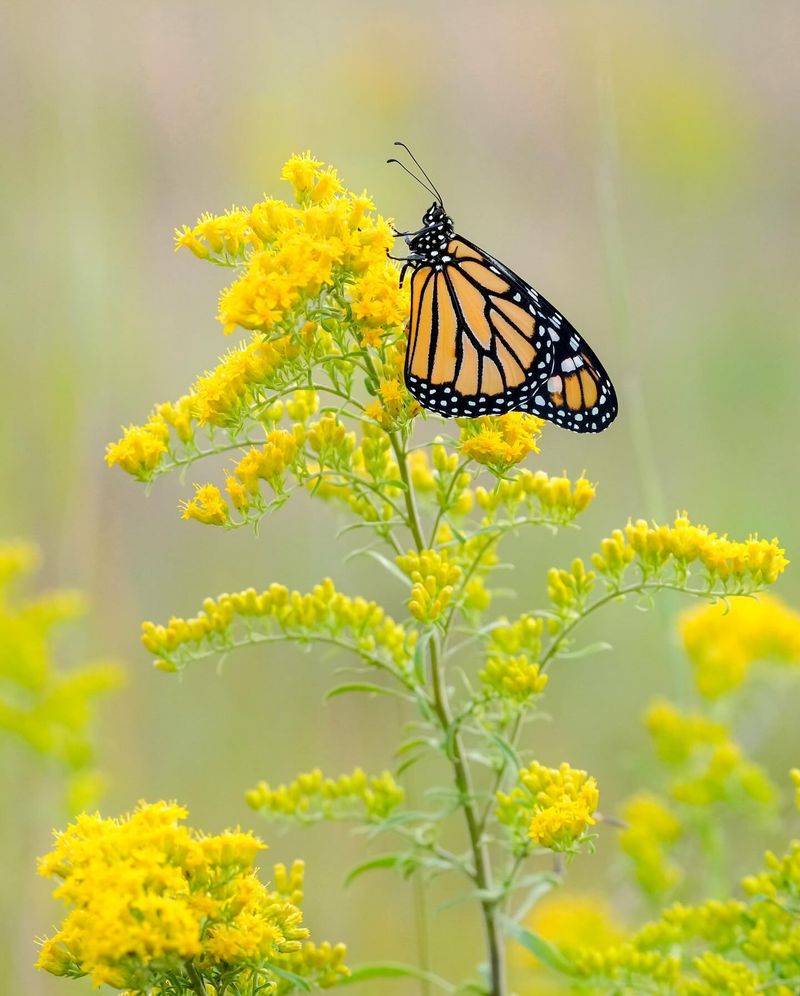
Watch a goldenrod plume for two minutes and you will lose count of the insects.
Each plume holds dozens of small flower heads, and every head contains a cluster of even smaller florets. That means a huge amount of nectar packed into a small space.
Butterflies with short mouthparts benefit most. Skippers, hairstreaks, and sulphurs can reach the nectar without struggling.
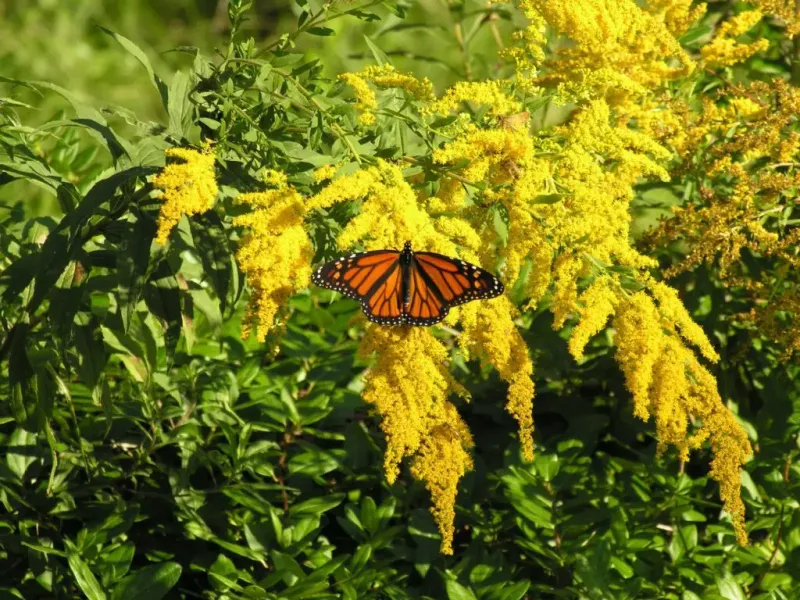
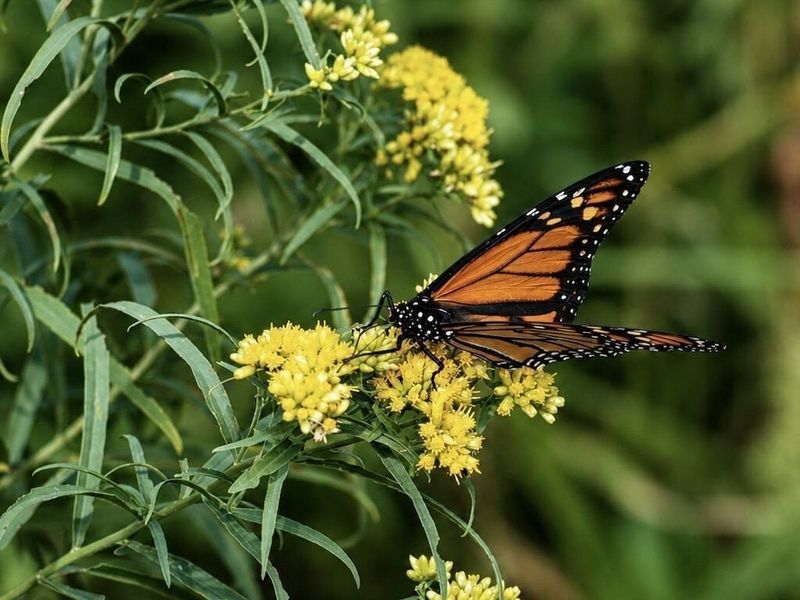
Monarchs use it too, especially while traveling. Fueling stops matter during migration because fat reserves determine how far they can go.
Bees show up in force as well. Bumblebee queens feed heavily on fall blooms before finding a place to overwinter.
Soldier beetles, wasps, and small flies work the same flowers. Predators like ambush bugs and crab spiders follow the crowd, which is part of what makes goldenrod so interesting to watch.
Warm afternoons bring the heaviest activity. Cool mornings in north Georgia slow everything down until the sun hits the patch.
Pesticide use nearby cuts into that traffic quickly. Skipping sprays around blooming patches keeps the food chain intact.
A single mature clump can support a surprising amount of life. Three or four plants grouped together do noticeably better than one sitting alone.
4. Fall Blooming Lines Up With Butterfly Migration
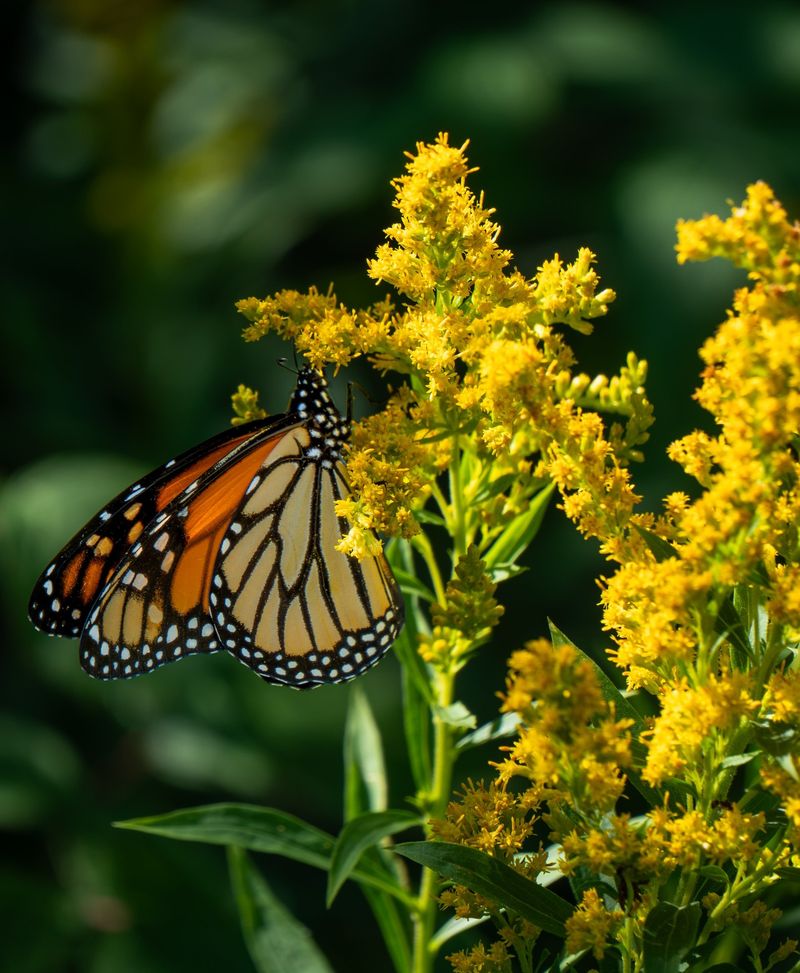
Monarchs pass through in fall, heading toward central Mexico.
Movement usually picks up from mid September into October across much of the Southeast, though weather and cold fronts shift the schedule from one year to the next.
Goldenrod happens to peak in that same stretch. Not by accident either, since both the plant and the butterflies respond to shortening days and cooling nights.
Nectar is fuel. Monarchs convert it into body fat that carries them through long stretches with little food available.
Georgia sits along part of the eastern migration path, so backyard flowers here can genuinely matter to traveling butterflies. Coastal areas and river corridors often see concentrated movement.
Other migrants use fall blooms as well. Cloudless sulphurs and painted ladies move through in noticeable numbers some years.
Late-blooming species stretch the buffet further. Seaside goldenrod, common along the coast, often flowers into November.
Planting a mix of early and late types spreads the nectar supply over a longer window. That helps during years when frost arrives late.
Sunny, sheltered spots draw the most visitors. Butterflies avoid windy open ground when they can, so a patch near a hedge or fence line usually sees more traffic.
5. Sunny Spots Help Goldenrod Produce Plenty Of Flowers
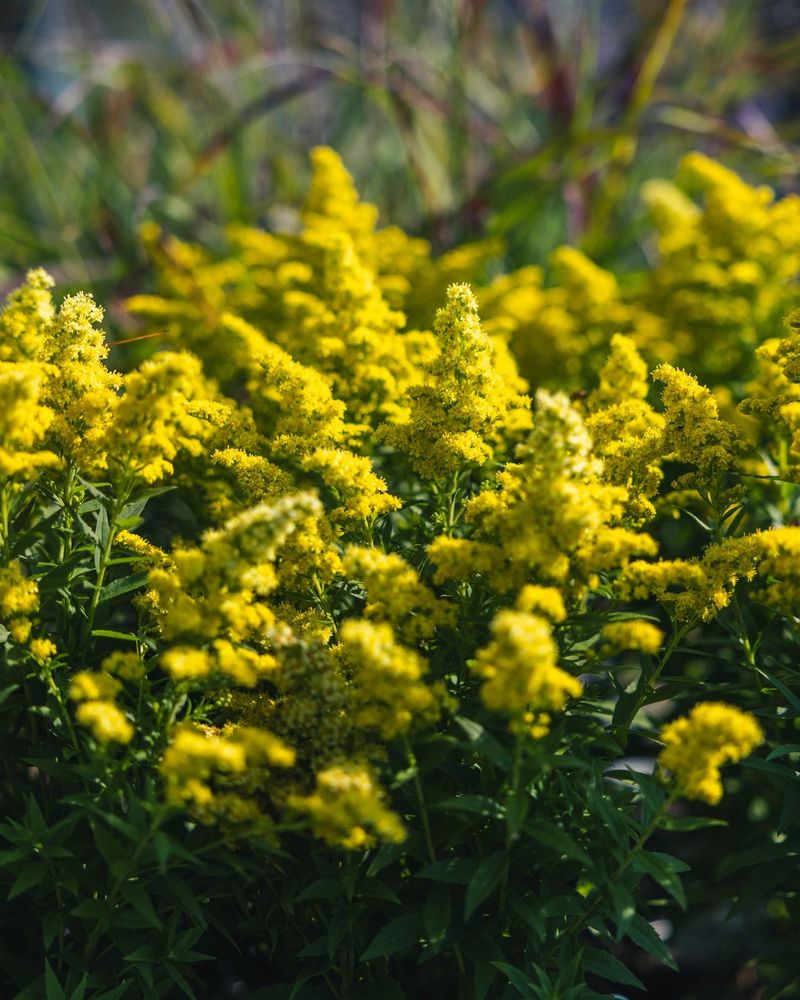
Shade is the fastest way to get a disappointing goldenrod.
Plants stretch, lean, and flower thinly when light runs short. Six hours of direct sun is a reasonable minimum for most species.
Soil requirements are refreshingly low. Poor, gritty ground often produces sturdier stems than rich garden beds.
Overfeeding backfires. Extra nitrogen pushes soft growth that flops over by the time buds open, especially after heavy rain.
Drainage matters more than fertility for most upland types. Rough goldenrod and wrinkleleaf goldenrod tolerate damp ground, but many others prefer things on the dry side.
Watering is mostly a first-year concern. Once roots settle in, established plants handle Georgia summers without much help.
Cutting stems back by about a third in late spring can reduce flopping. Plants branch out lower and stay more compact, though bloom time may shift slightly later.
Crowding causes trouble too. Give clumps room so air moves through, which helps limit powdery mildew on the lower leaves.
Mildew looks bad but rarely does lasting harm. Removing the worst stems and improving spacing usually takes care of it by the following season.
Woodland edges work if the light is decent. Full shade under a dense canopy will not produce much bloom.
6. Several Native Goldenrods Grow Well In Georgia Gardens
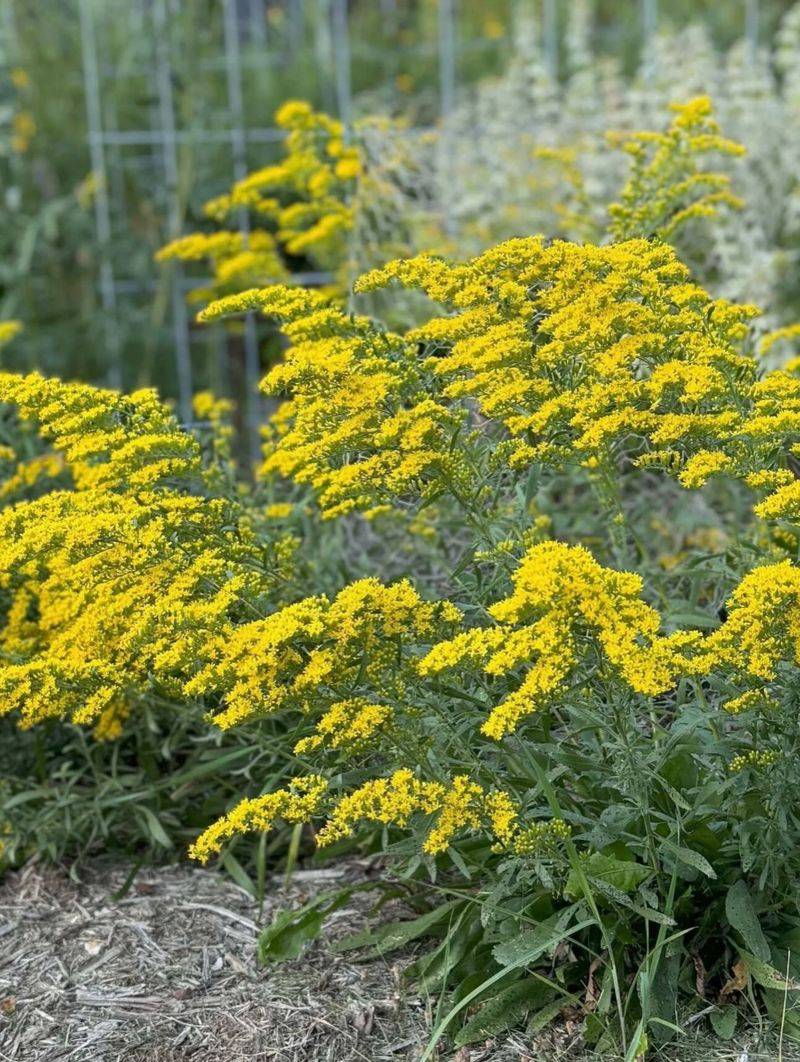
Not every goldenrod belongs in a flower bed.
Canada goldenrod spreads aggressively through underground runners and can swallow a small planting. Better suited to meadows and rough areas where it has room.
Wreath goldenrod, sometimes called blue-stemmed goldenrod, behaves much better. Arching stems carry yellow clusters tucked along the leaf joints, and it tolerates part shade at woodland edges.
Stiff goldenrod holds itself upright without staking. Flat-topped flower clusters sit on top of thick, sturdy stems, and it handles dry clay reasonably well.
Seaside goldenrod is a coastal standout. Salt tolerant, thick leaved, and late blooming, it feeds monarchs moving down the Atlantic shoreline.
Sweet goldenrod carries an anise scent in its crushed leaves. Fun to grow, and it stays modest in size.
Downy goldenrod suits sandy, sunny sites in the Georgia coastal plain. Compact habit makes it easier to place than the tall meadow types.
Nursery cultivars like Fireworks offer a controlled option. Growth stays clumping, which suits smaller yards.
Buying from native plant sales or reputable growers avoids surprises. Ask specifically whether a species clumps or runs before planting it near tidy beds.
Group three or five together for a real show rather than scattering singles.
7. Leaving The Blooms Standing Keeps Food Available Longer
Tidiness has a cost in fall gardens.
Cutting goldenrod the moment it fades removes nectar that late-flying insects still use. Warm spells in November often bring butterflies back out looking for food.
Seed heads matter too. Goldfinches and sparrows pick through the fluffy remains through winter.
Hollow stems shelter small native bees. Leaf litter underneath protects overwintering insects and butterfly pupae.
Standing stems also add structure to a bare winter yard. Frost on those dry plumes looks better than mulch.
Timing the cleanup for late winter works well. Waiting until steady warmth arrives gives sheltering insects a chance to emerge.
Mild winters in south Georgia mean insects stay active longer, so there is little reason to rush a cutback in December.
Deadheading before seeds ripen is one way to limit unwanted spread. That trade-off costs you the bird food, so choose based on your space.
Chopped stems can be left in place as mulch. No need to bag them and haul them off.
A patch left alone for a few years develops its own rhythm. Insects find it, birds follow, and the whole area starts feeling more alive than a bed scraped clean every October.