Liriope Cut Back In October Spends The Whole Winter Looking Ragged In Georgia
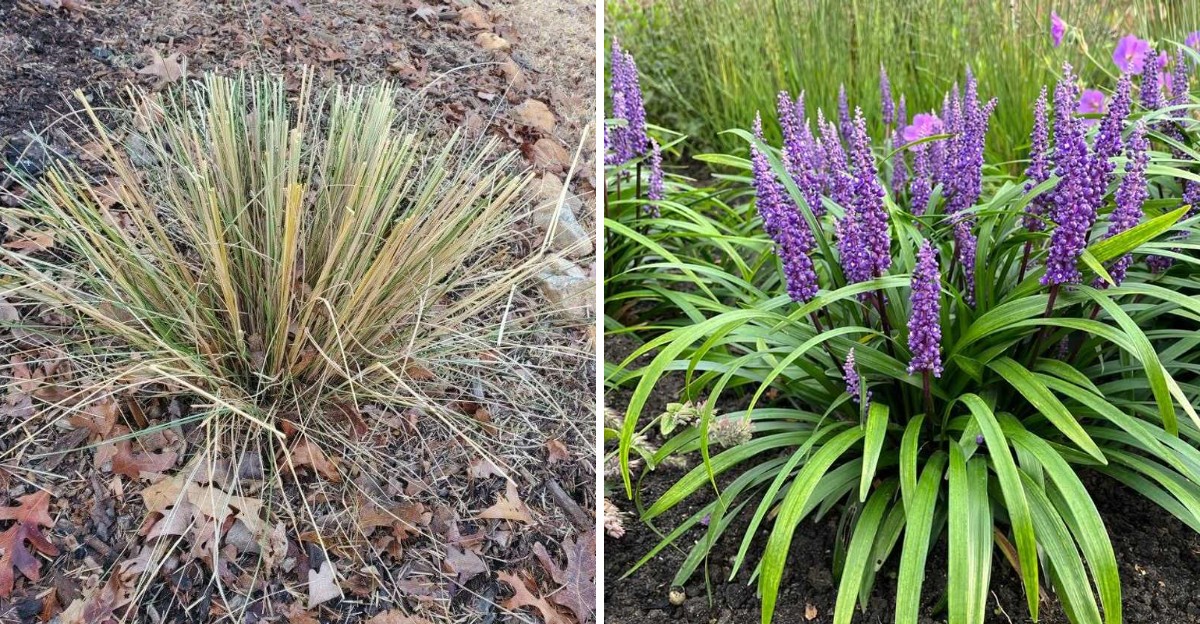
Liriope can stay green through winter, so cutting it down in October may leave a bare patch where you expected tidy foliage.
Those grassy clumps might look tired after summer, especially when older leaves develop brown tips. But removing everything now means waiting months for fresh growth to fill the space.
The timing of that cleanup matters more than the urge to make borders neat.
In Georgia, liriope is commonly trimmed near the end of winter before new leaves emerge. That gives established plants a chance to keep their foliage through colder weather.
For now, remove loose debris without shearing the clump.
You can still improve the appearance of the bed without stripping away healthy leaves. Save the bigger trim for the season when new growth is ready to follow.
1. October Is Too Early For The Annual Cutback
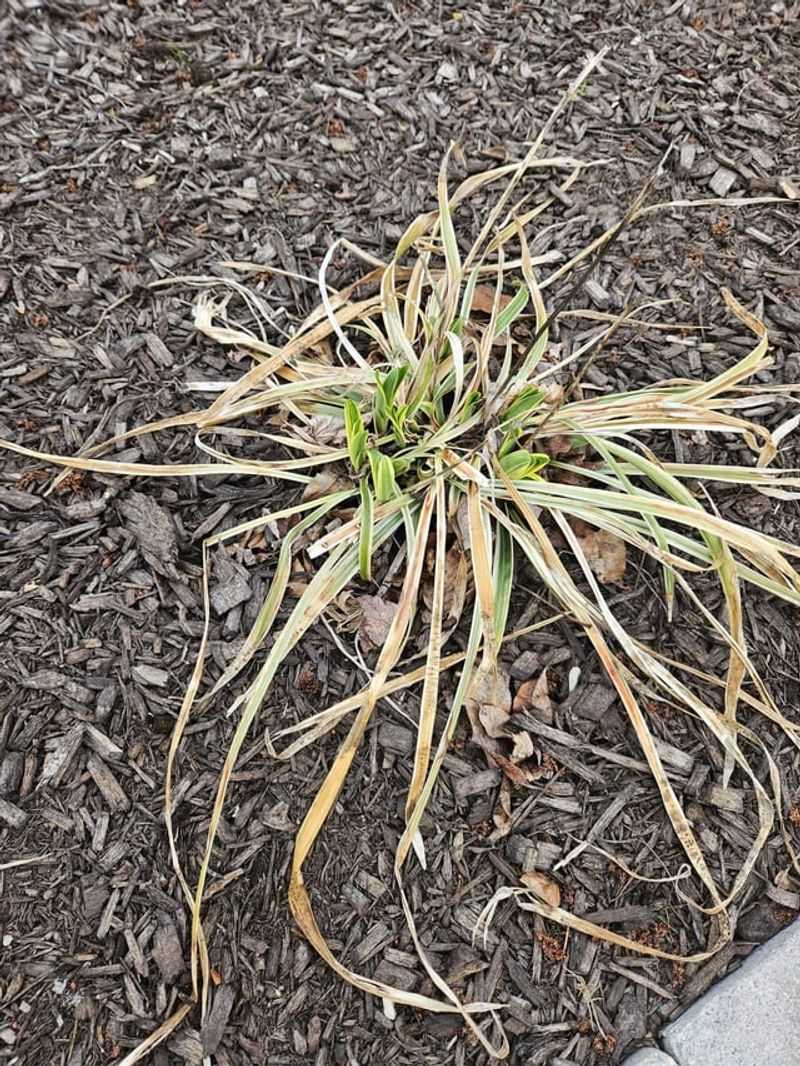
Short liriope in October looks tidy for about two weeks. After that, the stubs start turning tan, and they stay that way until spring.
Liriope does most of its growing in spring and summer, so a fall trim usually brings little regrowth before cooler weather slows the plant down.
In much of Georgia, October still has warm days, but nights grow cooler and daylight gets shorter. Growth slows as the season moves along, which means cut clumps may sit bare through winter.
Some gardeners worry that leaving the leaves up looks messy. In reality, most liriope varieties hold decent color into early winter, so the bed often looks better untouched.
A fall cut also removes leaves that help cover the crown. That cover may offer some protection during cold snaps, though how much it helps depends on your area and the winter you get.
Instead of cutting, try a lighter cleanup in October. Pull out fallen leaves, sticks, and weeds that have crept into the clumps.
You can also snip off old flower stalks if the berries bother you. That small job keeps the bed neat without stripping the plant.
Save the full trim for later. Your patience now usually pays off with a cleaner look all winter long.
2. Healthy Green Leaves Can Stay Through Fall
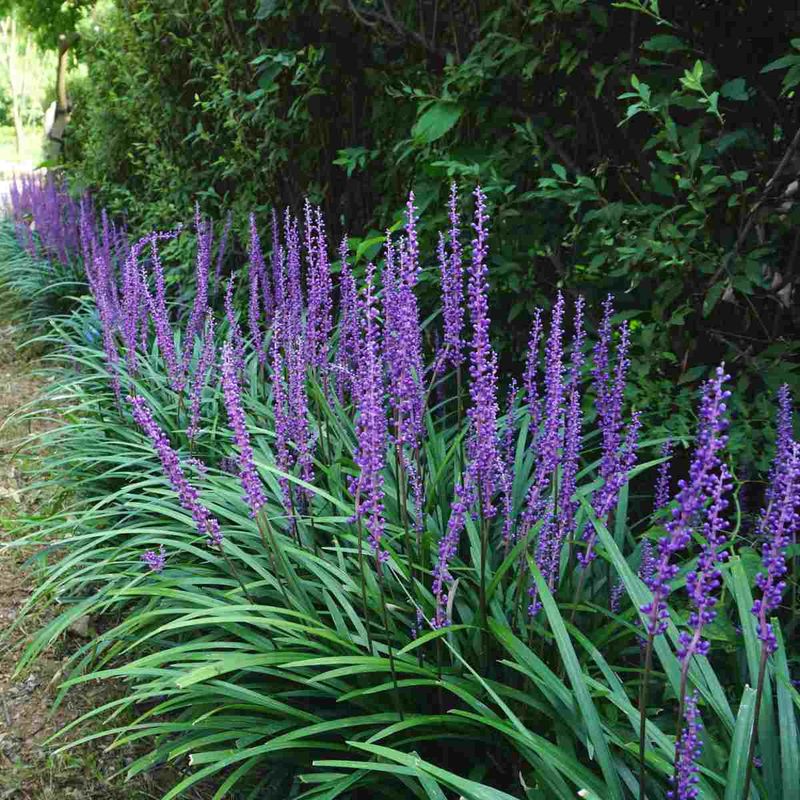
Green leaves are working leaves. As long as liriope foliage stays healthy, it keeps feeding the plant through photosynthesis.
Fall is often when liriope looks its best in Georgia. Summer heat has eased, and the clumps tend to look full and lush.
Many varieties also carry dark berries after their late summer flowers fade. Those berries add a little interest to beds when other plants are winding down.
So why cut something that still looks good? Leaving the foliage gives you a neat green edge along walks and driveways during the holiday months.
Variegated types, such as those with creamy stripes, can look especially bright in fall shade. They light up dim corners under trees.
Keep an eye out for problems, though. If you spot leaves with reddish or brown spots, that may point to a leaf disease called anthracnose, which shows up in some wet years.
Your Georgia Garden Changes Every Week. Your Plan Should Too.
Gardening in Georgia changes quickly throughout the season. Every Friday you’ll receive a simple weekly plan showing exactly what to plant, prune, fertilize, harvest, and protect so you never miss the right timing.
In that case, removing only the damaged leaves is reasonable. Rake them away instead of letting them sit in the bed.
Otherwise, simple care is enough. Water during long dry spells, clear out fallen leaves so they do not mat down the clumps, and let the plant rest.
Healthy foliage is doing a job right now. Give it the rest of the season.
3. Winter Weather Naturally Wears Down The Old Foliage
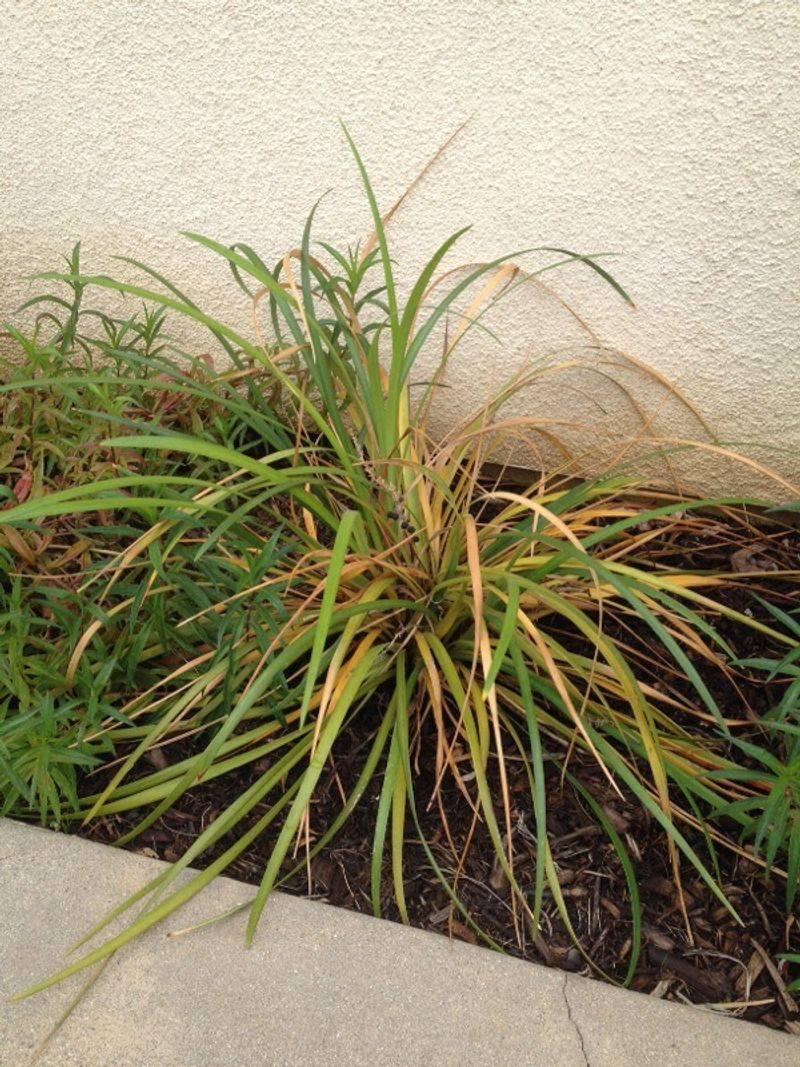
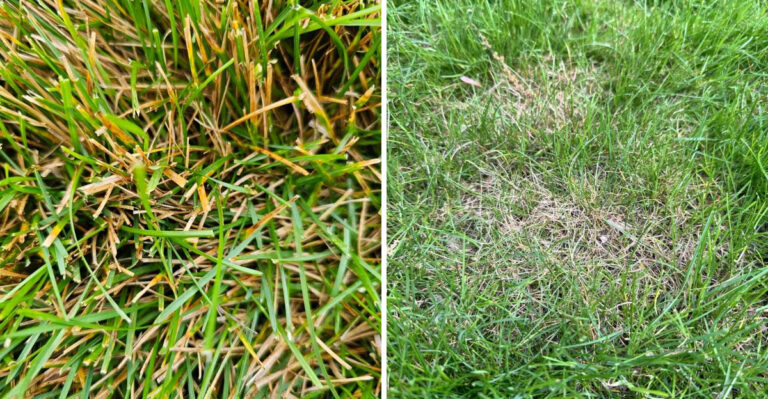
By February, even healthy liriope starts to look tired. Frost, cold wind, and winter sun all leave their mark on the leaves.
Leaf tips often turn brown first, and some blades flatten or fray. How much damage you see depends on how cold your winter gets and where the plant grows.
North Georgia, especially in the mountains, usually sees harder freezes than the coastal plain. Plants up north may look worn by midwinter, while southern beds sometimes stay fairly green.
Exposure matters too. Clumps in open, windy spots often brown more than ones tucked near a house wall or under evergreens.
That worn look is normal. Liriope is an evergreen perennial, but its leaves were never meant to look fresh forever.
Here is the good part. Those older leaves still shield the crown through the coldest weeks, even while they look shabby.
Once the worst cold has passed, the battered foliage has done its job. Now it becomes the perfect thing to remove.
So when you see browning in January, try not to panic. A little winter wear on the leaves is common and does not usually mean the plant is in trouble.
Wait it out, and plan your trim for the right window.
4. Late Winter Is The Better Time To Cut
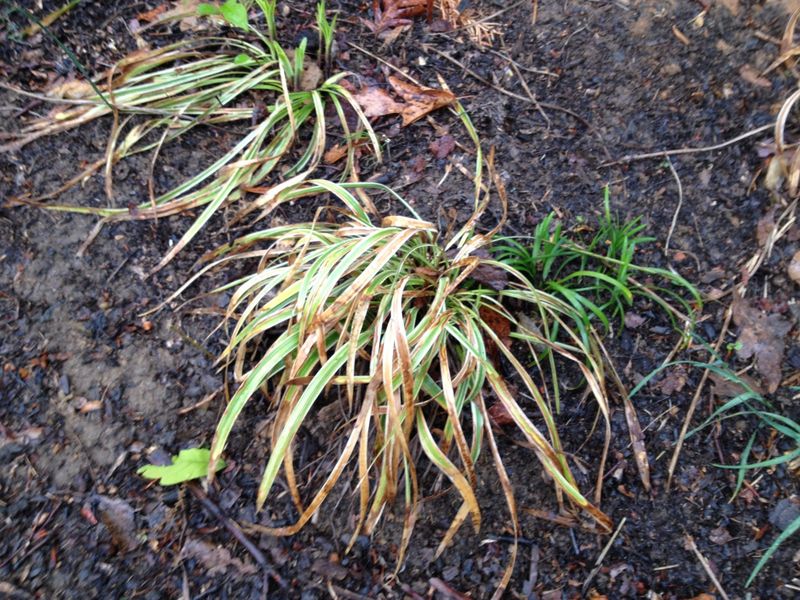
Timing is everything with this plant. Extension experts in the Southeast commonly suggest cutting liriope in late winter, before new growth appears.
For most of Georgia, that often means somewhere around February to early March. Southern areas may warm up sooner, while mountain gardens might need to wait a bit longer.
Rather than trusting the calendar alone, watch your plants. Gently pull back a few leaves at the base and look for new shoots.
If you see none, you are in good shape to trim. If small spikes are already poking up, cut carefully above them.
Aim to cut the clumps a few inches above the ground. Leaving a little height helps you avoid nicking the crown.
Hand shears work fine for a few clumps along a path. Hedge trimmers or a string trimmer can speed things up in longer borders, as long as you stay steady.
After cutting, rake out the clippings. Leftover leaves can trap moisture and make the bed look messy once spring arrives.
Late winter is also a handy time to divide crowded clumps. Splitting them gives you free plants for other spots.
One afternoon of work in late winter can set the tone for the whole growing season ahead.
5. Cutting Before Spring Growth Keeps New Shoots Safe
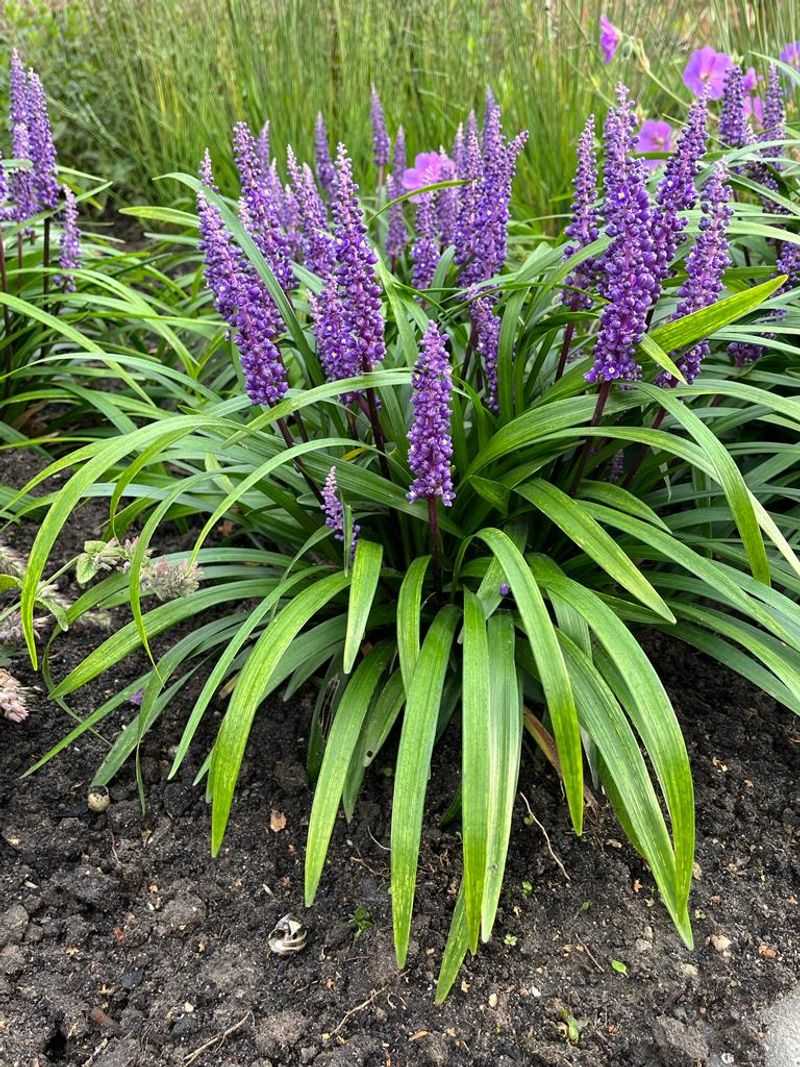
Wait too long, and the trim gets tricky. New liriope shoots rise from the center of the clump in spring, right where your blades would go.
If you cut after those shoots appear, you will likely clip their tips. Liriope usually survives this, but the leaves can grow out with blunt, brown ends that last all season.
That flat-topped look is a common complaint. Each damaged blade keeps its chopped tip until it is replaced, which can take a long time.
In warmer parts of Georgia, new growth may show up earlier than gardeners expect. Checking the base every week or so in late winter helps you catch it.
Look for short, pale green spikes tucked among the older leaves.
They often look lighter and stiffer than the worn foliage around them.
Already late? Raise your cutting height so you only remove old leaves above the new shoots.
Hand shears give you more control in that case. A slower trim beats a summer of ragged tips.
Gloves help too, since old liriope leaves can have rough edges. A kneeling pad makes the job easier on your knees.
Getting the timing right is less about perfection and more about watching closely. A quick peek at the base tells you most of what you need.
6. A High Mower Setting Works For Large Liriope Beds
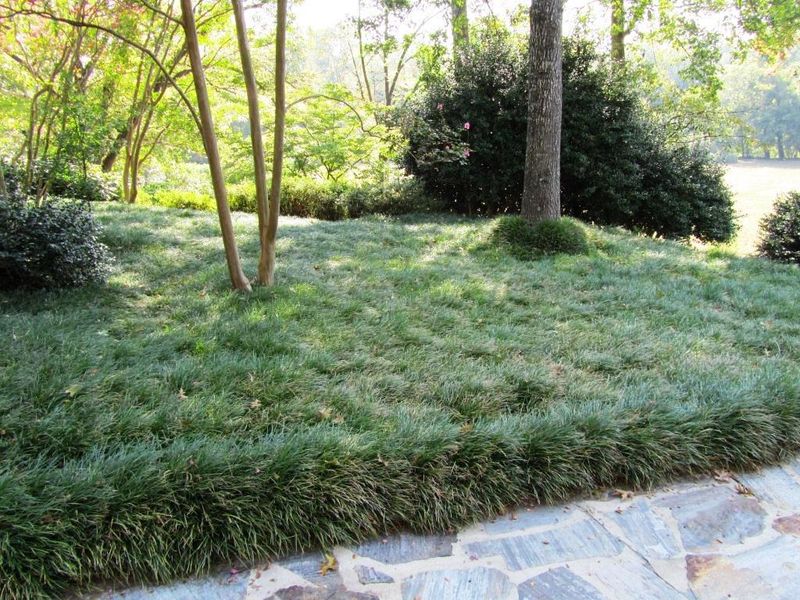
Got a whole hillside of liriope? Trimming it by hand could eat up an entire weekend.
A lawn mower set to its highest height is a common shortcut for big groundcover plantings. University Extension sources in the South mention it as a practical option.
Before mowing, walk the bed and remove sticks, rocks, and hidden garden hoses. Debris can damage the blades or get thrown.
Make sure your mower blades are sharp. Dull blades tear leaves instead of slicing them, which leaves frayed brown edges.
The same timing rule applies here. Mow in late winter, before new shoots begin to rise from the crowns.
Results can vary. Thick, mature clumps usually handle mowing well, while young or thin plantings may do better with hand tools.
Uneven ground can also be a problem. On slopes or bumpy spots, the mower may scalp some clumps, so a string trimmer might be safer there.
Bagging the clippings saves cleanup time. If your mower does not bag, rake the bed afterward so leftover leaves do not smother new growth.
Across Georgia, big liriope beds are popular because they are low maintenance. A once-a-year mow keeps them that way without much fuss.
Wear safety glasses, take it slow, and the job may only take an hour or so.
7. Fresh Spring Growth Quickly Covers The Cut Foliage
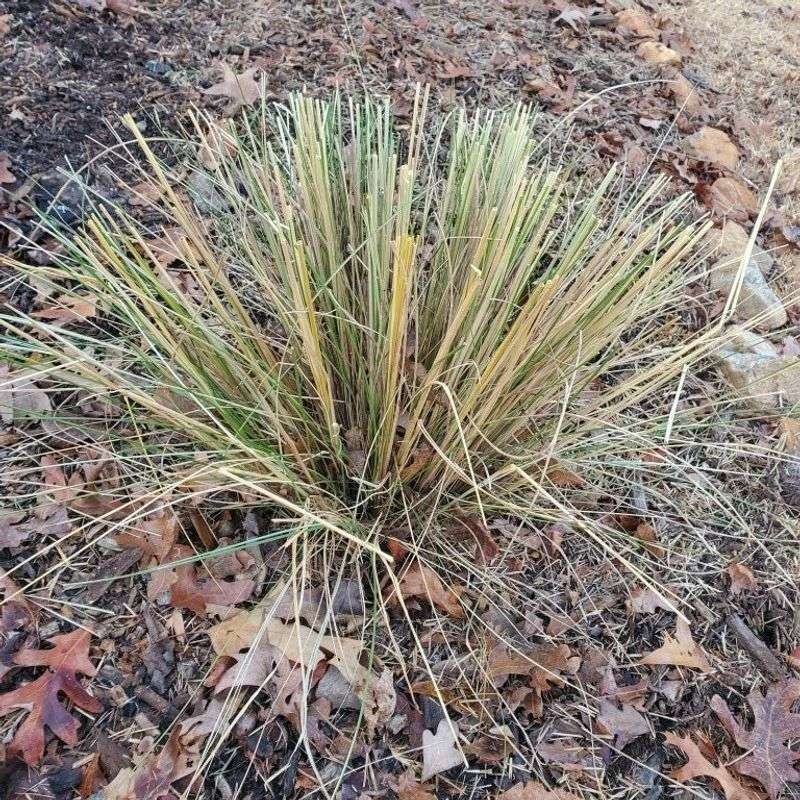
Short stubs in March can feel a little bare. Give it a few weeks, and the picture usually changes.
As soil warms, liriope pushes out bright new leaves that fill in the cut clumps. In many Georgia yards, that fresh growth looks fairly full by late spring.
Speed depends on several things. Sun, soil moisture, and how warm the season turns out all play a part, so regrowth may be faster some years than others.
Shady beds often grow back more slowly than sunny ones. Still, most healthy clumps recover without trouble.
Want to help it along? Water during dry stretches in spring, especially for young plantings.
A thin layer of mulch around the clumps can hold moisture and keep weeds down. Keep it from piling against the crowns.
Liriope generally does not need much fertilizer. If your plants look pale or slow, a soil test through your county Extension office can show whether anything is lacking.
By summer, the new foliage should hide any trace of the trim.
Then come the purple or white flower spikes, which many people enjoy.
That is the real reward for waiting. A well-timed cut turns into a clean, green edge that lasts through most of the year.