The Most Underrated Georgia Native That Crowds Out Weeds Along Woodland Edges
Woodland edges often become the forgotten part of a yard, giving unwanted plants open ground to claim. One native can turn that overlooked space into an advantage.
Rather than leaving bare patches exposed, this low growing plant gradually creates a living layer beneath taller plants.
Its spreading habit helps occupy ground where weeds might otherwise find room to establish. For Georgia gardeners, that makes it useful far beyond the beauty it brings.
The real appeal appears once the planting begins filling gaps on its own.
You still need to match it with the right light and soil conditions for strong coverage. Give it a setting where it can spread naturally.
Used thoughtfully, this underrated native can make a woodland edge look fuller while leaving far less open space for weeds.
1. Bare Woodland Edges Can Be Hard To Cover With Plants
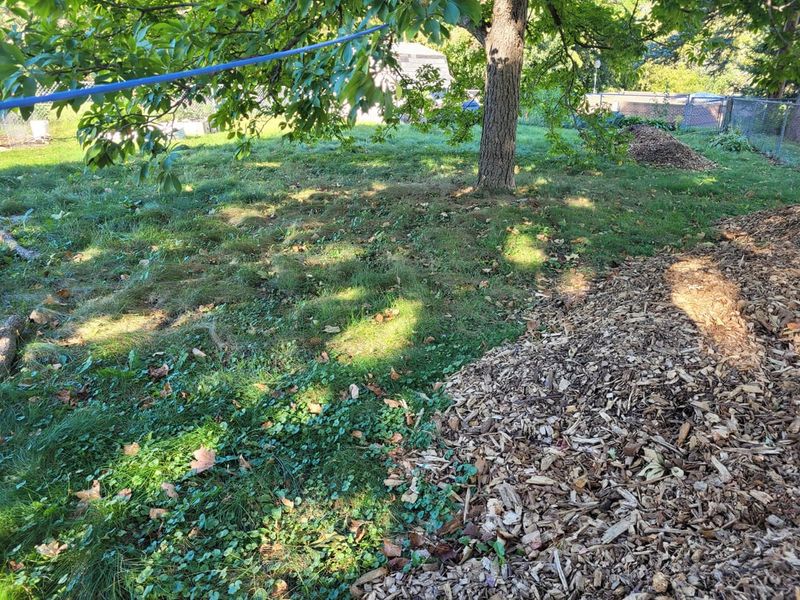
Weeds find these spots first. Woodland edges get broken light, root competition, and leaf litter, which turns out to be a hard mix for most ornamental plants.
Lawn grass usually thins out within a few feet of the tree line. Once it gives up, bare soil opens the door for chickweed, Japanese stiltgrass, and whatever else drifts in.
Shallow tree roots make the problem worse by grabbing water before smaller plants can reach it.
Gardeners in Georgia often try mulch as the fix. It helps for a season, but rain and slope move it downhill, and the bare patches come right back.
Digging large planting holes is not really an option under mature oaks and hickories. Cutting through big roots stresses the tree and rarely ends well for either plant.
What these edges need is something low, shallow-rooted, and willing to spread on its own.
Annual flowers fade out. Most shrubs get too tall or leggy in that half-light and start leaning toward the lawn.
A spreading native groundcover fits the space better because it fills gaps horizontally instead of fighting for depth. That habit is exactly what keeps weed seedlings from getting a foothold.
Understanding why the site is difficult makes the plant choice much easier.
2. Green And Gold Spreads Into A Dense Low Groundcover
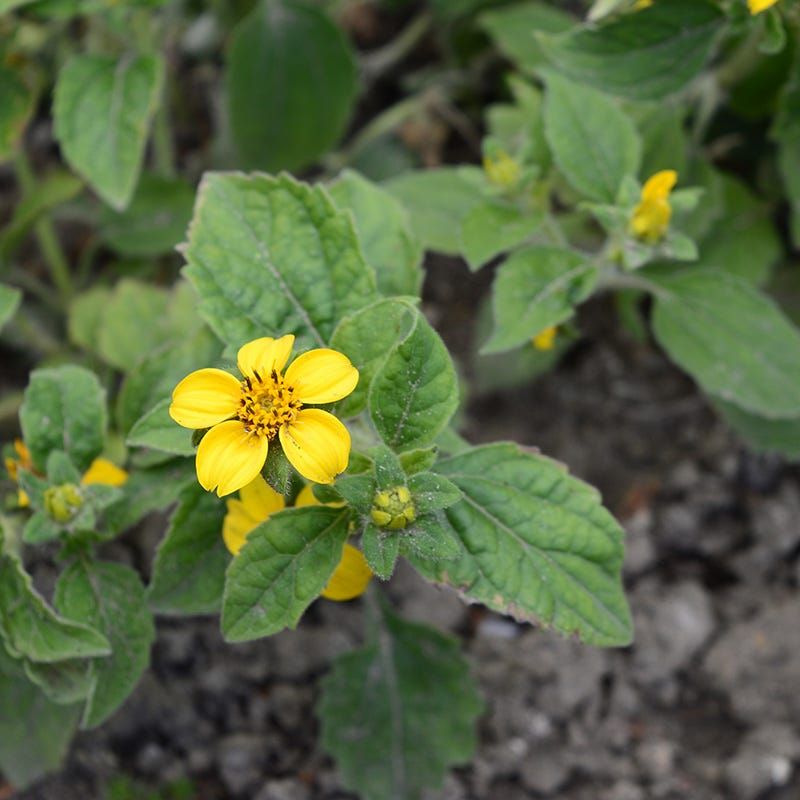
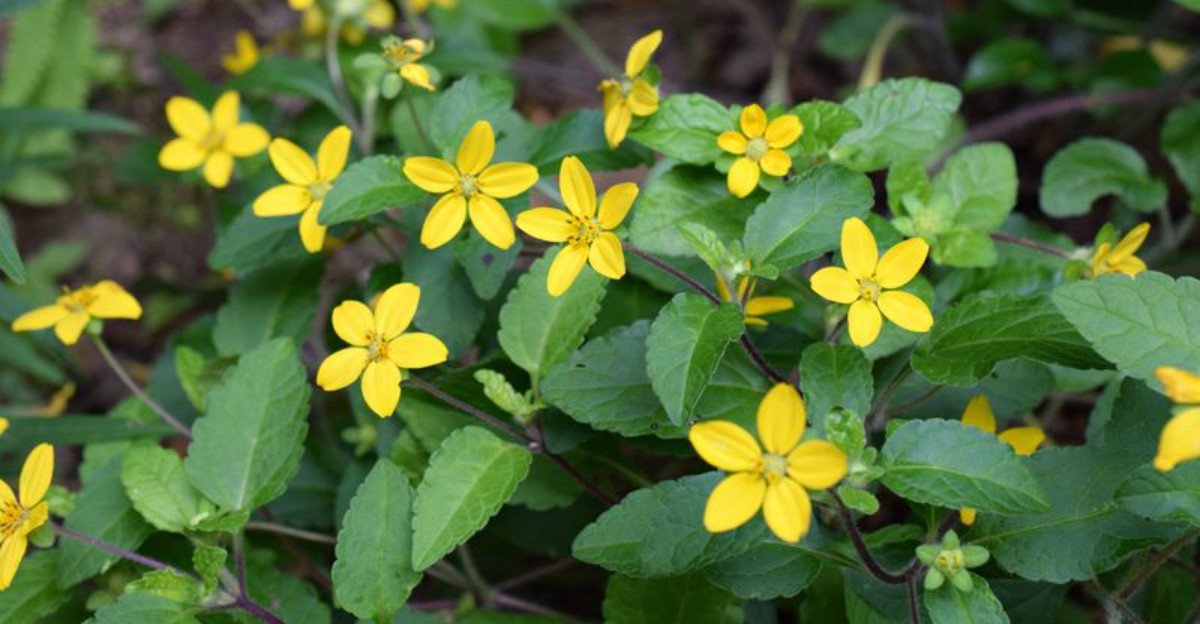
Small plant, big coverage. Green and gold rarely climbs past eight inches tall, yet a healthy patch can knit together into a solid green carpet.
It spreads by stolons, which are short runners that creep along the soil surface and root as they go. New rosettes form at the tips, and the patch widens outward season after season.
Growth is steady rather than aggressive, so it usually stays where you put it.
The leaves are soft, slightly fuzzy, and roughly oval with scalloped edges. They stay green through much of the year in the warmer parts of Georgia, though harsh winters can knock them back temporarily.
Because the foliage sits so low and overlaps, sunlight has trouble reaching the soil underneath. Weed seeds that land there often fail to get going.
Coverage speed depends on soil, moisture, and how closely you space the plants.
Your Georgia Garden Changes Every Week. Your Plan Should Too.
Gardening in Georgia changes quickly throughout the season. Every Friday you’ll receive a simple weekly plan showing exactly what to plant, prune, fertilize, harvest, and protect so you never miss the right timing.
Setting plugs about a foot apart gives a reasonably filled look within two growing seasons under decent conditions. Wider spacing works too, it just takes longer.
You will still pull the occasional weed during the first year while the mat closes in.
After that, maintenance drops off sharply, which is the whole appeal of using it along a shaded border.
3. Part Shade Gives This Native A Good Place To Grow
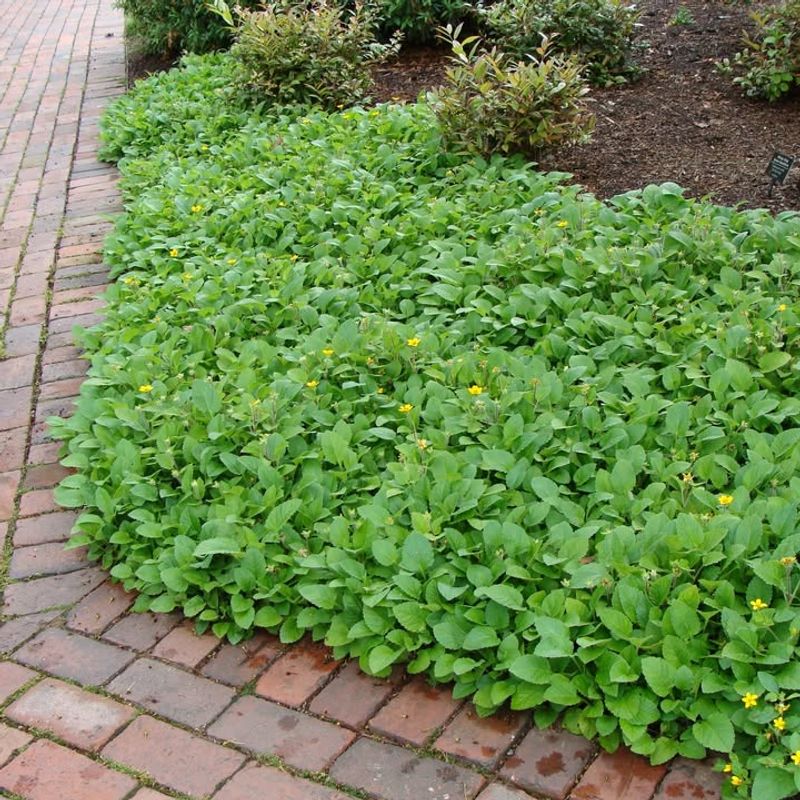
Light makes or breaks this plant. Green and gold performs best in part shade, especially where morning sun gives way to afternoon protection.
Dappled light filtering through pines and hardwoods suits it well. That is the same light you find naturally along most woodland edges in north Georgia.
Full afternoon sun in July is usually too much unless the soil stays consistently moist.
Plants in heavy shade tend to survive but stretch, bloom less, and cover ground slowly. If your patch looks thin and floppy, light is often the reason.
Deep shade under dense evergreens is probably the least productive spot you could choose.
A good test is watching the area for a full day before planting. Roughly three to four hours of gentle morning sun tends to produce the thickest growth.
South-facing slopes can heat up more than expected, even under trees. Keep an eye on those spots during the first summer.
Leaves may look scorched at the tips when light and heat run high. Extra water helps, though moving the plants is sometimes the smarter fix.
Matching the light to the plant saves you from replacing it later, and green and gold rewards that patience with a fuller, more even mat along the edge.
4. Thick Growth Helps Cover Open Ground Between Other Plants
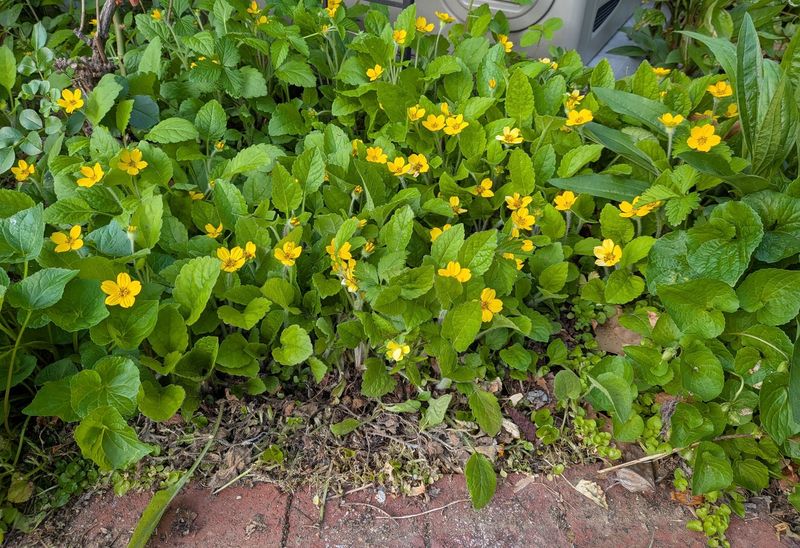
Empty soil is an invitation. Anywhere light hits bare ground, something unwanted will eventually claim the space.
Green and gold works well as a living filler between larger plants. Tuck it around ferns, oakleaf hydrangeas, or native azaleas and it weaves through the gaps without smothering their crowns.
Its shallow roots stay in the top few inches, so it rarely competes hard with established shrubs.
Woodland gardens across Georgia often look patchy in the lower layer, with mulch showing between clumps. A spreading groundcover fixes that visual gap while doing practical work underneath.
The mat also slows rainfall runoff on gentle slopes, which helps hold soil in place during summer storms.
Weed suppression is real but not total. Vigorous perennial weeds like bermudagrass or greenbrier will still push through, so clear those before planting.
Think of it as reducing the workload rather than eliminating it.
Leave a few inches of breathing room around the base of shrubs when you plant. Crowding stems too tightly can trap moisture against the bark.
Mulch lightly between new plugs during the establishment phase, then let the foliage take over. Once the layers close, the border starts looking intentional instead of unfinished, and you spend far less time on your knees pulling seedlings.
5. Yellow Flowers Add Color From Spring Into Summer
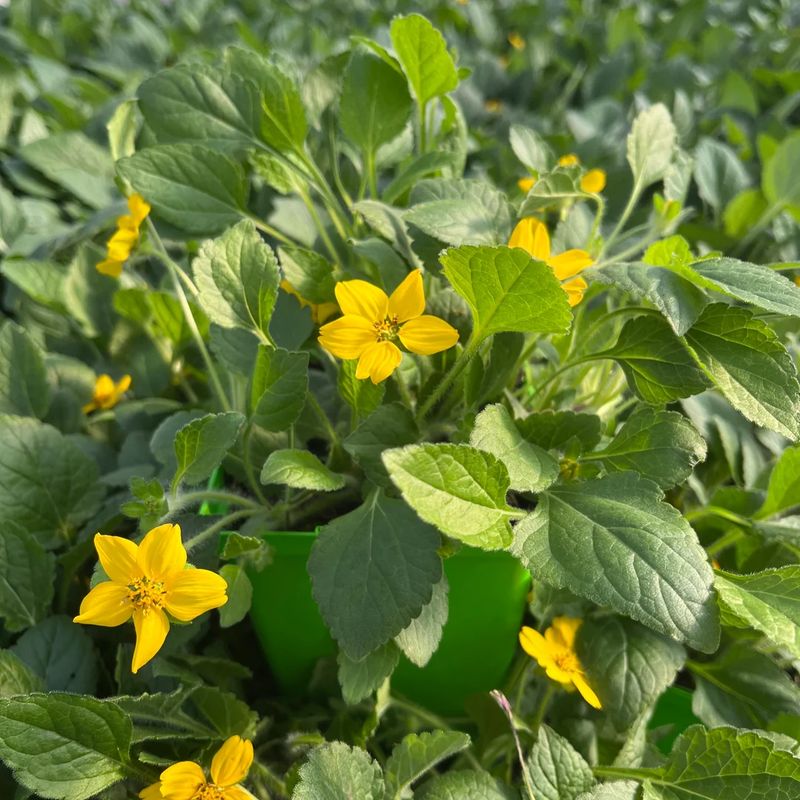
Those little yellow stars are hard to miss. Green and gold opens its first blooms in early spring, often around the time dogwoods start showing color.
Each flower has five notched petals and measures about an inch across. They sit just above the leaves on short stems, which keeps the whole display low and tidy.
Peak bloom usually runs from March into May, depending on elevation and weather.
Scattered flowers often continue into early summer, and cooler seasons sometimes bring a light fall repeat. Bloom length varies quite a bit with moisture and temperature, so results differ from yard to yard.
Small native bees and other early pollinators visit the flowers when little else is open.
Deadheading is not necessary, though shearing lightly after the main flush can tidy things up. Some gardeners skip it entirely and never notice a difference.
Plants growing in Georgia gardens with too much shade tend to bloom sparsely, which is a useful clue about light levels.
Color shows up right when woodland edges look their most bare, before ferns unfurl and hostas fill out. That timing is part of what makes the plant worth using.
Even after flowering slows, the foliage keeps the area looking green and covered through the rest of the season.
6. Well Drained Soil Helps The Plants Spread And Settle In
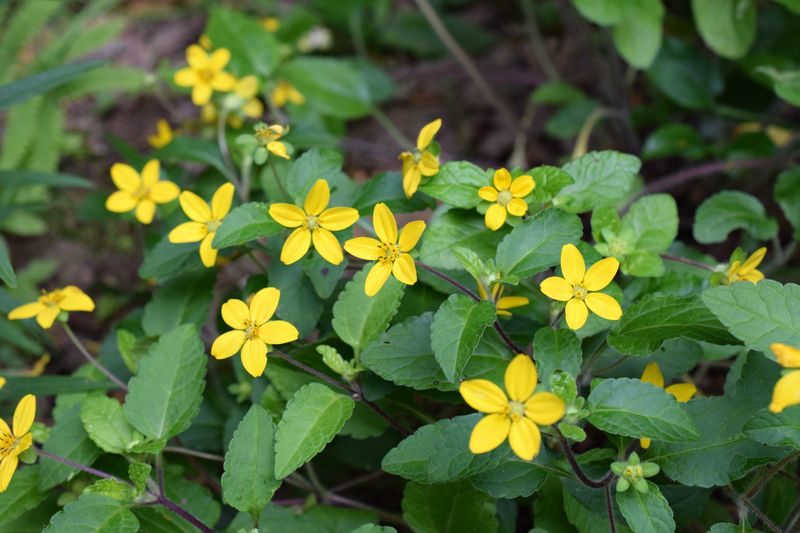
Soggy soil is the fastest way to lose this plant. Green and gold wants moisture, but it will not tolerate standing water around its crown.
Loose, humus-rich soil suits it best. Woodland ground layered with years of leaf litter is almost ideal without any amendment at all.
Heavy red clay needs help before planting.
Work a few inches of compost or shredded leaves into the top layer rather than digging deep pockets. Shallow improvement matches the plant’s shallow root system.
Raised or slightly mounded beds help in low spots where water collects after storms. Drainage problems in parts of Georgia show up quickly during long stretches of summer rain.
Water new plantings regularly through the first summer while roots establish.
Once settled, the plants handle short dry spells reasonably well, though prolonged drought will thin the mat. Supplemental water during extended dry weather keeps coverage even.
Avoid heavy fertilizer, since lush growth from too much nitrogen tends to flop and thin out.
A light topdressing of leaf compost each fall keeps the soil in good shape. That single step does more for spread than anything you buy in a bag.
Get the drainage right at the start and the plant usually handles the rest on its own schedule.
7. Divide Older Clumps When They Start Getting Too Crowded
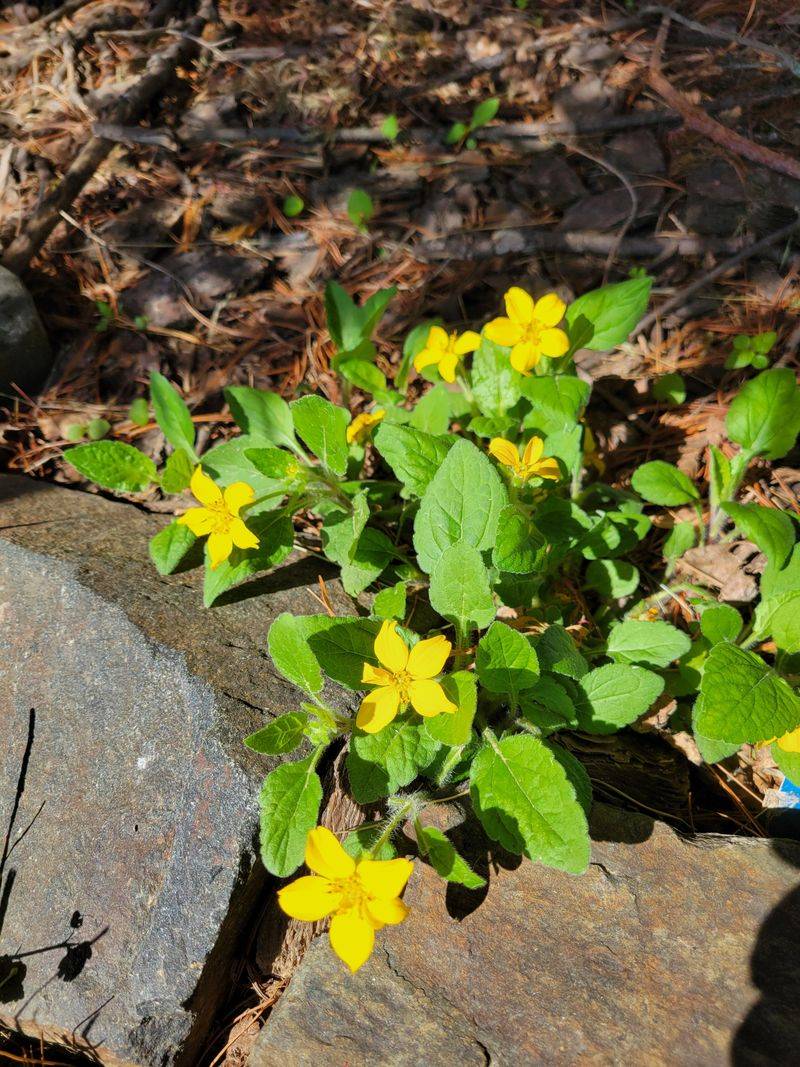
Crowding shows up as a hollow center. After several years, older patches sometimes thin in the middle while the edges keep spreading outward.
Dividing solves that and gives you free plants for other shady spots. Early fall works well, and late winter into early spring is another good window.
Avoid dividing during the heat of midsummer.
Lift a section with a hand trowel and pull apart rooted rosettes with your fingers. Each piece needs a few leaves and some visible roots to succeed.
Replant at the same depth, firm the soil gently, and water right away.
New divisions sulk for a couple of weeks before they perk up. Keeping them evenly moist through that stretch makes a noticeable difference.
Gardeners around Georgia often use divisions to extend a border cheaply instead of buying more plugs each season.
Every three to four years is a reasonable rhythm, though healthy patches sometimes go longer without needing attention.
Trim any tattered old leaves at the same time so fresh growth comes in clean. Divided pieces settle faster when the top growth is not too heavy for the roots.
Keep the plant moving into new gaps and you build coverage year after year without much cost, which is exactly what a shaded woodland edge needs.