Turn Your Thirsty Arizona Lawn Into A Low-Water Wildflower Meadow That May Support Pollinators
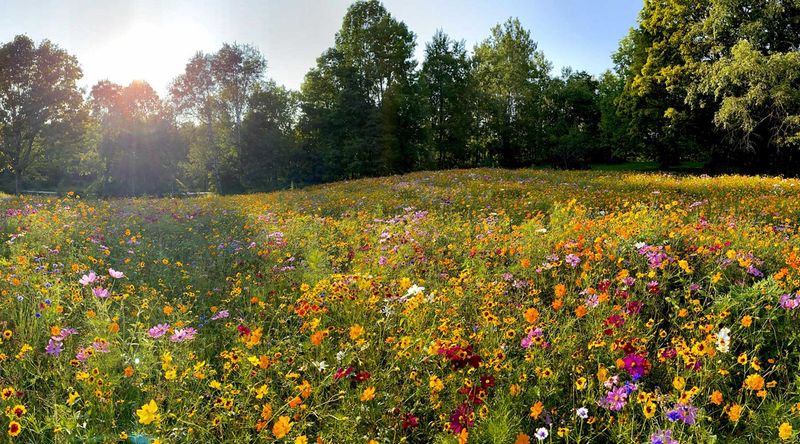
Bermudagrass lawns in Phoenix and Tucson can drink up an enormous share of a household’s outdoor water budget, and most of that water evaporates before it does much good. Replacing even a portion of that turf with regionally appropriate wildflowers can lower your water demand and create seasonal color that a conventional lawn never delivers.
The catch is that the conversion takes real preparation, the right timing, and honest expectations about what a meadow can and cannot do. This guide walks through the whole process, from pulling the grass to managing the planting through Arizona’s punishing summers.
Set a realistic goal for a low-desert meadow
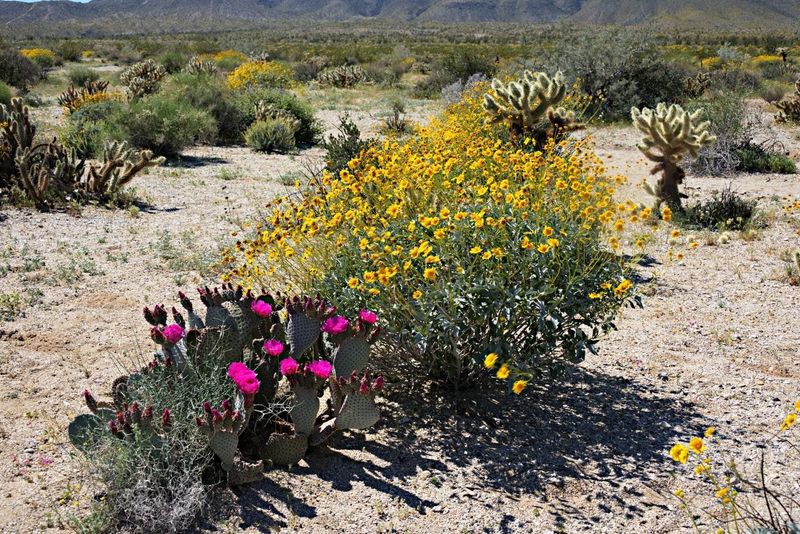
A wildflower meadow in low-desert Arizona is a seasonal planting, not a year-round green carpet. Cool-season wildflowers typically bloom after winter rains and through early spring, then fade or go dormant as summer heat arrives.
Expect color from roughly late February through April, followed by a quieter, drier-looking landscape for the rest of the year.
Start with a manageable, sunny section of your yard rather than converting everything at once. A smaller area is easier to weed, observe, and irrigate during establishment, and it gives you an honest look at how a meadow performs in your specific soil and microclimate before you commit to a larger footprint.
“Low-water” does not mean zero water, particularly in the first season. Seedlings need consistent moisture to establish, and even adapted plants may need supplemental irrigation during unusually dry winters.
According to Arizona Department of Water Resources landscaping guidance, outdoor landscaping can account for as much as 70 percent of residential water use, so replacing turf with appropriately selected plants and efficient irrigation can meaningfully reduce that demand over time.
One more expectation to set clearly: a wildflower meadow is not a pest-control treatment. It will not guarantee reduced scorpion, mosquito, or tick activity on your property.
Those outcomes are site-specific and depend on many factors well beyond plant selection.
Remove the lawn without stripping away healthy soil
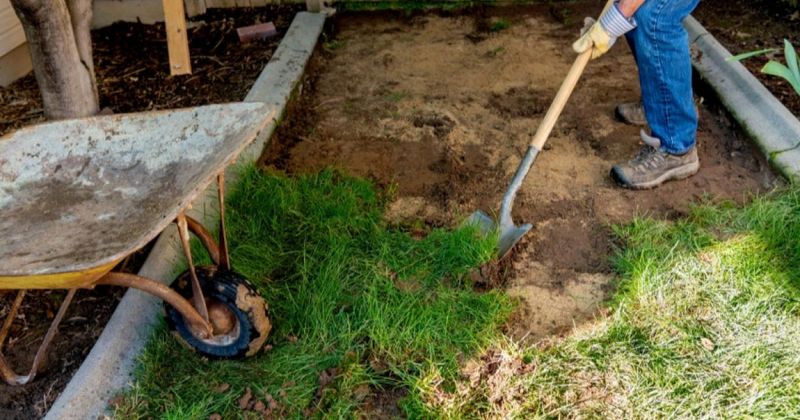
Bermudagrass is one of the toughest plants to eliminate in the low desert. The University of Arizona identifies it as a leading cause of failure when homeowners try to establish alternative ground covers in mid- and low-desert regions, because even small rhizome fragments left in the soil can resprout and crowd out young wildflowers.
Getting rid of it before you seed is not optional.
Careful sod removal with a flat spade, repeated suppression by covering the area and cutting off sunlight for several weeks, or an appropriately labeled herbicide applied according to its product directions are all legitimate approaches. Whatever method you choose, plan for at least one follow-up pass to catch regrowth before seeding.
Here is where many homeowners make a costly mistake: confusing turf removal with soil removal. Stripping away all of your topsoil is not a standard Arizona recommendation and can actively backfire.
Disturbing soil deeply and repeatedly exposes buried weed seeds and disrupts the structure that young wildflower roots depend on.
Your Arizona Garden Changes Every Week. Your Plan Should Too.
Gardening in Arizona changes quickly throughout the season. Every Friday you’ll receive a simple weekly plan showing exactly what to plant, prune, fertilize, harvest, and protect so you never miss the right timing.
The goal is a firm, relatively weed-free seedbed that still holds your existing healthy soil. If trees are nearby, stay well clear of their root zones during any digging or suppression work, since root damage can stress or kill established trees that provide valuable shade and habitat.
Correct caliche, compaction, and drainage selectively
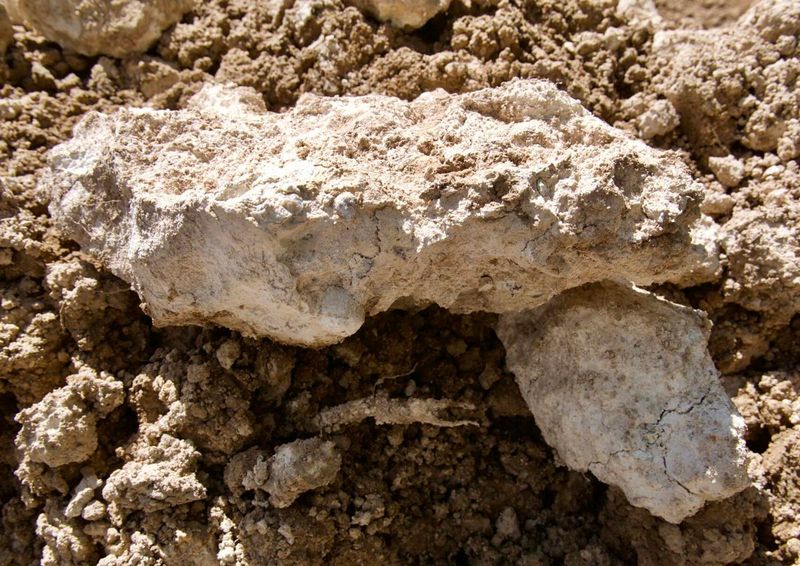
Before adding anything to your soil, figure out what the actual problem is. Many low-desert yards have at least one of three limiting conditions: compacted surface soil that sheds water instead of absorbing it, a caliche hardpan layer that blocks drainage and root penetration, or low spots that pool water after rain.
Each of those problems has a specific fix, and treating a yard that does not have the problem wastes effort and money.
Test for caliche by pushing a metal rod or soil probe into the ground. Resistance at a shallow depth, usually six inches to a foot or less, often indicates a hardpan layer.
Where caliche is genuinely obstructing drainage or root growth, penetrating or removing it in the planting area is worth the work.
Compacted areas may benefit from light surface cultivation, but keep it shallow. Deep or repeated tilling is not recommended because it stimulates weed seed germination and disrupts soil structure that wildflowers actually prefer.
If your soil genuinely needs organic matter, a small amount of weed-free compost lightly incorporated two to four inches deep can improve seed contact. What to avoid is excessive compost, rich topsoil imported from elsewhere, manure, or any nitrogen fertilizer.
Arizona Extension is direct on this point: nitrogen can harm wildflower performance, not help it.
Choose an Arizona-appropriate mix and planting window
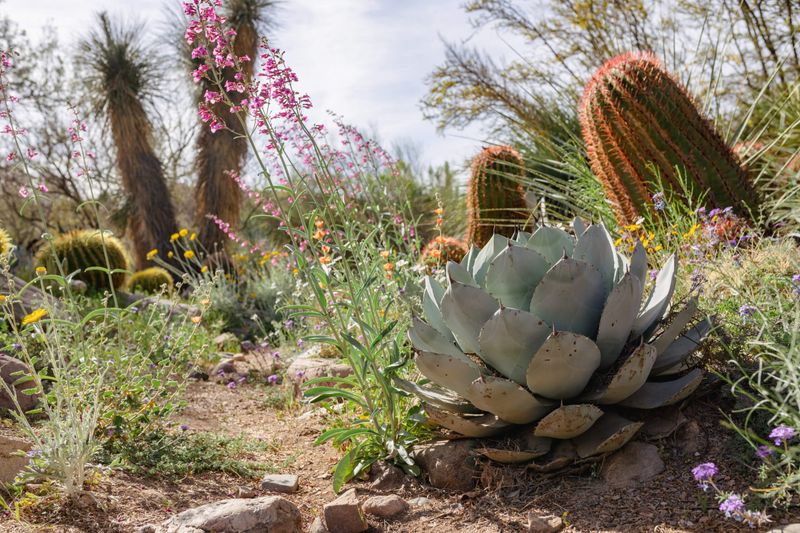
Timing is everything in the low desert. For Phoenix and Tucson area homeowners, fall is the primary window for sowing cool-season wildflower mixes intended to bloom in spring.
November is a commonly recommended target month, though exact timing depends on local conditions and whether overnight temperatures have begun to moderate. Sowing too early in warm soil, or too late when cold nights arrive, can reduce germination rates significantly.
The UA Extension spring wildflowers guide and the November gardening guide for Pima County both point to this fall window as the standard low-desert practice. Dry winters may require supplemental irrigation to support germination and early growth, so plan your irrigation access before you seed.
Species selection matters as much as timing. Penstemons, desert marigold, California or Mexican poppy, blue dicks, lupines, and blue flax are among the plants that can perform in low-desert conditions, but not every species suits every yard.
Match your choices to your site’s elevation, sun exposure, drainage, and soil type rather than picking from a generic list.
Cheap wildflower mixes are a real risk. Some contain poorly adapted species, filler grasses, or plants that are invasive or prohibited in Arizona.
Always read the species list on any mix before buying, and check the Arizona Department of Agriculture’s noxious weed list if you are uncertain about a particular species.
Sow shallowly and protect the first two months
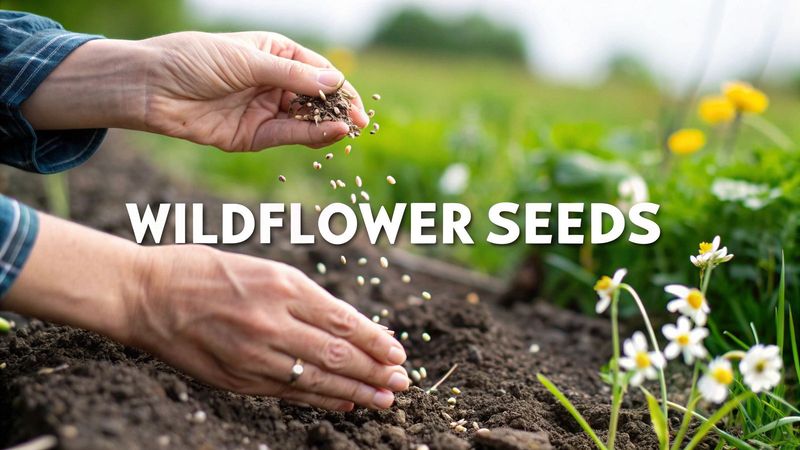
Seed placement is more precise than most people expect. Wildflower seeds should be broadcast across the prepared surface and then lightly raked or pressed into contact with the soil rather than buried.
Covering seed too deeply is one of the most common reasons germination fails, because many wildflower species need light or near-surface warmth to sprout reliably.
After sowing, keep the seeded area appropriately moist. During the first two months, if natural rainfall is inadequate, light and frequent irrigation helps seeds germinate and holds young seedlings through their most vulnerable stage.
This does not mean saturating the soil daily; it means checking moisture regularly and supplementing when the surface dries out completely between rain events.
Weed monitoring starts immediately. Fast-growing annual weeds can emerge alongside your wildflowers and outcompete them quickly if left unchecked.
Walk the area regularly and pull weeds before they set seed, using care not to disturb the surrounding soil more than necessary. Identifying common low-desert weeds ahead of time helps you distinguish them from your intended plants before they get established.
Rabbits are a real threat in many Phoenix and Tucson neighborhoods. If your yard has regular rabbit activity, a simple temporary wire barrier around the seeded area can prevent significant seedling loss in the first few weeks.
Successful establishment depends on active attention during this window, not on scattering seed and hoping for the best.
Build potential pollinator habitat without overpromising
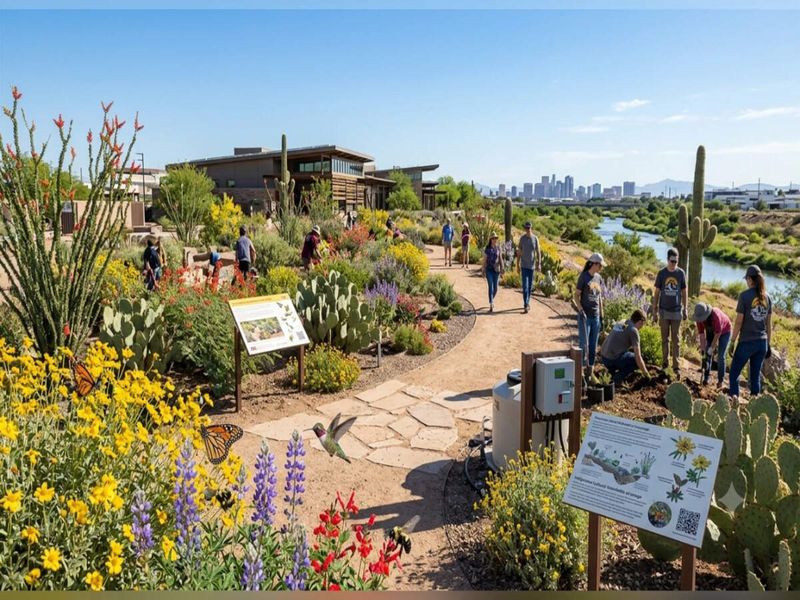
A diverse planting of native and desert-adapted wildflowers can provide nectar, pollen, nesting resources, and shelter for bees, butterflies, birds, and other wildlife. The Desert Botanical Garden highlights the variety of Sonoran Desert pollinators associated with native plantings and recommends diverse native species, pesticide avoidance, and undisturbed areas for nesting and overwintering as practical steps any homeowner can take.
Research does offer some encouragement. A study of Phoenix-area residential yards found that xeric landscapes supported more diverse bee communities than turf-dominated mesic yards during at least one late-summer sampling period.
That association is meaningful, but it does not prove that every wildflower meadow conversion will produce measurable pollinator gains or that wildflowers alone are sufficient to reverse broader pollinator declines.
What the evidence does support is the habitat premise: plant diversity, bloom timing, reduced pesticide exposure, and available nesting resources all contribute to whether a yard becomes useful to pollinators. Bare ground patches, hollow stems left standing, and undisturbed leaf litter provide nesting and overwintering sites for native bees that a manicured lawn cannot offer.
Pesticide avoidance is one of the clearest practical steps you can take. Even pesticides applied for other reasons, such as ant or weed control, can harm pollinators visiting your planting.
If pest control is necessary near the meadow area, choose the most targeted option and apply it when blooms are not open. Manage expectations honestly: your meadow may support pollinators, but results depend on your specific site, surrounding neighborhood, weather, and how the planting is managed over time.
Keep dry vegetation away from structures
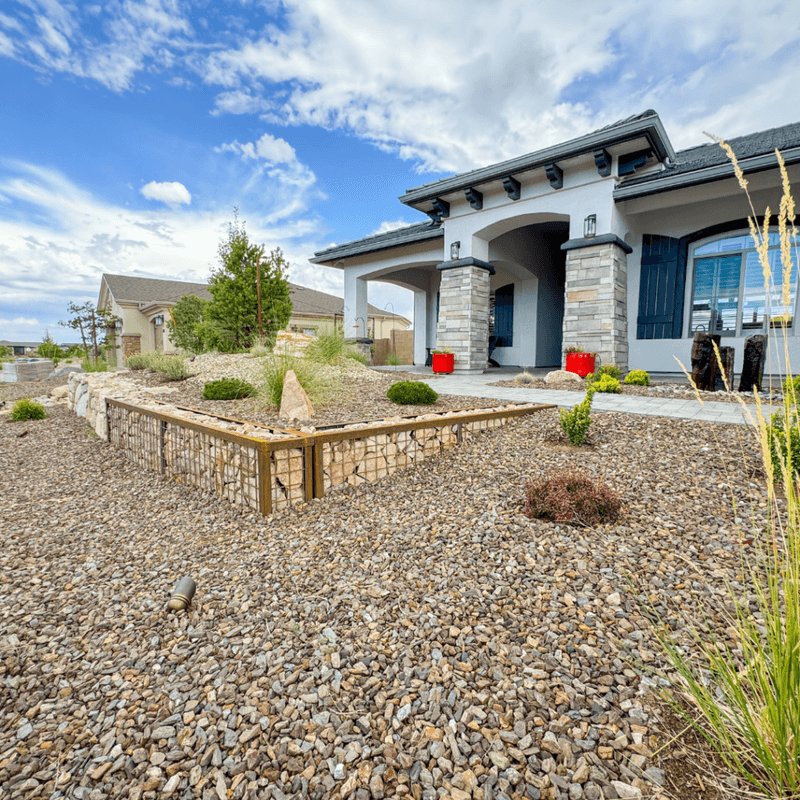
Cool-season wildflowers that bloom beautifully in March become dry, flammable fuel by June. In a low-desert Arizona yard, that transition happens fast, and tall or dense unmanaged vegetation near a structure creates a fire risk that should be part of your meadow design from the beginning, not an afterthought.
University of Arizona Extension’s firewise landscaping guidance is direct: do not place a dry, unmanaged meadow directly against a house, wall, garage, propane tank, or other ignition-prone feature. The immediate five feet around any structure should have a highly reduced fuel load, which in practice means gravel, hardscape, or carefully maintained low-growing plants that do not carry fire easily.
Beyond that immediate buffer, the transition zone between your structure and the meadow should use spacing, low plant height, and non-combustible materials to slow any potential fire spread.
When cool-season plants decline in summer, remove dead or dormant material promptly rather than leaving it in place. Seasonal cutting or clearing is not a failure of the meadow concept; it is a required part of responsible desert landscaping.
Plan for it as part of your annual maintenance calendar so it does not catch you off guard during the hottest and driest months.
Manage the meadow as a seasonal landscape
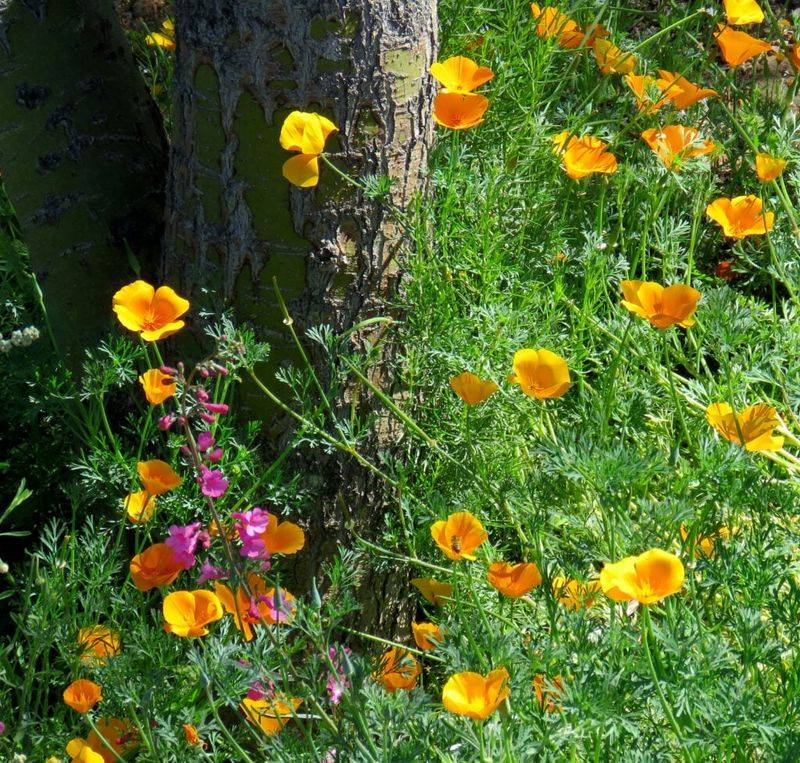
A meadow does not manage itself. The first season especially requires weed pulls, irrigation checks, and fire-conscious vegetation removal as summer approaches.
After that, the workload typically decreases, but it does not disappear. Weed pressure, bare soil between bloom periods, and the need for seasonal clearing are ongoing realities rather than problems that resolve after year one.
The tradeoff is still worth considering. Replacing even part of a bermudagrass lawn can reduce routine mowing, cut turf-related water demand, and deliver a stretch of seasonal color and potential habitat value that a conventional lawn never provides.
The key is matching your expectations to what the planting actually does rather than to a fantasy of zero maintenance or year-round greenery.
Hold to the middle path the whole way through: suppress the lawn competition, preserve your existing healthy soil, seed at the right time for your specific location, and evaluate one manageable section before deciding whether to expand. That approach keeps the project recoverable if something goes wrong in the first season, and it gives you real data about how your specific yard responds.
Judge the meadow by how well it fits Arizona conditions, not by whether it matches a conventional lawn or delivers guaranteed wildlife outcomes. A planting that blooms reliably in spring, uses less water than the turf it replaced, and offers potential seasonal habitat is a genuine success here, even if it looks sparse in August.