This Georgia Native Wildflower Starts Blooming Just As Summer Ends
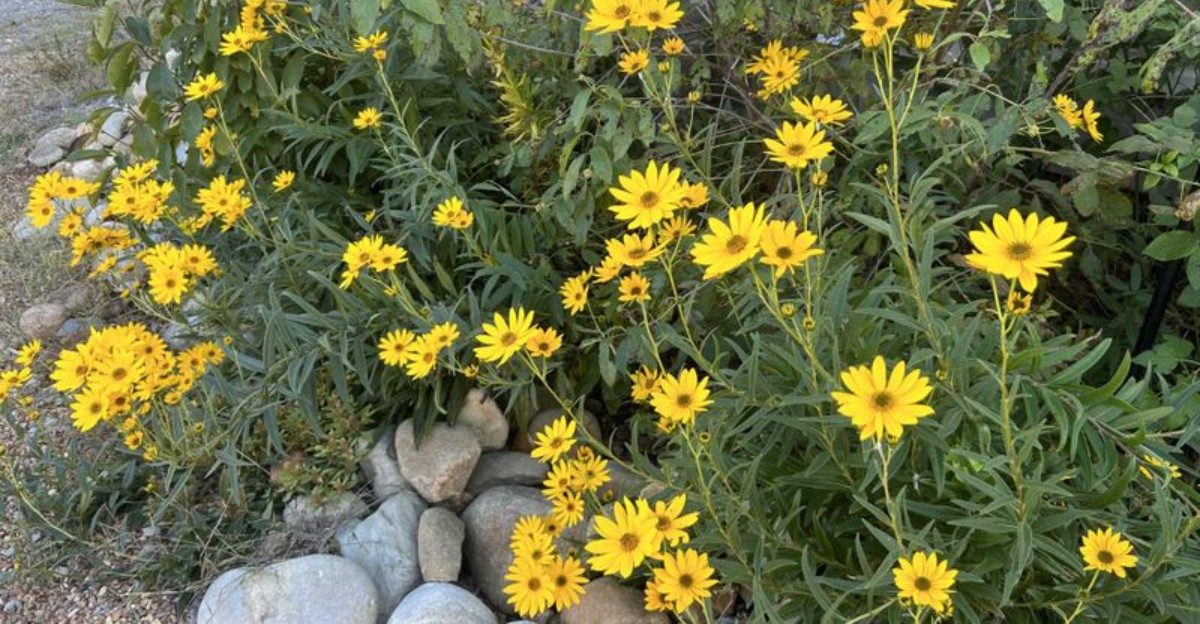
Some garden flowers are already losing steam when one native wildflower finally decides to put on its show. Its timing makes the change noticeable.
Instead of competing with the busiest part of summer, its blooms arrive as the season begins turning toward fall.
That later start brings fresh color into Georgia gardens when many plants are slowing down. It can also keep flower beds feeling lively without extending summer care routines.
For gardeners, that makes this wildflower more than another pretty addition.
Its seasonal rhythm fits naturally into a landscape designed to stay interesting beyond the hottest months. Give it suitable conditions, and the reward arrives right when the garden needs something fresh.
If your beds fade too early each year, this native bloomer may be worth getting to know.
1. September Gives This Wildflower Its Chance To Stand Out
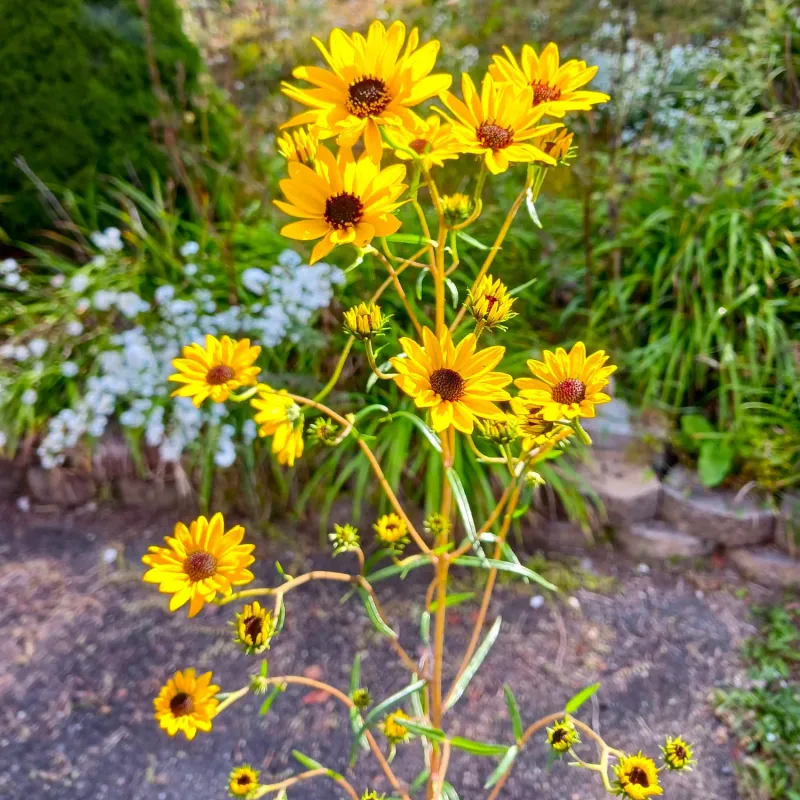
Timing is the whole trick with this plant. While spring and summer bloomers wind down, narrowleaf sunflower is just getting started.
Buds usually begin opening in September across much of Georgia, and flowering often runs into October. Exact timing shifts with weather, soil moisture, and how far north or south you garden.
Day length is the main trigger, not temperature, so the plant waits until nights grow longer before setting flowers.
That late schedule explains why the plant looks like an odd green shrub all summer. Folks who do not know it sometimes pull it out, thinking nothing is happening.
Patience pays off here.
Gardeners who leave it alone get a full month or more of color when almost everything else has stopped. It pairs well with asters, goldenrod, and ornamental grasses that peak around the same stretch.
One thing worth knowing: a hard early frost can cut the show short in the mountains and northern counties.
Down toward the coastal plain, blooming often stretches longer because cold arrives later. Mild autumns tend to give the best display.
If you want fall color without buying mums every October, this native handles that job on its own. Plant it once, and the timing repeats year after year with very little effort from you.
2. Narrowleaf Sunflower Opens Masses Of Bright Yellow Flowers
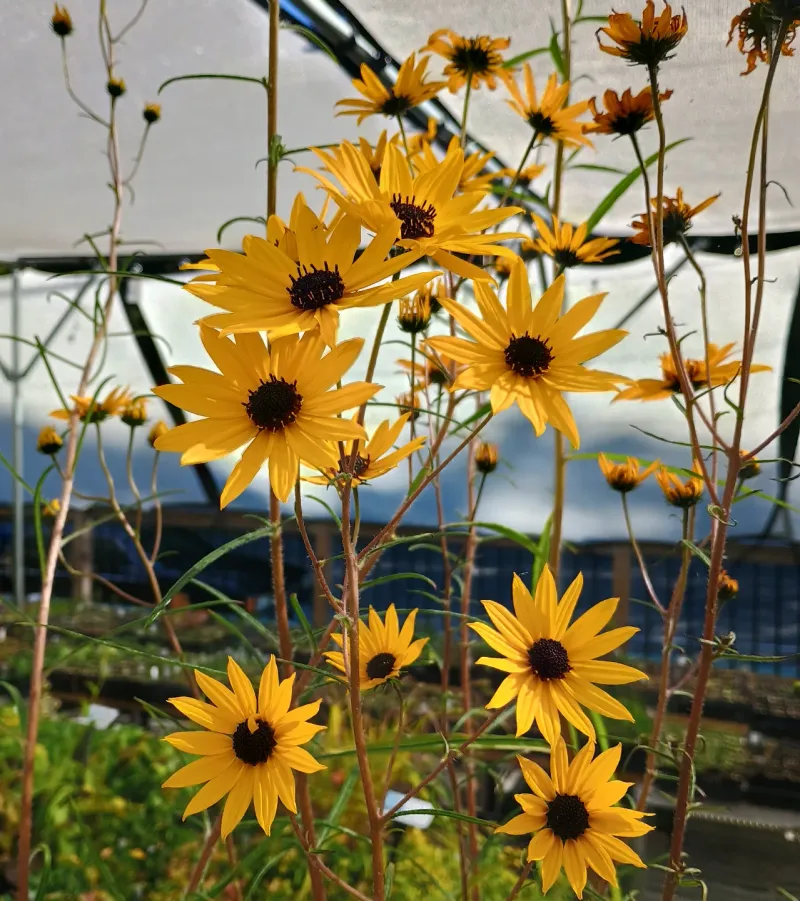
Count the blooms on a mature clump and you will lose track fast. A single healthy plant can carry hundreds of flowers at once.
Each bloom is small, roughly two to three inches across, with golden ray petals circling a dark brownish-purple center.
Individually they are pretty. Together they read as a solid wall of yellow from across the yard.
Flowers open along the upper stems rather than at one single point, which stretches the show over several weeks.
Old blooms fade while new ones keep opening nearby, so the plant rarely looks bare during peak season.
The narrow, almost grass-like leaves give the plant its common name, and they also make the flowers pop. Fine foliage plus dense bloom is an unusual combination in a perennial.
Color holds up well in Georgia’s bright fall sun, though blooms may fade a little faster during a hot, dry spell.
Your Georgia Garden Changes Every Week. Your Plan Should Too.
Gardening in Georgia changes quickly throughout the season. Every Friday you’ll receive a simple weekly plan showing exactly what to plant, prune, fertilize, harvest, and protect so you never miss the right timing.
Cut stems work in vases, but expect a short vase life compared to florist sunflowers.
Deadheading is not required, and honestly it would be impractical with that many flowers. Most gardeners simply let the display run its course.
Once petals drop, seed heads remain and feed finches through late fall, so leaving the stems standing has real value.
3. This Native Can Tower Over Many Plants Around It
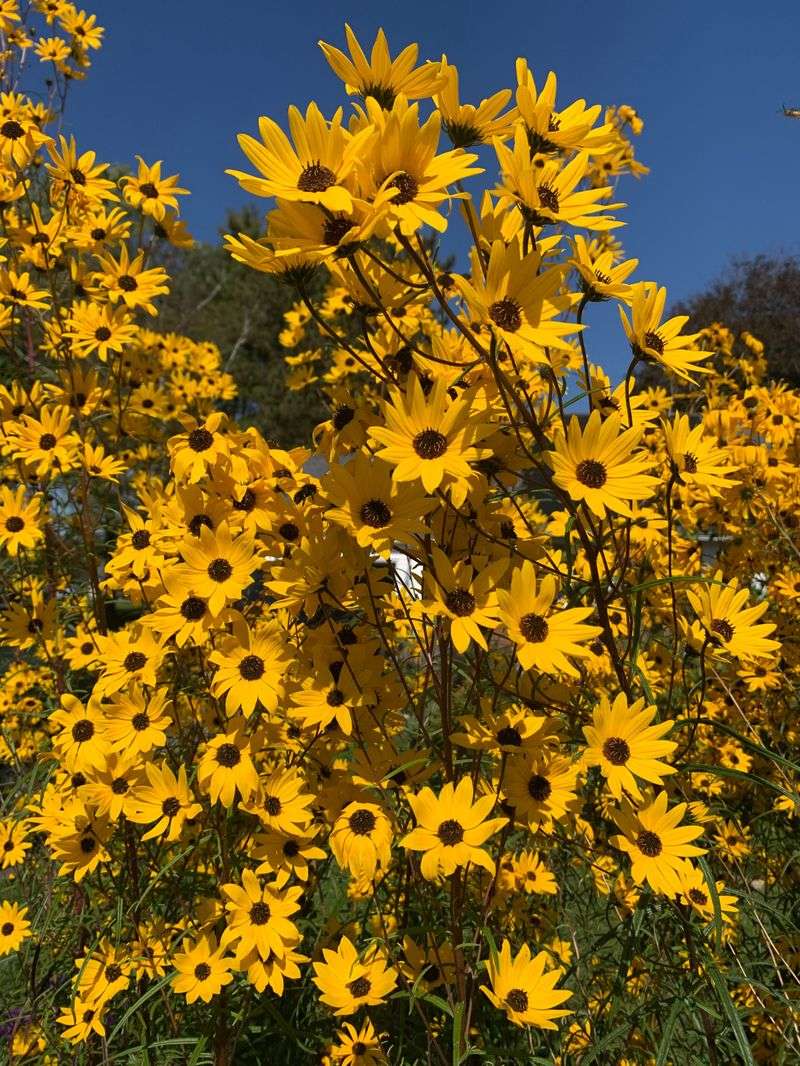
Height surprises almost everyone the first year. Narrowleaf sunflower commonly reaches five to seven feet, and rich, moist soil can push it taller.
Growth happens quietly through summer, adding inches every week without any flowers to show for it.
By late August, a clump may already stand above your head.
Placement matters because of that size. Back of the border works best, or along a fence line where the stems have something to lean against.
Planting it in front of shorter perennials will hide them by September, which is a mistake worth avoiding.
Sun exposure changes the shape quite a bit. Full sun keeps stems sturdier, while shade encourages stretching and flopping.
Gardeners across Georgia often use it as a seasonal screen, since a row can block a view of a driveway or utility area for a couple of months.
Soil fertility plays a role too, and heavily fertilized beds tend to produce floppier growth.
Skip the fertilizer entirely unless your soil is very poor.
Height can also be managed, which we will get to shortly. A midsummer trim keeps plants shorter and stockier without giving up the fall bloom.
Give it room, plan for the scale, and the size becomes an asset instead of a problem.
4. Branching Stems Create A Much Fuller Flower Display
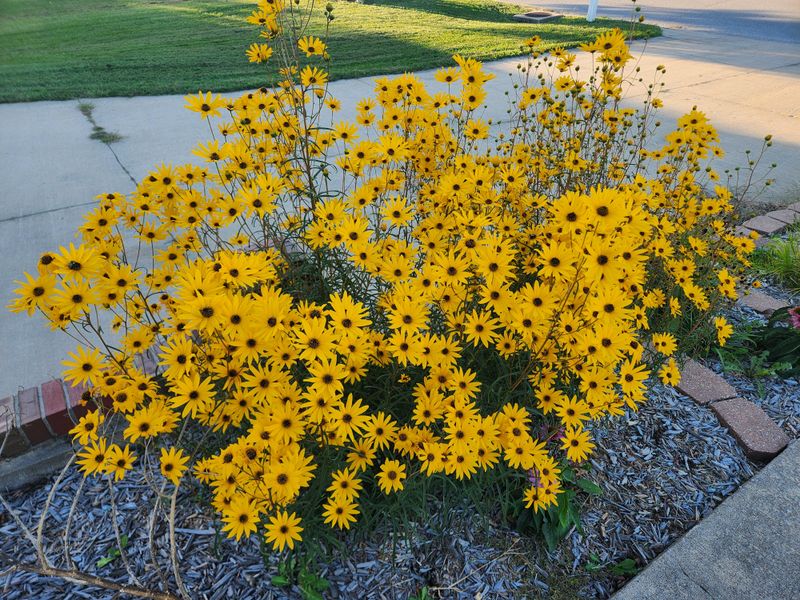
Pinching stems in early summer changes everything about this plant’s shape. Cut the tops back by about a third around late May or June, and each stem responds by branching.
More branches mean more bloom points, so the plant ends up fuller and rounder.
Gardeners sometimes call this the Chelsea chop, and narrowleaf sunflower takes to it well.
Trimming also lowers the final height, which helps in smaller beds. Plants that would have hit seven feet may finish closer to four or five.
Timing does matter. Cutting too late, say August, risks removing developing flower buds and reducing the show.
Even without pruning, older established clumps naturally branch more than young ones.
A second-year or third-year plant usually looks noticeably bushier than a first-year transplant, so do not judge it too early.
Hand pruners are fine for the job, and no special technique is needed beyond cutting above a set of leaves.
Some Georgia gardeners trim only the front half of a clump, which staggers the bloom and stretches color over a longer window.
Results vary with rainfall and soil, so treat pruning as an adjustment rather than a fixed rule.
Try it on one plant first and compare, then decide what look you prefer in your own yard.
5. Spreading Roots Can Turn One Plant Into A Larger Patch
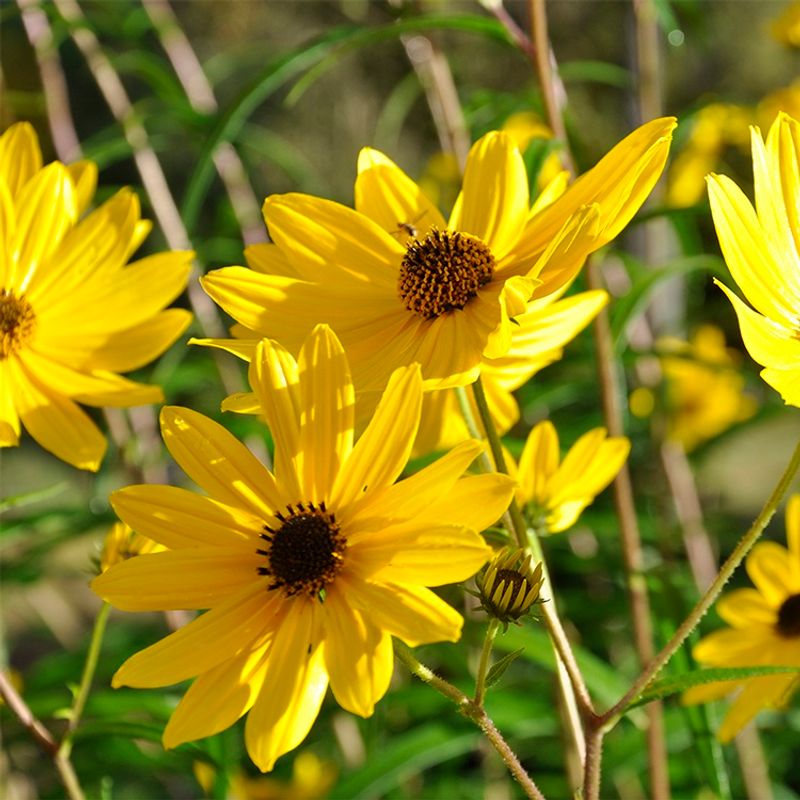
One plant rarely stays one plant. Narrowleaf sunflower spreads by underground rhizomes, slowly widening into a colony over several seasons.
In a meadow planting or along a ditch, that habit is welcome. In a tidy perennial border, it can crowd neighbors.
Spread tends to be faster in moist, loose soil and slower in dry, compacted clay.
Digging around the clump edge each spring keeps things in bounds, and the extra pieces transplant easily.
Sharing divisions with neighbors is common practice here in Georgia, since a mature clump gives you plenty to pass along.
Root barriers work if you want stricter control, though most gardeners find annual edging simpler.
Growing it in a large container is possible, but the plant dries out quickly and may need frequent watering.
Seeds add another route of spread, especially in open ground. Seedlings are easy to pull while small.
Naturally aggressive is not the same as invasive, and this species belongs to our native plant community.
Wildlife benefits from the density, since thick stands offer cover for small birds and insects through winter.
If you have a rough back corner that stays damp, that spot is nearly ideal, and the spreading habit stops being a concern at all.
6. Extra Support May Be Needed When Tall Stems Get Heavy
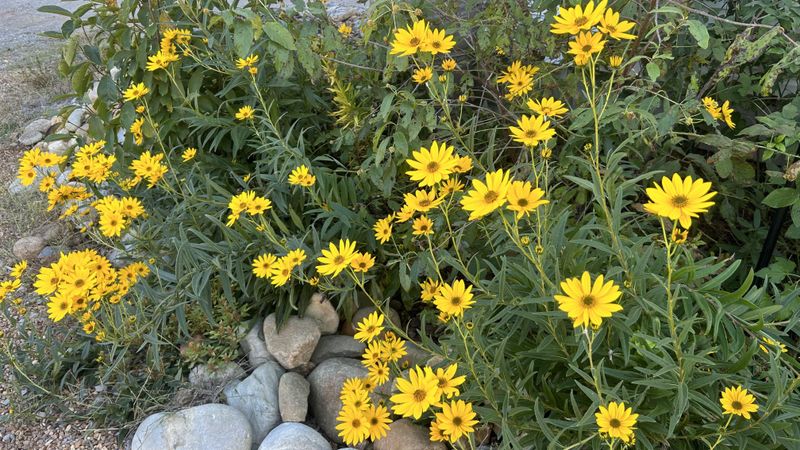
Heavy rain plus full bloom equals leaning stems. A tall clump loaded with flowers catches wind like a sail, and Georgia storms in September can knock it sideways.
Staking early prevents most of that trouble.
Set stakes in midsummer while stems are still upright, then tie loosely with soft twine as growth continues.
Bamboo canes, metal T-posts, or a simple ring of stakes with string around the outside all work fine. Match the support to the size of the clump.
Grow-through grid supports are another option, but they need to go in place by June to be useful.
Shade contributes heavily to flopping, so plants in part sun usually need more help than those in open sunlight.
Pinching back in early summer reduces the need for staking, and combining both methods gives the steadiest results.
Planting against a fence, wall, or shrub row provides free support without any hardware.
Stems that do fall over often keep blooming, which softens the blow. Prop them up or simply let them sprawl if the look does not bother you.
Avoid tying too tightly, since stems thicken as the season goes on.
A quick check after each big rain lets you fix small leans before they turn into a flattened patch.
7. Its Flowers Give Butterflies Another Food Stop In Fall
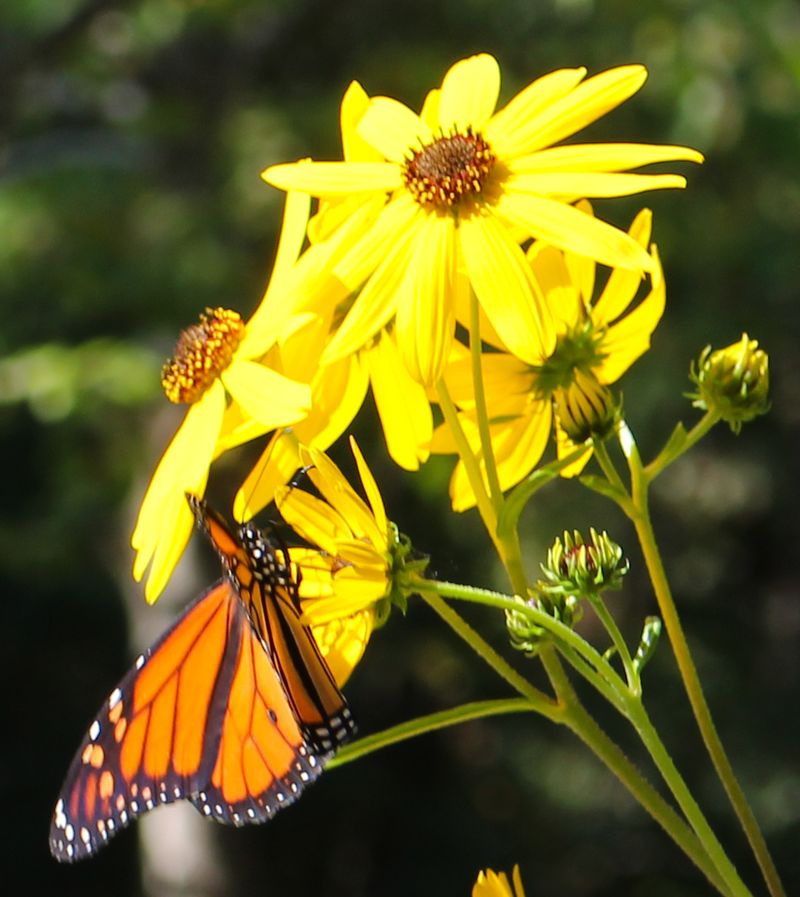
Late nectar is scarce, and that makes these blooms valuable. Monarchs moving south through Georgia in October often stop at sunflower patches to refuel.
Bumblebees, sweat bees, and skippers show up in numbers too.
Watching a clump on a warm fall afternoon feels a bit like watching a busy airport.
Native bees benefit most, since many of them are still active well into autumn and need pollen sources.
Seed heads take over once the petals drop. Goldfinches work the stems through late fall and early winter, picking seeds one by one.
Leaving stalks standing until late winter also gives shelter to overwintering insects.
Cutting everything down in October removes that whole layer of habitat, so waiting until February or March is a kinder choice.
Pesticide use nearby can reduce pollinator activity, so skip sprays around blooming stands whenever possible.
Combining this sunflower with asters and goldenrod builds a stronger fall nectar corridor.
Planting a few clumps near a vegetable garden may help draw pollinators to the area, though results depend on many local conditions.
Wildlife value plus easy care is a fair trade for a plant that asks so little.
Give it sun, room to grow, and a bit of patience through summer, and fall takes care of itself.