Got Portulaca? 8 Things Arizona Gardeners Must Do Now To Keep Them Blooming Through The Heat
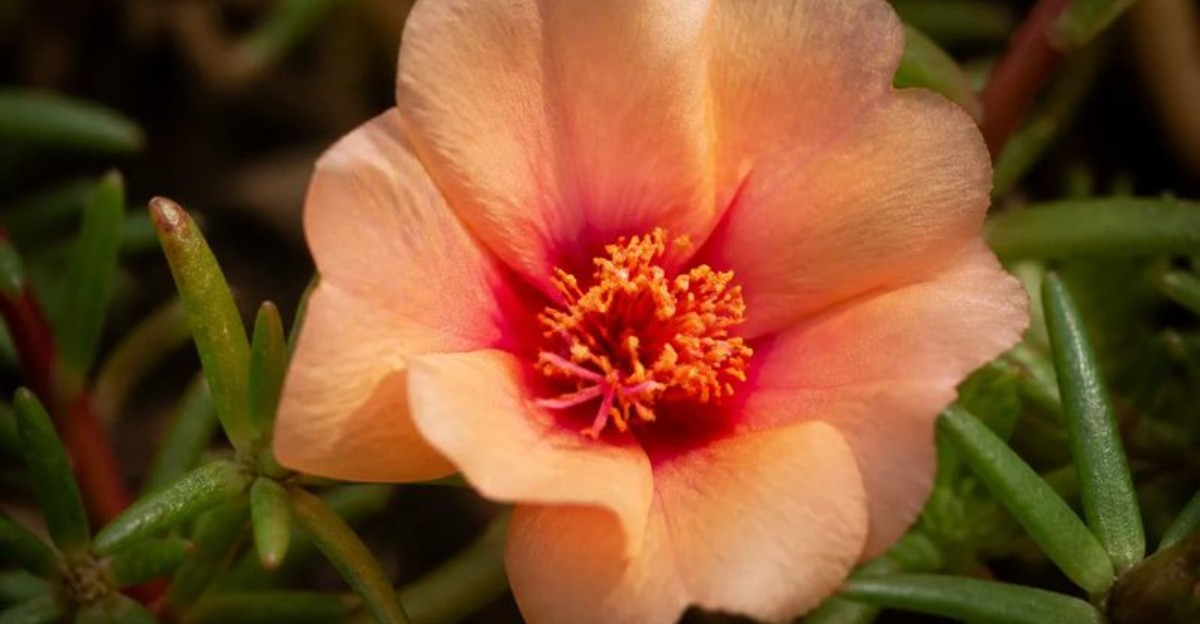
Portulaca, also called Moss Rose, is one of the toughest little bloomers you can plant in low-desert Arizona. When most flowers wilt and fade under triple-digit heat, this water-wise annual keeps popping out bright, cheerful blossoms all summer long.
That makes it a smart pick for Phoenix and Tucson yards where saving water and beating the heat really matter. Here are 8 simple things you can do right now to keep your Portulaca blooming strong through the worst of the summer.
1. Ensure Full Sun Exposure
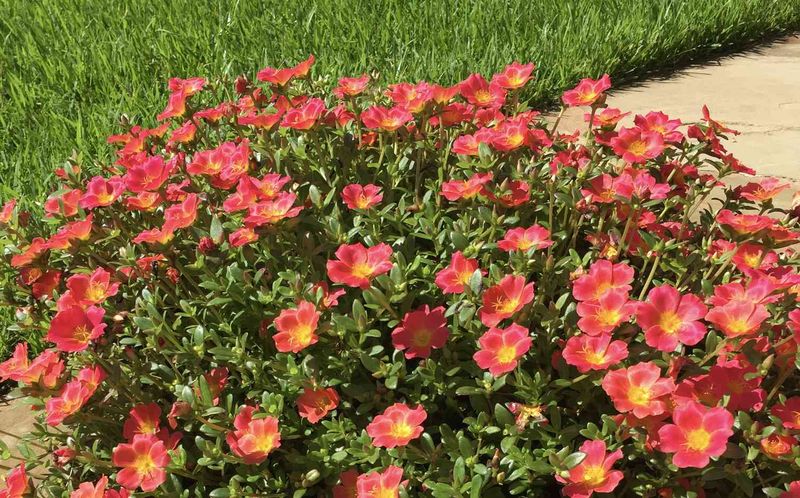
Here is a plant that actually begs for the punishing Arizona sun most gardeners try to hide from. Portulaca needs at least six to eight hours of direct sunlight every single day to put on its best show.
Skimp on the light and you will notice something odd. The flowers stay stubbornly shut on cloudy mornings or in shady corners, opening up again only when the sun blazes down.
That is just how these little blooms work.
Give them a spot along a south- or west-facing wall, a hot rock garden, or the sunniest edge of your patio. Places that scorch other plants are exactly where Portulaca thrives and rewards you with waves of color.
If your current bed only gets morning sun, consider moving container-grown plants into a brighter location. The difference in flower count can be dramatic within just a week or two.
Think of full sun as the switch that turns your Portulaca on. The hotter and brighter the spot, the more those satiny petals unfurl, keeping your desert yard cheerful right through the peak of summer.
2. Practice Drought-Tolerant Watering
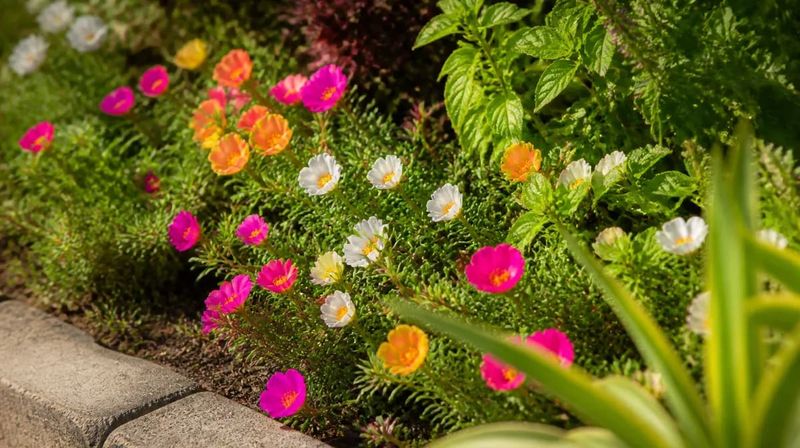
Overwatering is the fastest way to kill a plant that practically thrives on neglect. Portulaca stores moisture in its plump, succulent leaves, so it shrugs off the dry stretches that leave thirstier flowers gasping.
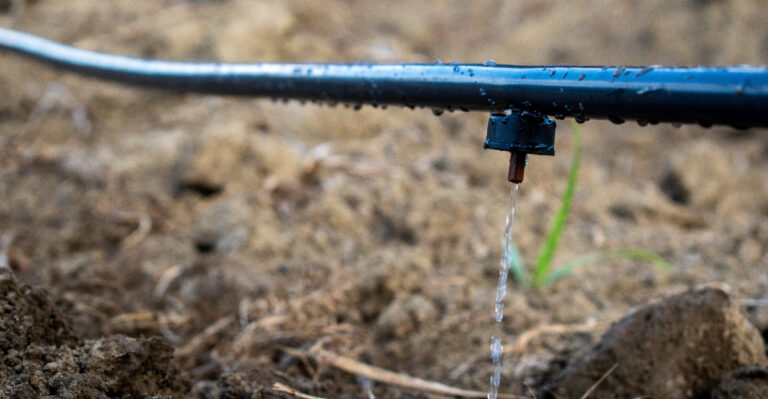
Once your plants are established, let the soil dry out completely between drinks. For in-ground Portulaca during a brutal desert summer, a deep soak every five to seven days is usually plenty, though your exact timing depends on soil type.
Container plants are a different story. Pots heat up and dry faster, so check the top inch of soil and water when it feels dry to the touch, which may mean more often during heat waves.
The golden rule here is restraint. Soggy roots invite rot, and rot is one of the few things that can actually take this tough little bloomer down.
Water in the early morning so the soil can drink deeply before the heat pulls moisture back out. This approach keeps your Portulaca happy, saves precious water, and fits perfectly into a low-fuss, water-wise Arizona landscape.
3. Provide Well-Draining Soil
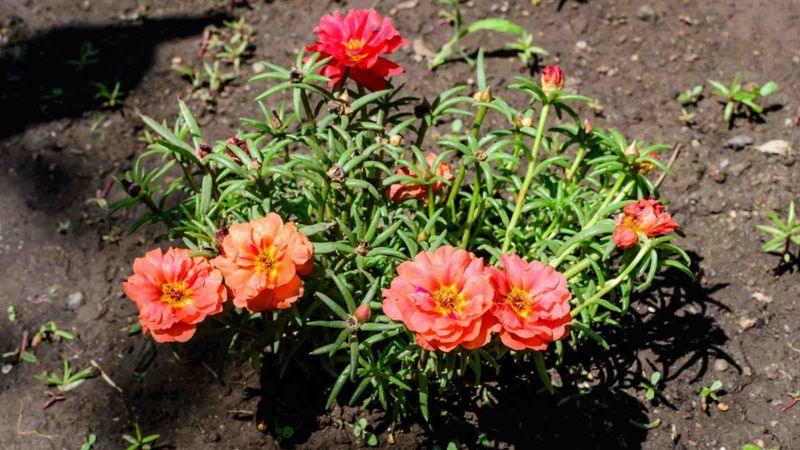
Ask any Portulaca what it wants for dinner and the answer is lean, gritty, fast-draining soil. Rich, moisture-holding dirt is actually the enemy of this desert-loving bloomer.
Sandy or rocky ground that lets water rush right through mimics the plant’s natural preference. That quick drainage keeps roots from sitting in dampness, which is where trouble usually begins.
Your Arizona Garden Changes Every Week. Your Plan Should Too.
Gardening in Arizona changes quickly throughout the season. Every Friday you’ll receive a simple weekly plan showing exactly what to plant, prune, fertilize, harvest, and protect so you never miss the right timing.
Arizona gardeners face a real hurdle with heavy clay and caliche, though. These dense soils trap water and can smother Portulaca roots over time.
You have two easy fixes. Plant in containers filled with a cactus or succulent mix, or amend your existing bed by working in compost and a generous handful of perlite to loosen things up and improve flow.
Raised beds and rock gardens also work beautifully, giving water a clear path away from the crown of the plant.
Get the drainage right and you eliminate the single biggest cause of Portulaca failure in the low desert. Nail this one step and your plants will practically take care of themselves through the hottest months of the year.
4. Fertilize Sparingly
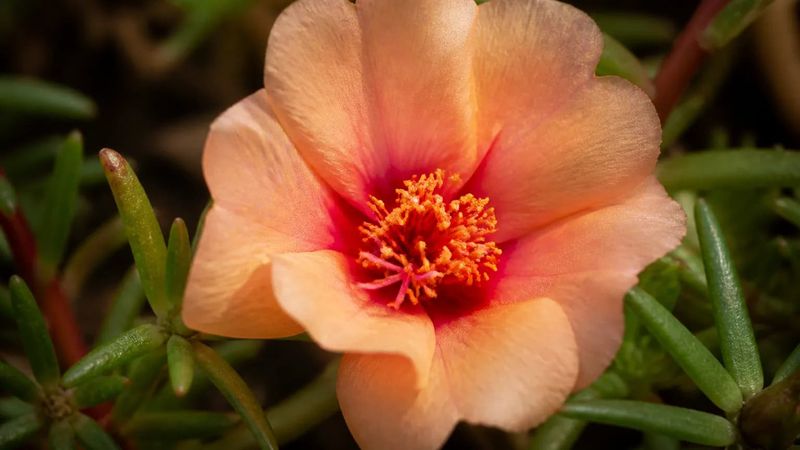
Less really is more when it comes to feeding Portulaca. These plants evolved in poor, rocky ground, so they are far from hungry eaters and can actually suffer from too much kindness.
A single application of balanced slow-release fertilizer at planting time usually covers an in-ground bed for the season. For potted plants, a monthly dose of water-soluble fertilizer keeps them tidy without overdoing it.
Watch out for high-nitrogen products in particular. Pump in too much nitrogen and your Portulaca responds by growing lush, leggy foliage while stingily holding back on the flowers you actually planted it for.
Since blooms are the whole point, resist the urge to feed on a heavy schedule. A little restraint keeps the plant compact and covered in color rather than sprawling green.
Think of fertilizer as an occasional snack, not a daily buffet. This hands-off feeding style also fits the low-maintenance spirit that makes Portulaca such a natural fit for busy Arizona gardeners who would rather enjoy their yard than fuss over it constantly all summer.
5. Prune Leggy Growth
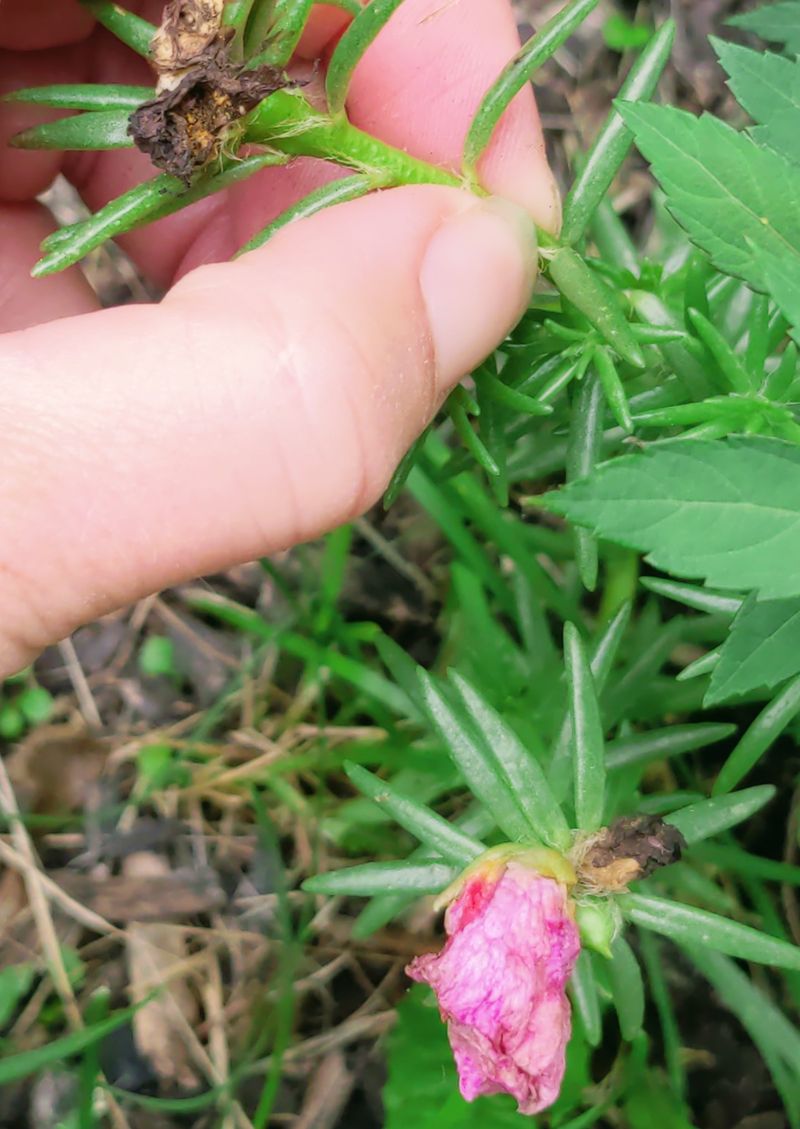
By the time midsummer rolls around, even the happiest Portulaca can start looking a little tired and stretched out. Stems flop, gaps appear, and the flower show slows down.
Many modern varieties are self-cleaning, meaning they drop spent blooms on their own without any deadheading from you. Still, that does not stop them from getting leggy as the season wears on.
A bold haircut is the fix. Trim your plants back by a few inches, or even up to half their size, to snap them out of their slump and trigger a fresh flush of buds.
It feels drastic in the moment, but Portulaca bounces back fast in the heat it loves. Follow the trim with a light feeding and you will jumpstart vigorous new growth within days.
Grab a clean pair of scissors or shears and shape the plant into a fuller, tidier mound. That quick bit of maintenance can carry your color show straight through fall.
Regular pruning keeps things lush instead of scraggly, so your desert beds stay vibrant long after other summer annuals have thrown in the towel.
6. Plant at the Right Time
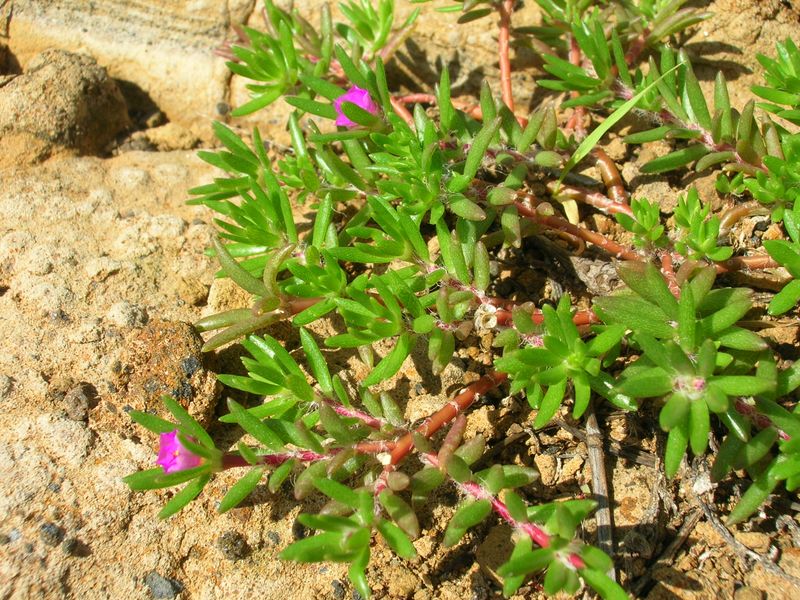
Timing separates thriving Portulaca from a sad, stalled patch. Unlike cooler climates where spring means go, Arizona has its own rhythm you need to respect.
Wait until late spring, after every last danger of frost has passed and the soil has genuinely warmed up. Portulaca is a warm-season lover, and cold ground will only sulk and stunt young plants.
Planting into warm soil gives roots the head start they crave. The plants settle in quickly, establish before the worst heat arrives, and reward you with a long bloom run stretching from late spring all the way into fall.
Rushing things in a chilly February window is a classic mistake borrowed from cooler-climate advice. In the low desert, patience pays off.
Get your beds prepped and your drainage sorted while you wait, so you are ready to plant the moment conditions turn favorable.
Nail the timing and everything else about growing Portulaca gets easier. These plants are built for our brutal summers, so setting them out at the right moment lets their natural toughness carry them through with barely any help from you.
7. Monitor for Pests and Diseases
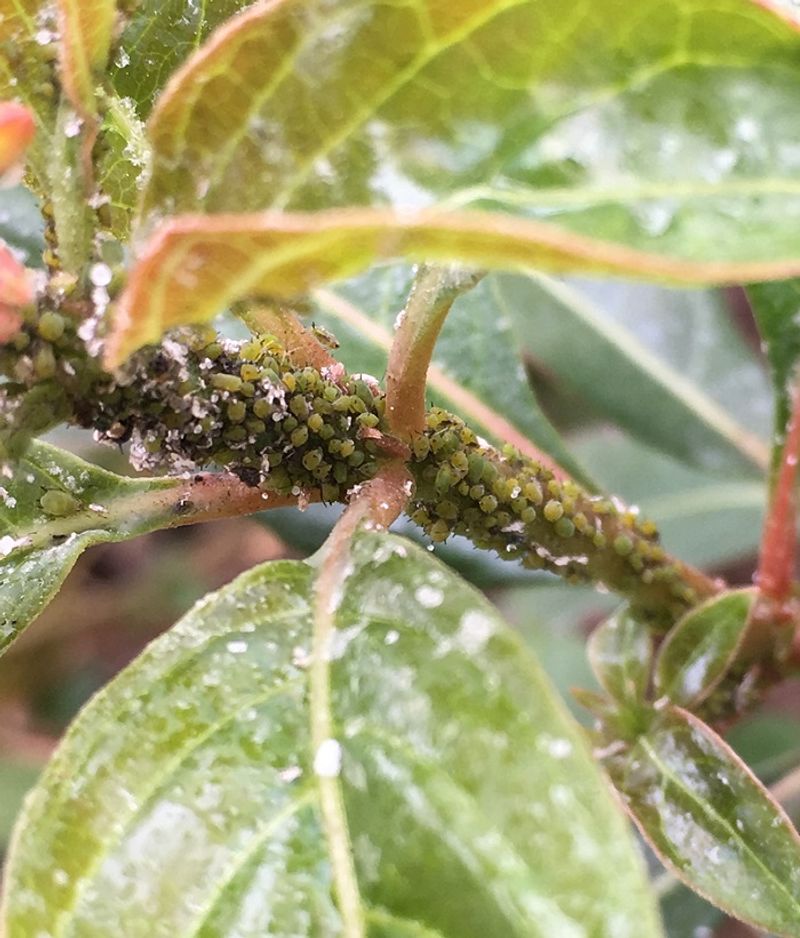
Good news for anyone tired of babysitting fussy flowers: Portulaca is remarkably tough against most pests and diseases. It rarely lands on the menu for the bugs that plague other garden plants.
That said, keeping a casual eye out never hurts. Aphids, mealybugs, and snails occasionally show interest, especially on tender new growth after a pruning or a rainy monsoon stretch.
A quick blast of water or a gentle wipe usually handles small aphid clusters before they become a problem. Snails can be picked off by hand in the cooler evening hours.
The bigger threat is not an insect at all. Root rot, brought on by overwatering or poor drainage, is the main disease that troubles Portulaca in soggy conditions.
Since you have already dialed in lean soil and careful watering, you are mostly protected. Fungal issues fade away when roots stay dry between drinks and water flows freely through the ground.
Stay observant without hovering. A minute of inspection every week or two is all this low-maintenance bloomer really needs to stay healthy and covered in color throughout the desert summer.
8. Appreciate Its Heat Tolerance
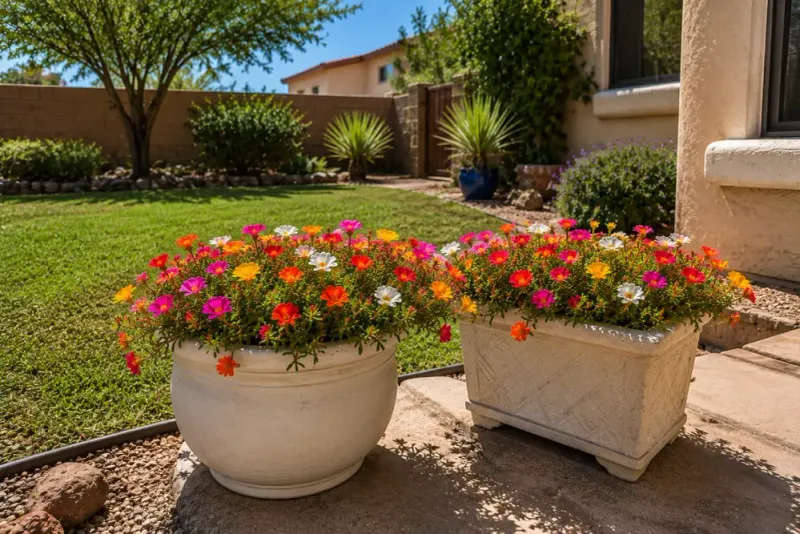
While your neighbors watch their petunias melt into mush, Portulaca is out there soaking up the sun and grinning. Extreme heat is not something this plant merely tolerates.
It genuinely loves it.
Temperatures soaring past 100 degrees Fahrenheit, the kind that flatten most flowers, are exactly when Portulaca hits its stride. It keeps churning out blossoms from late spring right through fall without missing a beat.
That heat-loving nature makes it a standout choice for low-desert Arizona, where summer is a proving ground few plants survive gracefully. Portulaca does not just survive, it flourishes.
Pair that toughness with its thirst-defying drought tolerance and you have a plant practically designed for Phoenix and Tucson yards. Less water, less shade, less fuss, and more color when everything else looks fried.
Here is a fun bit to appreciate: the succulent leaves that let it store moisture are the same feature that helps it laugh off the blazing sun.
So the next time the forecast climbs into triple digits, take heart. Your Portulaca is thriving, filling your beds with vivid, cheerful color exactly when the desert needs it most.