The Corn Disease Spreading Across Michigan Counties Backyard Growers Should Know About
Tar spot has become one of the most closely watched corn diseases in Michigan, and this year it has already been confirmed across multiple counties statewide.
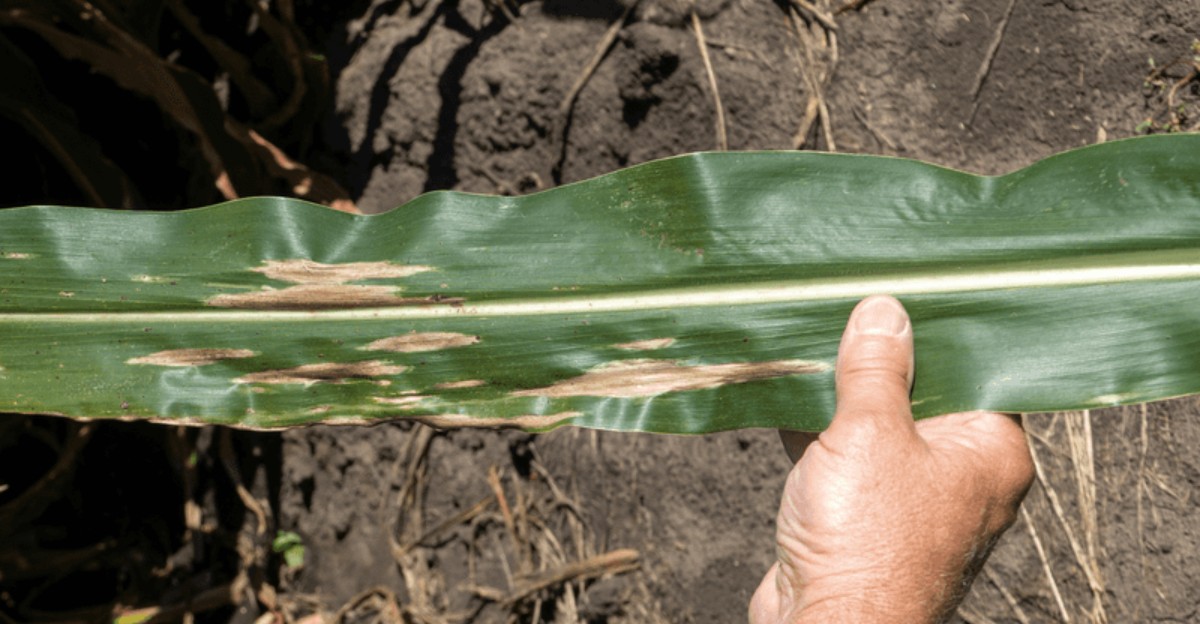
The disease shows up as small, black, tar-like spots on corn leaves that can’t be rubbed off, and it spreads quickly once conditions turn warm and wet, sometimes overtaking a healthy-looking plant within just a few weeks.
While tar spot is best known as a commercial crop concern, backyard corn growers aren’t immune, especially those growing near larger fields where the fungus can easily travel.
Because the disease develops before visible symptoms even appear, regular scouting is one of the few effective ways to catch it early.
Knowing what tar spot looks like and how fast it can spread gives home gardeners a real head start on protecting their own corn patch.
1. Tar Spot Leaves Distinct Black Marks On Corn Leaves
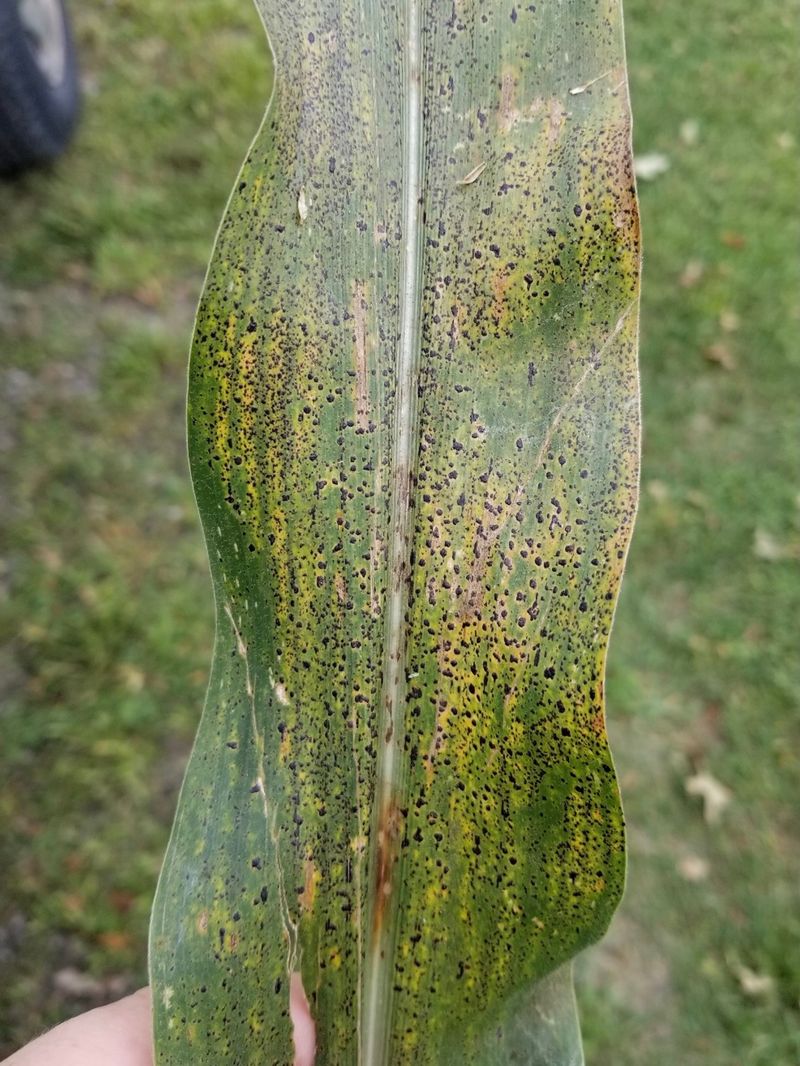
Small black spots that look like flecks of tar are usually the first clue that tar spot has moved into your garden. These raised, bumpy marks appear right on the surface of corn leaves, and you can often feel them if you run your fingers gently across the leaf.
Unlike smudges of dirt or mud, these spots will not wipe off no matter how hard you try. That simple test is one of the easiest ways for Michigan gardeners to tell the difference between real disease and everyday grime that blows onto plants.
The spots often start out small and scattered, but over time they can multiply and cover large parts of the leaf. Sometimes a light tan ring forms around each dark mark, which gives the leaf a spotted, patchy look.
Because the disease shows up so clearly, careful gardeners have a real advantage. Spotting these marks early gives you time to plan your next steps before things get worse.
Take a slow walk through your corn every few days during late summer. Look at both the top and bottom of the leaves, since spots can hide on the underside too.
Once you learn what tar spot looks like, you will recognize it right away in future seasons. Keeping a photo on your phone for comparison can make identification even easier.
This quick knowledge helps you stay one step ahead and keeps your corn patch healthier through the growing season.
2. The Disease Can Reduce Plant Strength Late In The Season
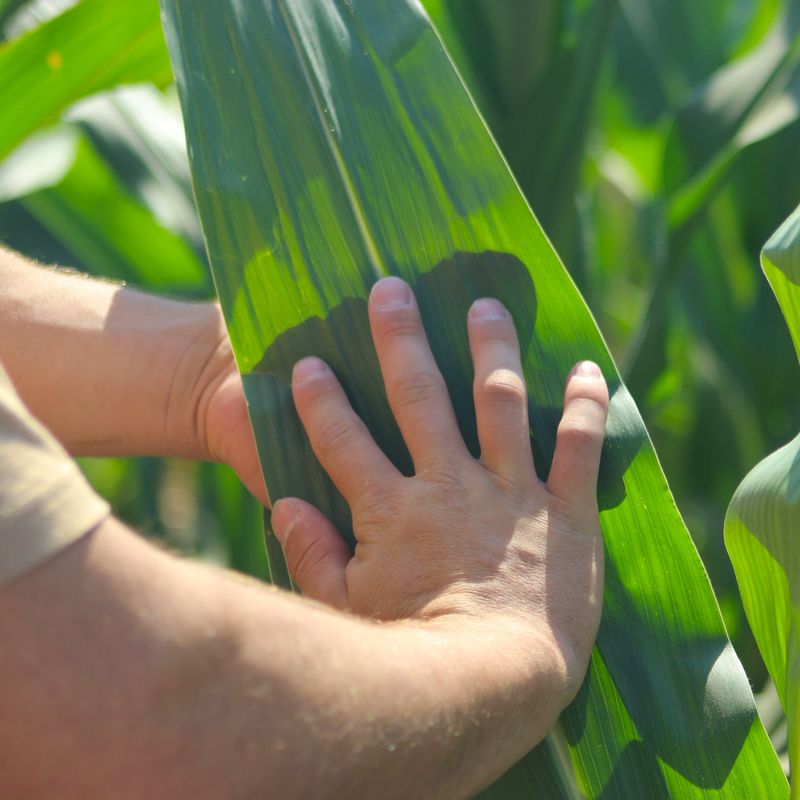
When black spots spread across corn leaves, they block the plant’s ability to soak up sunlight. Leaves are like little solar panels, and corn depends on them to make the energy that fills out its ears.
Photosynthesis is the fancy name for how plants turn sunlight into food. When tar spot covers too much leaf surface, that food-making process slows down, and the plant has less energy to share with its growing kernels.
Late in the season, corn is busy filling out its grain. This is the exact time when strong, green leaves matter most, so heavy infections at this stage can leave your ears smaller and less full.
Your Michigan Garden Changes Every Week. Your Plan Should Too.
Gardening in Michigan changes quickly throughout the season. Every Friday you’ll receive a simple weekly plan showing exactly what to plant, prune, fertilize, harvest, and protect so you never miss the right timing.
Gardeners sometimes notice leaves turning yellow or brown earlier than expected. Plants may also feel weaker and lean over more easily when the wind picks up.
The good news is that mild cases usually cause little harm. A few scattered spots will not ruin your harvest, so there is no need to panic over every mark you find.
Keeping an eye on how much of the leaf is affected helps you judge the risk. If most of the plant stays green, your corn will likely still produce a nice crop.
Healthy soil, steady watering, and good spacing all help plants stay strong enough to handle some disease. A vigorous plant simply copes better than a stressed one, giving you a better chance at a rewarding harvest even when tar spot shows up.
3. Wet Conditions Can Increase Disease Risk
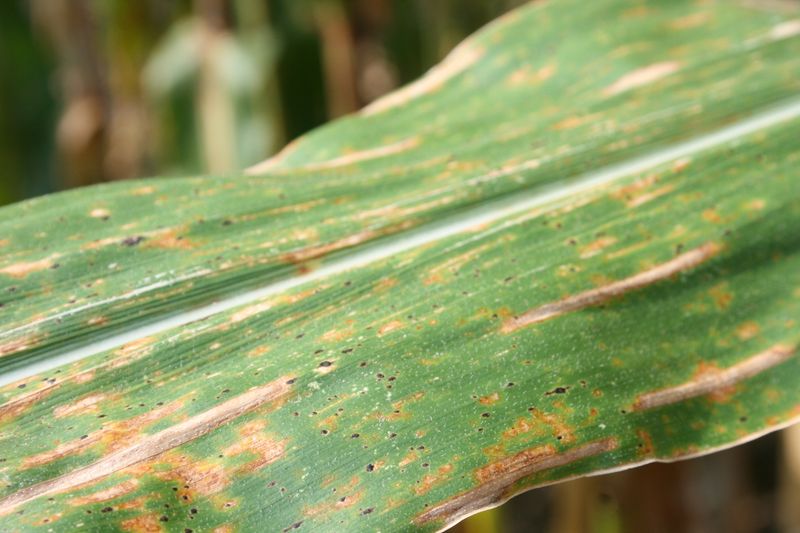
Moisture is like an open invitation for tar spot to settle in and spread. When leaves stay wet for long hours, the tiny organisms that cause the disease find the perfect place to grow.
Michigan summers often bring humid days, heavy dew, and stretches of rainy weather. These conditions keep corn leaves damp, which gives tar spot the moisture it needs to take hold.
Cool nights followed by foggy mornings make things even easier for the disease. Water that lingers on the leaves through the early hours helps spots form and multiply faster.
Spacing your corn a little farther apart lets air move freely between the plants. Better airflow helps leaves dry out sooner after rain or dew, which cuts down on the wet time the disease loves.
Watering at the base of your plants instead of over the top is another smart move. Keeping the leaves dry means fewer chances for tar spot to spread across your patch.
Planting in a sunny, open spot also makes a big difference. Sunlight dries leaves quickly and creates a less friendly home for disease.
Pay extra attention after a stretch of damp weather. That is often when new spots appear, so a quick check can help you catch problems early.
You cannot control the rain, but you can control how you plant and care for your corn. Small choices that reduce leaf wetness go a long way toward keeping your garden healthier all season long.
4. It Can Return From Infected Plant Debris
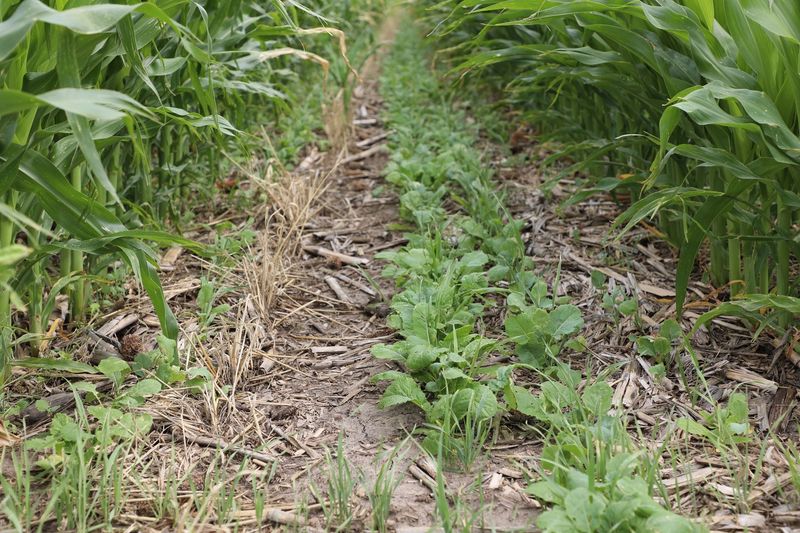
Leftover corn scraps in your garden can act like a hidden storage spot for disease. The organisms that cause tar spot can survive the winter tucked inside old leaves and stalks.
When spring rolls around, those survivors wake up and release spores into the air. If new corn is growing nearby, the disease gets an easy head start on the fresh plants.
This is why leftover debris is such a big deal. A pile of infected stalks sitting in the corner can spark the same problem year after year.
Cleaning up your garden bed after the season ends is one of the best defenses. Raking up fallen leaves and pulling old stalks removes the material that shelters the disease.
Some gardeners chop up debris and add it to a hot compost pile that heats up enough to break everything down. Others bag heavily infected material and remove it from the garden entirely.
Whatever you choose, the goal is the same. Getting rid of old, spotted plant parts lowers the number of spores waiting around for next spring.
Turning the soil after cleanup can also help buried scraps break down faster. The quicker debris rots away, the fewer safe hiding places remain.
A tidy garden simply gives disease fewer chances to bounce back. By taking a little time to clear out the mess each fall, you set yourself up for a healthier corn patch when the new season begins.
5. Rotate Crops To Reduce Future Problems

Planting corn in the same spot every year is a bit like leaving a welcome mat out for disease. When corn returns to the same soil, tar spot has an easy path back to the plants it already knows.
Crop rotation simply means moving your corn to a new area each season. By switching where you plant, you break the cycle that lets disease build up in one place.
The idea works because tar spot mostly affects corn. When you plant beans, tomatoes, or other crops in that spot instead, the disease has nothing to feed on and its numbers drop.
Even in a small backyard garden, you can shift your corn from one bed to another. A rotation of two or three years gives the soil time to clear out old disease.
Rotation also brings a bonus for your soil. Different plants use different nutrients, so mixing things up keeps your garden beds richer and more balanced.
Keeping a simple map or notebook helps you remember what grew where. That way you avoid planting corn in last year’s spot by accident.
Try pairing corn with crops that add nutrients, like beans, in the off years. Your soil gets a boost while disease pressure keeps falling.
Rotation takes a little planning, but it costs nothing and works wonders. This easy habit is one of the smartest ways for Michigan growers to keep tar spot from becoming a yearly headache in their gardens.
6. Choose Healthier Corn Varieties
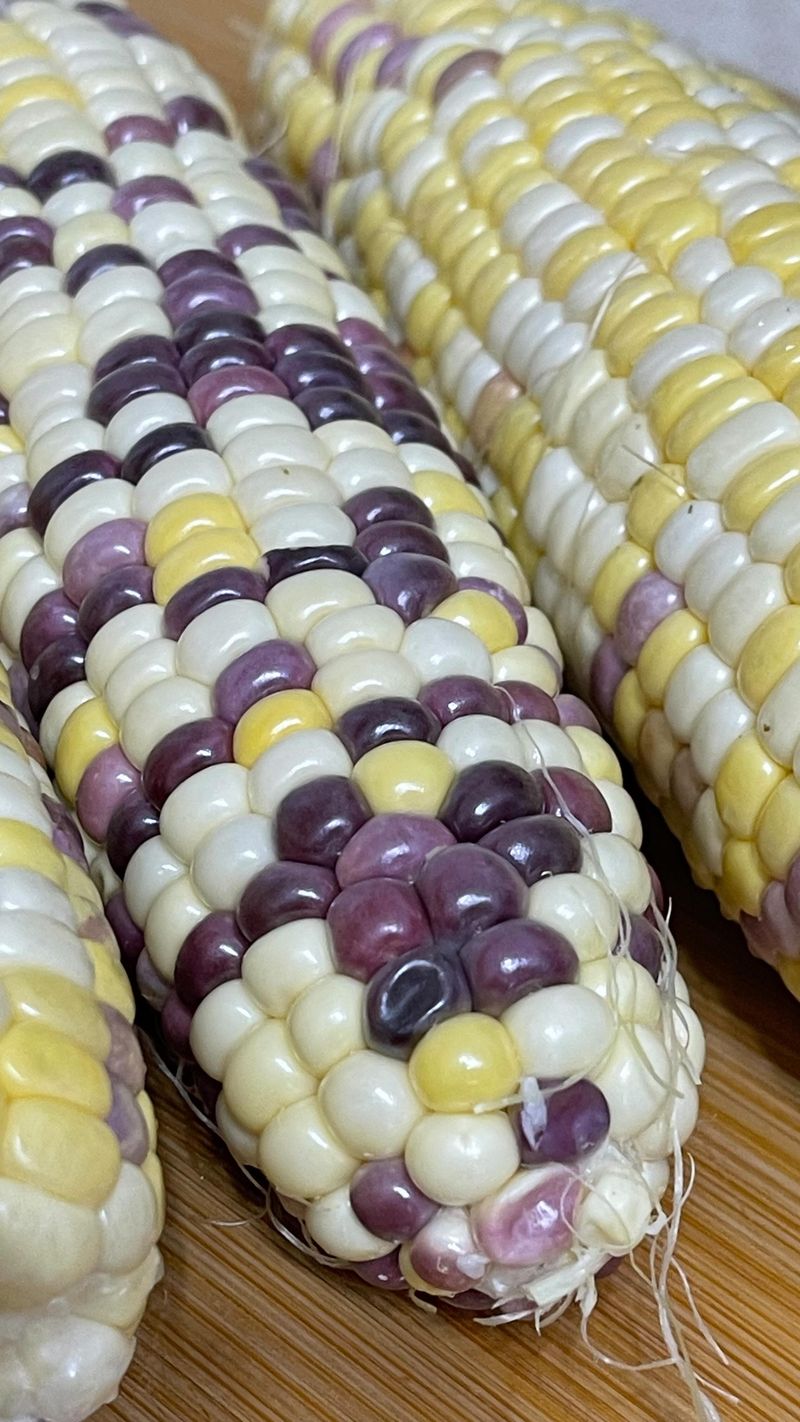
Not all corn plants handle disease the same way. Some varieties have a natural toughness that helps them fight off tar spot better than others.
Seed companies work hard to develop corn with improved resistance. These plants may still catch a few spots, but they usually shrug off the disease more easily and keep growing strong.
Reading seed packets and catalog descriptions can point you toward these hardier choices. Words like disease resistant or tolerant are clues that a variety has extra staying power.
For Michigan gardeners, picking resistant corn is a simple step that pays off big. Starting with a strong plant means you spend less time worrying about spots later in the season.
Local garden centers and extension offices often know which varieties do well in your area. Asking around can save you from guessing and help you find corn suited to Michigan weather.
Resistance does not mean the plant is completely safe. It just means the corn can better handle the pressure and still give you a good harvest.
Mixing resistant varieties with good garden habits creates the best results. Smart plant choices work hand in hand with cleanup and rotation.
Trying a couple of different resistant types one season can help you learn what grows best in your yard. Over time, you will build a list of favorites that reliably produce sweet, healthy ears.
Choosing wisely at the seed stage sets the whole season on the right track, giving your corn a real head start against disease.
7. Remove Heavily Infected Plant Material After Harvest
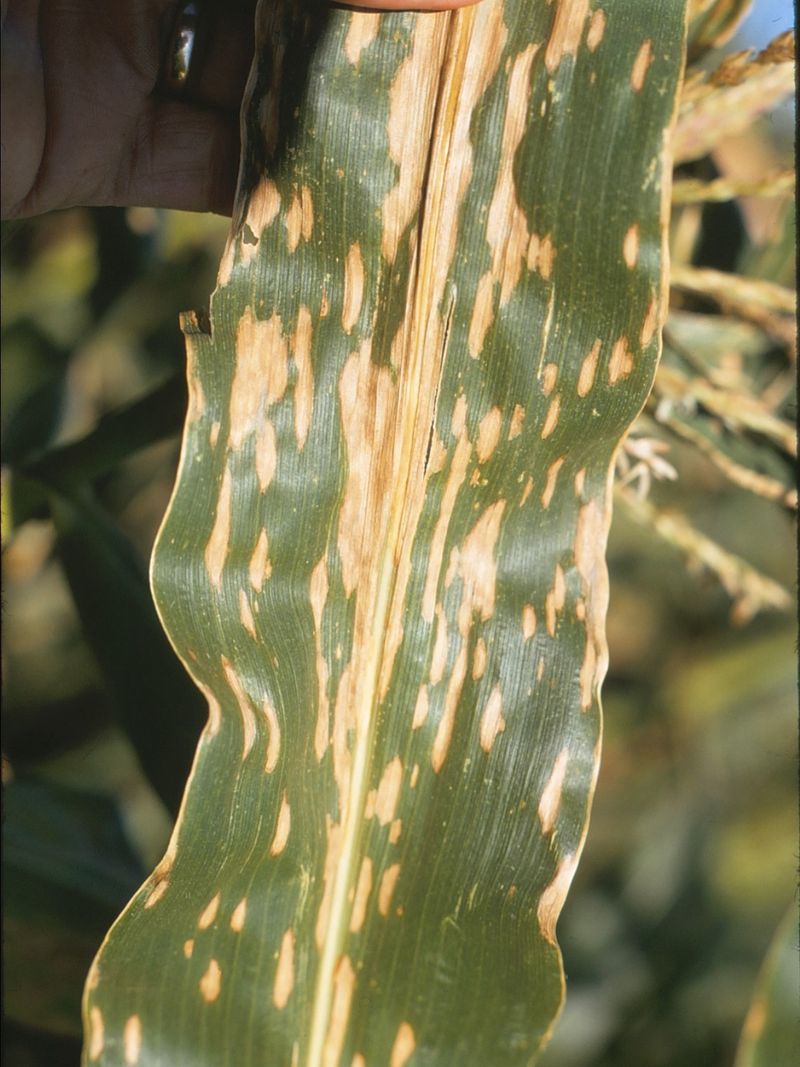
Once your corn harvest wraps up, the plants left behind still deserve attention. Stalks and leaves covered in black spots can become a source of trouble for next year if you leave them in place.
Clearing away heavily infected material lowers the amount of disease that survives into the next season. Fewer spores hiding in your garden means a cleaner start when you plant again.
Focus on the plants that look the worst first. Leaves and stalks packed with tar spot carry the most disease, so removing them makes the biggest difference.
Wearing gloves while you work keeps your hands clean and stops you from carrying spores to other parts of the garden. Gather the material into a bag or bin as you go.
Heavily infected scraps are best kept out of a cool compost pile, since low heat may not break down the disease. Removing them from the garden is the safer choice.
Some growers burn allowed yard waste where local rules permit, while others send infected material away with regular yard waste pickup. Either way, the disease leaves your space for good.
Give your garden bed a quick rake once the big pieces are gone. Small bits of leaf litter can still hold disease, so tidiness helps.
This end-of-season cleanup takes just an afternoon, yet it protects your future crops. A little effort now keeps your corn patch fresher and stronger when spring planting time finally comes around again.
8. Watch Corn Leaves Before Harvest
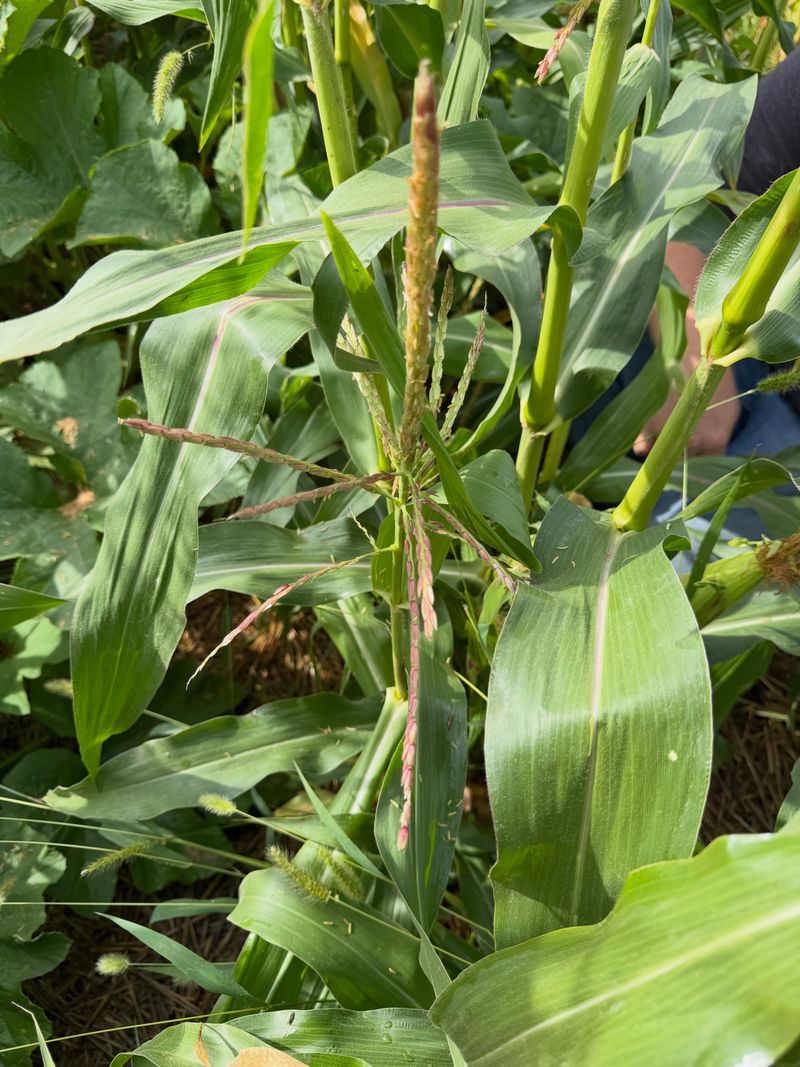
The weeks before harvest are a perfect time to keep a close eye on your corn. Late summer and early fall are when tar spot often shows up, so regular checks give you an edge.
Walking through your rows every few days helps you notice the first black spots as they appear. Catching disease early means you can react before it spreads across the whole patch.
Look closely at leaves near the middle and bottom of the plant, since spots often start there. Turning leaves over lets you check hidden spots too.
Keeping notes about what you see builds helpful knowledge. Writing down when and where spots appear teaches you how the disease behaves in your own garden.
These records become gold when planning the next season. You will know which spots stay damp, which varieties held up well, and when to expect trouble.
Early sightings also help you decide on cleanup and harvest timing. If spots spread fast, you might pick your corn a touch sooner to enjoy it at its best.
Bringing a phone along makes it easy to snap photos for comparison. Watching how spots change over days helps you understand the pace of the disease.
Regular scouting turns you into a sharper, more confident gardener. The more you observe, the better your choices become.
Staying curious and paying attention is one of the simplest habits you can build. A few minutes of watching each week keeps your corn patch healthy and your harvest rewarding year after year.