Brooklyn Balcony Gardeners Need These Herb-Saving Tips Before New York’s First Frost
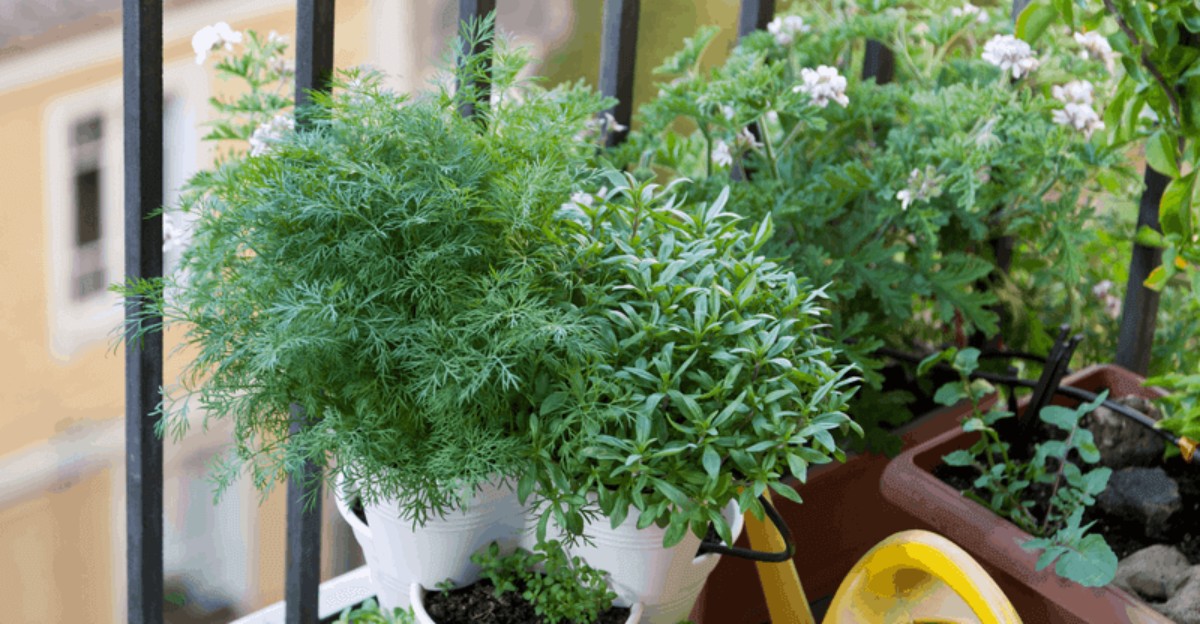
The air on your balcony smells different in fall. Cooler, sharper, with a hint of wet leaves.
Your basil knows it too, because those bright green leaves start looking a little sad and floppy by morning.
In Brooklyn, the average first fall frost lands somewhere between November 8 and November 17, though a chilly surprise can show up as early as mid-September.
That narrow window is your chance to rescue the herbs you babied all summer, and it closes fast. Saving them takes less work than you think.
A few smart moves, some pruning shears, and a sunny windowsill can carry your thyme, mint, and rosemary straight through winter.
1. Move Tender Herbs Indoors Before Cold Nights Arrive
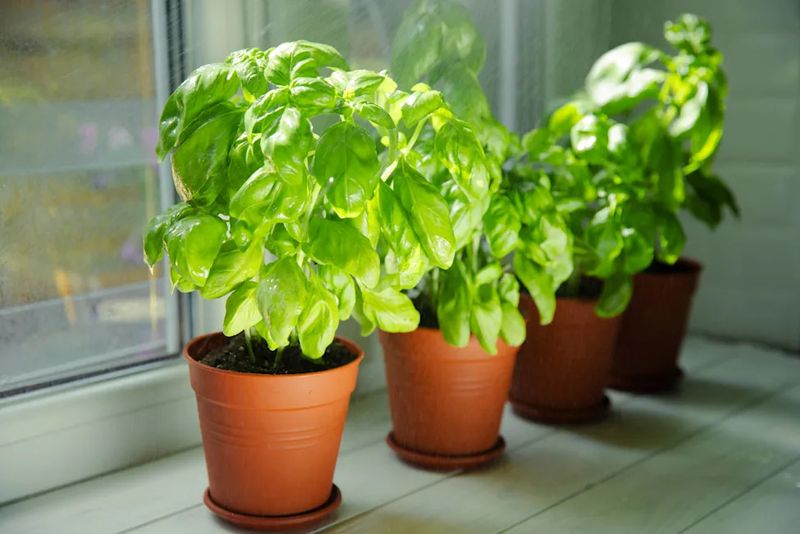
Basil is the drama queen of the herb world. Once overnight temperatures slip into the 40s, it sulks, and anything below 50 degrees leaves it limp.
Keep an eye on the forecast in early November, since first frost often lands mid-month. Bring in basil, lemon verbena, scented geraniums, lemongrass, dill, cilantro, sweet marjoram, chamomile, and chervil before those cold nights stack up.
Rosemary surprises people. It gets called a perennial, but in Brooklyn’s Zone 7 climate it can still struggle outdoors in exposed containers, so many gardeners tuck it inside to be safe.
Potted herbs are the easy ones because you just lift and carry. Herbs growing in a planter box can be dug up and repotted, though expect a little grumbling from the plant.
Transplant shock is real, and you may see leaves drop for a week or two. New growth usually follows once roots settle into their fresh container.
Prefer a gentler route? Snip cuttings instead and root them indoors, leaving the parent plant outside.
Give plants a few days of part-time indoor living before the full move. Gradual changes help them adjust without a fuss.
2. Harvest Extra Leaves And Stems Before Frost Damage Begins
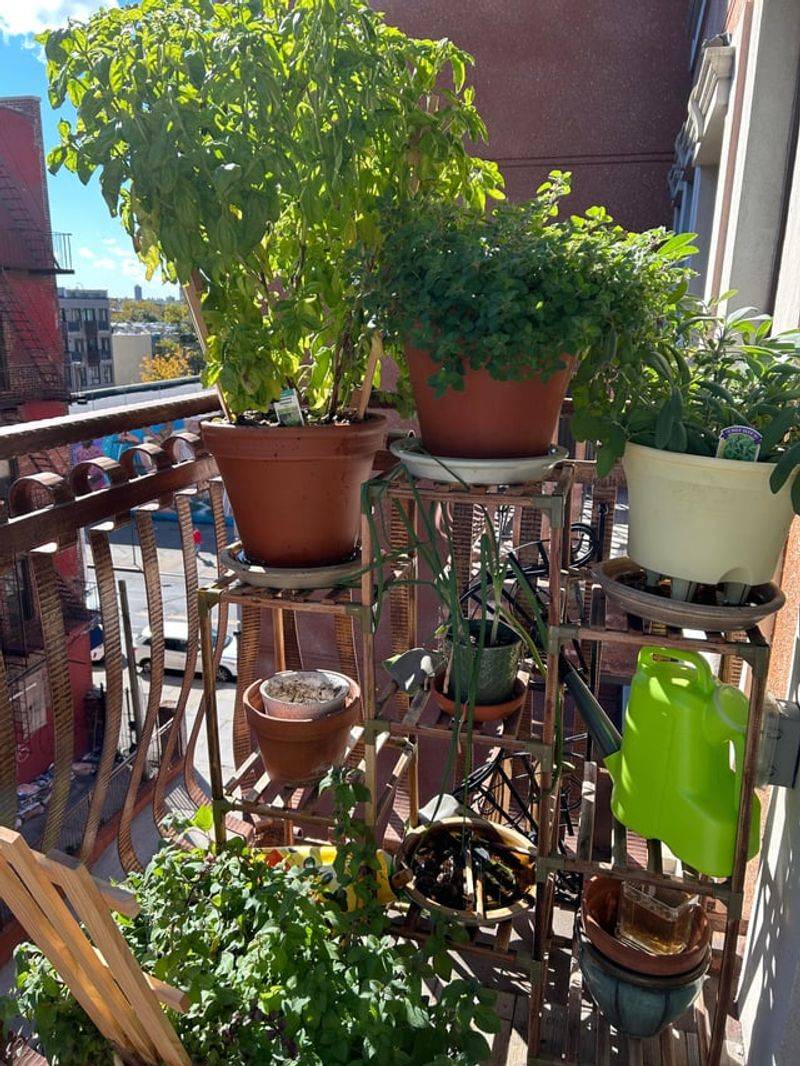
Think of the weeks before frost as your last big grocery run. Annual and tender herbs will not make it through a hard freeze, so harvest generously while the leaves are still perfect.
Clipping actually helps. Regular trimming signals the plant to push out more stems, which means a bigger haul before cold weather closes the season.
Flavor peaks in early fall, making it the ideal moment to dry or freeze extras. Ice cube trays filled with chopped herbs and olive oil are a New York kitchen classic.
Technique matters by herb type. On woody stems like thyme, rosemary, mint, and sage, cut just above a pair of leaves to encourage branching.
Parsley behaves differently, so take the outer stalks and let the center keep producing. Chives get snipped low, right near the base.
One rule keeps plants healthy: remove no more than a third at a time. Greedy harvesting leaves them too weak to bounce back.
While you are out there, grab the last tomatoes and peppers hiding behind the planters. Frost does not spare them either.
3. Protect Hardy Herbs With Better Balcony Placement
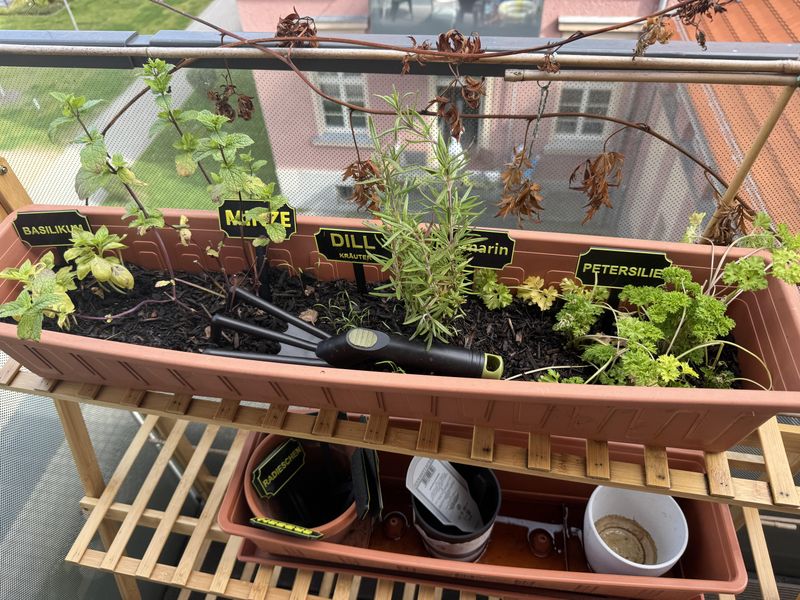
Some herbs shrug off the cold. Chives, thyme, sage, oregano, mint, and lemon balm can often ride out winter right where they are.
Your New York Garden Changes Every Week. Your Plan Should Too.
Gardening in New York changes quickly throughout the season. Every Friday you’ll receive a simple weekly plan showing exactly what to plant, prune, fertilize, harvest, and protect so you never miss the right timing.
Bay laurel is more cold-sensitive and usually benefits from protection or an indoor move.
Containers are the weak link, though. Unlike garden beds, pots lose warmth from every side, and balcony wind strips heat away fast.
Huddling helps. Push pots together into a tight cluster so they shield one another and hold warmth a bit longer.
For extra insulation, wrap pot sides with bubble wrap or burlap. A layer of plastic wrap over the top stops the burlap from soaking up rain.
After the first hard freeze, spread 3 to 6 inches of straw, pine needles, or chopped leaves across the soil. The blanket keeps roots at a steadier temperature.
Placement is your free upgrade. Tuck fragile pots against the building wall, where bricks radiate stored warmth overnight.
Line up sturdier plants along the railing side so they take the brunt of the wind. On an exposed balcony, that simple arrangement can make a noticeable difference.
4. Trim And Prepare Perennial Herbs For Winter Rest
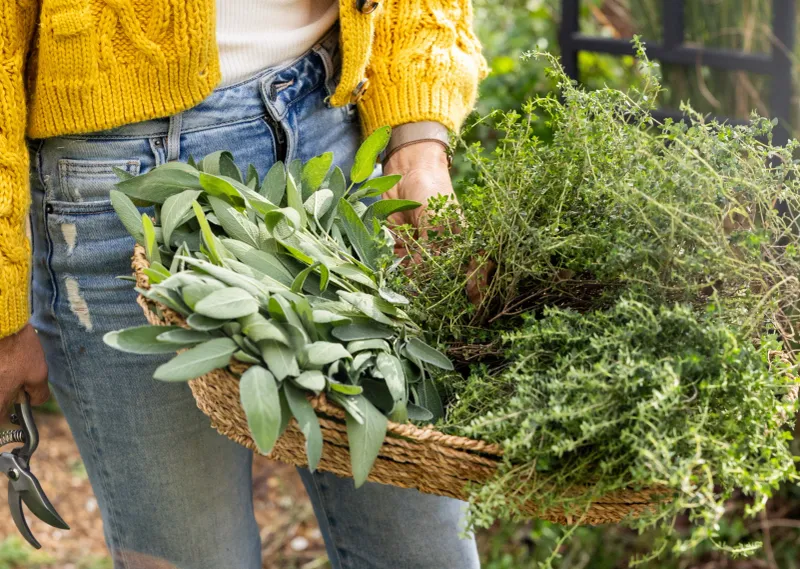
Perennials need a proper bedtime routine. Cutting them back before dormancy sets them up for stronger growth next spring.
Tender perennials such as lemon verbena, scented geraniums, rosemary, and lemongrass appreciate a trim in midsummer and another just before cold weather rolls in. Smaller plants also fit windowsills better.
Chives play by their own rules. Let the foliage fade back and allow the roots to take a freeze outdoors, then dig them up and move them inside.
Transplant shock sometimes causes older leaves to shrivel. Snip those off so the plant can spend its energy on fresh shoots.
Outdoor perennials that look rough after a rough New York winter deserve patience. Scratch a stem with your fingernail, and if you see green underneath, wait until spring growth appears before pruning.
Indoor herbs get leggy without attention. Pinching tips every couple of weeks keeps them bushy instead of stretched and thin.
Save those trimmings for the kitchen. A winter soup tastes better with sage you grew yourself, three floors above the sidewalk.
5. Choose The Right Indoor Spot For Winter Herb Growth
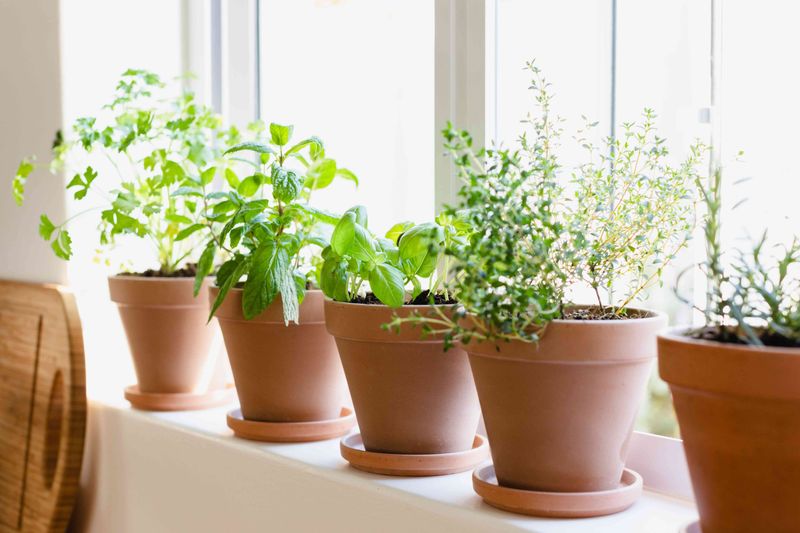
Light is the whole ballgame indoors. Most herbs want six to eight hours of bright light, and an unblocked south-facing window is the jackpot.
Brooklyn apartments do not always cooperate, thanks to neighboring buildings and fire escapes. A grow light hung six to twelve inches above the pots for 14 to 16 hours daily fills the gap nicely.
Stretched, spindly stems are your plant waving a flag. That look means the light supply is too thin.
Rotate pots every few days so every side gets its turn. Even growth beats a plant leaning permanently toward the glass.
Temperature should sit around 65 to 70 degrees by day, cooling to 55 to 60 at night. Keep pots away from radiators and heating vents, which bake the soil dry.
Basil stays fussy, so skip the chilly windowsill where drafts dip below 50 degrees.
Heated apartments turn desert-dry, and herbs notice. Group plants together, run a humidifier, mist now and then, or set pots on pebble trays filled with water.
Kitchens work beautifully, though any sunny room in your New York place will do.
6. Refresh Containers Before Bringing Herbs Inside
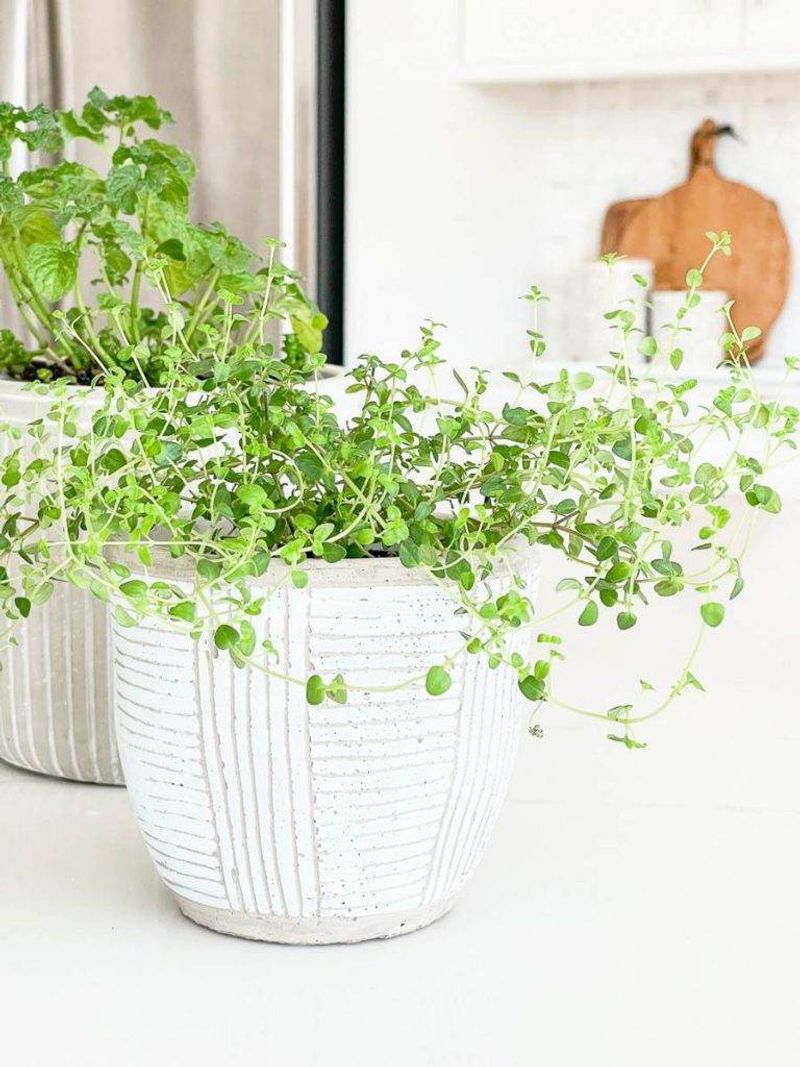
Dirty, crusty pots are a rough start to winter. A quick refresh before herbs move indoors prevents soggy soil and cranky roots.
Drainage comes first. Every container needs open holes at the bottom, plus a quality potting mix instead of heavy garden soil.
When repotting from your balcony planters, rinse old soil off the roots gently. Then settle the plant into fresh, loose mix that drains well.
Depth matters more than width for most herbs. Aim for containers at least six inches deep so roots have room to spread.
Terra cotta earns its popularity because the clay breathes and helps excess moisture escape. Plastic works, but watch your watering more closely.
Want better drainage still? Blend perlite or coarse sand into the potting mix, and make sure the container has open drainage holes.
White crusty rings inside a pot mean fertilizer salts have built up. Flush the container with water until it runs freely from the bottom.
One Brooklyn-specific warning: bring empty terracotta pots inside too. Freezing temperatures crack them, and replacing pots gets expensive.
7. Reduce Watering As Temperatures And Light Levels Change
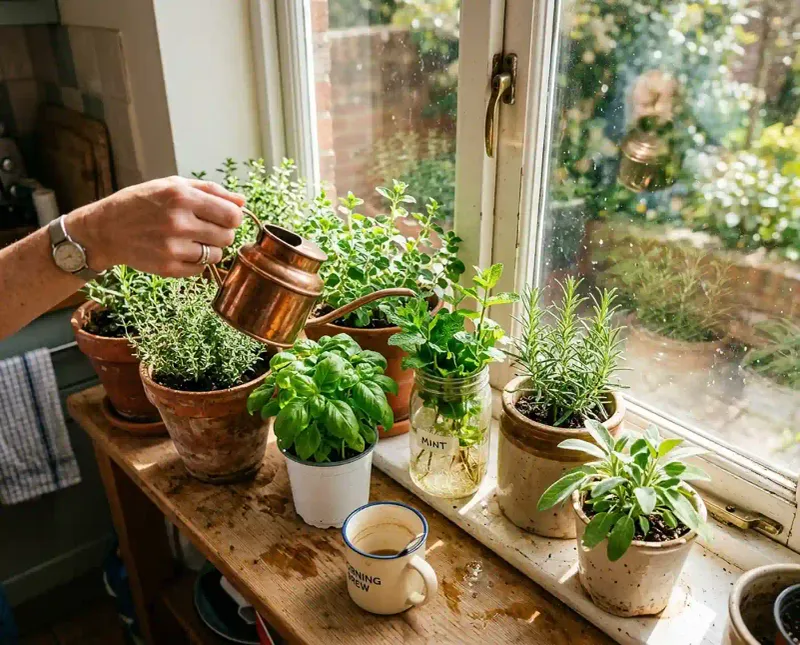
Overwatering claims more indoor herbs than cold ever does. Once plants move inside, their thirst drops sharply.
Shorter days and cooler rooms slow everything down. Growth crawls, and roots simply do not pull moisture the way they did in July.
The finger test beats a schedule. Poke into the soil, and water only when the top two inches feel dry.
Soggy roots invite rot, which spreads quietly and shows up as yellow, drooping leaves. Once it takes hold, recovery is tough.
Going too dry is not the answer either. Crispy edges and wilting mean the plant is stressed, so aim for that middle ground.
Deciduous herbs behave differently. Lemon verbena drops every leaf and goes dormant in winter.
Keep it in a cool spot and water sparingly, only enough to prevent the roots from completely drying out until spring.
Drainage saucers deserve a check too. Emptying standing water keeps roots from sitting in a puddle all week.
Radiators complicate things by drying surface soil quickly while the lower soil stays damp. Test deep, not just on top, before reaching for the watering can.
8. Save Seeds And Cuttings From Your Favorite Herb Plants
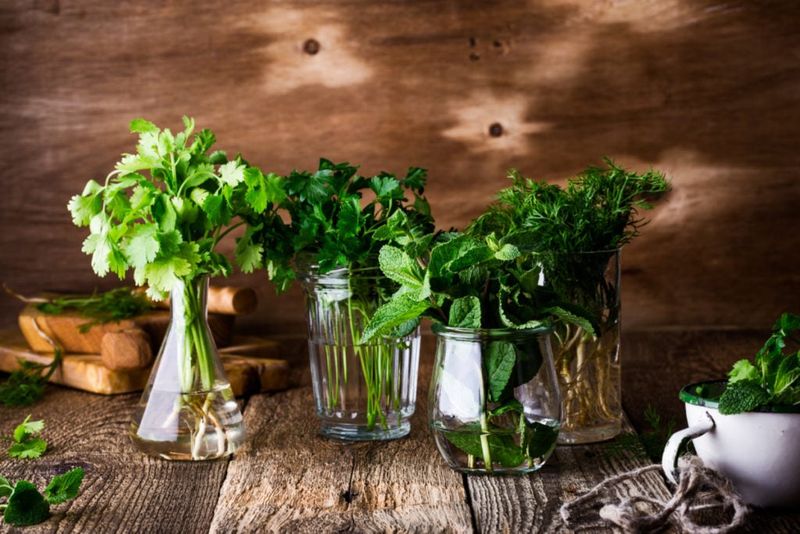
Free plants are the best plants. Cuttings let you copy the exact basil that performed best on your balcony all summer.
Start by snipping three to four inch pieces from healthy growing tips. Strip the lower leaves, dip the cut end in rooting hormone, and tuck it into a soilless mix.
Moisture keeps the process moving. Keep the medium damp but not swampy while roots form.
Some herbs root with almost comic speed. Basil, oregano, and mint can root quickly, while rosemary and sage often take several weeks to develop strong roots.
Glass jars of water work fine for softer stems, and they look charming on a windowsill. Move rooted cuttings into soil once the roots reach an inch or so.
Seeds are the other insurance policy. Let a few basil or dill plants flower, then collect the dried seed heads into labeled paper envelopes.
Store envelopes somewhere cool and dry, like a kitchen drawer away from the stove. Come early April, you can start them indoors.
Label everything. Every gardener has mystery seeds nobody can identify by March.
9. Watch For Pests Before Moving Herbs Indoors
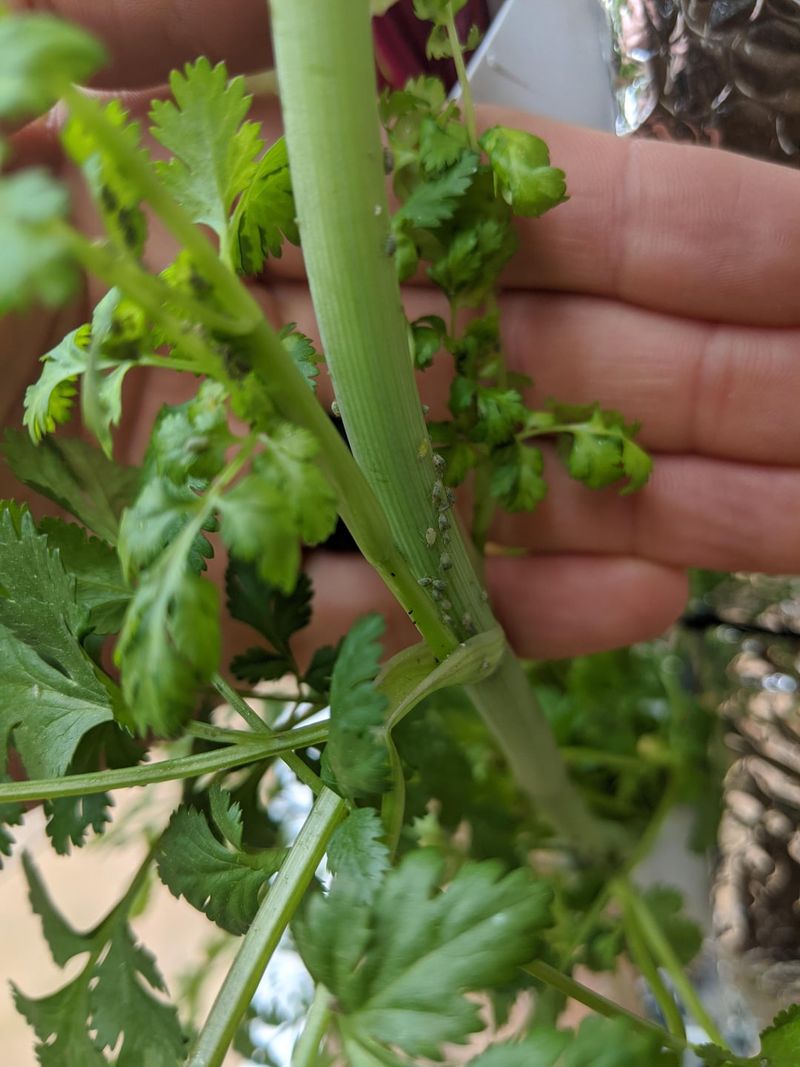
Bringing in a plant means bringing in whatever lives on it. A careful pest check protects your houseplants from an unwanted invasion.
Inspect every herb before it crosses the threshold. Turn leaves over, peek along stems, and look into the soil surface.
Damaged or discolored foliage is your first clue. Prune those leaves away and toss them, rather than composting on the balcony.
Aphids and spider mites top the list of indoor troublemakers. Aphids cluster on new growth, while mites leave fine webbing and speckled leaves.
Handling them is simple enough. Pick visible bugs off by hand, or spray the plant with a mild soap and water mixture, covering leaf undersides.
Give plants a rinse in the sink or shower for good measure. A steady stream knocks loose plenty of hitchhikers.
Quarantine new arrivals for a week or two in a separate room. Problems tend to reveal themselves quickly.
Out on your balcony, clearing away spent plant material reduces the insects and disease that overwinter in debris. A tidy space in fall means fewer headaches in spring.
10. Plan Next Season’s Balcony Herb Garden Before Winter
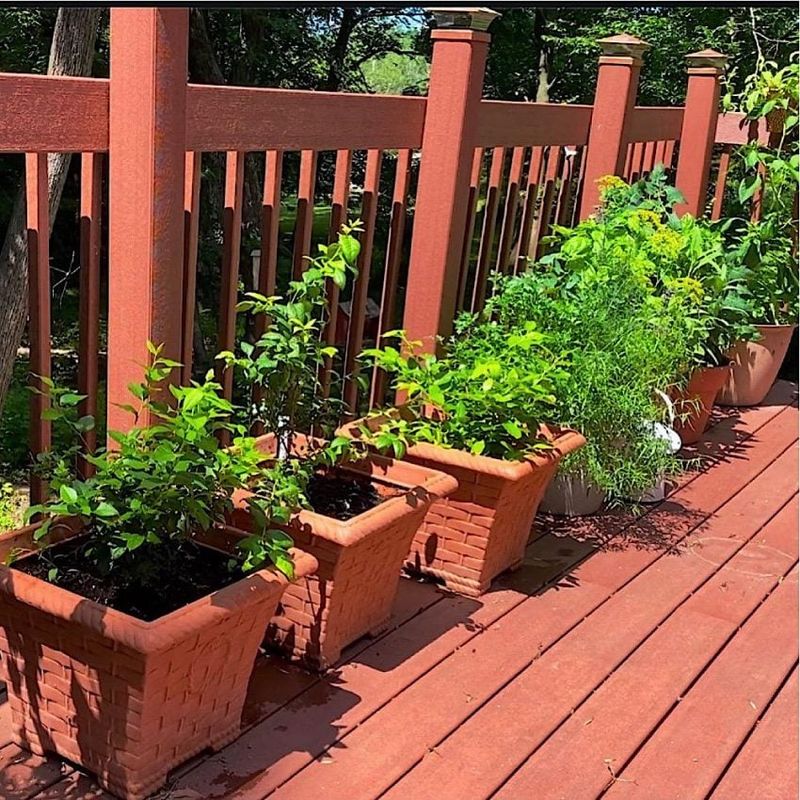
Winter is secretly the most productive gardening season. With pots resting, you finally have time to think instead of scramble.
Sketch your balcony layout on paper and note where the sun actually landed each month. Those sunny and shady pockets shape everything you plant.
Order seeds early. Popular varieties sell out, and shipping takes longer than anyone expects in January.
Research herbs suited to your hardiness zone and the odd microclimates a balcony creates. A hot railing corner and a shaded wall behave like two different gardens.
Timing gives you a head start. Many herbs can be sown indoors several weeks before the last frost, which in Brooklyn usually falls around late April.
Basil especially rewards an early start. Sow it under a grow light or on a sunny sill in early April, and you will have sturdy transplants ready when nights warm up.
Keep notes on what struggled this year and why. Honest records beat memory every time.
By the time spring arrives in New York, your plan is already made, and you can spend those first warm weekends planting instead of guessing.